Top 20 Natural Monuments around Padul
Best natural monuments around Padul include the significant Laguna de Padul, also known as the Padul Wetlands, a protected reserve within the Sierra Nevada Natural Park. This area is recognized for its ecological, geological, and paleontological importance, featuring the largest peatland in Southern Europe. Remains of prehistoric animals, including woolly mammoths, have been discovered here, earning Padul the nickname "Town of the Mammoth." The wetlands serve as a crucial refuge for biodiversity, particularly for migratory birds.
Best natural monuments around…
Last updated: June 17, 2026
Old Hermitage
Highlight • Religious Site
Translated by Google •
Tip by

Barranco de la Luna Gorge
Highlight • Gorge
Translated by Google •
Tip by

Sign up now to discover places like this
Get recommendations on the best single tracks, peaks, & plenty of other exciting outdoor places.
Sign up for free
Waterfall of the Arroyo del Alcázar
Highlight • Waterfall
Translated by Google •
Tip by

Cascada de los Bolos
Highlight • Waterfall
Translated by Google •
Tip by

Trevenque Hill
Highlight • Summit
Translated by Google •
Tip by

Sign up for free to discover even more natural monuments around Padul.
Sign up for free
Already have an account?
Start today with a free account
Your next adventure awaits.
Login or Signup

Tips from the Community

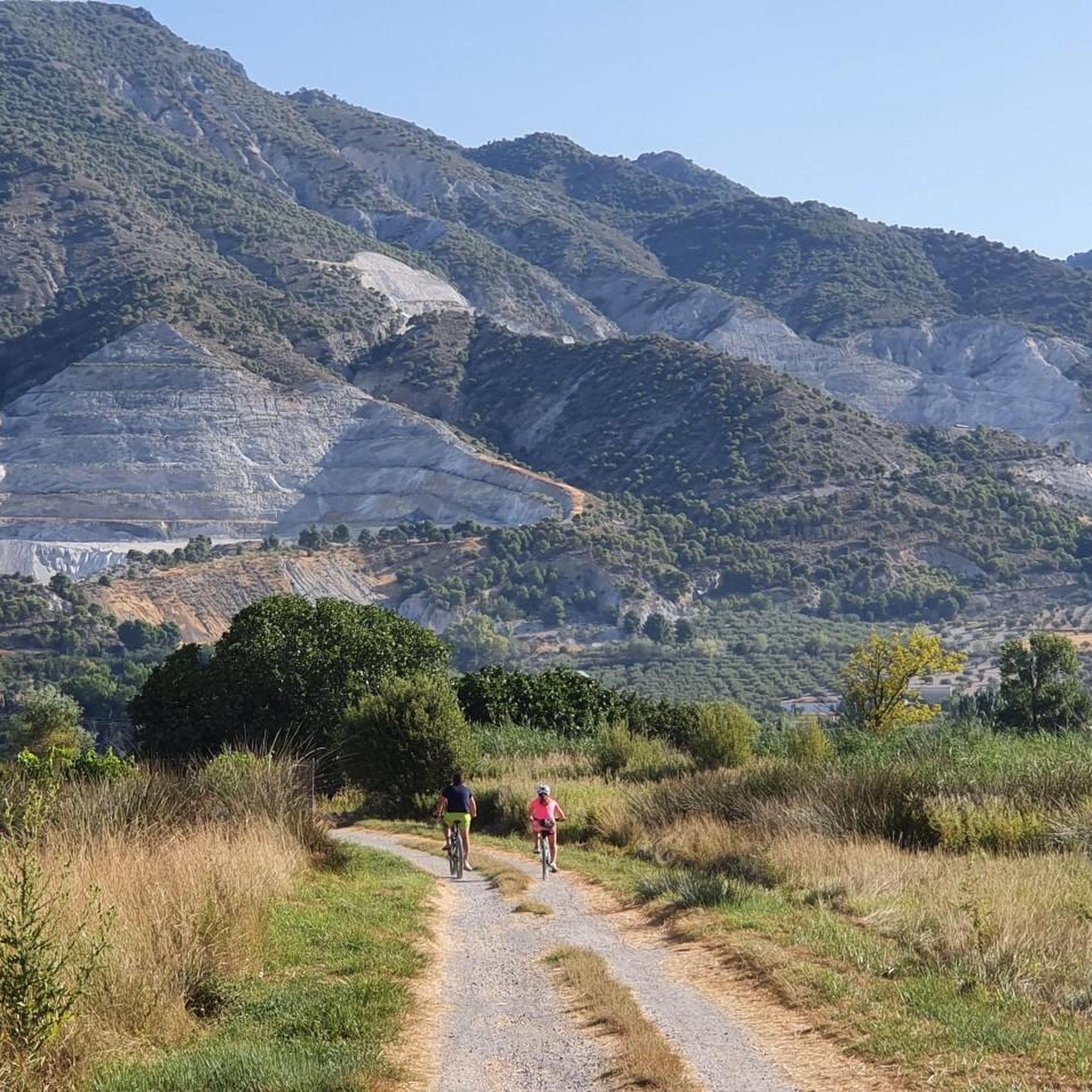
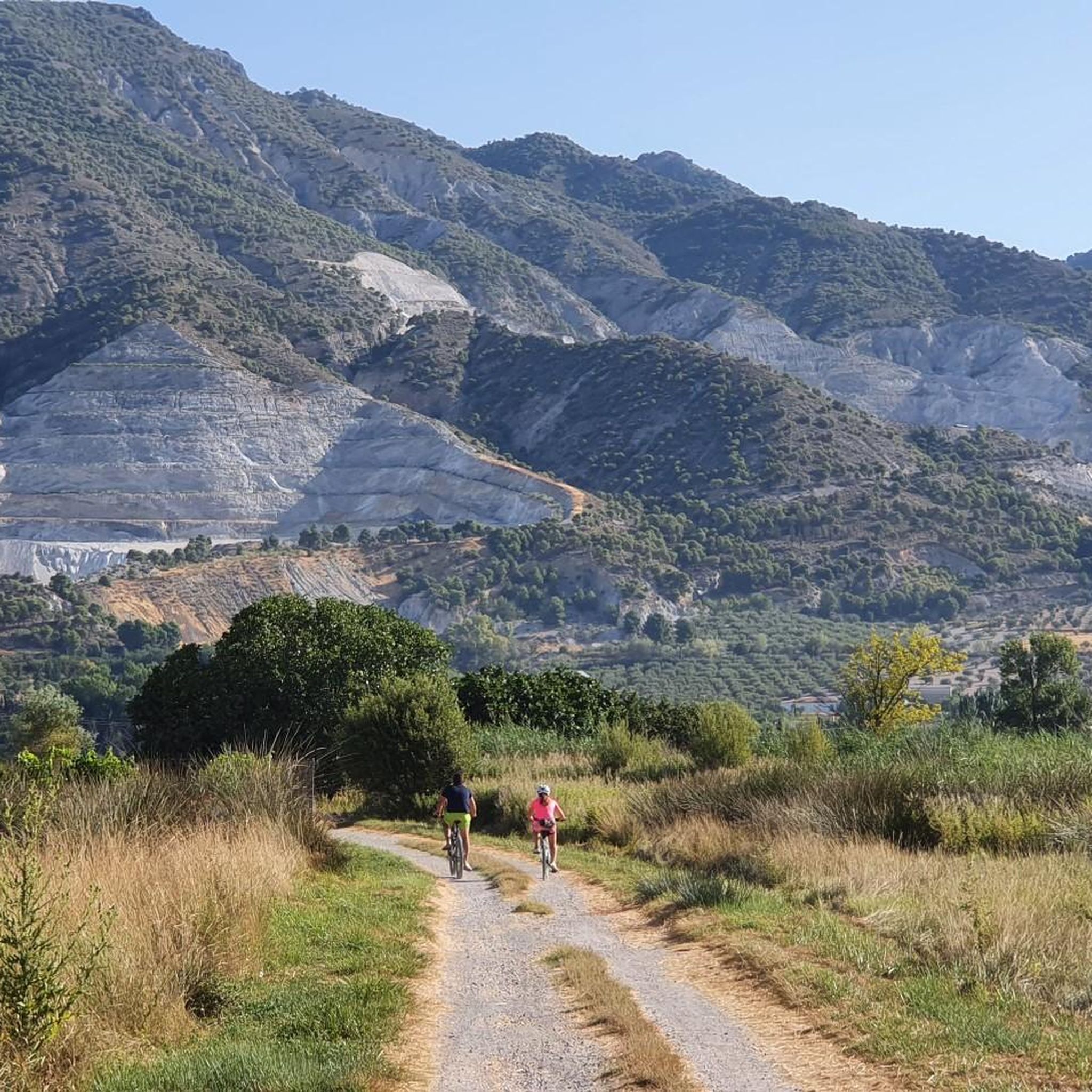
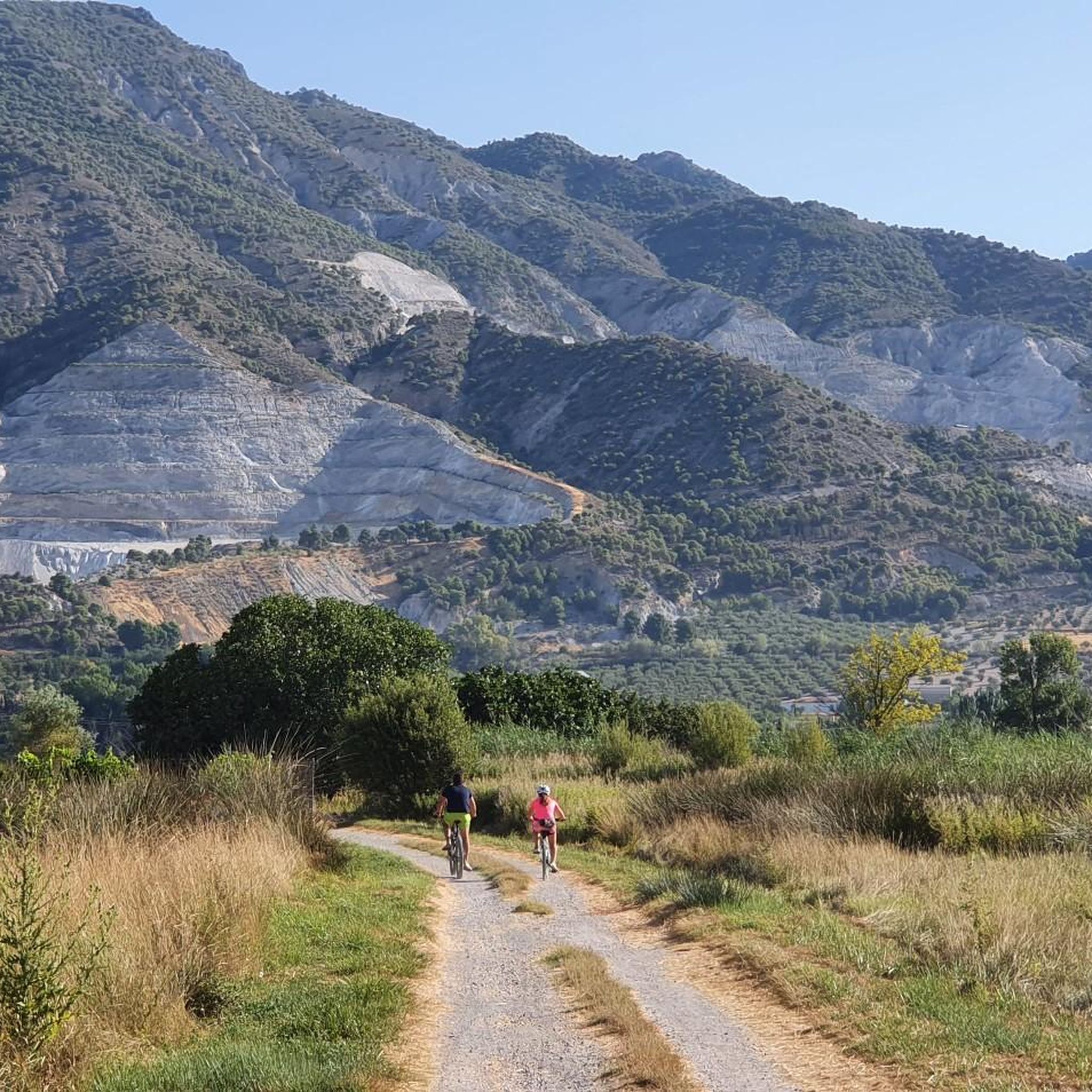
Komoot marks the route as for mountain biking, but the first part is practically impractical, and just before the final part too. If you don't want to spend several kilometers carrying the bike on trails of barely twenty cm with a drop-off next to it, you'd better save yourself the trip. Halfway through, it coincides with a track that is quite good, but to get there I had to spend more than an hour carrying the bike and riding on sections of no more than 50 meters.
0
0

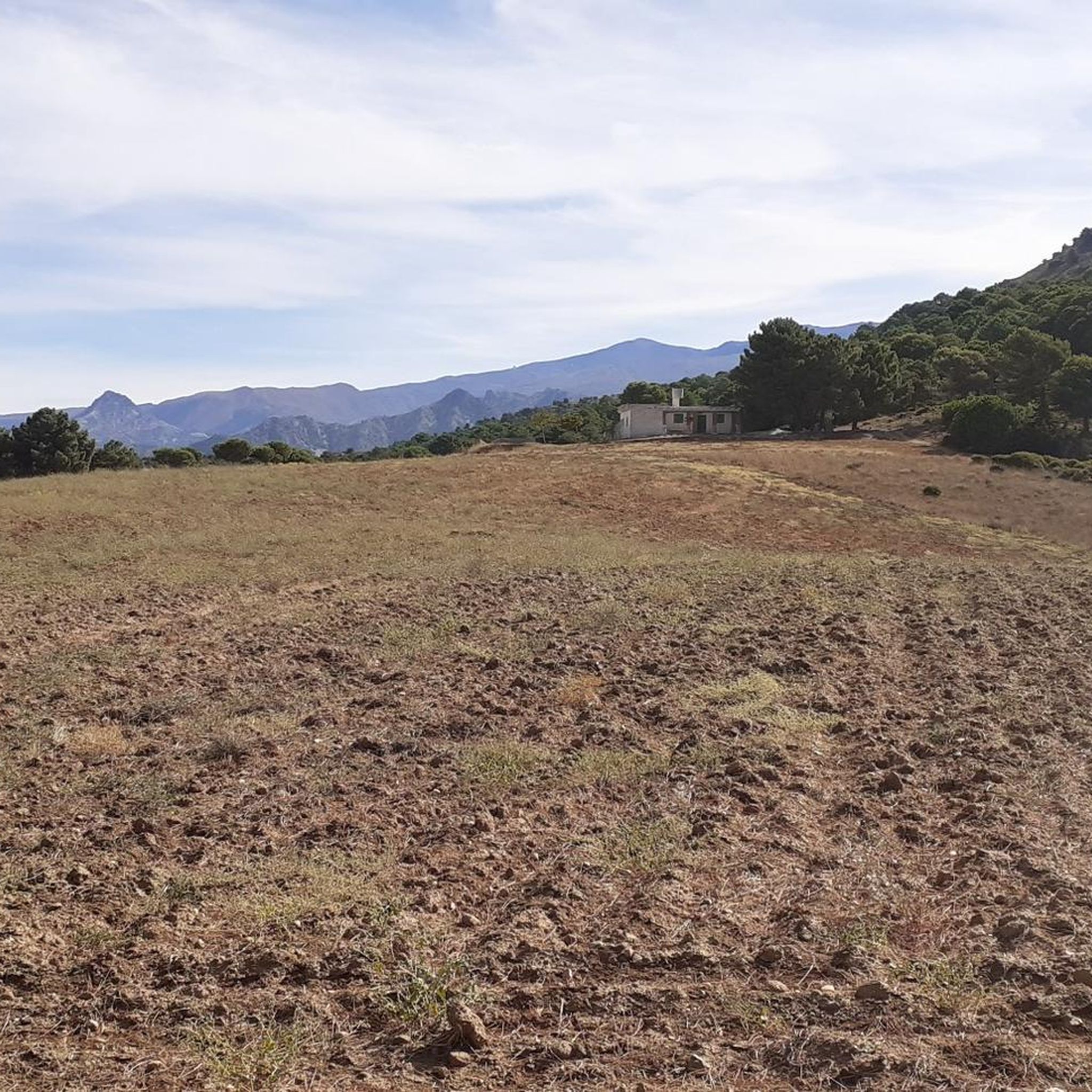
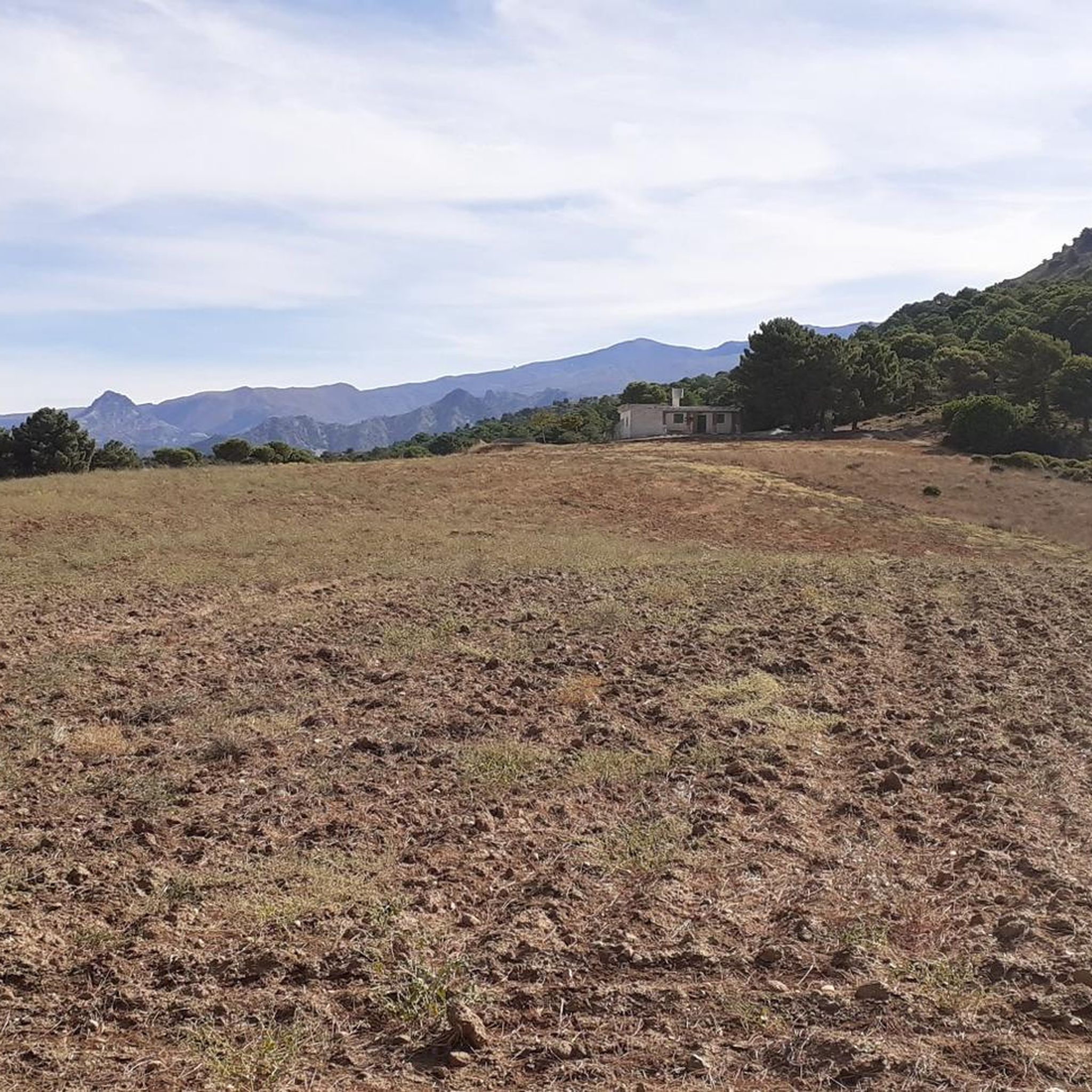
Near the Old Hermitage in Dílar, there is a spring and a pool that are very useful for refilling your water bottles during hikes. They are located in the Río Dílar Recreation Area, a few meters from the main building, and are usually signposted along the trails.
1
0
It is located in the Sierra Nevada Natural Park, about 18 km from the city of Granada, next to the Dílar River and surrounded by riverside forests and walnut groves. A natural viewpoint with spectacular views of the valley and Granada.
1
1

A lovely place to cool off and spend a wonderful day in the surroundings.
0
0

Walked Barranco de Luna. Just past the sign “Final de Sendero” we couldn’t possibly continue because the route was barricaded by piled up branches and overgrown with plants, so we had to turn back. Alas!
0
0

Best time to do in the morning and also during the week
1
0
Fabulous Step ravine best time to do it. During the week and from 10:00, the route is easy and short, it will not take you more than 1:30 hours and thus you will avoid the overbukin.
1
2
Frequently Asked Questions
What are some unique natural monuments to explore around Padul?
Padul is home to several unique natural monuments. The most prominent is the Laguna de Padul, also known as the Padul Wetlands, which is the largest wetland in the province of Granada and a significant peatland. You can also visit the spectacular Barranco de la Luna Gorge, known for its deep, narrow passage and unique light effects, or the beautiful Waterfall of the Arroyo del Alcázar.
What makes the Laguna de Padul (Padul Wetlands) so significant?
The Laguna de Padul is highly significant due to its ecological, geological, and paleontological importance. It is the largest wetland in Granada and the largest peatland in Southern Europe, preserving a rich history of climate and vegetation over the last 100,000 years. It's also a crucial refuge for biodiversity, especially migratory birds, and holds paleontological discoveries like woolly mammoth remains, earning Padul the nickname 'Town of the Mammoth'.
Are there any natural monuments with historical or paleontological importance?
Yes, the Laguna de Padul (Padul Wetlands) is particularly notable for its paleontological significance. Remains of prehistoric animals, including woolly mammoths, woolly rhinoceroses, and saber-toothed tigers, have been discovered in its deep peat bogs. This makes it a fascinating site for understanding ancient ecosystems.
What kind of wildlife can I expect to see in the natural monuments near Padul?
The Laguna de Padul is a haven for wildlife, especially birds. It acts as a natural service station for migratory birds between Europe and Africa, with nearly 170 to 205 different bird species recorded. You might spot little grebes, grey herons, little bitterns, kingfishers, and various duck species. Its flora includes extensive reed beds, cattails, yellow lilies, and duckweed.
Are there opportunities for birdwatching around Padul?
Absolutely. The Laguna de Padul is considered one of the best areas in Andalusia for birdwatching. It is a Special Area for the Protection of Birds (SPA) and a Ramsar Convention Wetland of International Importance. The area features wooden walkways, viewpoints, and bird hides specifically designed for observation.
What outdoor activities can I do near these natural monuments?
Near Padul's natural monuments, you can enjoy a variety of outdoor activities. There are numerous hiking trails, including low-intensity, signposted prehistoric routes like the Mammoth Route within the Laguna de Padul. You can also find options for running and gravel biking. For more detailed routes, explore the hiking, running, and gravel biking guides around Padul.
Are there hiking trails suitable for different skill levels near Padul's natural monuments?
Yes, there are trails for various skill levels. Within the Laguna de Padul, you'll find low-intensity, signposted prehistoric routes, such as the Mammoth Route, which is an easy, circular path accessible to people with disabilities. Other trails in the region range from easy to difficult, including routes like 'Mammoth Playground – Lagunas de Padul loop' (easy to moderate) and more challenging options like 'Piedra Ventana – La Silleta de Dílar loop'.
Are there family-friendly natural monuments or trails in the Padul area?
Yes, several natural monuments and trails are suitable for families. The Laguna de Padul offers well-maintained trails and a visitor center, the 'Aula de la Naturaleza El Aguadero,' making it an excellent educational and recreational experience. The Mammoth Route within the wetlands is an easy, circular path accessible to people with disabilities, perfect for families. The Waterfall of the Arroyo del Alcázar and El Padul wetland area are also considered family-friendly.
What is the best time of year to visit the natural monuments around Padul?
The Laguna de Padul is a crucial refuge for migratory birds, making spring and autumn particularly good for birdwatching. The well-maintained trails and visitor infrastructure mean it can be enjoyed year-round, though summer months might be warmer for hiking. For exploring waterfalls like Waterfall of the Arroyo del Alcázar or Cascada de los Bolos, water levels can vary, with summer often allowing for easier access upstream.
Is there a visitor center or facilities available at the Laguna de Padul?
Yes, the Laguna de Padul features visitor infrastructure including wooden walkways, viewpoints, and bird hides. The 'Aula de la Naturaleza El Aguadero' visitor center provides valuable information about the local flora and fauna, enhancing the educational experience for visitors.
What do visitors enjoy most about the natural monuments around Padul?
Visitors frequently appreciate the unique natural beauty and ecological significance of the area. The Barranco de la Luna Gorge is often described as spectacular and unexpected, with its deep, narrow passage. The Laguna de Padul is valued for its rich biodiversity, birdwatching opportunities, and the fascinating paleontological history, especially the mammoth discoveries. The stunning views of the lagoon with the Sierra Nevada mountains in the background also add to its appeal.
Are there any natural monuments that involve water features like rivers or waterfalls?
Yes, the area around Padul features several impressive water-related natural monuments. You can visit the amazing Waterfall of the Arroyo del Alcázar, located near Alós Baños de Urquizar. Another notable waterfall is Cascada de los Bolos, which can be reached by continuing upstream from the official trail, especially during summer months when river levels are lower.
Most popular attractions around Padul

Get inspired with the komoot mobile app


Explore more
Extend your search for the best caves by checking out these guides of the top ones around Padul:
