Top 18 Natural Monuments around Alozaina
Best natural monuments around Alozaina are found in the foothills of the Sierra de las Nieves, a UNESCO Biosphere Reserve. This region features diverse natural landscapes, including river valleys, unique geological formations, and significant flora. The area offers opportunities to explore natural features such as waterfalls, ancient trees, and river systems. Its historical richness, with sites inhabited since the Paleolithic era, complements the natural exploration experience.
Best natural monuments around Alozaina
- The most popular natural monuments is Charco de la…
Last updated: July 1, 2026
Charco de la Virgen
Highlight • Waterfall
Showing Translation
Tip by

Source of the Río Grande of Yunquera
Highlight • River
Translated by Google •
Tip by

Sign up now to discover places like this
Get recommendations on the best single tracks, peaks, & plenty of other exciting outdoor places.
Sign up for free
Road section with views of the Sierra de las Nieves
Highlight (Segment) • Mountain Pass
Showing Translation
Tip by

Rejía Waterfall
Highlight • Waterfall
Showing Translation
Tip by
Candelabra Spanish Fir
Highlight • Natural Monument
Translated by Google •
Tip by

Sign up for free to discover even more natural monuments around Alozaina.
Sign up for free
Already have an account?
Start today with a free account
Your next adventure awaits.
Login or Signup
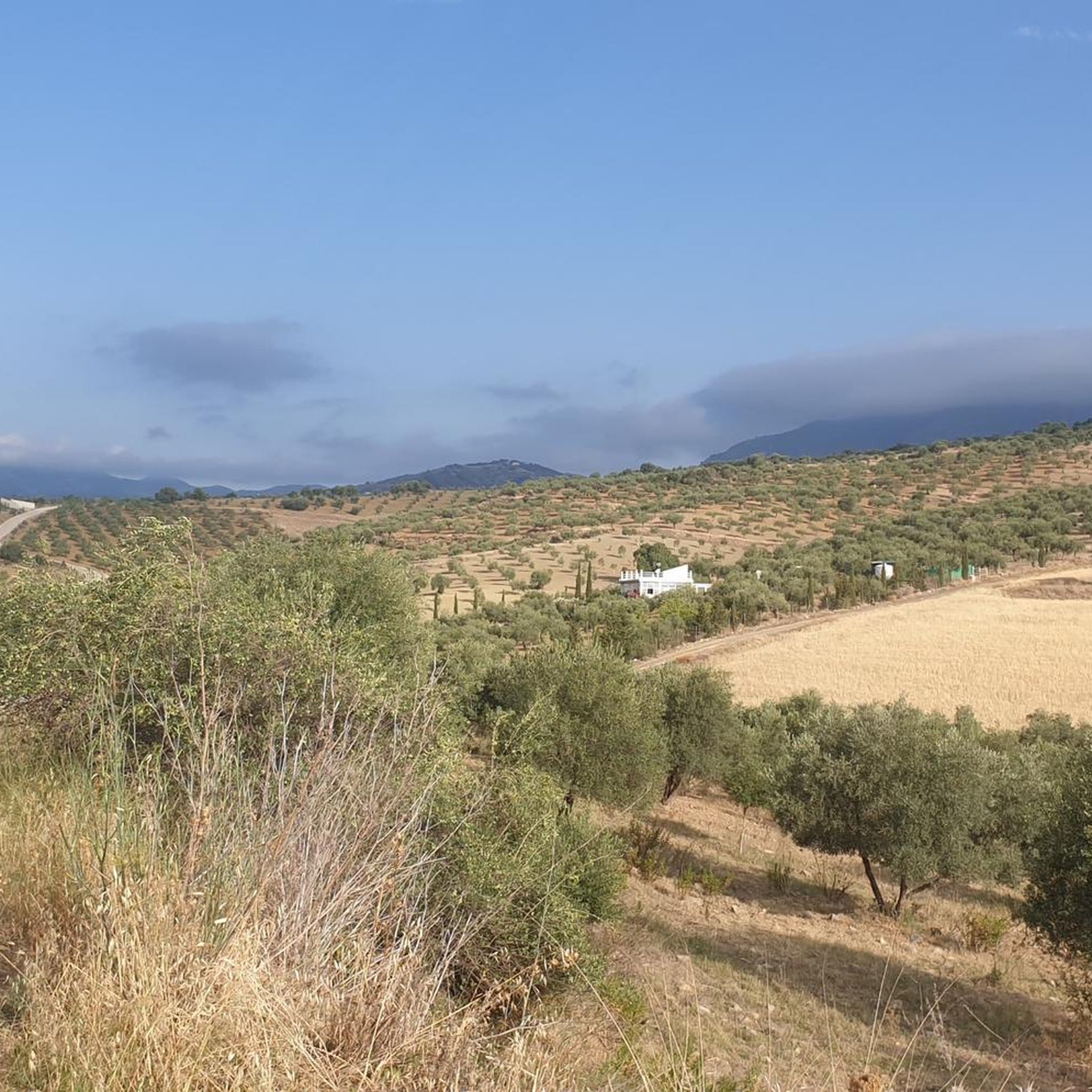
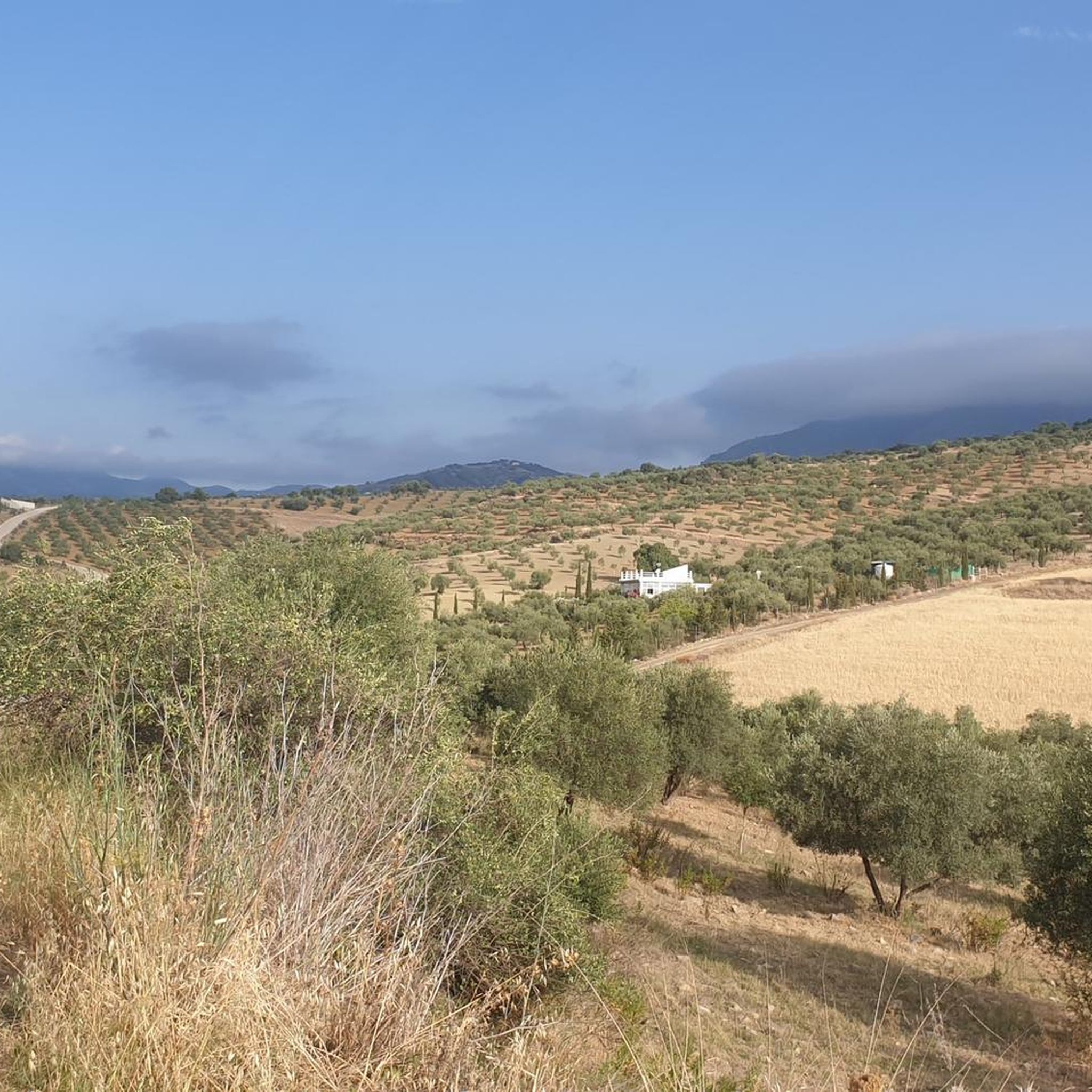

Tips from the Community

El Salto de la Rejía is the highest natural waterfall in the province of Málaga. It is not a single drop but three chained falls that cascade over the rocks. The best time to visit is autumn or spring, when the flow is at its peak. In summer the water dwindles considerably, although the surroundings are still worth a visit. A tip: approach the viewpoint on the trail before descending to the base, from above you get the most complete perspective of the three falls at once.
1
0
El Charco de la Virgen is a natural pool fed by an 18-meter waterfall in the bed of the río de los Caballos river. To reach the last section, you have to enter the riverbed itself and advance by jumping between rocks. In summer it is a very popular destination for swimming, although it should be noted that the place is shady and the water remains cold almost all year round. If the summer has been dry, the flow may be disappointing: the best time to see it with its full force is spring.
1
0

This cave is on private land. How could this be sold to a private individual!!? Only option seems to climb the stupid gate at the end of the bridge.
0
0

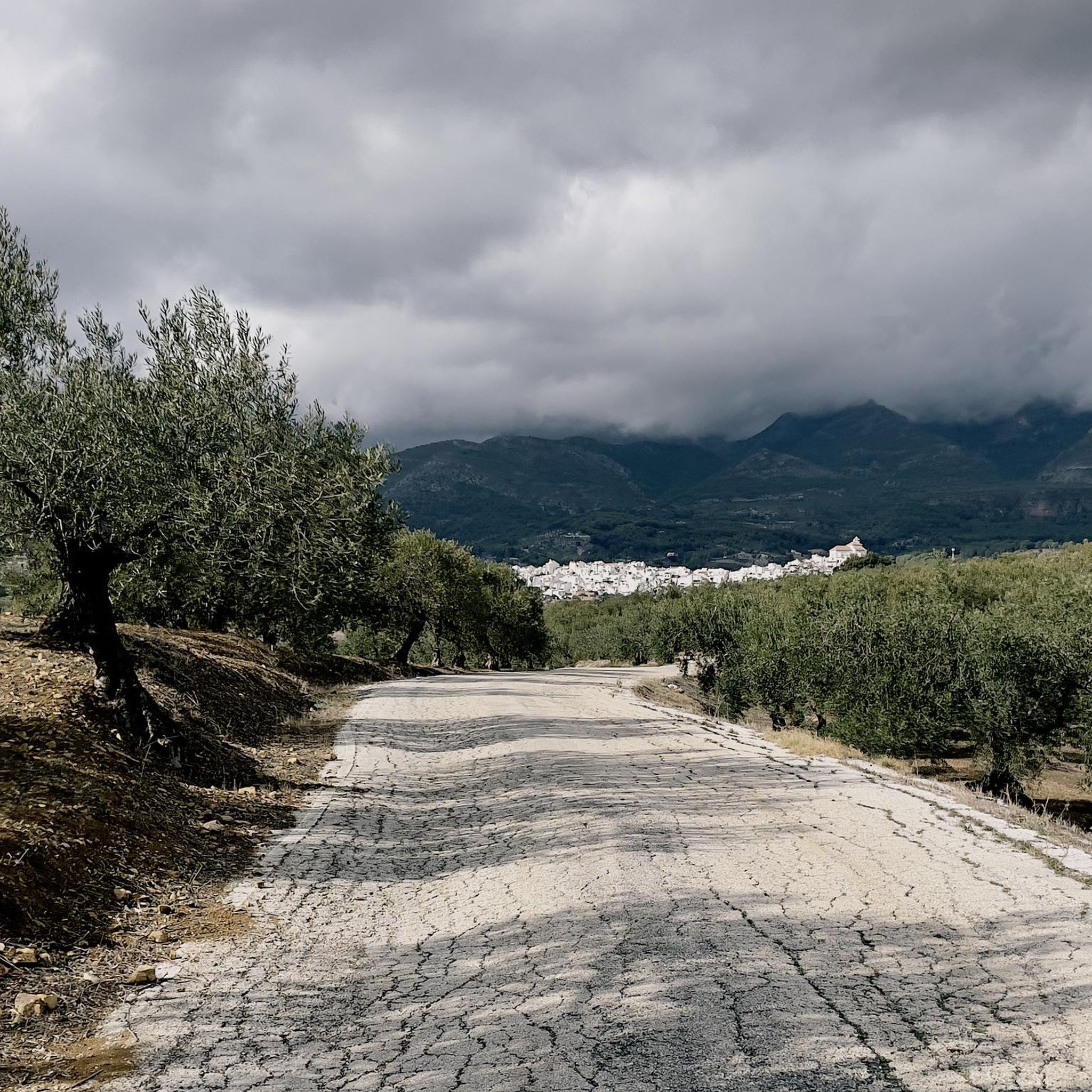
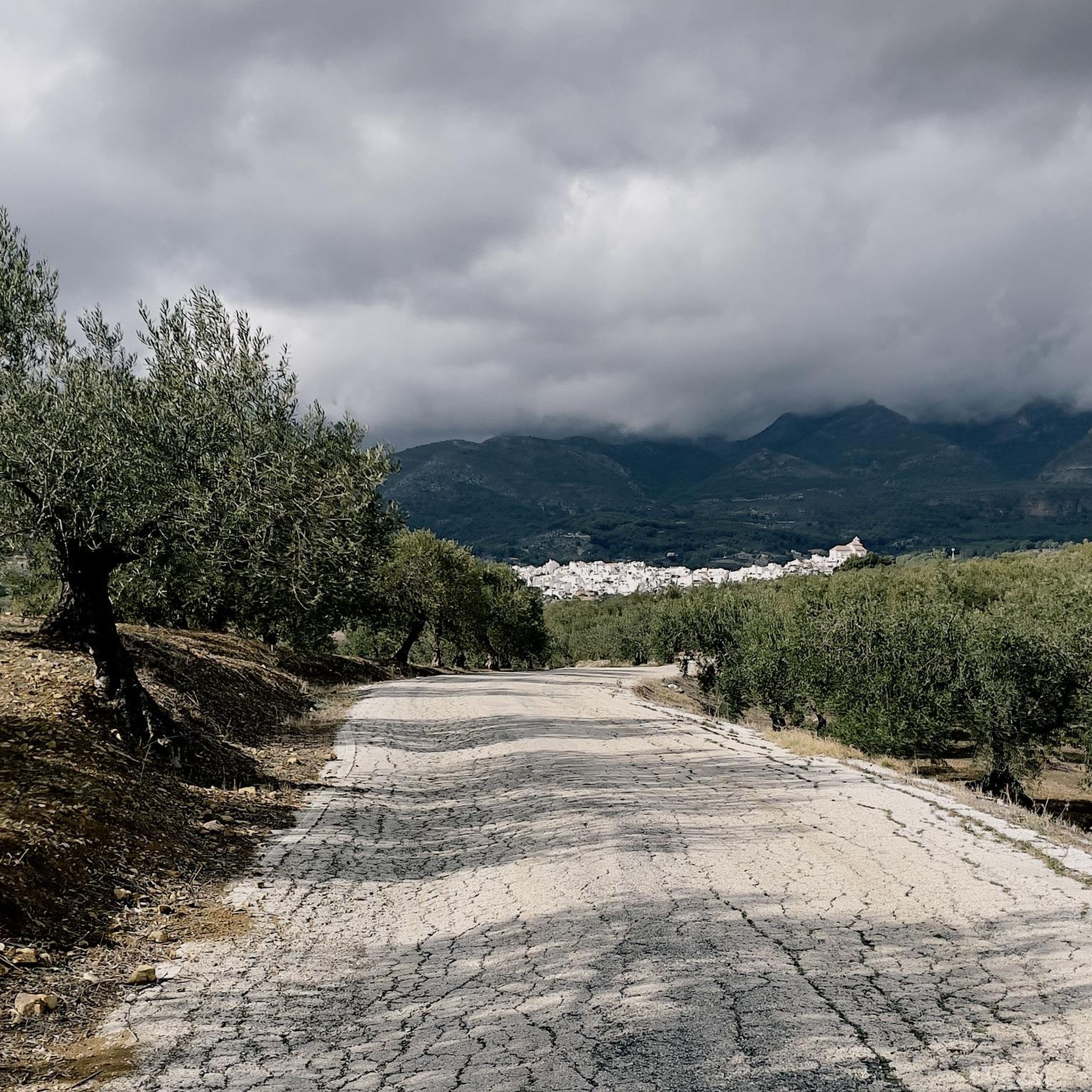
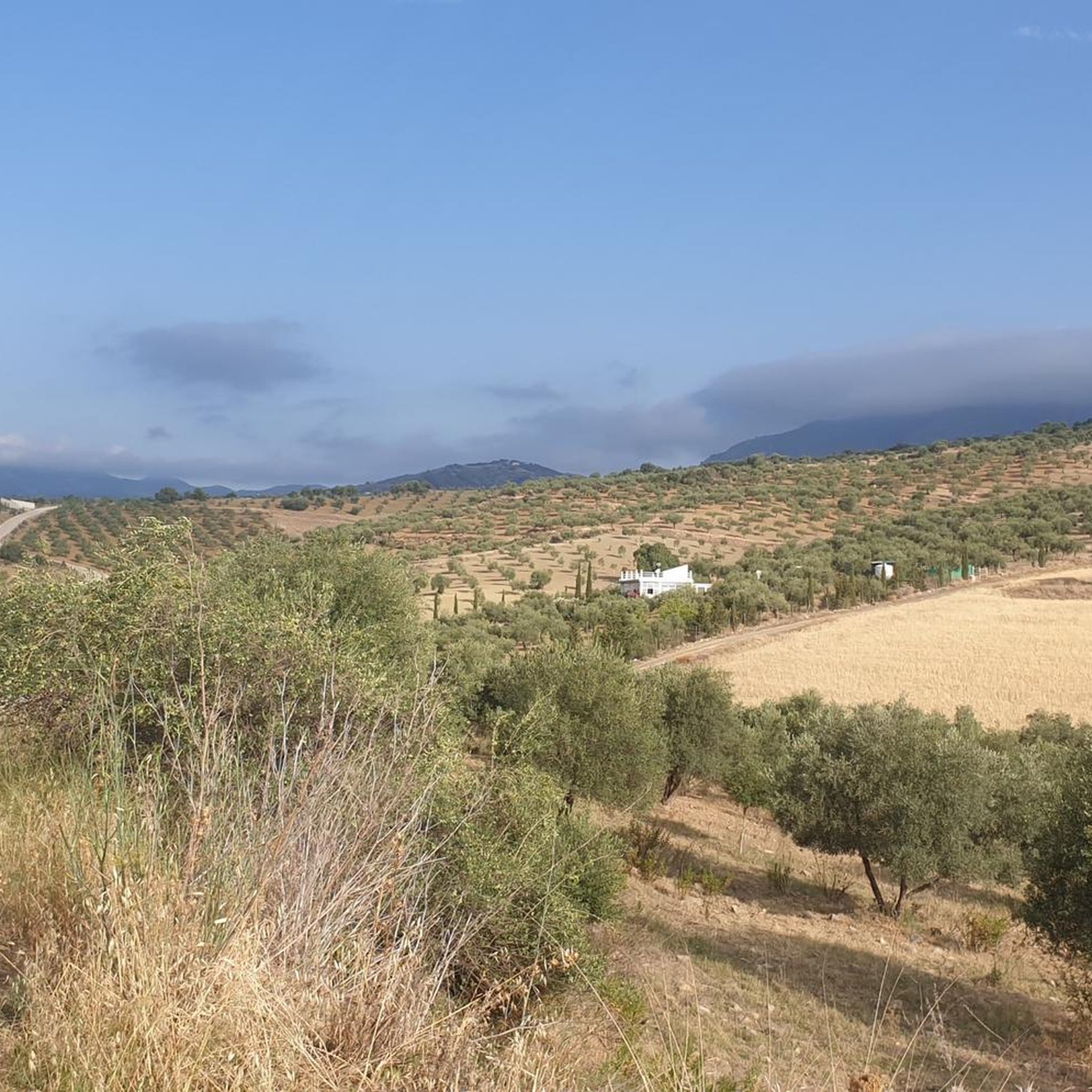
Puerto del Viento is a climb in the Costa del Sol region, popular with cyclists and hikers. The pass connects Ronda with El Burgo and is approximately 13.3 kilometers long from El Burgo. It overcomes an elevation gain of 612 meters from El Burgo, with an average gradient of 4.6%. This route offers beautiful views of the Sierra de las Nieves and the Sierra de Grazalema, and is a great place to explore the nature and landscape of Andalucía. It is a relatively quiet route with little traffic, making it ideal for a relaxing and enjoyable ride.
8
0

what a view! beautiful road.
3
0

The candelabra fir, more than 16 meters high, is located just a few meters from the port of Saucillo. It is named for the peculiar shape of its branches. Next to it is a poster that explains the different processes that affect the growth of trees, resulting in extraordinary figures like this Spanish fir.
1
0

Another of the beautiful jumps on the path of the waterfalls from Tolox. An ideal place to cool off in the summer months.
3
1

This is one of the favorite stretches for road cyclists in the area. And it's no wonder: the road doesn't have too much traffic, the route is a delight, and the surface is kept in good condition. And the views are stunning.
3
0
Frequently Asked Questions
What are some of the most popular natural monuments to visit near Alozaina?
The region around Alozaina, nestled in the Sierra de las Nieves foothills, offers several captivating natural monuments. Highly regarded spots include the beautiful Charco de la Virgen Waterfall, known for its natural swimming pool and as a popular picnic spot. Another unique highlight is the Candelabra Spanish Fir, an over 16-meter-high tree with a distinctive branch shape, located near the port of Saucillo. The Molino Caído Dam on the Turón riverbed is also a picturesque spot, offering a path down to a bathing area.
Are there family-friendly natural monuments or walks around Alozaina?
Yes, several natural monuments around Alozaina are suitable for families. The Charco de la Virgen Waterfall is a great option, offering a natural swimming pool and being a popular picnic spot. The area around the Molino Caído Dam also provides a pleasant environment for families, with a path leading to a bathing area in the Turón river. The Jorox River Valley, with its fertile orchards and easy-to-access paths, also offers gentle walks.
What kind of outdoor activities can I do near the natural monuments in Alozaina?
The natural monuments around Alozaina are excellent starting points for various outdoor activities. You can enjoy hiking, gravel biking, and mountain biking. For hiking, consider exploring the Jorox Cross Route in the Jorox River Valley. If you're interested in cycling, there are numerous routes available, such as those found in the Gravel biking around Alozaina guide or the MTB Trails around Alozaina guide. Running enthusiasts can also find suitable trails in the area, detailed in the Running Trails around Alozaina guide.
What natural features can I expect to see in the Alozaina region?
The Alozaina region, part of the Sierra de las Nieves Natural Park, is rich in diverse natural features. You'll encounter stunning waterfalls like the Charco de la Virgen Waterfall, unique trees such as the Candelabra Spanish Fir, and picturesque river systems like the Jorox River Valley. The landscape also includes impressive shafts and caves, especially around the Source of the Río Grande of Yunquera, and majestic mountain views from spots like the Road section with views of the Sierra de las Nieves.
Are there any historical or cultural sites integrated with the natural monuments?
Yes, the natural landscape around Alozaina often intertwines with rich history. The Jorox River Valley, for instance, has been inhabited since the Paleolithic era and features caves with archaeological remains. The valley also showcases ancient Arab canals and mills fed by the El Nacimiento spring, adding a historical dimension to the natural scenery. The Veracruz de Jorox Hermitage is another historical point of interest along the Jorox Cross Route.
What is the best time of year to visit the natural monuments around Alozaina?
The region around Alozaina is beautiful year-round, but the best time to visit for outdoor activities like hiking and exploring natural monuments is typically during spring (March to May) and autumn (September to November). During these seasons, the weather is milder and more pleasant for exploring, and the natural scenery is vibrant. Summers can be very hot, making early mornings or late afternoons preferable for activities, while winters are generally mild but can be cooler at higher elevations.
Are there opportunities for wild swimming near Alozaina's natural monuments?
Yes, there are popular spots for wild swimming. The Charco de la Virgen Waterfall is well-known for its natural swimming pool, though it can be quite cold, especially in spring. The area around the Molino Caído Dam on the Turón river also offers a bathing area known as Azud Largo. Additionally, the Source of the Río Grande of Yunquera has a small lake where you can swim, though the water is very cold as it comes directly from the mountain.
What makes the Sierra de las Nieves Natural Park significant?
The Sierra de las Nieves Natural Park, located near Alozaina, is highly significant. It is recognized as a UNESCO Biosphere Reserve and has also received the EDEN prize for its Intangible Heritage and Tourism. This expansive park covers over 20,163 hectares and is an ecological stronghold, home to diverse flora and fauna, including 3,000 hectares of endangered Spanish firs. It offers unique landscapes with impressive shafts and caves, making it a prime destination for nature lovers and outdoor enthusiasts.
Are there any viewpoints offering panoramic views of the natural landscape?
Absolutely. The Road section with views of the Sierra de las Nieves, specifically Puerto del Viento, offers breathtaking panoramic views of both the Sierra de las Nieves and the Sierra de Grazalema. The "La Ventanilla" area on Sierra Prieta is also highly valued for its beauty and magnificent views, providing a dramatic backdrop to the village of Alozaina.
What should I wear when hiking in the natural monuments around Alozaina?
When hiking in the Alozaina mountains, it's advisable to wear comfortable, layered clothing suitable for varying temperatures. Sturdy hiking boots are essential, especially for trails with uneven terrain. Depending on the season, bring sun protection (hat, sunscreen) and plenty of water. If visiting in cooler months or at higher elevations, a waterproof and windproof outer layer is recommended.
Can I find cafes or accommodation near the natural parks and monuments?
Alozaina itself offers cafes, pubs, and accommodation options, serving as a convenient base for exploring the surrounding natural monuments. While specific cafes might not be directly adjacent to every natural monument, you'll find amenities within the village and nearby towns. It's a good idea to plan your stops for refreshments and meals in the villages before or after your excursions into the natural areas.
What is the Source of the Río Grande of Yunquera?
The Source of the Río Grande of Yunquera is a fascinating natural monument where water from the Sierra de las Nieves emerges from a cave, forming the Río Grande. It consists of a spring, a small lake, and a water reservoir. This magical and quiet place is known for its absolutely clean, albeit very cold, water, and features a cave that has been explored by cave divers. It's a great spot to enjoy nature and explore the immediate surroundings.
Most popular routes around Alozaina
Most popular attractions around Alozaina

Get inspired with the komoot mobile app


Explore more
Extend your search for the best caves by checking out these guides of the top ones around Alozaina:
