Top 16 Natural Monuments around Borrenes
Natural monuments around Borrenes are situated in the El Bierzo region of León, Spain, offering a landscape shaped by both natural processes and historical human activity. This area is known for its distinctive reddish earth formations and ancient chestnut groves. The region's geological features are closely linked to its past as a significant Roman gold mining area. Visitors can explore a blend of natural beauty and historical sites.
Best natural monuments around Borrenes
- The most popular natural monuments is Orellán…
Last updated: October 4, 2026
Orellán Galleries
Highlight • Historical Site
Translated by Google •
Tip by

La Encantada Cave and La Cuevona
Highlight • Cave
Translated by Google •
Tip by
Sign up now to discover places like this
Get recommendations on the best single tracks, peaks, & plenty of other exciting outdoor places.
Las Médulas Roman Gold Mines
Highlight • Historical Site
Translated by Google •
Tip by
Las Médulas
Highlight • Historical Site
Translated by Google •
Tip by
Pico de Placias
Highlight • Summit
Translated by Google •
Tip by
Sign up for free to discover even more natural monuments around Borrenes.
Already have an account?
Start today with a free account
Your next adventure awaits.

Tips from the Community

Inside it goes very steeply uphill and it leads nowhere
0
0

The beautiful, distinct landscape stands in stark contrast to the history with approx. 20,000 Spanish slaves who, for the Romans, had to do dusty, heavy, and very dangerous work daily deep underground under appalling conditions.
12
0

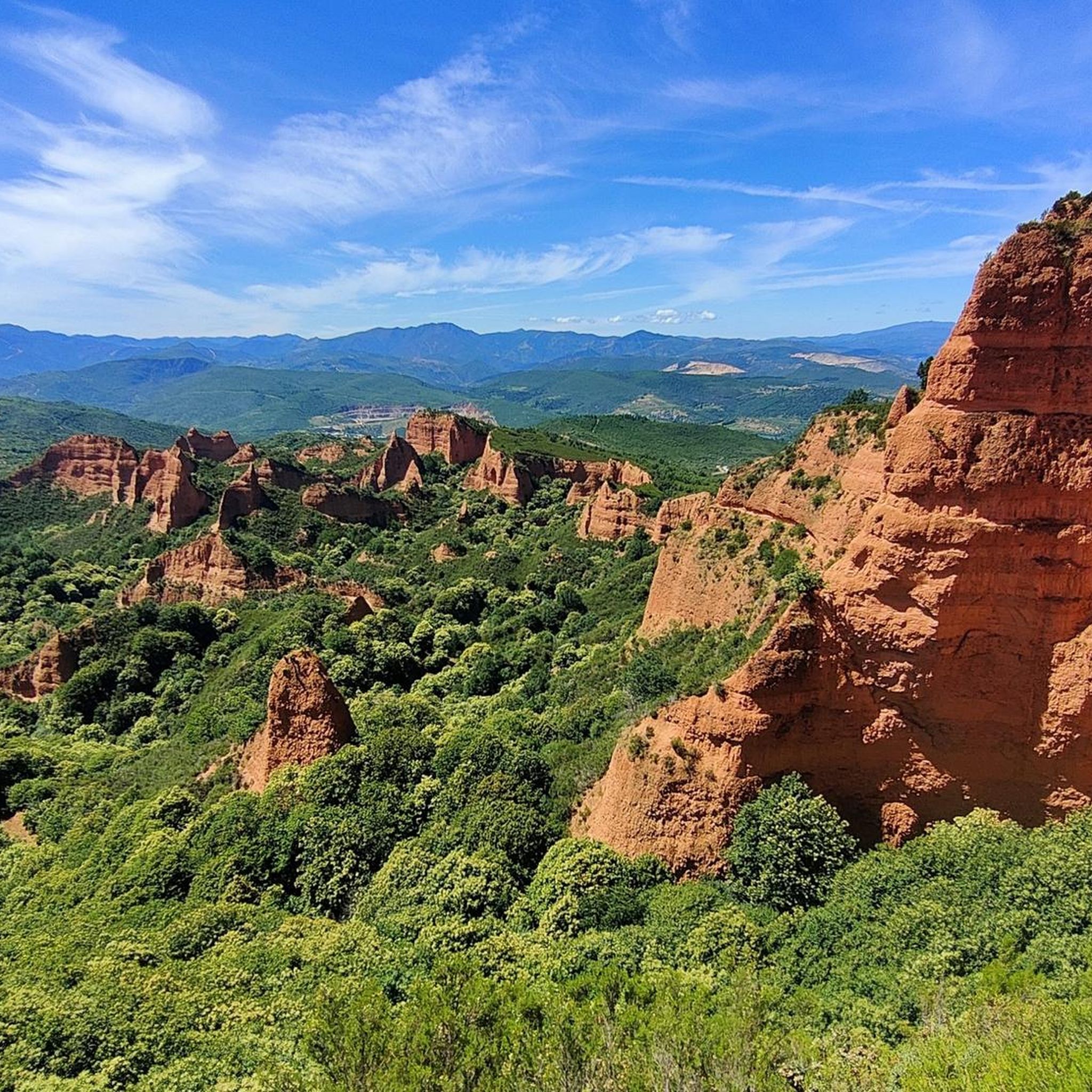
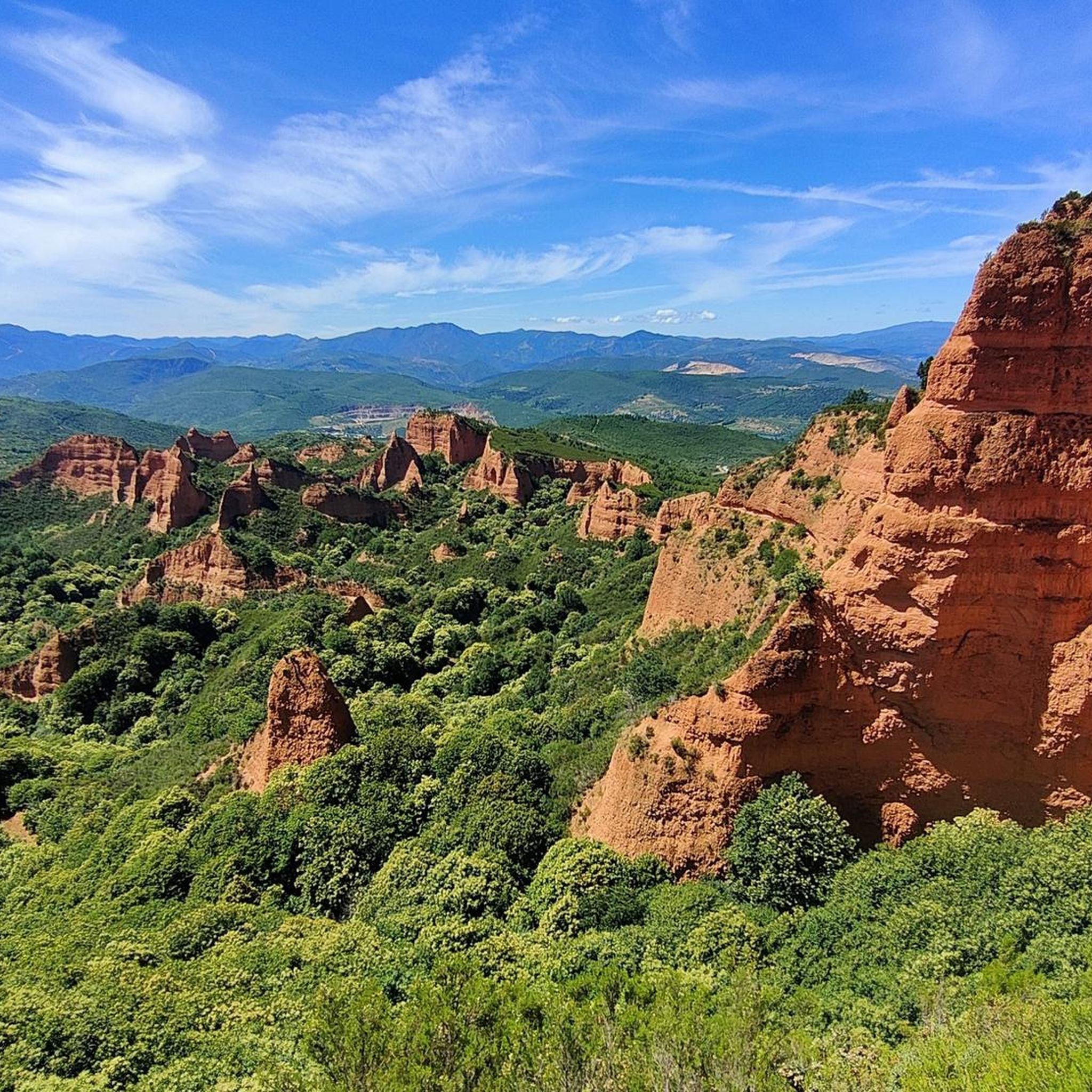
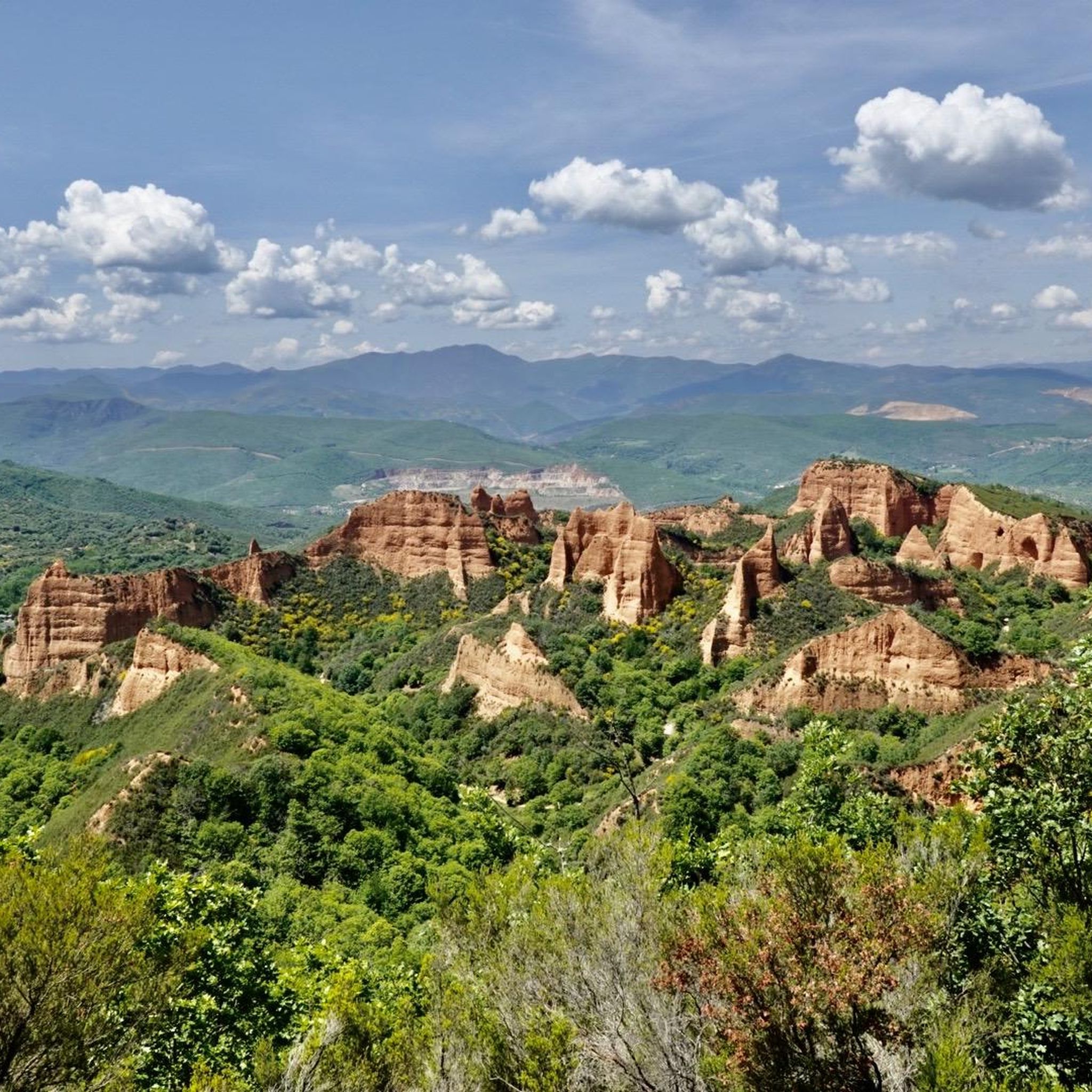
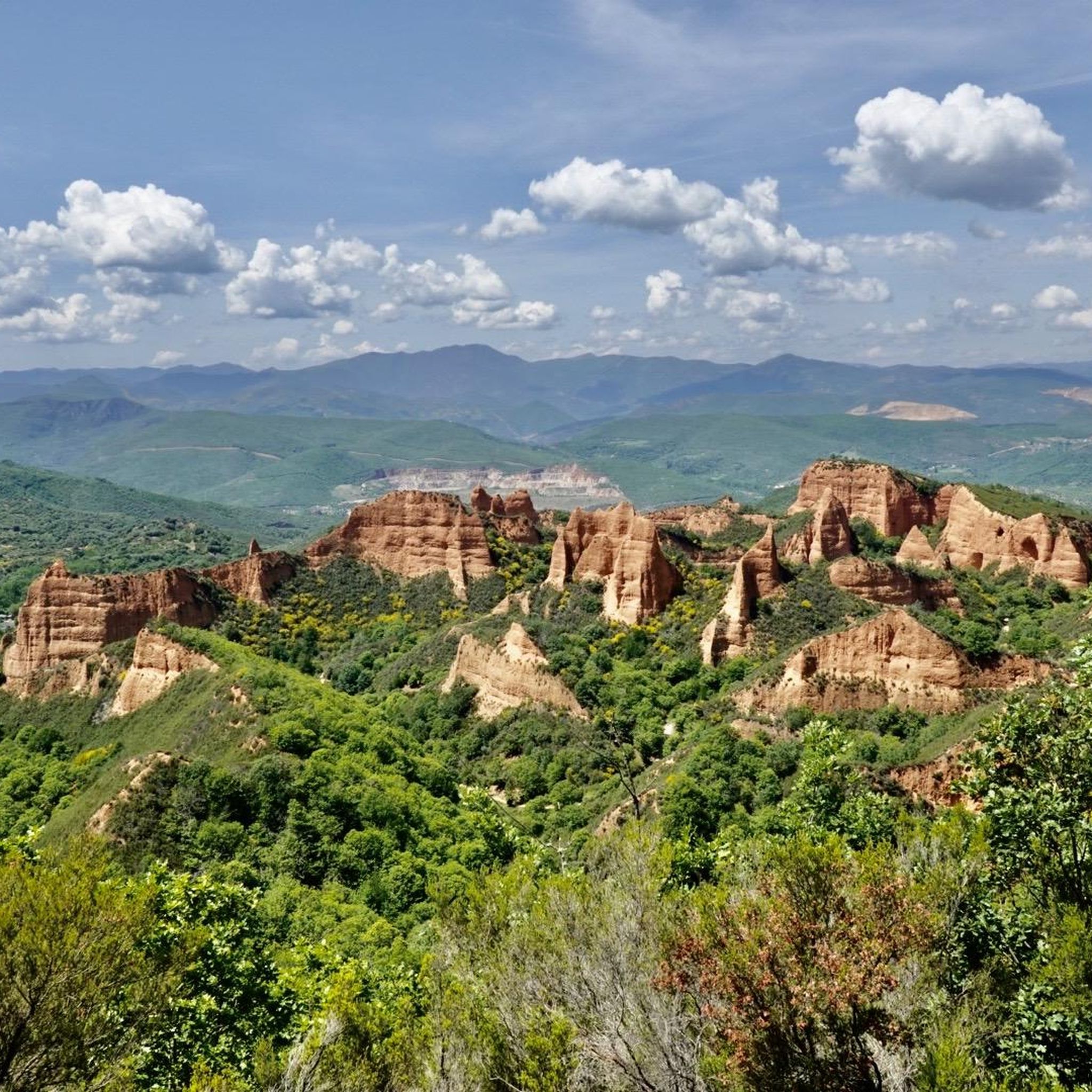
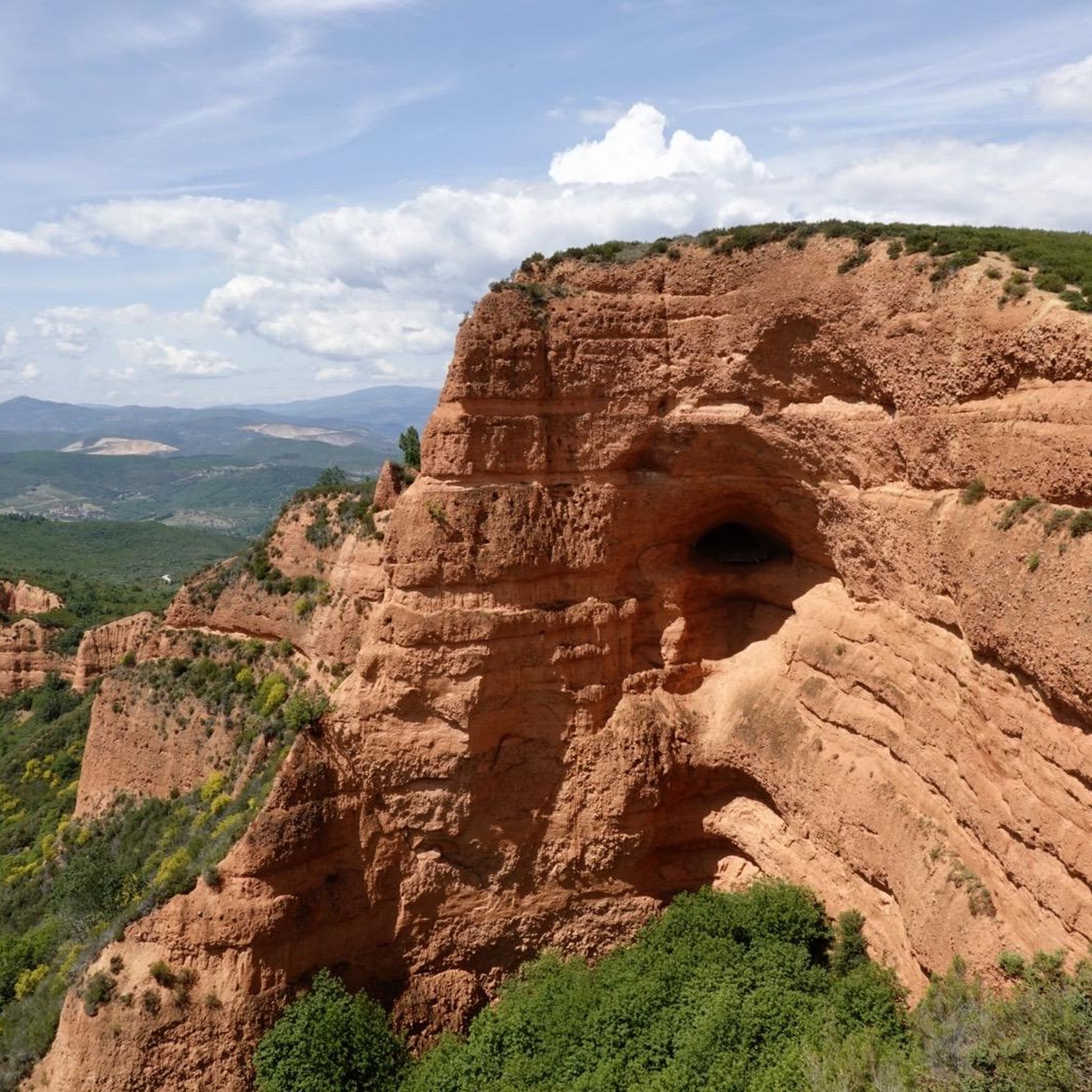
When viewing the rock formations of Las Medulas, it's important to remember that this landscape is not natural, but rather the (sad) remains of a mountain range that was ruthlessly exploited for its gold ore as early as the Roman Empire. Nevertheless, this landscape of ruins is a UNESCO World Heritage Site. A 15-minute film documentary about it (although only available in German) is available in the ARD media library as part of the highly recommended series "Treasures of the World - Heritage of Humanity" =>> https://www.zdf.de/swr/schaetze-der-welt/page-video-ard-las-mdulas-und-seine-goldminen-spanien-100.html
3
0
When looking at the rock formations of LAS MEDULAS, one must remember that this landscape is not natural, but rather the (sad) remains of a mountain massif that was ruthlessly exploited for its gold ore as early as the Roman Empire. Nevertheless, this landscape of ruins is a UNESCO World Heritage Site. A 15-minute film documentary about this (in German) is available in the ARD media library as part of the highly recommended series “Treasures of the World - Heritage of Humanity”: https://www.zdf.de/swr/schaetze-der-welt/page-video-ard-las-mdulas-und-seine-goldminen-spanien-100.html
6
1

Las Médulas, located in Bierzo, northwest of the Montes Aquilanos and along the valley of the Sil River, is a fantastic landscape resulting from Roman gold mining. This place has been declared a World Heritage Site by UNESCO. Although no one would say that the steep cliffs hide, beneath their bowels, the gold of the Romans, the mining exploitation silenced for centuries has become a beautiful landscape of great tourist attraction.
29
0

This landscape was created over 250 years by an estimated 60,000 slaves to supply the Roman Empire with around 1,650 tons of gold. A UNESCO World Heritage Site
9
0
La Cuevona and La Encantada are two impressive places in Las Médulas, an area with a rich mining history and a unique landscape. The Cave: It is a gallery dug into the mountain, part of the ancient network of tunnels and galleries used in Roman mining exploitation. It has the highest height of all the existing galleries in Las Médulas. It is an important reference point for those exploring the Las Valiñas path. As you pass in front of La Cuevona, you will climb a small slope protected by a railing of wooden logs. The enchanted: It is also part of the old mining network. Upon arriving at La Encantada, you will be surprised by its unusual luminosity due to the entry of light from a hole at the top. There are two tunnels that branch off to the left and right, and from inside, you can see a beautiful landscape. Both caves are witnesses of Roman mining activity and offer a unique experience for visitors. I hope you enjoy exploring La Cuevona and La Encantada! 🏞️🚶♂️
9
0
Pico de Placias is another impressive place for hiking and nature lovers. A popular route starts from the parking lot next to the archaeological classroom. The route is circular, following the perimeter path to the Orellán viewpoint and then linking with the Valiñas path in the direction of La Cuevona and La Encantada. I hope you have an amazing experience exploring Placias Peak! 🏞️🚶♂️
10
0
Frequently Asked Questions
What are the main natural monuments to explore near Borrenes?
The primary natural monuments around Borrenes are the extraordinary Las Médulas, a UNESCO World Heritage Site, and the serene Lake Carucedo. Las Médulas is renowned for its unique reddish earth formations, sculpted by ancient Roman gold mining, while Lake Carucedo offers a peaceful contrast, believed to have formed from these same mining operations.
What makes Las Médulas a unique natural monument?
Las Médulas is unique because it's a landscape dramatically transformed by human activity. It was the largest open-pit gold mine of the Roman Empire, where the 'ruina montium' technique used hydraulic power to erode mountains, creating the distinctive reddish pinnacles and intricate cave systems visible today. It's a blend of natural beauty and immense historical engineering.
Are there hiking opportunities at Las Médulas?
Yes, Las Médulas offers numerous hiking trails that weave through the ancient chestnut groves and past the striking red earth formations. You can explore various paths, including those leading to viewpoints and the ancient mining galleries. For specific running trails in the area, you can check out the Running Trails around Borrenes guide.
What kind of historical sites can I visit among the natural monuments?
The natural monuments around Borrenes are rich in historical significance, primarily due to the Roman gold mining operations. You can visit sites like the Orellán Galleries, an ancient underground water conduit, and La Encantada Cave and La Cuevona, which are part of the extensive Roman mining network.
Is Lake Carucedo connected to Las Médulas, and what can I do there?
Yes, Lake Carucedo is historically linked to Las Médulas, believed to have formed from the accumulation of sediments and water runoff from the Roman mining activities. It offers a tranquil setting for relaxation, picnicking, or enjoying a boat ride, providing a peaceful contrast to the dramatic landscapes of the mines.
Are the natural monuments around Borrenes suitable for families?
Many areas within the natural monuments, especially around Las Médulas and Lake Carucedo, are suitable for families. There are easy walking paths and opportunities for picnicking. Exploring the ancient mining tunnels like the Orellán Galleries can be an exciting and educational experience for children, though some areas may require supervision.
Can I bring my dog to the natural monuments?
Generally, the outdoor areas and trails around the natural monuments like Las Médulas are dog-friendly, allowing you to explore with your pet. However, it's always advisable to keep dogs on a leash and clean up after them to preserve the natural environment and respect other visitors.
What are some viewpoints offering the best panoramas of Las Médulas?
For breathtaking panoramic views of Las Médulas, the Mirador de Orellán is highly recommended. Another excellent spot is Pico de Placias, which offers a different perspective of the landscape from 1,022 meters above sea level.
How long does it typically take to visit the main natural monuments?
A visit to the main natural monuments, including Las Médulas and Lake Carucedo, can range from a half-day to a full day, depending on how much hiking and exploration you wish to do. Exploring the Orellán Galleries and various viewpoints alone can take a couple of hours.
What is the best time of year to visit the natural monuments around Borrenes?
The best time to visit the natural monuments around Borrenes, including Las Médulas, is typically during spring (April-June) and autumn (September-October). During these seasons, the weather is pleasant for hiking, and the landscape offers vibrant colors, especially the chestnut trees in autumn. Summer can be hot, and winter might bring colder temperatures, though it can offer a unique, quieter experience.
What other outdoor activities can I do near the natural monuments around Borrenes?
Beyond exploring the natural monuments themselves, the area around Borrenes offers a variety of outdoor activities. You can find numerous routes for mountain biking, road cycling, and running. For example, there are challenging MTB trails like the 'Las Médulas Grand Loop' and scenic road cycling routes such as 'Ponferrada and the Bierzo Valley'. You can find more details in the MTB Trails around Borrenes and Road Cycling Routes around Borrenes guides.
Where can I find refreshments or places to eat near the natural monuments?
Near the main natural monuments, particularly in the villages surrounding Las Médulas, you can find local cafes and restaurants. These establishments often offer traditional regional cuisine, providing a good opportunity to refuel after exploring the sites.
Are there any accessible routes for visitors with limited mobility?
While the rugged terrain of Las Médulas, with its trails and ancient mining galleries, can be challenging, some viewpoints and sections of the paths may be more accessible. It's best to inquire locally or check specific trail information for the most up-to-date details on wheelchair-friendly routes.
Most popular routes around Borrenes
Most popular attractions around Borrenes

Get inspired with the komoot mobile app


Explore more
Extend your search for the best caves by checking out these guides of the top ones around Borrenes:
