Top 14 Natural Monuments around La Peza
Natural monuments around La Peza are situated within the Granada Geopark, a UNESCO Global Geopark in the province of Granada, Spain. This region is characterized by its geological significance and diverse natural landscapes. The area features unique badlands formations, eroded clay massifs, and panoramic viewpoints. These natural protected areas near La Peza Granada Spain offer insights into geological evolution and historical human interaction with the environment.
Best natural monuments around La Peza
- The most popular natural monuments is Quéntar Reservoir…
Last updated: July 1, 2026
Quéntar Reservoir
Highlight • Lake
Translated by Google •
Tip by

Granada Geopark
Highlight • Natural Monument
The landscape is deeply marked by the erosion of …
Tip by

Sign up now to discover places like this
Get recommendations on the best single tracks, peaks, & plenty of other exciting outdoor places.
Sign up for free
End of the World Viewpoint
Highlight • Viewpoint
Tip by
Badlands de Purullena Viewpoint
Highlight • Viewpoint
Translated by Google •
Tip by

Aguas Blancas Spring
Highlight • Natural Monument
Translated by Google •
Tip by

Sign up for free to discover even more natural monuments around La Peza.
Sign up for free
Already have an account?
Start today with a free account
Your next adventure awaits.
Login or Signup

Other adventures around La Peza

Tips from the Community

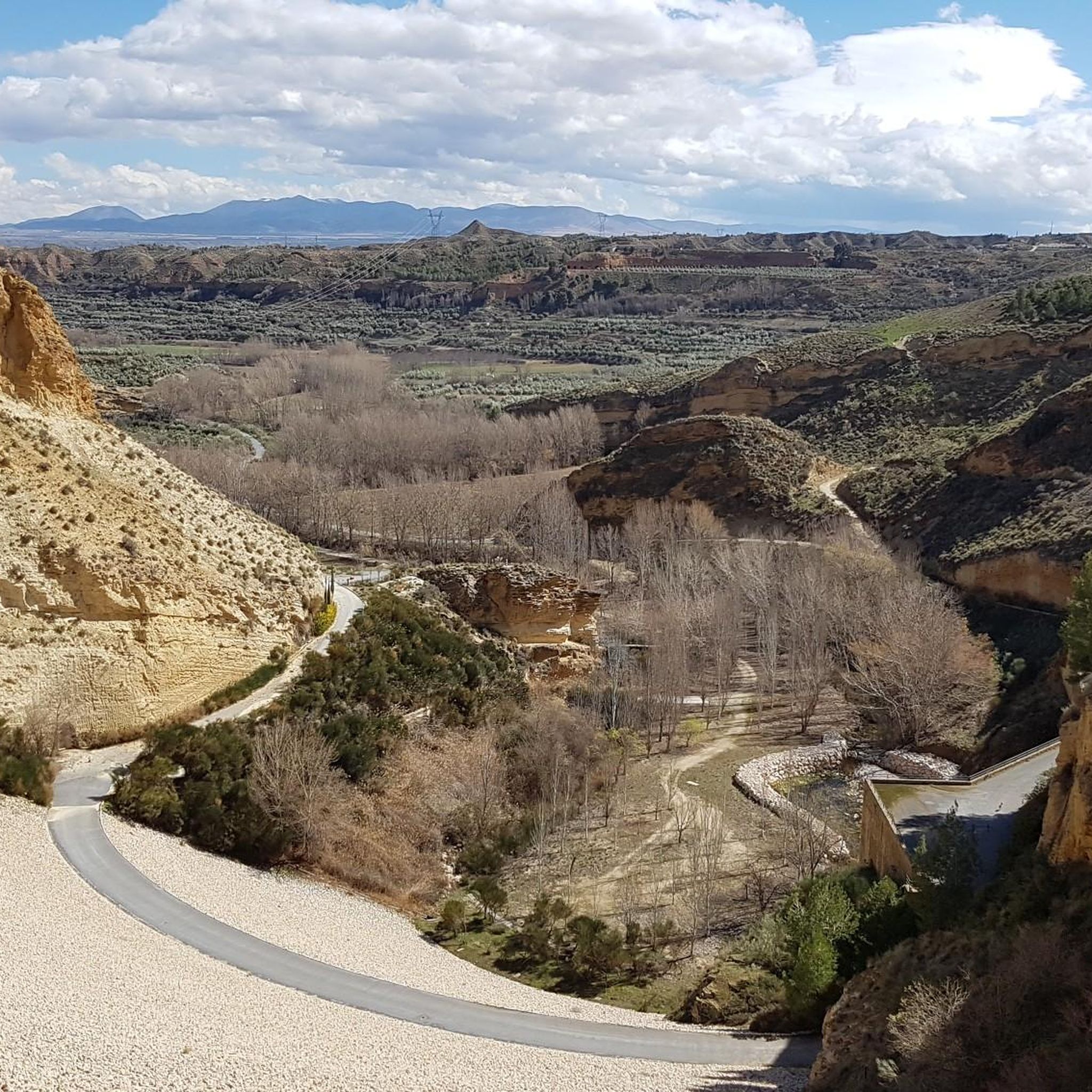
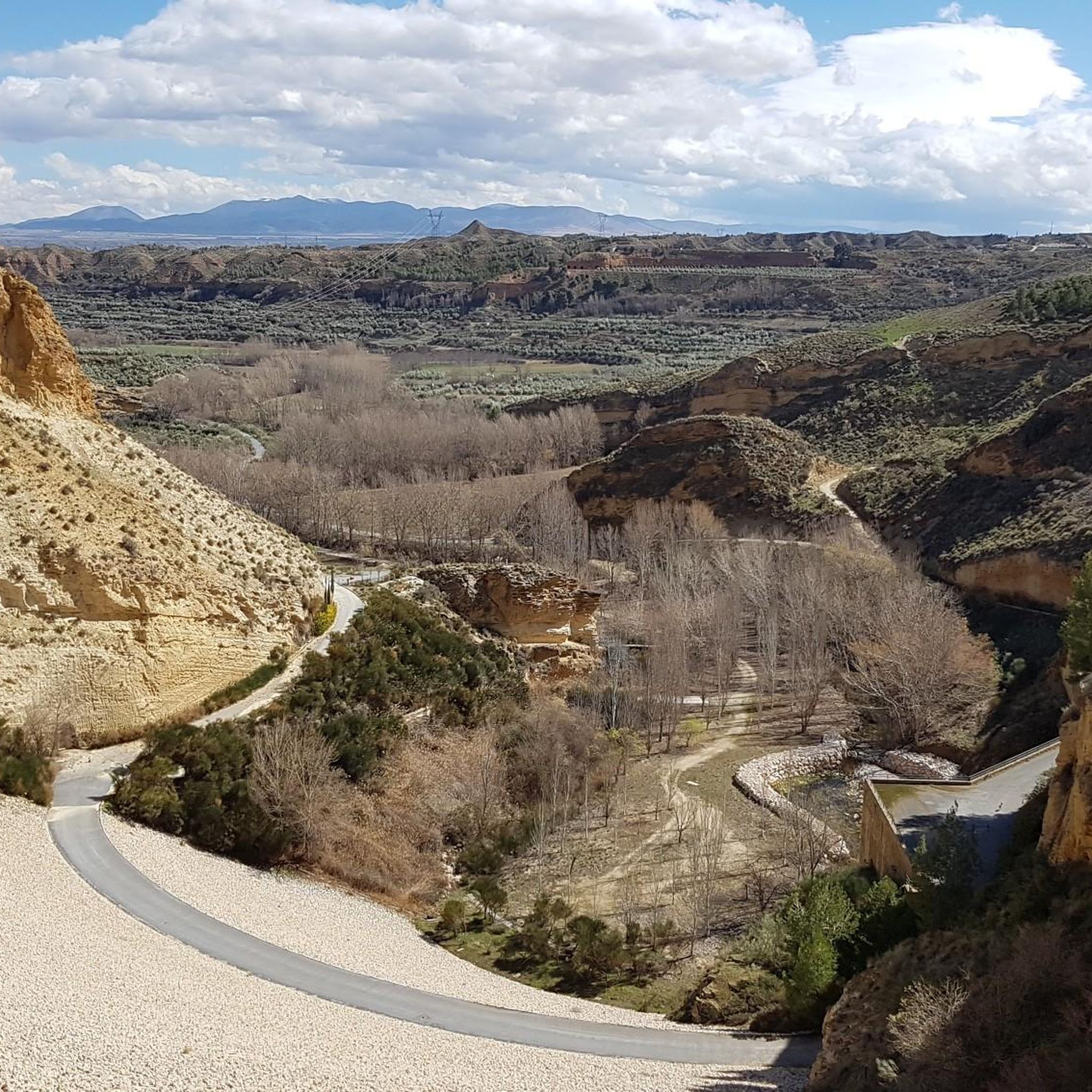
The Pantano de Quéntar is a reservoir in Quéntar, Granada, built between 1971 and 1975 and officially inaugurated on 11 May 1976. It is located at the confluence of the Aguas Blancas and Padules rivers and has a capacity of 14 million cubic metres. The reservoir plays an important role in the water supply of the city of Granada and the irrigation of the surrounding agricultural lands.
9
0

a spectacular area with very good roads
0
0

The Fuente Aguas Blancas is a picturesque place, in a peaceful and beautiful setting. The water is particularly clear and is filtered from the wooded dolomite mountain ranges. The small river "Río Aguas Blancas", a tributary of the Río Genil.
1
0
The Embalse de Quéntar, is also known as the Quéntar Reservoir. The reservoir is surrounded by a picturesque landscape and offers a variety of recreational opportunities. Visitors can enjoy activities such as hiking, fishing, and even water sports. The reservoir was built in the 1970s and plays an important role in the water supply of Granada and the surrounding agricultural areas.
1
0

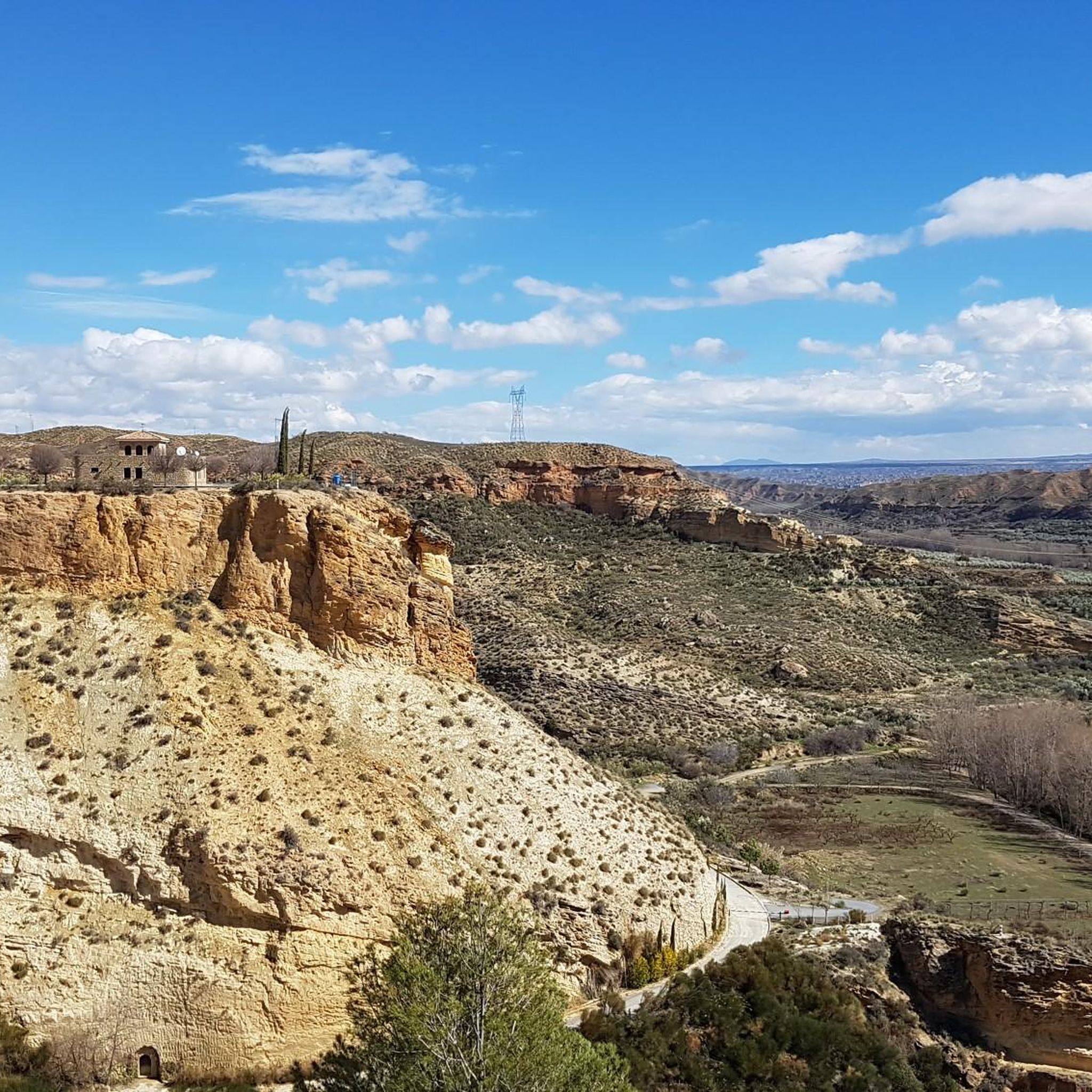
There are panels at this viewpoint explaining the formation process of the Marchal Gullies, making it a very impressive viewpoint.
4
0

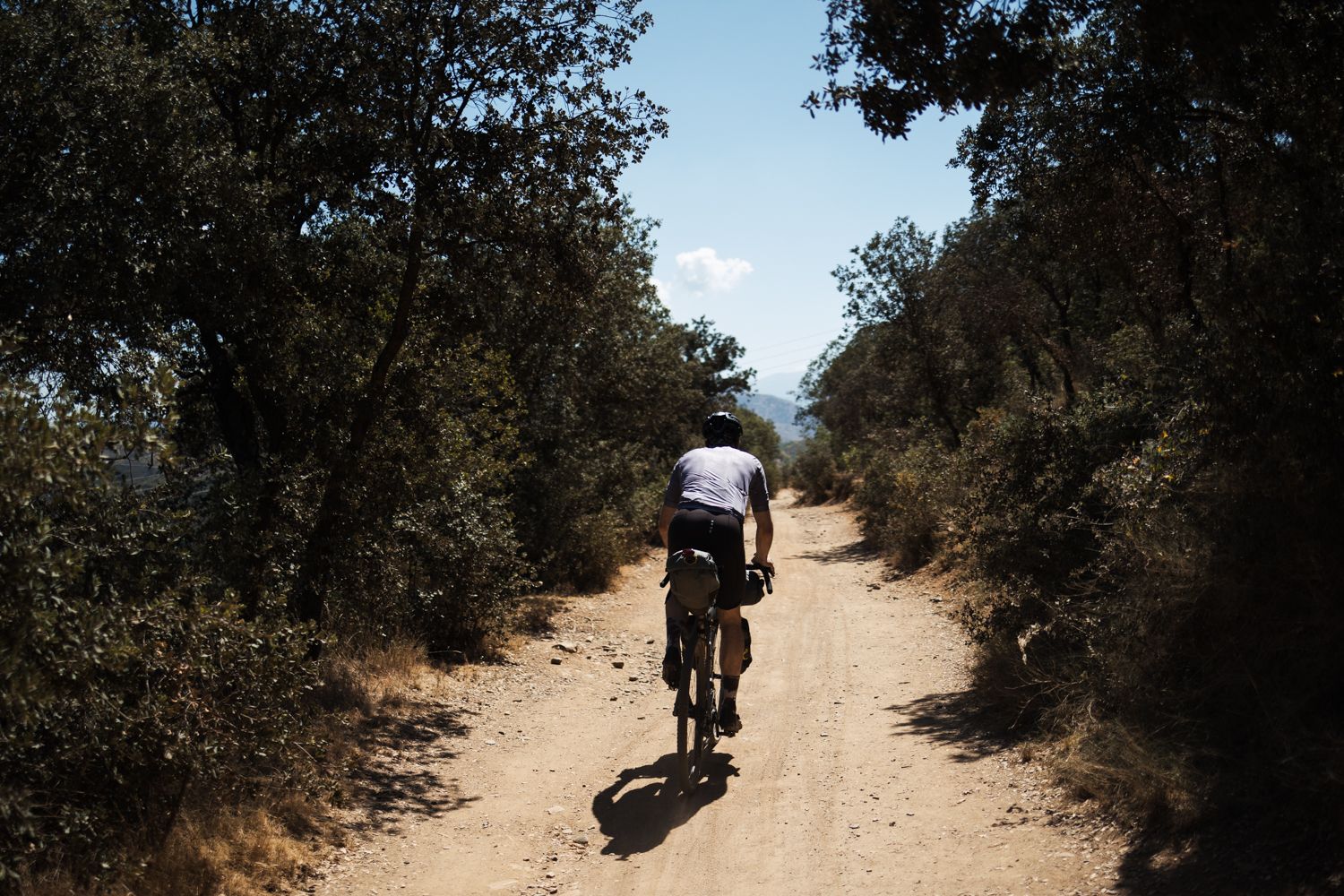
Coming from Beas de Guadix, you first have to overcome a steep climb. Doable with a MTB cassette, 38/42 were quite strenuous with a loaded bike. At the top, however, you are rewarded with a fantastic view. Absolutely brilliant and recommended.
3
0

Great view from here over the Sierra Nevada, the Hoya de Guadix and of course the town of Beas de Guadix.
3
0
Right next to a gravel road and looks impressive.
1
0
Frequently Asked Questions
What are the most popular natural monuments to visit around La Peza?
Among the most popular natural monuments, visitors frequently enjoy the Quéntar Reservoir, known for its scenic winding roads and role in water supply. The Granada Geopark itself is a must-see, characterized by its unique badlands and cave dwellings. Another favorite is the End of the World Viewpoint, offering breathtaking panoramas of the Sierra Nevada and the Geopark's eroded landscapes.
What unique geological features can I expect to see in the natural monuments near La Peza?
The region is part of the UNESCO Global Geopark, showcasing remarkable geological formations. You'll encounter extensive badlands, deeply eroded clay massifs, and gullies, particularly prominent at the Granada Geopark and the Cárcavas de Marchal. These landscapes display a captivating palette of brown, ochre, green, and dark tones, formed over millions of years by tectonic activity and erosion.
Are there any family-friendly natural monuments or activities around La Peza?
Yes, several natural monuments offer family-friendly experiences. The Badlands de Purullena Viewpoint is considered family-friendly and features explanatory panels about the geological formations. Exploring the cave houses carved into the Cárcavas de Marchal can also be a fascinating experience for families, offering a glimpse into historical human interaction with the unique landscape.
What kind of outdoor activities can I do near the natural monuments?
The area around La Peza is excellent for various outdoor activities. You can find numerous routes for road cycling, mountain biking, and general cycling. For instance, there are road cycling routes like the 'Francisco Abellán Reservoir and ascent to Puerto los Blancares' and MTB trails such as the 'Marchal Badlands and Hoya de Guadix Loop'. You can explore more options on the Road Cycling Routes around La Peza, MTB Trails around La Peza, and Cycling around La Peza guide pages.
Are there any natural monuments with historical significance near La Peza?
Absolutely. The Granada Geopark is not only geologically significant but also one of the oldest human settlements in the Iberian Peninsula, containing a high concentration of cave dwellings and dolmens. The Cárcavas de Marchal are particularly notable for their historical human interaction, with many cave houses carved directly into the clay formations that are still preserved and inhabited today.
What is the best time of year to visit the natural monuments around La Peza?
Given the semi-arid characteristics of the badlands and the potential for hot summers, spring and autumn are generally the most pleasant seasons for visiting the natural monuments around La Peza. The temperatures are milder, making hiking and exploring more comfortable. Winter can also be beautiful, especially with the contrast of snow-capped Sierra Nevada peaks against the badlands, but some routes might be more challenging.
Are there viewpoints offering panoramic views of the region?
Yes, the area is renowned for its stunning viewpoints. The End of the World Viewpoint (Mirador del Fin del Mundo) is a natural balcony offering spectacular vistas of the Granada Geopark, the Sierra Nevada, and the Hoya de Guadix. Another excellent spot is the Badlands de Purullena Viewpoint, which provides impressive views of the eroded landscapes.
Can I find water sources or springs within the natural monuments?
Yes, you can find natural water sources. The Aguas Blancas Spring is a somewhat hidden source that provides water all year round. It's located right next to a gravel road and is impressive to see, often incorporated into hiking or MTB routes along the banks of the Genil River.
What do visitors enjoy most about the natural monuments around La Peza?
Visitors frequently praise the breathtaking panoramic views, especially from spots like the End of the World Viewpoint, which offers a stunning perspective of the Sierra Nevada and the unique badlands. The geological formations, with their diverse colors and eroded shapes, are also a major draw. Many appreciate the opportunity to explore the historical cave dwellings within the Geopark, providing a blend of natural beauty and cultural insight.
Are there any natural monuments that involve water features?
Yes, the Quéntar Reservoir is a significant water feature in the area. This lake, built between 1971 and 1975, plays a crucial role in the water supply for Granada and irrigation for surrounding agricultural lands. It's also known for its beautiful winding roads along its western shore, making it a popular spot for scenic drives and cycling.
How accessible are the natural monuments around La Peza by public transport?
While specific public transport details for each individual natural monument are limited, accessing the broader Granada Geopark and its key features often requires a combination of public transport to nearby towns and then either walking, cycling, or private vehicle access. For more remote viewpoints or trailheads, a car is generally recommended for convenience and flexibility.
Are there options for dog-friendly trails or natural monuments?
Many natural outdoor areas and trails within the Granada Geopark are generally dog-friendly, provided dogs are kept under control, especially in areas with wildlife or livestock. While specific designated dog-friendly natural monuments are not highlighted, exploring the numerous hiking and cycling routes around the badlands and viewpoints, such as those mentioned in the MTB Trails around La Peza guide, can often be enjoyed with your canine companion.
Most popular routes around La Peza
Most popular attractions around La Peza

Get inspired with the komoot mobile app


Explore more
Extend your search for the best caves by checking out these guides of the top ones around La Peza:
