Top 15 Natural Monuments around Cártama
Natural monuments around Cártama offer diverse landscapes within the Guadalhorce Valley, characterized by riverine environments and mountainous terrain. The region features fertile agricultural areas alongside hills and mountains, providing varied natural settings. Cártama itself is situated at the base of the Espartales and Llana hills, forming the Sierra de Cártama. These natural features contribute to the area's appeal for outdoor exploration.
Best natural monuments around Cártama
- The most popular natural monuments is Cave of the Bull, a cave that holds archaeological interest due to ancient cave paintings. This location also provides views of the coast.
- Another must-see spot is Jarapalos Spring, a natural spring. This fountain is a common destination for hikers and cyclists, offering fresh water and shade.
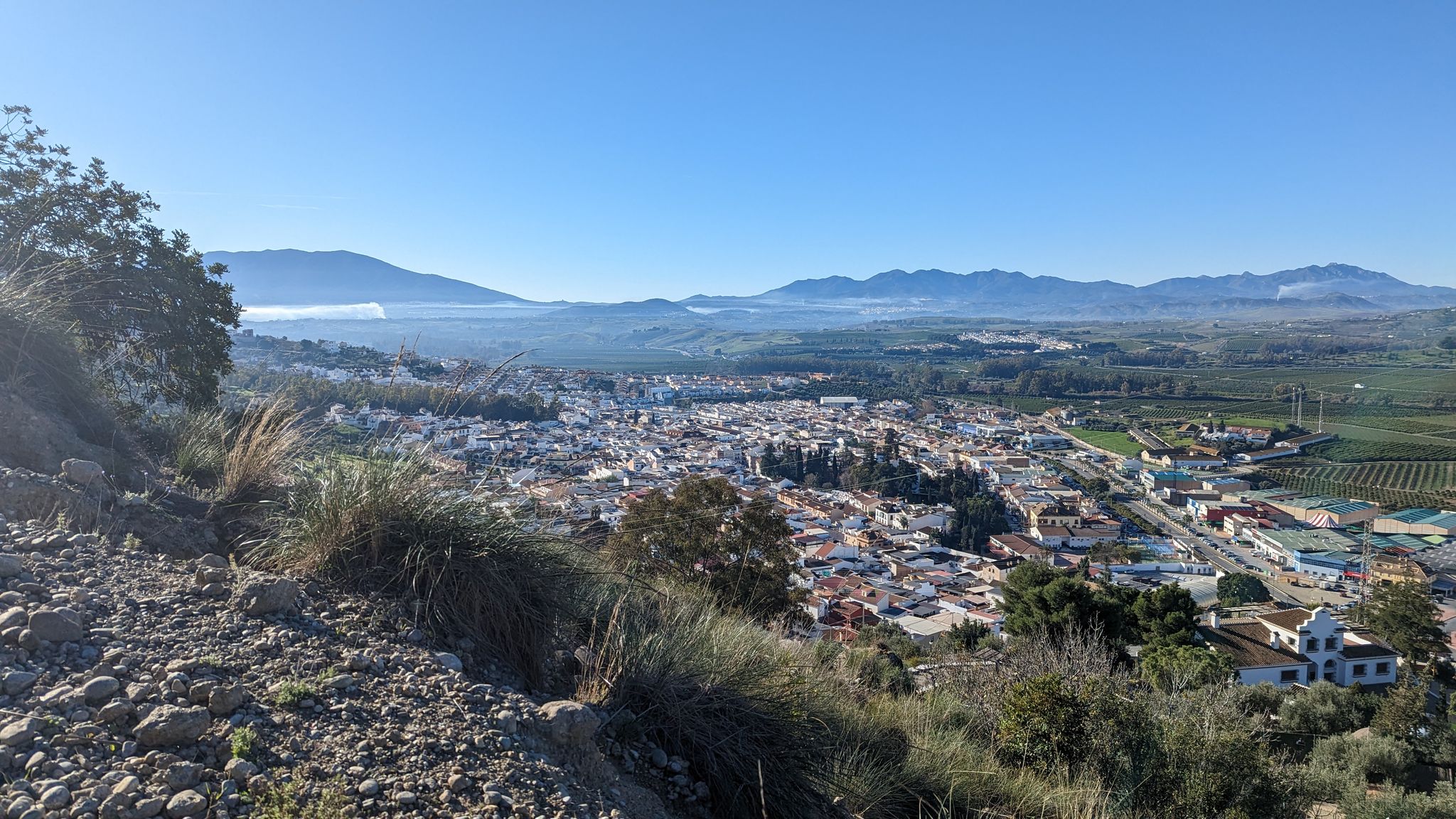
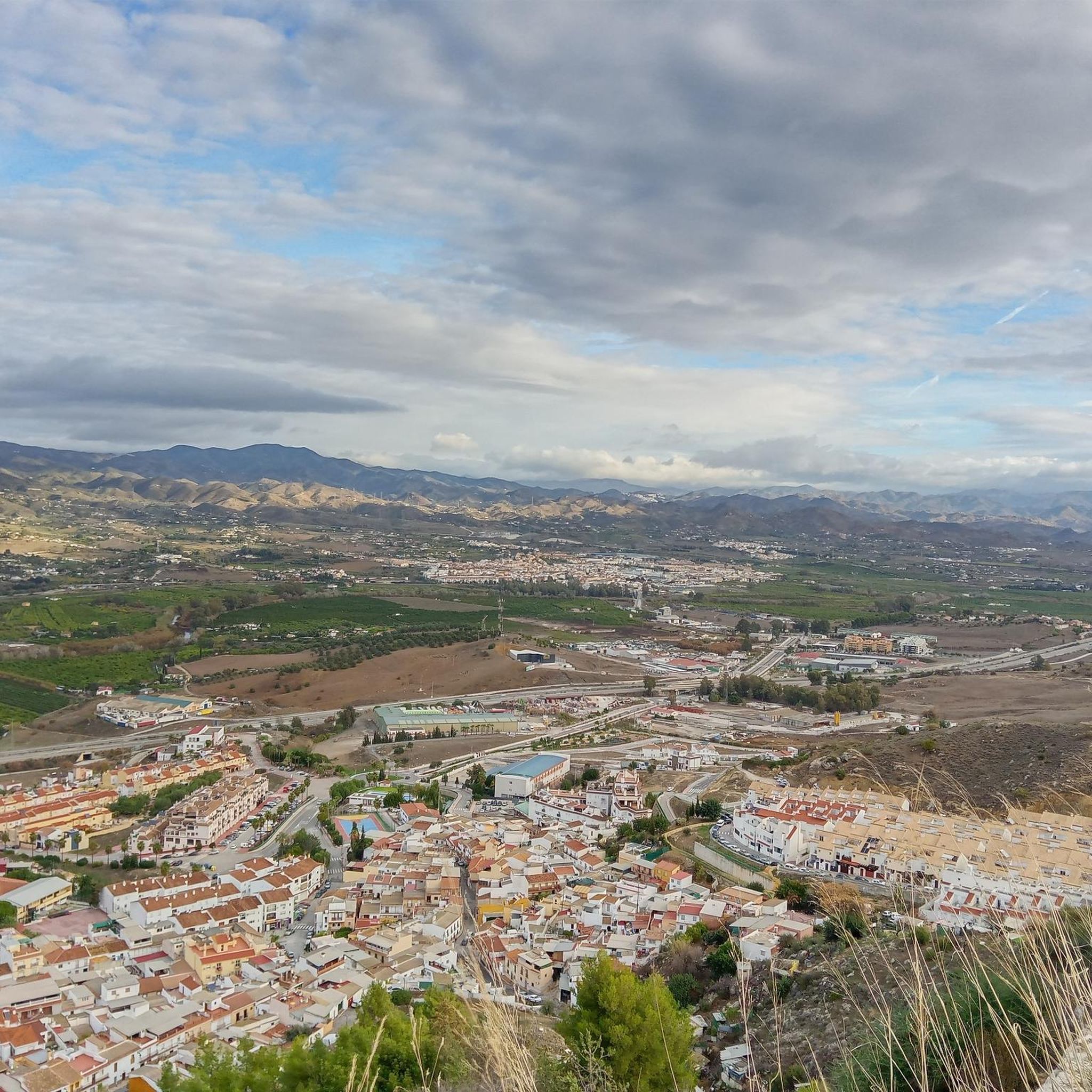
- Visitors also love Pizarra, a settlement categorized as a natural monument. It is located in the Guadalhorce valley, surrounded by hills and mountains, and features a viewpoint with expansive views.
- Cártama is known for its caves, springs, and viewpoints. The area offers a variety of natural monuments to see and explore, from historical sites to recreational areas.
- The natural monuments around Cártama are appreciated by the komoot community, with 11 upvotes and 5 photos shared by visitors.
Last updated: July 1, 2026
Pizarra
Highlight • Settlement
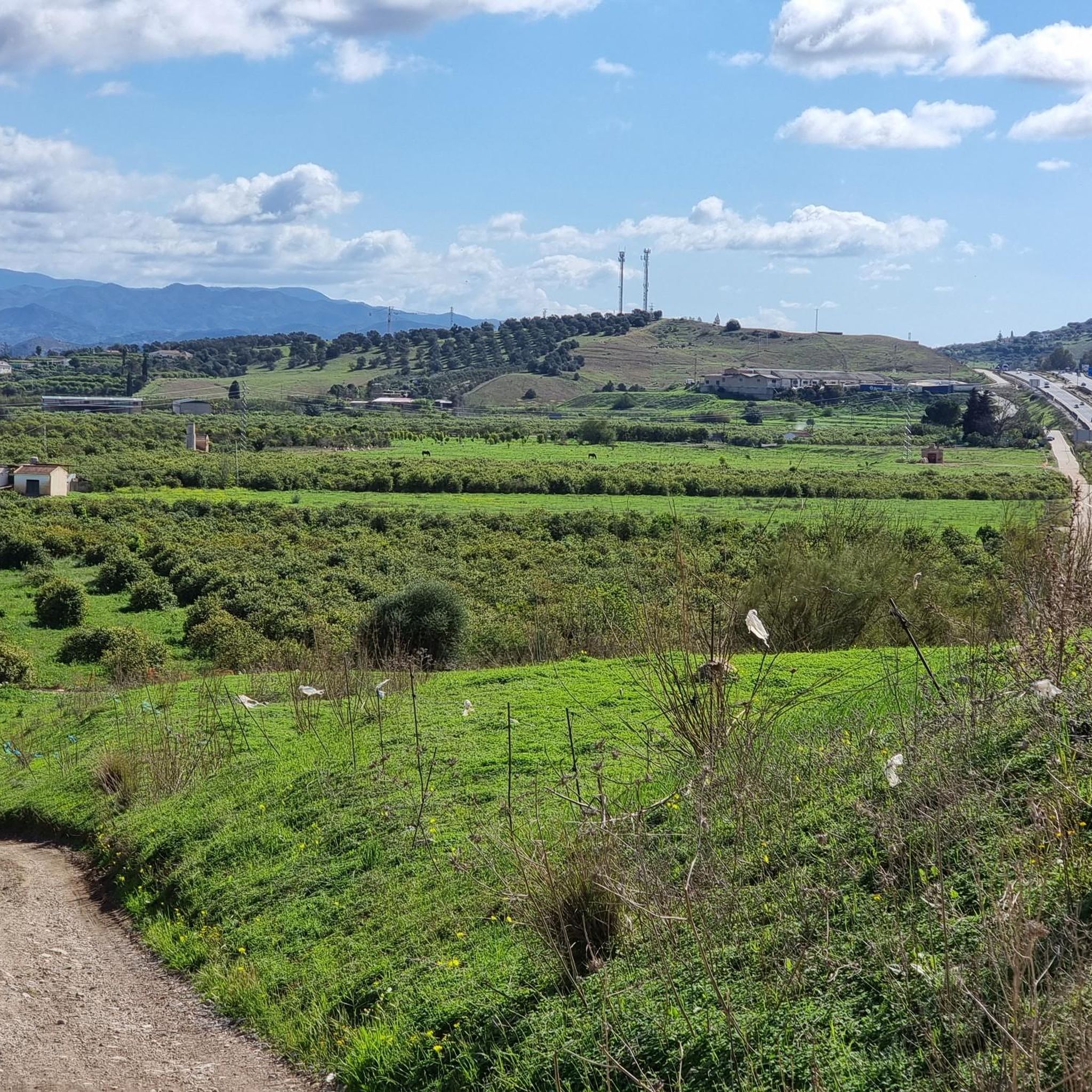
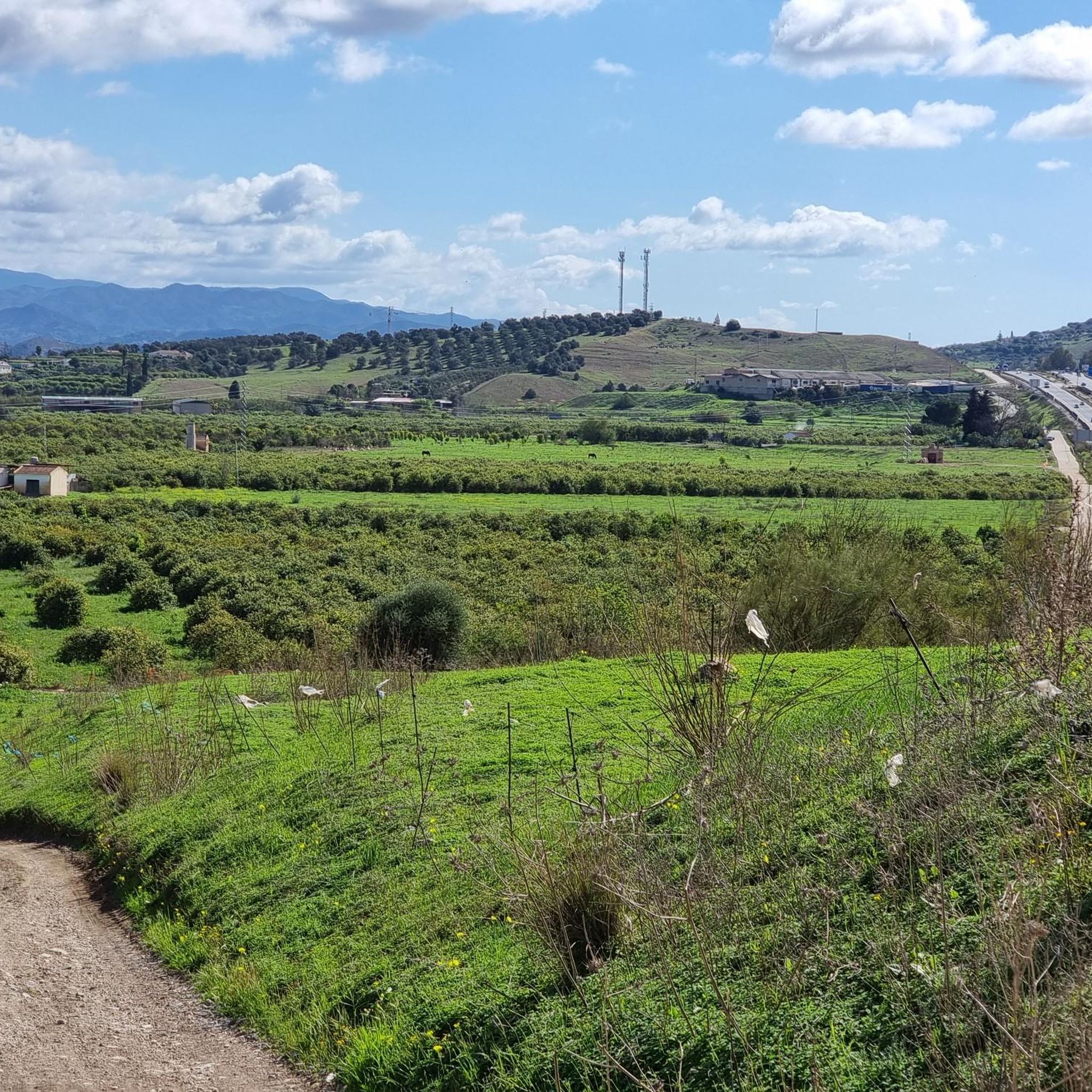
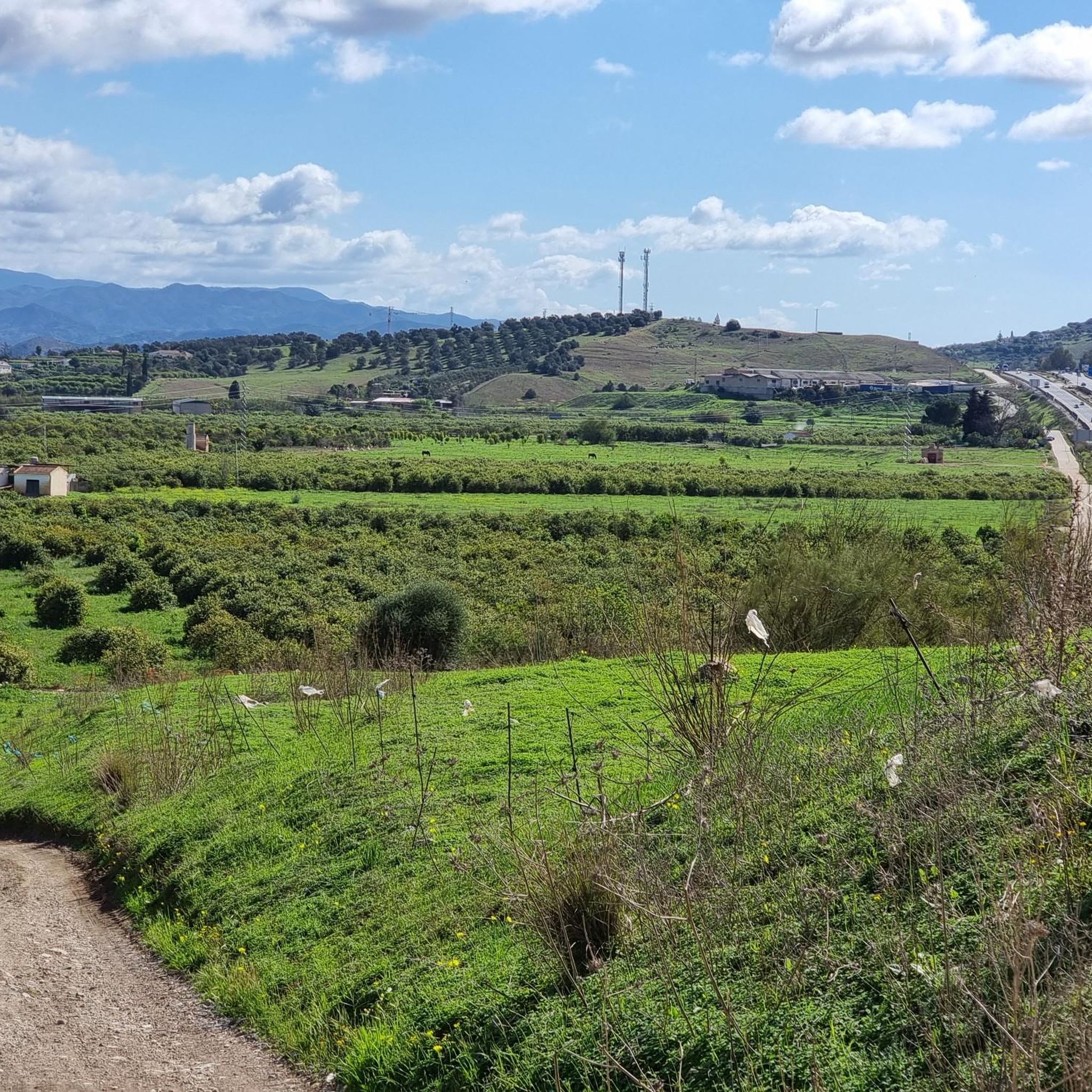
Pizarra is located in a mountainous region, offering visitors a diverse landscape full of contrasts. The surrounding area includes olive groves, farm fields and wooded areas, creating a picturesque setting for those who enjoy nature.
Pizarra's architecture reflects its rich history. The church of San Pedro stands out, a historic building with traditional architectural elements. Additionally, the Pizarra train station, with its historic charm, adds a special touch to the urban landscape.
You can't leave Pizarra without going up to the El Santo viewpoint, with an impressive monument visible from afar. The views will not disappoint you. It is the end point of the SL-A 213 El Santo trail that begins in the Raja Ancha recreational area.
Translated by Google •
Tip by

Jarapalos Spring
Highlight • Natural Monument
Translated by Google •
Tip by

Sign up now to discover places like this
Get recommendations on the best single tracks, peaks, & plenty of other exciting outdoor places.
Sign up for free
Cave of the Bull
Highlight • Cave
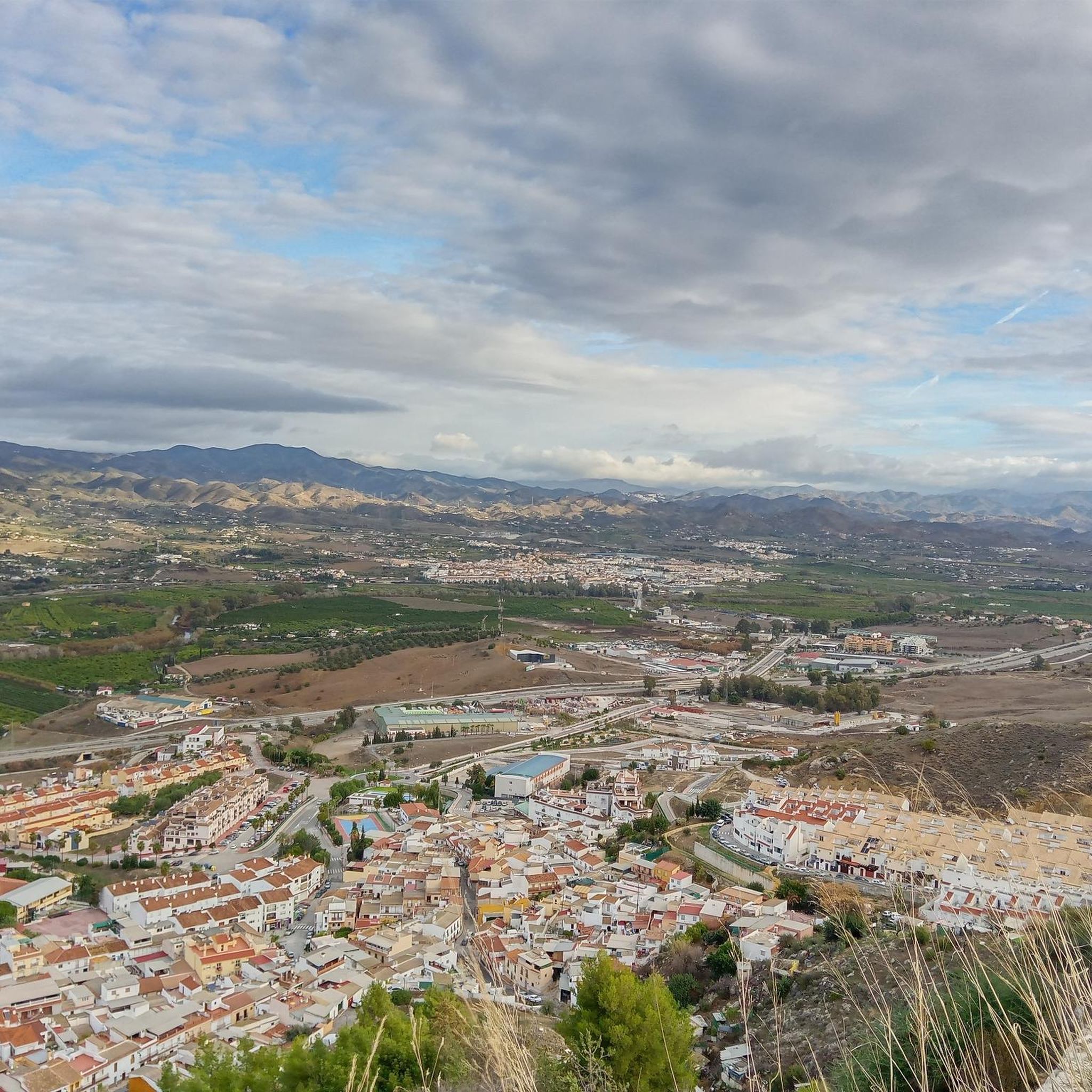
Besides, the place offers magnificent views of the entire coast.
Translated by Google •
Tip by
Real Sociedad de Tiro de Pichón Jarapalo Entrance
Highlight • Parking
Translated by Google •
Tip by

El Santo Recreation Area
Highlight • Rest Area
Translated by Google •
Tip by

Sign up for free to discover even more natural monuments around Cártama.
Sign up for free
Already have an account?
Start today with a free account
Your next adventure awaits.
Login or Signup

Other adventures around Cártama

Tips from the Community

A new wooden bench has been installed at the grotto, comfortably seating six people. It's a lovely place to enjoy the view and have a light snack.
0
0

Good place to have a snack on your trip to the Saint
0
0

Start of the climb and emblematic point to go up to the Jarapalos fountain, you can park in this area and start the climb on foot (you can go up a little further by car to the entrance to the Tiro Pichón range but sometimes there are too many vehicles and it is difficult to park and maneuver).
0
0
A unique reference and a very common route destination for hikers but especially cyclists, usually going up from the entrance through the Tiro Pichón shooting range, a constant climb with good views and some viewing points along the way. The fountain always has water but I doubt it is drinkable, it is not indicated and I have never risked trying it 😅. What we can do is cool off, it is on the north face and offers shade and humidity. Right in front there is a descent towards the Mínillas but if we continue climbing we can see another viewing point in about 800m and a couple of kilometres later we will reach the crossroads to continue towards Puerto de la Encina or go down towards the bottling plant and Mijas. Of course we will always have the option of going up to the fountain and returning along the same path, with the peace of mind that everything is downhill.
1
0

Pizarra is a charming municipality located in the province of Malaga. This town is located in the Guadalhorce valley, surrounded by hills and mountains, which gives it a picturesque natural environment. Pizarra is located in a mountainous region, offering visitors a diverse landscape full of contrasts. The surrounding area includes olive groves, farm fields and wooded areas, creating a picturesque setting for those who enjoy nature. Pizarra's architecture reflects its rich history. The church of San Pedro stands out, a historic building with traditional architectural elements. Additionally, the Pizarra train station, with its historic charm, adds a special touch to the urban landscape. You can't leave Pizarra without going up to the El Santo viewpoint, with an impressive monument visible from afar. The views will not disappoint you. It is the end point of the SL-A 213 El Santo trail that begins in the Raja Ancha recreational area.
3
0
The Toro Cave, discovered in 1969, is of great archaeological interest due to the cave paintings found there, which are probably 20,000 years old. Unfortunately, access to its interior is currently not possible. Besides, the place offers magnificent views of the entire coast.
4
0

A nice place for a picnic or even for a barbecue in winter. Tables, benches and grills are available. The view from up here is fantastic. In one direction you can see Málaga, Coín and Alhaurin de la Torre. Right next to it the peak of "La Torrecilla" and a little further on the towns of Casarabonela and Álora.
0
0

Frequently Asked Questions
Where can I find the best panoramic views of the Cártama area?
For expansive views, visit Pizarra, a settlement located in the Guadalhorce valley. It features a viewpoint with broad vistas of the surrounding hills and mountains. Additionally, the Cave of the Bull offers magnificent views of the entire coast, and the Monte de la Virgen provides unique panoramic views of the Guadalhorce meadows and beyond.
Are there family-friendly natural monuments around Cártama?
Yes, the El Santo Recreation Area is a great option for families, offering tables, benches, and grills for picnics, along with fantastic views. The Pizarra area, with its charming municipality and surrounding natural environment, is also suitable for family outings.
Are there any natural monuments with historical significance in Cártama?
The Cave of the Bull is of significant archaeological interest due to ancient cave paintings, estimated to be 20,000 years old. While access to its interior is currently not possible, the site itself holds historical value.
What outdoor activities can I do near the natural monuments in Cártama?
Cártama offers a variety of outdoor activities. You can explore numerous trails for mountain biking, road cycling, and running. For detailed routes and guides, check out the MTB Trails around Cártama, Road Cycling Routes around Cártama, and Running Trails around Cártama guides.
Are there hiking trails near these natural monuments?
Yes, Cártama is rich in hiking trails. The Sierra de Los Espartales offers diverse landscapes and a moderate 10 km circular path. The ascent to Monte de la Virgen is also a popular hike, rewarding visitors with stunning views. The Jarapalos Spring is a common destination for hikers, offering fresh water and shade along its routes.
What unique natural features can I explore in Cártama?
You can explore the fertile Guadalhorce Valley with its extensive orchards and riverine environments. The Sierra de Los Espartales provides mountainous terrain with diverse vegetation. The Jarapalos Spring is a notable natural spring, a refreshing stop for many outdoor enthusiasts.
Is there parking available at the natural monuments?
Yes, for accessing trails leading to areas like Jarapalos, the Real Sociedad de Tiro de Pichón Jarapalo Entrance offers parking. You can drive up a bit further or park here to start your ascent. The El Santo Recreation Area also has facilities for visitors, implying parking access.
What is the best time of year to visit the natural monuments in Cártama?
The best time to visit Cártama's natural monuments is generally during the spring (March to May) and autumn (September to November). During these seasons, the weather is milder, making outdoor activities more enjoyable, and the natural landscapes are particularly vibrant.
What kind of flora and fauna can I expect to see around Cártama's natural monuments?
The Guadalhorce Valley features poplars, eucalyptus trees, and native shrubs like oleanders, canes, and brambles along the riverbanks. The Sierra de Los Espartales also boasts diverse vegetation. While specific fauna details are not provided, these varied habitats support a range of local wildlife.
Are there any natural areas suitable for relaxation and picnics?
The Guadalhorce Riverbanks Recreational Area is a natural haven with picnic spots and walking paths, ideal for unwinding by the river. Additionally, the El Santo Recreation Area is well-equipped for picnics and barbecues, offering tables, benches, and grills.
Can I find fresh water at any of the natural monuments?
Yes, the Jarapalos Spring is known for its always fresh water, making it a popular stop for hikers and cyclists to cool off and find shade.
What makes the Sierra de Los Espartales a significant natural area?
The Sierra de Los Espartales, which includes the Espartales and Llana hills, offers diverse landscapes and panoramic views. It's a key area for adventure tourism and hiking in Cártama, providing rugged terrain and unique scenic vistas for outdoor activities.
Most popular routes around Cártama
Most popular attractions around Cártama

Get inspired with the komoot mobile app


Explore more
Extend your search for the best caves by checking out these guides of the top ones around Cártama:
