Top 4 Natural Monuments around Santa Coloma De Queralt
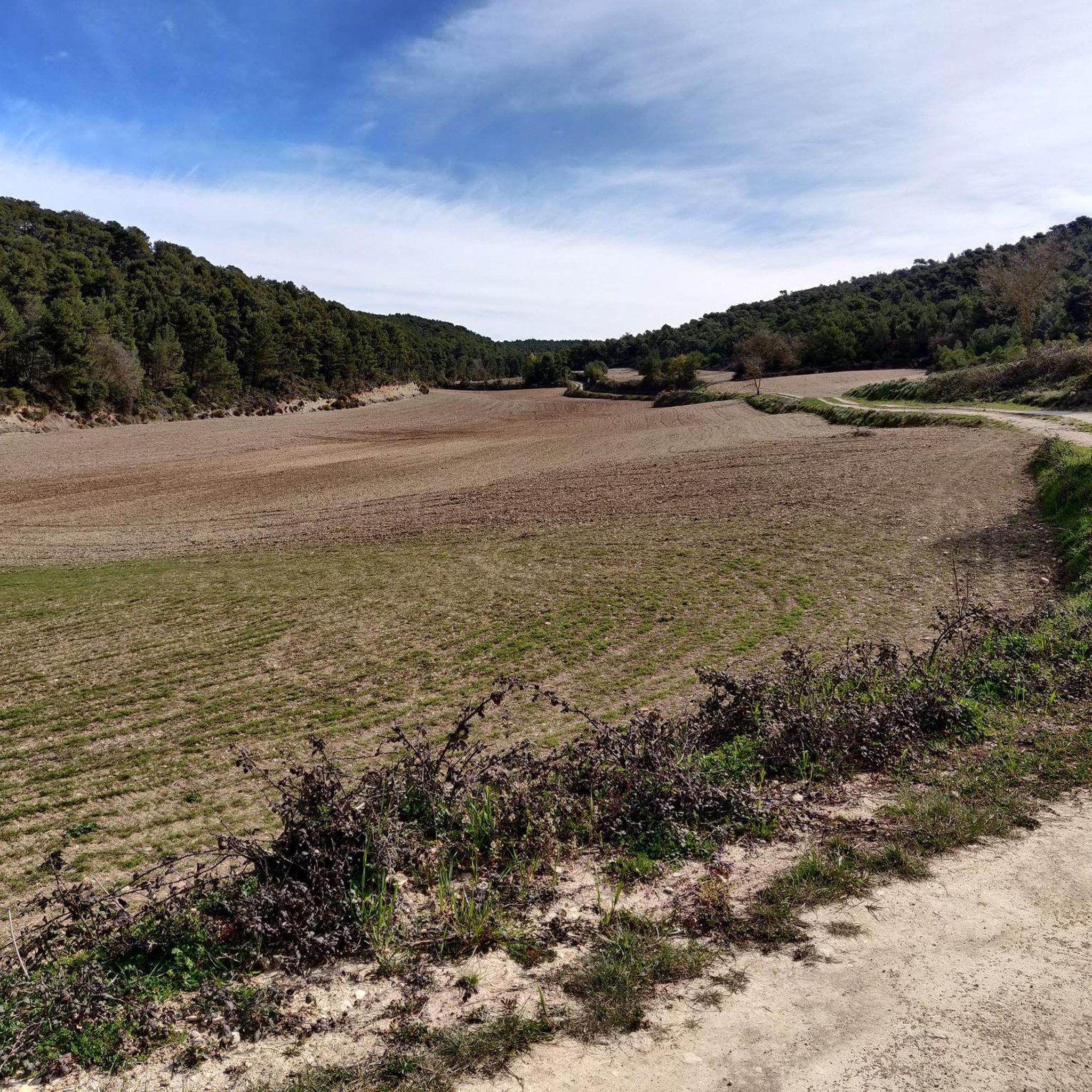
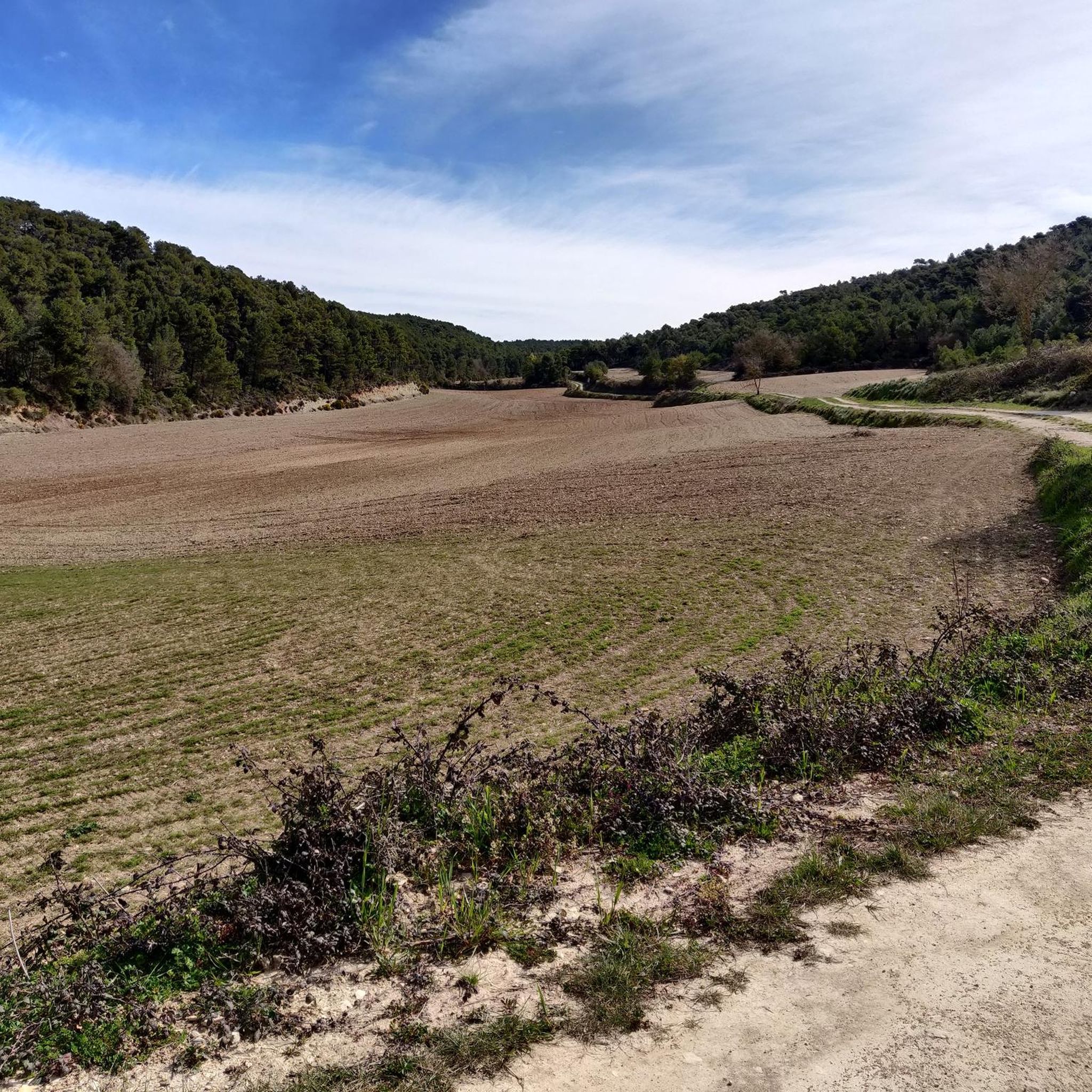
Best natural monuments around Santa Coloma De Queralt are situated in the Conca de Barberà region, characterized by its fields and forests. This area offers a blend of historical charm and natural features. The landscape provides opportunities for outdoor activities such as hiking and cycling. Visitors can explore unique geological formations and serene natural spaces.
Best natural monuments around Santa Coloma De Queralt
- The most popular natural monuments is Natural pool of the Gaia River, a river feature where…
Last updated: July 15, 2026
Sanctuary of the Springs of Sant Magí de la Brufaganya
Highlight • Religious Site
Translated by Google •
Tip by

Puig de Comaverd
Highlight • Summit
Translated by Google •
Tip by

Sign up now to discover places like this
Get recommendations on the best single tracks, peaks, & plenty of other exciting outdoor places.
Sign up for free
Devil's Cave
Highlight • Cave
Translated by Google •
Tip by

Natural pool of the Gaia River
Highlight • River
Translated by Google •
Tip by

Start today with a free account
Your next adventure awaits.
Login or Signup
Popular around Santa Coloma De Queralt
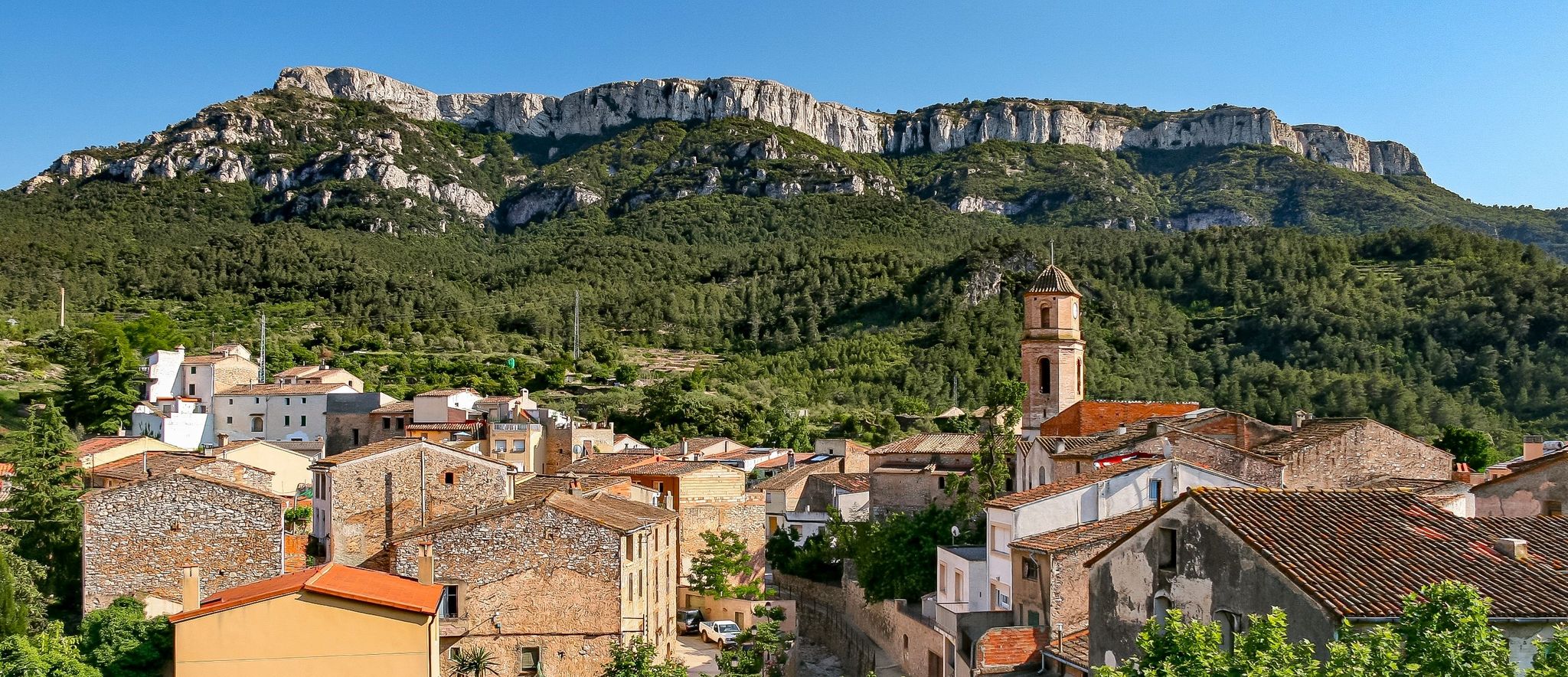
A land of contrasts – Tarragona to the Pyrenees on the GR 7
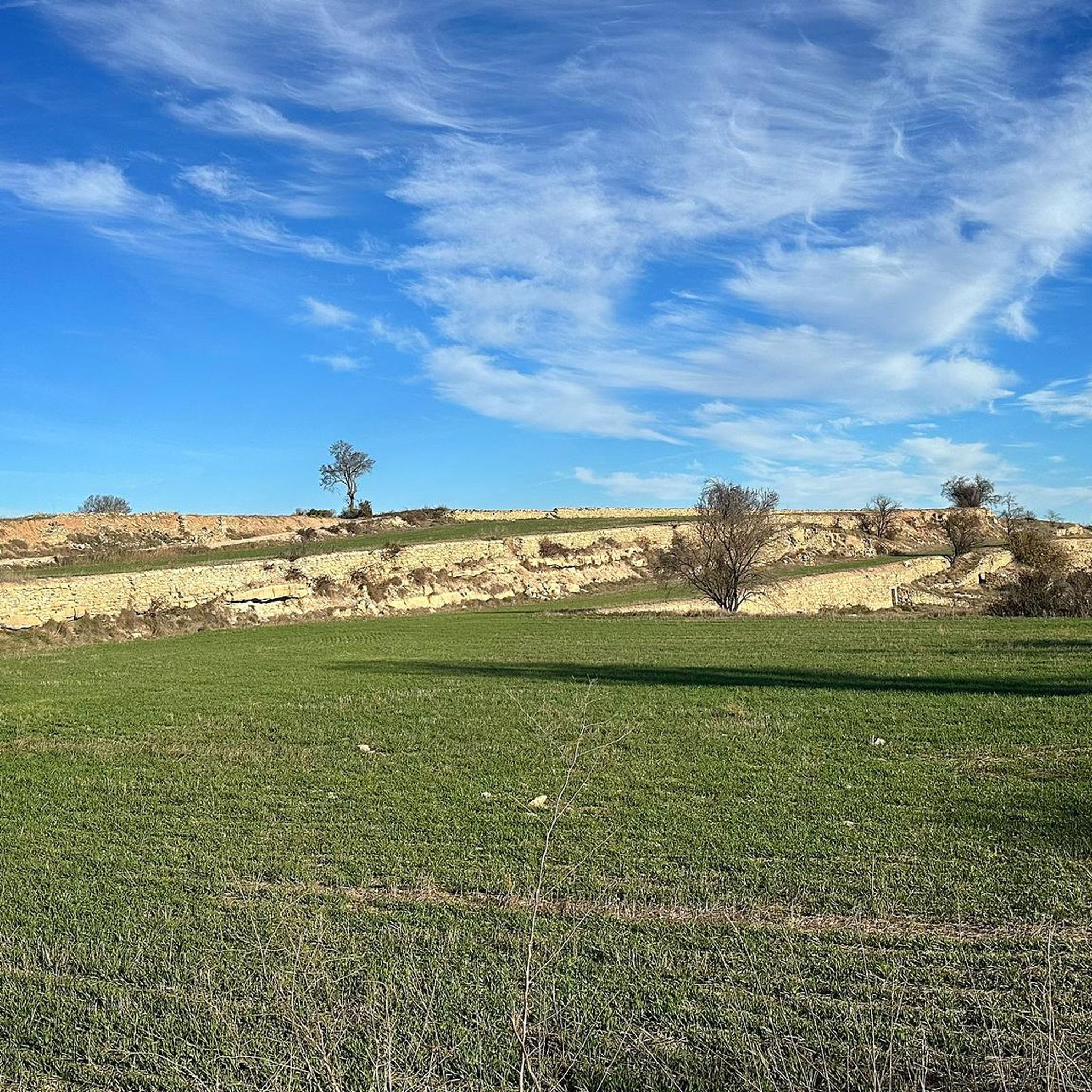
Road Cycling Routes around Santa Coloma De Queralt
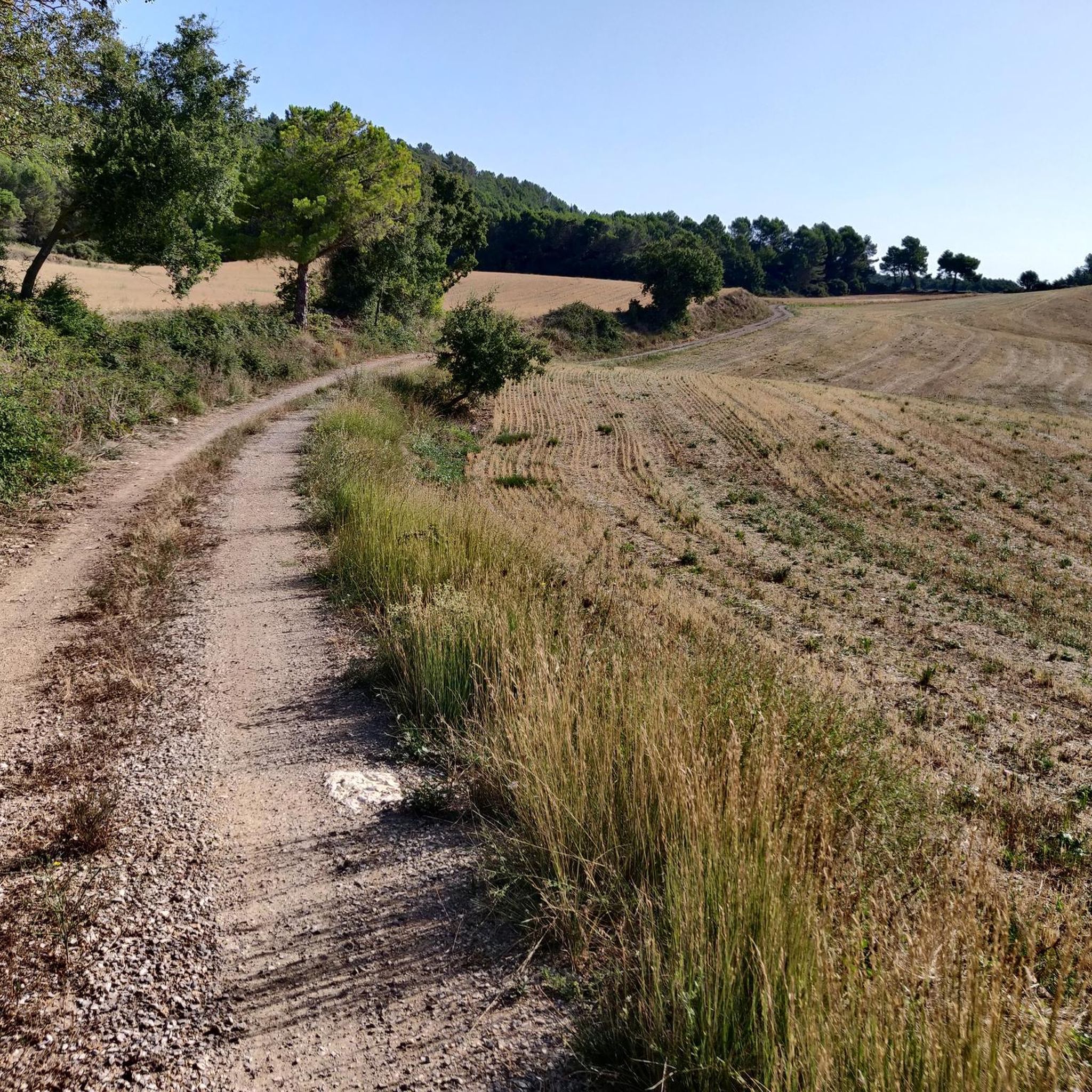
Running Trails around Santa Coloma De Queralt
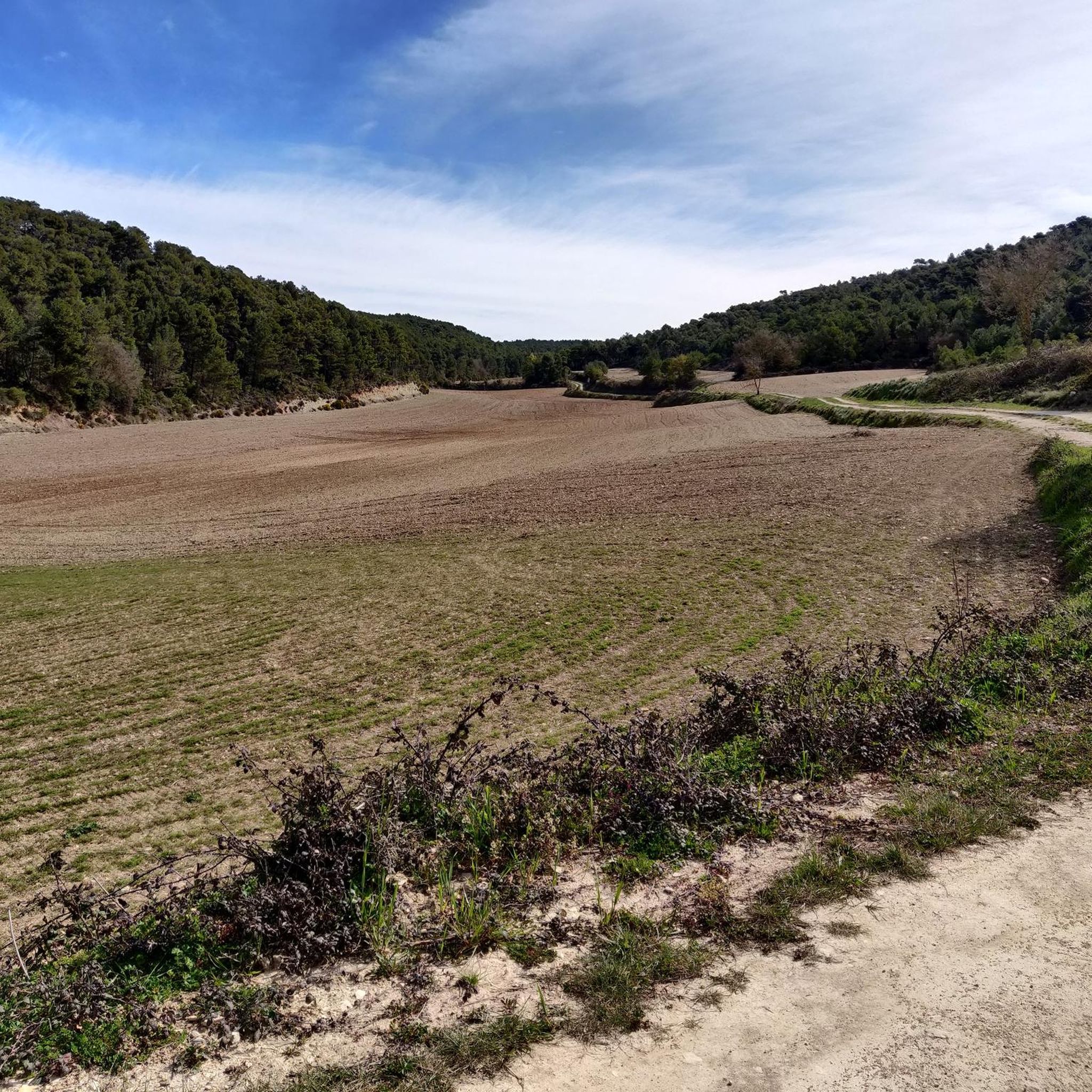
Hiking around Santa Coloma De Queralt
Cycling around Santa Coloma De Queralt
MTB Trails around Santa Coloma De Queralt

Gravel biking around Santa Coloma De Queralt
Other adventures around Santa Coloma De Queralt

Tips from the Community

Sant Magí de la Brufaganya is a sanctuary located at 760 m above sea level, above the beginning of the Torrent de Sant Magí, in the municipality of Pontils (Conca de Barberà). It is part of the nucleus of Sant Magí de Brufaganya. It is accessed by a detour on the Pontils a la Llacuna road. A gathering is held on the third Sunday of September. Under the sanctuary is the Chapel of the Fonts de Sant Magí, with water considered miraculous and object of pilgrimage; according to legend, the saint made it spring up by hitting the ground three times with his staff when the Roman soldiers were taking him down from the Brufaganya mountain, in Santa Perpètua de Gaià. For centuries, towns such as Barcelona, Tarragona, Lleida, Cervera or Igualada have gone to fetch water from the sources of Sant Magí de la Brufaganya, to then bring it solemnly into their municipality and distribute it among the neighbors. Near the Capella de les Fonts there is a stone dedicated to Sant Magí by the city of Igualada. It is a one and a half meter column with an inscription that attests to the devotion of the Igualadin. It was inaugurated on August 16, 1927 and was destroyed in 1936 during the Civil War. The people of Igualada returned in 1950 to restore it and for the second inauguration by priest Amadeu Amenós. On August 16, 2010, it was reopened by representatives of the Igualada City Council and the Friends of the Horses of Anoia, after a new restoration.
0
0
Sant Magí de la Brufaganya is a sanctuary located at 760 m above sea level, above the beginning of the Torrent de Sant Magí, in the municipality of Pontils (Conca de Barberà). It is part of the nucleus of Sant Magí de Brufaganya. It is accessed by a detour on the Pontils a la Llacuna road. A gathering is held on the third Sunday of September. Under the sanctuary is the Chapel of the Fonts de Sant Magí, with water considered miraculous and object of pilgrimage; according to legend, the saint made it spring up by hitting the ground three times with his staff when the Roman soldiers were taking him down from the Brufaganya mountain, in Santa Perpètua de Gaià. For centuries, towns such as Barcelona, Tarragona, Lleida, Cervera or Igualada have gone to fetch water from the sources of Sant Magí de la Brufaganya, to then bring it solemnly into their municipality and distribute it among the neighbors. Near the Capella de les Fonts there is a stone dedicated to Sant Magí by the city of Igualada. It is a one and a half meter column with an inscription that attests to the devotion of the Igualadin. It was inaugurated on August 16, 1927 and was destroyed in 1936 during the Civil War. The people of Igualada returned in 1950 to restore it and for the second inauguration by priest Amadeu Amenós. On August 16, 2010, it was reopened by representatives of the Igualada City Council and the Friends of the Horses of Anoia, after a new restoration. Source: Wikipedia
0
0

The Devil's Cave is a rock formation in the municipality of Sant Martí de Tous. From above you can see the hole made by the river and you can also go inside, entering the cave following the stream of water.
0
0

Mountain 902 meters high located between the regions of Alt Camp and Conca de Barberà with amazing views.
2
0
Santa Perpètua de Gaià is surrounded by forests and natural pools along the Gaià River. A perfect place to cool off.
2
0

The hermitage of the Fuentes de Sant Magí is built on a spring of water considered miraculous. It is an object of pilgrimage even today by people from Barcelona, Tarragona and Lleida. It is accessed via the paved road that is in perfect condition.
0
0

The meanders of the river hide some natural pools, ideal for finding absolute tranquility and cooling off.
2
0
Frequently Asked Questions
What unique natural features can I explore around Santa Coloma de Queralt?
The region offers diverse natural features, including the intriguing Devil's Cave, a rock formation with a visible hole carved by a river, which you can also enter by following the stream. You can also find serene natural pools along the Gaià River, perfect for cooling off, especially near Santa Perpètua de Gaià.
Are there any natural monuments suitable for families near Santa Coloma de Queralt?
Yes, the Natural pool of the Gaia River is considered family-friendly, offering tranquil spots for relaxation and swimming. Additionally, the Fonts del Llorac natural space is ideal for peaceful family walks and picnics.
Where can I find panoramic views of the landscape?
For breathtaking panoramic views, head to Puig de Comaverd. This mountain, standing at 902 meters high, is situated between the Alt Camp and Conca de Barberà regions and offers expansive vistas of the surrounding area.
What outdoor activities can I do near the natural monuments?
The area around Santa Coloma de Queralt is excellent for various outdoor activities. You can find numerous routes for gravel biking, running, and cycling. The proximity to the Prades Mountains Natural Park also provides ample opportunities for hiking and excursions.
Are there any natural parks or protected areas nearby?
While not directly within Santa Coloma de Queralt, the town's close proximity to the Parc Natural de les Muntanyes de Prades (Prades Mountains Natural Park) makes it an excellent base for exploring this larger protected natural area.
What is the best time to visit the natural monuments in this region?
The natural monuments around Santa Coloma de Queralt can be enjoyed throughout much of the year. Spring and autumn offer pleasant temperatures for hiking and exploring, while the natural pools are particularly inviting for cooling off during the warmer summer months.
Can I go hiking near Santa Coloma de Queralt's natural monuments?
Absolutely. The region is well-suited for hiking. For example, you can find moderate running trails like the 'Cueva del Diable — circular desde Sant Martí de Tous' which takes you near the Devil's Cave. Many other trails are available for various sports, including those listed in the running trails guide.
What kind of geological formations can I expect to see?
The area is notable for its unique geological features, such as the Devil's Cave, which is a distinctive rock formation with a river-carved hole. The meanders of the Gaià River also create interesting river landscapes and natural pools.
Are there any easy walks or accessible routes among the natural monuments?
The Fonts del Llorac natural space is known for offering peaceful and easy walks, suitable for a relaxed stroll. While specific accessible routes for all mobility levels are not detailed, many areas around the natural pools of the Gaià River offer relatively flat terrain for gentle exploration.
What do visitors enjoy most about the natural monuments around Santa Coloma de Queralt?
Visitors particularly appreciate the tranquility found at the Natural pool of the Gaia River, ideal for cooling off. The unique geological experience of exploring the Devil's Cave and the amazing panoramic views from Puig de Comaverd are also highly valued.
Can I bring my dog to the natural monuments and trails?
While specific rules for dog access at each natural monument are not provided, many outdoor trails in the region are generally dog-friendly. It's always advisable to keep dogs on a leash and ensure you clean up after them to preserve the natural environment.
Are there any hidden natural monuments or lesser-known spots worth visiting?
Beyond the main highlights, the Fonts del Llorac offers a serene and perhaps less crowded natural space for peaceful walks and family picnics, providing a quiet escape into nature.
Most popular routes around Santa Coloma De Queralt
Most popular attractions around Santa Coloma De Queralt

Get inspired with the komoot mobile app


Explore more
Extend your search for the best caves by checking out these guides of the top ones around Santa Coloma De Queralt:
