Top 11 Natural Monuments around Solórzano
Natural monuments around Solórzano, a municipality in Cantabria, Spain, are characterized by diverse natural landscapes, including significant wetlands and river systems. The region offers opportunities to explore protected natural areas and geological formations. Its proximity to the Cantabrian coast and inland mountains contributes to a varied environment suitable for outdoor activities. This area provides a range of natural attractions for visitors.
Best natural monuments around Solórzano
- The most popular natural monuments is Santoña, Victoria and Joyel Marshes Natural Park, an other_natural area that is the largest wetland in Cantabria. It is an ideal place for bird watching, hosting more than 121 species of waterfowl.
- Another must-see spot is Aguanaz River Dam, a river area. Visitors can expect a flat walk along the banks of the Aguanaz river, suitable for all ages and offering a refreshing experience in summer.
- Visitors also love El Regatón Stream, a river and natural monument. This area features one of the most important dune systems on the Atlantic coast and is integrated into the Natural Park of the Santoña, Victoria and Joyel Marshes.
- Solórzano is known for its diverse natural monuments, including extensive wetlands, scenic rivers, and intriguing caves. The region offers a variety of natural monuments to see and explore, from coastal dunes to inland geological formations.
- The natural monuments around Solórzano are appreciated by the komoot community, with 20 upvotes and 6 photos shared by visitors.
Last updated: October 4, 2026
Santoña Marshes
Highlight • Natural
Translated by Google •
Tip by

El Regatón Stream
Highlight • River
Translated by Google •
Tip by

Sign up now to discover places like this
Get recommendations on the best single tracks, peaks, & plenty of other exciting outdoor places.
Aguanaz River Dam
Highlight (Segment) • River
Translated by Google •
Tip by

Santoña, Victoria and Joyel Marshes Natural Park
Highlight • Natural
Translated by Google •
Tip by
Cubera Cave
Highlight • Cave
This cavity is divided into three zones according to its characteristics. Thus we have:
The Fossil Network of the Sima de Cueto which is characterized by having huge corridors in which there is no water around it and the ground is made up of large stone blocks which makes it difficult to transit through this area.
Another section is the Intermediate Network which is made up of a large number of caves and labyrinth-like paths, these suppose an excavation after the waters and has several levels, these connect the Sima del Cueto and La Coventosa.
The third section in the Coventosa Gallery, which is located next to the previously described labyrinthine area, communicates with almost all the galleries as well as with the Cubera spring.
Information taken from: viajarporcantabria.com/la-cueva-de-cubera
Translated by Google •
Tip by
Sign up for free to discover even more natural monuments around Solórzano.
Already have an account?
Start today with a free account
Your next adventure awaits.
Tips from the Community


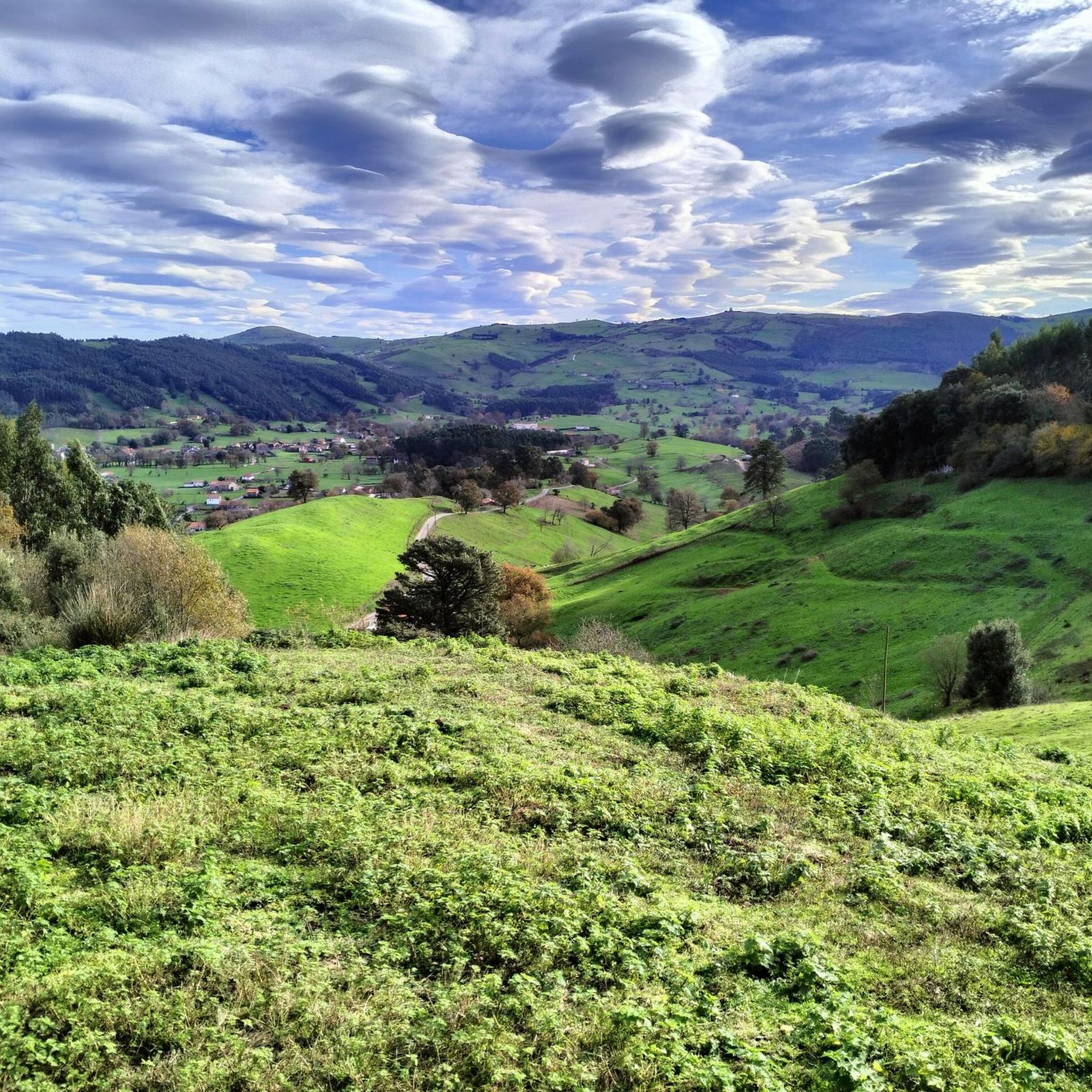
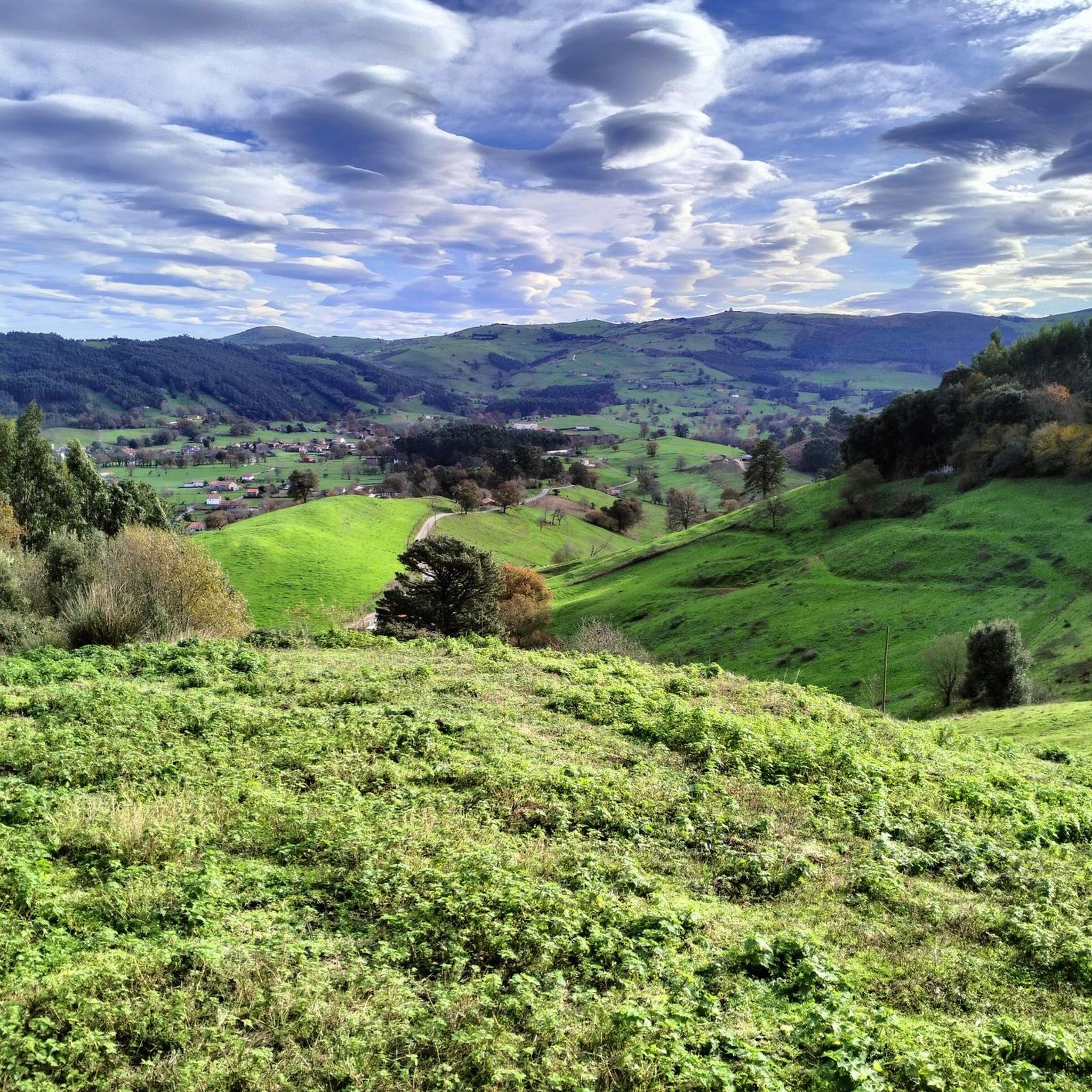
The dune system here is one of the most important on the Atlantic coast. It is integrated into the Natural Park of the Santoña, Victoria and Joyel Marshes, an important wetland. Migratory birds visit the area during the fall and winter months and if you go with binoculars, you can see mallards, herons and egrets in their natural environment. There are two campsites in the area.
1
0
The Natural Park of the Marismas de Santoña, Victoria and Joyel is the largest wetland in Cantabria with an area that covers 6679 hectares. It is the ideal place for bird watching - more than 121 species of waterfowl live here.
1
0

The Natural Park of the Marismas de Santoña, Victoria and Joyel is the largest wetland in Cantabria with an area that covers 6679 hectares. It is the ideal place for those who enjoy bird watching, more than 121 species of waterfowl live here.
1
0

This natural park is the most important wetland on the Cantabrian coast. Its 6,679 hectares are full of unique marine fauna and are home to more than 121 species of waterfowl. The tides constantly change this landscape that can be seen from the different shores and from the bridge that crosses it.
2
0

In the middle of the Asón river path, on the way to Arredondo.
0
0

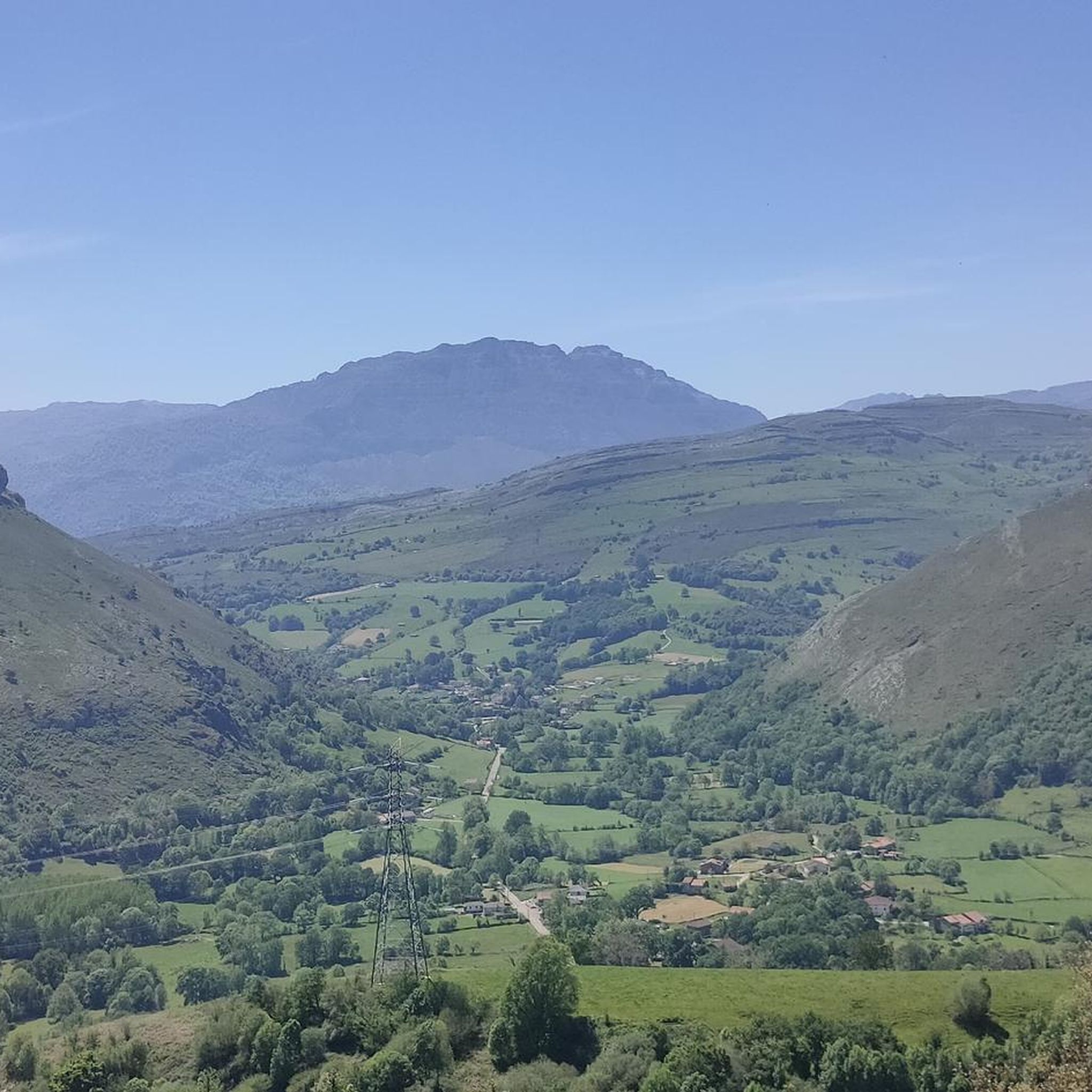
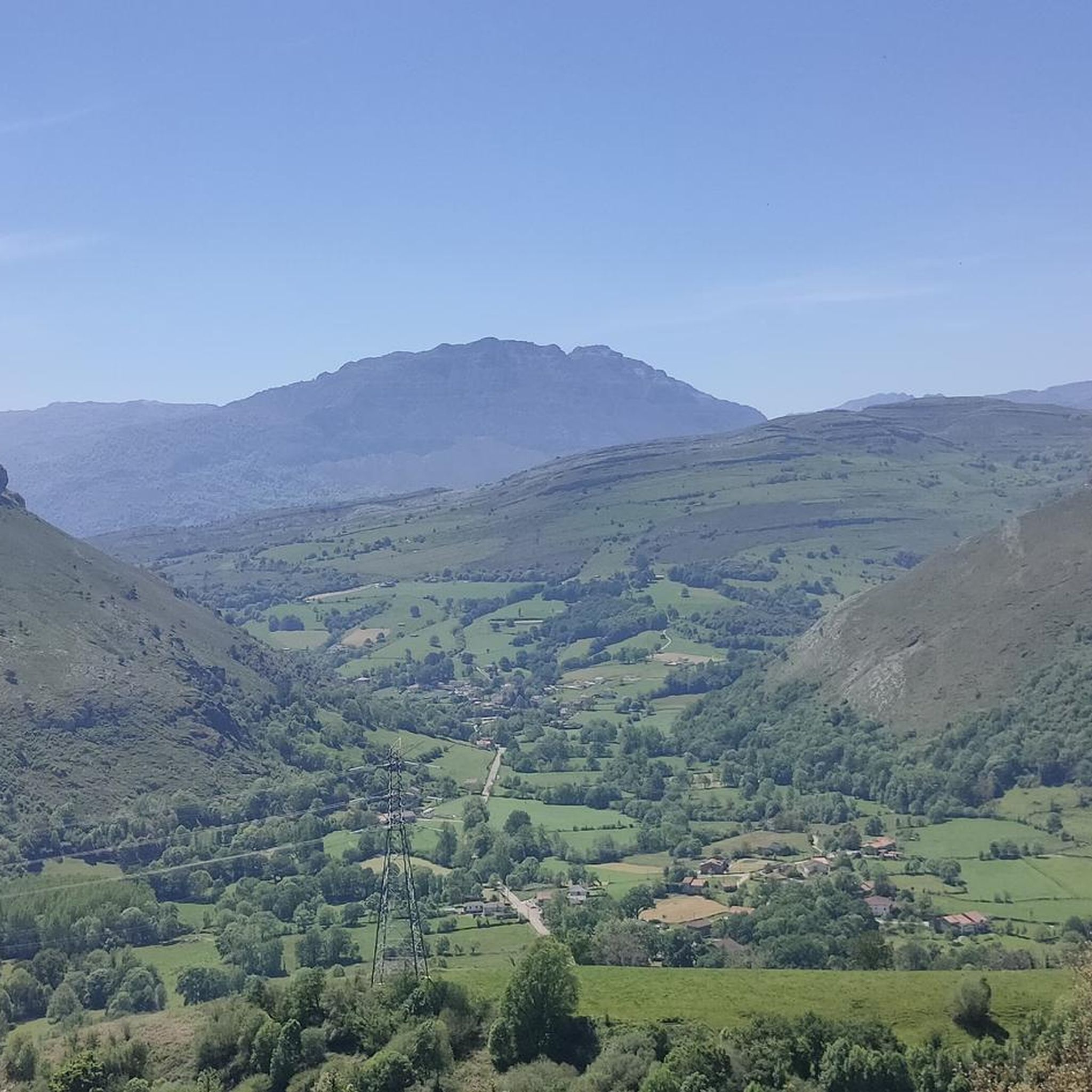
The Cubera cave is located at kilometer 2.8 of the road that goes from Arredondo to La Sia and its mouth is at the same level as the road and it has a spring that drains its waters from the currents of the system that predominates in the cave. zone. This cavity is divided into three zones according to its characteristics. Thus we have: The Fossil Network of the Sima de Cueto which is characterized by having huge corridors in which there is no water around it and the ground is made up of large stone blocks which makes it difficult to transit through this area. Another section is the Intermediate Network which is made up of a large number of caves and labyrinth-like paths, these suppose an excavation after the waters and has several levels, these connect the Sima del Cueto and La Coventosa. The third section in the Coventosa Gallery, which is located next to the previously described labyrinthine area, communicates with almost all the galleries as well as with the Cubera spring. Information taken from: https://www.viajarporcantabria.com/la-cueva-de-cubera/
3
0
A beautiful walk on the banks of the Aguanaz river, which runs from the French cave to the dam that is under the highway bridge. It is flat, for all types of public (even babies in a stroller), surrounded by riverside trees, making it a very refreshing short walk in summer.
3
0
Frequently Asked Questions
What types of natural monuments can I explore around Solórzano?
Around Solórzano, you can explore a diverse range of natural monuments, including significant wetlands, scenic rivers, and intriguing caves. The region is known for its extensive marsh systems, such as the Santoña, Victoria and Joyel Marshes Natural Park, and river areas like the Aguanaz River Dam. You can also discover geological formations like the Cubera Cave and Cueva de la Colodra.
Are there any significant wetlands or marsh areas to visit near Solórzano?
Yes, the most prominent wetland area is the Santoña, Victoria and Joyel Marshes Natural Park. This is the largest wetland in Cantabria, covering over 6,500 hectares, and is a critical site for migratory birds. It also features important dune systems, such as those found at El Regatón Stream, which is integrated into the Natural Park.
What kind of hiking trails are available near Solórzano's natural monuments?
You'll find a variety of hiking trails near the natural monuments around Solórzano. For example, you can enjoy a flat walk along the banks of the Aguanaz river near the Aguanaz River Dam. For more extensive hiking, consider exploring routes that lead to viewpoints or caves. You can find more hiking options in the Hiking around Solórzano guide.
Are there any easy walks suitable for families or those with strollers?
Yes, the walk along the banks of the Aguanaz river, near the Aguanaz River Dam, is described as flat and suitable for all ages, including those with babies in strollers. It offers a refreshing experience, especially in summer, surrounded by riverside trees.
Which natural monuments offer the best panoramic views?
For panoramic views, Cueva de la Colodra offers magnificent views from its entrance, described as a 'wonderful window to paradise.' Additionally, while not a designated natural monument, Pico Vizmaya (mentioned in region research) is known for its splendid views of the surrounding towns and landscapes and can be accessed via various hiking routes.
Can I visit any caves in the Solórzano area?
Yes, there are notable caves to explore. The Cubera Cave is a complex system with different sections, including a fossil network and labyrinthine paths. Another option is Cueva de la Colodra, which is easily accessible from a path and offers a unique cavity to explore with beautiful views.
What outdoor activities can I do near these natural monuments?
Beyond exploring the natural monuments themselves, you can engage in various outdoor activities. The region is excellent for birdwatching, especially in the Santoña, Victoria and Joyel Marshes Natural Park. Hiking is popular, with trails ranging from easy riverside walks to more challenging routes near caves. You can find more options for running, hiking, and cycling in the Running Trails around Solórzano, Hiking around Solórzano, and Cycling around Solórzano guides.
Are there any natural monuments suitable for birdwatching?
Absolutely. The Santoña, Victoria and Joyel Marshes Natural Park is an ideal place for birdwatching, hosting over 121 species of waterfowl. During the fall and winter months, you can spot migratory birds like mallards, herons, and egrets in their natural environment, especially around areas like El Regatón Stream.
What is the best time to visit the natural monuments around Solórzano?
The best time to visit depends on your interests. For birdwatching, the fall and winter months are ideal, as the Santoña, Victoria and Joyel Marshes Natural Park becomes a critical site for migratory birds. For refreshing walks along rivers, like the Aguanaz River Dam, summer can be pleasant due to the shade from riverside trees. Generally, spring and autumn offer mild temperatures suitable for hiking and exploring.
Are there any historical elements associated with the natural attractions?
While not a designated natural monument, Pico Vizmaya (mentioned in region research) offers historical interest with the remains of an old Castro from the Second Iron Age at its summit. Additionally, it has opencast iron mines at its base that once supplied material to historical cannon factories. This provides a blend of natural beauty and historical significance.
What do visitors enjoy most about the natural monuments in Solórzano?
Visitors particularly appreciate the diverse natural landscapes, from the extensive wetlands perfect for birdwatching to the serene river walks. The opportunity to explore unique geological formations like caves and enjoy panoramic views is also highly valued. The community has shared 6 photos and given 20 upvotes, highlighting the beauty and appeal of these natural areas.
Most popular attractions around Solórzano

Get inspired with the komoot mobile app


Explore more
Extend your search for the best caves by checking out these guides of the top ones around Solórzano:
