Top 11 Natural Monuments around Alberic
Best natural monuments around Alberic are found in the municipality of Valencia, Spain, offering diverse natural sites. The region features areas of ecological and historical value, providing opportunities for outdoor recreation. These locations showcase the unique Valencian landscape, from former salt mines to riverine environments. Visitors can explore a blend of natural beauty and historical intrigue within a short distance of the urban center.
Best natural monuments around Alberic
- The most popular natural monuments is Les Salines, a natural…
Last updated: July 1, 2026
Les Salines
Highlight • Natural Monument
It is a protected space …
Translated by Google •
Tip by

Views of the Assut d’Antella
Highlight • River
Translated by Google •
Tip by
Sign up now to discover places like this
Get recommendations on the best single tracks, peaks, & plenty of other exciting outdoor places.
Sign up for free
Bitter Spring
Highlight • Rest Area
Translated by Google •
Tip by

Quarry of Quatre Camins (Llosar dels Francs)
Highlight • Historical Site
Translated by Google •
Tip by
Cart tracks
Highlight • Historical Site
Translated by Google •
Tip by
Sign up for free to discover even more natural monuments around Alberic.
Sign up for free
Already have an account?
Start today with a free account
Your next adventure awaits.
Login or Signup
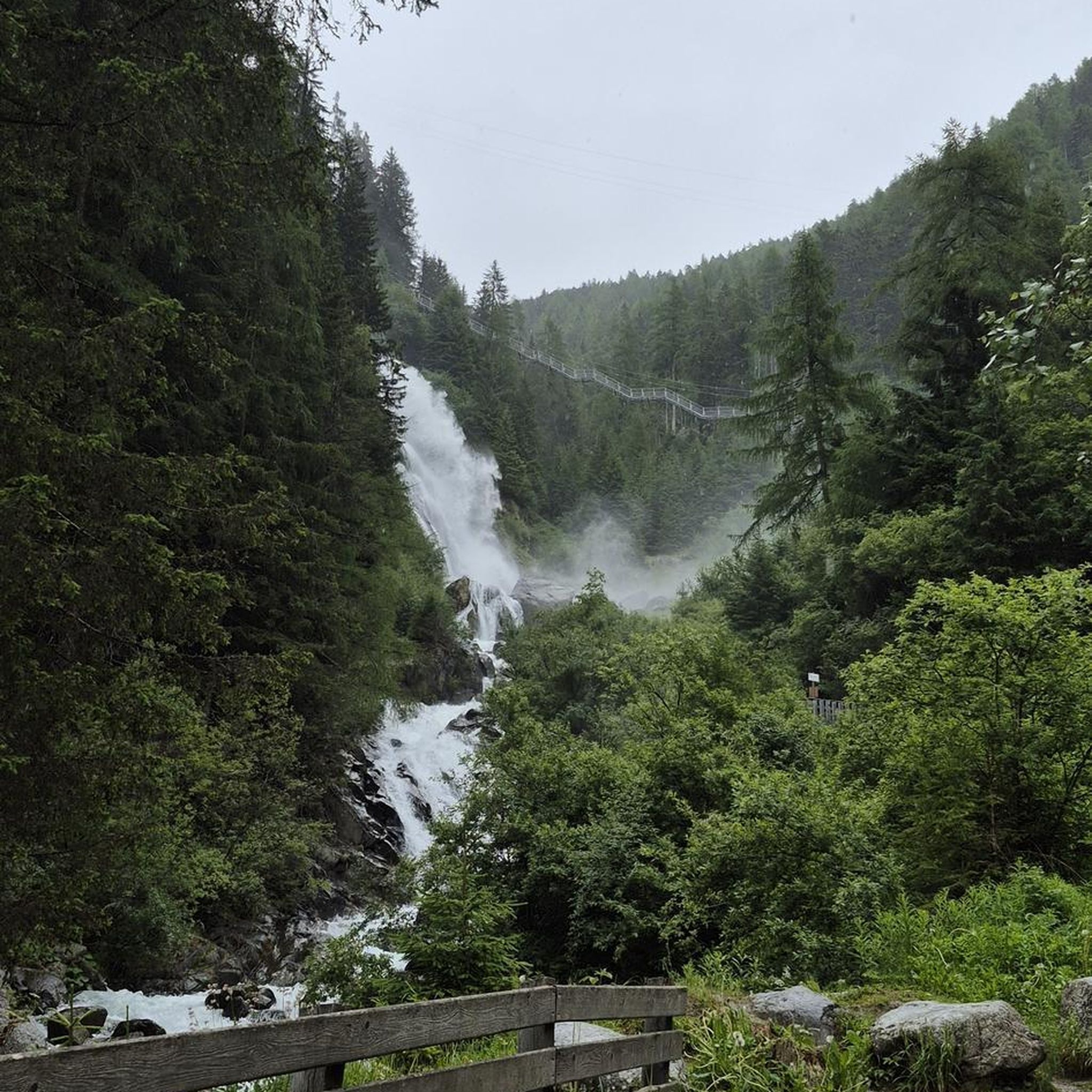
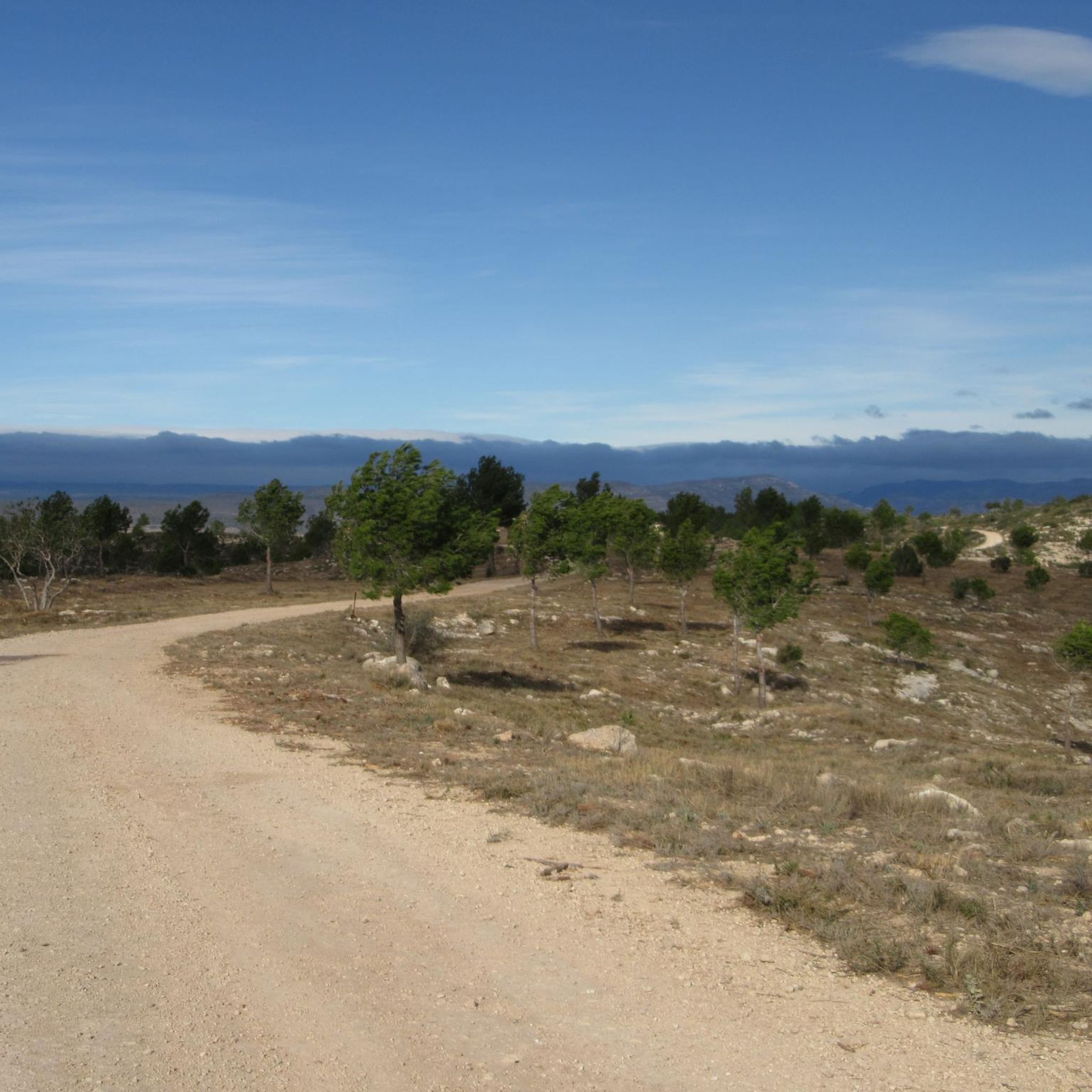
Tips from the Community

The Quatre Camins quarry, also known as the Llosar dels Francs, is an archaeological site 500m away. of the Roman villa, known as Villa Cornelius, located in Partida dels Francs, in the municipality of Énova. These are quarries that, according to some scholars, could be considered the most important of the Roman period in the Iberian Peninsula. The commercialization of the marble extracted from these quarries was the main source of wealth for the Iunii family, of the Galeria Tribe, owners of the plantation and the Cornelius town. The transport of the stone was done through the carriladas, that is to say, grooves in the rocks that channeled the wheels of the carts, which can still be seen on the road that leads from Énova to Barxeta (https:// www.komoot.com/es-es/highlight/6171388). The planter has preserved marks that show that the marble was extracted forming rectangular blocks. These large blocks were transported in bullock carts to the town, where the work of stonemasons or stonemasons continued, who would fragment them and shape them into specific pieces, according to the order that needed to be served. This marble was used to make tombstones, monuments of different sizes and even slabs to pave the Roman theater in Zaragoza or the plinths of the Romanesque door of the Cathedral of Valencia. In the same municipality of Énova there are several Roman tombstones that provide the Greek names of slaves such as Lleones, Vibi Èutic (Vibius Euthycus) and Himeto (Himetós), which are built with materials from these quarries.
1
0
The Assut d'Antella is an essential part of the hydraulic infrastructure of the Séquia Reial del Xúquer, as it functions as a dam that diverts part of its water from the river to the ditch. Considered as a fluvial beach with a crowning height of 3 meters and a dam length of 315 meters, we find the Assut d'Antella between the Xúquer River and the foothills of the Tous mountain range. Without a doubt, the weir is the most well-known natural site in the town, and for which hundreds of tourists come to visit Antella every year, and to enjoy the waters of the river swimming with friends or family. In addition, its importance can be identified at a glance by finding it represented on the town's coat of arms.
1
0
The so-called "lanes" are the marks of a road perpendicular to the Via Heraklea (Path of Hercules) during the Bronze Age, which the Romans later renamed Via Augusta. This road, in the Iberian era, connected the interior of the peninsula with the sea, directly connecting the ancient city of Saiti (Roman Saetabis, today Xàtiva) with the city of Dianium (now Dénia). These lanes are very marked in the rock due to the continuous traffic of the carts. The distance between the axles of the wheels confirms that they date from the Iberian era. In Énova, this road was used for centuries due to the Roman exploitation of the quarry for the production of marble (which is located a few meters away), as well as being used to connect the Roman Villa with the rest of the world
1
0
Les Salines de Manuel is a municipal natural site of 28 hectares, of great landscape value, which is located next to the town of Manuel. It is a protected space of high ecological and historical value, as it was an old salt mine of the army, now turned into a large green lung. The exploitation was possible thanks to the composition of the so-called Serra de les Salines, formed by a rich combination of mineral salts from sandy rocks, limestone, reddish clay and other materials, giving rise to what we know as "common salt" . Due to the presence of all these minerals, the vegetation has the particular characteristic of being different from that of other places, either because of the adaptation to the terrain or because of the abundant foliage. This is why the site of Les Salines de Manuel houses two very different types of vegetation. On the one hand, the white pine forest with its traditional companions (lentiscle, coscolla, margallon, rosemary, rudder, buckthorn, juniper, etc.); and for another, the saline outcrops, where a Valencian endemic known as Limonium mansanetianum grows in honor of José Mansanet, the great botanist of Simat de la Valldigna. Next to this grass, capable of filtering salt water and expelling the salt through the leaves, grow several tamarinds, trees more typical of coastal areas. The circular route of the area, known as the Ruta de la Sal, is divided into 3 paths, which make up a total of approximately 4 kilometers, all signposted. On the way, you will meet a hill called the "wall of bullets", used in the past for shooting exercises by the army, which had an Engineers and Sappers School here between 1906 and 1996. There is also the Paret del Moro , which are the remains of a Muslim fortification from the 10th century; the remains of an old machine gun nest and trenches; buildings of the old salt exploitation; or the birth of salt water that supplied the salt pans, as well as the recreational area. Les Salines de Manuel, full of vegetation and pines adapted to salt, was exploited since ancient times by the Romans, being handed over a little over a century ago to the army, who finally handed it over to the population to be recovered for the use and enjoyment of visitors as a natural site. The military use lasted until 1996, although it was not until 2006 when the Manuel City Council acquired the land to be used for sports, a rural tourism center and the adaptation of the area as a municipal natural site and the adaptation of various hiking routes.
1
0
Marks left on the stones by the carts that loaded the marble from the Roman quarry.
2
0

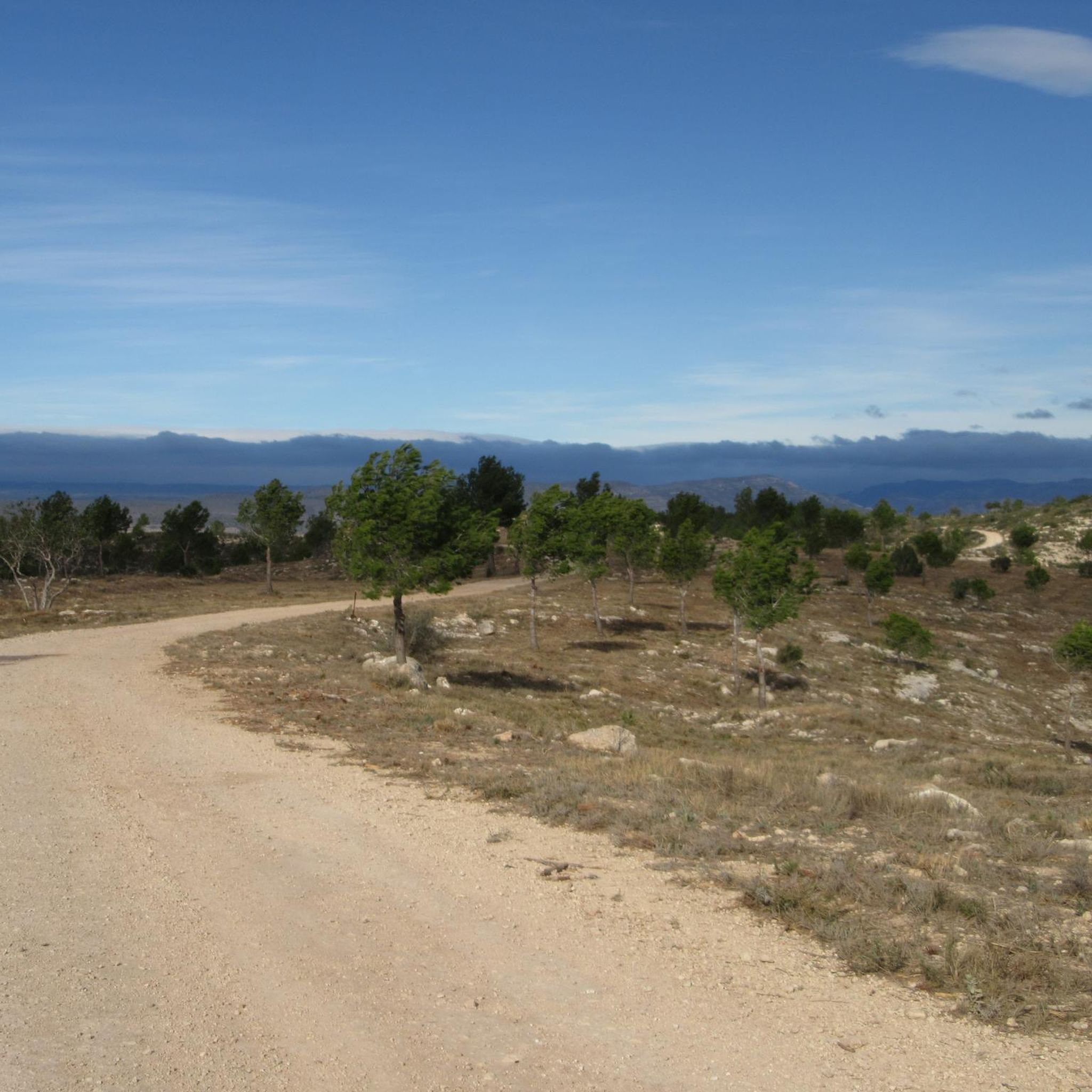
Recreational area with fountain and trails for walking or mtb ** Recreational area with fountain and trails for walking or mtb
2
0
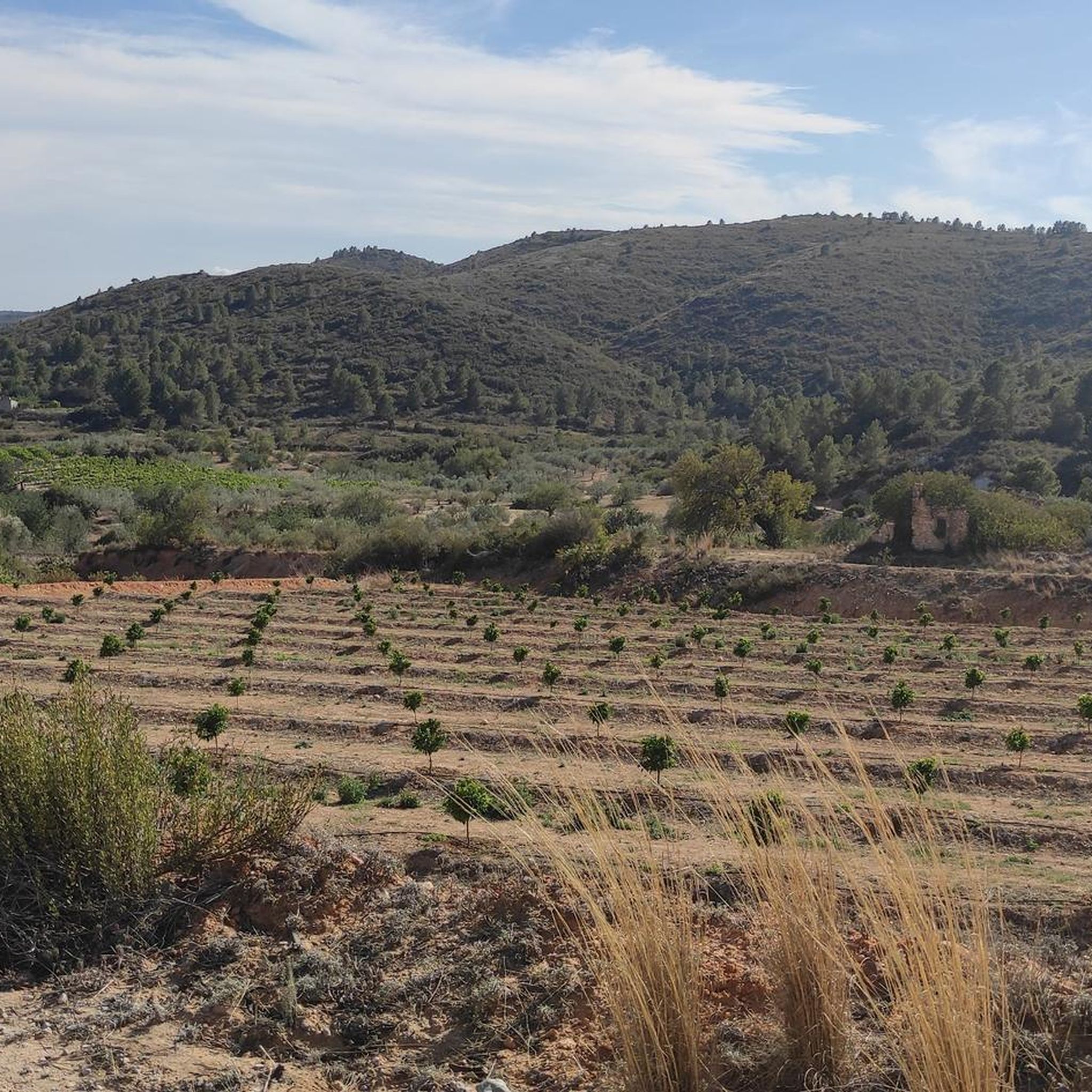
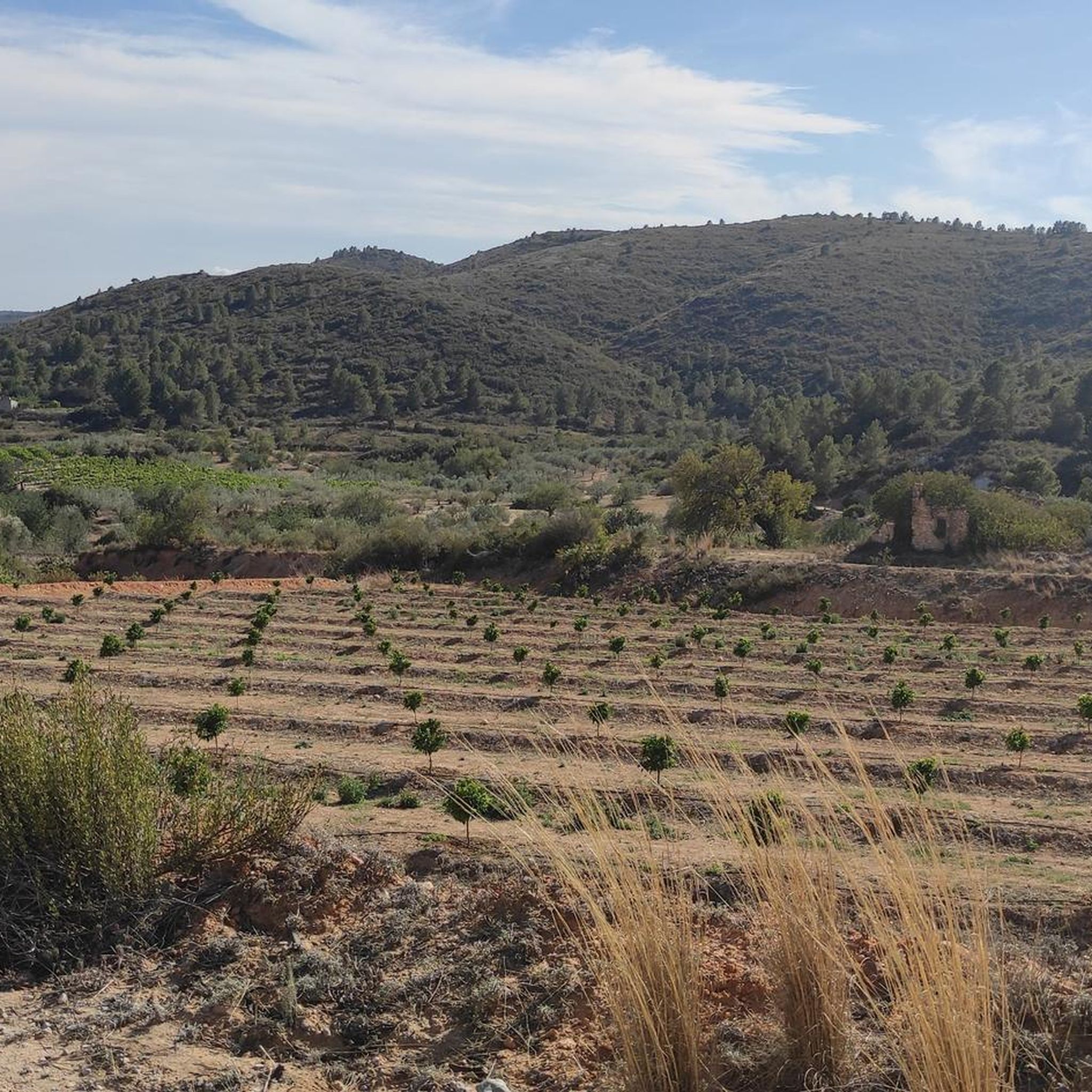
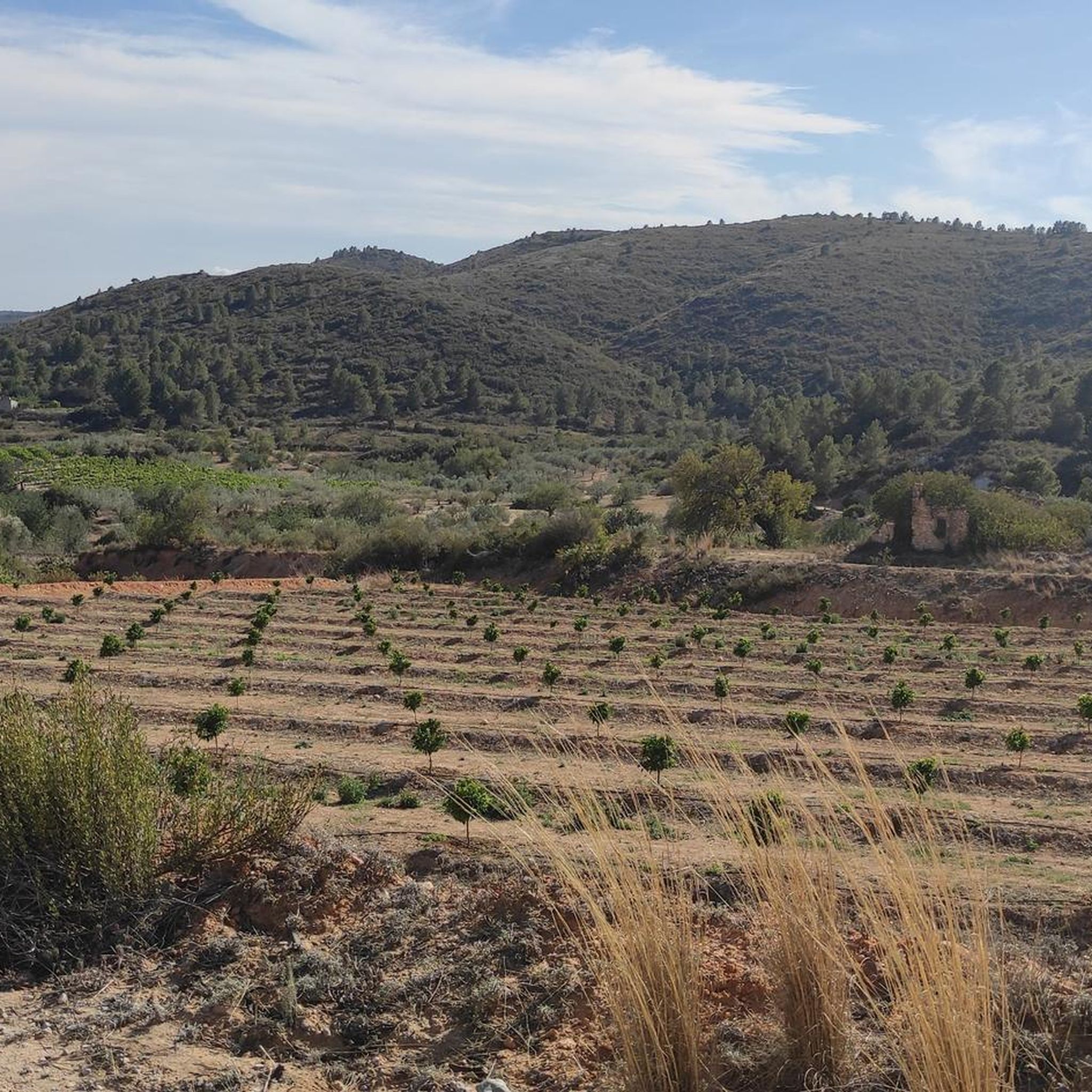
It is a birth of non-potable water of bitter taste and with a healing reputation (not scientifically proven) for acne, sores or skin infections.
1
0

This water really comes out bitter, don't even think about trying to drink from this source, I don't think it would take much for them to decide on the one it is wearing. By the way, I say not to drink this water because I did drink and it was a very bad decision.
3
0
Frequently Asked Questions
What are some of the most unique natural monuments to explore near Alberic?
Near Alberic, you can discover several unique natural monuments. Les Salines is a significant municipal natural site, formerly an army salt mine, now a large green space with unique saline-adapted vegetation and historical structures. Another interesting spot is Bitter Spring, a recreational area known for its non-potable, bitter-tasting water and surrounding trails. You can also visit Views of the Assut d’Antella, a river feature that functions as a dam and is considered a fluvial beach, popular for swimming and recreation.
Are there natural monuments near Alberic with historical significance?
Yes, several natural monuments in the area boast rich history. Les Salines, for instance, was an ancient salt mine with remains of a 10th-century Muslim fortification and military structures. The Quarry of Quatre Camins (Llosar dels Francs) is an archaeological site believed to be one of the most important Roman quarries in the Iberian Peninsula, with visible Cart tracks left by Roman carts.
What kind of trails can I find at the natural monuments around Alberic?
The natural monuments around Alberic offer a variety of trails. At Les Salines, you can explore the circular Ruta de la Sal, which is about 4 kilometers long and signposted. The area around Bitter Spring also features trails suitable for walking or mountain biking. Additionally, the Natural Trail of the Old Little Train, while not a strict natural monument, provides a well-maintained path along a former railway line, perfect for cycling or hiking with beautiful scenery and no technical difficulty.
Are there family-friendly natural monuments around Alberic?
Many natural monuments in the Alberic area are suitable for families. Les Salines offers easy hiking routes and a recreational area. Bitter Spring is a recreational area with trails for walking. Views of the Assut d’Antella is a popular fluvial beach where families can enjoy swimming in the river. La Muntanyeta Alberic also provides a pleasant, easily accessible natural retreat for short walks.
What outdoor activities can I do near these natural monuments?
Beyond exploring the natural monuments themselves, the Alberic region is excellent for various outdoor activities. You can find numerous routes for road cycling, general cycling, and running. For example, you can explore routes like 'Embalse de Tous — Return from Alberic via Camí de la Taronja' for cycling or 'Running loop from Alberic' for jogging. You can find more details and routes in the Road Cycling Routes around Alberic, Cycling around Alberic, and Running Trails around Alberic guides.
Where can I find scenic viewpoints among the natural monuments?
For scenic views, La Muntanyeta Alberic, located just meters from the urban center, offers pleasant landscapes and views from the Santa Bárbara Chapel. While not explicitly a viewpoint, Views of the Assut d’Antella provides picturesque riverine scenery, especially where the dam diverts water from the Xúquer River.
Are there any natural areas suitable for short walks near Alberic?
Yes, La Muntanyeta Alberic is an ideal spot for short, pleasant walks. It's a natural enclave primarily composed of pines, holm oaks, and myrtle, easily accessible from the urban center. The circular routes at Les Salines, known as the Ruta de la Sal, also offer manageable distances for short walks, totaling approximately 4 kilometers.
What kind of unique flora and fauna can be observed in the natural monuments?
At Les Salines, you can observe diverse vegetation, including white pine forests and plants specifically adapted to saline conditions. A notable example is the Valencian endemic species Limonium mansanetianum, which grows in the saline outcrops. The site also features tamarinds, trees more typical of coastal areas. While not detailed in the provided information, these natural areas generally support local wildlife.
What makes Les Salines de Manuel a significant natural monument?
Les Salines de Manuel is significant due to its high ecological and historical value. Spanning 28 hectares, it was formerly an army salt mine, now transformed into a substantial green space. Its unique geological composition allowed for salt exploitation, which in turn fostered distinct vegetation, including endemic species. The site also preserves historical elements like a Muslim fortification and military remains, offering a blend of natural beauty, ecological recovery, and historical intrigue.
Can I swim at any of the natural monuments around Alberic?
Yes, Views of the Assut d’Antella is a well-known natural site considered a fluvial beach. It's a popular spot for swimming and recreation in the waters of the Xúquer River, attracting many visitors to enjoy its refreshing environment.
What is the best time to visit the natural monuments around Alberic?
While specific seasonal recommendations are not provided, the region's Mediterranean climate generally makes spring and autumn ideal for outdoor activities, offering pleasant temperatures for hiking, cycling, and exploring. Summer can be quite hot, though riverine spots like the Assut d’Antella offer a chance to cool off. Winter is typically mild and suitable for exploration as well.
Are there any natural monuments that are easily accessible from Alberic's urban center?
Yes, La Muntanyeta Alberic is a natural enclave situated just a few meters from the urban center of Alberic, making it very easily accessible for short walks and enjoying nature without traveling far. It's a convenient spot for residents and visitors alike.
Most popular routes around Alberic
Most popular attractions around Alberic

Get inspired with the komoot mobile app


Explore more
Extend your search for the best caves by checking out these guides of the top ones around Alberic:
