Top 16 Natural Monuments around Riotuerto
Best natural monuments around Riotuerto include diverse natural attractions within its immediate vicinity. This municipality in Cantabria, Spain, is characterized by a mountainous landscape, forming part of the Cantabrian Sierra. The region features significant natural beauty, including the Peña Cabarga massif, and offers a blend of natural features and historical mining sites. The area provides opportunities to explore unique geological formations and landscapes.
Best natural monuments around Riotuerto
- The most popular natural monuments is Peñas Blancas Summit, a summit…
Last updated: July 1, 2026
Peñas Blancas Summit
Highlight • Summit
Translated by Google •
Tip by

Pozo Menor de Valcaba
Highlight • Lake
Translated by Google •
Tip by

Sign up now to discover places like this
Get recommendations on the best single tracks, peaks, & plenty of other exciting outdoor places.
Sign up for free
Pozos de Noja
Highlight • Lake
Translated by Google •
Tip by

Aguanaz River Dam
Highlight (Segment) • River
Translated by Google •
Tip by
Castro de Castilnego
Highlight • Historical Site
Translated by Google •
Tip by
Sign up for free to discover even more natural monuments around Riotuerto.
Sign up for free
Already have an account?
Start today with a free account
Your next adventure awaits.
Login or Signup
Tips from the Community

The Pozos de Noja, known for its two artificial lagoons, the result of the industrial legacy of the old electricity company in the area, are proud to present their latest tourist innovation: a swing and a giant bench, unique spots for contemplating the landscape but also promising to be the setting for countless memories and photographs that will capture the essence of Cantabria. Access via SENDA DE TUERRA, with a bicycle path to the wells.
0
0

The skyline is certainly impressive. And I love the reproduction of the Pico LLen tower.
1
0
A joyful corner, to think, to stop.
2
0

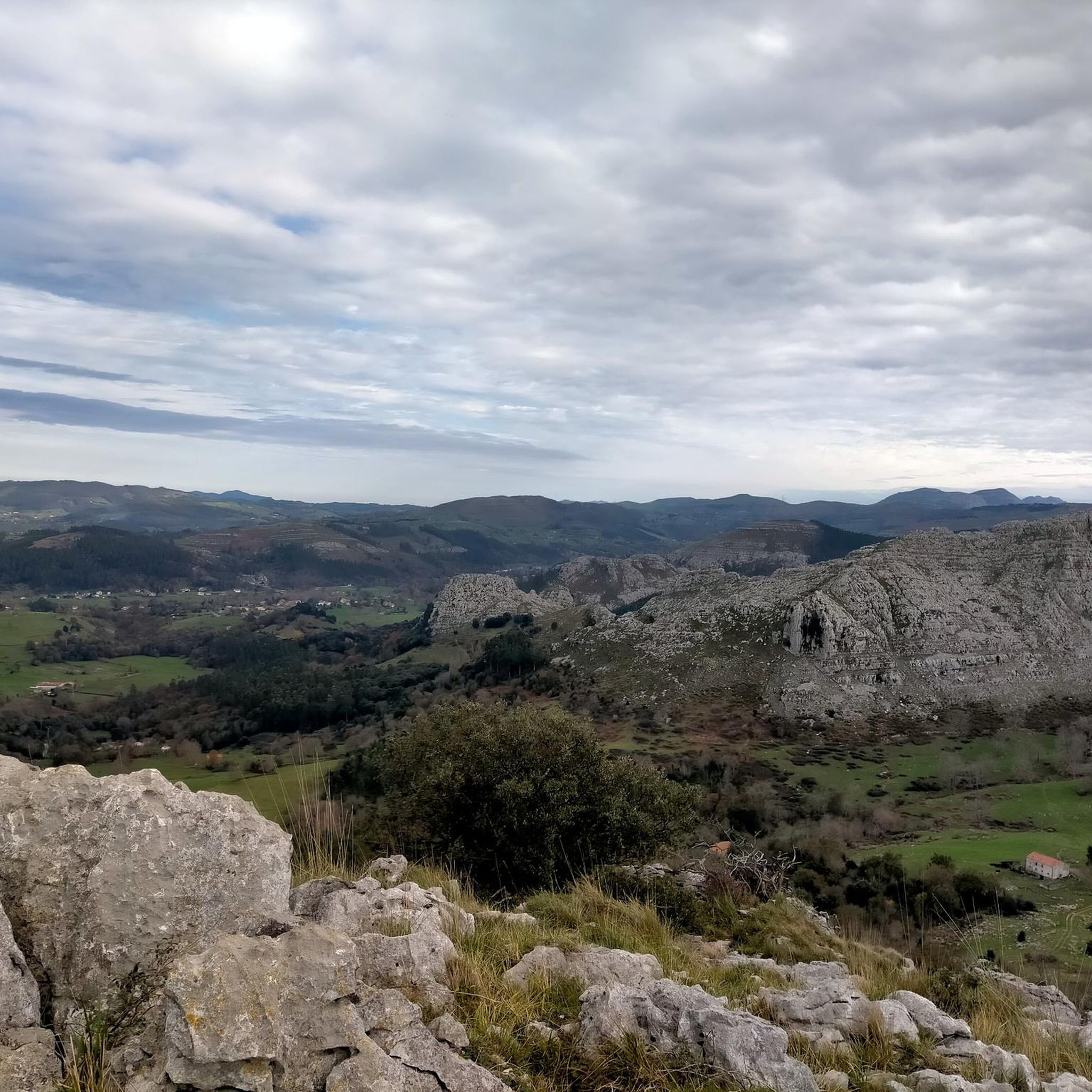
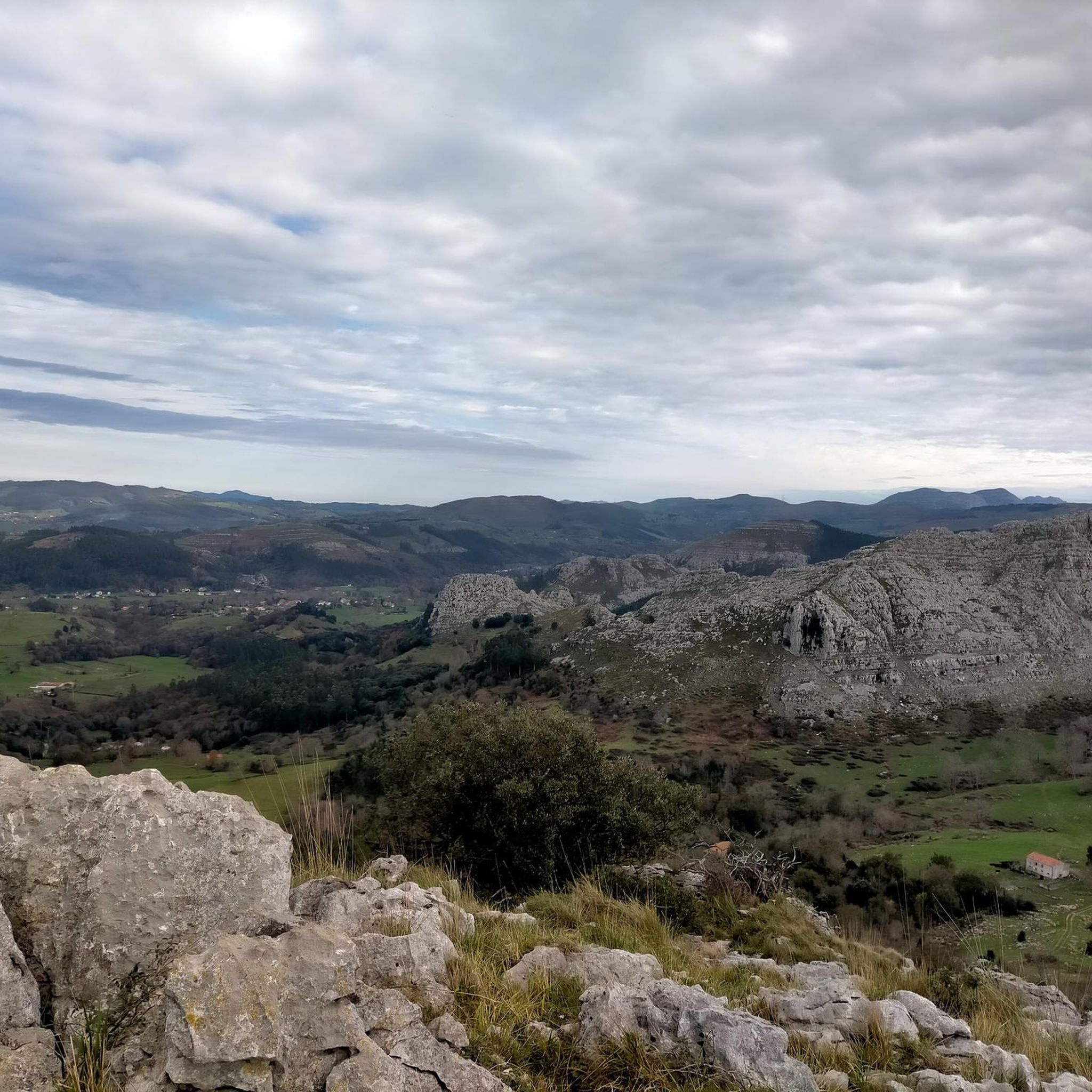
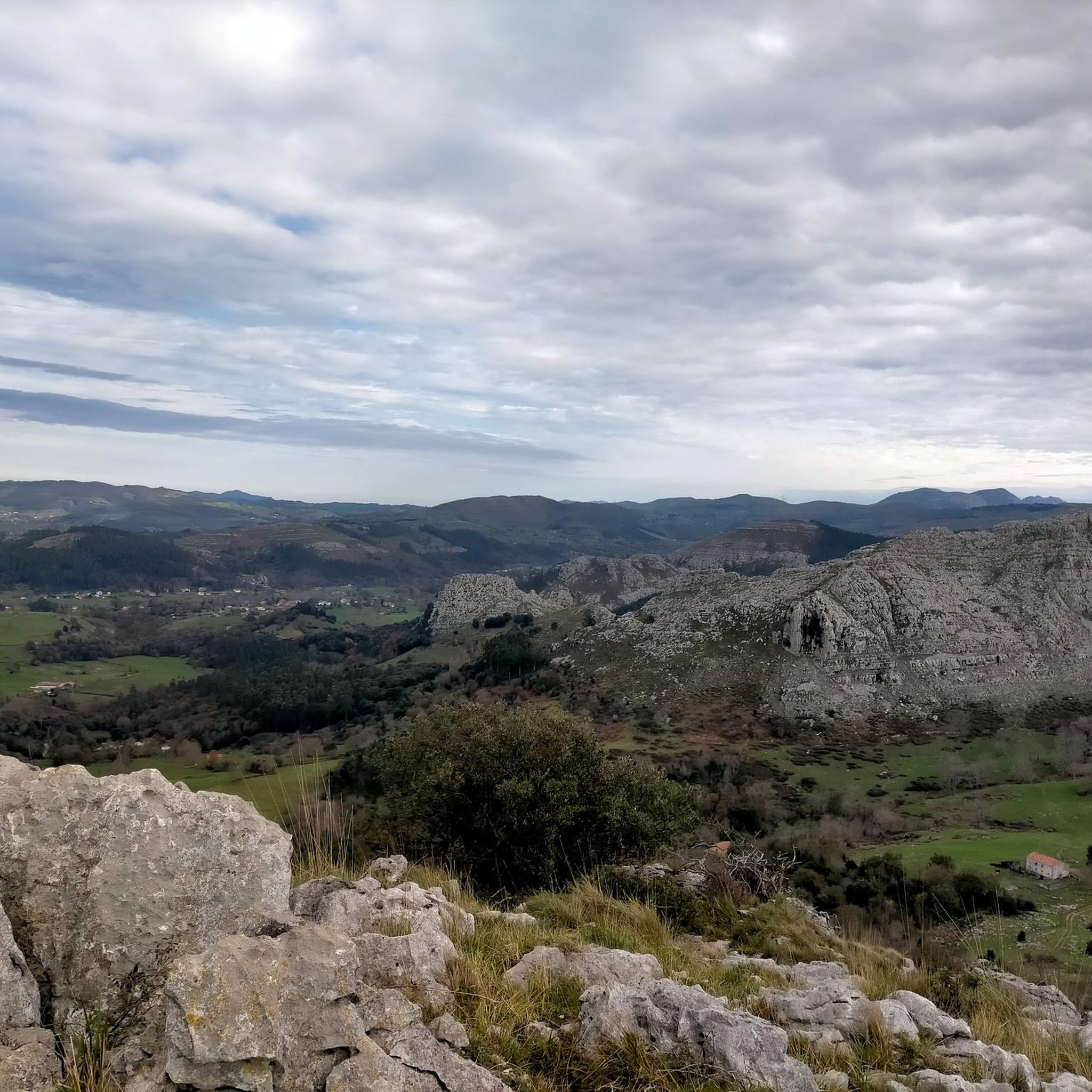
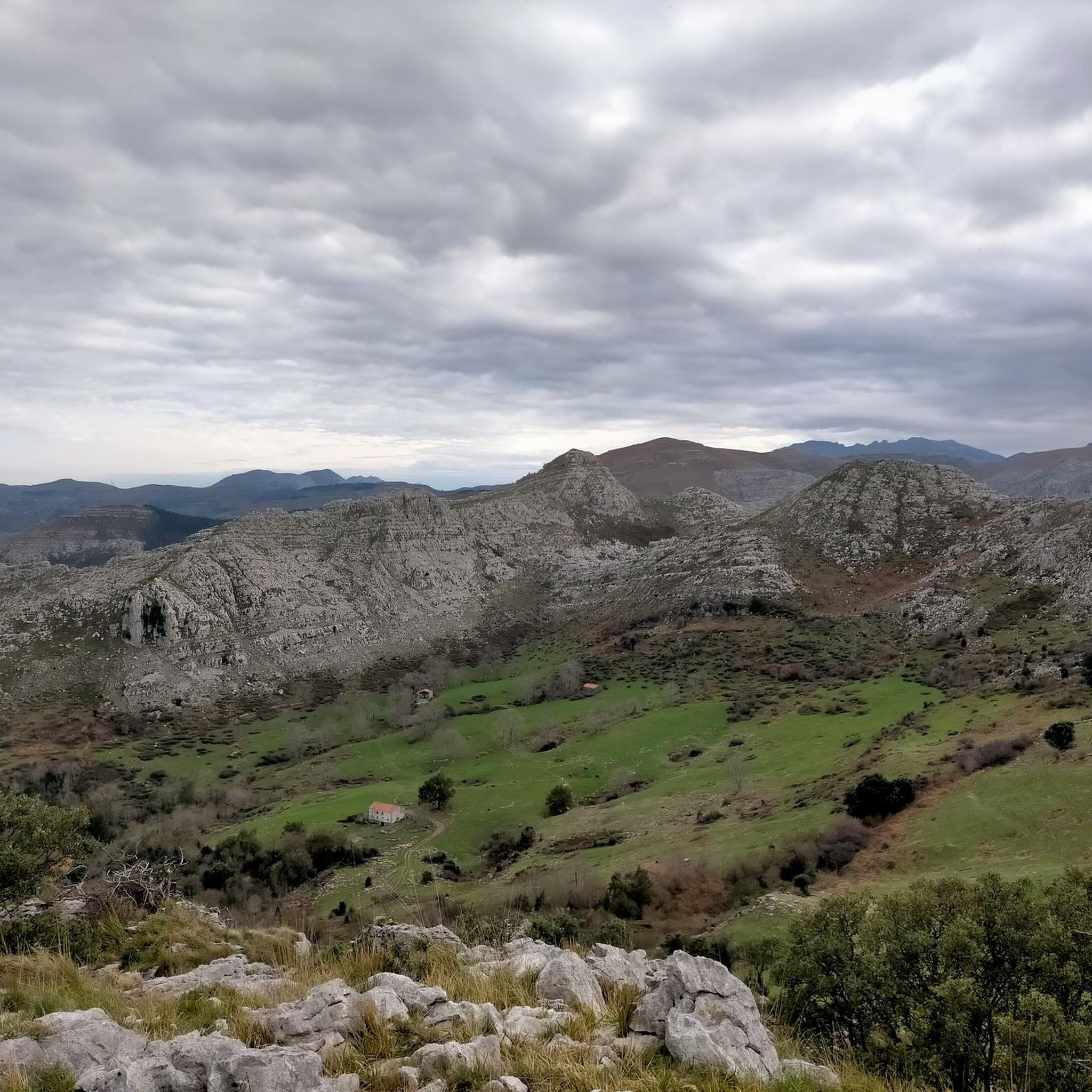
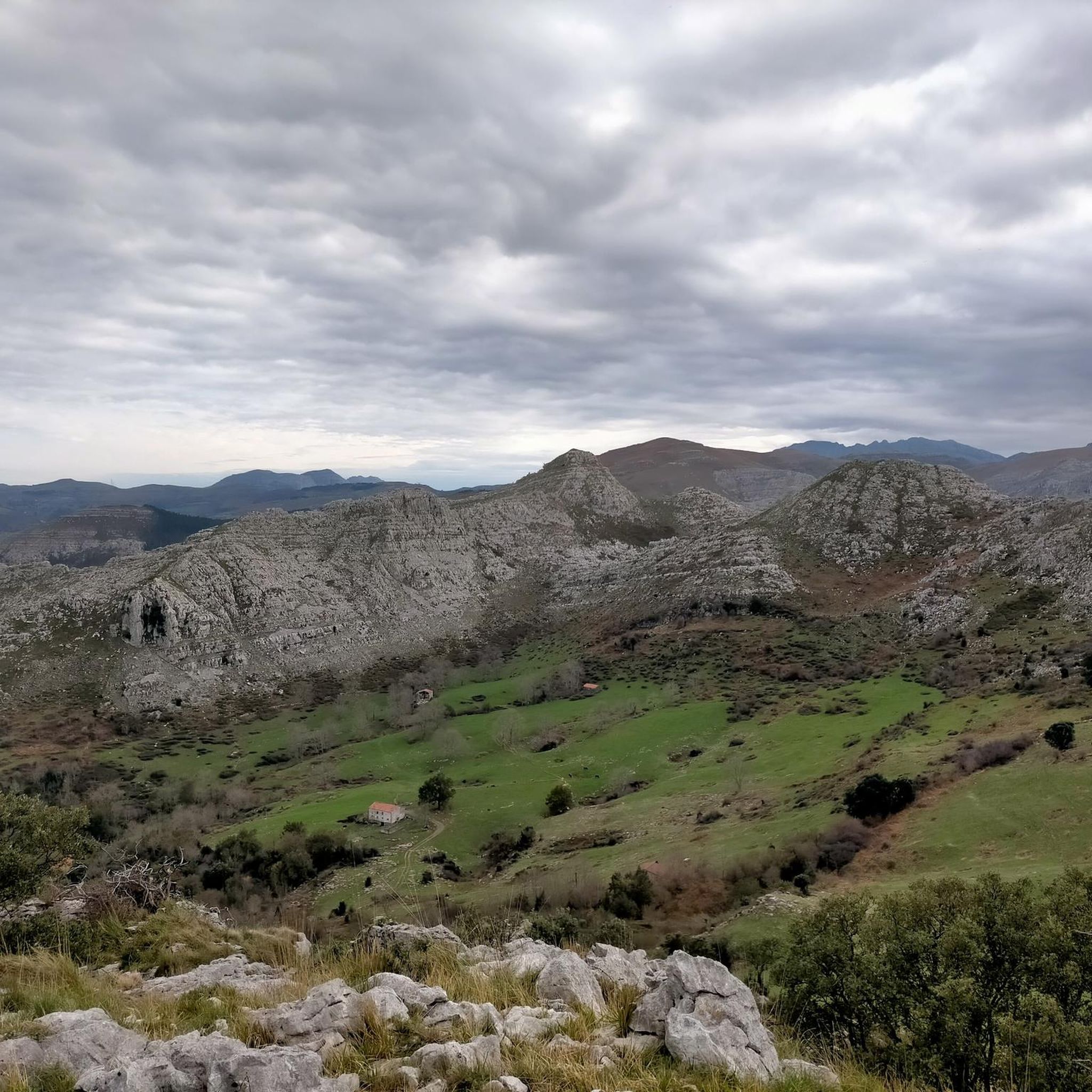
In the middle of the Peña Cabarga massif is perhaps the most popular peak in the park, Peñas Blancas offers amazing views in all directions. From its 455 masl you have no obstacles ahead, wherever you look.
1
0
From this small platform located in an elevated area next to the path, you have wonderful views of the Noja wells and with good visibility you can also see the coast of Santander.
1
0

The peak of the Peñas Blancas, a 450m high mountain south of Santander, a few kilometers from the coast. Two paths lead to the summit (only one is listed in Komoot), both of which are only a bit difficult for the last few meters. The summit offers good views over the Bay of Santander, Santander itself and the Atlantic Ocean to the north, while the Cordillera Cantábrica can be seen in the other directions, and the Picos de Europa on the western horizon.
3
0

Beautiful place in an old mining operation. The wells were used to wash the iron ore, now giving rise to 2 artificial lakes, surrounded by an ideal environment for nature lovers.
1
0

The Wells of Valcaba are located at the foot of the southern slope of the Peña Cabarga massif and originate from mining in the area. This one in particular is the smallest and most "new" and located closest to the slope of the massif de los dos and can be accessed by a detour to the right marked by an information panel of the area with an explanation of the mining exploitation , the formation of the wells and the flora and fauna of the Peña Cabarga massif. You follow that path and you will reach the shores of the Lesser Well (today we did not reach the end because due to the floods of previous days the wells were a little overflowed).
4
0
Frequently Asked Questions
What unique natural features can I explore around Riotuerto?
The Riotuerto area offers a blend of natural beauty and industrial history. You can explore sites like the Pozo Menor de Valcaba, an artificial lake formed from old mining operations that has transformed into a natural sanctuary. Another interesting spot is Pozos de Noja, known for its two artificial lagoons, also a result of industrial legacy.
Are there family-friendly natural monuments in the Riotuerto area?
Yes, several natural monuments around Riotuerto are suitable for families. Both Pozo Menor de Valcaba and Pozos de Noja are categorized as family-friendly. The area around Pozos de Valcaba, for instance, offers an easy, flat, circular route along an old mining railway, perfect for a leisurely family walk.
What kind of hiking trails can I find near Riotuerto's natural monuments?
The region offers a variety of trails. For example, the area around the Pozos de Valcaba features an easy, flat, circular route of approximately 2,800 meters, following an old mining railway path. For more challenging options, the Peñas Blancas Summit has two paths leading to it, with the final meters being more difficult. You can find more hiking opportunities in the wider region, including those listed in the Running Trails around Riotuerto guide.
Is there parking available at the natural monuments around Riotuerto?
While specific parking details for each site are not always listed, natural attractions in the region, especially those popular for outdoor activities like the Pozos de Valcaba, typically have designated parking areas nearby. It's advisable to check local signage upon arrival.
What is the best time of year to visit the natural monuments in Riotuerto?
Autumn is highly recommended for visiting the natural monuments around Riotuerto, particularly for places like the Pozos de Valcaba, due to its vibrant colors and the opportunity to collect chestnuts. However, the natural beauty of the region can be enjoyed throughout the year, with spring offering lush greenery and summer providing pleasant conditions for walks.
Can I bring my dog to the natural monuments around Riotuerto?
Many natural areas in Cantabria are dog-friendly, especially on trails and in open spaces. While specific rules for each natural monument are not detailed, it's generally acceptable to bring dogs on a leash. Always ensure to clean up after your pet and respect local regulations.
Are there any natural monuments around Riotuerto that are wheelchair accessible?
The Aguanaz River Dam offers a beautiful walk along the banks of the Aguanaz river that is flat and suitable for all types of public, including those with strollers or wheelchairs. This path is surrounded by riverside trees, making it a refreshing option.
What outdoor activities, besides visiting monuments, can I do in the Riotuerto region?
The Riotuerto region is excellent for various outdoor activities. You can explore numerous running trails, such as the 'Palacio de los Acevedo – Puente de Entrambasaguas loop from Entrambasaguas' or the 'Heras Reservoir loop from Solares', detailed in the Running Trails around Riotuerto guide. Mountain biking and touring cycling are also popular, with routes like the 'Carlos III Gate – Pozos de Noja loop from Ceceñas' available in the MTB Trails around Riotuerto and Cycling around Riotuerto guides.
What makes the natural monuments around Riotuerto unique?
The natural monuments around Riotuerto are unique for their blend of natural beauty and industrial heritage. Many sites, like the Pozos de Valcaba and Pozos de Noja, are former mining areas that have been reclaimed by nature, creating distinctive landscapes. The region also offers stunning panoramic views from summits like Peñas Blancas Summit, showcasing the Cantabrian Cordillera and the Bay of Santander.
What views can I expect from the natural monuments in Riotuerto?
From the Peñas Blancas Summit, you can enjoy exceptional panoramic views of the Bay of Santander, the city of Santander, and the Atlantic Ocean to the north. To the west, the Cantabrian Cordillera and even the Picos de Europa are visible on clear days. Elevated viewpoints near Pozos de Noja also offer wonderful vistas of the lagoons and the surrounding landscape.
Are there any historical sites integrated with the natural monuments?
Yes, the region's natural monuments often have a rich historical context, particularly related to mining. The Pozos de Valcaba and Pozos de Noja are prime examples, being artificial lakes that originated from 20th-century iron ore mining operations. Additionally, the Castro de Castilnego is a historical site located on a peak within the Peña Cabarga massif, offering a glimpse into ancient settlements alongside natural beauty.
What do visitors enjoy the most about the natural monuments in Riotuerto?
Visitors particularly appreciate the serene and beautiful environments, often describing places like Pozo Menor de Valcaba as a 'joyful corner, to think, to stop.' The unique blend of natural landscapes with the industrial legacy, such as the artificial lakes, is also a highlight. The panoramic views from summits like Peñas Blancas Summit are frequently praised for their impressiveness.
Most popular attractions around Riotuerto

Get inspired with the komoot mobile app


Explore more
Extend your search for the best caves by checking out these guides of the top ones around Riotuerto:
