Top 6 Natural Monuments around Samos
Best natural monuments around Samos include a diverse range of natural features across this Greek island in the Aegean Sea. The island's landscape features mountains, wetlands, and coastal areas. Samos is known for its varied terrain, from high peaks to unique coastal formations, offering opportunities for exploration and connection with nature. These sites are rich in biodiversity and provide diverse experiences for nature enthusiasts.
Best natural monuments around Samos
- The most popular natural monuments is Ancient Chestnut Tree in Ramil…
Last updated: August 11, 2026
Ancient Chestnut Tree in Ramil
Highlight • Natural Monument
Translated by Google •
Tip by

Ancient tree on the Camino Francés, just after Sarria
Highlight • Natural Monument
Translated by Google •
Tip by
Sign up now to discover places like this
Get recommendations on the best single tracks, peaks, & plenty of other exciting outdoor places.
Sign up for free
The three peaks of Cebreiro
Highlight (Segment) • Mountain Pass
In the …
Translated by Google •
Tip by

Val das Mouras
Highlight • Natural Monument
Translated by Google •
Tip by

Folgoso do Courel
Highlight • Settlement
Translated by Google •
Tip by

Sign up for free to discover even more natural monuments around Samos.
Sign up for free
Already have an account?
Start today with a free account
Your next adventure awaits.
Login or Signup
Tips from the Community

In the small village of Ramil at the foot of the Camino, just before Triacastela, stands one of Galicia's most beautiful century-old chestnut trees. Its trunk spans 8.5 meters and, with its hollow spaces and thick branches that seem to embrace the tree, resembles an X-ray of time.
0
1

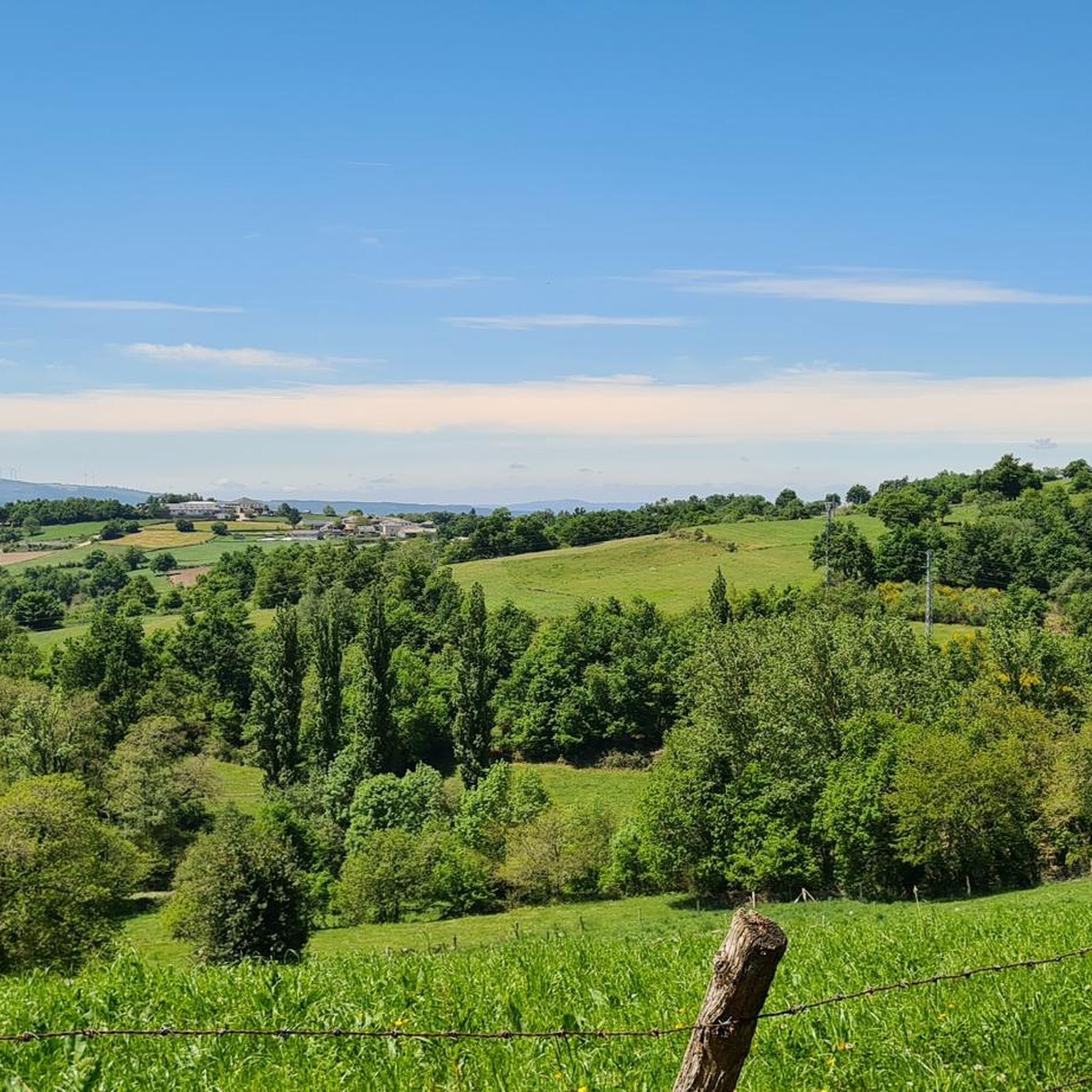
The French Way from Sarria is one of the most popular routes on the Camino de Santiago! Sarria is about 100 km from Santiago de Compostela, making this stage ideal for those looking to complete the minimum required to obtain the Compostela, the pilgrimage certificate.
6
0

Large deciduous tree that is common in the mountains of Galicia. The fruits are covered with a green rind with thorns, the "erize". The season for harvesting chestnuts is November, and in Triacastela and throughout Galicia in general it is celebrated with a festival called "magesto". The main use of the chestnut tree is to obtain its wood and use its fruit as food for the population in general and as food for livestock.
1
0

This impressive tree is over 800 years old. A true natural monument.
2
0

Fantastic ancient tree at entrance to Triacastela
4
0
This emblematic chestnut tree, which is located in the middle of the Jacobean route, specifically on the French Way, is more than 800 years old. It has become an iconic place that many pilgrims want to remember by taking photos.
13
0
Nice easy part of the route in a protected forest
3
0

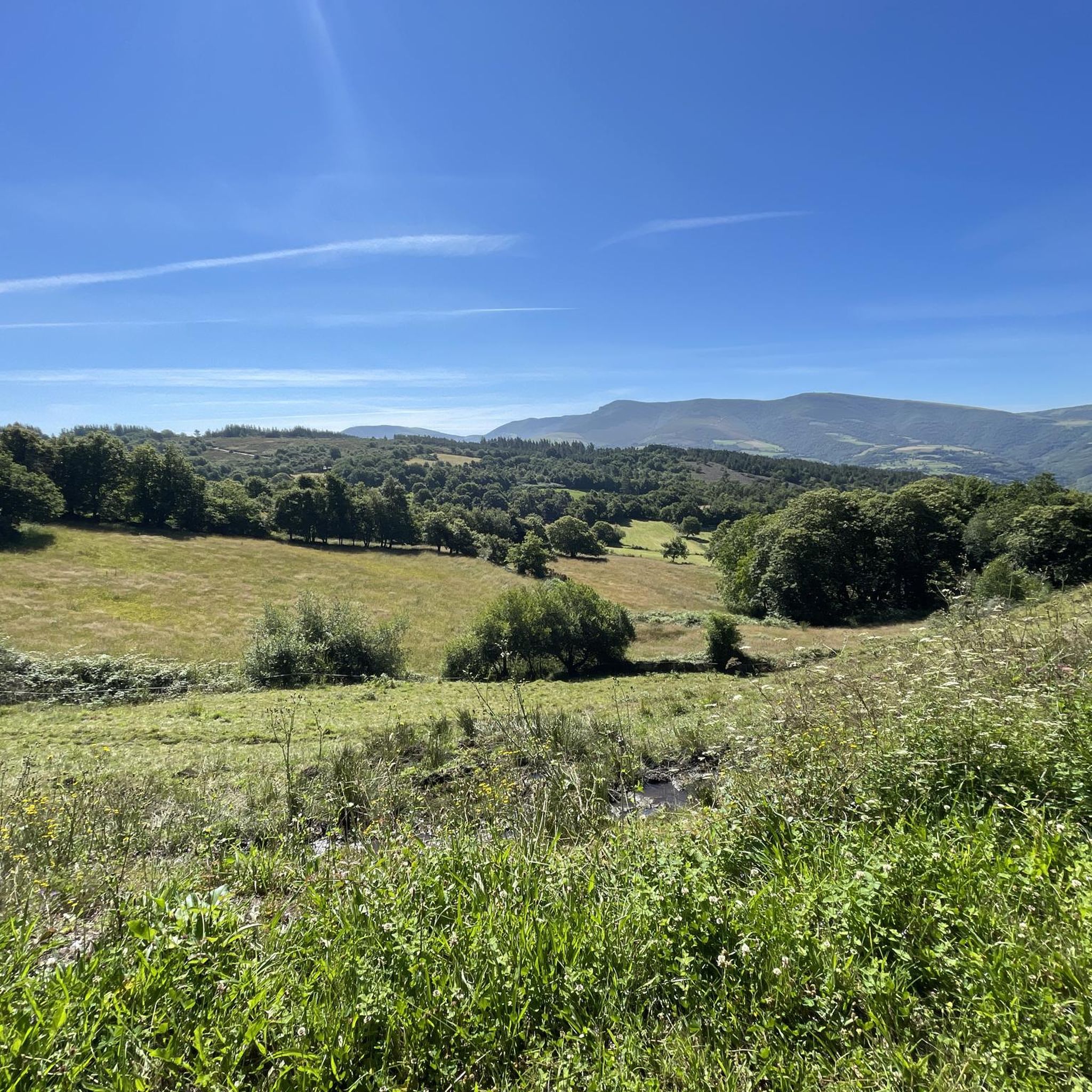
The last real climbs of the Camino are the three peaks of the Cebreiro mountain group, over a distance of approximately 13 km, divided into three equivalent segments. In the first stretch, starting from Pedrafita (1100 m above sea level) and following the LU-633 up to Cebreiro (1300 m.) there are 4 km almost entirely of climbs, which are also very tiring if you are carrying a lot of luggage: the heat accumulated for fatigue can turn into frozen sweat, cold and chills due to possible fog, tiredness and/or dehydration and the difference in temperature compared to Pedrafita; in addition to covering up, it is advisable to stop for a short refreshment at the village bar. In the second stretch you descend to Linares (1220 m), and then climb up to Alto de San Roque (1260 m), which is particularly windy, as evidenced by the statue of the saint placed on the pass of the hill. The third stretch descends again to Hospital (approximately 1250m) and then rises again reaching Alto do Poio (1335m), the highest point of the three peaks. From here the road begins to descend rapidly for about fifteen km up to 660 m. above sea level of Triacastela.
2
0
Frequently Asked Questions
What are the most impressive natural monuments to visit in Samos?
Samos boasts a diverse range of natural monuments. Highlights include the cascading Potami Waterfalls near Karlovasi, the dramatic peaks of Mount Kerkis, the serene Nightingale Valley, and the ecologically significant Alyki Wetland. The island also features stunning coastal areas like Megalo Seitani and Mikro Seitani Beaches, and the unique geological formations of its various caves.
Are there any family-friendly natural attractions in Samos?
Yes, Samos offers several family-friendly natural spots. Psili Ammos Beach is ideal for families due to its fine sand and exceptionally shallow, calm waters. The Nightingale Valley provides gentle, peaceful walks suitable for all ages, and the hike to Potami Waterfalls, while adventurous, can be enjoyed by families looking for a refreshing experience in nature.
Where can I go hiking or trekking near Samos' natural monuments?
Samos is excellent for hiking. You can explore challenging trails on Mount Kerkis, offering panoramic views from its summit, Vigla. Mount Ampelos also provides numerous trails through vineyards and traditional villages. The path to Megalo Seitani and Mikro Seitani Beaches is a spectacular coastal hike, and the area around Potami Waterfalls features scenic paths through lush forests.
What is the best time of year to visit Samos for its natural monuments?
The best time to visit Samos for its natural monuments is generally during spring (April to June) and early autumn (September to October). During these periods, the weather is pleasant for hiking and exploring, the landscapes are lush, and the crowds are smaller. Spring is particularly magical in the Nightingale Valley when the birds are most active.
Are there any natural monuments in Samos that are good for birdwatching?
Absolutely. The Alyki Wetland, located in the east of the island, is a prime destination for birdwatching. This important stopover for migratory birds hosts over 150 species, including flamingos, egrets, and black-winged stilts, especially during the winter months. It's a recognized Natura 2000 site for its ecological significance.
Can I swim in any natural pools or beaches near the natural monuments?
Yes, you can. The Potami Waterfalls feature crystal-clear natural pools that offer a refreshing swim, especially during warmer months. For beach swimming, Megalo Seitani and Mikro Seitani Beaches provide secluded, unspoiled waters, while Psili Ammos Beach is known for its calm, shallow waters perfect for relaxation.
Are there any natural monuments with historical or cultural significance in Samos?
Yes, Samos' caves hold both natural wonder and historical significance. The most notable is the Cave of Pythagoras on Mount Kerkis, where the famous mathematician is said to have sought refuge. Other caves, like Panagia Sarantaskaliotissa, often house small chapels, connecting the island's geology with its ancient past and spiritual traditions.
What kind of wildlife can I expect to see around Samos' natural monuments?
Samos is rich in biodiversity. The Alyki Wetland is a haven for numerous bird species, including migratory flamingos and egrets. The protected area around Megalo Seitani Beach is home to the endangered Monachus monachus seal. Mount Kerkis, part of the Natura 2000 network, is a sanctuary for various plants and animals, including some endangered species.
Are there any natural monuments in Samos that offer panoramic views?
For breathtaking panoramic views, a hike to the summit of Mount Kerkis (Vigla) is highly recommended. From there, you can see across the Aegean Sea and even the Turkish coast on clear days. Driving or hiking through villages on the slopes of Mount Ampelos also offers spectacular vistas of vineyards stretching towards the sea.
Are there any natural monuments in Samos that are particularly secluded or untouched?
The Megalo Seitani and Mikro Seitani Beaches, located on the remote western coast, are considered among Samos' most untouched natural treasures. Accessible primarily by hiking or boat, they offer absolute tranquility, crystal-clear waters, and dramatic cliffs, perfect for those seeking peace and unspoiled nature away from crowds.
What should I wear when exploring the natural monuments of Samos?
When exploring Samos' natural monuments, especially for hiking, it's advisable to wear comfortable, sturdy walking shoes or hiking boots. Layers of clothing are recommended as temperatures can vary, particularly on mountains like Mount Kerkis. Don't forget sun protection, a hat, and plenty of water, especially during warmer months.
Are there opportunities for wild swimming near Samos' natural monuments?
Yes, Samos offers excellent wild swimming opportunities. The natural pools at Potami Waterfalls provide a unique and refreshing experience. Additionally, the secluded Megalo Seitani and Mikro Seitani Beaches are perfect for swimming in pristine, crystal-clear waters away from developed areas.
Most popular attractions around Samos

Get inspired with the komoot mobile app


Explore more
Extend your search for the best caves by checking out these guides of the top ones around Samos:
