Top 10 Mountain Passes around Cervera Del Maestre
Best mountain passes around Cervera Del Maestre offer a mountainous landscape characterized by dry, rugged terrain and an average elevation of 316 meters. The region, situated at the southern end of the Cervera Mountains, features notable peaks such as Revoltons (635 m), Perdiguera (516 m), and Mola (481 m). This area provides opportunities for outdoor exploration, with an irregular, rocky terrain interspersed with native flora. Elevated routes and viewpoints offer vistas over the Baix Maestrat region.
Best mountain passes around…
Last updated: July 15, 2026
Mallada de la Rabossa
Highlight • Trail
Translated by Google •
Tip by

Trail to Coll de la Bota and Polpís Castle
Highlight • Trail
Translated by Google •
Tip by
Sign up now to discover places like this
Get recommendations on the best single tracks, peaks, & plenty of other exciting outdoor places.
Sign up for free
Collado Camí de La Salzadella
Highlight • Mountain Pass
Translated by Google •
Tip by
Santa María Pass
Highlight • Mountain Pass
Translated by Google •
Tip by
Masía d'Ascla track pass
Highlight • Mountain Pass
Translated by Google •
Tip by
Sign up for free to discover even more mountain passes around Cervera Del Maestre.
Sign up for free
Already have an account?
Start today with a free account
Your next adventure awaits.
Login or Signup

Tips from the Community

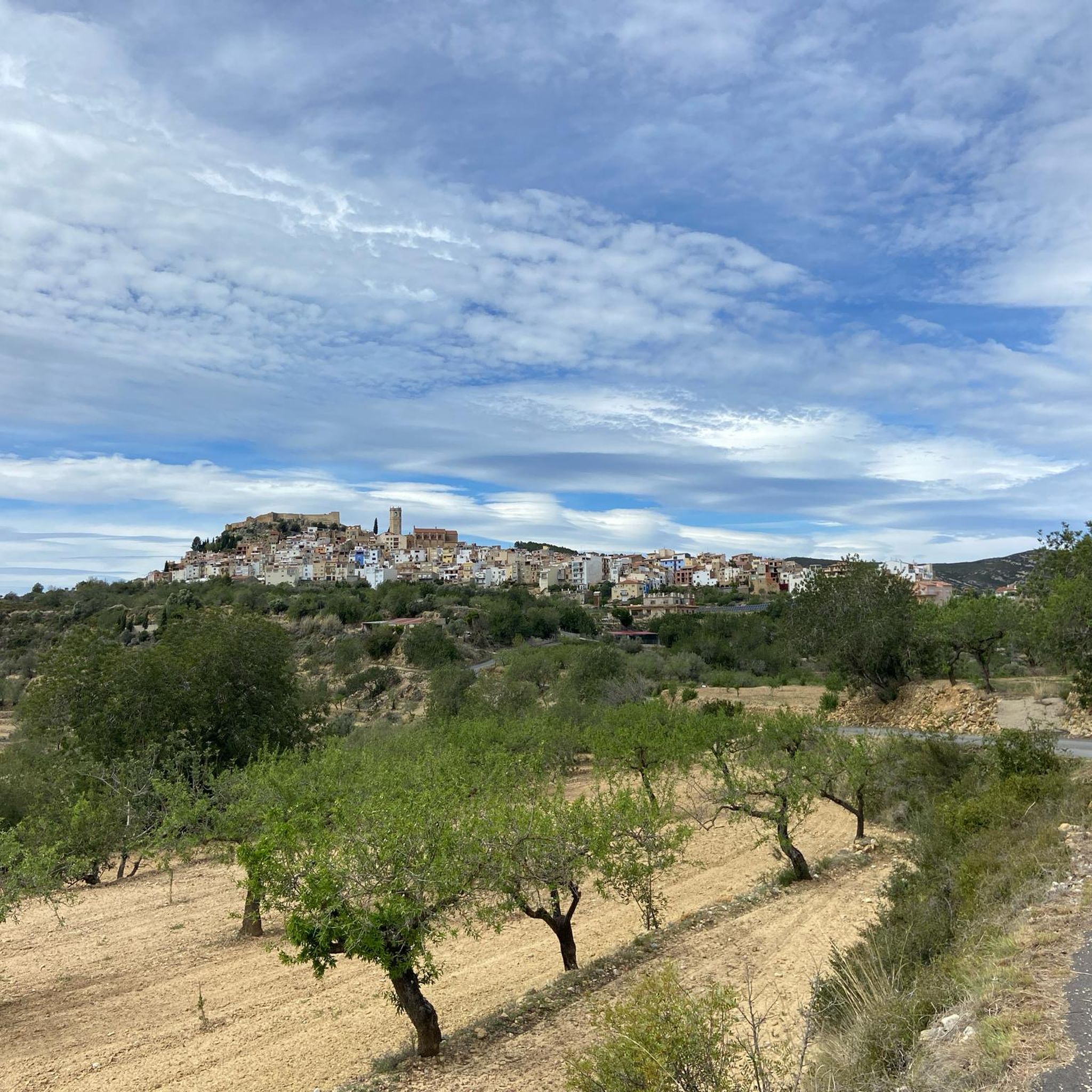
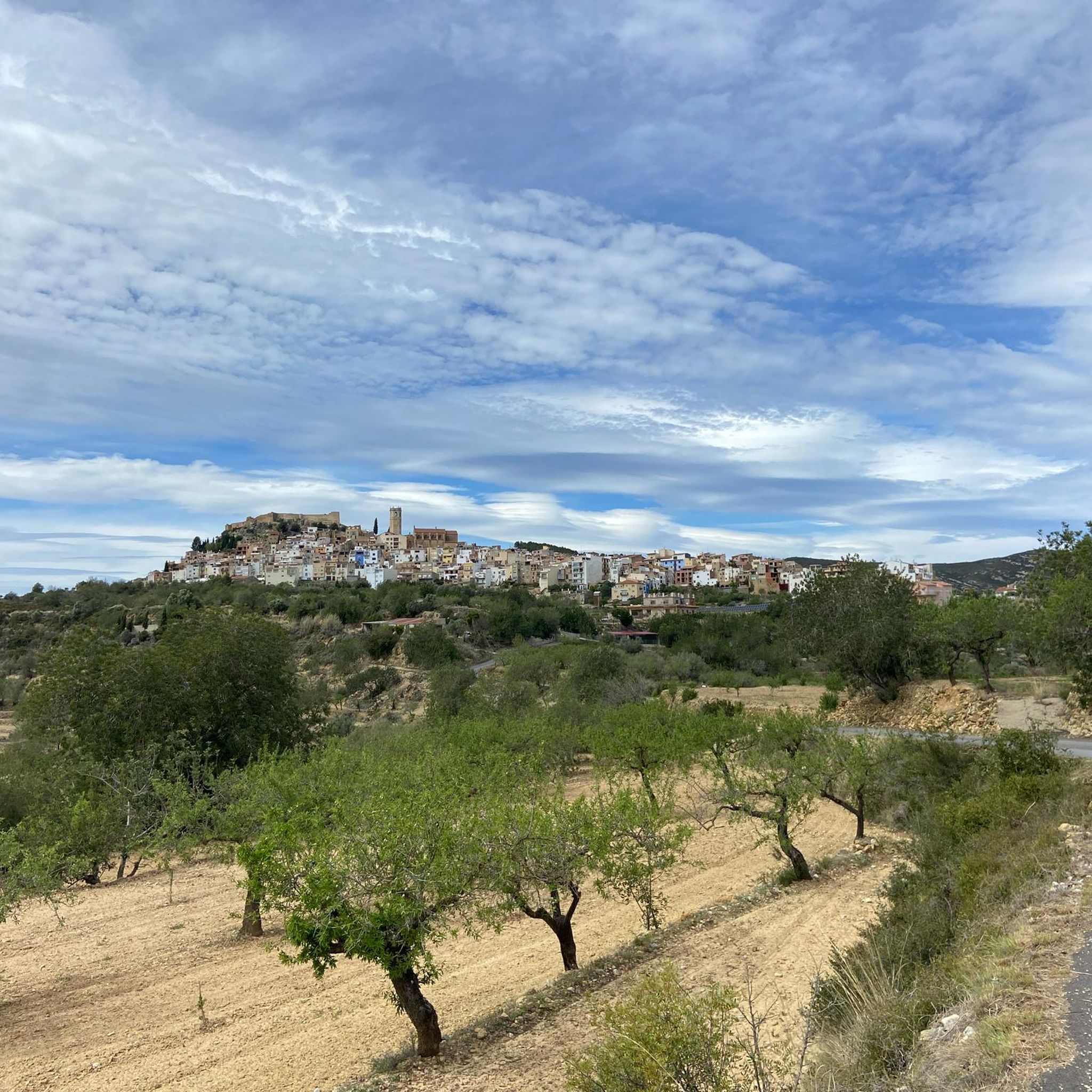
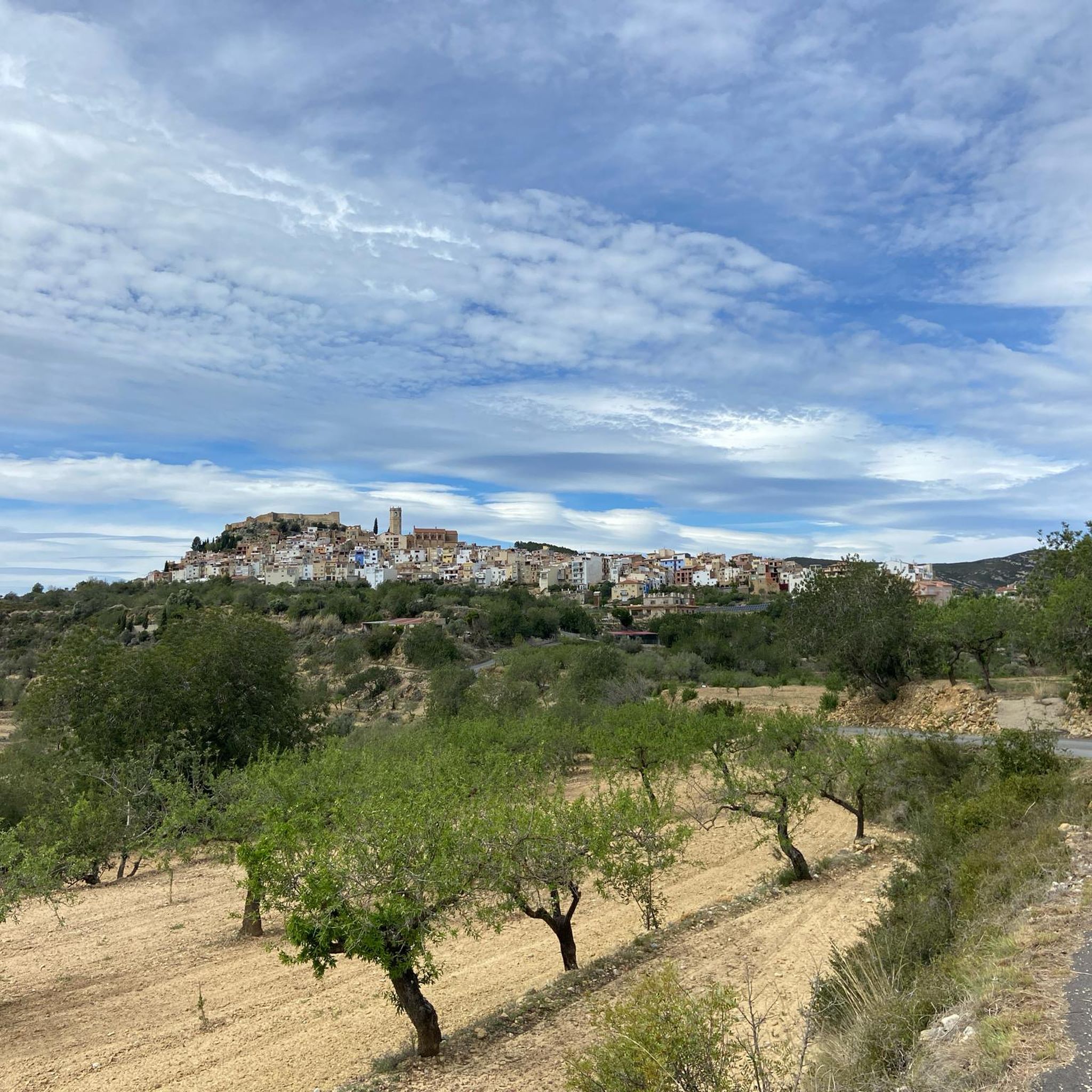
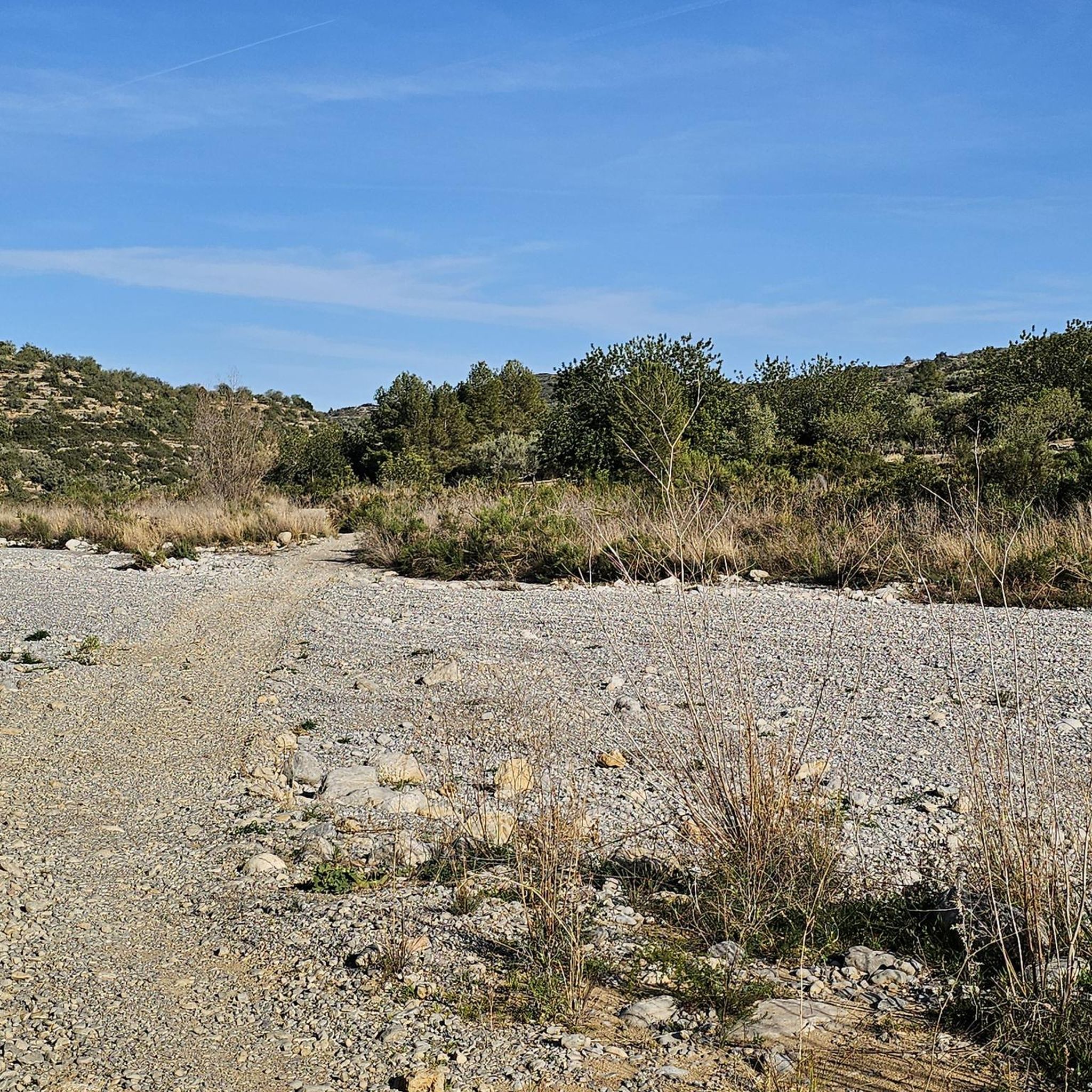
A hill that is before reaching the Polpís forest deposit and by path we can go towards the Coll de la Palma or go down to Mas del Senyor. Excellent views.
0
0
At this crossroads the track leaves and, with a steep slope, goes up to the Mallada de la Rabossa, the Templar Castle of Polpís and the Coll de la Bota. In the upper part of the Sierra there are various trails to make a wide variety of routes.
1
0
At this junction the track suitable for vehicles begins, which goes up to Pulpís Castle and Alto de la Bota. The descent to the castle is prohibited by vehicle, you must go down on foot.
1
0
Highlight of the road that goes from the town of La Salzadella to Santa Magdalena de Polpís and vice versa. From this point you can access the climb that will take us to the top of Molló where the San Josep forest observatory and the hermitage that gives it its name are located.
1
0
It is the end of the ascent and pass that we find when going up from Alcalà de Xivert along the track that goes to the Masía d'Ascla. It is the entrance to the area of the Watchtowers and there is an excellent panoramic view of it. You can see the farmhouse itself, the hermitage of Sant Josep de La Salzadella, Mount Encanés, etc. It is recommended to stop a bit and contemplate the views.
3
0
We can reach the aforementioned pass through three different places. The first going up the Atmeller valley and/or from Xivert Castle along the main track. The second following the aforementioned track from the Castle before reaching the Corral de la Viuda through the firewall that will take us up a steep climb to the top of Mount Santa María where the Atmeller forestry observatory is located. And thirdly and lastly, the fully concreted ascent that begins on the raised bridge of the AP7.
2
0
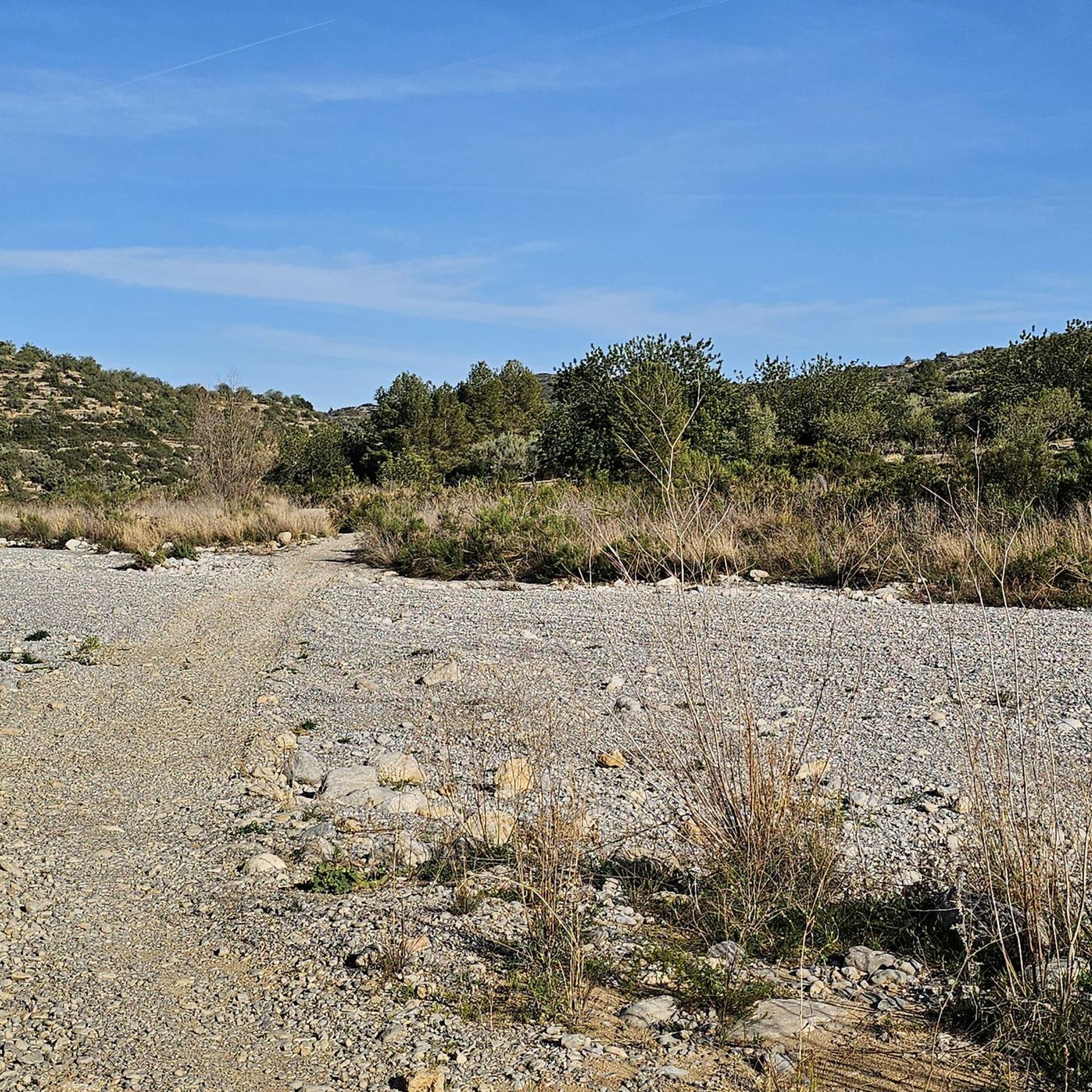
La Mallada de la Rabossa is the point of connection to be able to choose between four paths to follow. From Mallada itself, we can go down to Santa Magdalena de Pulpis, go to the Ermita de San Antonio, Vistahermosa, Castillo de Pulpis, etc. or towards the Coll de la Palma. Obviously if we are doing a route we will already be coming from some point so we will only have three left to choose from. Mark it as a crossing point and confluence of various routes.
3
0
Frequently Asked Questions
What are the most notable elevated routes and viewpoints around Cervera del Maestre?
The region, while not having traditional named mountain passes, offers several significant elevated routes and viewpoints. These include Mallada de la Rabossa, a key junction for multiple paths, and Collado Camí de La Salzadella, which provides access to the San Josep forest observatory and hermitage on Molló. Another popular spot is the Trail to Coll de la Bota and Polpís Castle, offering diverse routes in the upper Sierra.
What kind of terrain can I expect on the mountain routes in Cervera del Maestre?
The terrain around Cervera del Maestre is characterized by its dry, mountainous, and irregular nature. You'll encounter rocky paths interspersed with maquis shrubland, almond, carob, and olive trees. The average elevation is around 316 meters, with notable peaks like Revoltons (635 m), Perdiguera (516 m), and Mola (481 m) contributing to the rugged landscape.
What natural features can I discover while exploring the mountain areas?
The mountainous areas are rich in natural heritage. You can find diverse flora such as rosemary and thyme, and observe fauna including birds, rabbits, foxes, reptiles, and wild boar. The landscape also features crystal-clear springs, ancient dry-stone constructions like huts and terraces, and monumental trees, including ancient olive trees and unique holm oaks. Geological formations like chasms and caves are also present.
Are there historical sites or landmarks near these elevated routes?
Yes, the region combines natural beauty with historical elements. From elevated points, you can often see spectacular vistas that include the ruined Moorish castle. The Trail to Coll de la Bota and Polpís Castle specifically leads to Pulpís Castle. Additionally, the Collado Camí de La Salzadella provides access to the hermitage of San Josep.
What outdoor activities are popular around the mountain passes of Cervera del Maestre?
The mountainous areas are ideal for active tourism. Popular activities include hiking and cycling on numerous trails that crisscross the landscape. You can also find opportunities for mountain biking and running. For more detailed routes, explore the MTB Trails around Cervera Del Maestre, Running Trails around Cervera Del Maestre, and Cycling around Cervera Del Maestre guides.
Are there specific hiking trails recommended for different difficulty levels?
Many trails in the region are suitable for intermediate hikers, offering a good balance of challenge and scenic rewards. For example, the routes accessible from Mallada de la Rabossa or the trails in the upper Sierra near Coll de la Bota provide varied experiences. While specific beginner or advanced routes aren't detailed, the diverse terrain allows for routes of varying lengths and ascents.
What kind of views can I expect from the elevated points?
From elevated points and passes like Masía d'Ascla track pass, you can expect excellent panoramic views over the Baix Maestrat region. These vistas often include the surrounding dry, mountainous landscape, distant farmhouses, and other significant peaks like Mount Encanés.
Is the Santa María Pass accessible, and what does it offer?
The Santa María Pass is accessible via multiple routes, including the Atmeller valley, a track from Xivert Castle, or a concreted ascent from the AP7 bridge. It leads to the top of Mount Santa María, where the Atmeller forestry observatory is located, offering another excellent viewpoint.
What makes the Masía d'Ascla track pass a worthwhile stop?
The Masía d'Ascla track pass marks the end of an ascent from Alcalà de Xivert and serves as an entrance to the Watchtowers area. It's highly recommended for its excellent panoramic views, allowing you to see the Masía d'Ascla farmhouse, the hermitage of Sant Josep de La Salzadella, and Mount Encanés.
What is the best time to visit Cervera del Maestre for outdoor activities?
Given the dry, mountainous landscape, spring and autumn are generally the most pleasant seasons for outdoor activities like hiking and cycling. The temperatures are milder, making exploration more comfortable than during the hotter summer months. Winter can also be suitable, though some higher elevations might be cooler.
Are there any specific tips for navigating the trails around Cervera del Maestre?
Many of the mountain passes and trails serve as connection points for multiple routes, such as Mallada de la Rabossa. It's advisable to plan your route in advance, especially when choosing between paths leading to different destinations like Santa Magdalena de Pulpis, Ermita de San Antonio, or Coll de la Palma. Some tracks, like the one to Pulpís Castle, may be suitable for vehicles initially but require walking for the final descent.
Most popular routes around Cervera Del Maestre
Most popular attractions around Cervera Del Maestre

Get inspired with the komoot mobile app


Explore more
See even more epic mountain passes by checking out these guides around Cervera Del Maestre:
