Top 10 Natural Monuments around Alpuente
Natural monuments around Alpuente offer diverse geological formations and scenic landscapes within the province of Valencia, Spain. The region features dramatic gorges, waterfalls, and mountainous terrain. These natural features provide opportunities for hiking and exploring unique environments. Alpuente's rugged beauty is characterized by its distinctive soil formations and varied topography.
Best natural monuments around Alpuente
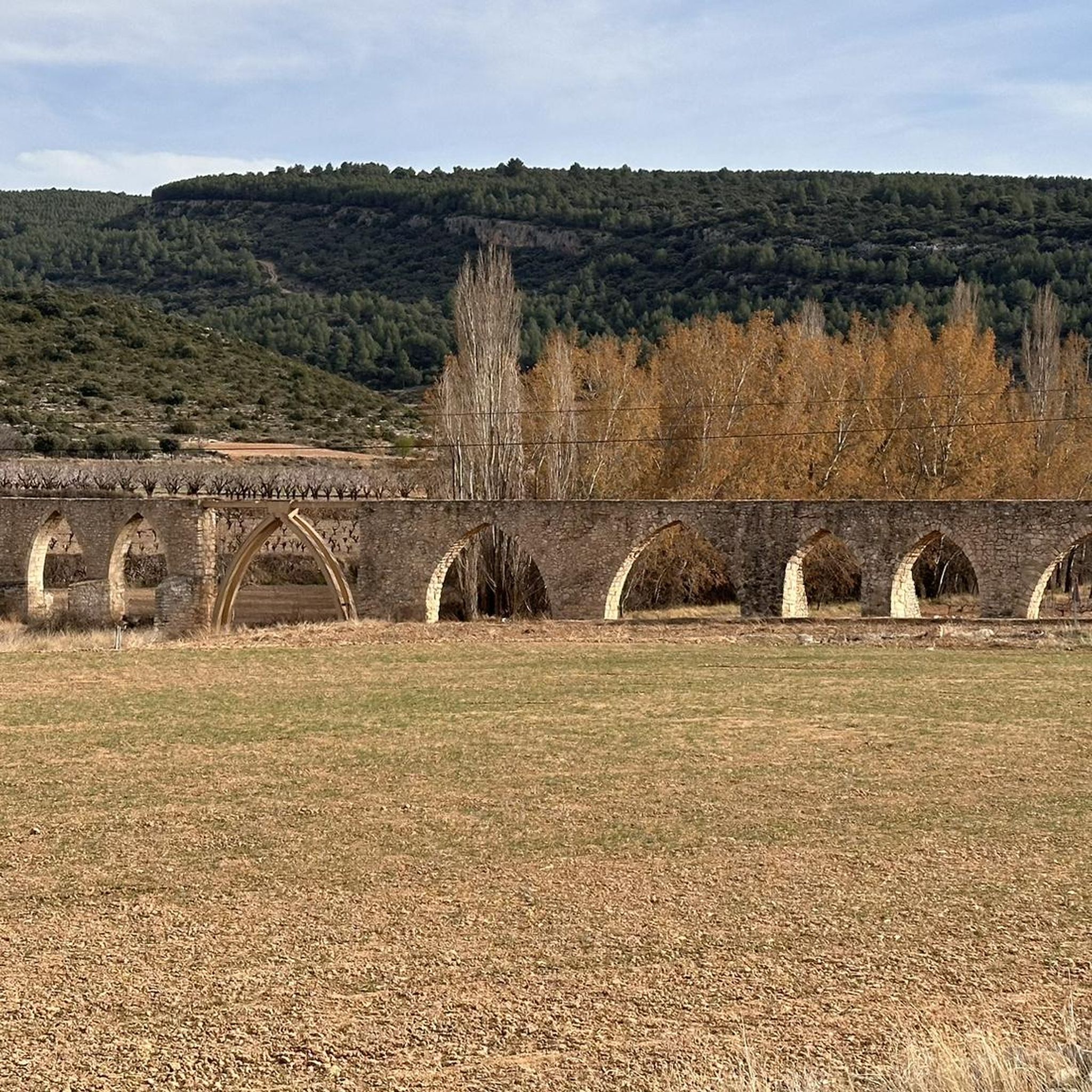
- The most popular natural monument is Peña Cortada, a man-made monument featuring a monumental vertical cut in the rock. This impressive stretch is part…
Last updated: August 25, 2026
La Playeta de Chelva
Highlight • River
Translated by Google •
Tip by

Archpriest Church of Our Lady of the Angels
Highlight • Religious Site
Translated by Google •
Tip by

Sign up now to discover places like this
Get recommendations on the best single tracks, peaks, & plenty of other exciting outdoor places.
Sign up for free
Azud de Tuéjar
Highlight • River
Translated by Google •
Tip by
Tuéjar River Waterfall – Water Route
Highlight • Waterfall
Translated by Google •
Tip by
Peña Cortada
Highlight • Monument
Translated by Google •
Tip by
Sign up for free to discover even more natural monuments around Alpuente.
Sign up for free
Already have an account?
Start today with a free account
Your next adventure awaits.
Login or Signup
Tips from the Community

Starting point for a visit to the beautiful village of Chelva and the superb Water Route (Ruta del Agua), well signposted from the square. Despite the signs at the beginning of the circuit indicating that the route is closed, it is possible to pass through with caution. To immerse yourself in the village's narrow streets and the Ruta del Agua, click here: https://youtu.be/YgxESnd14Ww
0
0
The water route is beautiful and can be done with the family. Some parts of the trail and the riverside are still badly damaged by the Dana of October 2024, but it remains passable and beautiful. The video is here: https://youtu.be/YgxESnd14Ww
1
1
The Playeta was badly damaged by the Dana River, but it's still magnificent. To immerse yourself in the Ruta del Agua, the video is here: https://youtu.be/YgxESnd14Ww
2
1

The church was built between the 17th and 18th centuries in the Mannerist and Baroque styles. Its design is inspired by the Church of the Gesù in Rome, designed by Jacopo Vignola. The building has a Latin cross plan, with side chapels and a transept inscribed in a rectangle. Its baroque bell tower and the largest dome in the region that is today the Valencian Community stand out. The interior ornamentation, the work of architect Juan Pérez Castiel, is magnificent and characteristic of its style. This church, declared a Site of Cultural Interest, is a treasure that deserves to be visited. If you ever find yourself in Chelva, do not hesitate to admire the majesty of the Archpriest Church of Our Lady of the Angels. 🌟🏰🌿
2
0

Unique hiking route in the former water pipe - everything is very well developed, maintained and secured. Still not for people who don't have a good head for heights and you have to be particularly careful with children.
2
0

La Playeta de Chelva is a beautiful natural corner next to the Molino Puerto recreational area. It is a pool whose waterfalls and pool are located in a recreational area to spend the day along the beautiful Chelva Water Route. Its waterfalls and pool become a traditional bathing area that gets its name from the drifting sand accumulated on the shore. Next to it you can find wooden tables with chairs - fixed - to rest and eat and, very close, at the other end of the river, a picnic area and recreational area whose area is larger for the enjoyment of visitors. It should be said that this area is perfect to spend the day, because in addition to being able to cool off in the river, walk along the beautiful water route, take various trails from this point or simply disconnect in the middle of nature, we will find picnic tables with trees that They provide shade, paelleros and a place enabled to make a torrà, a playground for children, toilets... The confinement of the river upstream with the abundant vegetation create areas of extreme beauty that reveal the Andalusian toponymy: Olinches, Mozaira, Orán...
0
1

Nice, lively square, there is a cafe.
2
0

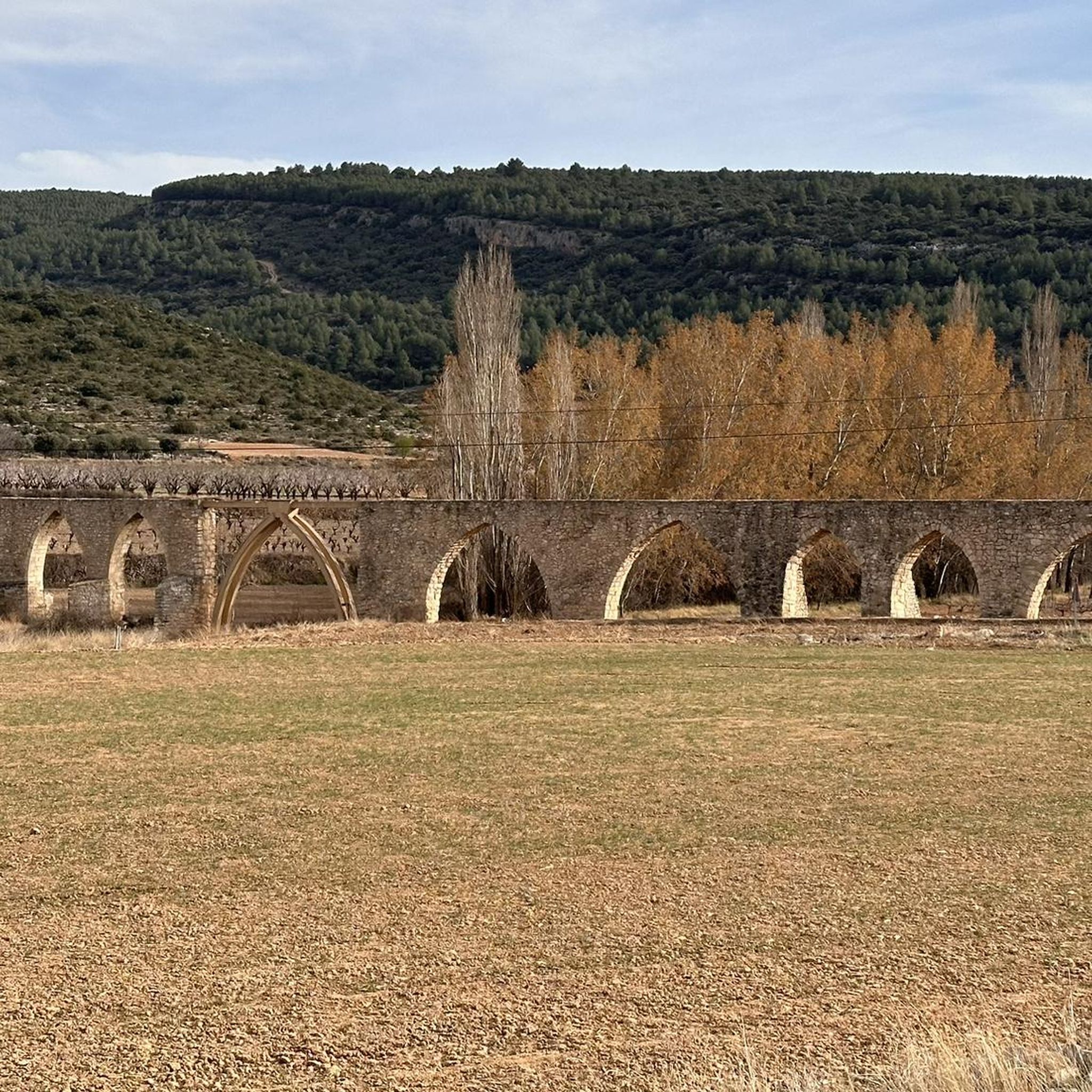
This impressive stretch is what gives the aqueduct its name. Known as Peña Cortada, it is a monumental vertical cut in the rock of about 20 meters that you can cross and at the end you will have a carved door that allows you to cross to the other side where the bridge over the Alcotas boulevard is located.
5
1
Frequently Asked Questions
What unique geological features can I explore around Alpuente?
Alpuente is known for its diverse geological formations. You can explore dramatic gorges like the Alpuente Gorge (Barranco del Reguero / La Hoz Ravine), which features narrow trails and distinctive soil formations shaped by water erosion. Another unique feature is Peña Cortada, an impressive vertical cut in the rock that is part of an ancient aqueduct, offering a unique hiking experience through its monumental structure.
Are there any waterfalls to visit near Alpuente?
Yes, the region boasts several beautiful waterfalls. Within the Alpuente Gorge, you'll find the picturesque La Bomba waterfall, accessible via a steep, zigzagging trail. Another must-see is the Tuéjar River Waterfall, which is part of a scenic circular tourist itinerary. Additionally, La Playeta de Chelva features a river area with charming waterfalls and backwaters.
Where can I find family-friendly natural areas for a day out?
For a family-friendly day, consider La Playeta de Chelva, a recreational river area perfect for spending the day and bathing. The Tuéjar River Waterfall – Water Route is also ideal for families, offering a pleasant walk with rest areas. Another great spot is Azud de Tuéjar, a beautiful recreational area with lush vegetation and pure, crystal-clear water suitable for bathing, especially in the summer months.
What kind of hiking experiences do the natural monuments offer?
The natural monuments around Alpuente provide diverse hiking experiences. You can explore the narrow trails and varied landscapes of the Alpuente Gorge, or embark on a unique journey through Peña Cortada, an ancient aqueduct with a monumental rock cut. The mountainous terrain, including peaks like El Cabezo (1,298 meters), offers trails through forests and open landscapes with rewarding panoramic views. For more hiking options, you can explore the various routes available in the Hiking around Alpuente guide.
Are there opportunities for swimming or cooling off in natural waters?
Yes, there are excellent spots for swimming. La Playeta de Chelva is a popular recreational river area where you can bathe. The Azud de Tuéjar is another beautiful area with crystal-clear water, including “El Pozo de las Escaleras” where the water remains around 18°C all year, making it perfect for a refreshing dip.
What are some notable viewpoints or scenic spots in the Alpuente region?
The region offers several scenic viewpoints. The ascent to El Cabezo (1,298 meters) provides expansive panoramic views of the surrounding countryside. The trails within the Alpuente Gorge also offer stunning views of the ravine itself. Additionally, the journey to La Bomba waterfall includes amazing views of the ravine during the descent. Many natural monuments, such as Azud de Tuéjar and Tuéjar River Waterfall, are also recognized for their picturesque settings.
What outdoor activities can I do near these natural monuments?
Beyond exploring the natural monuments themselves, the Alpuente region is excellent for various outdoor activities. You can find numerous hiking trails, including easy loops like the Barranco del Reguero. There are also running trails and road cycling routes that allow you to experience the diverse landscapes of the area.
Are there easy hiking trails suitable for beginners or casual walkers?
Yes, there are trails suitable for easy walks. The Alpuente Gorge offers a network of narrow trails that are great for exploration. Specifically, you can find easy routes like the Barranco del Reguero – Alpuente loop and the Alpuente Village – Barranco del Reguero loop, both detailed in the Hiking around Alpuente guide. The Tuéjar River Waterfall – Water Route is also a pleasant and accessible circular itinerary.
What is the best time to visit the natural monuments around Alpuente?
The Alpuente region offers natural beauty throughout the year. Spring and autumn generally provide the most comfortable temperatures for hiking and exploring. During these seasons, the weather is mild, and the landscapes are vibrant. Summer can be warm, but areas like La Playeta de Chelva and Azud de Tuéjar offer refreshing opportunities for bathing.
What kind of flora and fauna can I expect to see?
The diverse landscapes of Alpuente, from gorges to mountains, support rich biodiversity. In areas like the Alpuente Gorge and near La Bomba waterfall, you might observe unique geological structures and a variety of plant life, including wild blackberries. The streams and pools, such as those near La Bomba, can sometimes reveal crayfish. The mountainous regions feature forests and open landscapes, providing habitats for various local flora and fauna.
Are there any historical or cultural sites near the natural monuments?
While the focus is on natural monuments, the region also has cultural significance. For instance, the Peña Cortada is not only a natural wonder but also a man-made monument, being an impressive part of an ancient aqueduct. Additionally, near Azud de Tuéjar, you can find shelters with cave paintings a short distance away, offering a glimpse into the area's ancient past.
What should I bring when visiting the natural monuments?
When visiting the natural monuments around Alpuente, it's advisable to bring appropriate hiking footwear, especially for trails in the gorges and mountains. Water, snacks, sun protection (hat, sunscreen), and a camera are also recommended. If you plan to swim, bring swimwear and a towel. For the La Bomba waterfall, be prepared for a steep descent. Always check local weather conditions before your visit.
Most popular attractions around Alpuente

Get inspired with the komoot mobile app


Explore more
Extend your search for the best caves by checking out these guides of the top ones around Alpuente:
