Top 20 Natural Monuments around Grenade
Natural monuments around Grenade showcase a landscape shaped by mountains, rivers, and historical influences. The region features diverse natural formations, including gorges, reservoirs, and unique botanical areas. These sites offer opportunities to explore the natural environment and observe local flora. Grenade's natural monuments provide varied experiences for outdoor enthusiasts.
Best natural monuments around Grenade
- The most popular natural monuments is Tajo de las Palomas, a gorge that runs through the upper part of the Monachil River canyon. It offers…
Last updated: June 17, 2026
Tajo de las Palomas
Highlight • Gorge
Translated by Google •
Tip by

Quéntar Reservoir
Highlight • Lake
Translated by Google •
Tip by

Sign up now to discover places like this
Get recommendations on the best single tracks, peaks, & plenty of other exciting outdoor places.
Sign up for free
Cubillas Reservoir
Highlight • Lake
Translated by Google •
Tip by

University of Granada Botanical Garden
Highlight • Natural
Translated by Google •
Tip by
Lower Gardens of the Generalife
Highlight • Natural Monument
Translated by Google •
Tip by
Sign up for free to discover even more natural monuments around Grenade.
Sign up for free
Already have an account?
Start today with a free account
Your next adventure awaits.
Login or Signup
Popular around Grenade
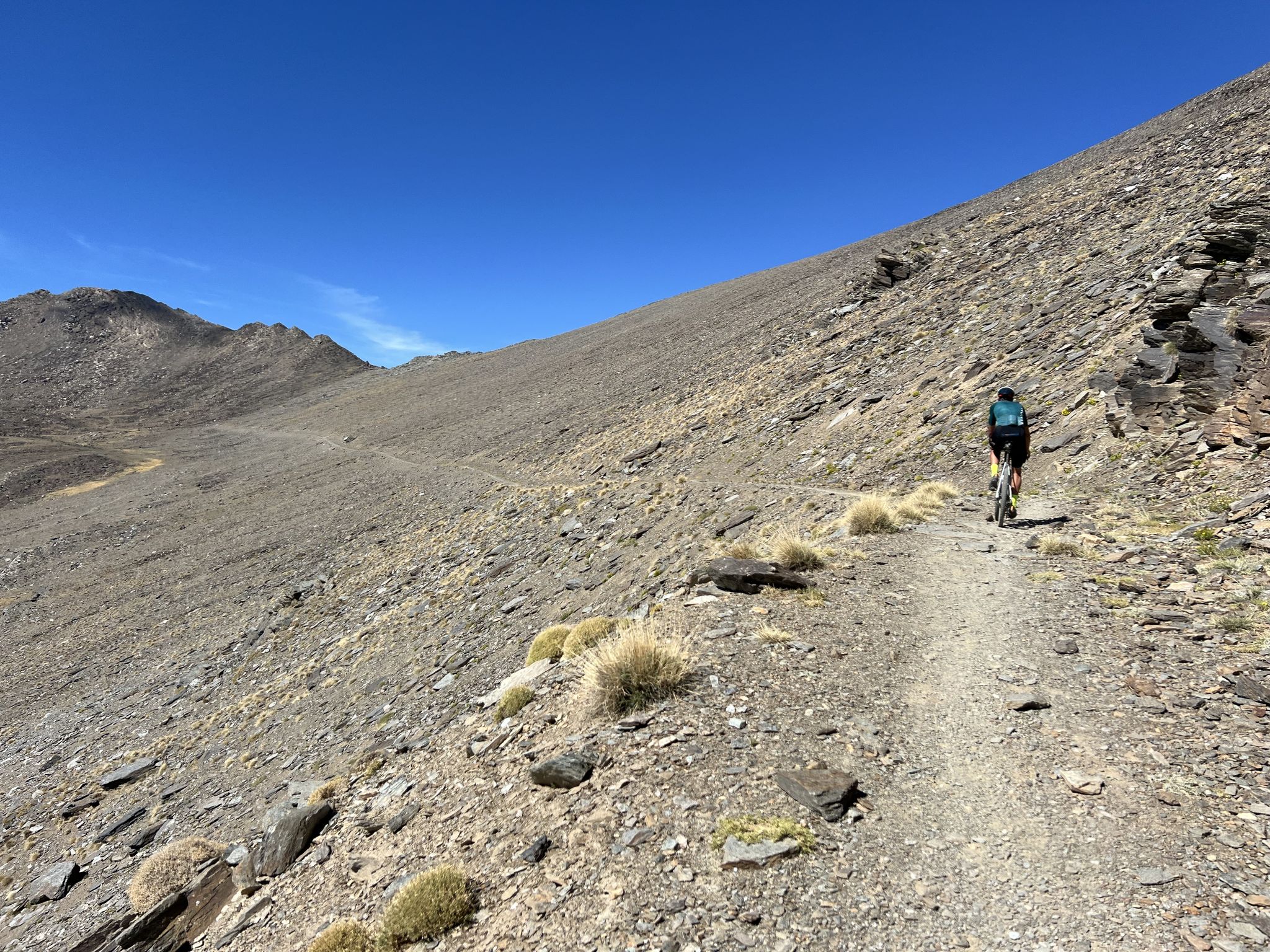
Badlands 2024 – extreme experiences and a sense of joy
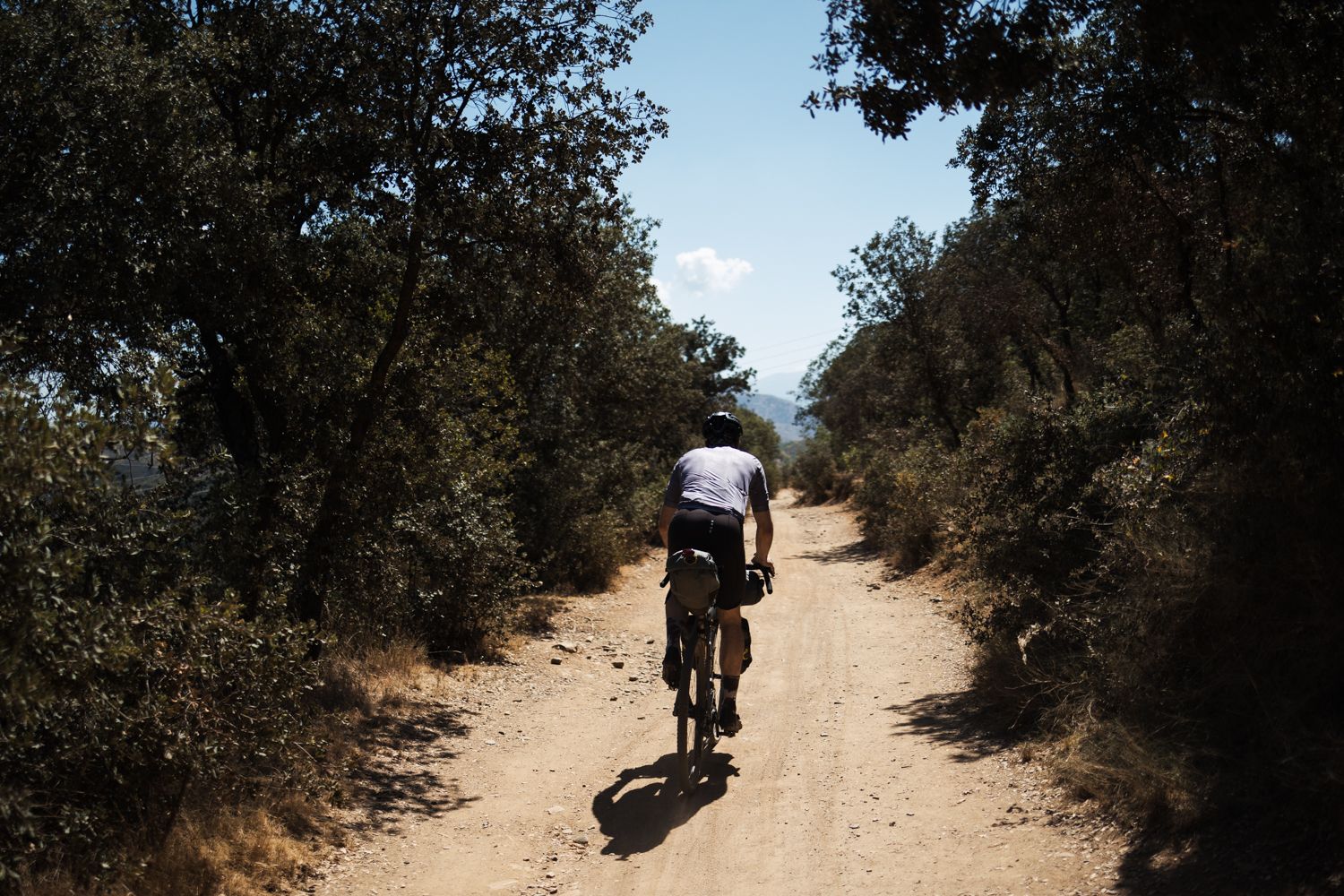
Mozarabic Way to Santiago – Gravel between two worlds
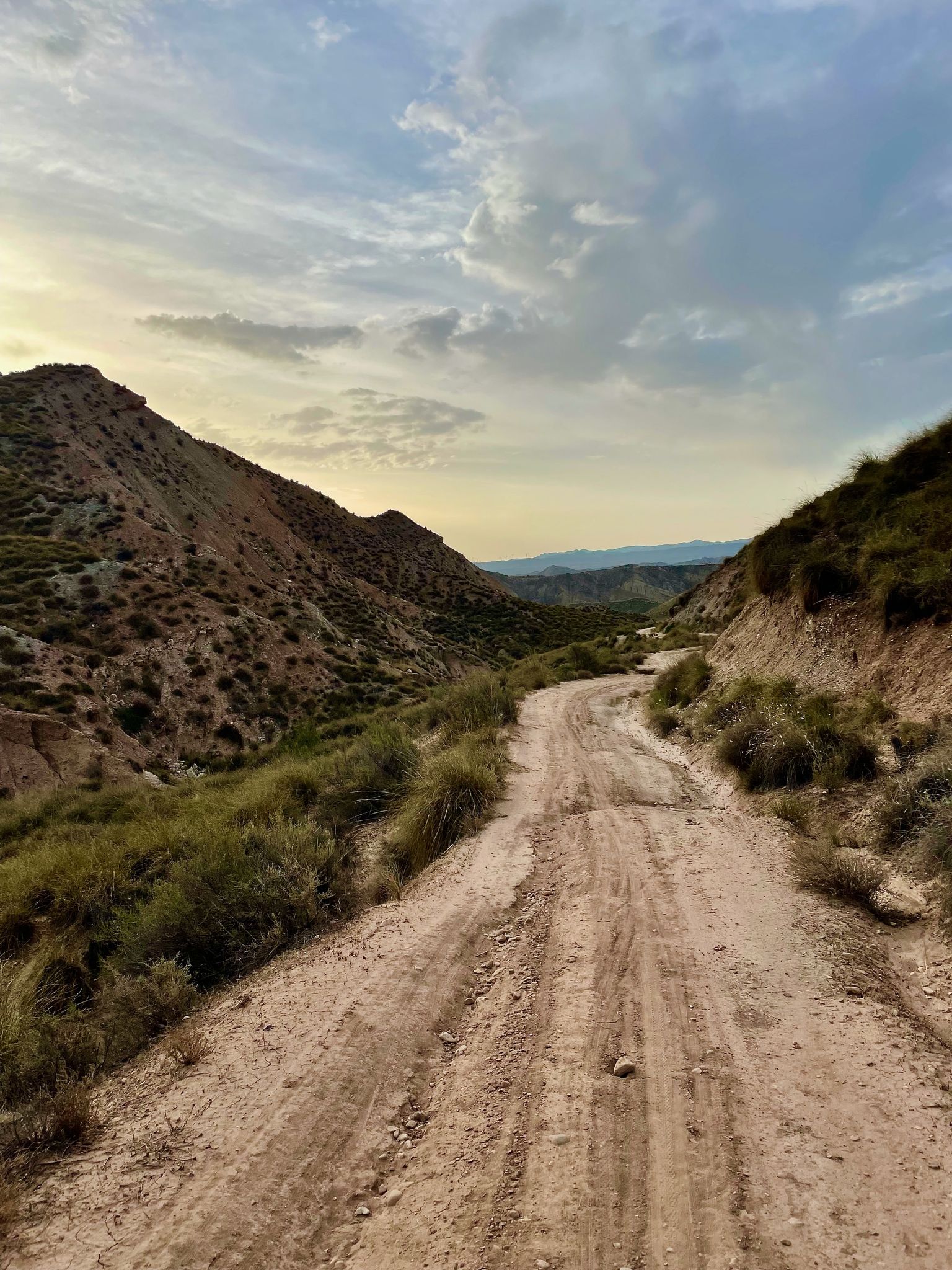
Badlands 2021 — 750km of gravel in the Spanish deserts
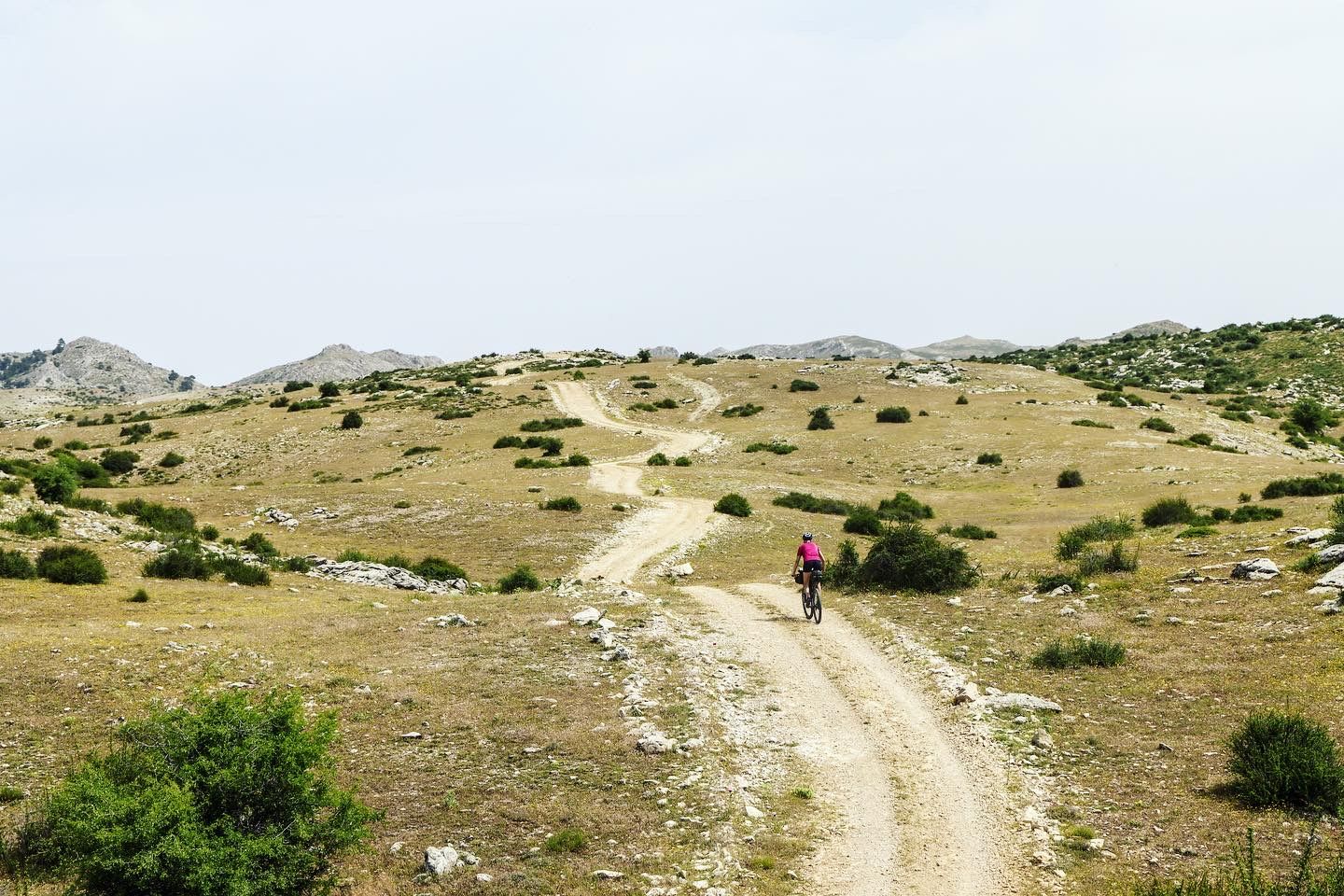
Bikepacking the mountains and deserts of Andalucía
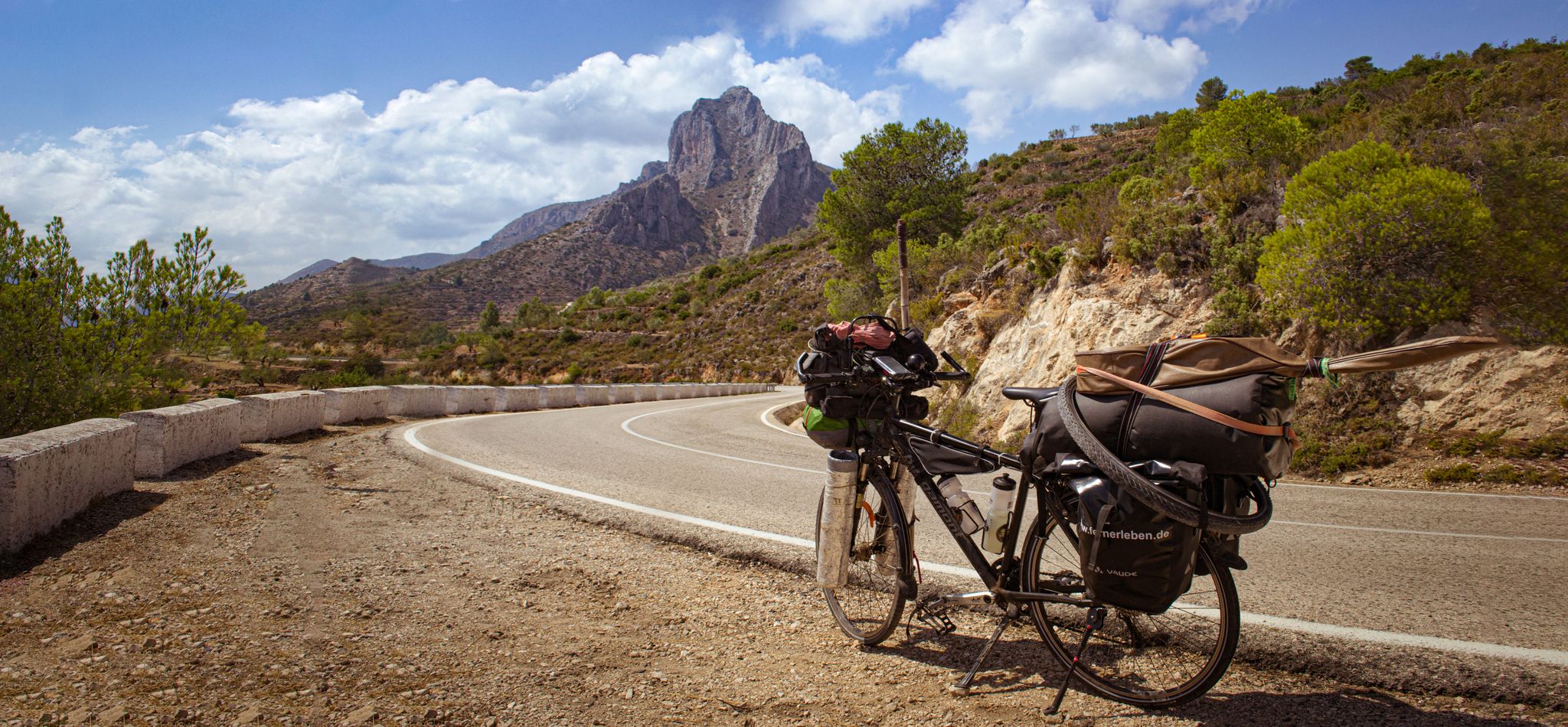
On the road to the sun — bikepacking to southeast Spain
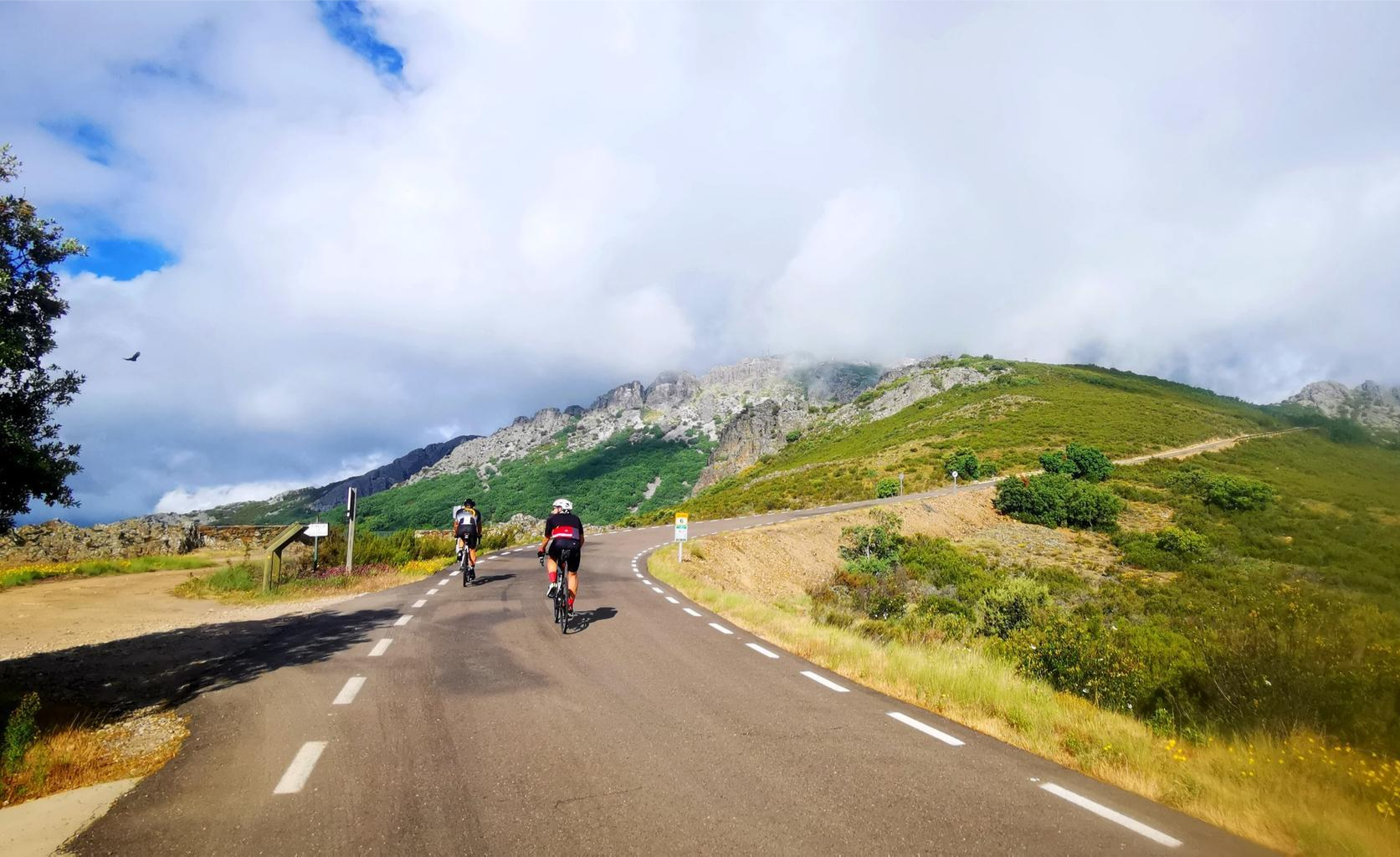
Legendary climbs - Ports of La Vuelta a España
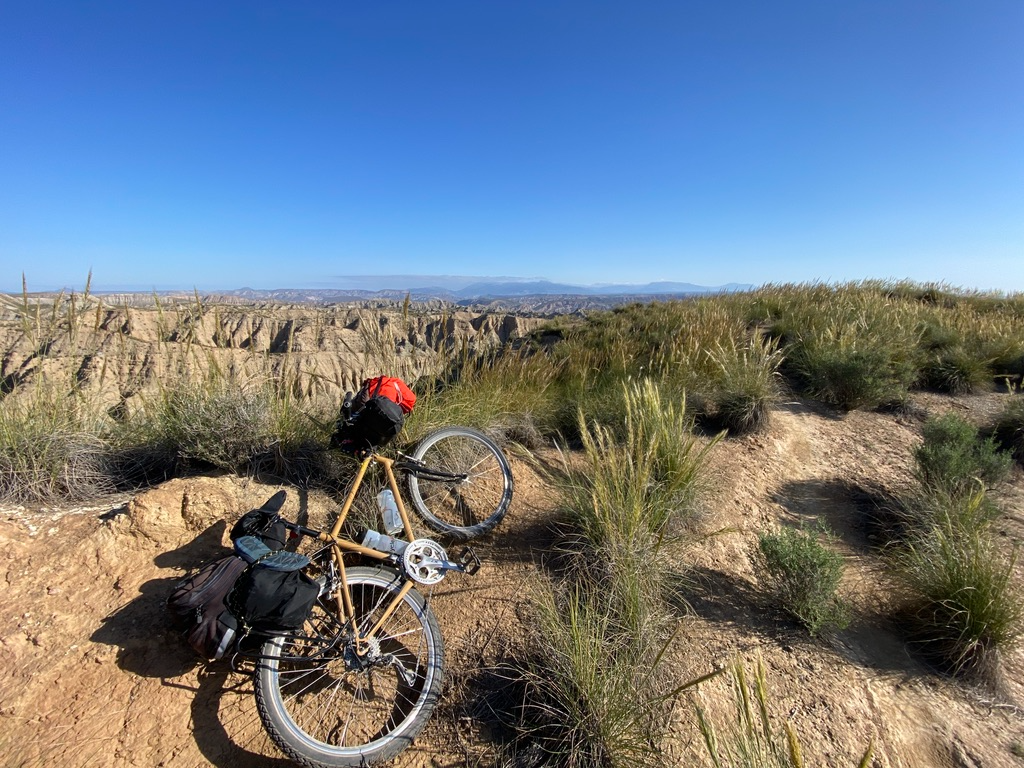
Mountain, Desert and Sea — Andalusian Trilogy
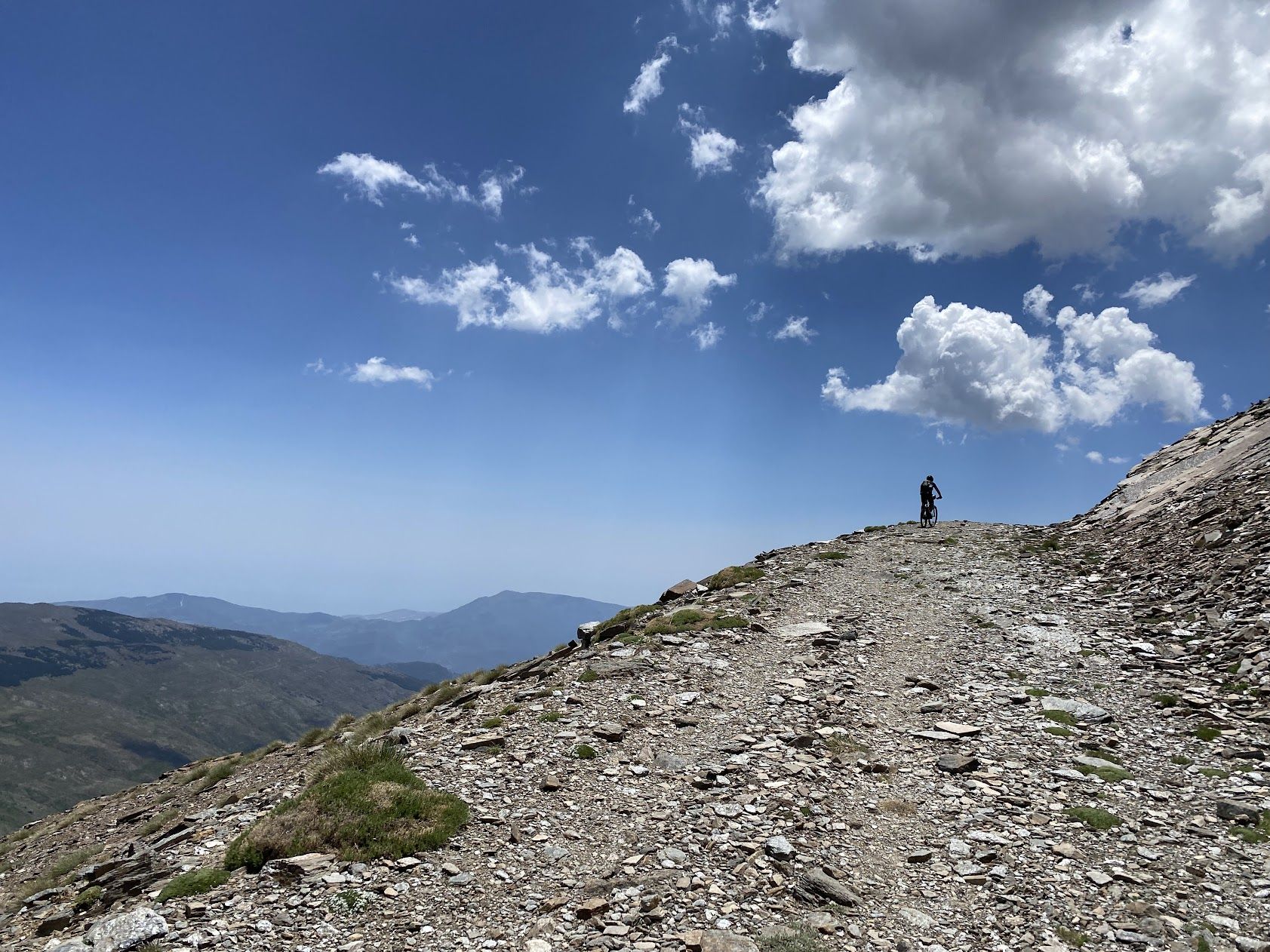
A legendary journey – Tour of the Sierra Nevada
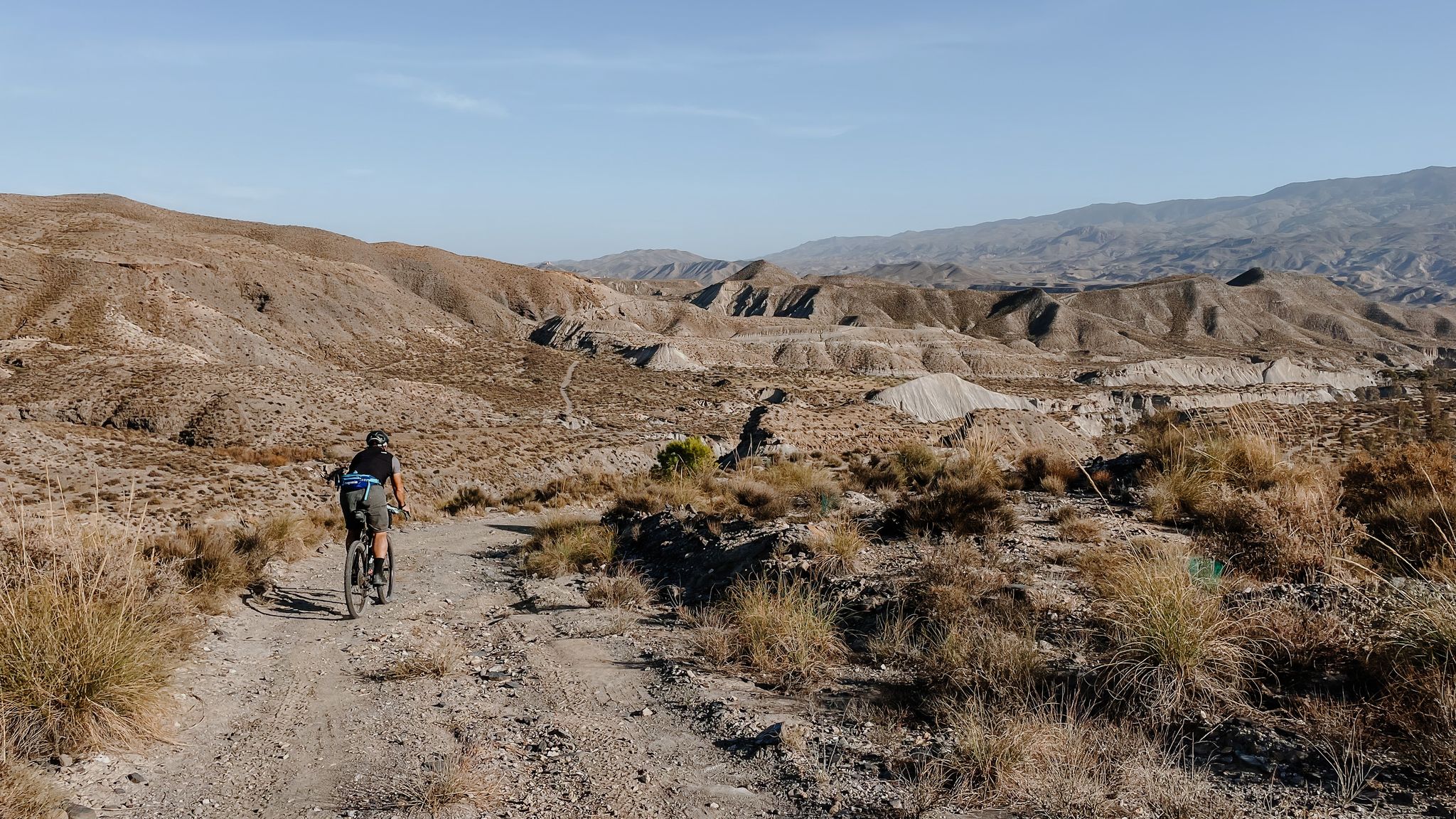
High mountains, desert and sea – an adventure of contrasts in Andalusia
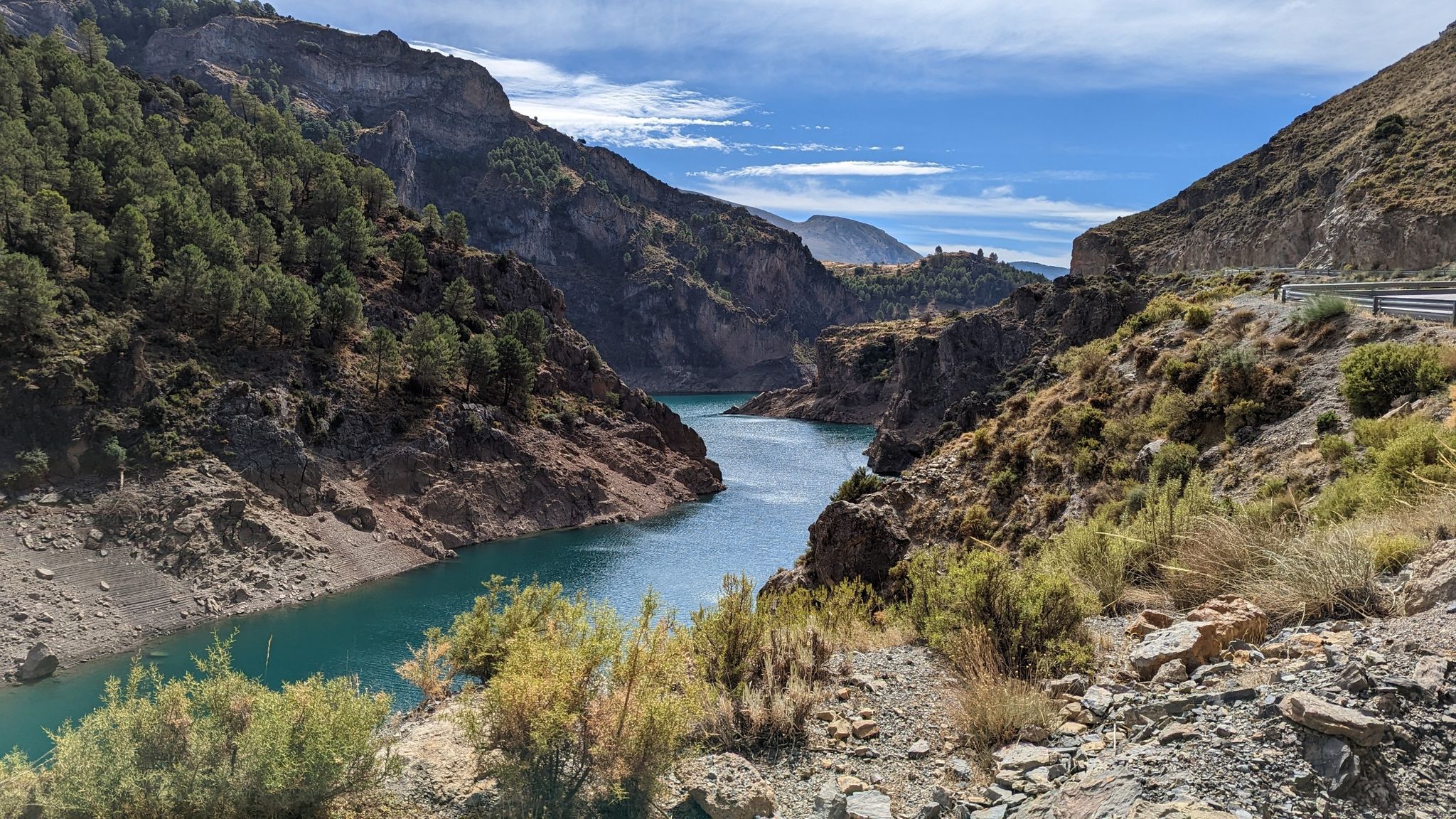
A journey through the Spanish hinterland – cycling across Andalusia
Other adventures around Grenade


Tips from the Community

The University of Granada Botanical Garden is an oasis of tranquility in the heart of the city. The garden is home to a variety of native and exotic plants.
1
0

The Pantano de Quéntar is a reservoir in Quéntar, Granada, built between 1971 and 1975 and officially inaugurated on 11 May 1976. It is located at the confluence of the Aguas Blancas and Padules rivers and has a capacity of 14 million cubic metres. The reservoir plays an important role in the water supply of the city of Granada and the irrigation of the surrounding agricultural lands.
9
0

The Cubillas Reservoir extends across the municipalities of Albolote and Atarfe. It was built in 1956 and is primarily used for water supply and agricultural irrigation. The reservoir has an area of 194 hectares and a maximum depth of approximately 20 meters. The reservoir's main tributary is the Cubillas River. The reservoir's surroundings are characterized by pine forests, oak trees, and Mediterranean vegetation, and the lake is an important habitat for many fish species. The Cubillas Reservoir also serves as a resting place for various bird species, including the Great Cormorant and the Dunnock. The reservoir offers numerous recreational opportunities, including sailing, windsurfing, canoeing, jet skiing, and water skiing. There is a large picnic area on the shore and a restaurant overlooking the lake.
2
1

a spectacular area with very good roads
0
0
The Jardín Botánico of the University of Granada is a beautiful botanical garden founded in 1783 by Mariano del Campo. The garden is located in the heart of the city, next to the old university building. Here you will find a wide variety of plant species, both native and exotic, divided into different sections such as systematic, geographical and medicinal plants. The garden is an oasis of peace and a perfect place to relax and enjoy nature in the middle of the city.
7
0
The Embalse de Quéntar, is also known as the Quéntar Reservoir. The reservoir is surrounded by a picturesque landscape and offers a variety of recreational opportunities. Visitors can enjoy activities such as hiking, fishing, and even water sports. The reservoir was built in the 1970s and plays an important role in the water supply of Granada and the surrounding agricultural areas.
1
0


Frequently Asked Questions
What are some of the most popular natural monuments around Grenade?
Visitors frequently enjoy the dramatic Tajo de las Palomas, a gorge within the Monachil River canyon known for its spectacular views of arid mountains and, on clear days, Granada and the Alhambra. The Quéntar Reservoir is also a popular spot, valued for its role in the region's water supply and its scenic winding roads. For a tranquil escape within the city, the University of Granada Botanical Garden offers a wide variety of plant species.
Are there family-friendly natural monuments to visit in Grenade?
Yes, several natural monuments are suitable for families. The University of Granada Botanical Garden is an oasis of peace in the city, perfect for a relaxed stroll. Additionally, the Lower Gardens of the Generalife offer beautiful, historical settings that reflect Islamic paradise, ideal for families to explore.
What kind of natural features can I expect to see around Grenade?
The region around Grenade is diverse, featuring dramatic gorges like Tajo de las Palomas, serene lakes and reservoirs such as Quéntar Reservoir, and unique botanical collections at the University of Granada Botanical Garden. You can also find natural hot springs at Santa Fe Hot Springs, offering a distinct natural experience.
What outdoor activities can I do near these natural monuments?
The area around Grenade offers various outdoor activities. You can enjoy gravel biking or mountain biking on numerous trails. For example, there are challenging gravel biking routes like the 'Scenic trail – Pinos Genil village loop' or 'Aurora Mine – Santa Fe loop'. Mountain biking enthusiasts can explore trails such as 'Dehesa del Generalife and Cerro del Sol Loop'. You can find more details on these activities in the Gravel biking around Grenade and MTB Trails around Grenade guides.
Are there hiking trails near the natural monuments in Grenade?
Yes, many natural monuments are integrated into or near hiking trails. The Tajo de las Palomas is part of an 8.2-kilometer loop trail through the Monachil River canyon, offering spectacular views. While the guide focuses on natural monuments, the region's extensive network of trails, including those mentioned in the MTB Trails around Grenade guide, often pass by or offer access to these natural sites.
What do visitors enjoy most about the natural monuments in Grenade?
Visitors particularly appreciate the stunning views, especially from places like Tajo de las Palomas, where you can see Granada and the Alhambra on clear days. The tranquility and natural beauty, such as the peaceful oasis of the University of Granada Botanical Garden, are also highly valued. The unique experience of the Santa Fe Hot Springs, despite recent changes to bathing access, is also a memorable highlight for many.
Can I visit historical sites alongside natural monuments in Grenade?
Absolutely. The Lower Gardens of the Generalife are a prime example, combining natural beauty with the rich history of the Alhambra. The University of Granada Botanical Garden, founded in 1783, also holds historical significance as one of the oldest botanical collections.
Are there any natural hot springs in the Grenade area?
Yes, the Santa Fe Hot Springs, also known as Aguas Calientes, are located in the suburban park of Dehesa de Santa Fe. These natural pools feature hyperthermal waters exceeding 36 degrees Celsius, rich in sulfates, calcium, and magnesium. While bathing is currently restricted due to fencing and a guard, the area remains a unique natural monument to visit.
How long should I plan for a visit to these natural monuments?
The duration varies depending on the monument. For a place like the University of Granada Botanical Garden, a relaxed visit might take an hour or two. Hiking the loop trail around Tajo de las Palomas could take several hours. For the Santa Fe Hot Springs, the hike to the springs alone can be about an hour, plus time to explore the area.
What is the best way to get to the Quéntar Reservoir?
The Quéntar Reservoir is accessible via a fun winding road cut into the rock slope along its western shore. This road offers good asphalt pavement and typically has little traffic, making it a pleasant drive. It's located in Quéntar, Granada.
Are there any natural monuments that offer views of the city of Granada?
Yes, the Tajo de las Palomas gorge provides excellent opportunities to see the city of Granada and even the Alhambra on clear days, especially from higher vantage points along its trails. The Lower Gardens of the Generalife also offer views towards the Alhambra and the city.
Most popular attractions around Grenade

Get inspired with the komoot mobile app


Explore more
Extend your search for the best caves by checking out these guides of the top ones around Grenade:
