Top 4 Natural Monuments around Taberno
Best natural monuments around Taberno are found within this municipality, located in the north of the Almería province in the foothills of the Sierra de las Estancias. The area features a diverse terrain, ranging from semi-desert characteristics to lush ravines, offering a rich natural landscape. This region provides opportunities for exploring unique geological formations, natural viewpoints, and varied hiking routes. Its natural features make it a destination for outdoor activities and experiencing contrasting landscapes.
Best natural monuments around Taberno
- The…
Last updated: July 1, 2026
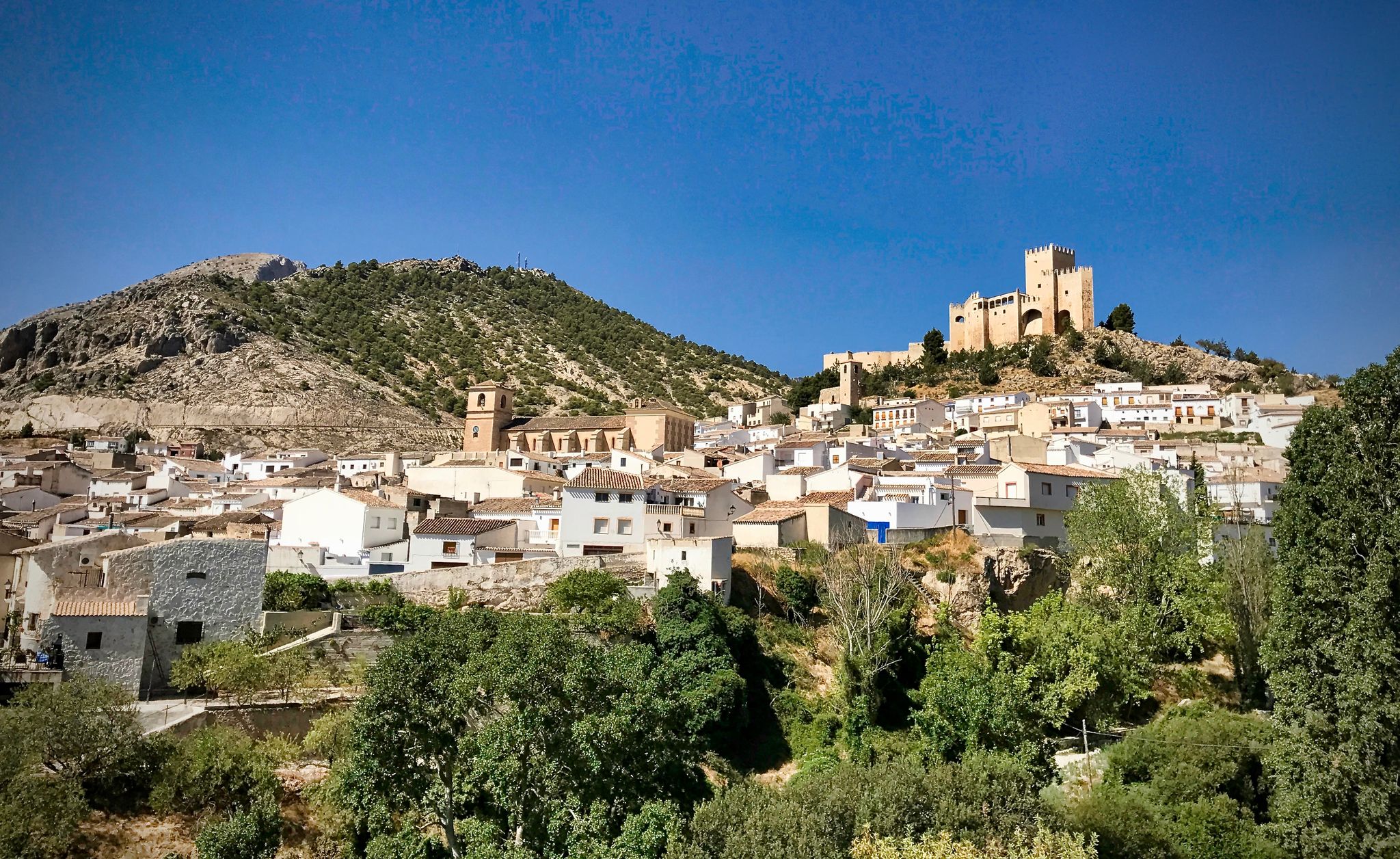
Santa Bárbara Fountain
Highlight • Natural Monument
Translated by Google •
Tip by

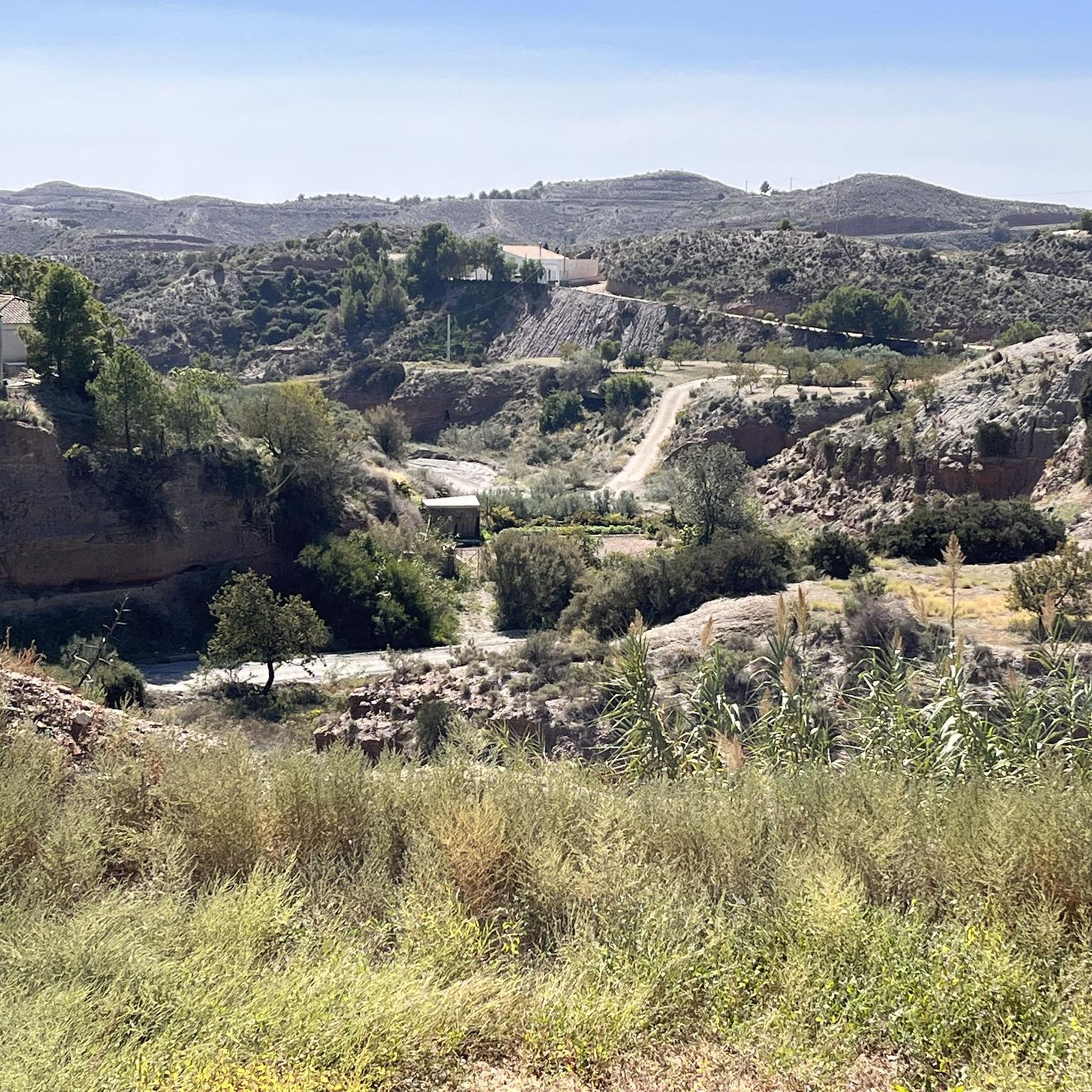
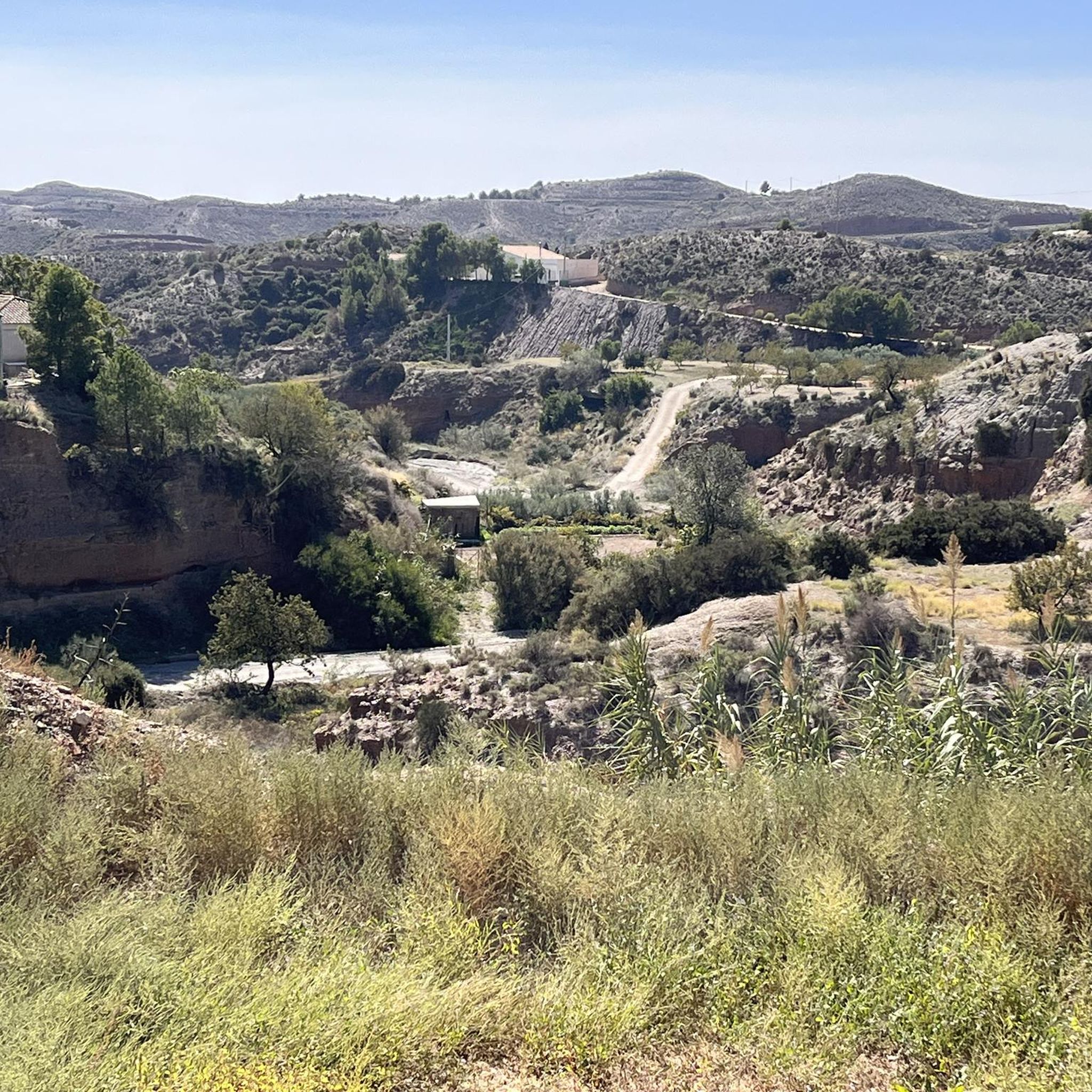
Salty Spring
Highlight • Natural Monument
Translated by Google •
Tip by
Sign up now to discover places like this
Get recommendations on the best single tracks, peaks, & plenty of other exciting outdoor places.
Sign up for free
Fuente del Madroño
Highlight • Natural Monument
Translated by Google •
Tip by
Turtle Rock
Highlight • Natural Monument
Translated by Google •
Tip by

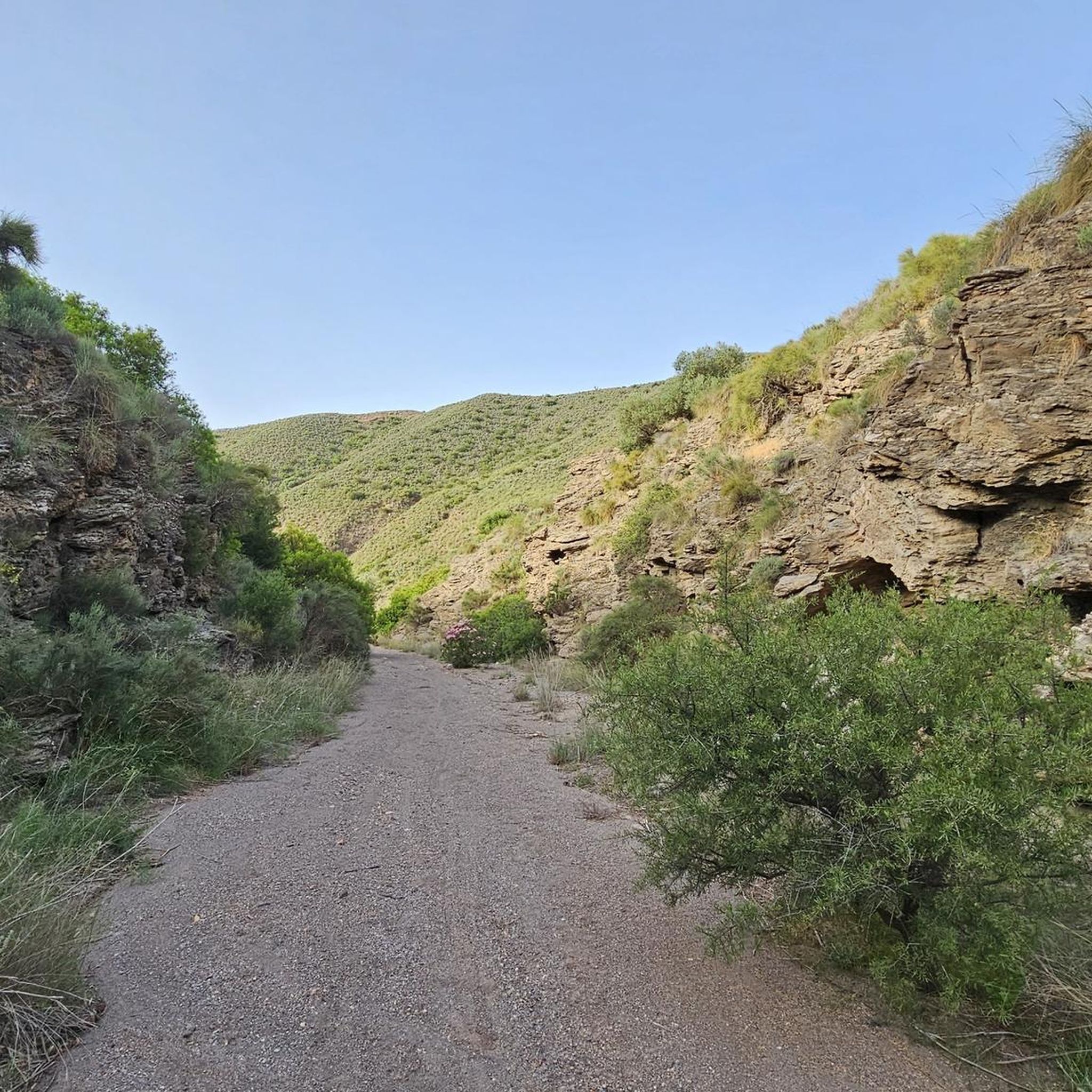
Rambla del Aceituno
Highlight • Gorge
Translated by Google •
Tip by

Start today with a free account
Your next adventure awaits.
Login or Signup
Other adventures around Taberno

Tips from the Community

Difficult to find, from the rambla is the best way, but not worth a visit.
0
0
El Madrono at 999 meters altitude, great place for a break
14
0
It is unclear where exactly the source is, but there is a lot of reed growing there so there must be a source somewhere....
15
0
Renovated place, nice to see. Water source and a water collection tank.
16
0

It's very good, there is an Arab turret
2
0

Underground water source. Ideal to recharge water and continue. It is accessed by going down some stairs.
0
0

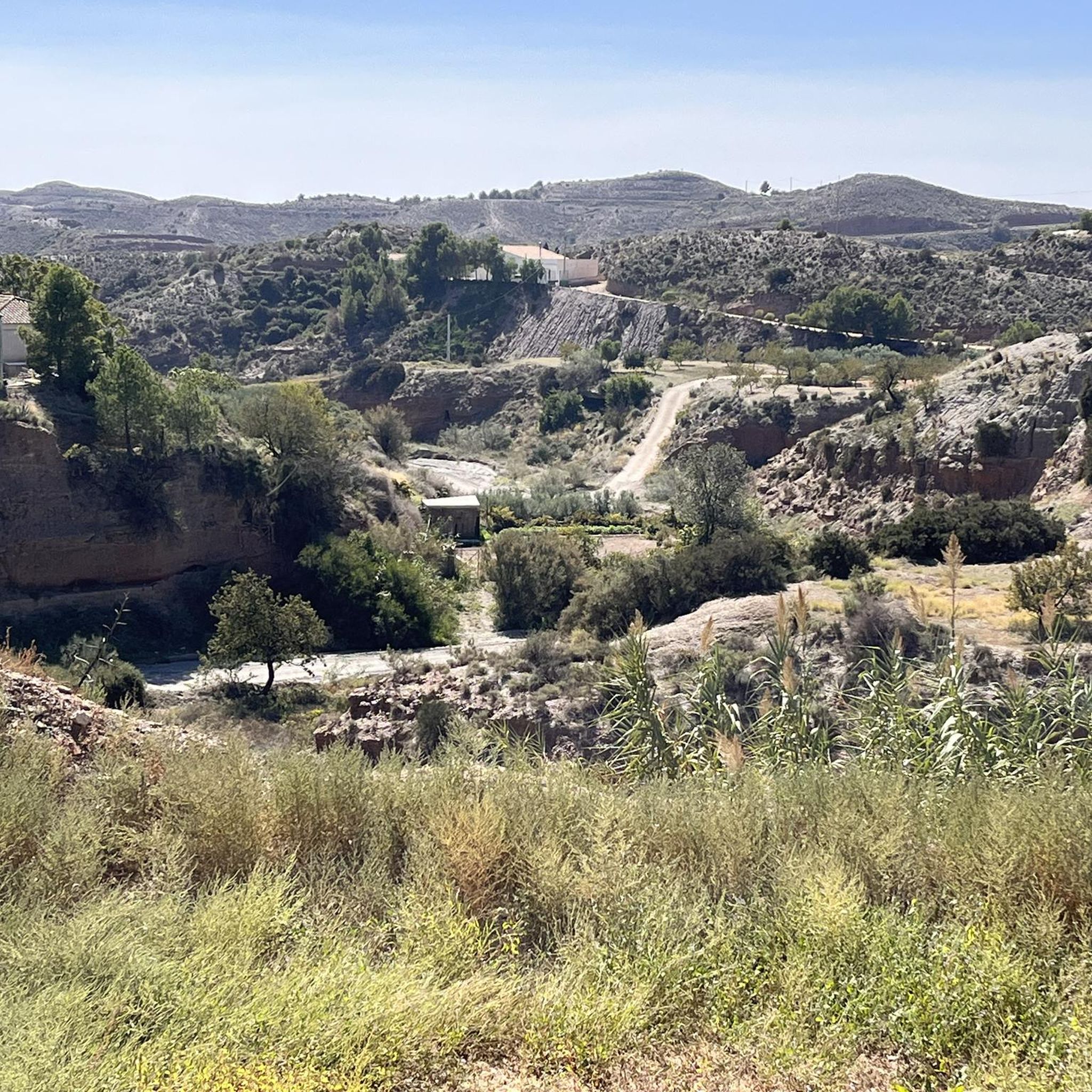
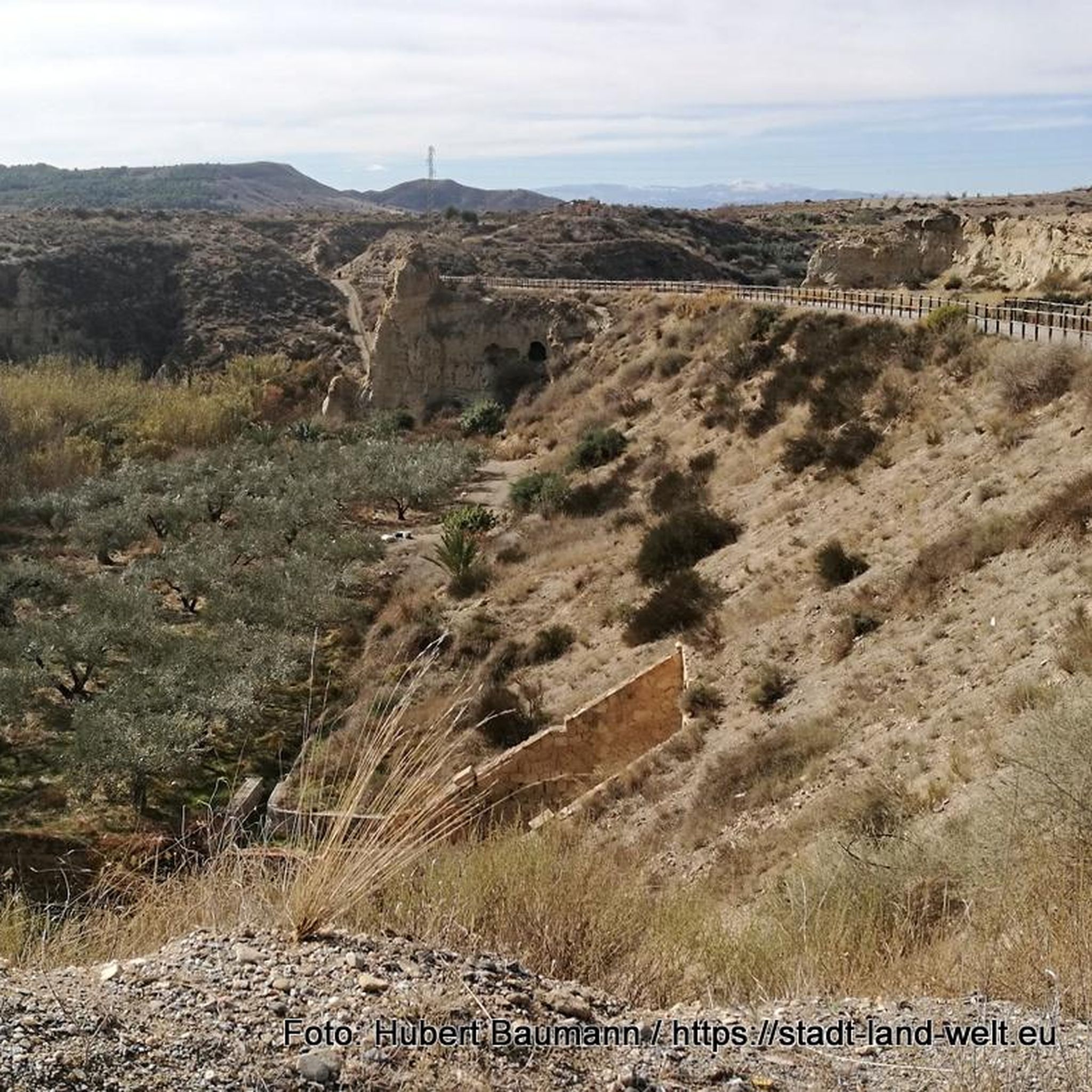
The Rambla del Aceituno is the typical ravine eroded by the action of the current due to the floods of the rains. The walls have all the strata exposed, leaving a mosaic of terrestrial colors.
0
0

Urban source of the District of Santa Bárbara, from which the entire area is supplied, both for consumption and for irrigation, also providing water and rest service to all the people and livestock that have passed through the important route of the Rambla. With its chapel the Virgin of Santa Bárbara, patron saint of the district and at the same time of thunder and storms (that's why the saying of the area "they remember Santa Bárbara when it thunders"). Information sent by the Albox Tourism Workshop School.
3
0
Frequently Asked Questions
What kind of natural features can I explore around Taberno?
Taberno offers a diverse natural landscape, from semi-desert areas to lush ravines. You can discover unique geological formations, wide dry riverbeds known as 'ramblas', and narrow ravines that sometimes carry water year-round. The area is also known for its natural springs, such as Fuente del Madroño and Santa Bárbara Fountain, and distinctive rock formations like Turtle Rock.
Are there good viewpoints to experience Taberno's natural beauty?
Yes, the hermitage on Calvario Hill provides an extraordinary natural viewpoint of Taberno's urban core and offers spectacular views of the municipality and its unique geology. From elevated points in the Sierra de las Estancias, you might even catch a glimpse of the sea.
What are some popular trails to explore Taberno's natural monuments?
The region features several trails that showcase its varied natural environment. The 'Picacho Trail' (PR-A 117) is a popular circular path that takes hikers through contrasting landscapes, from semi-desert characteristics to verdant ravines. Another option is the 'Bandoleros Route', which starts in the recreational area of 'Las Morras'.
Are there hiking routes near Taberno's natural monuments?
Absolutely. Taberno is an excellent base for hiking. You can find various routes, including the moderate 'Picacho Trail (PR-A 117)' which is about 8.5 km long. For more options, explore the Hiking around Taberno guide.
Are the natural monuments and trails around Taberno family-friendly?
Many of Taberno's natural areas are suitable for families. Highlights like Santa Bárbara Fountain, Fuente del Madroño, and Turtle Rock are considered family-friendly. Some trails, like the Picacho Trail, are designed to guide visitors through natural contrasts and sometimes lead to recreational areas with amenities.
Can I find circular walks around Taberno's natural monuments?
Yes, the 'Picacho Trail' (PR-A 117) is a notable circular path that allows you to experience the diverse natural environment of Taberno, including semi-desert areas and lush ravines.
When is the best time to visit Taberno's natural monuments?
The region's diverse terrain and outdoor activities are enjoyable throughout much of the year. Spring and autumn generally offer milder temperatures, making them ideal for hiking and exploring. Summers can be hot, but early mornings or late afternoons are still pleasant for outdoor activities.
What should I bring for a hike around Taberno's natural monuments?
Given the varied terrain, it's advisable to bring appropriate hiking footwear, water (especially if visiting Fuente del Madroño to recharge), sun protection, and a map or GPS device. Some areas can be semi-desert, so hydration is key.
Are there opportunities for mountain biking near Taberno's natural monuments?
Yes, the Taberno area offers various mountain biking trails. You can find routes like the 'Almendricos Greenway – Solar Panels at Los Naranjos loop' or the 'Collado de la Rellena loop'. For more details, refer to the MTB Trails around Taberno guide.
What unique geological formations can I see in Taberno?
Taberno is known for its distinctive geological formations in the mountains, which offer a singular and ever-changing character. The wide 'ramblas' (dry riverbeds) demonstrate the power of occasional large water flows, and the narrow ravines contribute to the area's geological interest. Rambla del Aceituno, for example, showcases eroded walls with exposed strata, creating a mosaic of terrestrial colors.
Are there any natural springs to visit in Taberno?
Yes, Taberno is notable for its natural springs. You can visit Fuente del Madroño, an underground water source ideal for breaks, or the renovated Santa Bárbara Fountain, which serves the local district. There's also the Salty Spring, characterized by abundant reed growth and a nearby Arab turret.
What do visitors enjoy most about Taberno's natural areas?
Visitors appreciate the diverse natural experiences, from semi-desert landscapes to verdant ravines. The opportunity to explore unique geological formations, natural viewpoints, and varied hiking routes is a major draw. The natural springs and the tranquility of places like Fuente del Madroño are also highly valued for breaks and recharging.
Most popular attractions around Taberno

Get inspired with the komoot mobile app


Explore more
Extend your search for the best caves by checking out these guides of the top ones around Taberno:
