Top 3 Natural Monuments around Villafranca Del Campo
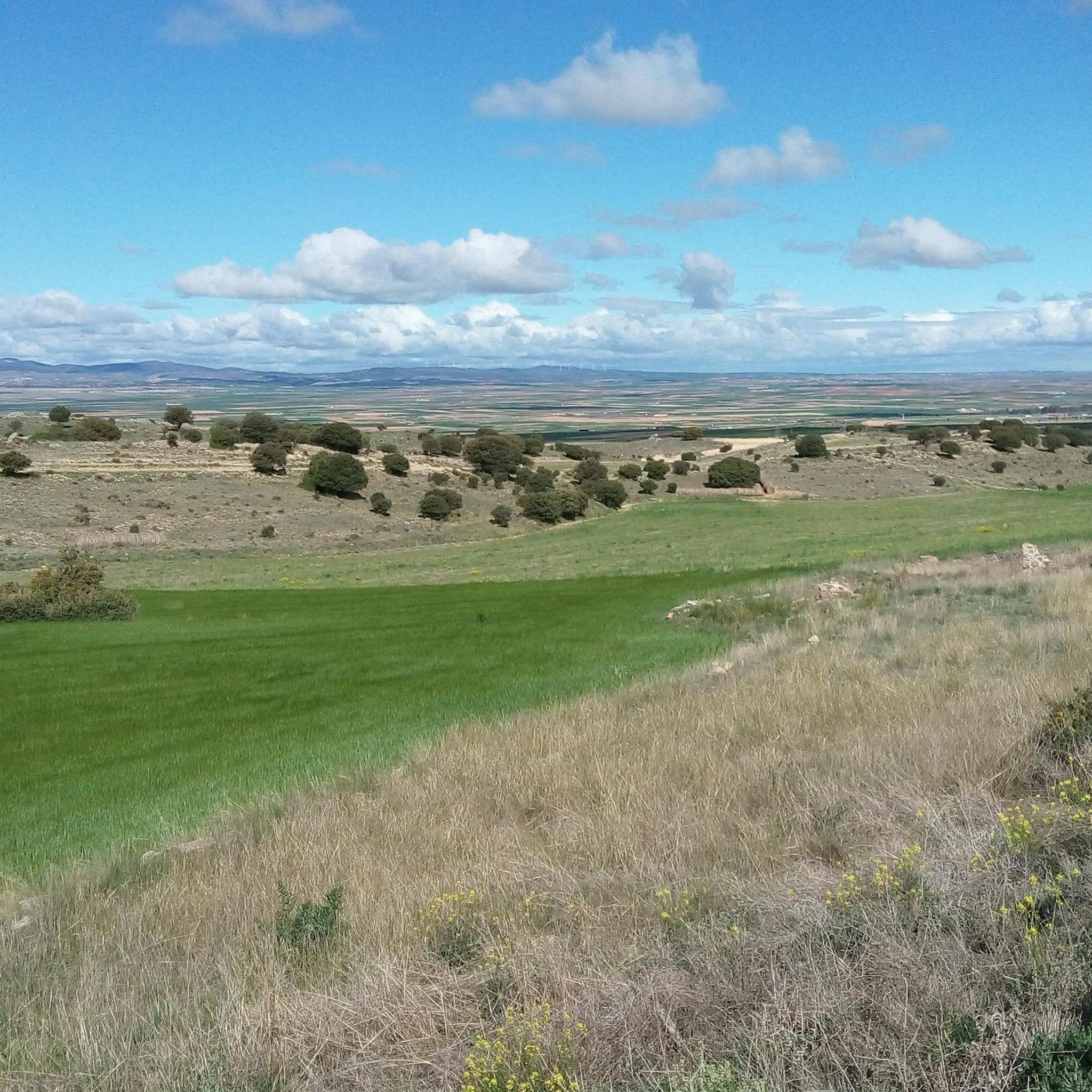
Best natural monuments around Villafranca Del Campo are found in the Jiloca valley, a region in Spain's Teruel province characterized by the Jiloca River and remnants of ancient holm oak forests. This area offers significant geological formations and riverine environments, providing diverse natural features for exploration. The landscape contributes to local biodiversity and presents scenic routes for hiking and appreciating natural areas.
Best natural monuments around Villafranca Del Campo
- The most popular natural monuments is Peracense Castle, a castle…
Last updated: July 15, 2026
Peracense Castle
Highlight • Castle
Translated by Google •
Tip by

Passage between rocks
Highlight • Gorge
Translated by Google •
Tip by
Sign up now to discover places like this
Get recommendations on the best single tracks, peaks, & plenty of other exciting outdoor places.
Sign up for free
Piedra del Peruano
Highlight • Monument
Tip by

Caño el Gato
Highlight • Gorge
Translated by Google •
Tip by

Piedra de la Horca
Highlight • Natural Monument
According to a legend, in the …
Translated by Google •
Tip by

Start today with a free account
Your next adventure awaits.
Login or Signup


Tips from the Community

It is known for its characteristic reddish colour, the result of the use of local rodeno stone in its construction. This castle, one of the best preserved in Aragon, is located in a strategic position on a rock formation, which gives it spectacular views of the surroundings, especially the Jiloca valley. Its history dates back to the Bronze Age, although the current structure dates from the 12th to the 14th centuries.
7
0

beautiful we can see it at the last moment
3
0
The castle sits on a rock formation of rodeno, which gives it spectacular views of the surroundings, especially the Jiloca valley. Its history dates back to the Bronze Age, and it has been an important fortress during the Muslim period and the Middle Ages.
6
0
The Peracense Castle has an exceptional history that spans several eras and societies. This impressive castle, built in the 13th century, took advantage of the natural conditions of the terrain and played a fundamental role in the defense of the kingdom of Aragon during the wars with Castile. A fascinating visit to the past! 🏰 I hope you enjoy your visit to Peracense Castle! 😊🏰
36
0

For the nostalgic, a little side of "the mysterious cities of gold"
1
0

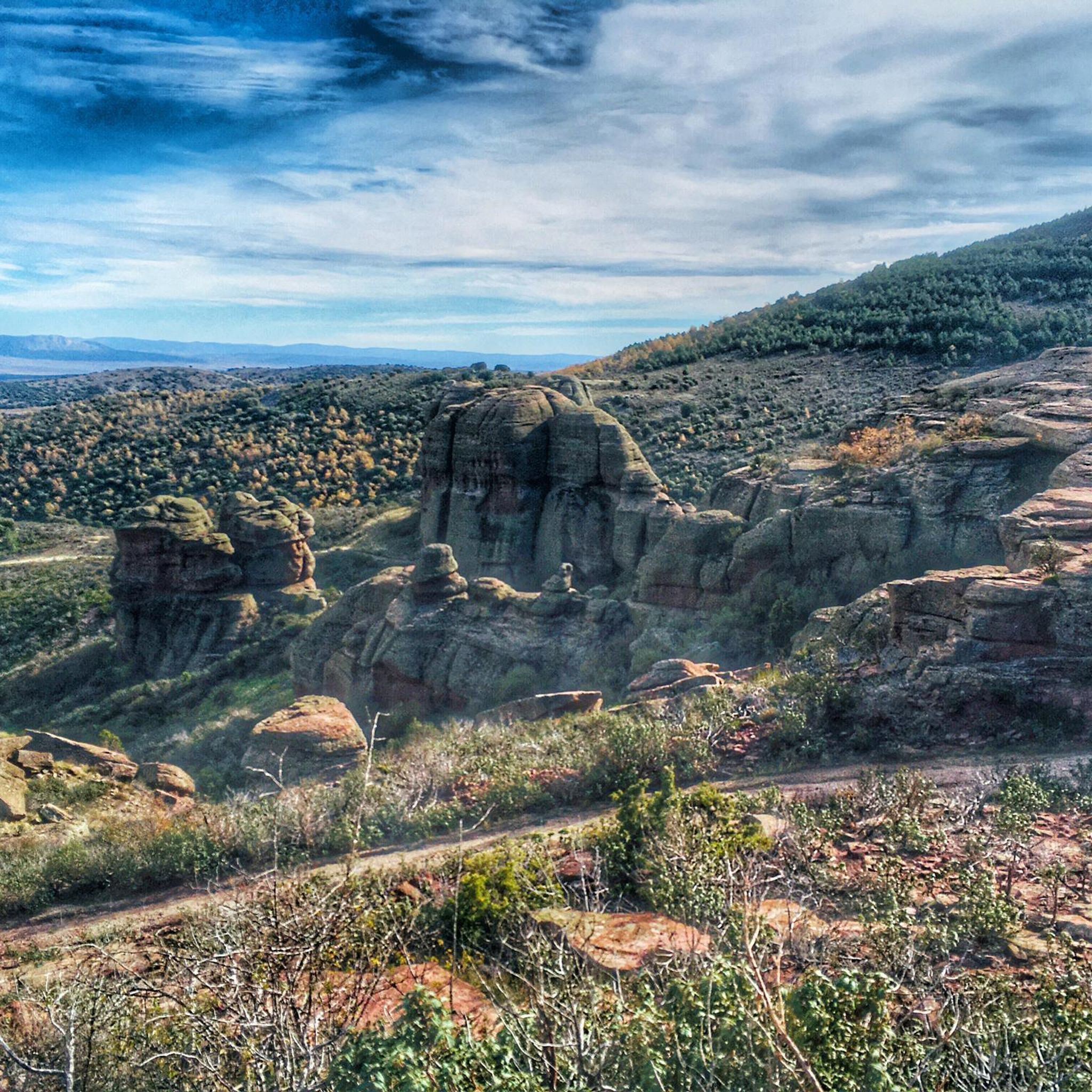
Through this corridor between rocks you can access the Malena cave and the Horca stone, as well as enjoy a beautiful view of the Peracense castle from below.
4
0
Triassic sandstones, curious for their strata of different composition and hardness, in which the action of wind, rain and ice erosion can be seen. According to a legend, in the Middle Ages it was a place for the execution of criminals.
1
0
The Peracense castle is one of the most beautiful and unknown Aragonese castles. Surrounded by a unique natural environment, its builders took advantage of the original topography of the land to build a first-rate defensive enclave. It sits on a strongly steep rocky extension of rodeno, which belongs to the southern end of Sierra Menera, next to the San Ginés hill. Its average elevation is 1,365 meters above sea level. This fortress is made up of three concentric enclosures that sit on outcrops of red sandstone (Buntsandstein micaceous), which were partially pitted and modified to improve the defense. Precisely this sandstone (rodeno), in the form of megaliths, masonry and ashlars laid with lime or gypsum mortars, is the material mainly used in the construction of the walls of this fortress. Wood was used to a lesser extent and always in beams and almojayas. Its character as a privileged watchtower allows optical links in nearby enclaves such as Monreal del Campo, Bueña, Aguatón, Singra and Cerro de San Ginés.
6
0
Frequently Asked Questions
What natural features can I explore around Villafranca del Campo?
The region is characterized by the Jiloca River Valley, offering scenic landscapes and agricultural fields. You can also discover the Carrascal de la Matilla, a significant remnant of ancient holm oak forests, and the Rambla del Valle, a key hydrological feature. For birdwatching, the nearby Gallocanta Lagoon is a major draw for migratory birds, especially cranes.
Are there any historical natural monuments in the area?
Yes, the area features several sites where history and nature intertwine. The impressive Peracense Castle, a 13th-century fortress, is built directly into the natural rock formations. Additionally, the Piedra de la Horca showcases Triassic sandstones shaped by erosion and is associated with medieval legends.
What kind of unique sculptures or man-made features can I find among the natural monuments?
You can visit the Piedra del Peruano, a curious sculpture located in a remote spot. This unique piece was created by a Peruvian emigrant in the 1990s, adding an unexpected artistic touch to the natural landscape.
What outdoor activities can I do near these natural monuments?
The region offers various outdoor activities. You can find numerous cycling routes, including those around Peracense Castle. There are also dedicated MTB trails and hiking routes, such as the Peracense Castle Loop or the Ojos Negros - Sierra Menera Trail.
Are there any gorges or ravines to explore?
Yes, you can explore the Passage between rocks, a gorge that provides access to the Malena cave and the Horca stone, offering beautiful views of Peracense Castle. Another notable ravine is Caño el Gato, known for its rocky limestone walls and a local legend.
What is the best time of year to visit the natural monuments around Villafranca del Campo?
The Jiloca Valley is particularly appealing during spring and autumn. These seasons offer pleasant temperatures for hiking and cycling, and you can witness the vibrant flora or the spectacular migration of common cranes, especially around the Gallocanta Lagoon.
Are there family-friendly trails or activities near the natural monuments?
Yes, there are several easy hiking routes suitable for families. For instance, the Peracense Castle Loop is an easy 4 km hike. The area's natural beauty and historical sites like the castle can be engaging for all ages. The Jiloca River Valley also provides gentle landscapes for exploration.
What kind of wildlife and flora can I expect to see?
The Jiloca River Valley is an important feeding ground for common cranes, especially due to its proximity to the Gallocanta Lagoon. The Carrascal de la Matilla preserves ancient holm oak forests, showcasing native vegetation. You can observe various bird species and local flora characteristic of a riverine and forest ecosystem.
Where can I find hiking trails starting directly from Villafranca del Campo?
While many trails are accessible nearby, you can find various hiking routes that are easily reachable from Villafranca del Campo. These include loops around Peracense Castle and sections of longer trails like the Ojos Negros - Sierra Menera Trail, offering different difficulty levels.
What do visitors enjoy most about the natural monuments in this region?
Visitors frequently appreciate the unique blend of natural beauty and historical significance. The integration of sites like Peracense Castle into the landscape, the curious Piedra del Peruano, and the scenic gorges like the Passage between rocks are often highlighted. The serene riverine environment and remnants of ancient forests also contribute to a memorable experience.
Are there any specific viewpoints to enjoy the landscape?
Yes, several natural monuments offer excellent viewpoints. Peracense Castle provides spectacular panoramic views of the surrounding Jiloca valley. The Passage between rocks also offers a beautiful perspective of Peracense Castle from below, and Caño el Gato is known for its picturesque rocky limestone walls.
Is the area suitable for dog-friendly trails?
Many natural trails in the Jiloca Valley and around Villafranca del Campo are generally dog-friendly, allowing you to explore with your pet. It's always recommended to keep dogs on a leash and follow local regulations, especially in protected natural areas or near wildlife habitats like the Jiloca River Valley.
Most popular routes around Villafranca Del Campo
Most popular attractions around Villafranca Del Campo

Get inspired with the komoot mobile app


Explore more
Extend your search for the best caves by checking out these guides of the top ones around Villafranca Del Campo:
