Top 12 Natural Monuments around Argoños
Best natural monuments around Argoños are primarily found within the Natural Park of the Marshes of Santoña, Victoria, and Joyel. This protected area is a significant wetland in northern Spain, characterized by estuaries, marshes, dunes, and cliffs. The region provides crucial habitats for numerous bird species and offers diverse natural landscapes for exploration.
Best natural monuments around Argoños
- The most popular natural monuments is La Ojerada Caves, a cave that is considered an awesome place to visit. These beautiful eyes are located very close to a parking lot.
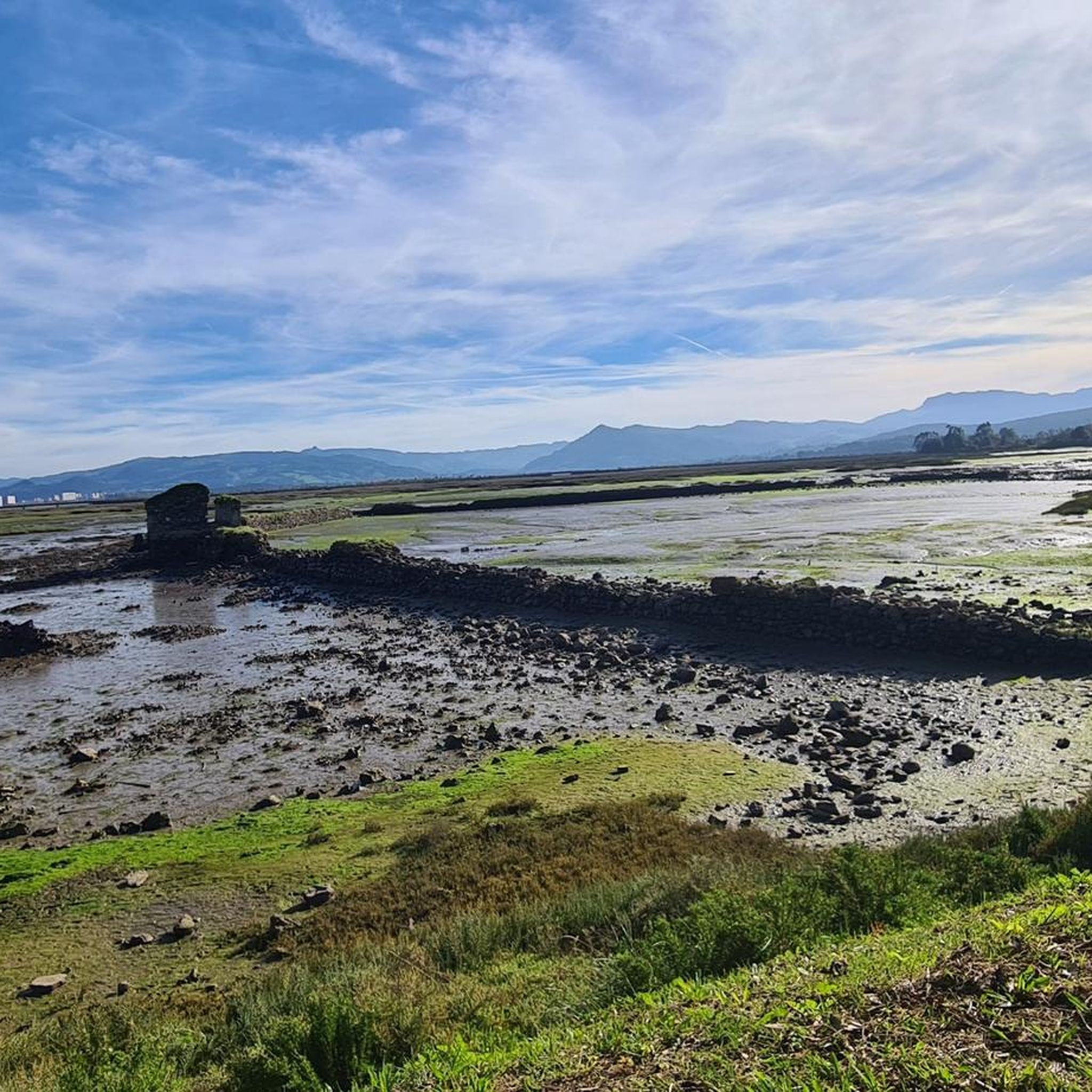
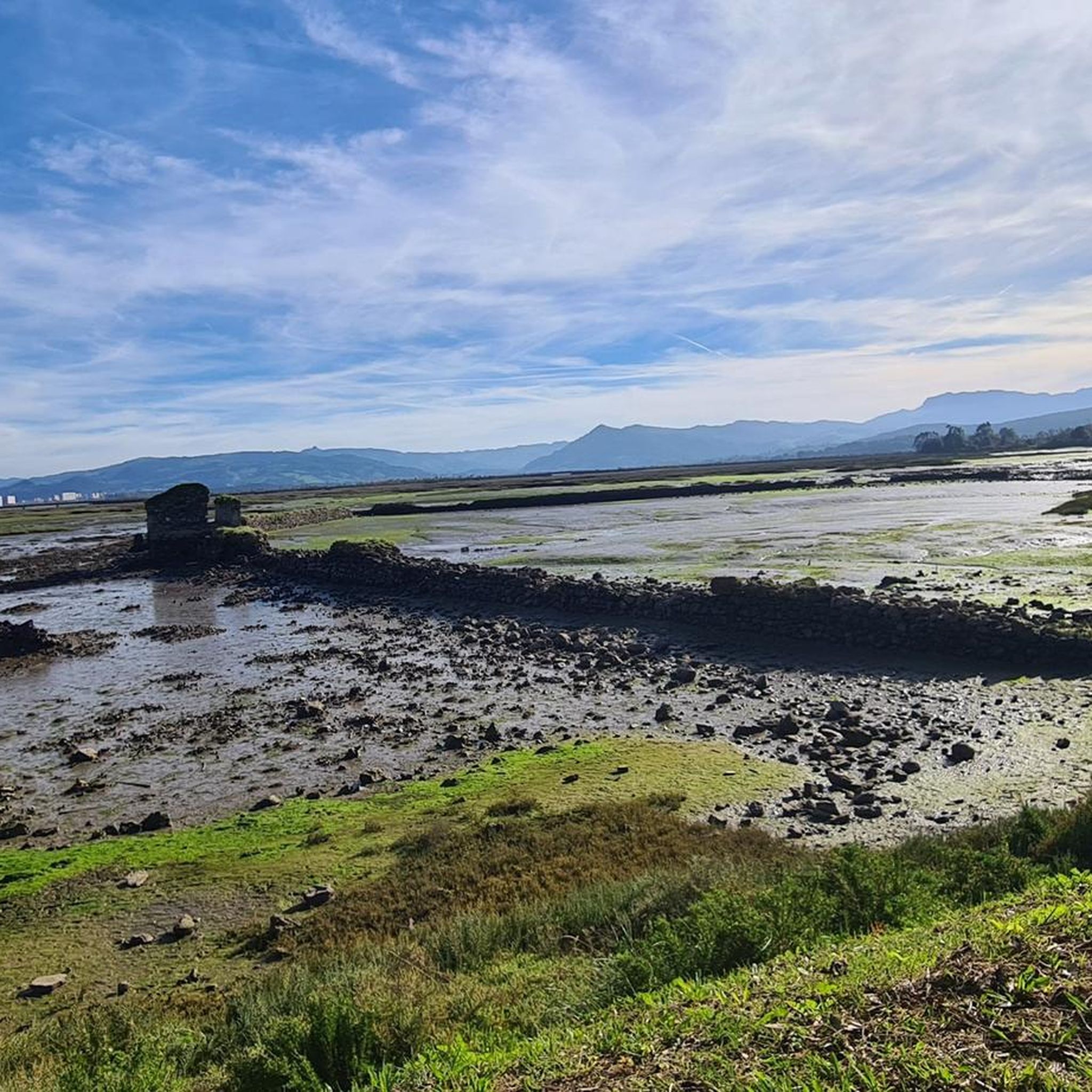
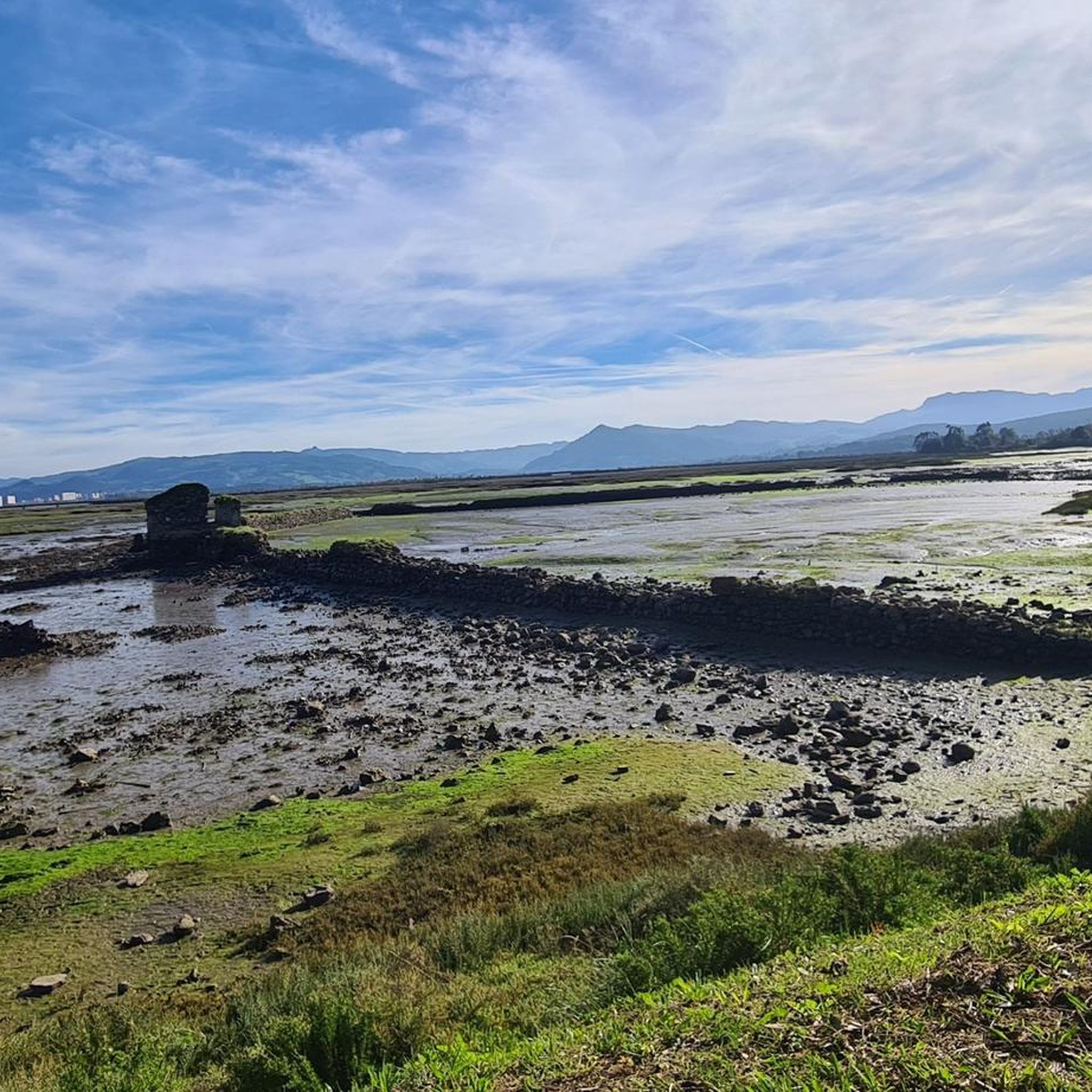
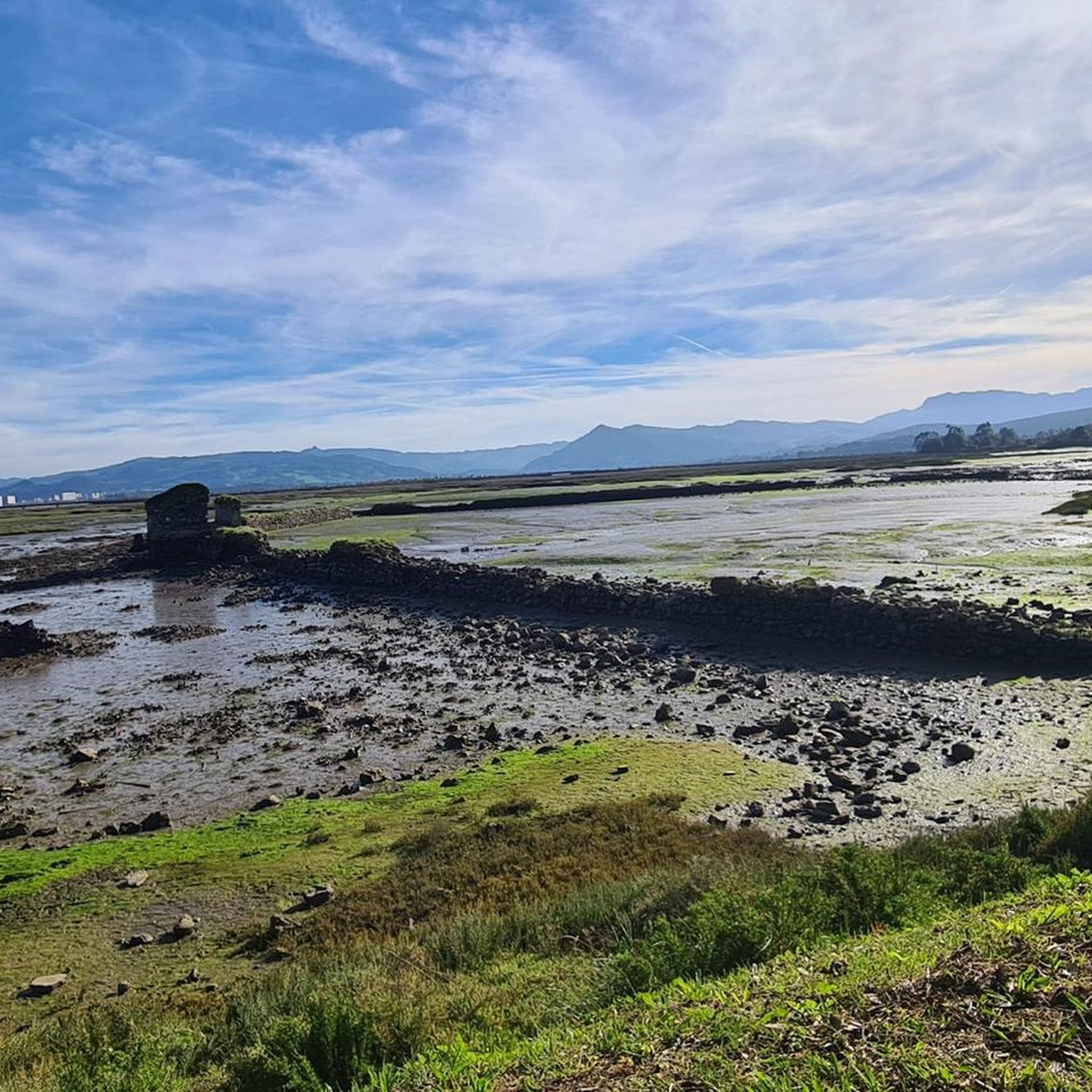
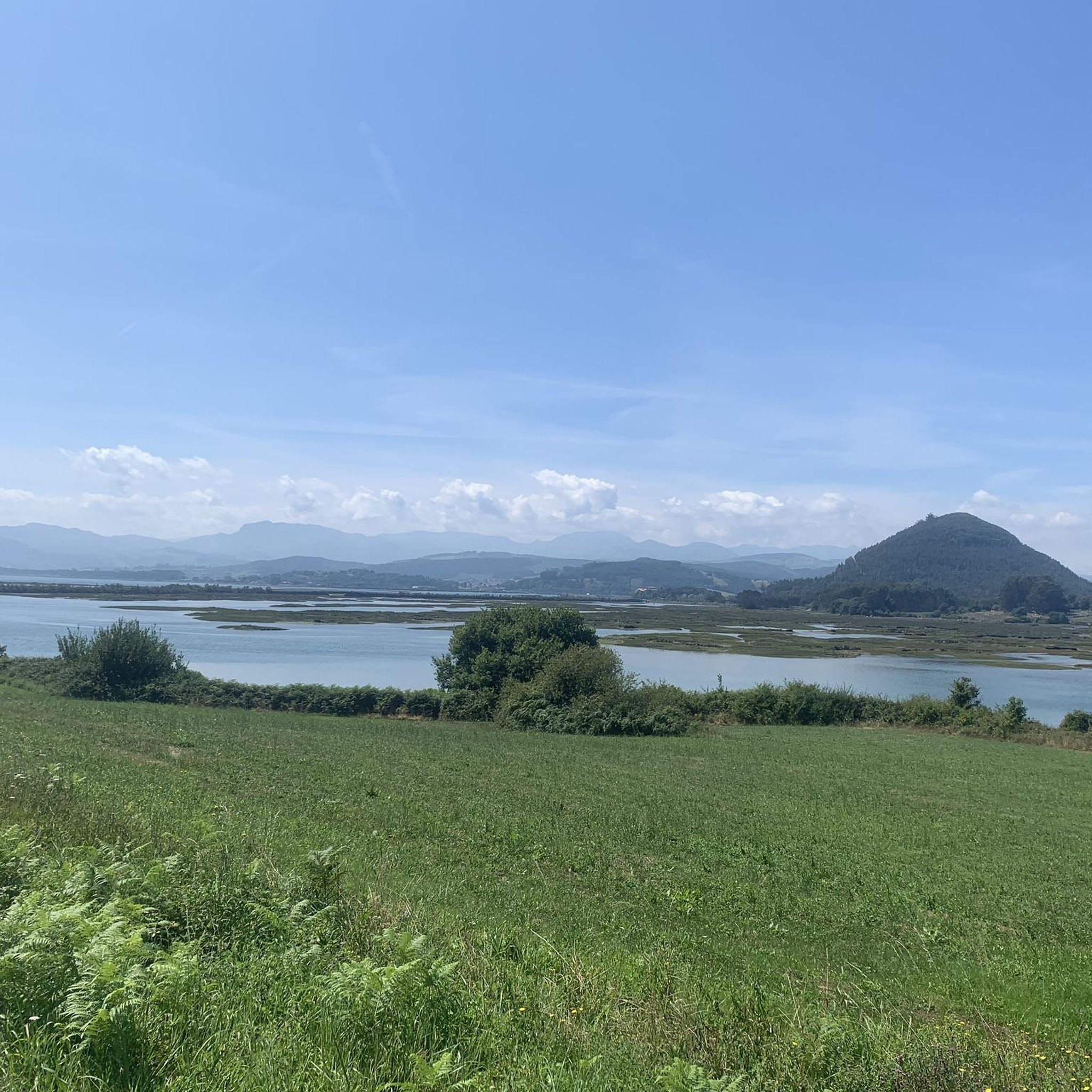
- Another must-see spot is Santoña, Victoria and Joyel Marshes Natural Park, an other natural area and the largest wetland in Cantabria. It is an ideal place for bird watching, hosting more than 120 species of waterfowl.
- Visitors also love El Regatón Stream, a river integrated into the Natural Park of the Santoña, Victoria and Joyel Marshes. The dune system here is one of the most important on the Atlantic coast.
- Argoños is known for its caves, extensive marshes, and coastal features. The area offers a variety of natural monuments to see and explore, from wetlands to unique geological formations.
- The natural monuments around Argoños are appreciated by the komoot community, with over 40 upvotes and more than 40 photos shared.
Last updated: October 4, 2026
La Ojerada Caves
Highlight • Cave
Translated by Google •
Tip by

Santoña Marshes
Highlight • Natural
Translated by Google •
Tip by

Sign up now to discover places like this
Get recommendations on the best single tracks, peaks, & plenty of other exciting outdoor places.
El Regatón Stream
Highlight • River
Translated by Google •
Tip by

Piedra Pombera Beach
Highlight • Beach
Translated by Google •
Tip by

Santoña, Victoria and Joyel Marshes Natural Park
Highlight • Natural
Translated by Google •
Tip by
Sign up for free to discover even more natural monuments around Argoños.
Already have an account?
Start today with a free account
Your next adventure awaits.
Tips from the Community

These caves always impress me.
0
0

The largest beach in the Entreplayas area.
1
0


Very good views. When there are strong waves, there is a small blowhole inside the Ojerada.
2
0

Place to visit without fail. Awesome
3
0

The dune system here is one of the most important on the Atlantic coast. It is integrated into the Natural Park of the Santoña, Victoria and Joyel Marshes, an important wetland. Migratory birds visit the area during the fall and winter months and if you go with binoculars, you can see mallards, herons and egrets in their natural environment. There are two campsites in the area.
1
0
The Natural Park of the Marismas de Santoña, Victoria and Joyel is the largest wetland in Cantabria with an area that covers 6679 hectares. It is the ideal place for bird watching - more than 121 species of waterfowl live here.
1
0
Frequently Asked Questions
What are the primary natural features to explore around Argoños?
The main natural features around Argoños are centered within the Natural Park of the Marshes of Santoña, Victoria, and Joyel. This extensive protected area is characterized by its estuaries, marshes, dunes, cliffs, and diverse biotopes, including coastal holm-oak woods. It's a crucial habitat for numerous bird species and offers a rich ecosystem to discover.
Are there good opportunities for birdwatching near Argoños?
Yes, Argoños is an excellent destination for birdwatching, primarily due to its location within the Natural Park of the Marshes of Santoña, Victoria, and Joyel. The park is a vital winter refuge and migratory passage for over 130 species of birds. A dedicated spot for observation is the Marshes Viewpoint, and the El Ribero Bird Observatory in Ancillo, Argoños, is specifically designed for observing aquatic birds, especially between September and April.
What unique geological formations can be found in the area?
Argoños is known for its caves and significant dune systems. A notable geological formation is La Ojerada Caves, which are considered an awesome place to visit and are conveniently located near a parking lot. Additionally, the dune system along El Regatón Stream is one of the most important on the Atlantic coast.
Are there any challenging natural attractions for hikers?
For those seeking a challenge, the descent to Faro del Caballo (Horse Lighthouse) in neighboring Santoña is a popular and demanding natural attraction. It involves navigating over 700 steps along Monte Buciero, offering spectacular coastal views and a unique blend of adventure and serenity. The path features wild landscapes, steep cliffs, and clear turquoise waters.
What is the best time of year to visit the natural monuments around Argoños?
The best time to visit, especially for birdwatching, is between September and April when migratory birds are abundant in the Natural Park of the Marshes of Santoña, Victoria, and Joyel. However, the diverse landscapes offer beauty and opportunities for exploration year-round, with warmer months being ideal for coastal activities.
Are there family-friendly natural monuments or activities in Argoños?
Yes, several natural monuments are suitable for families. The Santoña, Victoria and Joyel Marshes Natural Park is ideal for birdwatching and gentle exploration. The La Ojerada Caves are also considered family-friendly and easily accessible. The Marshes Viewpoint provides a relaxed spot to observe wildlife.
Where can I find impressive trees or unique flora?
Argoños is home to a notable natural landmark, the Centenary Eucalyptus in El Gromo. This tree is recognized for its impressive size and striking appearance, offering a glimpse of a mature and magnificent specimen within the local flora.
What kind of outdoor activities can I do near these natural monuments?
The area around Argoños offers a variety of outdoor activities. You can enjoy hiking on routes like the 'View of Playa de Berria – Faro del Pescador loop from Argoños' or the 'Marshes Viewpoint loop from Argoños'. For running, options include the 'Santoña – View of the Santoña waterfront loop from Argoños'. Road cycling is also popular, with routes such as the 'Santoña Marshes and Collado de Asón Loop'. You can find more details on these activities in the hiking guide, running guide, and road cycling guide for Argoños.
Are there any beaches considered natural monuments in the vicinity?
Yes, Piedra Pombera Beach, located in Noja, is a small but beautiful beach recognized as a natural monument. It is presided over by a large stone from which it receives its name, offering a picturesque coastal experience.
What do visitors particularly enjoy about the natural monuments around Argoños?
Visitors frequently highlight the beauty and accessibility of the natural monuments. For instance, La Ojerada Caves are praised as an 'awesome place to visit' and are noted for being 'very close to a parking lot'. The Marshes Viewpoint is appreciated for its quiet benches, allowing visitors to 'enjoy more quietly' the marsh and its birds.
Is there an interpretation center for the Natural Park of the Marshes of Santoña, Victoria, and Joyel?
Yes, an Interpretation Centre is located within the Natural Park of the Marshes of Santoña, Victoria, and Joyel. It organizes activities, workshops, and guided tours, providing valuable insights to help visitors understand and appreciate the natural significance of this important wetland.
Are there any natural monuments with historical significance?
While not a natural monument itself, the Faro del Caballo (Horse Lighthouse) near Santoña, accessible via a challenging descent, dates back to 1863. Although no longer operational, its historical presence combined with the rugged natural landscape of Monte Buciero offers a blend of natural beauty and historical context.
Most popular attractions around Argoños

Get inspired with the komoot mobile app


Explore more
Extend your search for the best caves by checking out these guides of the top ones around Argoños:
