Top 9 Natural Monuments around Burgos
Best natural monuments around Burgos province in Spain feature diverse landscapes, from deep river canyons to extensive underground cave systems. The region is characterized by its limestone geology, which has shaped dramatic natural formations and supported unique ecosystems. This area offers a blend of geological heritage, rich biodiversity, and significant archaeological sites.
Best natural monuments around Burgos
- The most popular natural monuments is Atapuerca Archaeological Site, a historical_site known for its prehistoric excavations. This UNESCO World Heritage site contains…
Last updated: July 1, 2026
Atapuerca Archaeological Site
Highlight • Historical Site
Translated by Google •
Tip by

Rosette Monument, Paseo de la Isla
Highlight • Monument
Translated by Google •
Tip by

Sign up now to discover places like this
Get recommendations on the best single tracks, peaks, & plenty of other exciting outdoor places.
Sign up for free
Beginning of human being in Europe
Highlight • Historical Site
Translated by Google •
Tip by

Lone Tree on the Horizon
Highlight • Natural Monument
Translated by Google •
Tip by
Carcedo Lagoons
Highlight • Lake
Translated by Google •
Tip by

Sign up for free to discover even more natural monuments around Burgos.
Sign up for free
Already have an account?
Start today with a free account
Your next adventure awaits.
Login or Signup
Popular around Burgos
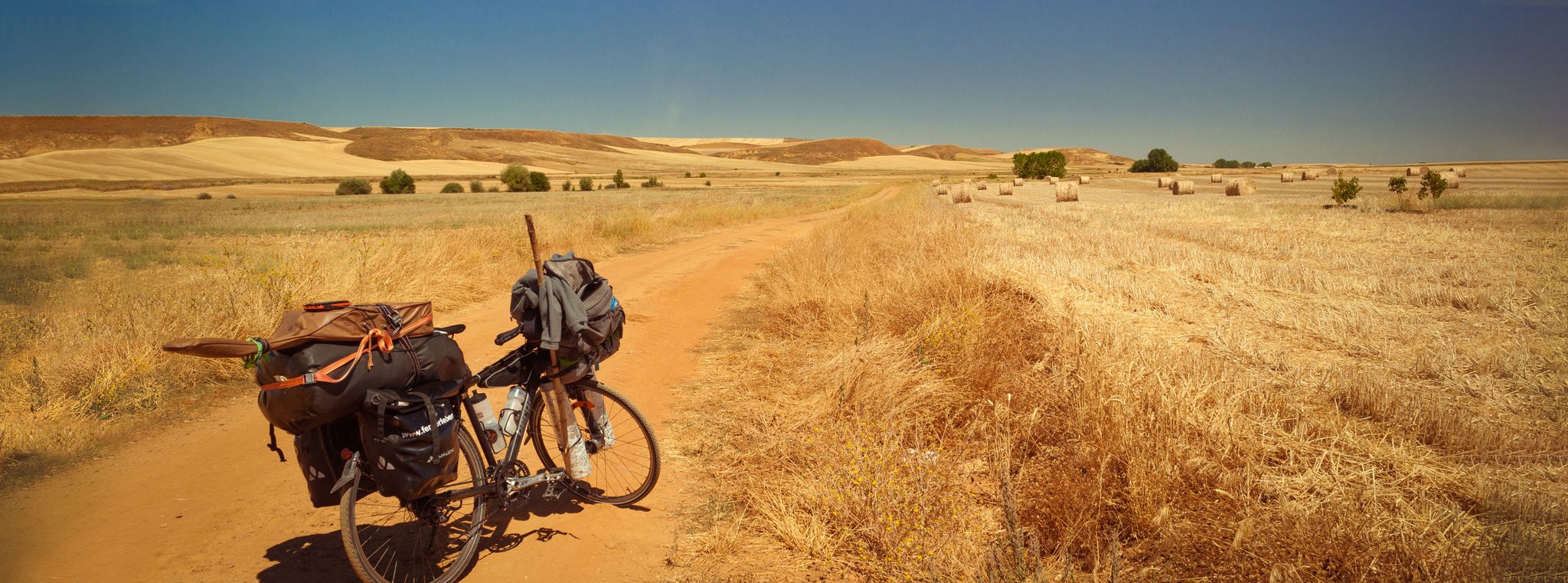
Camino Francés and Camino Finisterre – Cycling pilgrimages in Spain
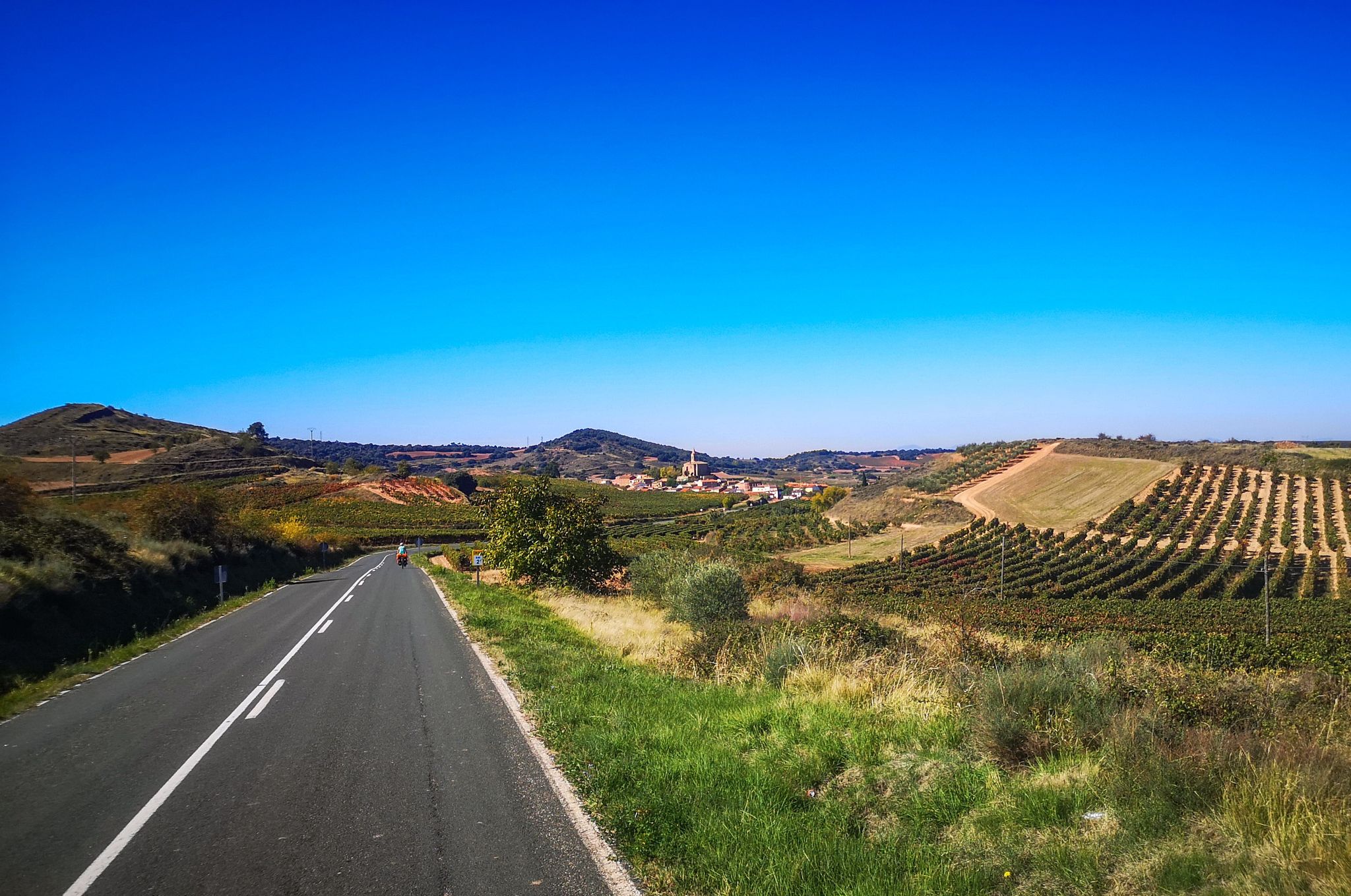
Santiago de Compostela – A journey through northern Spain (10 days)
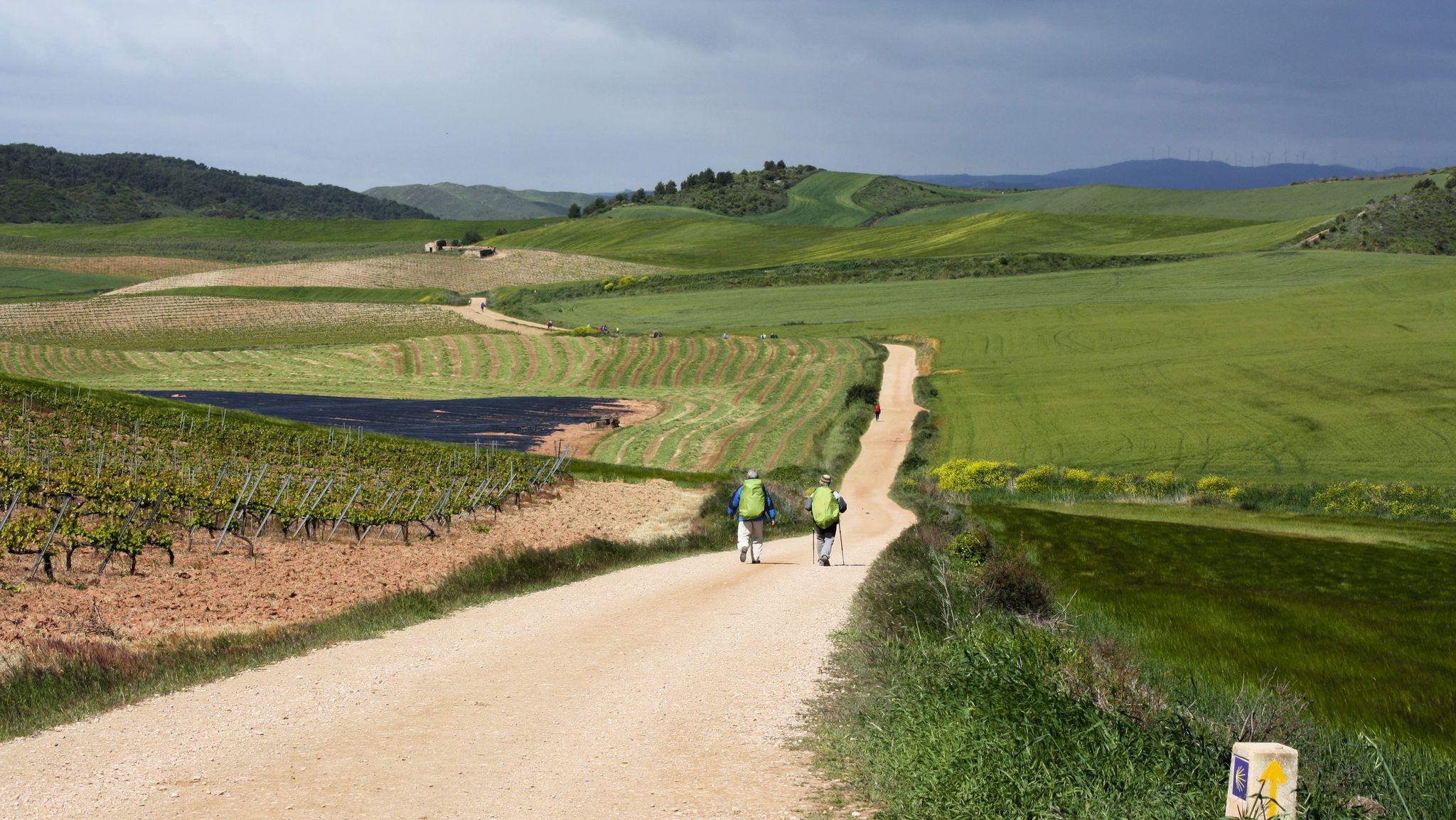
An Iberian pilgrimage – French Way of Saint James
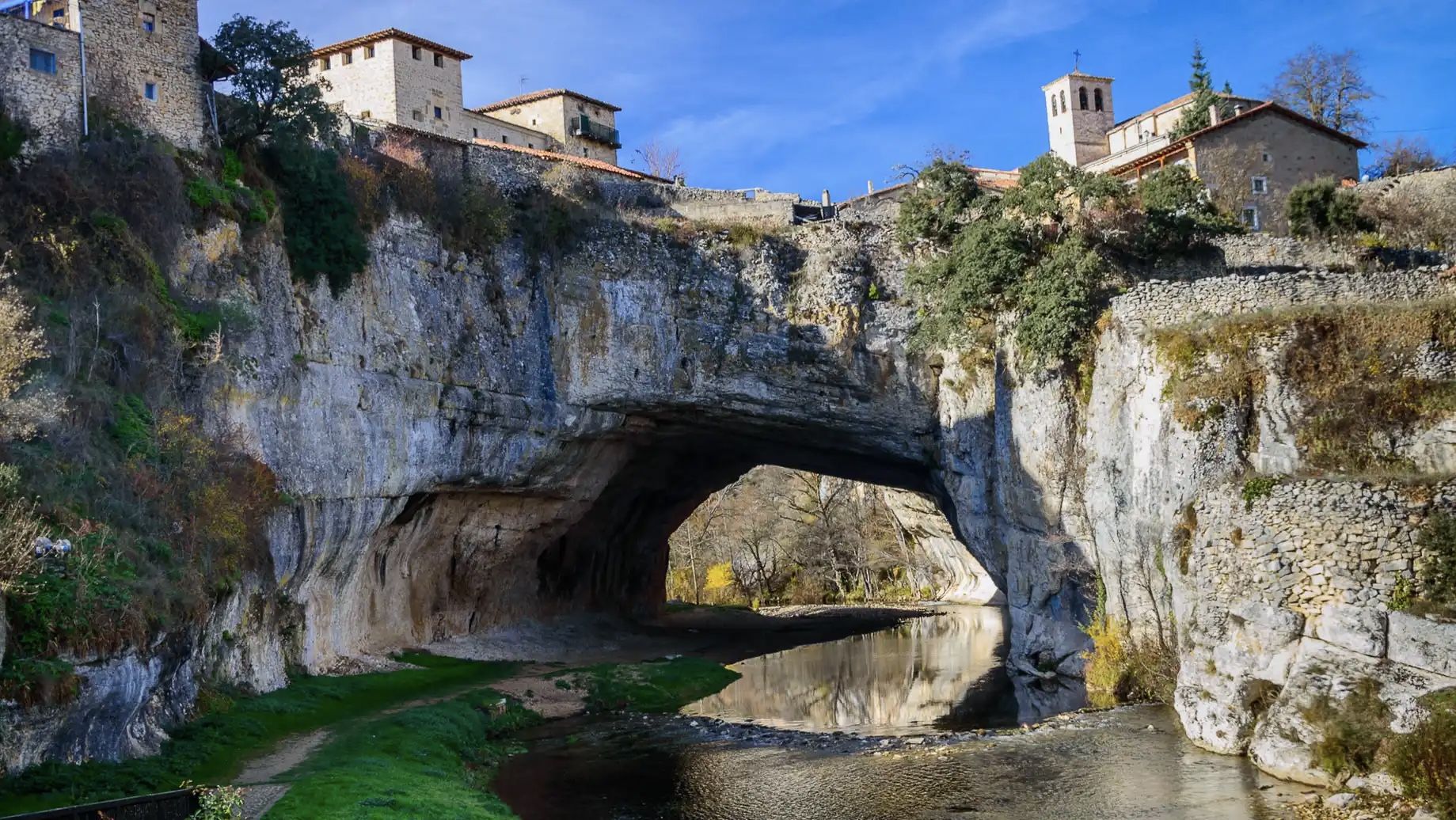
An epic getaway – Santander-Mediterráneo Nature Trail
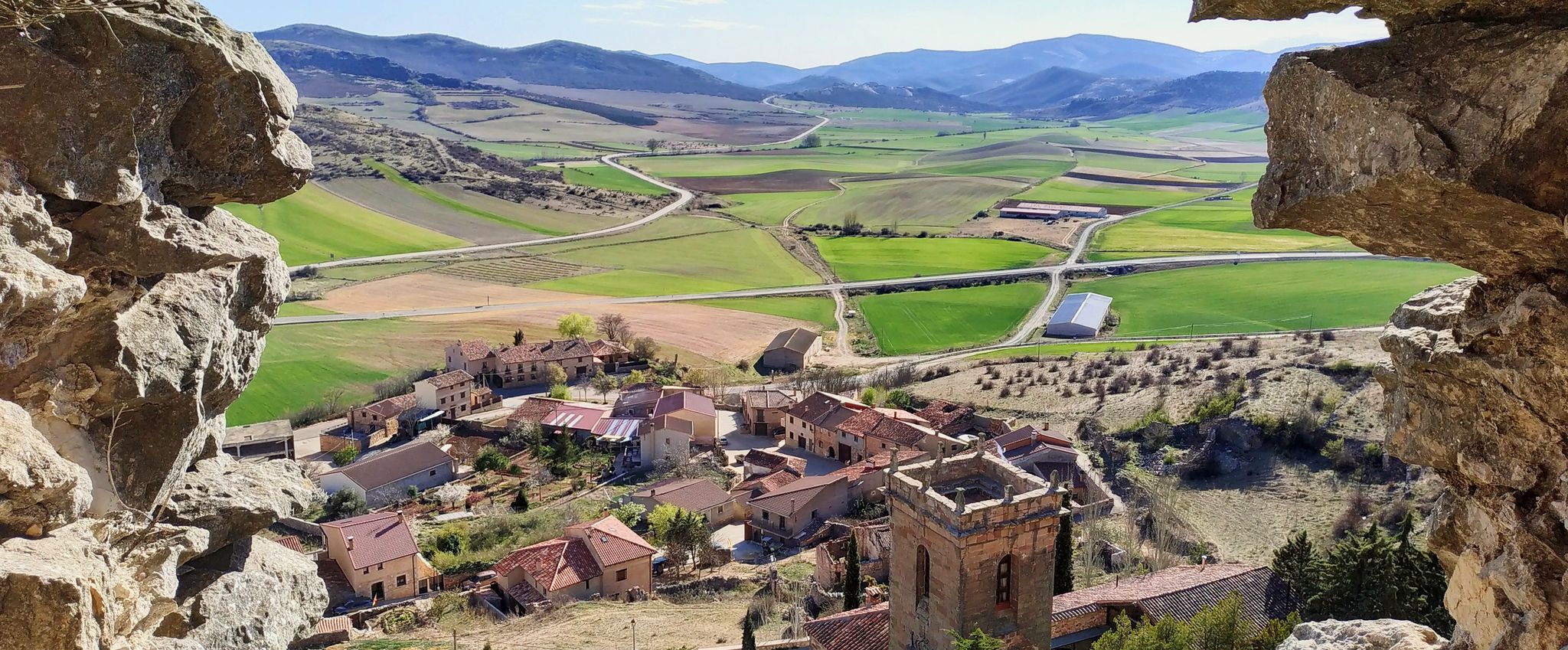
Spain’s Camino del Cid by bicycle — El Destierro
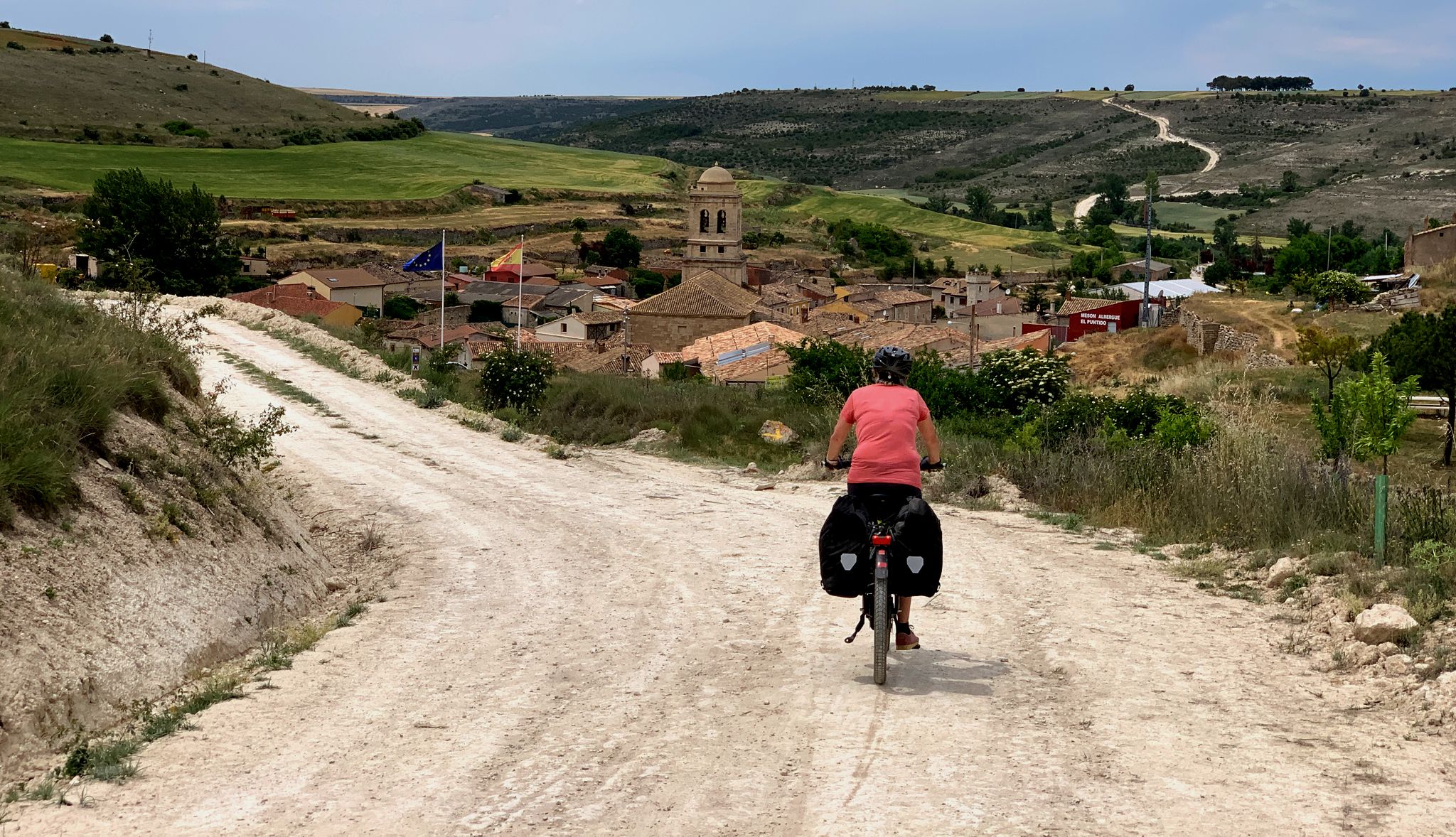
The Pilgrim Route — EuroVelo 3 through Spain
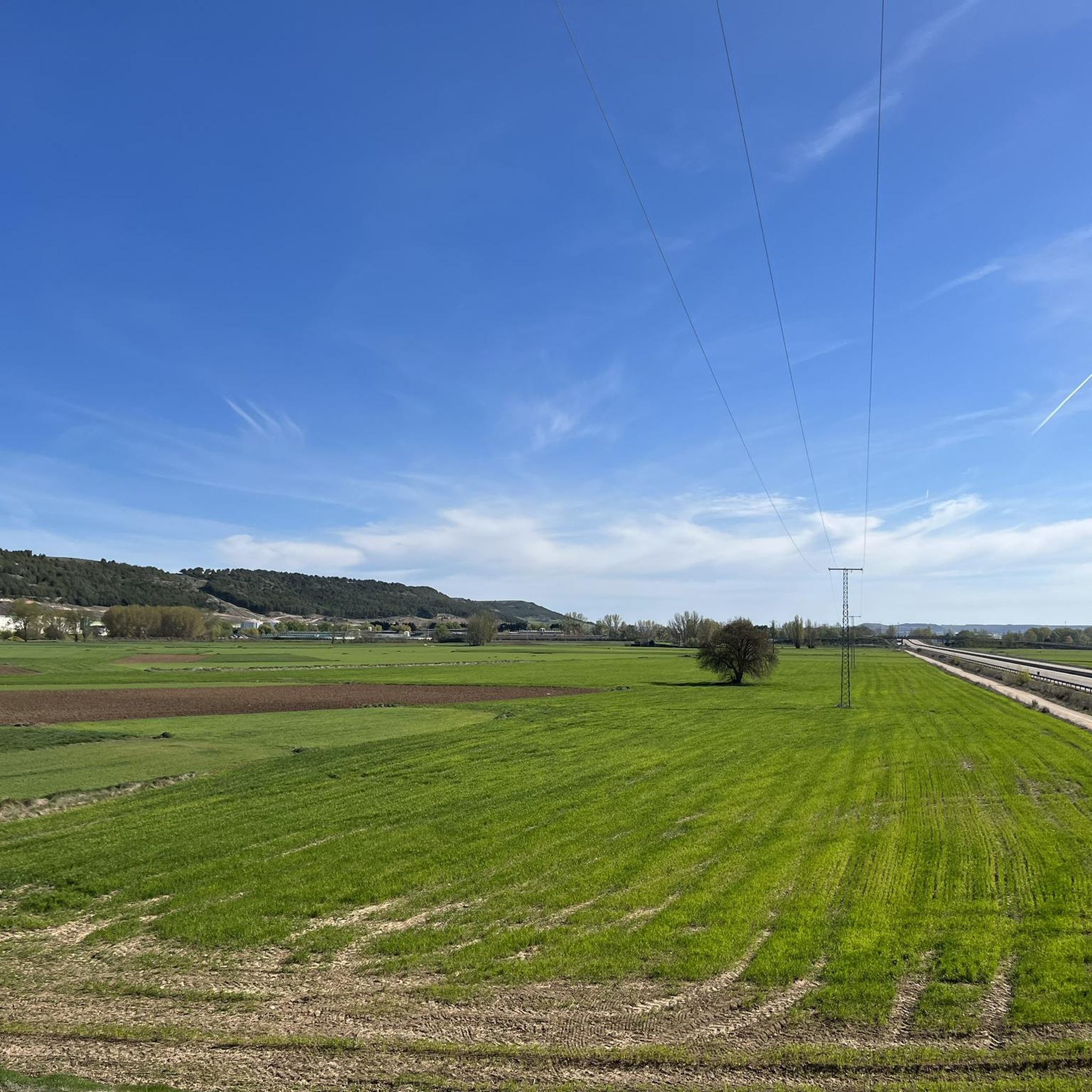
MTB Trails around Burgos
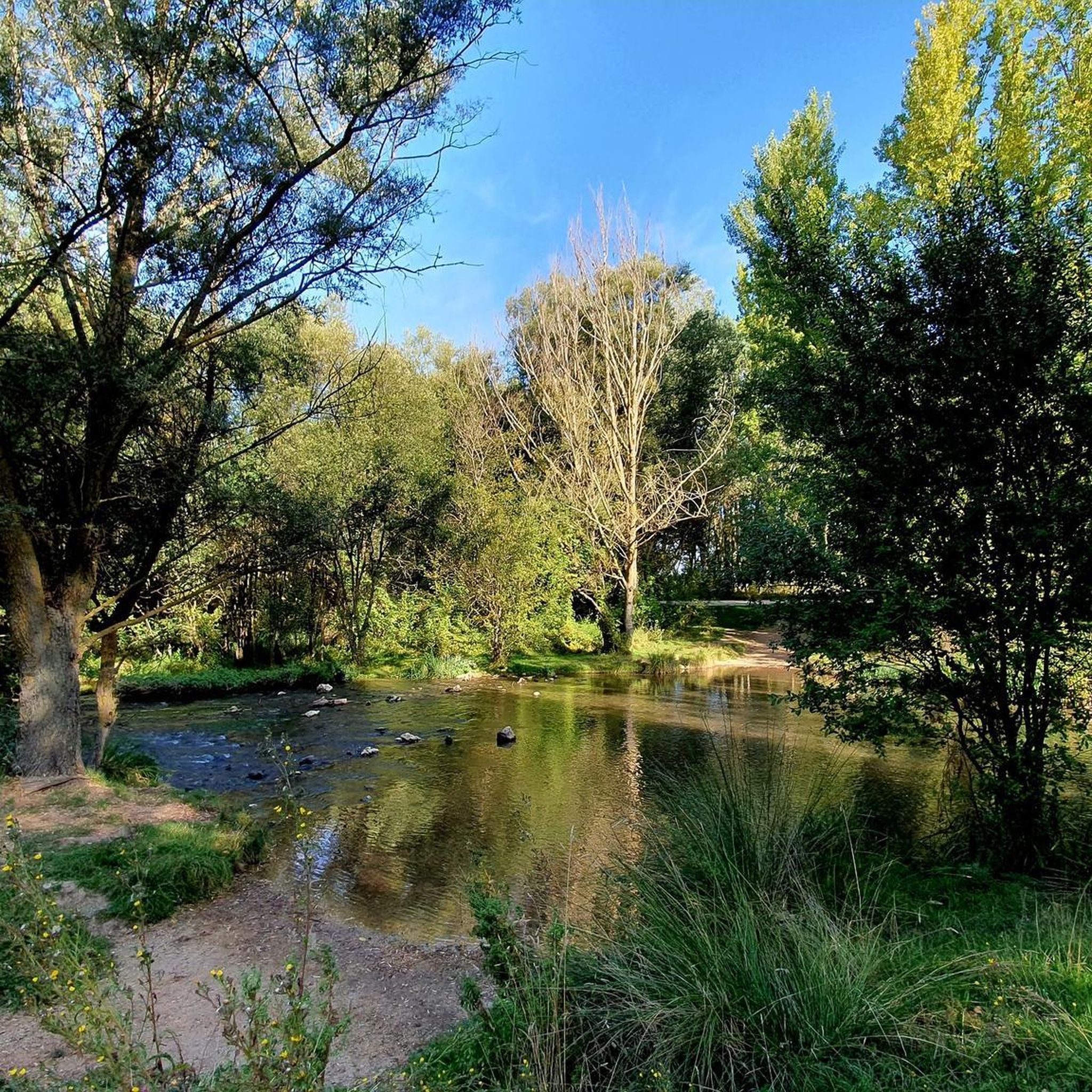
Hiking around Burgos
Gravel biking around Burgos
Other adventures around Burgos


Tips from the Community

A small wetland near Carcedo, ideal for a quick stop, enjoying the scenery, and birdwatching.
0
0


If you have the opportunity to explore this trail, you will enjoy the natural beauty and ecological richness of the area. Good hike! 🌿🚶♀️
3
0
Burgos has the privilege of being one of the greenest cities in Spain. According to a municipal study from 2018, we have 37 square meters of green areas per inhabitant, with the national average being 11 square meters per inhabitant. The creation of what would later be called Paseo de la Isla was born during the Napoleonic occupation of the city. Today it is an authentic botanical garden in which we find various species of trees and bushes perfectly identified with cartouches. We find chestnut trees, maples, firs, firs, plane trees, beeches, poplars, redwoods, cedars, cypresses, hollies, alders, strawberry trees, birches, catalpas, hawthorns, ashes, acacias... In 2012 the rehabilitation carried out in the Parque de la Isla received the Alhambra award for the best public gardening project. This award is granted by the Spanish Society of Parks and Gardens.
24
0

The rosette, one of the most famous decorative elements on the promenade. The roundabout is the start of a romantic promenade about 800m long and is known as an island walk. I look forward to photos from your journey of discovery…
4
0

One of the best-known names in Spain because this town is known for the set of prehistoric excavations that are unique in southern Europe.
0
0

Atapuerca is a World Heritage site with its famous Paleolithic excavations, which can also be visited by prior arrangement. The Gran Dolina is famous, place where the Homo antecessor (probably H.erectus - experts are not yet sure whether it is a human species of its own) dates to > 850,000 a. A UK remnant was found in the Sima del Elefante that was even older and is estimated at > 1 million a. In the Sima de los Huessos (Bone Cave) 29 complete H.Heidelbergensis skeletons (>400000 a old) were found. (i.e. 80% of all fossil human finds) They are the ancestors of the Neanderthals (200000-40000 a), who in turn lived approx. 40000 a , replaced by H.sapiens (d.s. we), became extinct. To emphasize the importance of this site, it is the cradle of the European natives, here are the testimonies of the first people who immigrated from Africa and therefore they have also been rightly named a UNESCO World Heritage Site. The skeleton finds can be seen in the Museo de la Evolución Humana in Burgos (located in the middle of the old town of Burgos and is a hot tip)
0
0

honestly? Here the Way of St. James runs on asphalt and that day I just thought ... do a museum tour? Neanderthals look - so through and away - that day I met 2 Italians - one of them I later gave my straw hat, which I bought in Sicily because he got away - so a piece of home against the heat.
3
0
Frequently Asked Questions
What unique geological features can I explore in the natural monuments around Burgos?
Burgos province offers a diverse range of geological wonders. You can explore the impressive limestone canyons, some over 200 meters deep, carved by the Ebro and Rudrón rivers in the Hoces del Alto Ebro y Rudrón Natural Park. The Atapuerca Archaeological Site and the Beginning of human being in Europe are part of a karstic system with significant geological and paleontological findings. Additionally, the Las Loras UNESCO Global Geopark showcases a unique topography of high moorlands and river canyons, providing a record of Mesozoic deposits.
Are there any significant cave systems to visit in Burgos?
Yes, the Ojo Guareña Natural Monument is one of Spain's largest karstic complexes, featuring over 110 kilometers of interconnected underground galleries. It's a vast underground world carved by rivers, with about 400 cavities, including the famous Cueva Ermita de San Bernabé and Cueva Palomera. This site is also a biodiversity hotspot with significant archaeological and paleontological importance. For more information, you can visit the Wikipedia page for Ojo Guareña.
Where can I experience dramatic waterfalls in the Burgos province?
For breathtaking waterfalls, visit the Monte Santiago Natural Monument, home to the Salto del Nervión, the highest waterfall on the Iberian Peninsula with a drop of over 220 meters. It's most spectacular during snowmelt or heavy rains. Another impressive site is the Desfiladero de La Yecla, a narrow gorge with waterfalls, particularly striking after rainfall. The picturesque village of Orbaneja del Castillo, within the Hoces del Alto Ebro y Rudrón Natural Park, is also famous for its urban waterfall cascading over limestone houses.
What kind of wildlife can I expect to see in Burgos's natural monuments?
The natural monuments in Burgos are rich in biodiversity. In the Hoces del Alto Ebro y Rudrón Natural Park, you can observe a large colony of griffon vultures, along with Egyptian vultures, peregrine falcons, eagle owls, otters, and brown trout. The Ojo Guareña cave system harbors unique cave invertebrates. Las Loras UNESCO Global Geopark, due to its transitional location, supports a wide range of Euro-Siberian and Mediterranean species. Many areas, including Desfiladero de La Yecla, are also home to griffon vultures and other birds of prey.
Which natural monuments in Burgos have archaeological or historical significance?
Burgos is exceptionally rich in historical and archaeological sites. The Atapuerca Archaeological Site is a UNESCO World Heritage site known for prehistoric excavations, containing evidence of the first people who immigrated from Africa, dating back over 1 million years. The Beginning of human being in Europe is another significant historical site where human evolution discoveries have been made. The Ojo Guareña Natural Monument is a 'biodiversity hotspot' where remains from various Iberian Peninsula cultures, from the Paleolithic to the Middle Ages, have been found, tracing the evolution of religiosity. Las Loras UNESCO Global Geopark also boasts rich archaeological sites, including Paleolithic findings, Neolithic dolmens, and Iron Age forts.
Are there family-friendly natural monuments or activities suitable for children?
Several natural monuments around Burgos are suitable for families. The Rosette Monument, Paseo de la Isla, is a family-friendly botanical garden perfect for a leisurely stroll. The Lone Tree on the Horizon offers a pleasant natural setting. The Carcedo Lagoons provide a tranquil spot for relaxation and birdwatching. The Desfiladero de La Yecla offers an accessible 2 km walk through a dramatic canyon via walkways and bridges, which can be an exciting experience for children.
What outdoor activities, like hiking or cycling, can I do near the natural monuments?
The region around Burgos offers numerous outdoor activities. You can find extensive hiking trails in the Hoces del Alto Ebro y Rudrón Natural Park, with 120 km of waymarked paths. Monte Santiago Natural Monument also has a network of over 50 km of hiking trails, including circular routes, through its beautiful beech forests. For more options, you can explore various routes for hiking, MTB, and gravel biking around Burgos, including trails near the natural monuments.
What is the best time of year to visit the natural monuments in Burgos, especially for waterfalls?
The best time to visit depends on your interests. For viewing the spectacular Salto del Nervión waterfall at Monte Santiago Natural Monument, the ideal times are during snowmelt or after heavy rains, typically in late winter or spring. Similarly, the waterfalls in Desfiladero de La Yecla are most impressive after rainfall. Generally, spring and autumn offer pleasant temperatures for hiking and exploring the diverse landscapes and wildlife of the region's natural parks.
Are there options for wild swimming in the natural parks around Burgos province?
Yes, within the Hoces del Alto Ebro y Rudrón Natural Park, you can find Pozo Azul (Blue Well) in Covanera. This karstic spring is known for its enigmatic underwater galleries and clear, constant-temperature water, making it a unique spot for those interested in wild swimming or diving.
Where can I find circular walks in the natural monuments of Burgos province?
Many natural areas in Burgos offer circular walking routes. Monte Santiago Natural Monument, for instance, has a network of over 50 km of trails, including circular options that allow you to explore its diverse scenery and viewpoints. The Desfiladero de La Yecla also offers a relatively short, accessible walk through the gorge. For more detailed circular routes, you can check the hiking guide for Burgos, which includes routes like 'Ribera del Rio Arlazon y Playa de Fuente Prior — circular desde Burgos' and 'Burgos Castle Circuit'.
What are some tranquil spots for nature observation or relaxation in Burgos?
For a peaceful experience, the Carcedo Lagoons offer a small, tranquil wetland ideal for a quick stop, enjoying the scenery, and birdwatching. The luxuriant beech forests of Monte Santiago Natural Monument also provide a serene environment for quiet contemplation and nature observation. Additionally, the diverse ecosystems within the Hoces del Alto Ebro y Rudrón Natural Park, from riparian forests to heathlands, offer many secluded spots to connect with nature.

Get inspired with the komoot mobile app


Explore more
Extend your search for the best caves by checking out these guides of the top ones around Burgos:
