Top 20 Natural Monuments around Canovelles
Best natural monuments around Canovelles are found in the Vallès Oriental region, offering a varied landscape for outdoor exploration. The area is characterized by rural spaces, forests, and river routes, providing opportunities for hiking and cycling. These natural areas often integrate historical elements, such as ancient structures and archaeological sites. The region's topography, with its gentle undulations, supports a diverse range of natural attractions.
Best natural monuments around Canovelles
- The most popular natural monuments is Gallecs Rural Area, an…
Last updated: July 1, 2026
Gallecs Rural Area
Highlight (Segment) • Natural
Translated by Google •
Tip by

Lake at Parc del Falgar i la Verneda
Highlight • Lake
Translated by Google •
Tip by
Sign up now to discover places like this
Get recommendations on the best single tracks, peaks, & plenty of other exciting outdoor places.
Sign up for free
Caldes de Montbui
Highlight • Natural Monument
Translated by Google •
Tip by

Dolmen de Céllecs
Highlight • Historical Site
Translated by Google •
Tip by
Puiggraciós Spring
Highlight • Natural Monument
Translated by Google •
Tip by

Sign up for free to discover even more natural monuments around Canovelles.
Sign up for free
Already have an account?
Start today with a free account
Your next adventure awaits.
Login or Signup

Tips from the Community

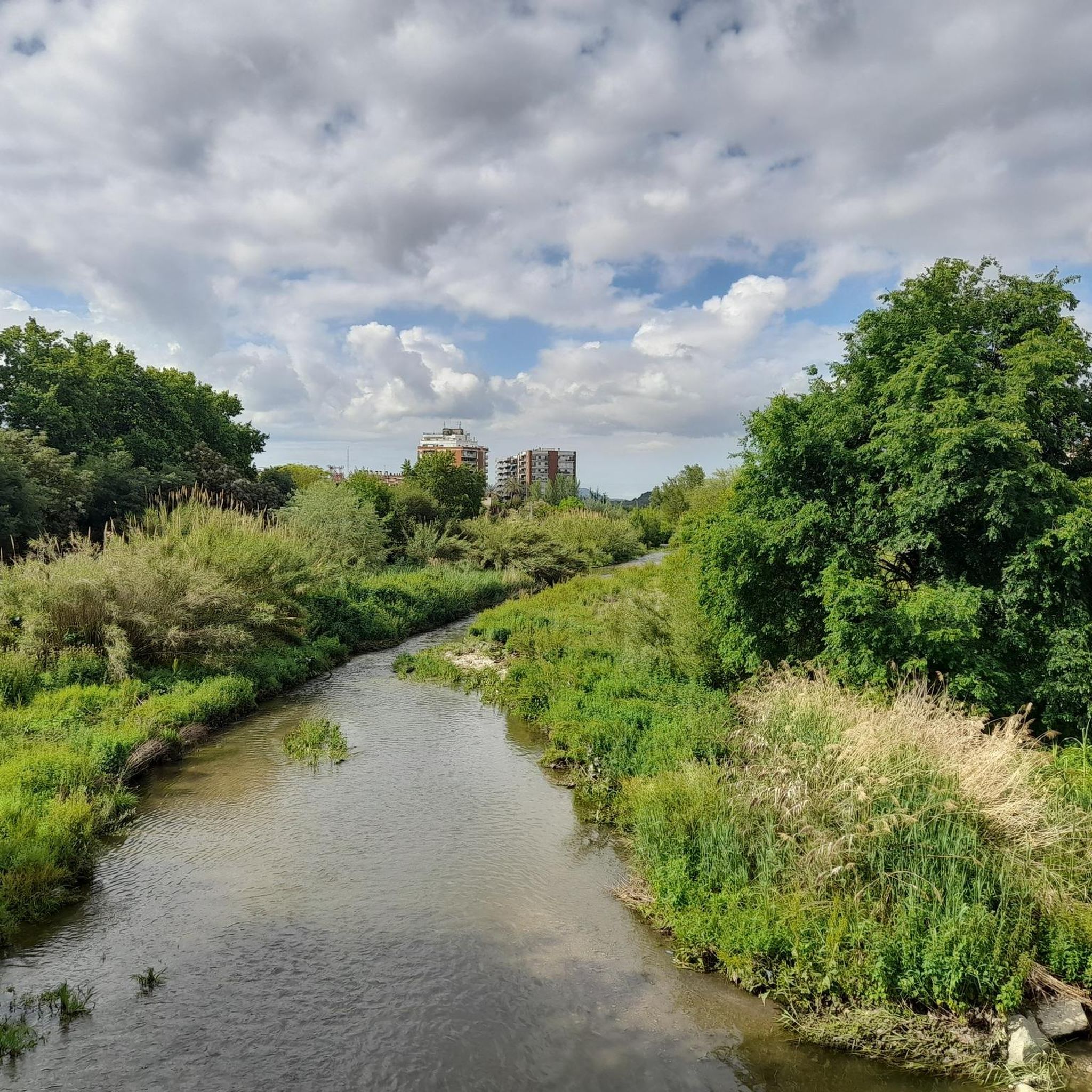
Real nice, shame it's only about 2 km but also a shame there aren't more such roads in the area. Go when there's no racing or practice sessions at the nearby Montmeló circuit!
0
0

Good park, both in summer and winter
0
0

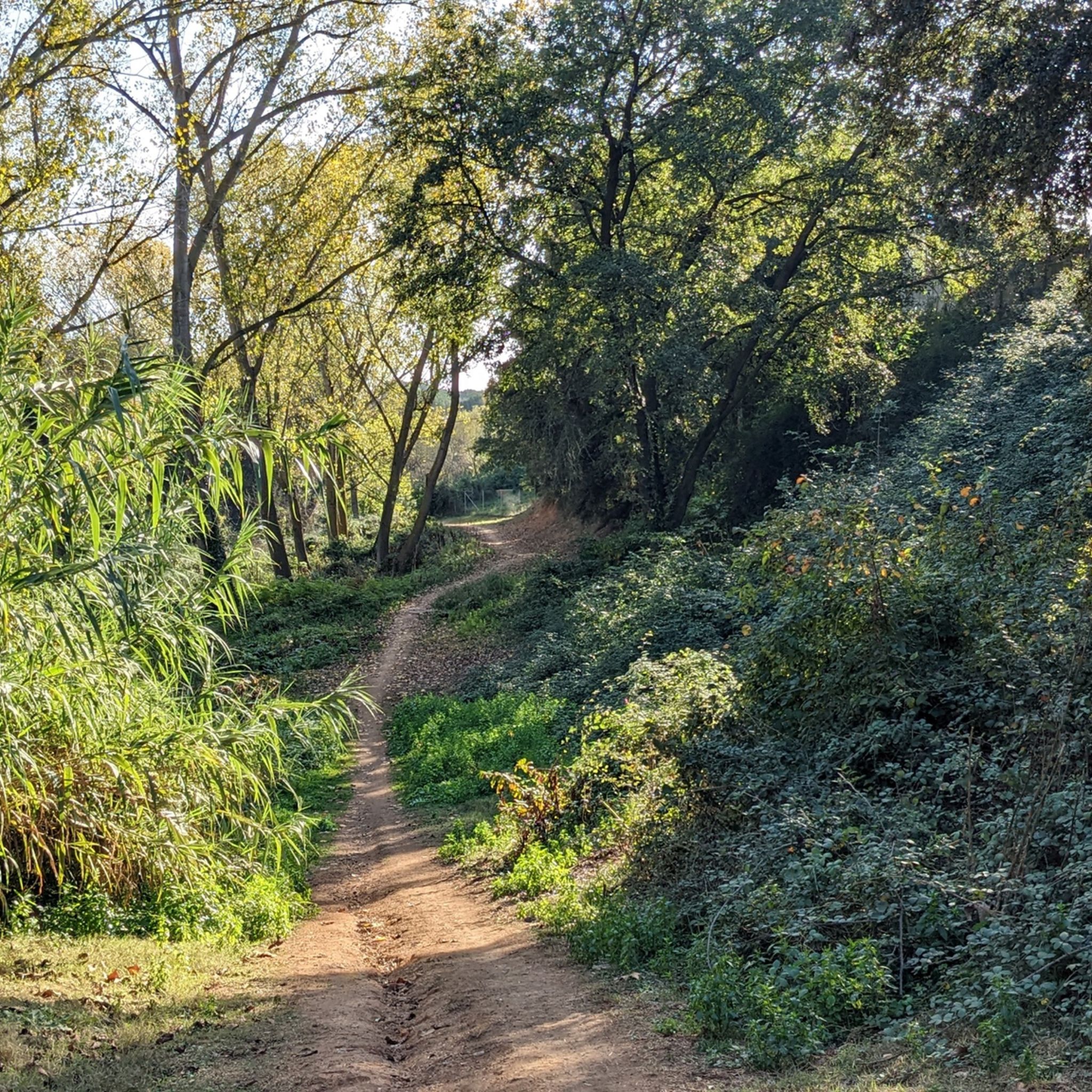
GOOD track, recommended for outdoor sports, and for all audiences 👍
0
0

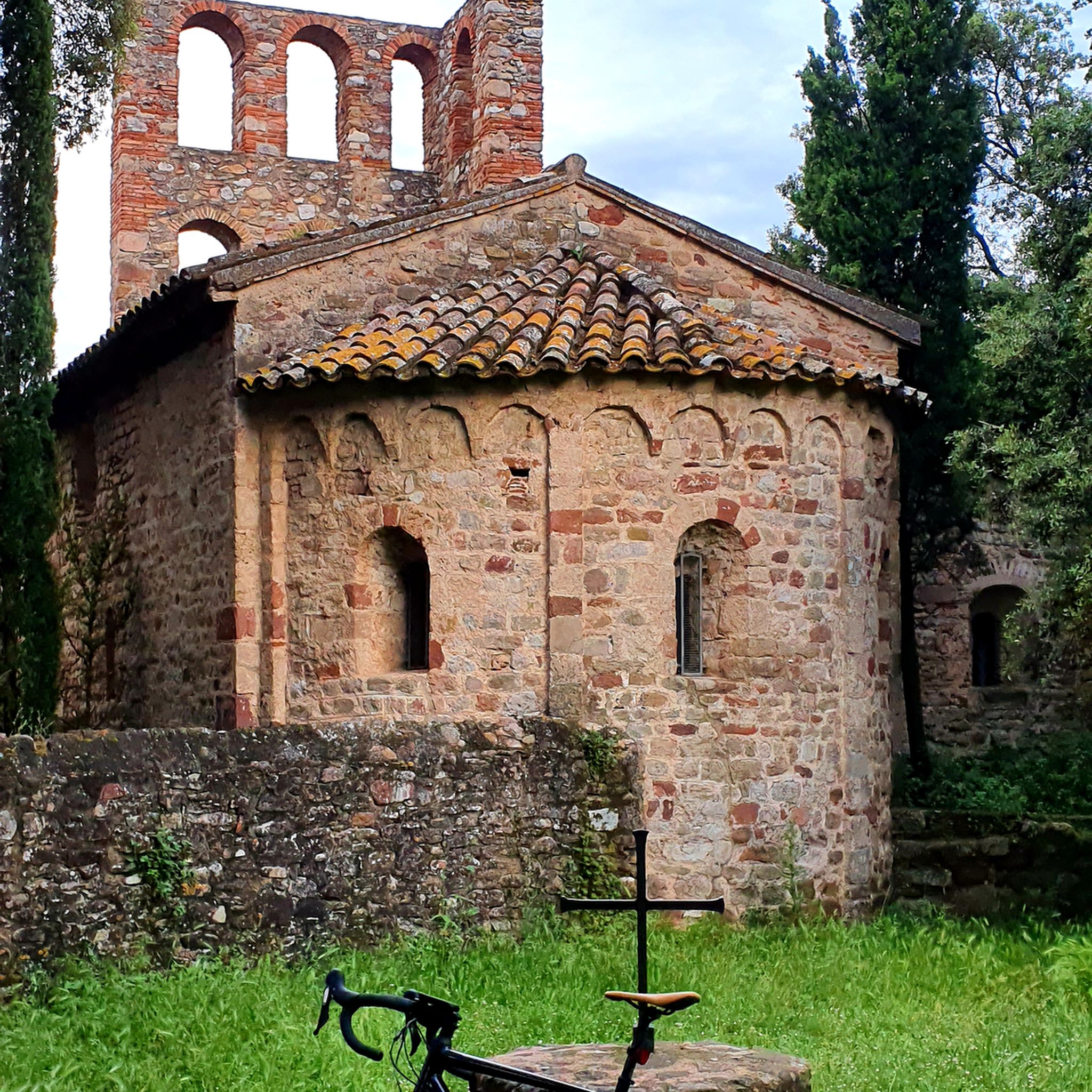
A very interesting megalithic area, both for its history and for the countless tracks, trails, and trials, each more fun than the last.
2
0

It is a megalithic monument that has been classified as a cist and, at other times, as a corridor dolmen. It is at an elevation of 370 meters and the construction measures about 2.25 meters in length and 1.55 meters in width, and occupies an area of 3 square meters. The chamber is polygonal and the entrance faces southwest. The dolmen was discovered in 1929 and excavated for the first time by Josep Colominas the following year. Later, in the 1950s, Josep Estrada carried out new archaeological excavations there, in which he found some ceramic fragments. This same researcher chiseled and straightened some of the slabs of the monument, and moved them from their original place.
1
0

This interesting archaeological site is located in the forest of the municipality of La Roca del Vallés. It belongs to the Popular Neolithic period. It is moderately preserved because it does not present all its original structure. It is a small gallery. It preserves a rectangular chamber with a cover and a slab on the left side of its access corridor. The chamber is oriented to the southwest and it is believed that the original corridor must have been about 2 m long and the mound could reach 8 m in diameter. Two aspects of this construction could be highlighted, one is its location, fully dominating the Pre-coastal Depression, which indicates that it could be seen from many places, and the other is the orientation axis of the chamber, with the entrance to the southwest, made little usual.
20
0

[ENG] The dolmen of Céllecs, dolmen of Séllecs, dolmen of the Cabana del Moro de Céllecs, dolmen of the Cabana del Moro, Cava del Moro or Cabana del Moro[1] is located in the Parc de la Serralada Litoral, specifically at Roca del Vallès . Description Some sources consider it of the small low Catalan gallery type and others a rectangular cist. The head slab, two side slabs, two smaller ones that must have belonged to the gallery, and the very large roof slab are preserved. The rest of the gallery has disappeared and little remains of the mound - only a few stones behind the dolmen on the NE side. The room, rectangular, is oriented to the southwest. According to Mr. J. Tarrús, the original corridor must have been about 2 m long and the mound could reach 8 m in diameter. Discovered in 1929 by the Agrupació Excursionista de Granollers, it was excavated by Josep Colomines and he found only a fragment of handmade earthenware. After excavations, it was raised again and given its current layout. It is dated between the late Neolithic and the Chalcolithic (2500-1800 BC). [ESP] The dolmen of Céllecs, dolmen of Séllecs, dolmen of the Cabaña del Moro de Céllecs, dolmen of the Cabaña del Moro, Cava del Moro or Cabaña del Moro[1] is located in the Parque de la Cordillera Litoral, specifically in the Roca del Valley Description Some sources consider it to be of the small Catalan low gallery type and others a rectangular cist. The head slab, two lateral ones, two smaller ones that should have belonged to the gallery, and the very large cover slab are preserved. The rest of the gallery has disappeared and few vestiges of the tumulus remain: only a few stones behind the dolmen, on the NE side. The rectangular room faces southwest. According to Mr. J. Tarrús, the original passage must have been about 2 m long and the mound could reach 8 m in diameter. Discovered in 1929 by the Excursionist Association of Granollers, Josep Colomines excavated it and found only a handmade clay fragment. After the excavations, it rose again and was given its current layout. It is dated between the final Neolithic and the Chalcolithic (2500-1800 BC). Source: Wikipedia
7
0

An artificially created place, but it is a recommended place to relax, watching the birds in the lake, then there is a part for children and a car park. An artificially created place, but it is a recommended place to relax, watching birds in the lake, then there is a part for children and a car park.
4
0
Frequently Asked Questions
What are some of the most notable natural monuments to visit around Canovelles?
The region around Canovelles offers a variety of natural and historical sites. The Gallecs Rural Area is a significant natural space preserving agricultural landscapes and biodiversity. For those interested in history, the Dolmen de Céllecs, a Neolithic archaeological site, offers a glimpse into the past. Additionally, the Lion Fountain, Caldes de Montbui is a unique natural monument known for its hot spring water.
Are there any lesser-known natural gems worth exploring near Canovelles?
Beyond the most popular spots, the area boasts several local forests like Bosc de Ca la Tona and Bosc de Can Marquès, which provide tranquil green spaces. The routes along the River Congost, including the Espai Natural de Can Cabanyes near Granollers, are excellent for observing local flora and fauna and offer a peaceful escape.
What hiking opportunities are available near Canovelles' natural monuments?
The region is well-suited for hiking. You can explore routes along the Congost River, which connect to other natural spaces like the Parc de la Mitjana de Granollers. The GR 2: Congost River Trail is a moderate 17 km option, while the El Falgar and La Verneda loop from Granollers offers an easier 7 km walk. Many trails offer circular walks through forests and rural landscapes.
Beyond hiking, what other outdoor activities can I enjoy around Canovelles' natural areas?
The natural areas around Canovelles are perfect for cycling and gravel biking. The Gallecs Rural Area loop is a challenging gravel biking route, and the Vallès Oriental Cycle Network Loop provides a moderate cycling experience. The Parpers Pass, with its pine and holm oak forests, is also popular for cycling with gentle ascents.
Are there family-friendly natural monuments suitable for all ages?
Yes, several spots are great for families. The Lake at Parc del Falgar i la Verneda is a very complete park with wooden games, sand play areas, and a small artificial pond for bird watching. The Gallecs Rural Area also offers leisure space for discovering the environment and biodiversity, suitable for family outings.
Are any natural monuments around Canovelles wheelchair accessible?
The Lion Fountain, Caldes de Montbui, located in a central square, is noted as wheelchair accessible, making it a good option for visitors with mobility needs. For other natural areas, accessibility can vary, so it's advisable to check specific trail conditions.
Can I bring my dog to the natural monuments and trails in the Canovelles area?
Generally, the natural areas and trails around Canovelles, including the rural spaces and forests, are welcoming to dogs, especially on a leash. Places like the Gallecs Rural Area and the River Congost routes are popular for walks with pets. Always ensure to follow local regulations regarding pet waste and control.
Do any natural monuments in the area have historical or archaeological significance?
Absolutely. The Dolmen de Céllecs is a significant archaeological site from the Neolithic period, located in the forest of La Roca del Vallés. The Espai Rural de Gallecs also features a Romanesque hermitage with pre-Romanesque origins, surrounded by historical farmhouses, blending natural beauty with cultural heritage.
When is the best time of year to visit the natural monuments around Canovelles?
The natural monuments around Canovelles can be enjoyed year-round. Spring and autumn offer pleasant temperatures for hiking and cycling, with vibrant flora in spring and beautiful foliage in autumn. Even in winter, the region's forests and rural paths can provide serene hiking experiences, though some higher points might be cooler.
How can I reach these natural monuments, and is parking available?
Many natural monuments and areas around Canovelles are accessible by car, with parking often available near trailheads or points of interest. For example, the Lake at Parc del Falgar i la Verneda has a dedicated car park. Public transport options might be limited for some more remote natural sites, so checking local bus routes to nearby towns is recommended for specific destinations like Granollers or Caldes de Montbui, which can serve as starting points for walks.
What natural features can I expect to see in the Canovelles area?
The region is characterized by a diverse landscape. You'll find extensive rural spaces, particularly the Gallecs Rural Area, with its agricultural fields and natural habitats. The River Congost offers riparian ecosystems, while areas like the Parpers Pass are rich in pine and holm oak forests. You can also encounter unique features like the hot spring at the Lion Fountain and the artificial lake at Parc del Falgar i la Verneda.
Are there any viewpoints offering panoramic views of the region?
While not strictly a natural monument, the Torre de Puiggraciós, located in Figaró-Montmany, is highly recommended for its exquisite panoramic views of the region. The journey to this high point is a rewarding natural experience, often combined with hiking or mountain biking.
What makes the Gallecs Rural Area a significant natural monument?
The Gallecs Rural Area is one of the most important natural spaces in the Vallès Oriental region. It stands out for preserving significant natural and landscape values, offering a stark contrast to the surrounding urban and industrial areas. It's primarily used for sustainable agriculture but also serves as a vital leisure space for the community to discover local environment and biodiversity.
Most popular routes around Canovelles
Most popular attractions around Canovelles

Get inspired with the komoot mobile app


Explore more
Extend your search for the best caves by checking out these guides of the top ones around Canovelles:
