Top 9 Mountain Passes around Maspujols
Best mountain passes around Maspujols offer diverse terrain for exploration in the Baix Camp region of Tarragona, Spain. This area is characterized by varied landscapes, from pine forests to panoramic viewpoints, connecting coastal areas with inland mountain ranges. Maspujols serves as a base for accessing several notable mountain passes in the surrounding Baix Camp and Priorat regions. These passes provide scenic routes and access to outdoor activities.
Best mountain passes around Maspujols
- The most popular mountain passes is Coll d'Alforja…
Last updated: July 1, 2026
Puig d'en Cama (717 m)
Highlight • Summit
Translated by Google •
Tip by

Coll d'Alforja
Highlight (Segment) • Mountain Pass
Translated by Google •
Tip by

Sign up now to discover places like this
Get recommendations on the best single tracks, peaks, & plenty of other exciting outdoor places.
Sign up for free
Coll de Capafonts–Prades
Highlight (Segment) • Mountain Pass
Translated by Google •
Tip by
Horseshoe curves of Coll de La Mussara
Highlight • Mountain Pass
Translated by Google •
Tip by

Coll d'Alforja
Highlight (Segment) • Mountain Pass
Translated by Google •
Tip by
Sign up for free to discover even more mountain passes around Maspujols.
Sign up for free
Already have an account?
Start today with a free account
Your next adventure awaits.
Login or Signup
Tips from the Community


Not very long but still leaves traces!
0
0
I love it! The summit is approaching!
0
0
Fast route especially if the wind is pushing you!
0
0

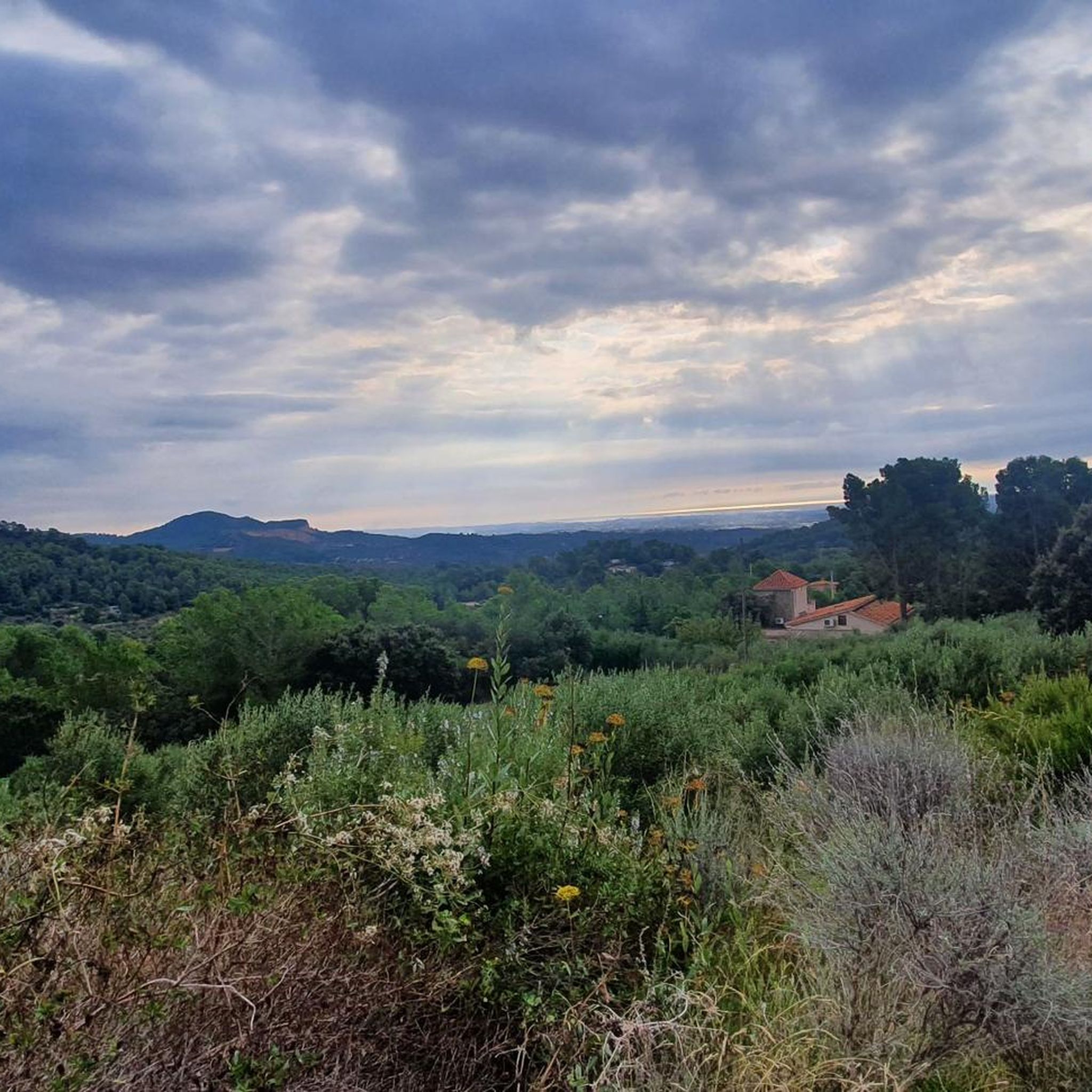
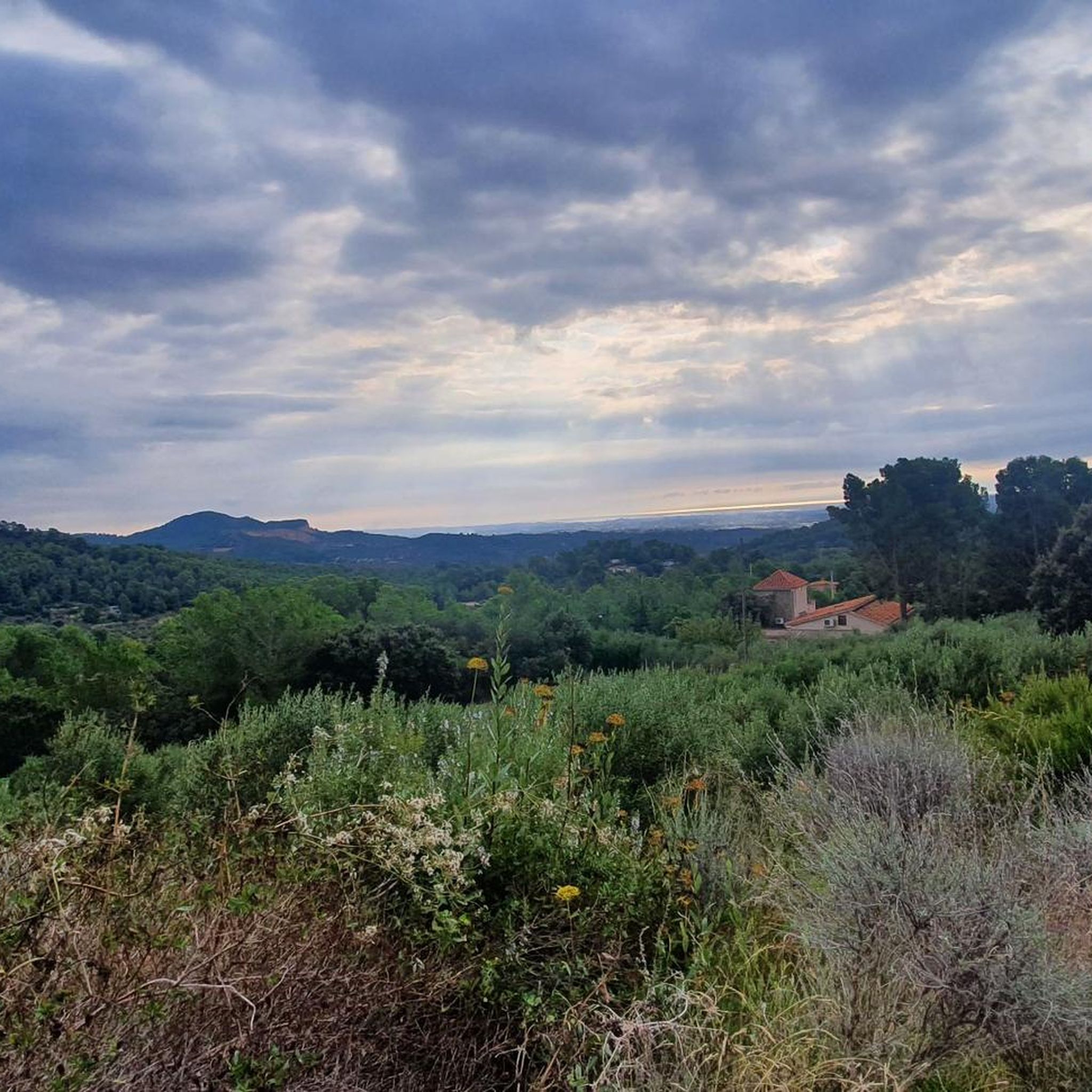
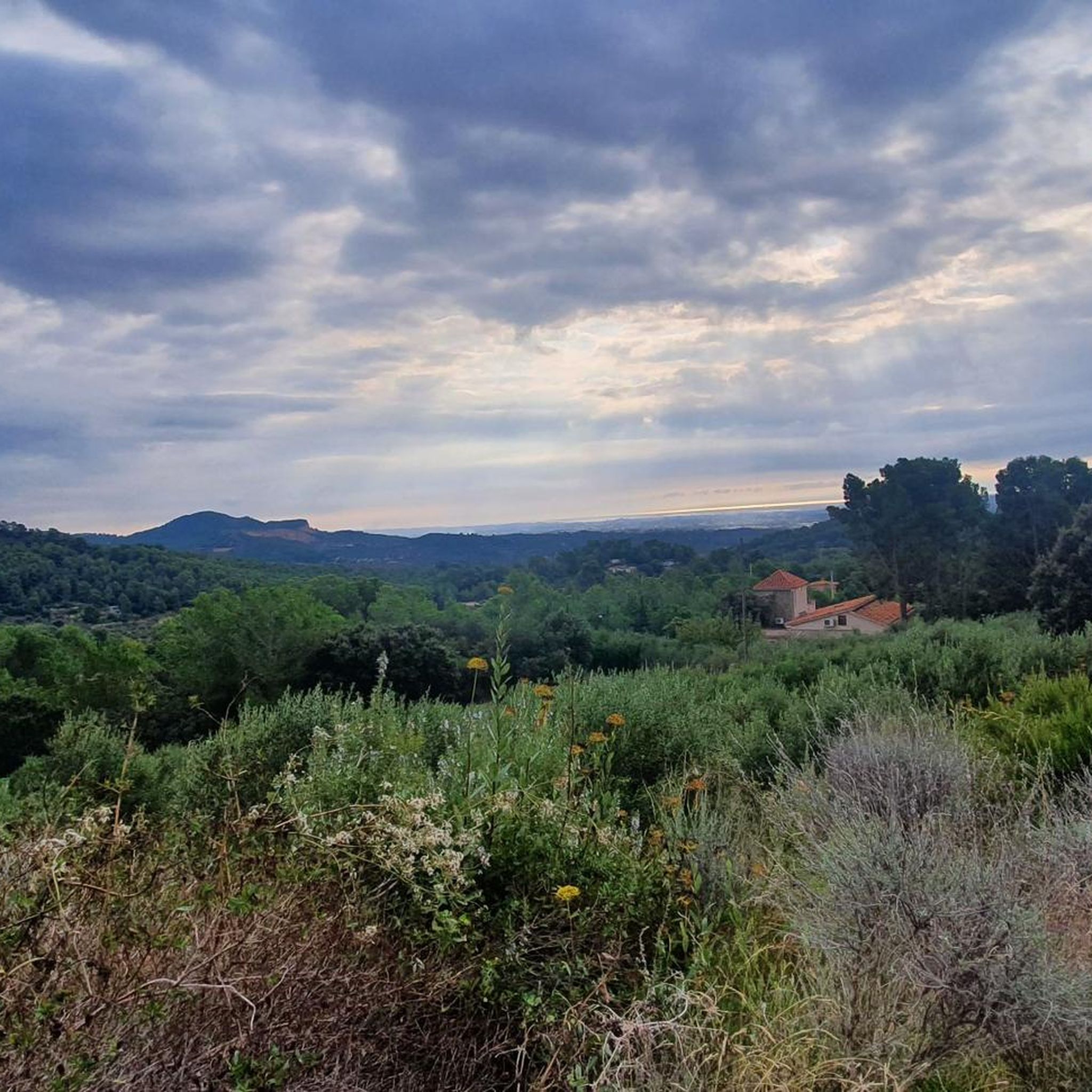
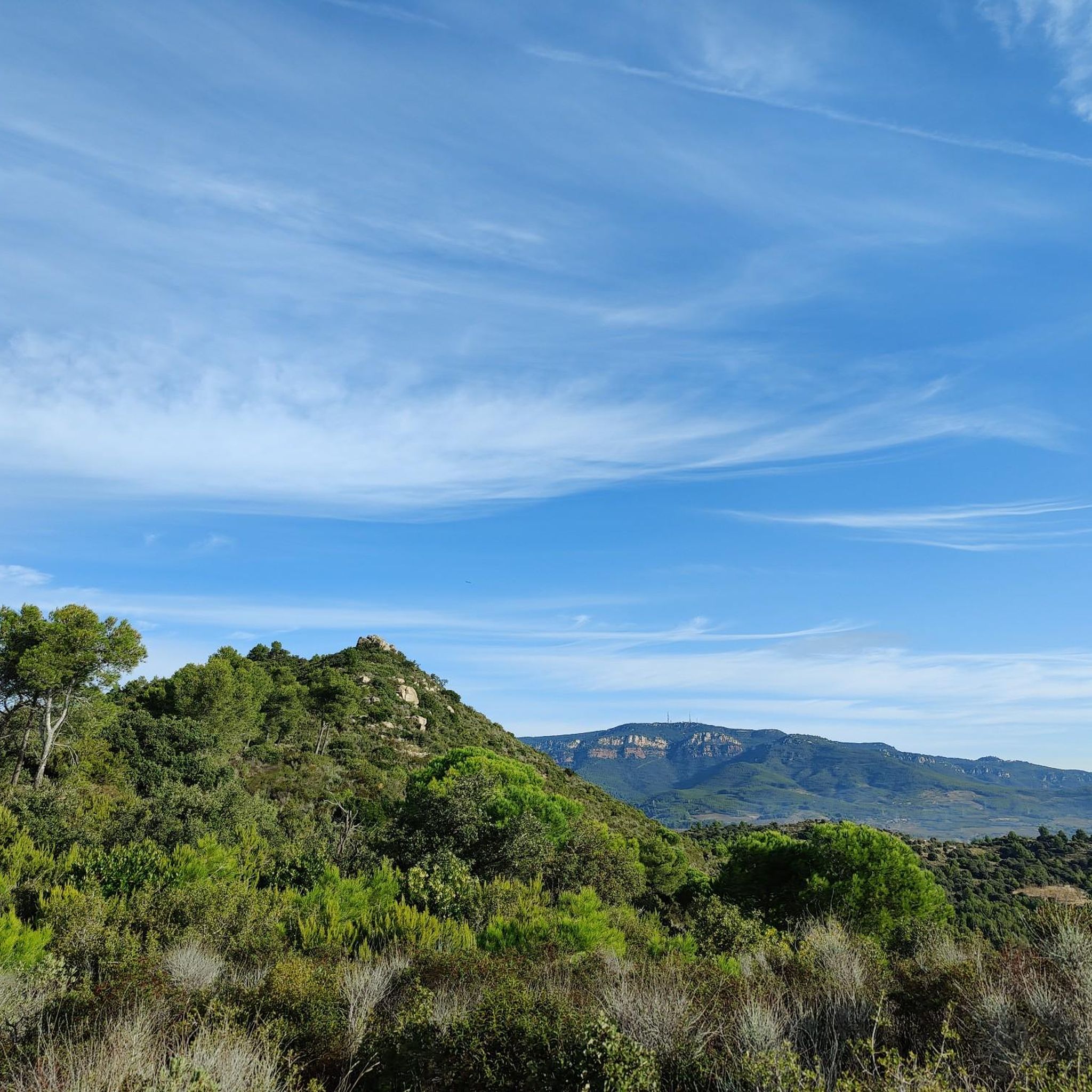
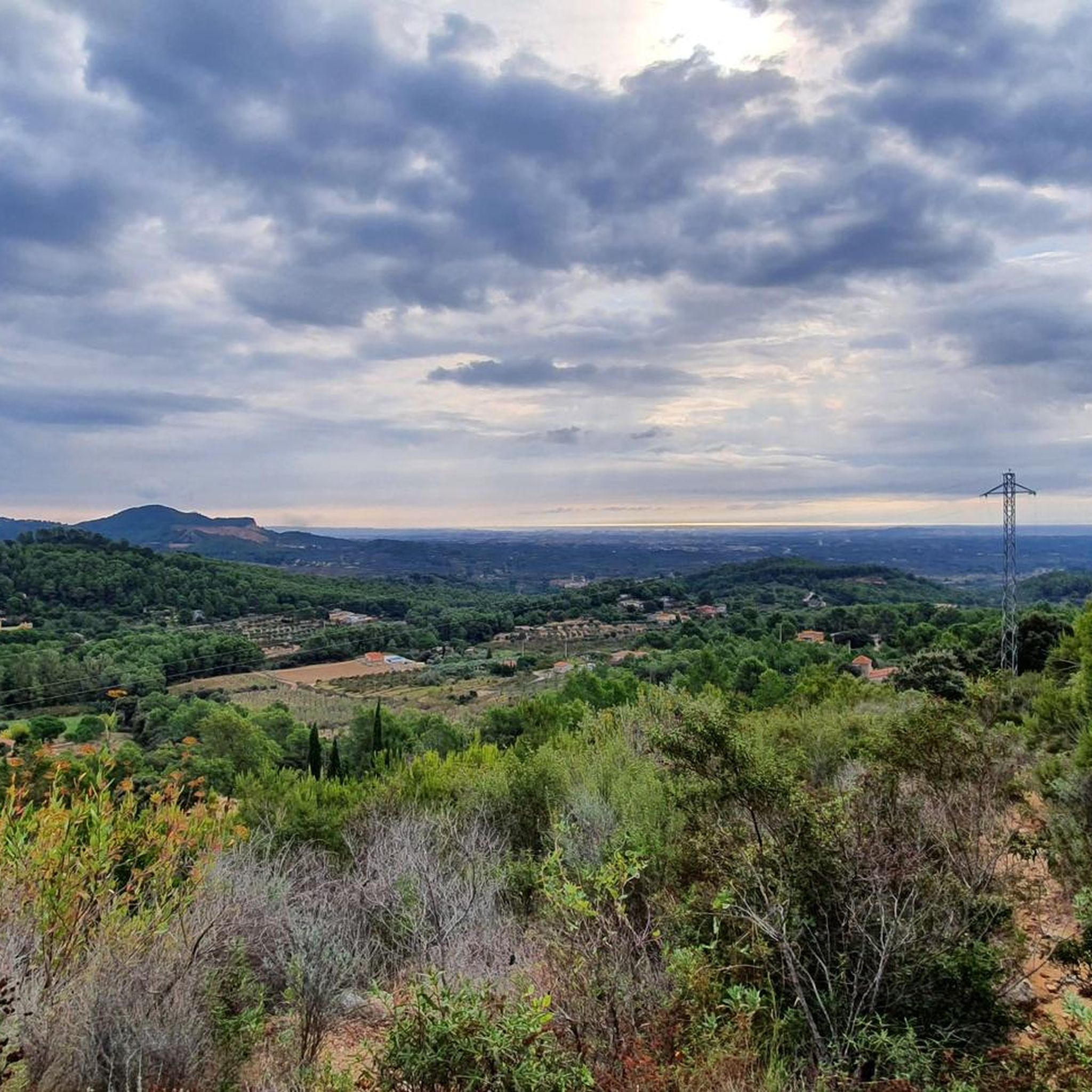
El Puig d'en Cama is a hill located in the Selva del Camp area, the entire summit is above Almoster, Baix Camp region, approximately north of Reus, Castellvell del Camp and Almoster, west of the Selva del Camp and east of Aleixar. It is part of the first stirrups of the Prades mountains. It is 717 meters high. At the top we can find a geodesic vertex (reference 263134001). This peak is included in the Challenge of 100 peaks of the Federation of Excursionist Organizations of Catalonia. Until recently there was a watchtower, now gone.
0
0

The climb to Coll de la Mussara or Coll de les Llebres from Vilaplana is characterized by the number of horseshoe curves (or tornanti) it has, approximately 20 curves (almost like the mythical Alpe Huez). There is an area, almost at the end of the port, where 4 horseshoe curves follow one another: this place is where you have to stop to take a good photo and keep a good memory.
1
0
It's a gradual 5km climb with an average gradient of 4.8%, along a very winding road (as are all the roads in the area), which is usually busy on weekends. The climb is mostly open and offers views, except for the final section which is covered by more vegetation. Upon reaching the summit, leaving to the left the road that climbs higher to Castillejos and the Alto de la Mussara, on clear days with good visibility, you can even see the sea.
0
0
Frequently Asked Questions
What are some of the most popular mountain passes for cyclists near Maspujols?
For cyclists, the region offers several popular and challenging passes. The ascent to Alt de la Mussara directly from Maspujols is a demanding Category 1 climb, covering 15.63 kilometers with significant elevation gain. Another favorite is Coll de Capafonts–Prades, located within the Muntanyes de Prades, which is considered one of the most notable mountain passes in the range for cycling enthusiasts.
Which mountain passes offer the best panoramic views around Maspujols?
Many passes in the area boast spectacular views. From the top of Alt de la Mussara, you can enjoy panoramic vistas encompassing the surrounding mountains and potentially the coastline. The Horseshoe curves of Coll de La Mussara also provide scenic views, particularly towards the coast and surrounding towns. Additionally, Coll d'Albarca, one of the highest points in the region, offers impressive panoramic views of the Montsant and Prades mountain ranges.
Are there challenging climbs for experienced cyclists near Maspujols?
Yes, experienced cyclists will find several challenging climbs. The ascent to Alt de la Mussara from Maspujols is a highly regarded Category 1 climb known for its steep sections and long distance. Similarly, Coll de les Llebres, also starting from Maspujols, offers a long, continuously ascending route with numerous hairpin bends, making it a beautiful and attractive challenge.
What kind of terrain can I expect on the mountain passes around Maspujols?
The terrain varies, but generally, you can expect winding roads through pine forests, with occasional openings offering increasingly spectacular views as you gain altitude. Passes like Coll de la Teixeta provide scenic routes between distinct regions, while others, such as Coll Roig Pass, wind through wooded areas and offer views of the sea near Colldejou. Road surfaces are generally good, and traffic is often low, especially on older routes.
Are there hiking opportunities near the mountain passes around Maspujols?
Absolutely. The region offers various hiking opportunities. For instance, near Coll Roig Pass, you can explore La Mola de Colldejou, an emblematic summit with a defensive tower and extensive views, requiring significant physical effort. For more hiking options, you can explore routes like the 'Ascent to Rocabruna' or the 'Aleixar Dry Stone Huts Trail'. Find more details on these and other trails in the Hiking around Maspujols guide.
What other outdoor activities can I do in the Maspujols area besides exploring mountain passes?
Beyond mountain passes, the Maspujols area is excellent for various outdoor activities. You can enjoy gravel biking with routes like 'La Teixeta Pass – Riudecanyes Reservoir loop' detailed in the Gravel biking around Maspujols guide. Road cycling is also very popular, with routes such as 'Alt de la Mussara – Coll d'Alforja loop' available in the Road Cycling Routes around Maspujols guide.
What is the best time of year to visit the mountain passes around Maspujols?
The region's mountain passes are generally enjoyable for outdoor activities during most of the year, thanks to the Mediterranean climate. Spring and autumn offer pleasant temperatures for cycling and hiking, avoiding the peak heat of summer. The low traffic on many routes makes them accessible for exploration during these seasons.
Are there any historical or cultural points of interest near the mountain passes?
Yes, the region blends natural beauty with cultural elements. Near Coll Roig Pass, the area around Colldejou offers the historical site of La Mola de Colldejou with its defensive tower. Additionally, the Priorat area, accessible via passes like Coll d'Alforja and Coll de la Teixeta, is renowned for its wine, adding a cultural dimension to your visit.
Where can I find parking when visiting the mountain passes around Maspujols?
While specific parking facilities for each pass are not always explicitly marked, Maspujols itself serves as an excellent starting point, and many routes begin from or pass through small towns and villages where roadside parking or small public parking areas are typically available. For specific trailheads, local signage often indicates parking options.
Are the mountain passes around Maspujols accessible by public transport?
Public transport options directly to the higher points of mountain passes can be limited. Maspujols is a small municipality, and while regional buses might connect it to larger towns, reaching specific pass starting points often requires personal vehicle access. It's advisable to check local bus schedules for connections to nearby villages that serve as bases for exploring the passes.
What amenities like cafes or accommodation are available near the mountain passes?
Maspujols and the surrounding villages offer amenities for visitors. In places like Prades, near Coll de Capafonts–Prades, you can find numerous restaurants serving Spanish snacks. Many small towns along the routes will have local cafes and restaurants. For accommodation, Maspujols itself or slightly larger nearby towns would be suitable bases.
Which mountain pass connects the Priorat wine region with the coastal area?
The Coll d'Alforja is a key mountain pass that connects the coastal region with the Priorat wine-growing area. It's often planned as a departure route, offering a fast experience, especially with favorable winds, and provides a gateway to one of Catalonia's oldest wine regions.
What makes the Coll de les Ventoses climb unique?
Coll de les Ventoses, while a bit further from Maspujols, is known for its smooth asphalt, low traffic, and consistent average gradient of 4.5%. It features numerous horseshoe curves that provide beautiful panoramic views of the Penedès plain and even the Mediterranean Sea, making it an enjoyable and accessible climb for many cyclists.
Most popular routes around Maspujols
Most popular attractions around Maspujols

Get inspired with the komoot mobile app


Explore more
See even more epic mountain passes by checking out these guides around Maspujols:
