Top 14 Natural Monuments around Carrascosa
Best natural monuments around Carrascosa are found across various provinces, including Cuenca and Soria. The landscape features pine forests, springs, and rocky cliffs, with notable geological formations such as gorges and unique cavities. The region also hosts significant paleontological sites, offering insights into ancient ecosystems. These areas provide diverse natural environments for exploration.
Best natural monuments around Carrascosa
- The most popular natural monuments is Laguna Grande de El Tobar, a lake that has a perimeter of 3 kilometers and…
Last updated: July 1, 2026
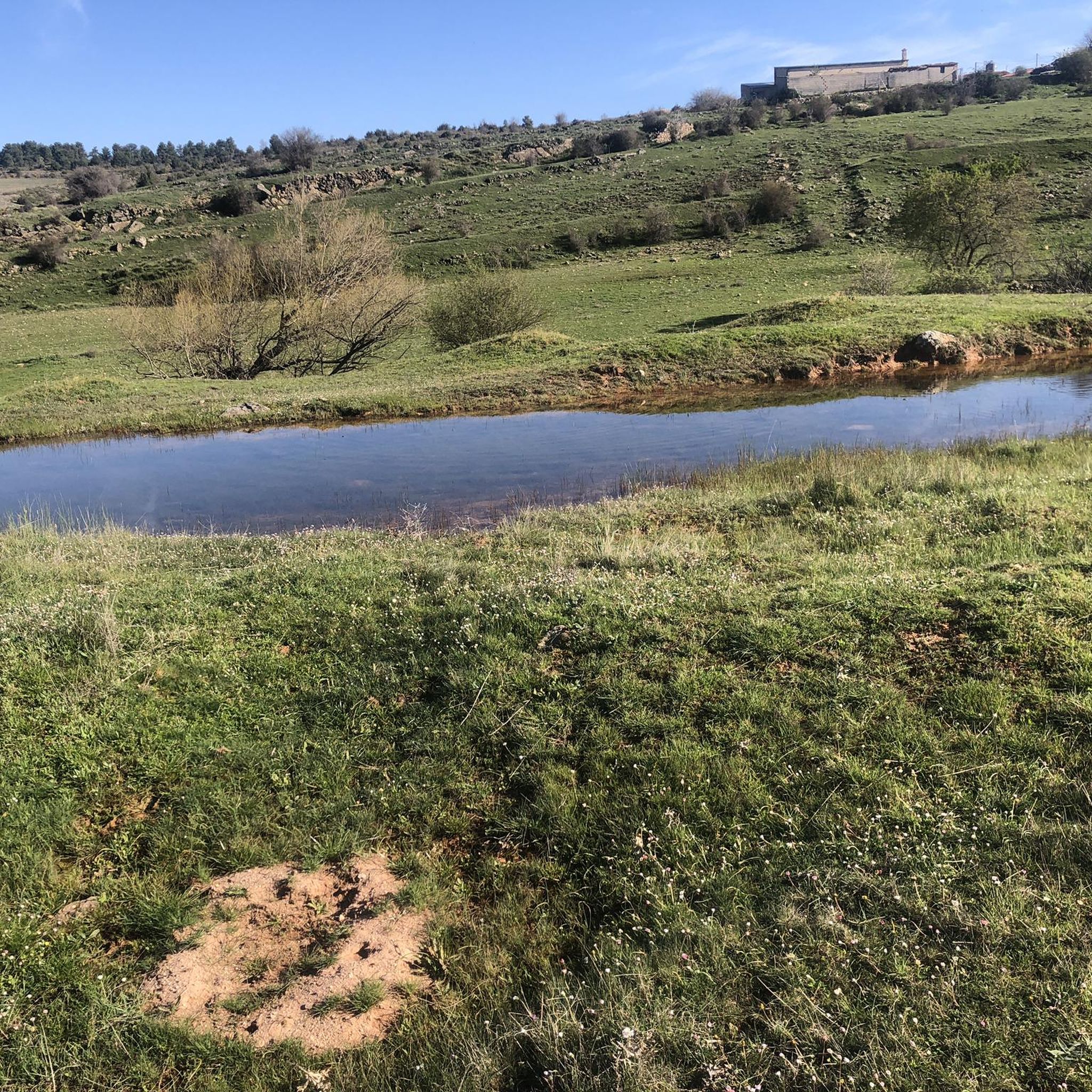
Laguna Grande de El Tobar
Highlight • Lake
Translated by Google •
Tip by

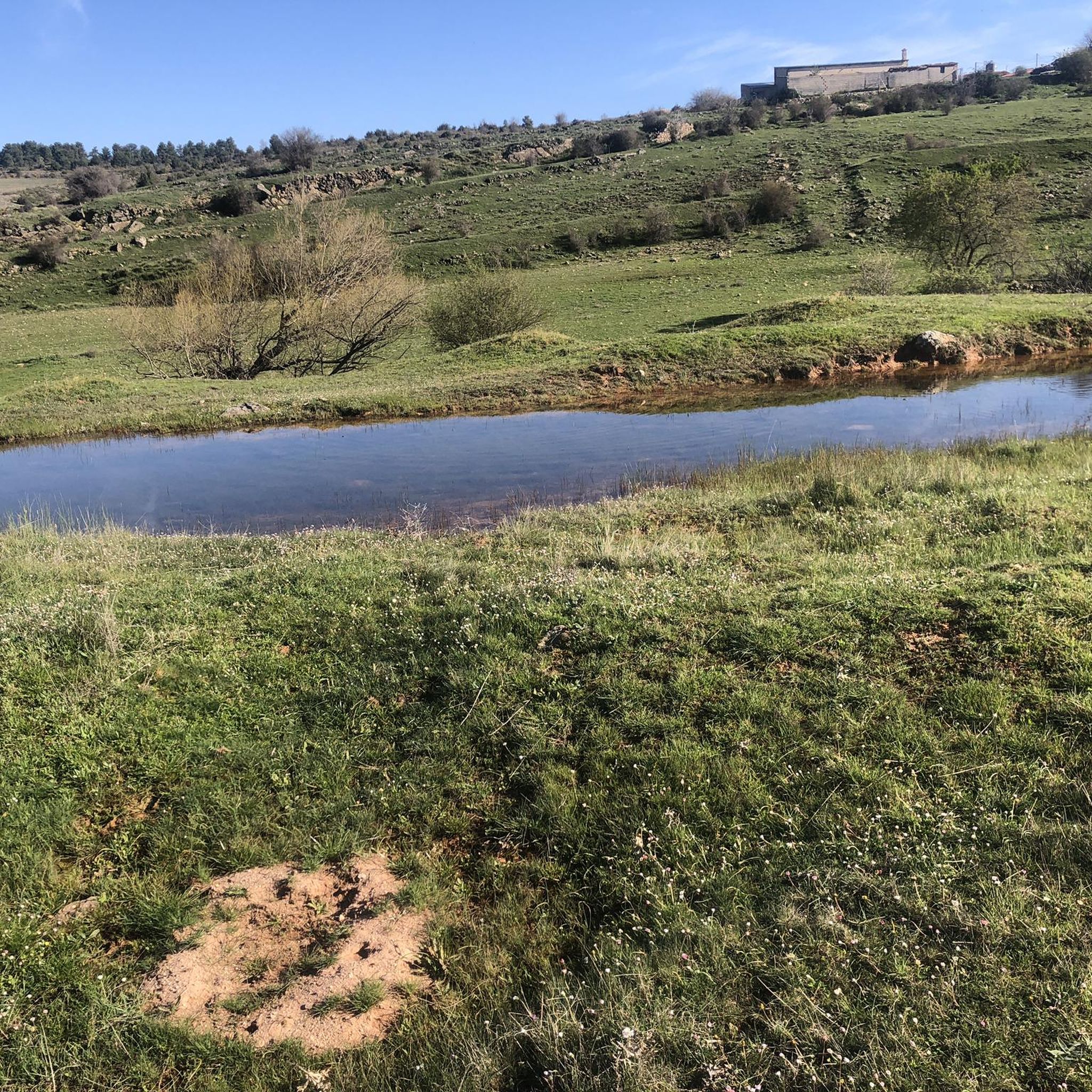
Cañamares natural pool
Highlight • Lake
Translated by Google •
Tip by

Sign up now to discover places like this
Get recommendations on the best single tracks, peaks, & plenty of other exciting outdoor places.
Sign up for free
Cucurucho Viewpoint
Highlight • Viewpoint
Translated by Google •
Tip by

Sima de Alcorón Cave
Highlight • Cave
Good point to spend the night during the route of Montañas Vacías.
At the foot of the refuge is the Alcorón chasm in the Alto Tajo Natural Park.
Translated by Google •
Tip by

Puerta del Infierno
Highlight • Structure
Translated by Google •
Tip by

Sign up for free to discover even more natural monuments around Carrascosa.
Sign up for free
Already have an account?
Start today with a free account
Your next adventure awaits.
Login or Signup
Tips from the Community

Be careful when starting the descent from the peak to the village; it's easy to leave the path. The gradient is 16%.
0
0

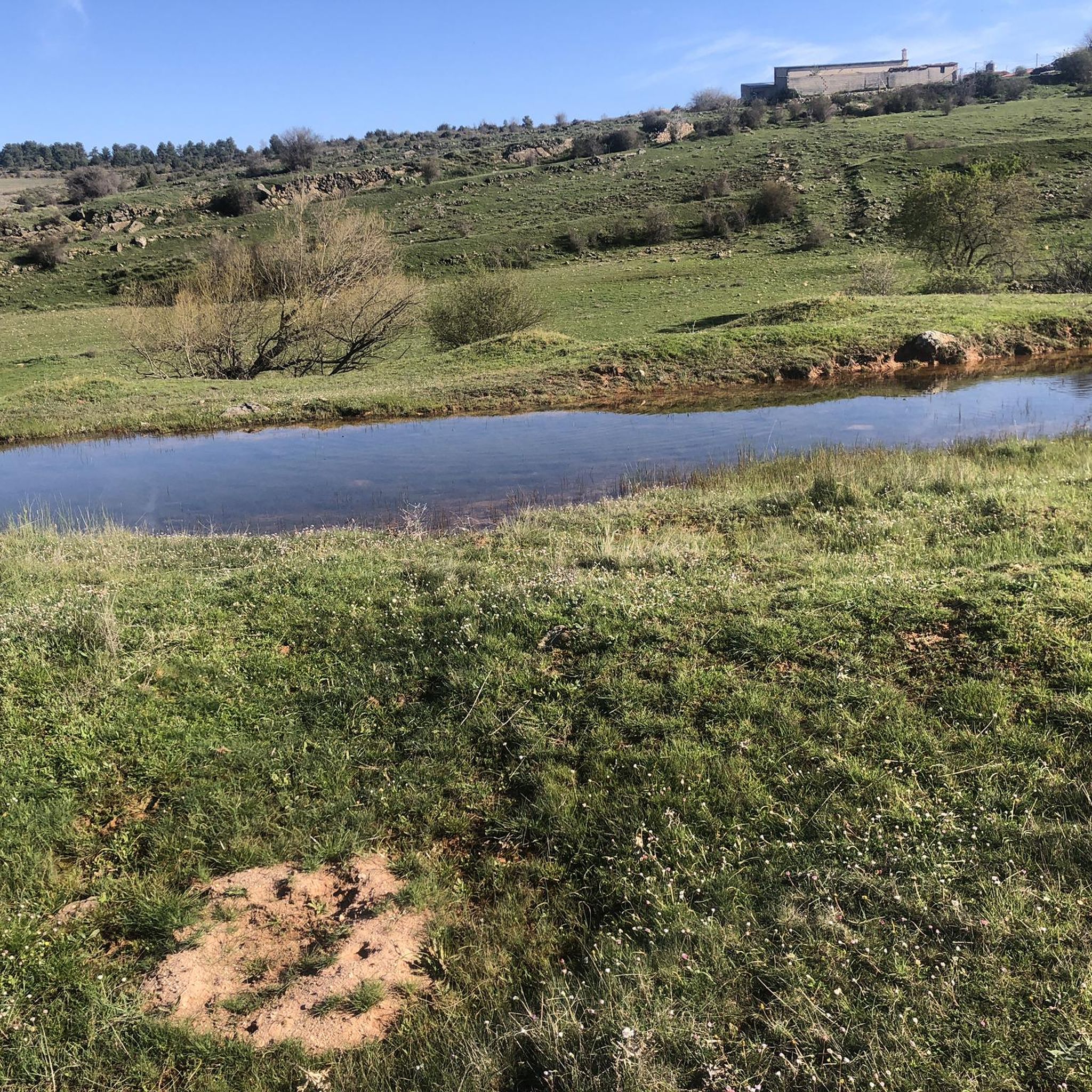
Laguna Grande is located near Masegosa, in the Serranía de Cuenca. It is part of the Lagunas de El Tobar, which also include Laguna Pequeña and Laguna Ciega. Laguna Grande has a perimeter of about three kilometres and a depth of approximately 20 metres in the centre. Laguna Grande is a wildlife refuge, where otters and various aquatic birds can be observed. It is also an authorised bathing area during the summer, making it a popular destination for visitors.
6
0

From it you can see a large part of the Cuenca Mountains and the entire valley of the Escabas River.
0
0
On the right bank of the Escabas River, it is a narrow pass between rocks. To make the road they had to drill a large mouth in these rocks.
0
0

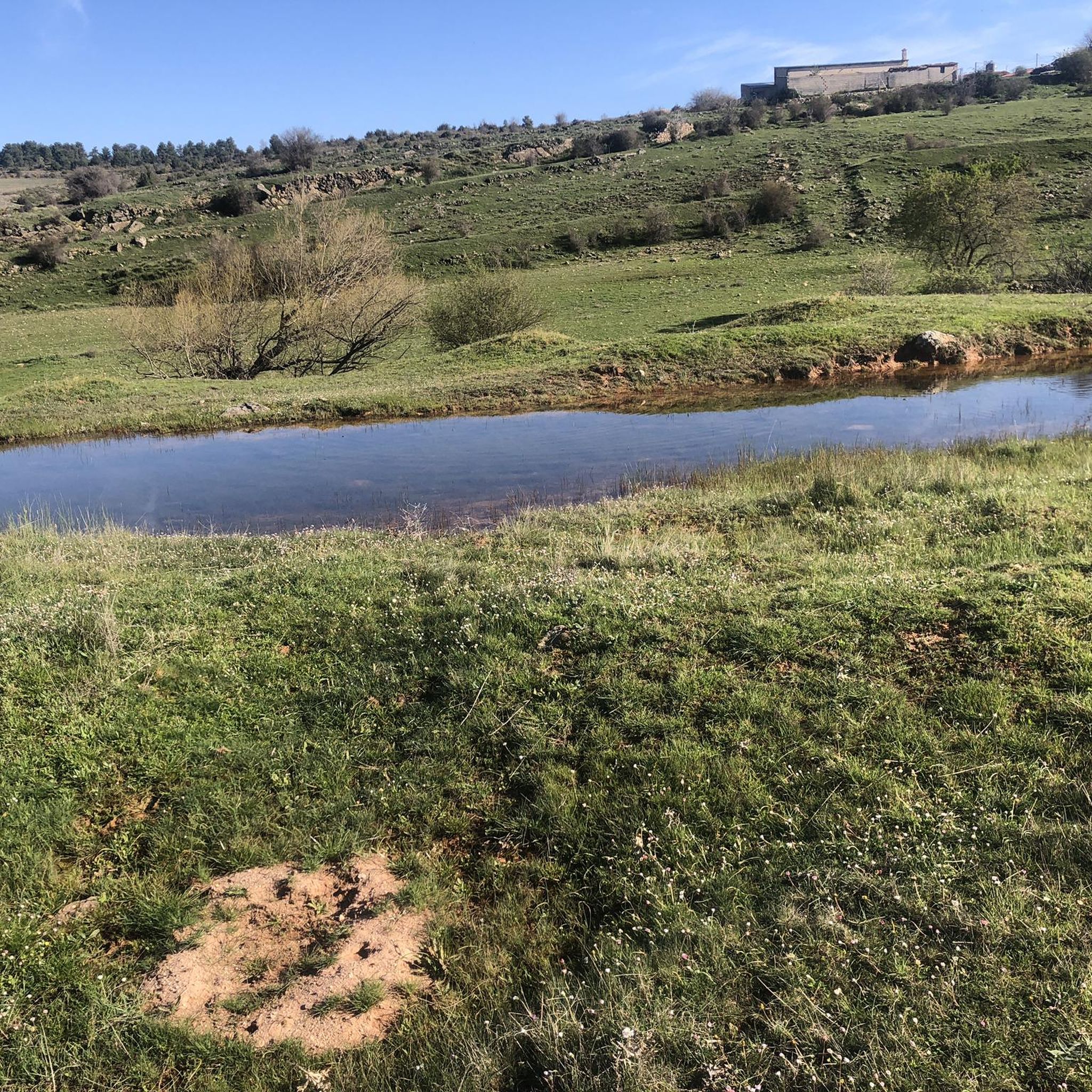
Short detour from our itinerary (Beteta - Laguna del Marchesado), a solitary and enchanting place, worth a visit.
1
0

Beautiful lagoon. Here you can linger, relax and swim.
1
0

This lake is really beautiful. It is a wonderful place to camp.
1
0

The Gate of Hell is one of the tunnels excavated in the rock of the Escabas River. One of the many obligatory stops available in the high mountains of Cuenca. Be very careful when taking photos, the road is very narrow.
1
0
Frequently Asked Questions
What are some of the most unique natural monuments to explore around Carrascosa?
Beyond the popular spots, the region offers several unique natural monuments. In Carrascosa de la Sierra (Cuenca), you can discover the impressive Hoz de Tragavivos gorge or the remarkable Sumidero de Mata Asnos, one of central Spain's most unique cavities. The Hoz Somera is also considered a jewel of the Serranía. For a blend of nature and history, the Armentero Cave and Beteta Viewpoint offers spectacular geological formations.
Are there any natural monuments with historical or paleontological significance near Carrascosa?
Yes, the region boasts sites of significant historical and paleontological interest. In Carrascosa de la Sierra (Soria), you can visit the Dolmen de Carrascosa de la Sierra, a prehistoric funerary monument set in a beautiful natural landscape. Near Carrascosa del Campo (Cuenca), the Cerro Arenoso Paleontological Site is globally significant, having yielded nearly 200 mammal fossils over 30 million years old, offering a unique window into ancient ecosystems.
What kind of outdoor activities can I do near the natural monuments around Carrascosa?
The natural monuments around Carrascosa are excellent starting points for various outdoor activities. You can find numerous running trails, mountain biking routes, and cycling tours that explore the diverse landscapes of the area, including pine forests, gorges, and reservoirs. Many routes offer stunning views and opportunities to connect with nature.
Are there family-friendly natural monuments or trails suitable for children around Carrascosa?
Absolutely! Several natural monuments are ideal for families. The Laguna Grande de El Tobar is a wildlife refuge and an authorized bathing area in summer, perfect for a family day out. The Cañamares natural pool also offers a refreshing beach area where children can swim and play, with parking available for easy access to nearby routes.
What is the best time of year to visit the natural monuments around Carrascosa?
The best time to visit largely depends on your preferred activities. Summer months are popular for swimming at spots like Laguna Grande de El Tobar and Cañamares natural pool. Spring and autumn offer pleasant temperatures for hiking and cycling, with vibrant flora and fauna. Winter can be beautiful for those who enjoy crisp air and quieter trails, though some areas might require more preparation due to colder conditions.
Are there any natural viewpoints offering panoramic views of the region?
Yes, the rugged landscape around Carrascosa provides several excellent viewpoints. The Beteta Viewpoint, accessible via a challenging trail, offers a spectacular perspective of one of the most beautiful anticlines of the Iberian system. Many trails throughout the Serranía de Cuenca also lead to elevated spots with breathtaking vistas of gorges, forests, and rivers.
Can I bring my dog to the natural monuments and trails in the Carrascosa area?
Many natural areas and trails around Carrascosa are dog-friendly, allowing you to explore with your canine companion. However, it's always recommended to keep your dog on a leash, especially in wildlife-sensitive areas or where livestock might be present. Always check specific regulations for natural parks or protected sites you plan to visit, as rules can vary.
Are there any easy or beginner-friendly trails to natural monuments?
While some trails can be challenging, there are options for beginners and those seeking easier walks. For instance, the area around Laguna Grande de El Tobar offers relatively flat paths around the lake, suitable for a leisurely stroll. The Cañamares natural pool also provides easy access to its beach and surrounding areas, perfect for a relaxed visit.
What kind of wildlife can I expect to see around the natural monuments?
The diverse ecosystems around Carrascosa support a variety of wildlife. At Laguna Grande de El Tobar, you might spot otters and various aquatic birds. The extensive pine forests and rocky cliffs are home to numerous bird species, including raptors, and mammals such as deer, wild boar, and smaller forest creatures. Keep an eye out for unique flora as well, especially during spring.
Are there any natural monuments that are accessible for people with limited mobility?
While many natural monuments involve uneven terrain, some areas offer better accessibility. The Sima de Alcorón Cave is noted as being accessible, though it's always advisable to check specific conditions. For other sites, areas around natural pools or reservoirs often have more developed access points and flatter paths suitable for a wider range of visitors.
What should I bring for a hike to the natural monuments around Carrascosa?
For a comfortable and safe experience, it's recommended to bring appropriate hiking footwear, sufficient water, snacks, sun protection (hat, sunscreen), and a first-aid kit. Depending on the season, layers of clothing are advisable. If exploring caves like Sima de Alcorón Cave, a flashlight is essential. Always check weather forecasts before heading out.
Are there any permits required to access certain natural monuments or parks?
Generally, most natural monuments and trails around Carrascosa do not require specific permits for general access. However, if you plan to engage in specialized activities like caving in certain areas or visit highly protected zones within natural parks (such as Alto Tajo Natural Park), it's always best to check with local visitor centers or official park websites for any specific regulations or permit requirements.
Where can I find parking when visiting the natural monuments?
Many popular natural monuments and trailheads offer designated parking areas. For example, the Cañamares natural pool has parking available directly on-site, making it convenient to start your visit or routes from there. For other, more remote locations, roadside parking might be available, but always ensure you park safely and legally, without obstructing access or damaging the environment.
Most popular attractions around Carrascosa

Get inspired with the komoot mobile app


Explore more
Extend your search for the best caves by checking out these guides of the top ones around Carrascosa:
