Top 5 Natural Monuments around Torrejón De La Calzada
Best natural monuments around Torrejón De La Calzada include a variety of local natural features, often integrated with historical or man-made structures. The landscape offers opportunities to explore springs, ancient trees, and small lakes. These points of interest provide accessible natural spaces within the municipality's surroundings.
Best natural monuments around Torrejón De La Calzada
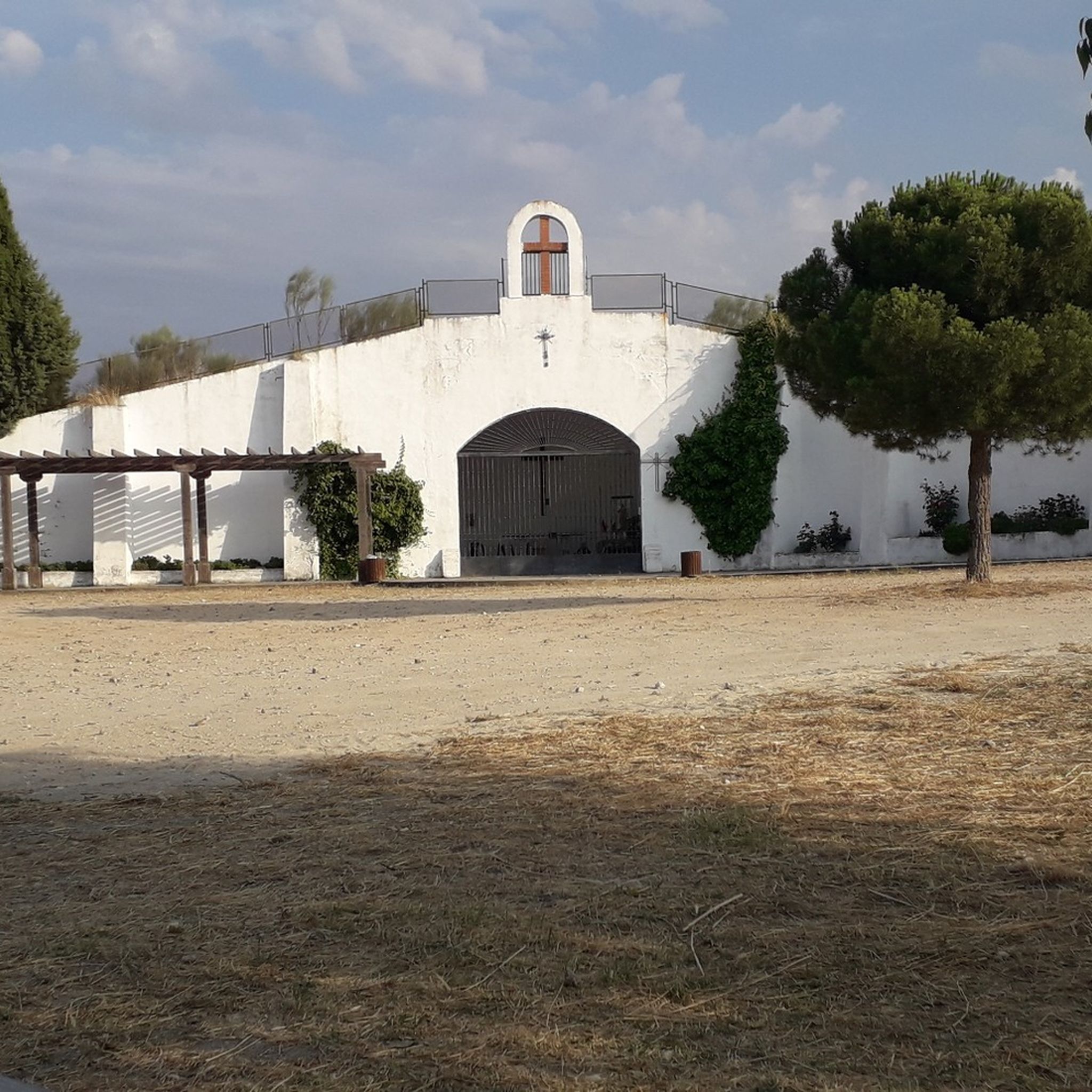
- The most popular natural monuments is La Teja Spring and the Hermitage of San Isidro, a religious building and natural monument that offers a great photo opportunity. It is a suitable spot for a rest stop where visitors can replenish water from its fountain.
- Another must-see spot is Hermitage and Centenary Elm, a religious building and natural monument. Visitors can find an elm tree over 100 years old, which is a representative tree of the Community of Madrid.
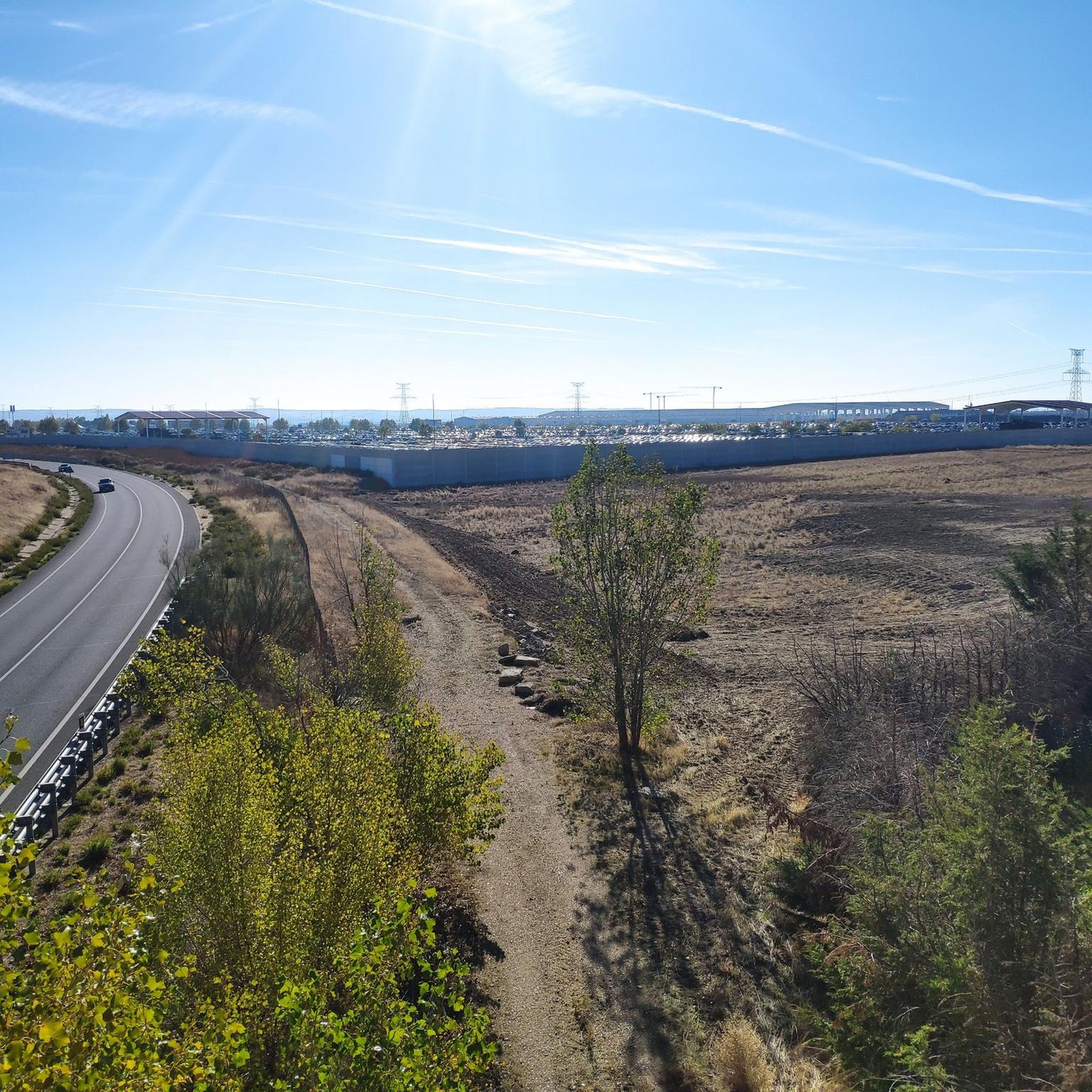
- Visitors also love Valdeserrano Fountain, a man-made structure and natural monument. This location features both a new fountain and the original Valdeserrano fountain, which flows water during some springs.
- Torrejón De La Calzada is known for springs, old trees, and small lakes. These natural monuments offer diverse ecosystems and opportunities for outdoor activities.
- The natural monuments around Torrejón De La Calzada are appreciated by the komoot community, with over 311 upvotes and 53 photos shared by visitors.
Last updated: July 1, 2026
La Teja Spring and the Hermitage of San Isidro
Highlight • Religious Site
Translated by Google •
Tip by

Hermitage and Centenary Elm
Highlight • Religious Site
Translated by Google •
Tip by

Sign up now to discover places like this
Get recommendations on the best single tracks, peaks, & plenty of other exciting outdoor places.
Sign up for free
Valdeserrano Fountain
Highlight • Structure
Translated by Google •
Tip by

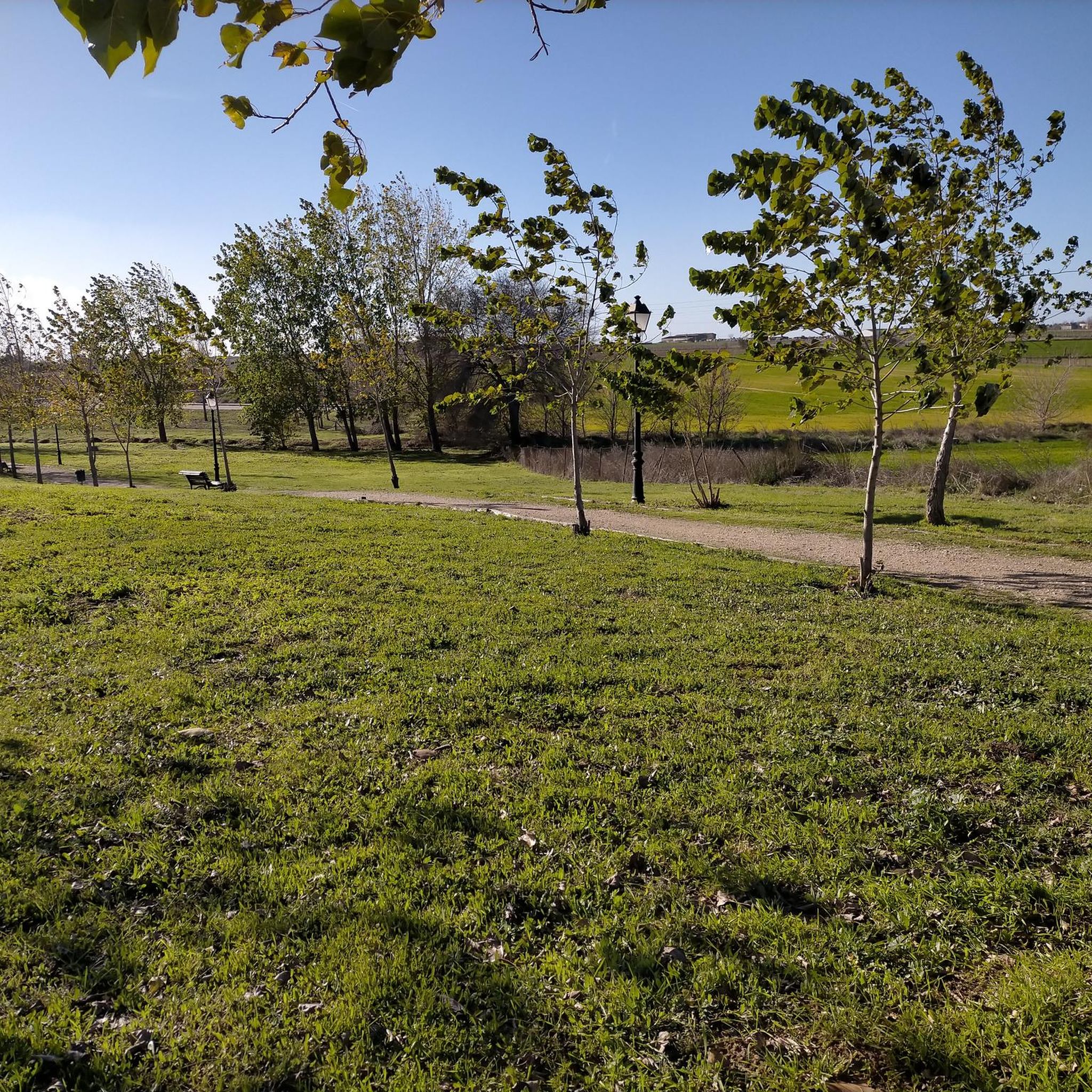
Duck Lake, El Restón Park
Highlight • Lake
Translated by Google •
Tip by
Start today with a free account
Your next adventure awaits.
Login or Signup
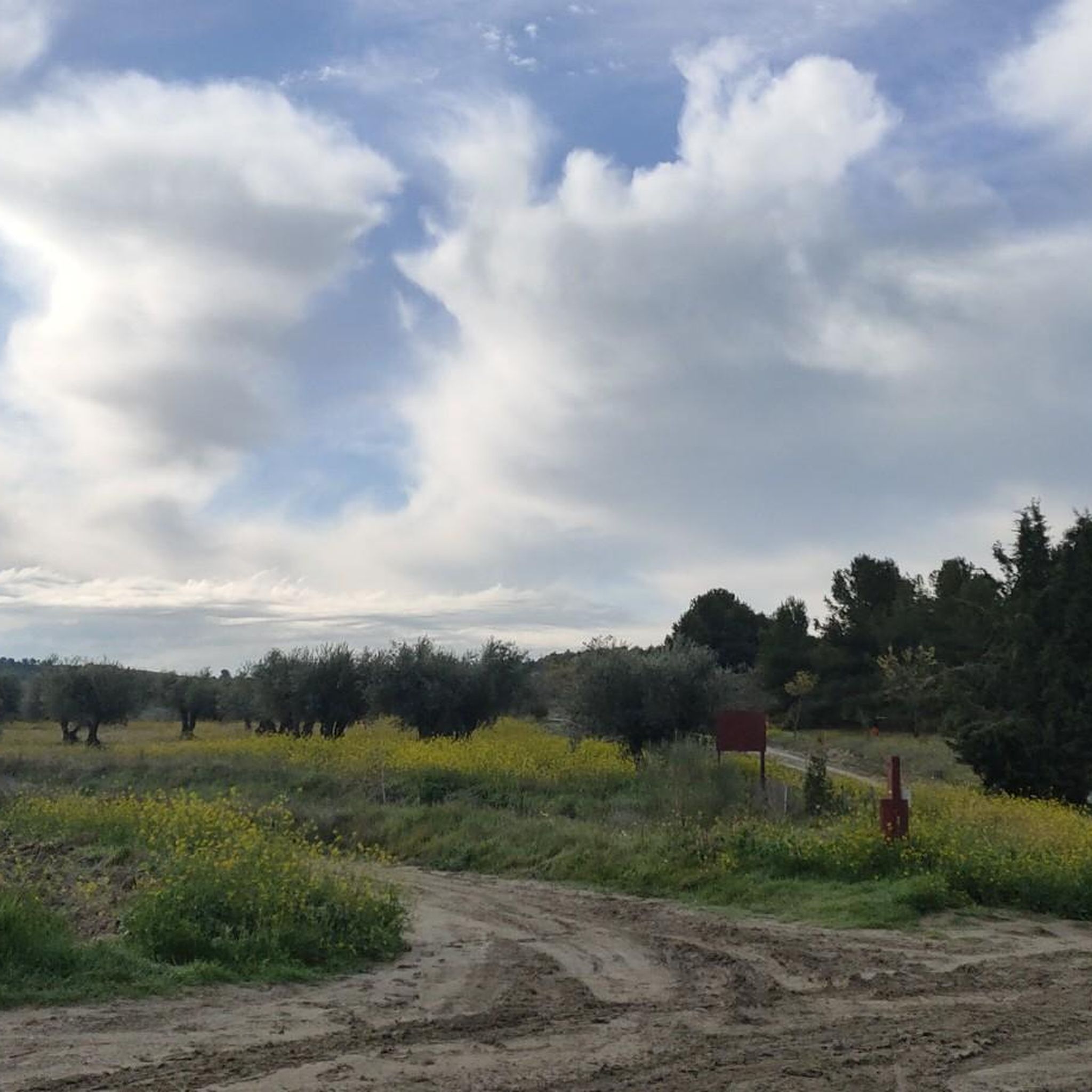
Tips from the Community

The new fountain does not have drinking water. Twenty meters further down is the original source of Valdeserrno but it only has water in some springs.
1
0
Popularly known as El Restón Lakes Park, it has shade in summer, a variety of trees, benches to sit on, and two ponds with plenty of ducks.
2
0
There is a new fountain with non-potable water. Twenty meters further down is the original Valdeserrano fountain that only flows water some springs.
1
0

Right in front of the Hermitage you will find an elm tree that is over 100 years old. These trees are very representative of the Madrid area but it is increasingly difficult to find old ones like this.
0
0

A great highlight and great photo opportunity. Definitely recommended for history fans.
3
1

from fuenla quiet route highly recommended
1
0

Take care of the fountain, it seems that it is drying up, a pity the very pleasant site.
2
0

A must stop to cool off
1
1
Frequently Asked Questions
What kind of natural monuments can I expect to find around Torrejón De La Calzada?
Around Torrejón De La Calzada, you'll discover a mix of local natural features, often integrated with historical or man-made structures. These include refreshing springs like La Teja Spring and Valdeserrano Fountain, an ancient elm tree at the Hermitage and Centenary Elm, and tranquil spots like Duck Lake in El Restón Park. These offer accessible natural spaces within the municipality's surroundings.
Are there any unique natural features in the area?
Yes, a notable unique feature is the Centenary Elm located at the Hermitage and Centenary Elm. This elm tree is over 100 years old and is considered one of the representative trees of the Community of Madrid. Additionally, the area is known for its various springs, some of which flow only during certain seasons, offering a glimpse into the local hydrology.
What natural attractions are there beyond Torrejón de la Calzada itself, in the wider Community of Madrid?
While Torrejón de la Calzada offers local natural spots, the wider Community of Madrid boasts significant natural areas. These include the Sierra de Guadarrama National Park with its imposing peaks and forests, the Sierra del Rincón UNESCO Biosphere Reserve, and the ancient Hayedo de Montejo beech forest. Other attractions include the Santillana Reservoir and La Pedriza Regional Park, known for its distinctive granite formations.
What outdoor activities can I do near the natural monuments in Torrejón De La Calzada?
You can enjoy various outdoor activities near these natural monuments. For hiking, there are routes like the 'Los Prados Football Field loop from Parla' or the 'Parque del Universo – Gate of Tolerance loop from Parla'. Cycling enthusiasts can explore routes such as the 'Bike loop from Av. Planetas - Planeta Marte' or the 'Historic Center of Illescas – Stone Archway in Yeles loop from Torrejón de la Calzada'. You can find more details on these activities in the hiking guide and cycling guide for Torrejón De La Calzada.
Are there hiking trails suitable for different skill levels?
Yes, there are hiking trails available for various skill levels. For example, the 'Los Prados Football Field loop from Parla' is an easy 5.2 km route. If you're looking for something more challenging, there are moderate options like the 'Parque del Universo – Gate of Tolerance loop from Parla' (8.1 km) or the 'CEIP Madre Teresa de Calcuta – Gate of Tolerance loop from Parla' (11.7 km). You can explore these and more in the hiking guide.
Can I go cycling near these natural monuments?
Absolutely. The area around Torrejón De La Calzada offers several cycling routes. You can find easy bike loops like the 'Bike loop from Av. Planetas - Planeta Marte' (20.8 km), or more moderate routes such as the 'Historic Center of Illescas – Stone Archway in Yeles loop from Torrejón de la Calzada' (34 km). For experienced cyclists, there are difficult routes like the 'View of the Countryside – Cerro del Espino Shelter loop from Torrejón de Velasco' (47.6 km). Check out the cycling guide for more options.
Are the natural monuments around Torrejón De La Calzada family-friendly?
Many of the natural monuments are suitable for families. For instance, La Teja Spring and the Hermitage of San Isidro, the Hermitage and Centenary Elm, Valdeserrano Fountain, and Duck Lake, El Restón Park are all considered family-friendly. Duck Lake, in particular, is known for its shade, variety of trees, benches, and plenty of ducks, making it a pleasant spot for a family outing.
Are there any natural monuments where dogs are welcome?
While specific dog-friendly policies can vary, natural outdoor spaces like Duck Lake, El Restón Park and the general areas around the springs and the Centenary Elm are typically accessible for dogs, provided they are kept on a leash and owners clean up after them. Always check local signage for any specific restrictions.
What do visitors enjoy most about the natural monuments in this area?
Visitors particularly appreciate the tranquility and the opportunity for a refreshing stop. For example, La Teja Spring and the Hermitage of San Isidro is highlighted as a great place for a rest stop where you can replenish water from its fountain. The Centenary Elm is admired for its historical significance and as a representative tree of the region. The Duck Lake is enjoyed for its peaceful atmosphere, shade, and the presence of ducks.
Is parking available near these natural monuments?
For many of the local natural monuments, such as those integrated into the municipality's surroundings or parks, parking is generally available nearby, often in designated areas or on local streets. For specific routes or more remote spots, it's advisable to check the starting points of trails for parking information.
What is the best time of year to visit the natural areas around Torrejón De La Calzada?
The best time to visit the natural areas around Torrejón De La Calzada is typically during spring and autumn. Spring offers pleasant temperatures and the chance to see the springs flowing more abundantly, while autumn brings beautiful foliage, especially in the wider Community of Madrid's forests like Hayedo de Montejo. Summers can be quite hot, and winters can be chilly, though still suitable for outdoor activities on milder days.
How long should I plan for a visit to these natural monuments?
The duration of your visit depends on which natural monument you choose and what activities you plan. Spots like La Teja Spring or the Centenary Elm can be enjoyed as short stops, perhaps 30 minutes to an hour. If you combine them with a hike or a longer stroll around Duck Lake, you might spend a couple of hours. For exploring the wider natural parks in the Community of Madrid, a full day or even multiple days would be recommended.
Most popular routes around Torrejón De La Calzada
Most popular attractions around Torrejón De La Calzada

Get inspired with the komoot mobile app


Explore more
Extend your search for the best caves by checking out these guides of the top ones around Torrejón De La Calzada:
