Top 19 Natural Monuments around Sant Jaume De Frontanyà
Natural monuments around Sant Jaume De Frontanyà are found in the Berguedà region of Catalonia, Spain, offering diverse natural beauty. The area features a variety of ecosystems, from dense forests to expansive valleys and mountain ranges, characteristic of the Pre-Pyrenean landscape. These natural attractions provide opportunities to explore waterfalls, natural pools, and significant geological formations. The region is known for its rich plant diversity and serves as a habitat for various wildlife.
Best natural monuments around Sant Jaume De Frontanyà
…Last updated: July 1, 2026
Torrent de la Cabana Waterfalls
Highlight (Segment) • Waterfall
Translated by Google •
Tip by

Views climbing the Coll de la Creueta
Highlight • Mountain Pass
Bordering peak between the Ripollés and Berguedá regions and dividing the waters between the Ter and Llobregat rivers.
The slope of the bergadá is included in the …
Translated by Google •
Tip by

Sign up now to discover places like this
Get recommendations on the best single tracks, peaks, & plenty of other exciting outdoor places.
Sign up for free
Colomer Pool
Highlight • Waterfall
Translated by Google •
Tip by

Saint Eudald Spring
Highlight • Natural Monument
It is part of one of the attractive points of the Camí Real,...
Currently and in summer it is dry, but it is a good place for a break.
Translated by Google •
Tip by

Cabana Gorge
Highlight • Gorge
Translated by Google •
Tip by
Sign up for free to discover even more natural monuments around Sant Jaume De Frontanyà.
Sign up for free
Already have an account?
Start today with a free account
Your next adventure awaits.
Login or Signup

Tips from the Community

Hellish climb but with spectacular views, good asphalt too
0
0

In the summer the influx of people makes this natural space lose all its charm and beauty, it has been an idea Positive regular entry To this tour in summer To preserve it from the masses..!!
1
1
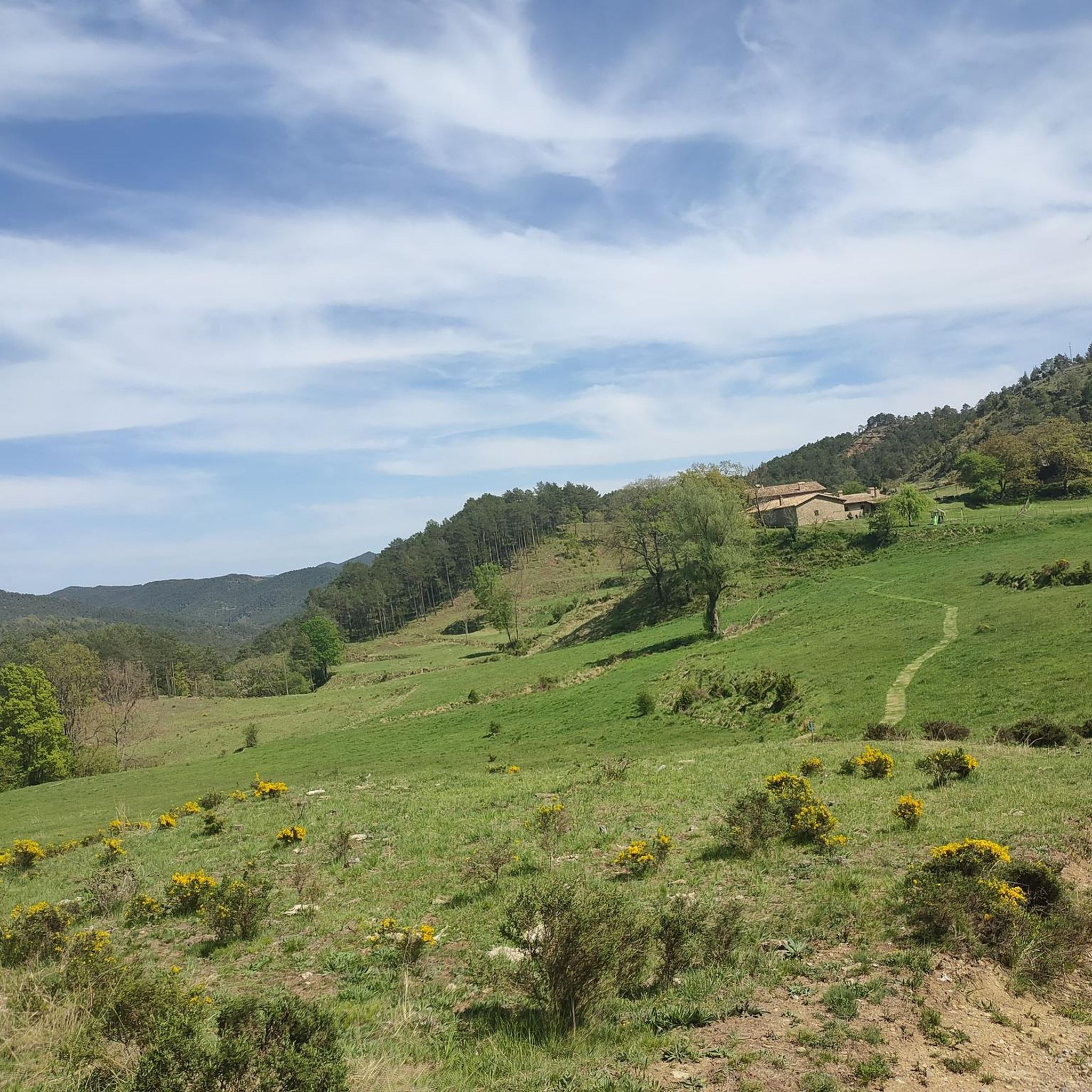
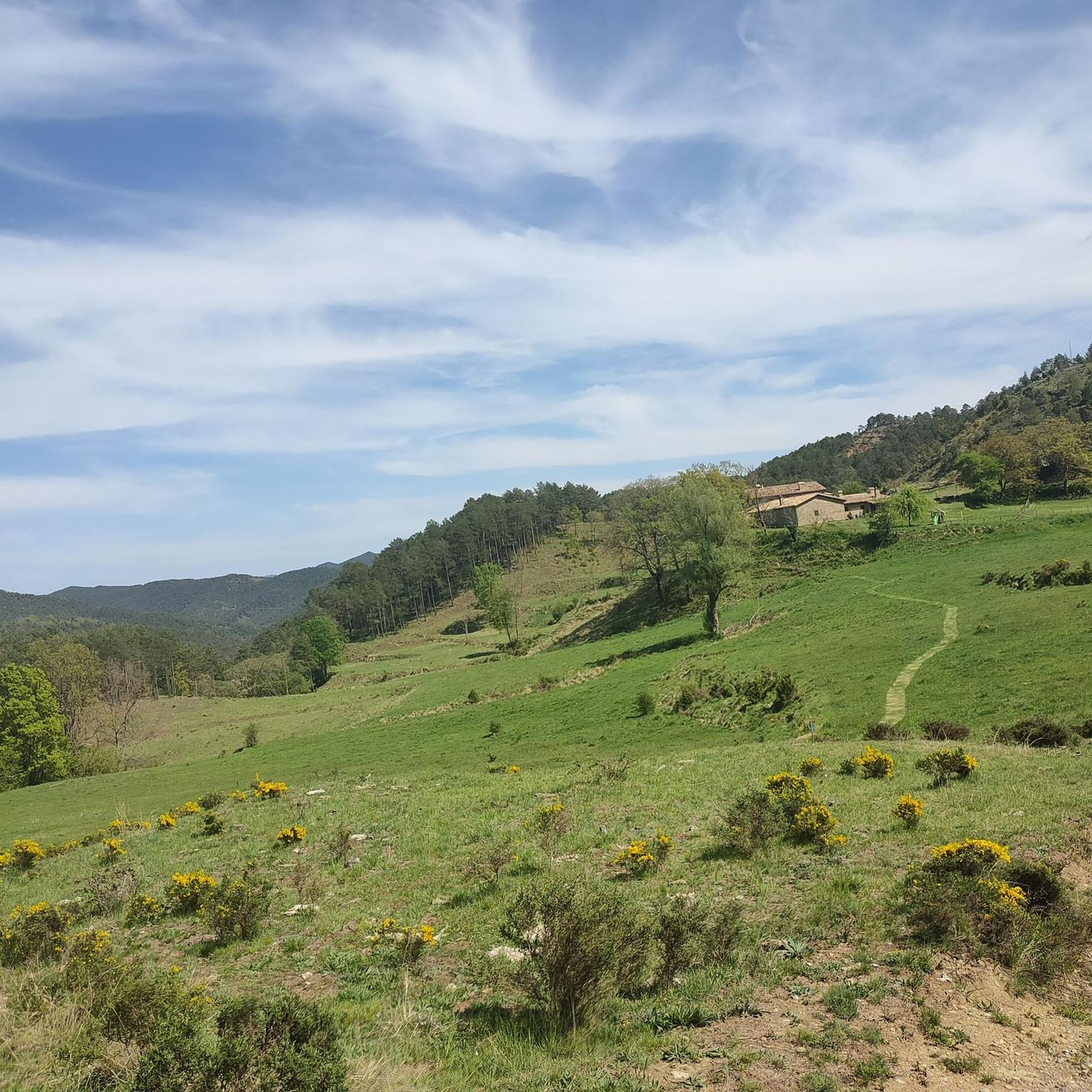
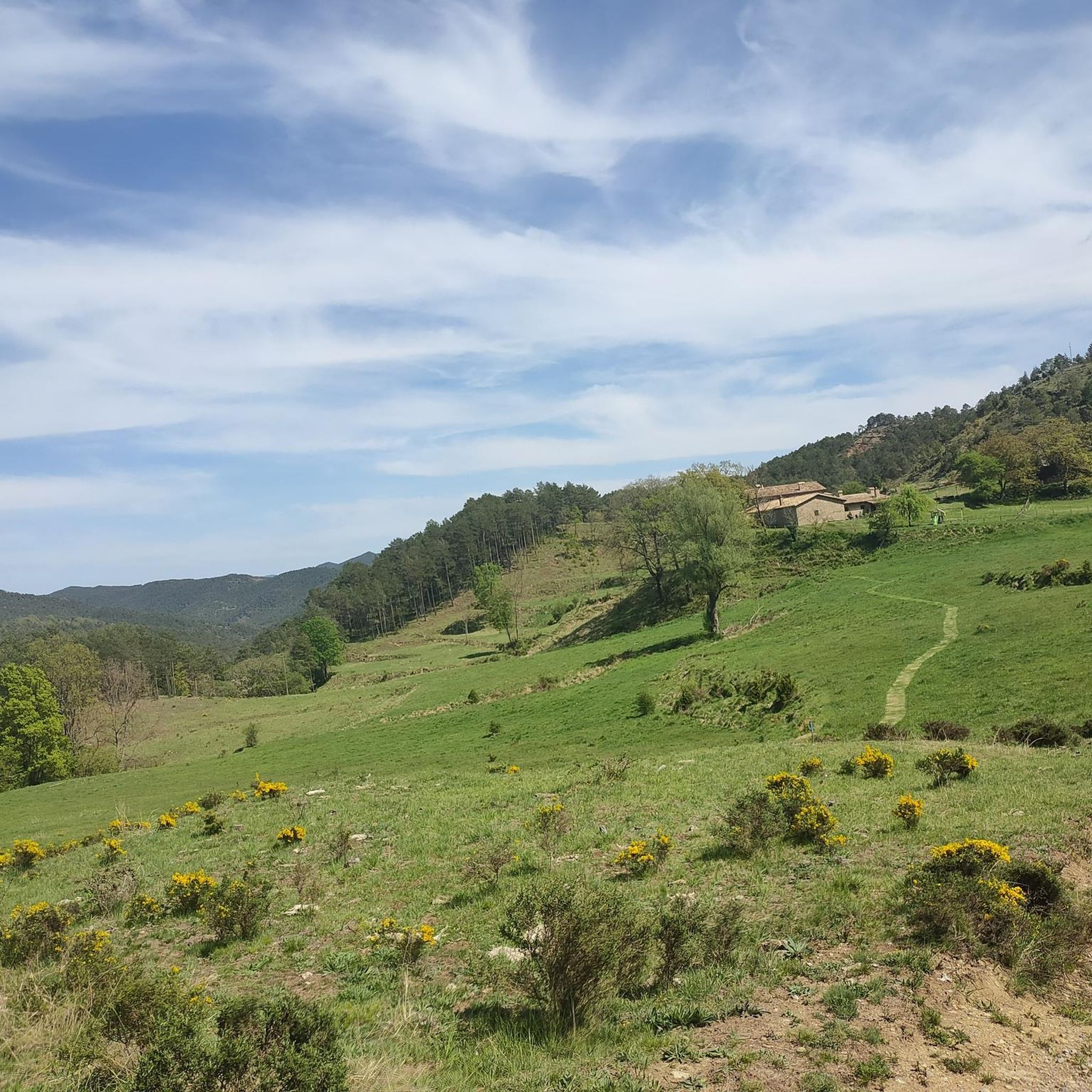
The fountain of Saint Eudald... It is part of one of the attractive points of the Camí Real,... Currently and in summer it is dry, but it is a good place for a break.
2
0

Puerto de Montaña with spectacular views, if you know it from the side of Castellar de Hug, you see Pedraforca and all the cadí, and going up through La Molina, views of Cerdanya and the French Western Pyrenees (Peric, Carlit...).
0
0

Spectacular panoramas over the alpine meadows of the Pyrenees.
0
0
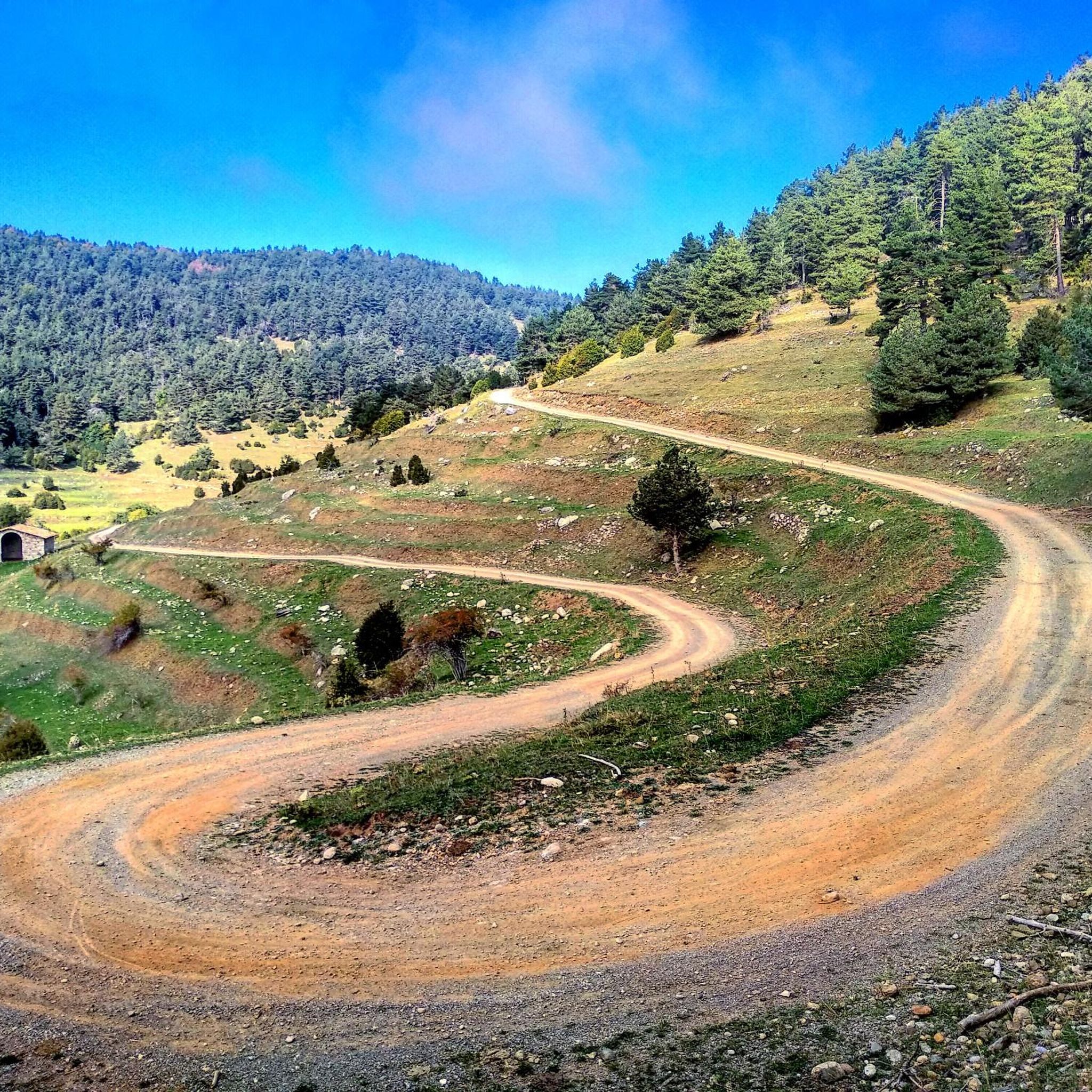
Classic mountain pass of the Pyrenees, natural border between Berguedà and Cerdanya, reaches up to 1888 masl with an average slope of 5% (depends on the slope). Be careful in the summer, you won't find even a shade to take refuge in.
0
0

The best views are enjoyed in the last 2 km before reaching the south side. The best time to enjoy good views are clear days in autumn, winter and spring, when you can clearly see Montserrat, Tibidabo and Montseny.
0
0
It is a port with many aspects, both from the north (Cerdaña region) and from the south (Ripollés region). They are the following: - North slope from Alp: passing through Masella and Molina - North slope from Das: also passing through Masella and Molina - North slope from Alp: passing through La Molina - North slope from Queixans: it is the climb to the Toses pass, extending 7 km more to the Coll de la Creueta - South slope from La Pobla de Lillet: passing through Les Fonts del Llobregat and Castellar de N'Hug - South slope from Gombrèn: passing through the Mataplana castle and joining the previous slope in Castellar de N'Hug. The last two slopes are the most recommended for hardness and beauty. All alternatives are perfectly paved and traffic is non-existent except on weekends in July and August. To highlight the wind in the final kilometers of all slopes, which usually blows from the head and/or in favor depending on the stretch of road.
0
0
Frequently Asked Questions
What are some of the most popular natural monuments around Sant Jaume De Frontanyà?
Visitors frequently enjoy the Torrent de la Cabana Waterfalls, known for their visual beauty and diverse plant life. Another favorite is the Colomer Pool, which is the largest and deepest of the seven gorges in the area, perfect for bathing and relaxation. The Source of the Llobregat River is also a spectacular natural phenomenon, where water emerges from limestone rocks to form impressive waterfalls.
Are there family-friendly natural monuments in the area?
Yes, the Colomer Pool is considered family-friendly, offering a large natural pool suitable for bathing. The Saint Eudald Spring is also a family-friendly natural monument with historical significance. Additionally, the short, easy 1-kilometer walk to the Source of the Llobregat River from Castellar de n'Hug makes it accessible for all ages.
What kind of outdoor activities can I do near these natural monuments?
The region offers a variety of outdoor activities. You can find numerous routes for gravel biking, running, and cycling. For example, there are challenging gravel biking routes like the 'Coll de Merolla – Castellar de n'Hug loop' and running trails such as the 'Roca dels Coloms – Puig Lluent loop'. Cycling enthusiasts can explore routes like the 'Circular de Borredà Trail'. You can find more details on these activities in the Gravel biking around Sant Jaume De Frontanyà, Running Trails around Sant Jaume De Frontanyà, and Cycling around Sant Jaume De Frontanyà guides.
What is the best time to visit the natural monuments to avoid crowds?
To enjoy a more serene experience at popular spots like the Torrent de la Cabana Waterfalls and Colomer Pool, it's best to visit during weekdays or outside the peak summer months. Spring is also an excellent time, especially for the Source of the Llobregat River, when snowmelt and rainfall make the waterfalls particularly powerful.
Are there any dog-friendly natural monuments?
Yes, the Colomer Pool is noted as being ideal for visiting with dogs, allowing your canine companions to enjoy the natural surroundings and even a refreshing dip.
What natural features can I expect to see in the Cadí-Moixeró Natural Park?
The Cadí-Moixeró Natural Park, partly located in the Berguedà region, is a vast area with diverse ecosystems. You'll encounter dense forests of oak, black pine, and beech, expansive valleys, meadows, and imposing mountain ranges. It's also home to the iconic Pedraforca Massif and offers spectacular landscapes with peaks over 2,500 meters.
Are there any historical natural monuments or sites?
The Saint Eudald Spring is a natural monument with a rich historical legend. According to local tradition, this abundant and crystalline spring miraculously appeared to quench the thirst of monks carrying the relics of Saint Eudald in 978, making it a significant historical site along the Camí Real.
Is there parking available at the natural monuments?
For the Torrent de la Cabana Waterfalls, there is a designated leisure area with parking facilities, though access might require a fee on certain days or seasons. At the Colomer Pool, a small paid parking lot is available.
What kind of wildlife can be observed in the natural monuments area?
The Cadí-Moixeró Natural Park is a biodiversity haven and an ornithological hotspot. You might spot native Pyrenean bird species, chamois, roe deer, red deer, and the impressive bearded vulture. The riparian forests around the Torrent de la Cabana Waterfalls also support diverse plant life and associated fauna.
What is Coll de Merolla and what activities does it offer?
Coll de Merolla is a mountain pass linking the upper Berguedà and Ripollès regions, situated at 1,090 meters. It's known for its diverse and tranquil landscapes, making it ideal for road cycling, hiking, mountaineering, and rock climbing. The Refugi Coll de la Merolla provides accommodation and services, serving as a convenient base for exploring the surrounding natural environment.
What should I know about visiting the Source of the Llobregat River?
The Source of the Llobregat River near Castellar de n'Hug is a unique natural spectacle where the river emerges from limestone rock, forming impressive waterfalls. It's recommended to wear mountain shoes due to the terrain. A short, easy 1-kilometer walk from Castellar de n'Hug leads to the springs, and the nearby charming town of Castellar de n'Hug is worth exploring.
Are there any facilities like cafes or accommodation near the natural monuments?
During the summer months, a bar is often available near the Colomer Pool for refreshments. For accommodation and services, the Refugi Coll de la Merolla provides a base for those exploring the Coll de Merolla area. The charming town of Castellar de n'Hug, near the Source of the Llobregat River, also offers local amenities.
Most popular routes around Sant Jaume De Frontanyà
Most popular attractions around Sant Jaume De Frontanyà

Get inspired with the komoot mobile app


Explore more
Extend your search for the best caves by checking out these guides of the top ones around Sant Jaume De Frontanyà:
