Top 20 Natural Monuments around Alella
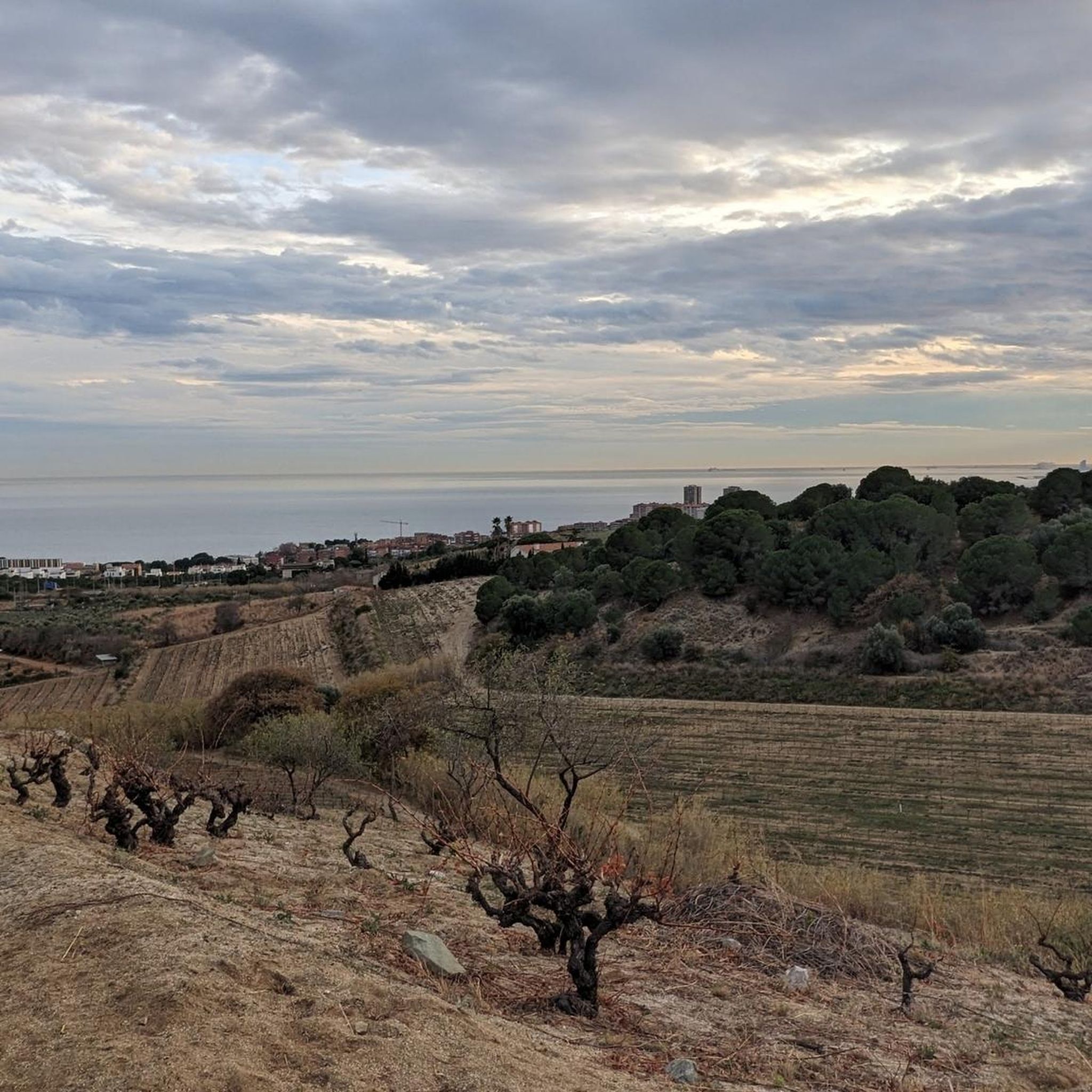
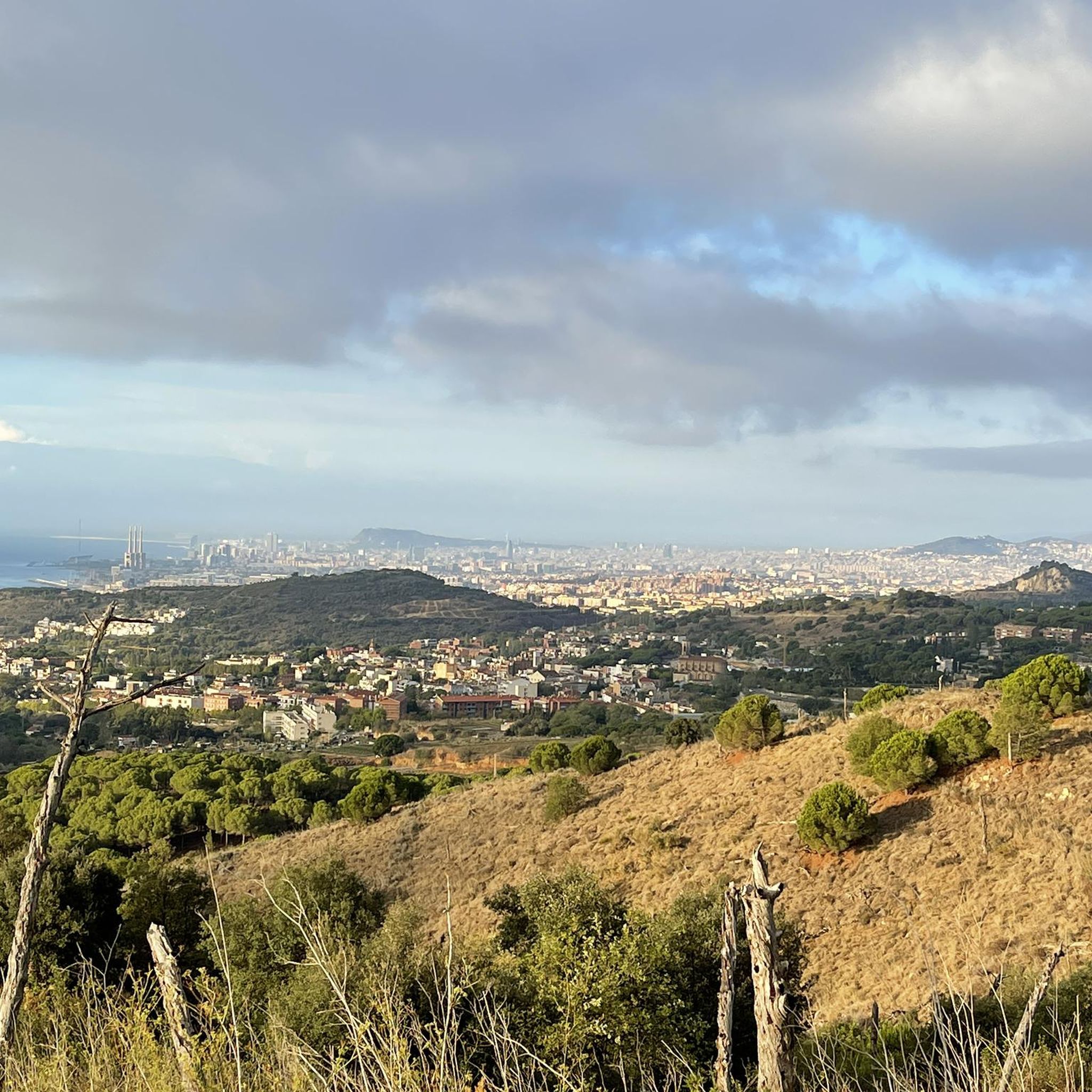
Natural monuments around Alella are found within a landscape characterized by its position on the southern side of the Serralada Litoral, with vineyards extending towards the sea. This region offers a blend of natural spaces and cultivated areas, providing diverse natural attractions. The area's allure lies in its harmonious combination of mountain ranges and distinctive vineyard landscapes, set against the Mediterranean backdrop.
Best natural monuments around Alella
- The most popular natural monuments is Can Gurguí Spring, a natural monument…
Last updated: July 1, 2026
Dolmen of the Roca d'en Toni
Highlight • Historical Site
Translated by Google •
Tip by

Can Gurguí Spring
Highlight • Natural Monument
Translated by Google •
Tip by

Sign up now to discover places like this
Get recommendations on the best single tracks, peaks, & plenty of other exciting outdoor places.
Sign up for free
Lion Fountain
Highlight • Natural Monument
Translated by Google •
Tip by

Gallecs Rural Area
Highlight (Segment) • Natural
Translated by Google •
Tip by
Turó de Montcada
Highlight • Summit
Translated by Google •
Tip by
Sign up for free to discover even more natural monuments around Alella.
Sign up for free
Already have an account?
Start today with a free account
Your next adventure awaits.
Login or Signup

Other adventures around Alella

Tips from the Community

Un monument megalític datat entre el final del neolític i l'edat del bronze, considerat un dels jaciments prehistòrics més importants del Maresme.
0
0

Real nice, shame it's only about 2 km but also a shame there aren't more such roads in the area. Go when there's no racing or practice sessions at the nearby Montmeló circuit!
0
0

A fountain that invites you to linger.
3
0

For cultural reasons, the monastery of St. Geroni della Murtra was very important.
0
0
The Dolmen of Can Boquet, also known as Roca d'en Toni, is a megalithic structure in Catalonia. The name Roca d'en Toni probably comes from the fact that, according to 19th century records, the landowner was called Toni Puig.
6
0

This water point is located in front of the entrance to the monastery.
2
0

Cool water and then continue.
4
0

The Font del Lleó that was fixed a few years ago, as well as its pond located opposite. It is located on the site of the old Mas Murtra, in the Poià valley, where, according to Josep Maria Cuyàs, there had been the chapel dedicated to Sant Martí since the 12th century, the monastery of Sant Jeroni was founded in 1416 by the Jerome monks with the help of the merchant Bertran Nicolau, who bought the farm and, in addition, obtained from Benedict XIII the license to move the community from its place of origin, Mont Olivet, to Sant Pere de Ribes (Carafe); the reasons for the move were, possibly, the poor conditions of the place: infertile soil and lack of water. In 1821 the monastery was used as a hospital during the yellow fever epidemic, the contagion of which ended in July of the following year;
3
0
Frequently Asked Questions
What types of natural attractions can I expect to find around Alella?
Alella's natural allure lies in its harmonious blend of the Serralada Litoral's natural spaces and the distinctive, cultivated landscape of its vineyards. You'll find a variety of natural monuments, from refreshing springs and expansive rural areas to mountain summits offering panoramic views. The region is characterized by its position on the southern side of the Serralada Litoral, with vineyards extending towards the sea, providing a serene environment for outdoor activities.
Are there any family-friendly natural monuments in the Alella area?
Yes, several natural monuments around Alella are suitable for families. For instance, the Can Gurguí Spring is a popular spot in the Parc de la Serralada Litoral, offering stone benches and a table, perfect for a picnic. The Gallecs Rural Area is another excellent choice, providing an agricultural space that doubles as a leisure area for discovering the environment and biodiversity, with no cars and fields full of flowers.
What historical natural monuments can I visit near Alella?
You can explore the Dolmen of the Roca d'en Toni, a well-preserved megalithic structure believed to date from between the third and second millennium BC. It's one of the most important megalithic monuments in the Maresme. Another site with historical significance is the Lion Fountain, located on the coast of a monastery, where you can also visit the old monastery itself.
Where can I find the best panoramic views of the region?
For breathtaking panoramic views, head to Turó de Montcada. This 273-meter mountain offers a spectacular 360-degree vista, allowing you to see the Vallès and Barcelonès plains, the Besòs, and the Marina and Collserola mountain ranges. It's part of the Serra de Collserola Natural Park and is well worth the effort.
Are there hiking opportunities near these natural monuments?
Absolutely! The region around Alella, including the Serralada Litoral Natural Park, offers numerous hiking trails. You can find various routes, from easy to moderate, that take you through vineyards, forests, and to viewpoints. For detailed hiking routes, you can explore the Hiking around Alella guide, which includes options like the GR 92: Turó d'en Galzeran Loop and vineyard loops.
What other outdoor activities are available near Alella's natural monuments?
Beyond hiking, Alella is a great spot for cycling enthusiasts. The area's diverse landscape supports both mountain biking and road cycling. You can find routes that traverse the vineyards, coastal paths, and mountain ranges. Check out the MTB Trails around Alella guide and the Road Cycling Routes around Alella guide for specific tours and difficulty levels.
Is there parking available near the natural monuments?
Yes, for some locations, parking is convenient. For example, near the Dolmen of the Roca d'en Toni, you can park your vehicle in a dedicated car park, which also serves as a starting point for several circular routes.
What is the best time to visit the natural monuments around Alella?
The natural monuments around Alella can be enjoyed year-round. However, spring and autumn offer particularly pleasant weather for hiking and exploring, with milder temperatures and vibrant natural colors. The vineyards are especially picturesque during these seasons. Summer can be warm, making early morning or late afternoon visits ideal, especially for longer hikes.
What should I wear when visiting the natural monuments, especially for hiking?
When hiking or exploring the natural monuments, it's advisable to wear comfortable walking shoes or hiking boots, especially if you plan to tackle summits like Turó de Montcada. Layered clothing is recommended to adapt to changing temperatures, and always bring water, especially on warmer days or longer routes.
Can I find places to eat or drink near the natural monuments?
Some natural monument areas have amenities nearby. For instance, close to the Dolmen of the Roca d'en Toni, you can find 'Cal Senyor' for breakfast on weekends. The Can Gurguí Spring is near Can Gurguí, a former convent that now operates as a restaurant.
What makes the Gallecs Rural Area unique?
The Gallecs Rural Area is unique because it preserves significant natural and landscape values amidst surrounding urban and industrial areas. It's primarily an agricultural space but also serves as a leisure area for citizens to discover the environment and biodiversity. It promotes a sustainable agricultural model and is recognized in the Plan of Areas of Natural Interest (PEIN) for its ecological importance.
Are there any natural springs where I can refill my water bottle?
Yes, the Can Gurguí Spring is a reliable source, always flowing with water from the Can Gurguí mine, and its water is considered sanitary to drink. Another option is the Lion Fountain, located near a monastery, where you can also take the opportunity to fill your canteen.
Most popular attractions around Alella

Get inspired with the komoot mobile app


Explore more
Extend your search for the best caves by checking out these guides of the top ones around Alella:
