Top 20 Natural Monuments around Teià
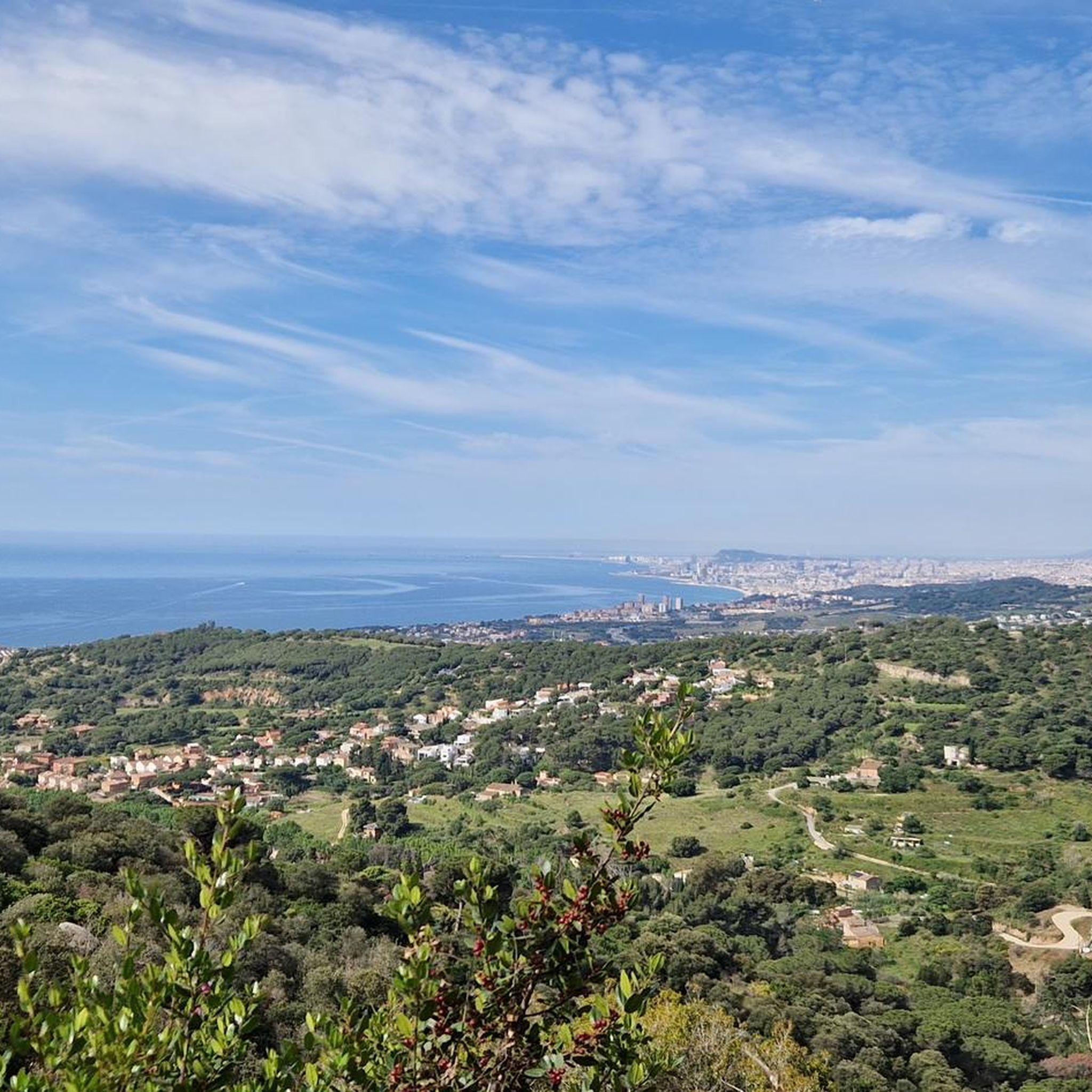
Best natural monuments around Teià are found within the Parc de la Serralada Litoral, offering a diverse landscape of Mediterranean forests and scenic spots. This region provides a rich environment for outdoor activities, featuring significant natural landmarks. Teià's natural areas are characterized by varied terrain and abundant flora, making them suitable for exploration. The area offers a blend of natural beauty and historical elements, providing numerous opportunities for connecting with the environment.
Best natural monuments around Teià
- The most popular natural monuments is Can Gurguí Spring, a natural monument that consistently flows with water from the Can Gurguí mine. It features stone benches and a round table, making it a popular resting spot in the Parc de la Serralada Litoral.
- Another must-see spot is Gallecs Rural Area, an extensive rural area that preserves its natural and landscape values, contrasting with the surrounding urban environment. It serves as a space for agricultural use and leisure, promoting local products and biodiversity.
- Visitors also love Dolmen of the Roca d'en Toni, an ancient megalithic structure. This well-preserved monument is believed to date from between the third and second millennium BC, making it one of the most important megalithic sites in the Maresme region.
- Teià is known for natural springs, ancient megalithic structures, and expansive rural areas. Visitors can explore a variety of natural monuments, including historical sites and tranquil natural spots.
- The natural monuments around Teià are appreciated by the komoot community, with over 250 upvotes and 35 photos shared.
Last updated: October 18, 2026
Parpers Pass
Highlight • Mountain Pass
It is a gentle port on both sides but it is interesting because it connects with many ports of the coastal mountain range.
The ascent by the Roca del Vallés has 5.3 kms. with a very moderate mean of 3.2%. The port goes from East to West along the C-1415c.
Translated by Google •
Tip by

Dolmen of the Roca d'en Toni
Highlight • Historical Site
Translated by Google •
Tip by

Sign up now to discover places like this
Get recommendations on the best single tracks, peaks, & plenty of other exciting outdoor places.
Can Gurguí Spring
Highlight • Natural Monument
Around the fountain there are stone benches and a round table. For the gloomy surroundings, the freshness of the water and the ease of access, it is one of the most visited sources in the Parc de la Serralada Litoral. In front of the fountain and on the other side of the track, there are a couple of poplars and a lush stream full of plane trees. Behind, there is a thick oak forest. Nearby is Can Gurguí, a former convent and now a restaurant.
A stone front from 1899 supports the sandstone margin and supports the metal door of the mouth of the mine. The wide spout comes out from under the door and the water that flows is considered sanitary to drink.
Translated by Google •
Tip by
Lion Fountain
Highlight • Natural Monument
Translated by Google •
Tip by

Gallecs Rural Area
Highlight (Segment) • Natural
The Espai Rural Gallecs promotes an agricultural model based on the sustainability of the territory at the environmental level but also economic as it works together with other agents in the territory to promote local products and share a common goal: to preserve the natural heritage, landscape and also , cultural.
Translated by Google •
Tip by
Sign up for free to discover even more natural monuments around Teià.
Already have an account?
Start today with a free account
Your next adventure awaits.

Tips from the Community

Un monument megalític datat entre el final del neolític i l'edat del bronze, considerat un dels jaciments prehistòrics més importants del Maresme.
0
0

Real nice, shame it's only about 2 km but also a shame there aren't more such roads in the area. Go when there's no racing or practice sessions at the nearby Montmeló circuit!
0
0

A fountain that invites you to linger.
3
0

For cultural reasons, the monastery of St. Geroni della Murtra was very important.
0
0
The Dolmen of Can Boquet, also known as Roca d'en Toni, is a megalithic structure in Catalonia. The name Roca d'en Toni probably comes from the fact that, according to 19th century records, the landowner was called Toni Puig.
6
0

This water point is located in front of the entrance to the monastery.
2
0

Cool water and then continue.
4
0

The Font del Lleó that was fixed a few years ago, as well as its pond located opposite. It is located on the site of the old Mas Murtra, in the Poià valley, where, according to Josep Maria Cuyàs, there had been the chapel dedicated to Sant Martí since the 12th century, the monastery of Sant Jeroni was founded in 1416 by the Jerome monks with the help of the merchant Bertran Nicolau, who bought the farm and, in addition, obtained from Benedict XIII the license to move the community from its place of origin, Mont Olivet, to Sant Pere de Ribes (Carafe); the reasons for the move were, possibly, the poor conditions of the place: infertile soil and lack of water. In 1821 the monastery was used as a hospital during the yellow fever epidemic, the contagion of which ended in July of the following year;
3
0
Frequently Asked Questions
What are some notable natural monuments to explore around Teià?
The area around Teià, particularly within the Parc de la Serralada Litoral, offers several significant natural and historical sites. You can visit the Can Gurguí Spring, known for its consistent water flow and as a popular resting spot. Another must-see is the Dolmen of the Roca d'en Toni, an ancient megalithic structure dating back thousands of years. The Gallecs Rural Area also preserves extensive natural and agricultural landscapes.
Are there family-friendly natural monuments in Teià?
Yes, several natural monuments around Teià are suitable for families. The Can Gurguí Spring is easily accessible and offers a pleasant spot for a break with stone benches and a table. The Gallecs Rural Area provides open spaces for leisure and discovery of the environment, perfect for walks with children. Additionally, the Lion Fountain is a charming spot often enjoyed by families.
What kind of outdoor activities can I do near these natural monuments?
The natural monuments around Teià are excellent starting points for various outdoor activities within the Parc de la Serralada Litoral. You can find numerous hiking trails, such as those mentioned in the Hiking around Teià guide, including routes like 'Teià — circular route' and 'Cornice Viewpoint – Font de Sant Mateu loop'. There are also options for gravel biking, with routes like 'Òrrius – Dolmen of the Roca d'en Toni loop' available in the Gravel biking around Teià guide, and running trails, detailed in the Running Trails around Teià guide.
Are there any historical sites among the natural monuments?
Yes, the region beautifully blends natural beauty with historical significance. The Dolmen of the Roca d'en Toni is a prime example, being an important megalithic structure from between the third and second millennium BC. You can also find the Montigalá Cross, a historical landmark offering panoramic views, and the Lion Fountain, which is near an old monastery.
What are the best viewpoints to experience the natural beauty of Teià?
Teià and the surrounding Parc de la Serralada Litoral offer several stunning viewpoints. While not explicitly listed as natural monuments in the guide data, the region research highlights spots like the Mirador del Turó d'en Baldiri and Mirador de la Creu de Montcabrer, which provide impressive panoramic vistas of the Barcelona coastline and the Maresme region. The Montigalá Cross also offers beautiful panoramic views of the Serralada de Marina, Badalona, and Barcelona.
What is the best time of year to visit the natural monuments around Teià?
The Parc de la Serralada Litoral, where many of Teià's natural monuments are located, is enjoyable year-round. Spring and autumn generally offer the most pleasant weather for hiking and exploring, with mild temperatures and vibrant flora. Summer can be warm, but shaded forest trails provide relief. Winter is also suitable for walks, especially on clear days, offering crisp views.
Are the trails around Teià's natural monuments difficult?
The difficulty of trails around Teià's natural monuments varies. You can find a range of options from easy to difficult. For instance, the Hiking around Teià guide includes routes like the 'Montgat-Tordera Trail' which is rated easy, while others like 'Cornice Viewpoint – Font de Sant Mateu loop' are moderate. For more challenging adventures, some gravel biking and running routes are rated difficult. It's advisable to check individual route details for specific difficulty grades.
Can I bring my dog to the natural monuments and trails?
While specific dog-friendly rules for each natural monument are not detailed, the Parc de la Serralada Litoral generally welcomes dogs on trails, often requiring them to be on a leash. It's always recommended to respect local regulations, clean up after your pet, and ensure they do not disturb wildlife or other visitors. Many of the natural areas and trails are suitable for walks with dogs.
What kind of flora and fauna can I expect to see?
The Parc de la Serralada Litoral, encompassing Teià's natural monuments, is characterized by diverse Mediterranean forests. You can expect to see a variety of native trees like oaks and plane trees, especially around springs like Can Gurguí Spring. The park is home to typical Mediterranean fauna, though specific sightings depend on the season and your luck. It's a rich environment for nature enthusiasts to observe local biodiversity.
Are there any natural springs or water sources in the area?
Yes, Teià is known for its natural springs. The Can Gurguí Spring is a prominent example, consistently flowing with water from the Can Gurguí mine and considered sanitary to drink. The region research also mentions other natural springs like the Font de les Perdius and the Ajupits fountain, which are often highlighted on local natural routes and provide tranquil resting points.
What do visitors enjoy most about the natural monuments around Teià?
Visitors particularly appreciate the blend of natural beauty and historical elements. The consistent flow of water at Can Gurguí Spring makes it a favorite resting spot, while the well-preserved Dolmen of the Roca d'en Toni offers a fascinating glimpse into ancient history. The expansive Gallecs Rural Area is valued for its preserved natural and agricultural landscapes, providing a peaceful contrast to urban surroundings. The komoot community has shown strong appreciation, with over 250 upvotes and 35 photos shared for these sites.
Is there parking available near the natural monuments?
Yes, for some key natural monuments, parking is available. For instance, you can park your vehicle near the Dolmen of the Roca d'en Toni, which serves as a convenient starting point for several circular routes. For other areas within the Parc de la Serralada Litoral, designated parking spots are typically available at trailheads or access points, though it's always good to check specific locations beforehand.
How can I reach the natural monuments using public transport?
Access to the Parc de la Serralada Litoral and its natural monuments from Teià can be achieved via public transport, though direct access to every single monument might require some walking. Local bus services connect Teià to nearby towns and some entry points of the natural park. For specific trailheads or monuments, it's advisable to research the nearest bus stops and plan your route accordingly, as some areas are more remote.
Most popular attractions around Teià

Get inspired with the komoot mobile app


Explore more
Extend your search for the best caves by checking out these guides of the top ones around Teià:
