Top 12 Natural Monuments around Santo Domingo De Silos
Best natural monuments around Santo Domingo De Silos are found in a region characterized by diverse geological features and rich natural landscapes. This area, located in the province of Burgos, Spain, is known for its high-altitude limestone moorlands and deep river canyons. It is part of the expansive Las Loras UNESCO Global Geopark, showcasing a blend of Euro-Siberian and Mediterranean ecosystems. The landscape offers numerous opportunities for exploring unique geomorphological systems and walking routes.
Best natural monuments around Santo Domingo De Silos
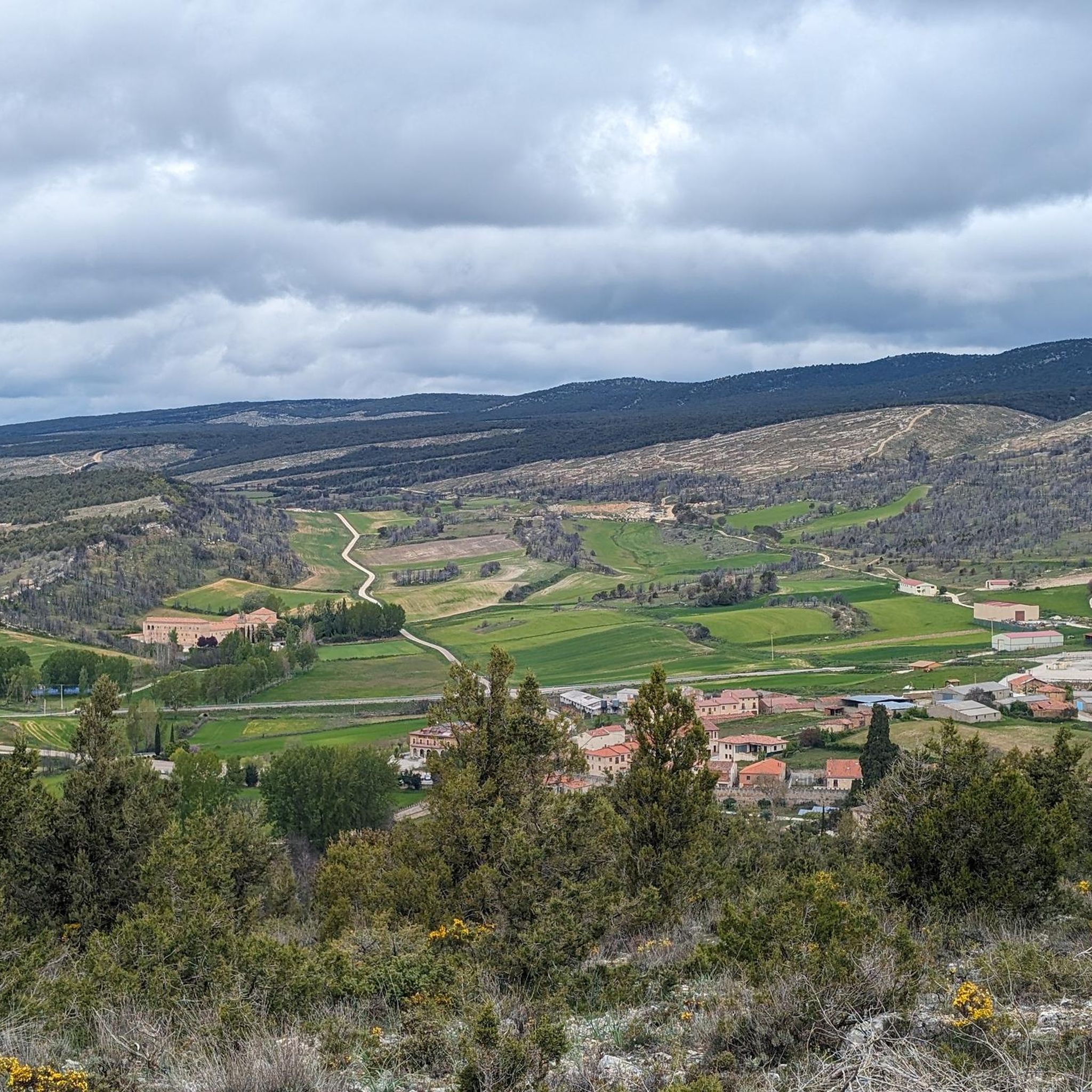
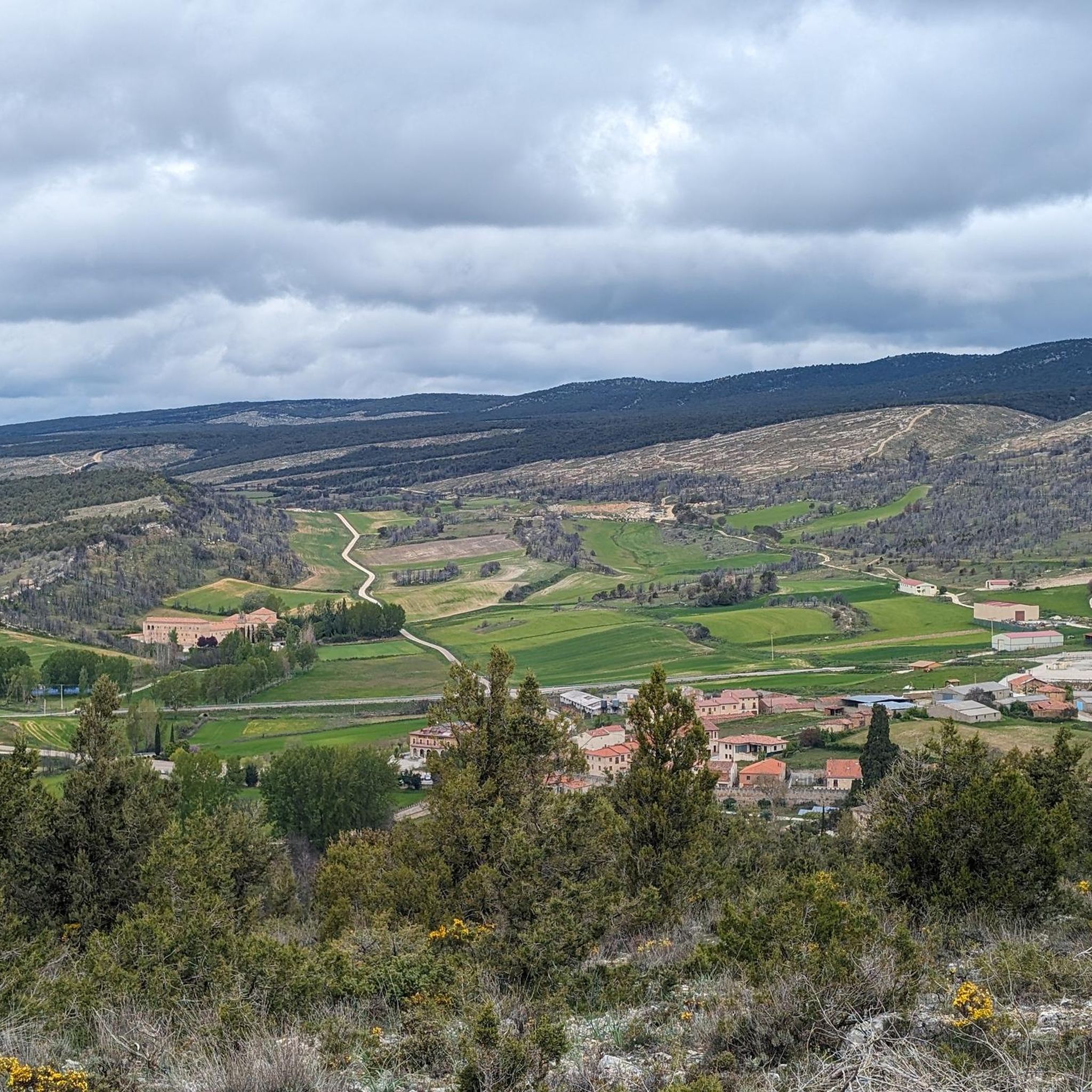
- The most popular natural monuments is View of Peña de Carazo, a viewpoint that offers perspectives of the town of Santo Domingo de Silos nestled in a depression between high limestone mountains. This location provides views of the surrounding landscape, including holm oaks, junipers, and pines.
- Another must-see spot is Alto de Peña Alta (1078 m), a mountain pass located within the Sabinares de Arlanza - La Yecla natural park. From its elevation of over 1070 meters, visitors can observe the distant peaks and a natural setting of the Mediterranean landscape.
- Visitors also love Pinarejos Spring, a natural monument offering a privileged environment. This spot is ideal for resting amidst its natural surroundings.
- Santo Domingo De Silos is known for its mountain passes, viewpoints, and springs. The region offers a variety of natural monuments to see and explore, from high summits to tranquil natural springs.
- The natural monuments around Santo Domingo De Silos are appreciated by the komoot community, with 12 upvotes and 5 photos shared by visitors.
Last updated: July 1, 2026
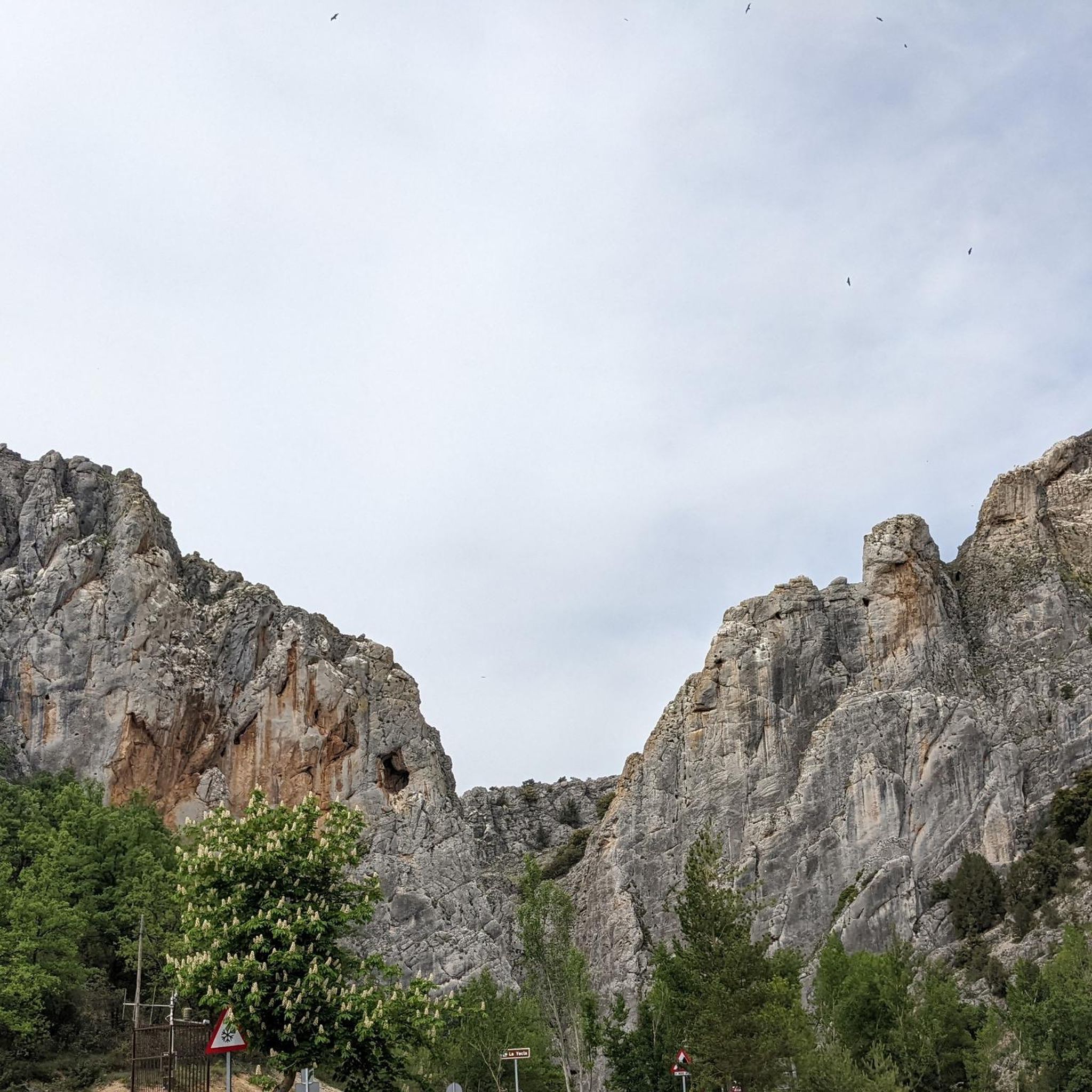
Viewpoint over the Yecla Gorge
Highlight • Gorge
Translated by Google •
Tip by

Alto de Peña Alta (1078 m)
Highlight • Mountain Pass
Translated by Google •
Tip by

Sign up now to discover places like this
Get recommendations on the best single tracks, peaks, & plenty of other exciting outdoor places.
Sign up for free
View of Peña de Carazo
Highlight • Viewpoint
Translated by Google •
Tip by

Pinarejos Spring
Highlight • Natural Monument
Spectacular landscapes.
bigjoe.es/el-destierro-del-cid-etapa-3-santo-domingo-de-silos-langa-de-duero
Translated by Google •
Tip by

El Churrión Waterfall
Highlight • Waterfall
Translated by Google •
Tip by
Sign up for free to discover even more natural monuments around Santo Domingo De Silos.
Sign up for free
Already have an account?
Start today with a free account
Your next adventure awaits.
Login or Signup


Tips from the Community

Spectacular area for hiking routes
0
0
A spectacular waterfall with dizzying walls
0
0
privileged environment between Huerta and Arauzo
0
0


impressive canyon with walkways. Bikes must be left parked, they do not fit
0
0
Spectacular canyon, which can be visited via the walkways provided for this purpose. Be careful, bicycles do not fit, as it has been verified.
0
0


About three kilometers southwest of Silos lies a gorge also known as Desfiladero de la Yecla. A footpath leads through the deep cut in the limestone cliffs, whose valley floor the sun barely reaches. Colonies of griffon vultures and other birds of prey live in this adventurous landscape.
2
0
Frequently Asked Questions
What are the most popular natural monuments to visit around Santo Domingo De Silos?
Visitors frequently enjoy the View of Peña de Carazo, which offers stunning perspectives of Santo Domingo de Silos nestled among limestone mountains. Another highly regarded spot is Alto de Peña Alta (1078 m), a mountain pass providing extensive views of the Mediterranean landscape. The tranquil Pinarejos Spring is also a favorite for those seeking a peaceful resting place.
What unique geological features can I expect to see in the natural monuments of this region?
The region is part of the expansive Las Loras UNESCO Global Geopark, characterized by high-altitude limestone moorlands and deep river canyons. You can explore dramatic formations like the La Yecla Gorge, with its narrow passages, vertical rock walls, and features created by water erosion such as sink-holes and giant river pot-holes. The geopark also showcases a rich record of Mesozoic deposits, offering insights into geological history.
Are there family-friendly natural attractions near Santo Domingo De Silos?
Yes, several natural monuments are suitable for families. The Pinarejos Spring is an ideal spot for resting in a pleasant natural environment. Additionally, the El Churrión Waterfall offers a nice and easy walk, perfect for families, though its water flow varies seasonally.
What is the best time of year to visit the natural monuments around Santo Domingo De Silos?
While the natural monuments can be visited year-round, spring and autumn are particularly recommended. During these seasons, the water flow in gorges like La Yecla is often higher, enhancing the dramatic scenery. The weather is also generally milder, making outdoor activities more enjoyable. Winter visits might involve ice on some routes, and summer can be quite warm.
What outdoor activities can I do near these natural monuments?
The area offers a variety of outdoor activities. You can find numerous running trails, including routes through the Sabinares de Arlanza - La Yecla Natural Park, such as the 'Desfiladero de La Yecla y Monasterio de Santo Domingo de Silos' loop. For mountain biking, there are challenging routes like the 'Camino del Cid and Enebral de Carazo Loop'. Road cyclists can enjoy scenic rides like the 'Covarrubias from Santo Domingo de Silos' route. You can explore more options on the Running Trails, MTB Trails, and Road Cycling Routes guides.
Are there hiking trails near the natural monuments?
Yes, the region is excellent for hiking. You can find trails that take you through the Sabinares de Arlanza - La Yecla natural park, offering diverse landscapes. A popular moderate trail is the 'La Yecla Gorge – View of Peña de Carazo loop from Santo Domingo de Silos'. Many routes allow you to experience the unique geological formations and natural beauty of the area. For more details, refer to the Running Trails around Santo Domingo De Silos guide, which includes walking and hiking options.
Which natural monuments offer the best panoramic views?
For expansive views, the View of Peña de Carazo provides excellent perspectives of the town and surrounding mountains. Another great option is Alto de Peña Alta (1078 m), a mountain pass offering a beautiful natural setting and distant peaks. The Alto de la Cabeza Summit, at 1343m, is the highest point in the Ribera del Duero and also offers significant views.
What kind of wildlife can be observed in the natural monuments area?
The natural monuments, particularly within the Natural Park of Los Sabinares del Arlanza-La Yecla and the Las Loras Geopark, are home to diverse wildlife. You can often spot large colonies of griffon vultures soaring above the rock faces of La Yecla Gorge. The diverse habitats, ranging from Euro-Siberian to Mediterranean ecosystems, support a wide range of flora and fauna, including various bird species and potentially deer, as mentioned near the El Churrión Waterfall.
Are there any cultural or historical sites near the natural monuments?
Yes, the Las Loras UNESCO Global Geopark, which encompasses many of these natural monuments, is also rich in cultural heritage. Beyond its natural beauty, the area boasts a high concentration of Romanesque buildings, well-preserved monasteries, churches, and traditional villages. Santo Domingo de Silos itself is known for its Benedictine monastery, offering a blend of natural and cultural exploration.
What makes the La Yecla Gorge a significant natural monument?
La Yecla Gorge is a significant natural monument due to its dramatic and unique geological formations. It's a deep, narrow limestone gorge carved by the Helechal Rivulet, featuring striking vertical rock walls, sink-holes, and cascades. A system of metal gangways and bridges allows visitors to walk through its interior, offering a unique opportunity to witness the power of water erosion firsthand. It's also a vital habitat for griffon vultures.
What is the significance of the Las Loras UNESCO Global Geopark in this region?
The Las Loras UNESCO Global Geopark is significant as it's a vast territory showcasing a diverse landscape of high-altitude limestone moorlands and deep river canyons. It's a transitional area between the Castilian Plateau and the Cantabrian Mountain Range, resulting in rich biodiversity. The geopark provides an almost complete record of Mesozoic deposits, offering crucial insights into the opening of the Atlantic Ocean and the Bay of Biscay rifting stages, alongside numerous karstic landforms.
Most popular routes around Santo Domingo De Silos
Most popular attractions around Santo Domingo De Silos

Get inspired with the komoot mobile app


Explore more
Extend your search for the best caves by checking out these guides of the top ones around Santo Domingo De Silos:
