Top 20 Natural Monuments around Bunyola
Best natural monuments around Bunyola are found within the Serra de Tramuntana mountains on Mallorca, a UNESCO World Heritage site. The region features a diverse landscape of ancient forests, significant natural features, and historical gardens integrated with nature. Bunyola offers a variety of natural attractions, from ancient trees to expansive forests and mountain trails. The area is characterized by its natural beauty and unique geological formations.
Best natural monuments around Bunyola
- The most popular natural monuments is Camí de s'Arxiduc…
Last updated: October 4, 2026
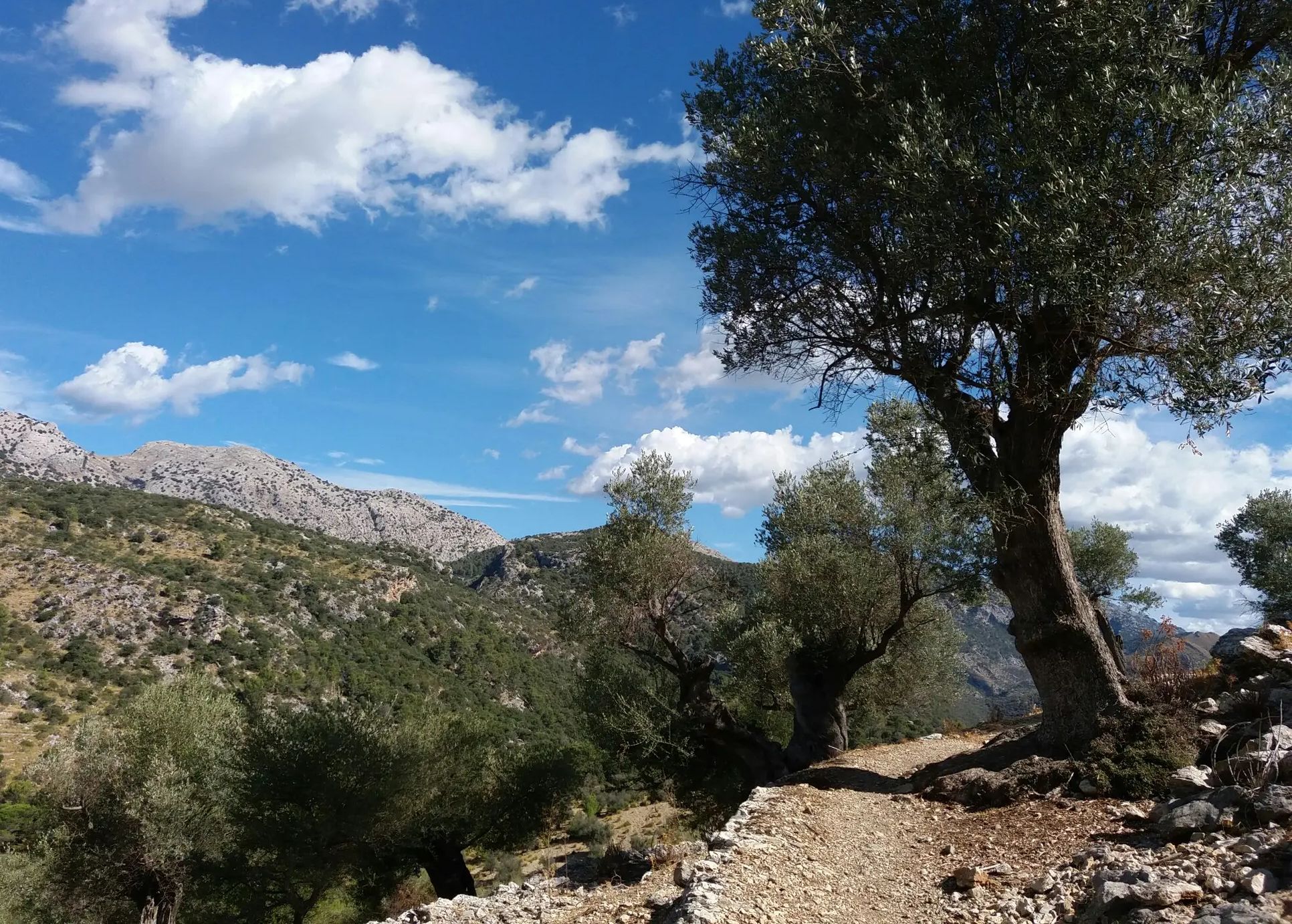
Old Olive Tree
Highlight • Natural Monument
Translated by Google •
Tip by

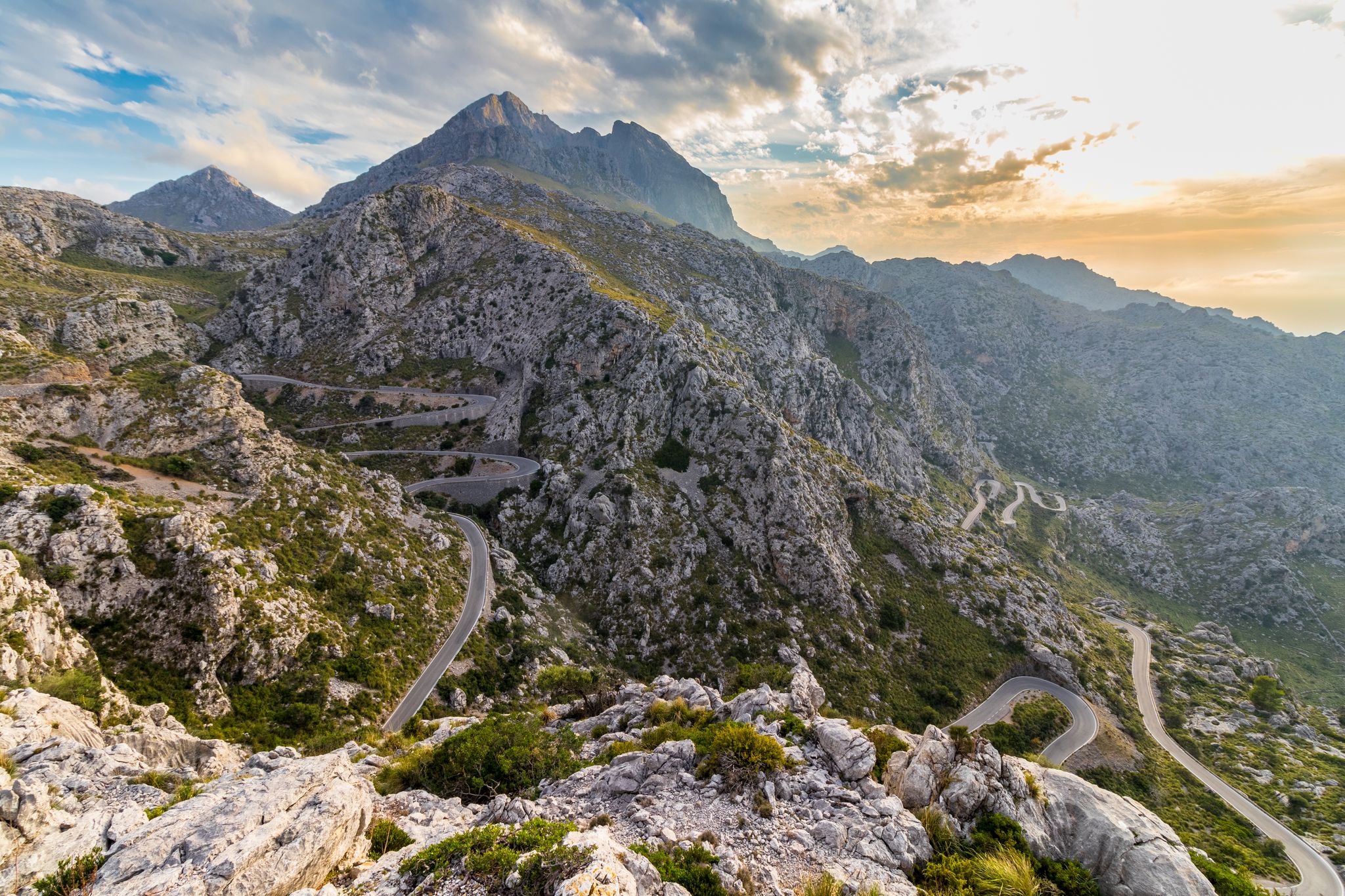
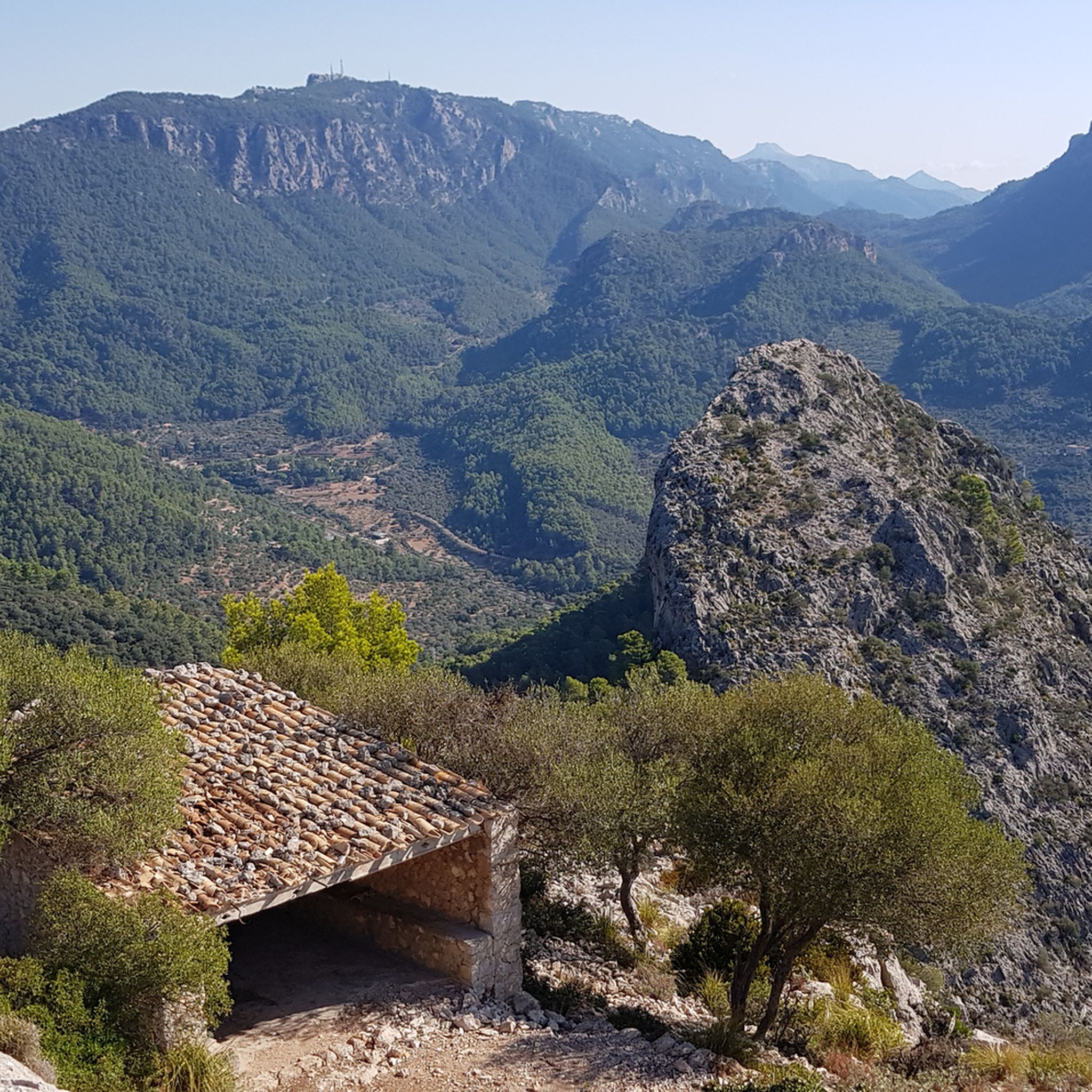
Camí de s'Arxiduc (Archduke's Trail)
Highlight • Trail
Translated by Google •
Tip by

Sign up now to discover places like this
Get recommendations on the best single tracks, peaks, & plenty of other exciting outdoor places.
Plaça de Cort and the Ancient Olive Tree, Palma Old Town
Highlight • Historical Site
You should plan to spend at least a day there.
Translated by Google •
Tip by

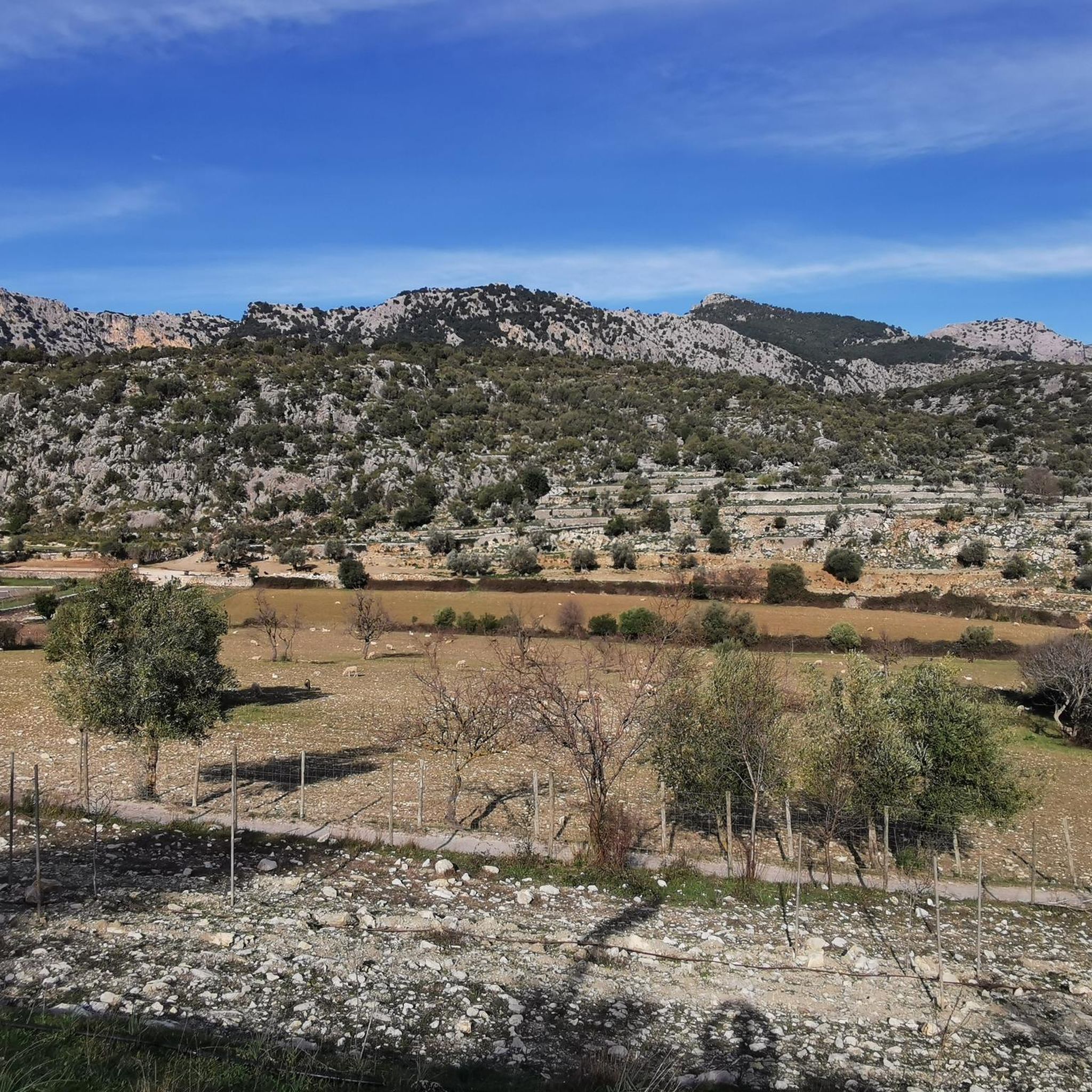
Cúber Reservoir
Highlight • Lake
Translated by Google •
Tip by

Ancient Olive Groves of the Serra de Tramuntana
Highlight • Natural
Translated by Google •
Tip by
Sign up for free to discover even more natural monuments around Bunyola.
Already have an account?



Tips from the Community

The path through the old olive groves is simply wonderful to walk... but it gets very hot here in summer...
3
1

Just follow the sign for Orange Juice and go up the stairs. There is fresh juice and you will be rewarded with a wonderful view
5
1

Great hike wonderful in September
1
1

Really a great place, although a bit hot in July
1
1

The most famous olive tree in Palma de Mallorca, "Olivera de Cort", is located in the "Plaza de Cort" in the center of the city. The tree is between 500 and 600 years old
10
0

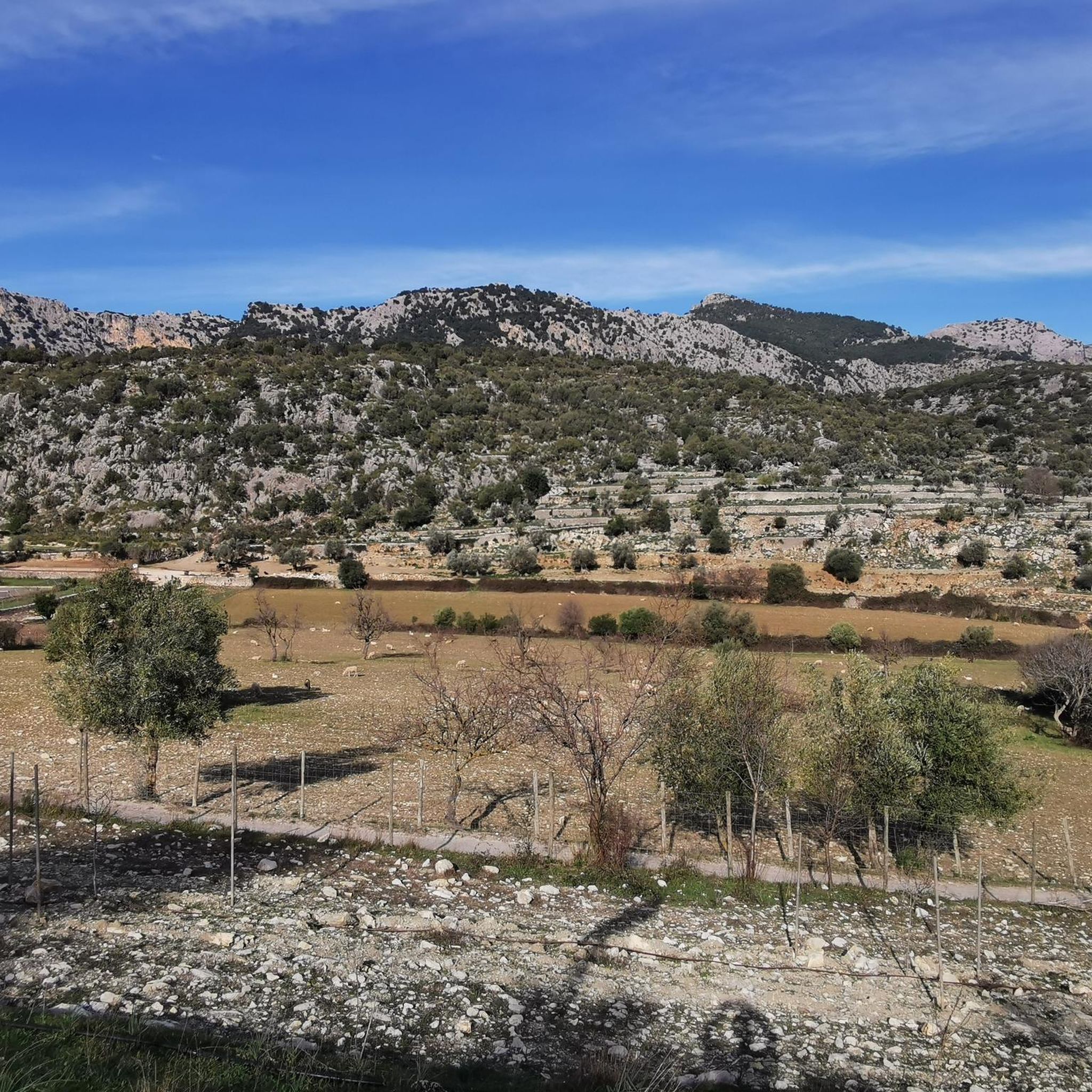
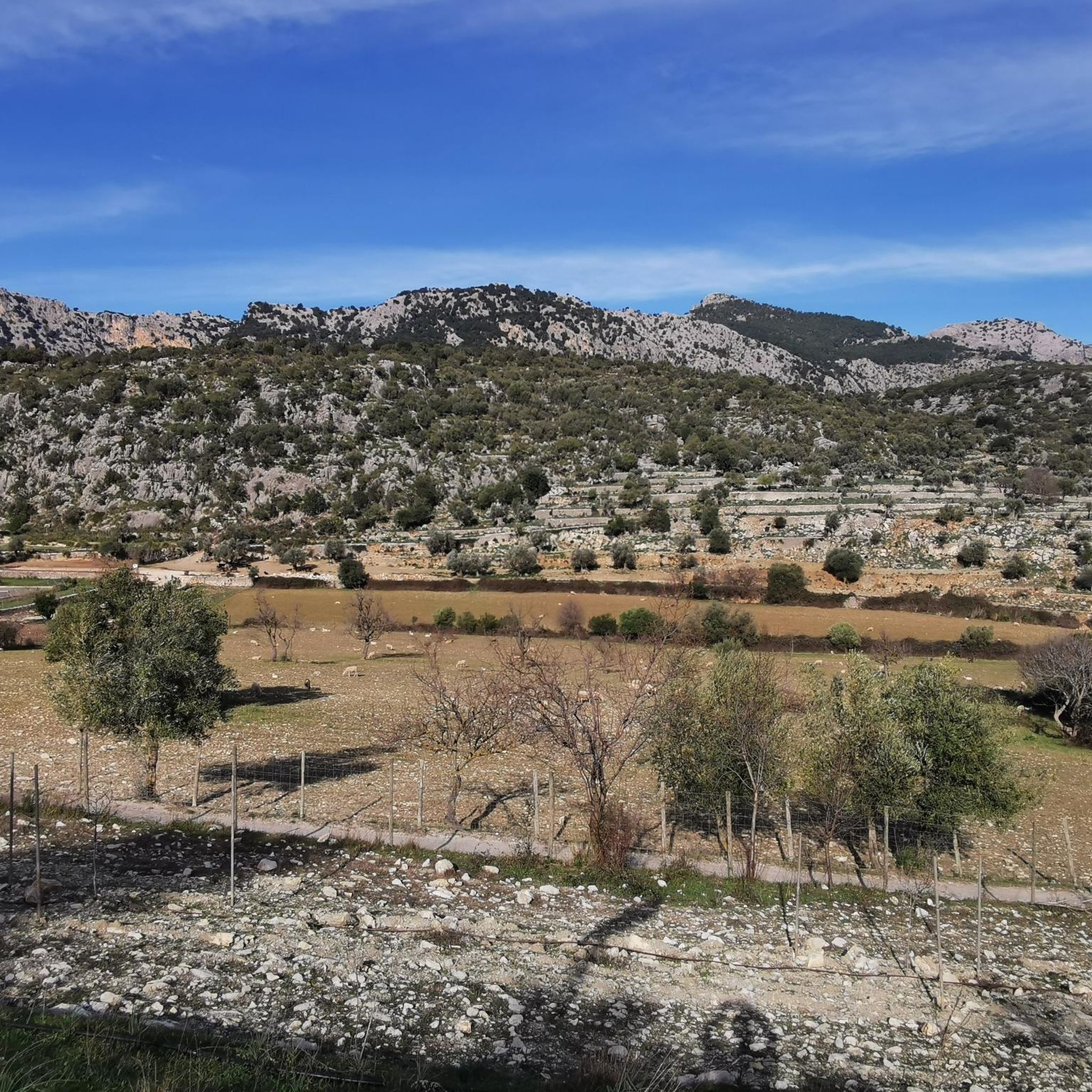
The area around the Cúber is a fenced nature reserve. You can park your car right at the beginning of the reservoir. There is another parking lot 200 meters up the road. Sheep, cows and donkeys live near the water and Mallorca's wild goats crawl on the mountain slopes. The view over the lake and the walls of the Tramuntana giants is uniquely beautiful.
5
1

It is located very picturesquely and idyllically. Walked at a leisurely pace, the circuit was completed in just under an hour. https://de.wikipedia.org/wiki/C%C3%BAber
4
0

The centuries-old olive trees in Mallorca, especially in the Tramuntana, were introduced by the Phoenicians a thousand years ago. The Romans expanded cultivation, and the Arabs later developed oil extraction. For a long time, the farmers in the Tramuntana lived off the "gold of the Sierra". Even the steepest slopes were terraced in order to use them for olive cultivation. The olive tree ensures its longevity through the bizarre shapes it assumes over time and is one of the longest-lived trees of all. Even at the age of several 100 years, it still bears fruit.
12
1
Frequently Asked Questions
What are some unique natural monuments to explore around Bunyola?
Bunyola, situated within the Serra de Tramuntana, offers several unique natural monuments. You can visit the Old Olive Tree, known for its bizarre shapes and long lifespan, or the Ancient Olive Groves of the Serra de Tramuntana, featuring centuries-old trees introduced by the Phoenicians. Another significant site is the Cúber Reservoir, the largest in Mallorca, offering stunning mountain panoramas.
Are there family-friendly natural monuments or activities in Bunyola?
Yes, several natural monuments around Bunyola are suitable for families. The Cúber Reservoir offers a comfortable path around the lake, perfect for a leisurely walk. Sa Comuna Forest is also ideal for family outings, providing an open-air classroom to discover Mallorca's natural wonders, complete with picnic areas like Sa Plana. Es Salt des Freu, with its easy and accessible route, is another good choice for families, especially during winter and spring.
What kind of natural features can I expect to see in Bunyola's natural monuments?
Bunyola's natural monuments showcase a diverse range of features. You'll find ancient holm oaks and tall pine trees in extensive forests like Sa Comuna, along with typical Mediterranean shrubs. The region is also home to natural springs, stunning waterfalls like Es Salt des Freu, and significant olive groves with ancient, uniquely shaped trees. The Serra de Tramuntana itself features dizzying cliffs, lush forests, and peaks exceeding 1000 meters, offering breathtaking viewpoints.
When is the best time of year to visit Bunyola's natural monuments?
The best time to visit Bunyola's natural monuments largely depends on the specific attraction. For waterfalls like Es Salt des Freu, winter and spring are ideal due to higher water flow. Generally, spring and autumn offer pleasant temperatures for hiking and exploring the forests and olive groves. Summers can be hot, making early mornings preferable for activities in shadeless sections.
Are there hiking trails near Bunyola's natural monuments?
Yes, Bunyola is a prime location for hiking. The Camí de s'Arxiduc (Archduke's Trail) is a popular route offering magnificent views of the coast and the Tramuntana mountains. Sa Comuna Forest is highly regarded for hiking, and the broader Serra de Tramuntana provides a vast network of trails for all skill levels. For more options, you can explore various Mountain Hikes around Bunyola.
What are some challenging hiking trails around Bunyola's natural monuments?
For advanced hikers, the Serra de Tramuntana offers challenging routes. The Camí de s'Arxiduc requires surefootedness and good shoes. Other difficult mountain hikes include the 'View of Cúber Reservoir – Puig de na Franquesa loop' and the 'Cap Gros Lighthouse loop'. You can find more details on these and other advanced trails in the Mountain Hikes around Bunyola guide.
Can I find easy walking paths or trails suitable for all skill levels?
Absolutely. The path around the Cúber Reservoir is a comfortable and easy walk. Es Salt des Freu also offers an accessible route, especially enjoyable during the wetter months. Sa Comuna Forest provides various paths suitable for leisurely strolls and family outings. For more easy options, check the Mountain Hikes around Bunyola guide, which includes routes like the 'Cúber Reservoir loop' rated as easy.
What wildlife might I encounter in Bunyola's natural areas?
Bunyola's natural areas, particularly Sa Comuna Forest and the Serra de Tramuntana, are home to diverse wildlife. You might encounter various bird species, especially in the mountains, making it a great spot for bird watching. Keep an eye out for local fauna like wild goats, sheep, and donkeys, which often graze in the protected areas around the Cúber Reservoir.
Are there any historical or cultural natural monuments in the area?
Yes, Bunyola offers a blend of natural beauty and historical significance. The Old Olive Tree and the Ancient Olive Groves of the Serra de Tramuntana are natural monuments with deep historical roots, showcasing agricultural practices dating back thousands of years. Additionally, the Jardines de Alfabia, while primarily a historical estate, features ancient trees and Moorish-influenced water systems, integrating natural elements with rich cultural heritage.
What outdoor activities, besides hiking, can I do near these natural monuments?
Beyond hiking, Bunyola offers a range of outdoor activities. Sa Comuna Forest is popular for cycling, and the Serra de Tramuntana provides extensive trails for mountain biking. Canyoning is a popular activity at Es Salt des Freu, especially when water levels are high. You can find specific routes for different sports in the MTB Trails around Bunyola and Running Trails around Bunyola guides.
Are there any specific permits required to access certain natural areas?
For most natural monuments and trails, general access is permitted. However, for certain restricted areas within the Serra de Tramuntana, such as parts of the Muntanya del Voltor to the west of the Camí de s'Arxiduc, a permit may be required due to daily hiker limits. It's advisable to check local regulations or contact authorities if you plan to venture into less-trafficked or protected zones.
What do visitors enjoy most about Bunyola's natural monuments?
Visitors frequently praise the magnificent views, especially from trails like the Camí de s'Arxiduc, and the unique, bizarre shapes of the ancient olive trees. The peaceful atmosphere of places like Jardines de Alfabia and the stunning panoramas around the Cúber Reservoir are also highly appreciated. Many enjoy the opportunity for family outings and the sense of immersion in nature that the extensive forests provide.
Most popular routes around Bunyola
Most popular attractions around Bunyola

Get inspired with the komoot mobile app


Explore more
Extend your search for the best caves by checking out these guides of the top ones around Bunyola:
