Top 18 Natural Monuments around Gea De Albarracín
Best natural monuments around Gea De Albarracín are characterized by unique geological formations and significant cultural heritage. The region is part of the Protected Landscape of the Pinares de Rodeno, known for its distinctive red sandstone bedrock and extensive pine forests. This area also preserves ancient Levantine rock art, which is a UNESCO World Natural Heritage site. The landscape offers a combination of natural beauty and historical significance.
Best natural monuments around Gea De Albarracín
- The most popular natural monuments…
Last updated: July 1, 2026
Peñas Royas Viewpoint
Highlight • Viewpoint
Translated by Google •
Tip by

Laguna de Bezas
Highlight • Lake
It is located …
Translated by Google •
Tip by

Sign up now to discover places like this
Get recommendations on the best single tracks, peaks, & plenty of other exciting outdoor places.
Sign up for free
Arquillo de San Blas Reservoir
Highlight • Lake
Translated by Google •
Tip by
Cabrerizo Viewpoint
Highlight • Viewpoint
Translated by Google •
Tip by
Shelter of the Archer of the Enclosed Ravines
Highlight • Historical Site
Translated by Google •
Tip by
Sign up for free to discover even more natural monuments around Gea De Albarracín.
Sign up for free
Already have an account?
Start today with a free account
Your next adventure awaits.
Login or Signup
Popular around Gea De Albarracín
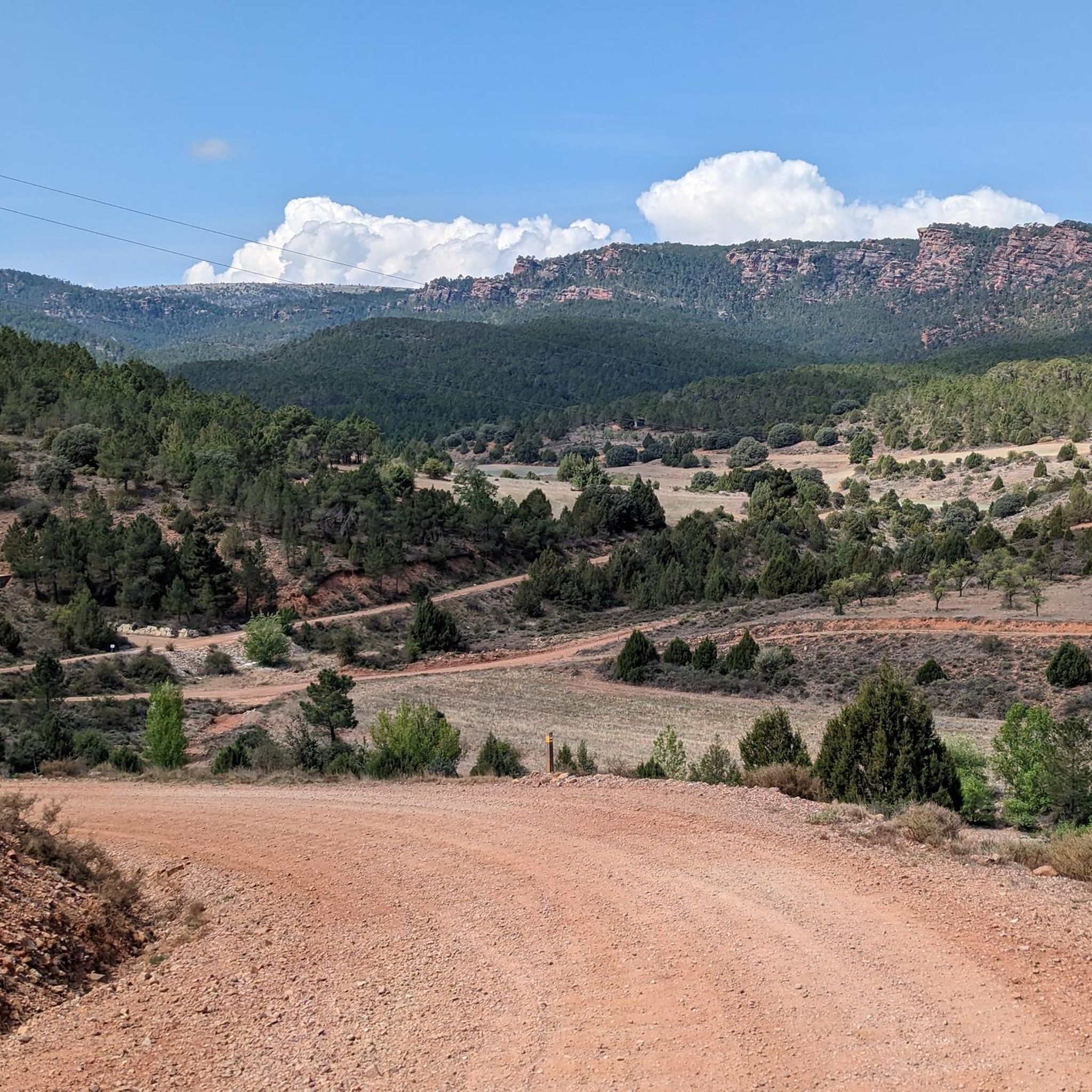
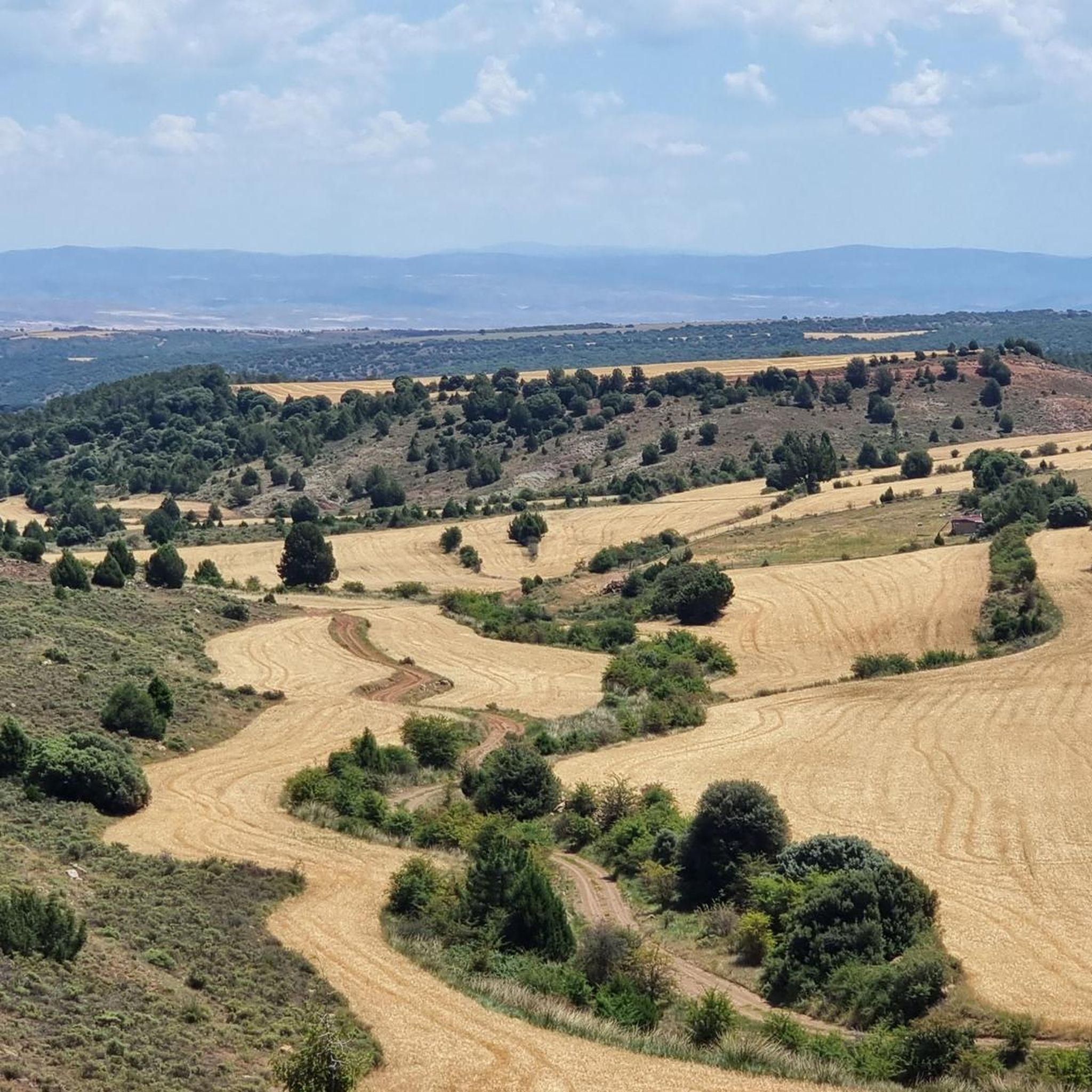

Other adventures around Gea De Albarracín

Tips from the Community

A small puddle that is under nature protection ;-)
0
0

super beautiful plus swimming
0
0

The Peñas Royas Viewpoint is one of the most spectacular spots in the natural surroundings of Albarracín, located within the Pinares de Rodeno Natural Park in the province of Teruel. It is located just a few kilometers from Albarracín's historic center.
4
0
Bezas Lagoon, located in the Sierra de Albarracín (Teruel province, Aragon), is a natural enclave of great beauty and ecological value. It is located very close to the village of Bezas, in an area of outstanding scenic value.
5
0

Beautifully situated, forest path easy to ride with a gravel bike.
0
0
The reservoir is mainly used to supply water to the city of Teruel, the Carburos hydroelectric power station and for irrigation. It is also a popular place for recreational activities such as fishing and picnicking.
5
0
The Arquillo de San Blas Reservoir, located in the province of Teruel, Spain, offers various recreational activities for visitors. Here you have some options: Hiking and Nature: Guadalaviar Natural Trail Route: You can explore this route that starts from San Blas and reaches the Arquillo Reservoir. You will enjoy panoramic views and the natural beauty of the surroundings1. Walks around the reservoir: Walk around the reservoir and admire the tranquility of the water surrounded by nature. Acuatic sport: Pedal boats and kayaks: Rent a pedal boat or kayak and explore the reservoir from the water. Many visitors bring drinks and food to spend the day in this environment2. Picnic and Rest: Rest areas: Enjoy a picnic in the areas designated for it. Relax by the water and enjoy the scenery. Bird Watching: The reservoir is an ideal place for observing waterfowl. Bring some binoculars and look for local species. Photography and Landscapes: Capture the beauty of the reservoir and its surroundings. The views from the viewpoints are especially impressive. Remember to respect the natural environment and follow local regulations while enjoying these activities. Have a wonderful day at the Arquillo de San Blas Reservoir! 🌊🏞️🚣♂️
1
0

The access path to the viewpoint has been cemented. This makes access easier for people with mobility problems, but it loses the charm of the mountain path.
1
0
Frequently Asked Questions
What unique natural features can I expect to see around Gea de Albarracín?
The region is renowned for its striking red sandstone formations, locally known as 'rodeno', which have been sculpted by natural forces into peculiar shapes like gorges and ravines. These are complemented by extensive pine forests, primarily maritime pine, creating a visually stunning landscape. You can experience this unique geology firsthand at places like the Cabrerizo Viewpoint, which offers panoramic views of the reddish rock formations.
Are there any historical or cultural sites among the natural monuments?
Yes, the area is rich in historical significance, particularly for its prehistoric rock art. The Pinares de Rodeno is home to numerous rock shelters featuring Levantine rock art, dating back thousands of years. Notable examples include the Prado del Navazo Bulls Rock Shelter, known for its unique yellowish-white paintings of bovids, and the Shelter of the Archer of the Enclosed Ravines, depicting hunting scenes. These sites are part of a UNESCO World Natural Heritage site.
What kind of outdoor activities can I do near the natural monuments?
The natural monuments around Gea de Albarracín are excellent for various outdoor activities. You can enjoy hiking and trekking on numerous well-marked trails that traverse the diverse landscape. For those interested in running, there are several routes available, such as the 'Barranco del Cabrerizo y Mirador de Peñas Royas' circular route. Cyclists can explore the region on gravel biking or road cycling routes. You can find more details on these activities in the Running Trails around Gea De Albarracín, Gravel biking around Gea De Albarracín, and Cycling around Gea De Albarracín guides.
Are there family-friendly natural monuments or trails in the area?
Absolutely. Several natural monuments are suitable for families. The Laguna de Bezas is a beautiful natural enclave and the largest lagoon in the Sierra de Albarracín, perfect for a leisurely visit. The Cabrerizo Viewpoint offers accessible paths to stunning panoramic views. Additionally, the Prado del Navazo Bulls Rock Shelter provides an engaging historical experience for all ages.
What is the best time of year to visit the natural monuments around Gea de Albarracín?
The region's natural beauty, particularly the contrast between the red sandstone and green pine forests, is captivating year-round. Spring and autumn generally offer pleasant temperatures for outdoor activities like hiking and exploring the rock art sites. These seasons also bring vibrant colors to the landscape. Summer can be warm, but places like the Arquillo de San Blas Reservoir offer opportunities to cool off.
Where can I see water features or wetlands in the natural monument area?
The Laguna de Bezas is a significant wetland within the Protected Landscape of the Pinares de Rodeno. It's the largest lagoon in the Sierra de Albarracín and serves as a vital habitat for various aquatic species and migratory birds, making it an excellent spot for nature observation. The Arquillo de San Blas Reservoir is another notable water body, offering scenic views and recreational opportunities.
What makes the rock art in this region unique?
The Levantine rock art found in the Pinares de Rodeno is part of a UNESCO World Natural Heritage site and is notable for its detailed depictions of daily life, hunting, and rituals. A particularly unique example is the Prado del Navazo Bulls Rock Shelter, where the naturalistic representations of large bovids are painted in a distinctive yellowish-white color, deviating from the typical reddish tones found in other Levantine art.
Can I find easy hiking trails suitable for beginners?
Yes, the area offers trails of varying difficulty, including accessible routes. For example, the path leading to the Cabrerizo Viewpoint is described as having no unevenness or technical difficulty, making it suitable for an easy walk. Many trails within the Pinares de Rodeno are well-marked and cater to different fitness levels, allowing beginners to enjoy the natural beauty.
What kind of wildlife can be spotted in the natural monuments area?
The protected landscape is home to a diverse array of wildlife. You might spot birds of prey such as royal eagles, eagle owls, and peregrine falcons. Mammals like roe deer, deer, and pine martens also inhabit the forests. The Laguna de Bezas is particularly good for birdwatching, attracting various aquatic and migratory birds.
Is there an interpretation center for the Pinares de Rodeno?
Yes, the protected area has an Interpretation Center called Dornaque. This center provides valuable information about the unique geology, flora, fauna, and prehistoric rock art of the Pinares de Rodeno, and often organizes activities to help visitors explore and understand the natural monument.
What is the significance of the 'rodeno' pine forests?
The 'rodeno' pine forests, primarily composed of maritime pine (Pinus pinaster), are integral to the landscape's character. These trees often grow directly on the distinctive red sandstone, creating dramatic scenery. Historically, these pines were also important for traditional resin extraction, highlighting the long-standing relationship between humans and this unique natural environment.
Are there any ancient engineering marvels near Gea de Albarracín?
While not a natural monument, the Roman Aqueduct from Albarracín to Cella passes through Gea de Albarracín and is an impressive historical engineering feat. Dating back to the 1st century AD, this nearly 25-kilometer-long aqueduct features sections excavated into the rock with ventilation shafts and galleries, offering a fascinating glimpse into Roman ingenuity amidst the natural terrain.
Most popular routes around Gea De Albarracín
Most popular attractions around Gea De Albarracín

Get inspired with the komoot mobile app


Explore more
Extend your search for the best caves by checking out these guides of the top ones around Gea De Albarracín:
