Top 6 Natural Monuments around Blancafort
Best natural monuments around Blancafort include a variety of natural features within the region's landscape. The area offers 6 natural monuments to explore, providing opportunities to experience the local terrain. These sites often feature geological formations, water features, and elevated viewpoints. The natural features Blancafort Catalonia are integral to the outdoor experience in this part of the Conca de Barberà.
Best natural monuments around Blancafort
- The most popular natural monuments is Hermitage and Viewpoint of Sant Joan de la Muntanya…
Last updated: June 17, 2026
Deport Spring
Highlight • Natural Monument
The Sport source is located …
Translated by Google •
Tip by

Vall Waterfall
Highlight • Waterfall
Translated by Google •
Tip by

Sign up now to discover places like this
Get recommendations on the best single tracks, peaks, & plenty of other exciting outdoor places.
Sign up for free
Salt of the Barranc de la Vall
Highlight • Waterfall
Translated by Google •
Tip by

Mas d'en Llort Rock Shelter – Cave Paintings
Highlight • Historical Site
Translated by Google •
Tip by
The Hundred Springs
Highlight • Natural Monument
Translated by Google •
Tip by
Sign up for free to discover even more natural monuments around Blancafort.
Sign up for free
Already have an account?
Start today with a free account
Your next adventure awaits.
Login or Signup
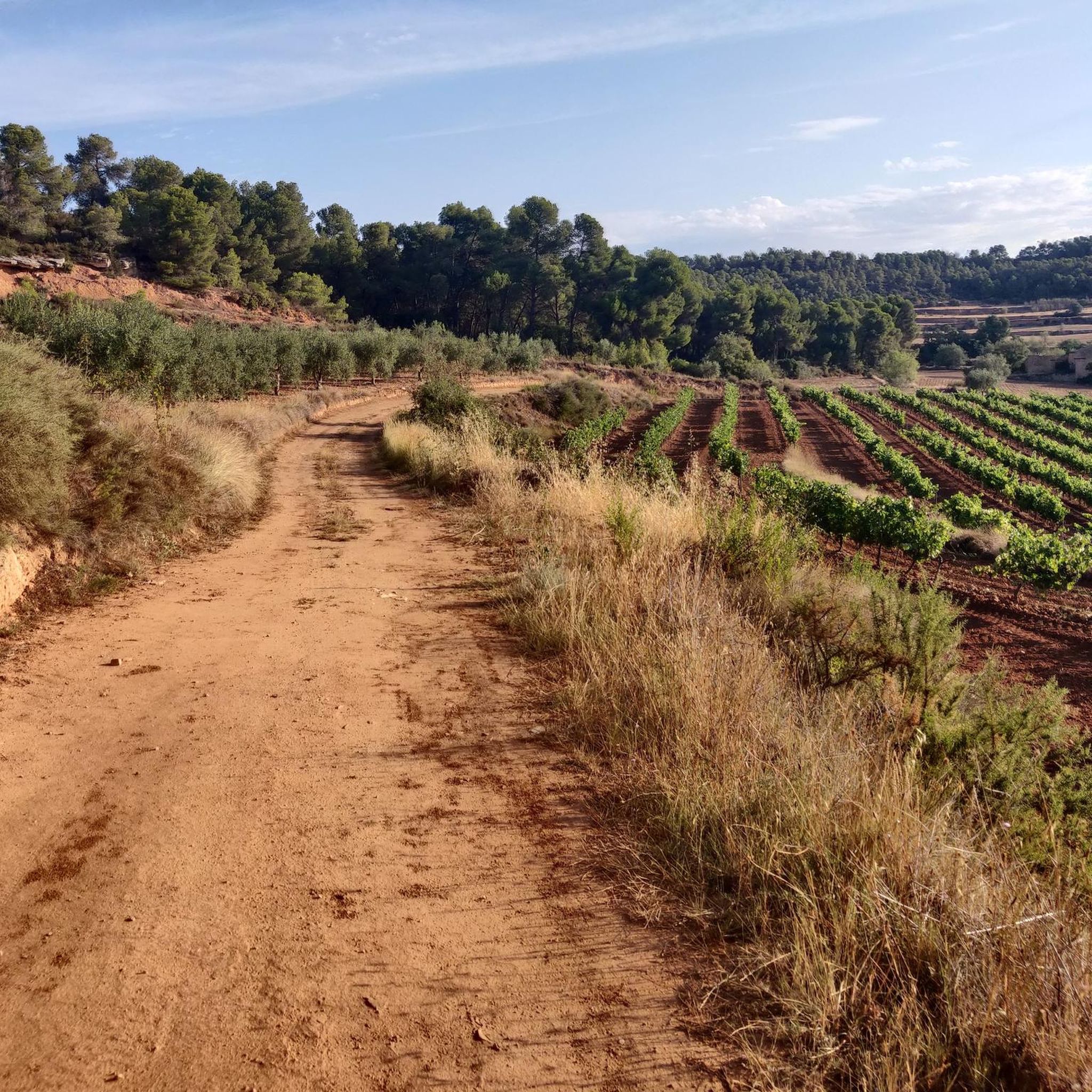
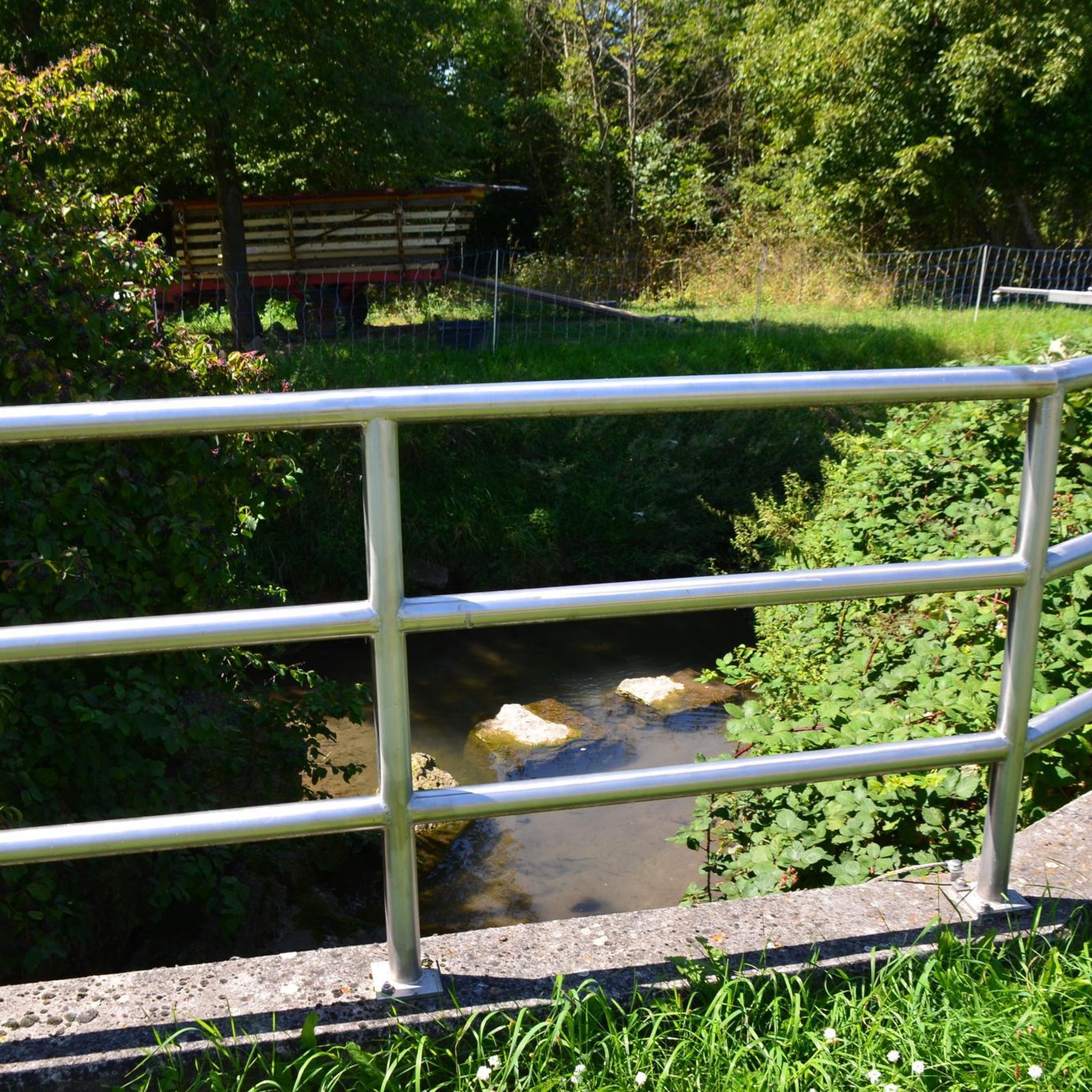
Tips from the Community

After a small detour from the main route, you will find this small waterfall that seems like an oasis of tranquility and freshness. Ideal to rest before continuing with the adventures.
1
0
In spring is when more water runs through the Barranc de la Vall waterfall
0
0
After a small detour from the main route you find this small waterfall that seems like an oasis of tranquility and freshness. Ideal to rest before continuing with the adventures.
0
0

We are at an altitude of 820 m in a bed of calcareous rocks where, at the contact between the red sandstones and the travertine, water infiltrates, giving rise to a line of springs, hence the name of the Cent Fonts. We find several ponds, built by the Espluga de Francolí Town Council, in order to increase faunal biodiversity and create an aquatic habitat. In this way, we can see various amphibians such as toads and salamanders. There is also a picnic area further down with stone tables and benches. In 1887, Sister Mercè Farré Oró, the superior nun of the convent of the Daughters of Charity of l'Espluga de Francolí, promoted the channeling of the water from Les Cent Fonts to the town.
1
0
It is known that the Poblet forest is rich in springs. Undoubtedly the most well-known and popular are the Boixets fountain and the Deport fountain. The Sport source is located under the Cingle de les Cabres. From this location, the trail leads up to the La Pena viewpoint. The place has a lot of charm and in the past the monks had some kind of construction there (remember that the place is very close to the site of the old La Pena farm and currently a forestry house). These constructions were maintained after the exclaustration of the Poblet monastery, when the Pena estate was sold to private individuals and also later (in 1906) when it was expropriated to be reincorporated into the management of the forestry services. Currently, however, we can only find small evidence of those constructions. The location of the Deport fountain has also had other changes or modifications over the years, and one of these was the location of the fountain itself.
1
0
formed by an extensive network of mountain ranges and ravines, more than twenty sets of rock formations are located, a number that continues to grow because new ones are discovered every year. Currently, only Portell de les Lletres shelter, Mas d’en Llort and Mas d’en Ramon d’en Bessó can be visited due to the difficulty of access presented by the rest and also due to their conservation problems, This shelter, together with that of Portell de les Lletres and that of Mas d'en Ramon d'en Bessó, are part of the Catalan rock art ensemble, declared World Heritage by UNESCO since 1998, they constitute a group where a short distance away you can observe the two great cultural traditions and styles of cave art in our country, Levantine art and schematic art. This gives the visit a good opportunity to get to know the societies between the late Paleolithic and the Neolithic-Bronze, between 12,000 and 4,000 years ago. You can also visit the interpretation center located in the town of Montblanc.
0
0

The path to the Salt, is behind the mill in ruins, accessed by an ascending path, attached to the left side of the mill
1
0

a place of nature
1
0
Frequently Asked Questions
What types of natural features can I expect to see around Blancafort?
The natural monuments around Blancafort feature a variety of landscapes, including geological formations, water features like springs and waterfalls, and elevated viewpoints. You can also find rock shelters with ancient cave paintings, offering a blend of natural beauty and historical significance.
Are there any natural viewpoints offering panoramic views?
Yes, the Hermitage and Viewpoint of Sant Joan de la Muntanya is a prominent natural viewpoint. From here, you can enjoy extensive views of the Conca de Barberà, the Serra Carbonària, and even the town of Montblanc. On clear days, Montserrat and the Pyrenees are visible.
Are there family-friendly natural monuments to visit?
Absolutely. The Vall Waterfall is a small, tranquil, and refreshing spot that is ideal for families. The Deport Spring area, located in the Poblet forest, is also considered family-friendly and offers a pleasant natural setting.
What historical or cultural sites are integrated with the natural monuments?
The Hermitage and Viewpoint of Sant Joan de la Muntanya combines a religious building with a natural viewpoint. Additionally, the Mas d'en Llort Rock Shelter – Cave Paintings is a significant historical site, part of the UNESCO World Heritage Catalan rock art ensemble, showcasing ancient art within a natural rock formation.
Are there hiking trails near the natural monuments?
Yes, there are several hiking opportunities. For example, a trail from Deport Spring leads up to the La Pena viewpoint. You can find various running trails, including routes like 'Caves of Nialó & Lladre' or 'Sant Joan de Muntanya – Vall Waterfall loop from Montblanc', by visiting the Running Trails around Blancafort guide.
What other outdoor activities can I do near these natural monuments?
Beyond hiking, the area offers options for cycling and gravel biking. You can explore routes such as the 'Cistercian Route: Montblanc and Poblet Loop' for cycling, or 'Montblanc City Walls – Old Bridge of Montblanc loop' for gravel biking. More details are available in the Cycling around Blancafort and Gravel biking around Blancafort guides.
What is the 'Salt of the Barranc de la Vall'?
The Salt of the Barranc de la Vall is a natural waterfall. The path to this waterfall is located behind a mill in ruins, accessed by an ascending trail. It is particularly impressive in spring when water flow is at its peak.
What do visitors enjoy most about the natural monuments around Blancafort?
Visitors appreciate the tranquil and refreshing spots like the Vall Waterfall, which is perfect for a rest. The stunning views from places like the Hermitage and Viewpoint of Sant Joan de la Muntanya are also highly praised, offering a fantastic perspective of the surrounding landscape.
Are there any unique geological features in the area?
Yes, the region is known for its diverse geological formations. The Mirador de Sant Joan, for instance, is situated on a red saldón rock that forms part of the hermitage itself. The area also features rock shelters, such as the Mas d'en Llort Rock Shelter.
How long should I plan for a visit to the natural monuments?
The duration of your visit depends on which natural monuments you choose to explore and what activities you plan. Some spots like the Vall Waterfall can be a quick stop for tranquility, while a visit to the Hermitage and Viewpoint of Sant Joan de la Muntanya or a hike to the Mas d'en Llort Rock Shelter might take several hours, especially if combined with nearby trails.
Most popular routes around Blancafort
Most popular attractions around Blancafort

Get inspired with the komoot mobile app


Explore more
Extend your search for the best caves by checking out these guides of the top ones around Blancafort:
