Top 14 Natural Monuments around Ginestar
Natural monuments around Ginestar offer a diverse landscape shaped by the Ebro River and the Serra de Cardó range. This Catalan village is situated along the Ebro, providing access to riverside environments and geological formations. The region features a mix of riverine ecosystems, elevated viewpoints, and historical sites integrated into the natural terrain. Visitors can explore various natural features near Ginestar, from caves to mountain summits.
Best natural monuments around Ginestar
- The most popular natural monuments is Creu de Santos…
Last updated: July 1, 2026
Creu de Santos Summit
Highlight • Summit
Translated by Google •
Tip by

Lluminosa Cave
Highlight • Cave
Translated by Google •
Tip by
Sign up now to discover places like this
Get recommendations on the best single tracks, peaks, & plenty of other exciting outdoor places.
Sign up for free
Hermitage of Sant Roc and Ronya Spring
Highlight • Religious Site
The primary purpose of the chapel of Sant Roc was …
Translated by Google •
Tip by
Font del Prior
Highlight • Natural Monument
Translated by Google •
Tip by
Hermitage of Sant Blai
Highlight • Religious Site
Translated by Google •
Tip by

Sign up for free to discover even more natural monuments around Ginestar.
Sign up for free
Already have an account?
Start today with a free account
Your next adventure awaits.
Login or Signup
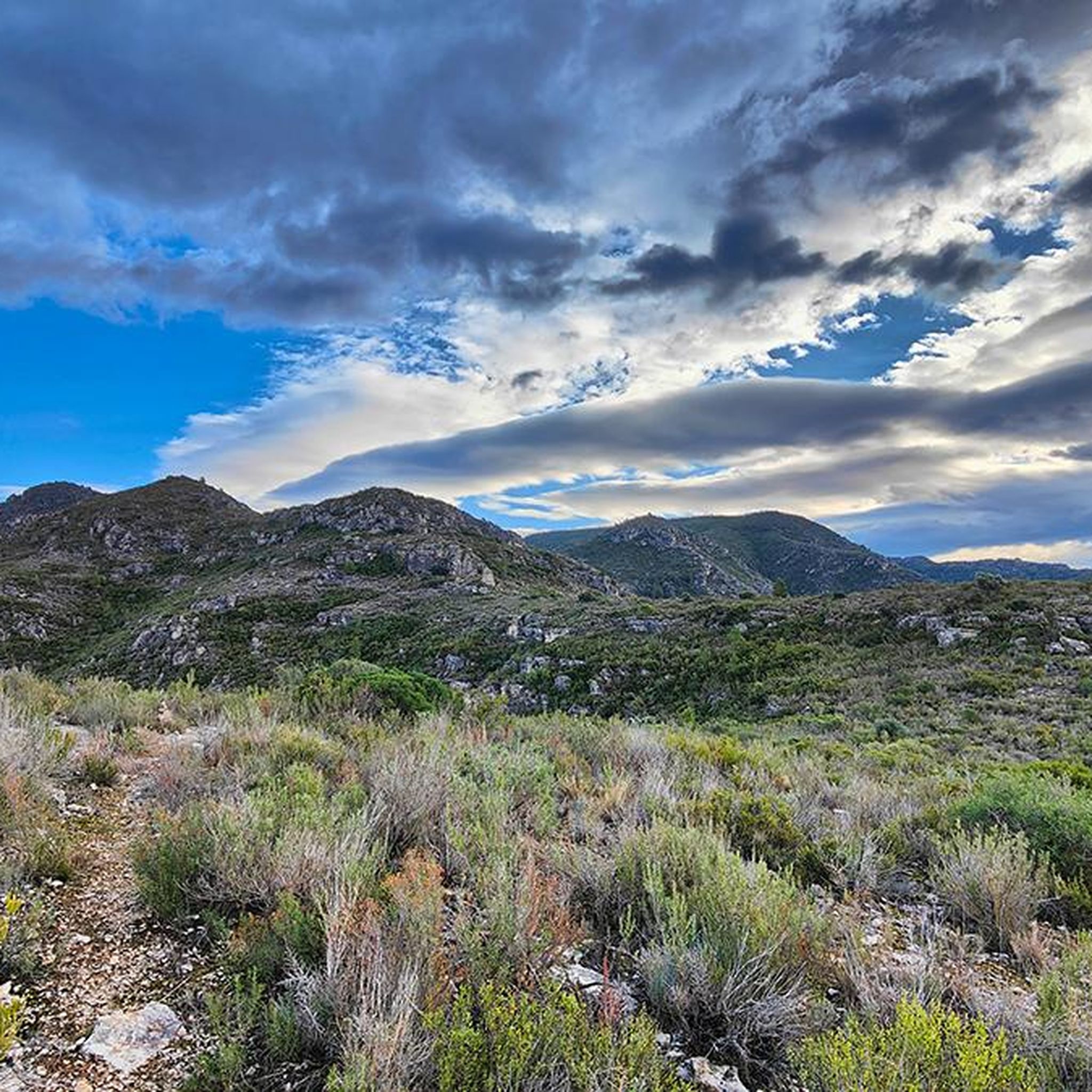
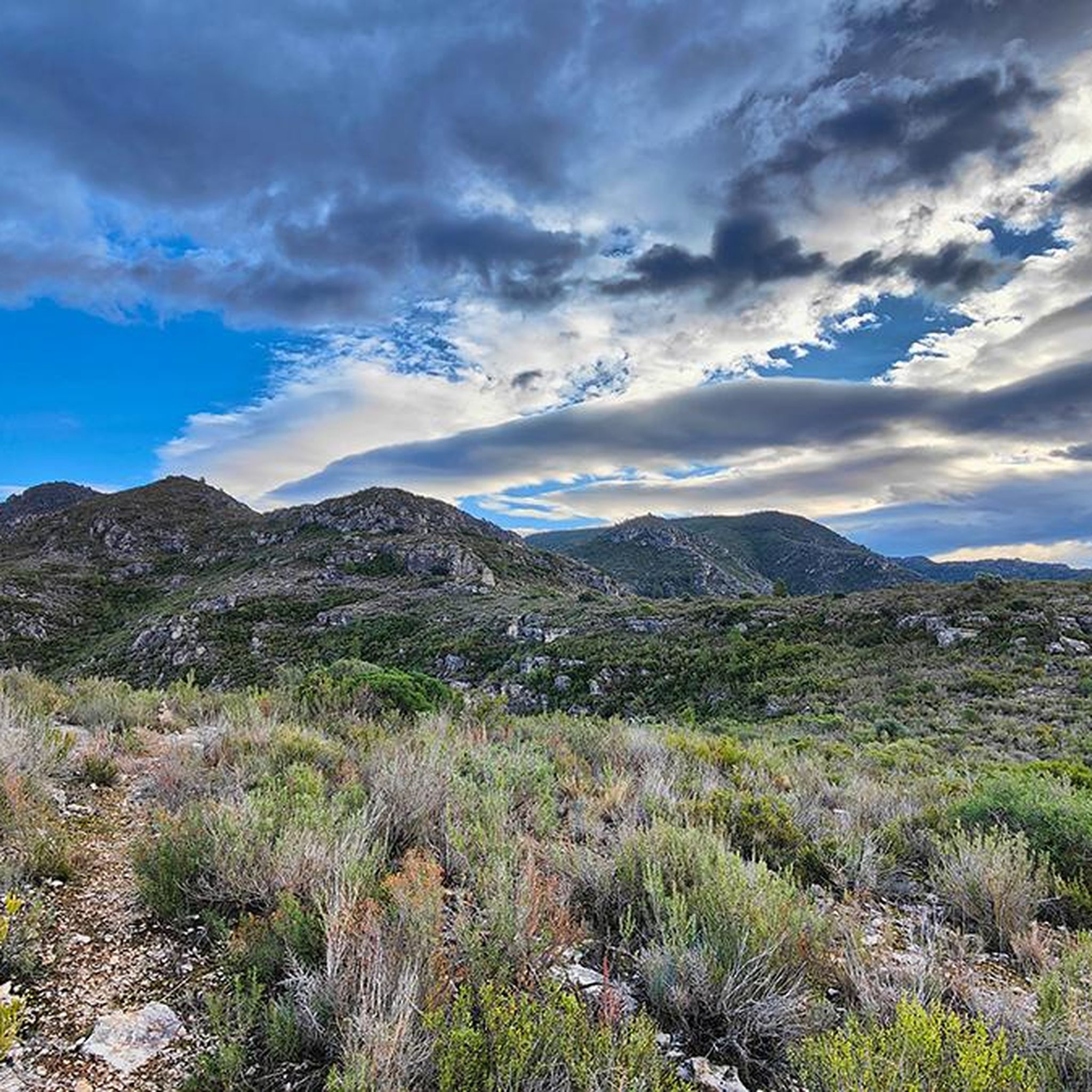
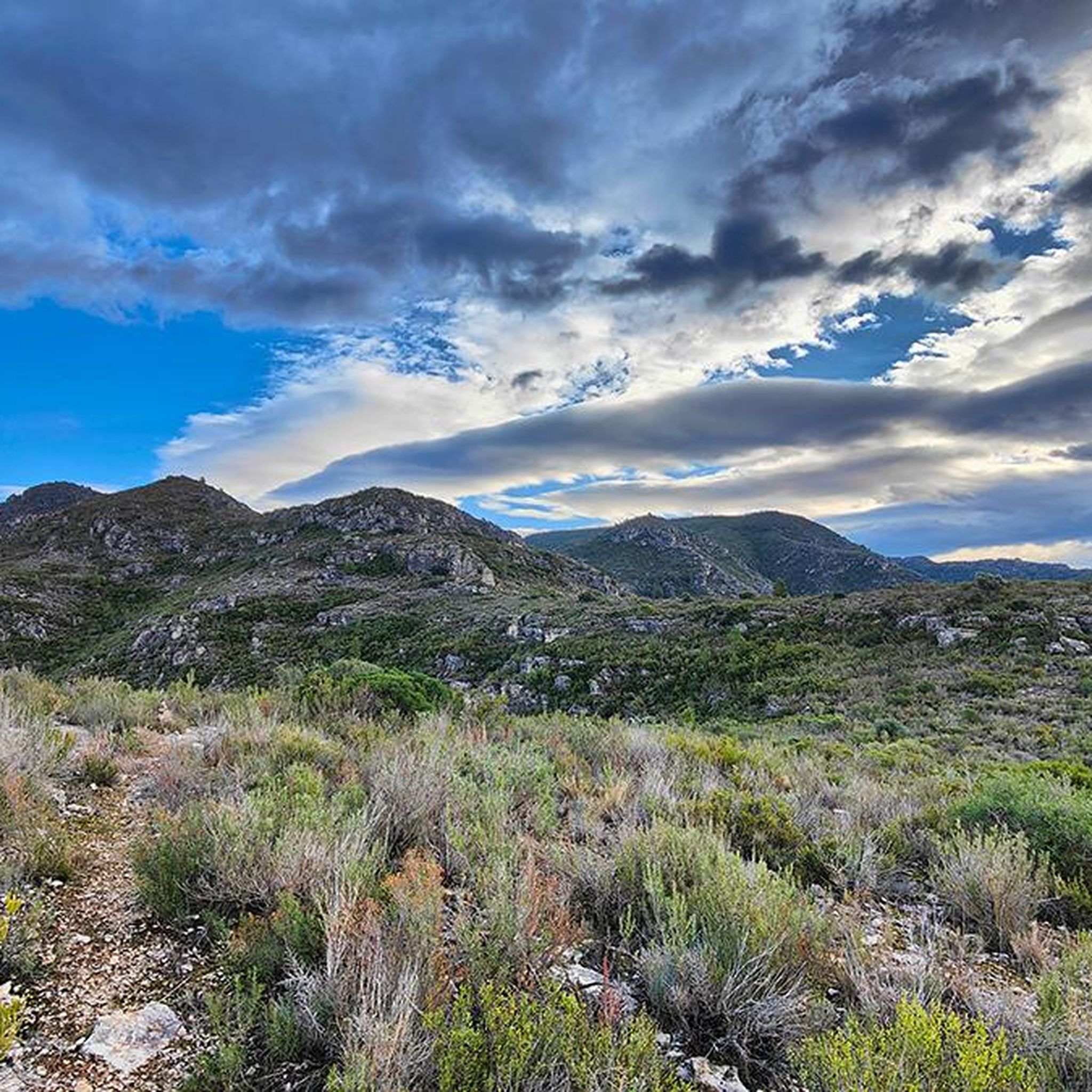
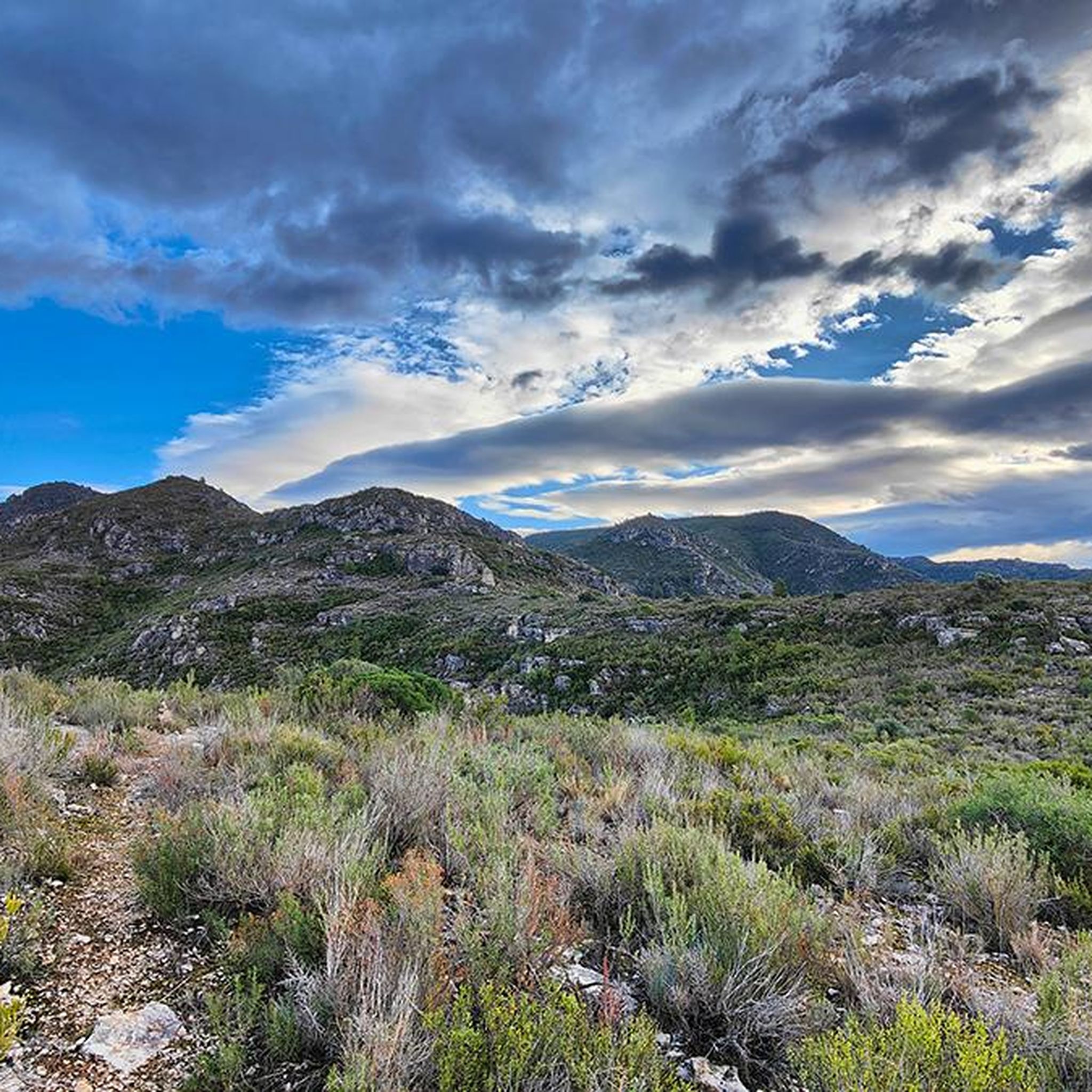

Tips from the Community

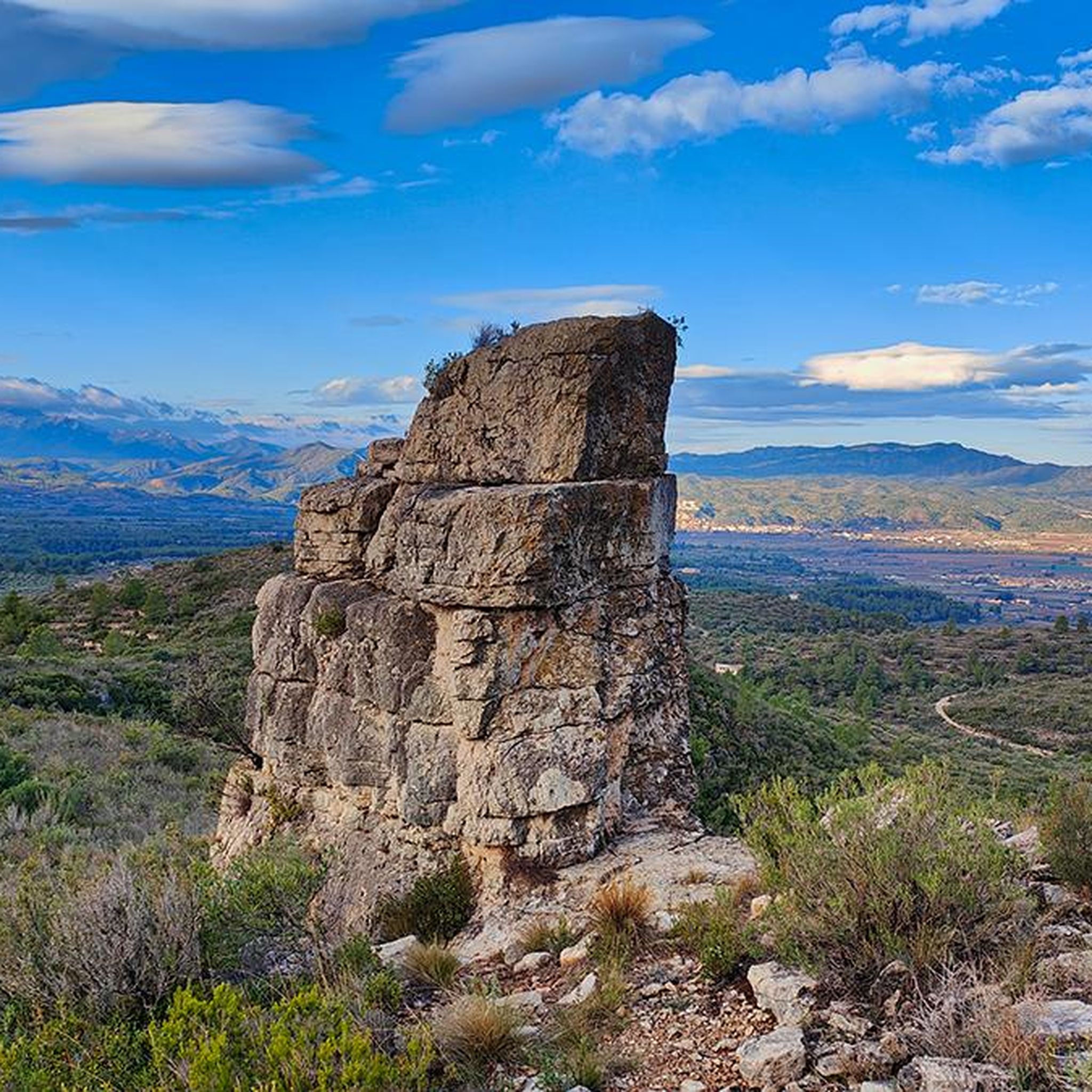
A beautiful route that runs almost entirely along trails and beautiful natural spaces, offering magnificent views from the top of Xàquera or the Creu de Santos.
2
0

Spectacular balma that pierces the ridge and was once arranged as a key access point to the valley. The dry stone zigzags the ridge to comfortably access from one side of the ridge to the other. Known since ancient times as Lluminosa to differentiate it from the relatively nearby cave which, being a closed gallery, is known as Llòbrega. Cited by Faura in his Collection (1909) and by Ferraté in Speleologia de les comarques Tarragona (1918), although neither gives more information than the name. We are not aware of any specific cataloging work, although it is well known by hikers. When the Mestral winds blow, which is quite common, the force of the wind increases dramatically as it passes through the Cave.
2
0

It's a very beautiful peak with fantastic views
2
1

The hermitage of San Blas is located in a kind of recreational area, in the middle of nature. It was built in the 19th century and is 20 meters long. Gothic in style, it has six chapels on each side. In this place, in addition, there is a spring of water.
2
0

Sant Blai is a hermitage 2.5 km south of the town of Tivissa, on a slope of the Coll del Ventall, which is crowned by the remains of the castle of Sant Blai.
1
1
Very spectacular cave, with dry stone walls where you can walk around inside.
0
0
It is a small, rectangular, single-storey hermitage, made of lime and mortar and with a gabled roof without a gable. The primary purpose of the chapel of Sant Roc was to provide a secluded place for the characters of the Reformed Carmelite Order who wanted, for a few days, to lead the life of an anchorite, but in a more comfortable place than the one that characterized the first hermitages built during the first half of the 17th century in the Vall de Cardó, following the founding path of Teresa de Jesús. Although the date of consecration is unknown, it is known that it was the last to be built. It was abandoned, like the rest, in 1835 due to the confiscation of Mendizábal. Its waters, known since ancient times as Ronya due to its healing properties, allowed the hermitage to be transformed, from the beginning of the use of the valley as a spa, into the pavilion for inhalations, sprays and partial bathrooms. But as it was very far from the main buildings, at the beginning of the 19th century the waters of the Ronya or Sant Roc were led to other sources that were closer After the Civil War, the hermitage of Sant Elies or del Borboll concentrated the services hydro-therapeutics, and that of Sant Roc was abandoned.
0
0
Located in a beautiful setting in the center of the Vall de Cardó, at the foot of the path that goes up the Barranc de Sant Roc between the hermitages of Sant Josep and Sant Roc, in the shade provided by the enormous pine trees that surround it, it is a fountain with a very elaborate work structure and is ideal for a stop and a must or to strike up a conversation because on both sides there are stone benches that invite you.
0
0
Frequently Asked Questions
What are some of the most popular natural monuments to visit around Ginestar?
Among the most appreciated natural monuments by the komoot community are the Creu de Santos Summit, offering 360º panoramic views, and the spectacular Lluminosa Cave, known for its unique rock formations and dry stone walls. Another popular spot is Font del Prior, a serene fountain surrounded by large pine trees, ideal for a peaceful stop.
Are there any family-friendly natural attractions near Ginestar?
Yes, several natural monuments are suitable for families. Font del Prior is a great option, offering stone benches for rest amidst large pine trees. The Hermitage of Sant Blai is also located in a recreational area with a natural spring, making it a pleasant spot for families to enjoy nature and history together.
What kind of natural features can I expect to see around Ginestar?
The region around Ginestar is characterized by diverse natural features. You'll find impressive geological formations like the Lluminosa Cave, and panoramic viewpoints such as the Creu de Santos Summit. The Ebro River itself is a central natural feature, shaping the landscape with its riverine ecosystems, vineyards, olive groves, and almond trees. The area also features natural springs, like the Ronya Spring near the Hermitage of Sant Roc.
Are there historical sites integrated with the natural monuments?
Absolutely. The Hermitage of Sant Roc and Ronya Spring is a historical site with a small hermitage and a spring known for its healing properties. Similarly, the Hermitage of Sant Blai, built in the 19th century, combines historical architecture with a natural recreational area and a spring.
What outdoor activities can I do near these natural monuments?
The area around Ginestar offers various outdoor activities. You can find numerous road cycling routes, such as the "Móra d'Ebre - Priorat Hills Loop," or explore cycling tours like the "Left Canal of the Ebro – Pont Aliga Beach loop." For those interested in gravel biking, there are routes like the "Miravet Castle – Church of Sant Martí, Ginestar loop." You can find more details on these and other routes in the Road Cycling Routes around Ginestar, Cycling around Ginestar, and Gravel biking around Ginestar guides.
What is the best time of year to visit the natural monuments around Ginestar?
While specific seasonal considerations for each monument vary, generally, spring and autumn offer pleasant temperatures for exploring the natural monuments and engaging in outdoor activities. These seasons avoid the intense heat of summer and the cooler, potentially wetter conditions of winter, making for more comfortable hiking and sightseeing.
Are there any caves to explore in the Ginestar area?
Yes, the region is home to notable cave systems. The Lluminosa Cave is a spectacular balma that pierces a ridge, featuring impressive dry stone walls that hikers can walk around inside. Further afield, the Cova Meravelles (Caves of Wonders) in Benifallet is renowned for being the richest in formations in Catalonia, with guided tours available to explore its unique speleothems.
Where can I find panoramic views of the region?
For breathtaking panoramic views, head to the Creu de Santos Summit. This summit is considered the "regional roof" of the Ribera de l'Ebre and offers exceptional 360º vistas of the Ribera and Baix Ebre regions. It's a prime destination for those seeking expansive views of the diverse landscape.
What is the significance of the Ebro River to the natural monuments in Ginestar?
The Ebro River is a defining natural feature of the Ginestar region. As the longest river entirely within Spain, it carves through landscapes of exceptional natural beauty and rich biodiversity. Its presence influences the local ecosystems, creating fertile grounds for vineyards, olive groves, and almond trees, and offering opportunities for riverside promenades and appreciation of a historic river valley. While not a single monument, its impact is central to the area's natural charm.
What do visitors say about the natural monuments in Ginestar?
Visitors frequently praise the stunning views from places like the Creu de Santos Summit, describing them as "magnificent" and "fantastic." The Lluminosa Cave is often highlighted as "spectacular." Many appreciate the beautiful natural spaces and trails that connect these sites, making for memorable outdoor experiences.
Are there any natural springs or fountains to visit?
Yes, the area features several natural springs and fountains. The Font del Prior is a well-known fountain in the Vall de Cardó, surrounded by large pine trees and offering a pleasant stopping point. Additionally, the Ronya Spring is located near the Hermitage of Sant Roc, historically known for its healing properties, and the Hermitage of Sant Blai also has a natural spring within its recreational area.
What is the terrain like for hiking in the natural areas around Ginestar?
The terrain around Ginestar's natural monuments is varied. You can expect trails that run through beautiful natural spaces, leading to summits like Creu de Santos Summit, which involves some elevation gain. Other areas, such as those around Font del Prior, offer more gentle paths suitable for leisurely walks. Some trails, particularly those leading to caves like Lluminosa Cave, may involve walking through unique geological formations and dry stone structures.
Most popular routes around Ginestar
Most popular attractions around Ginestar

Get inspired with the komoot mobile app


Explore more
Extend your search for the best caves by checking out these guides of the top ones around Ginestar:
