Top 20 Natural Monuments around Sant Quirze Safaja
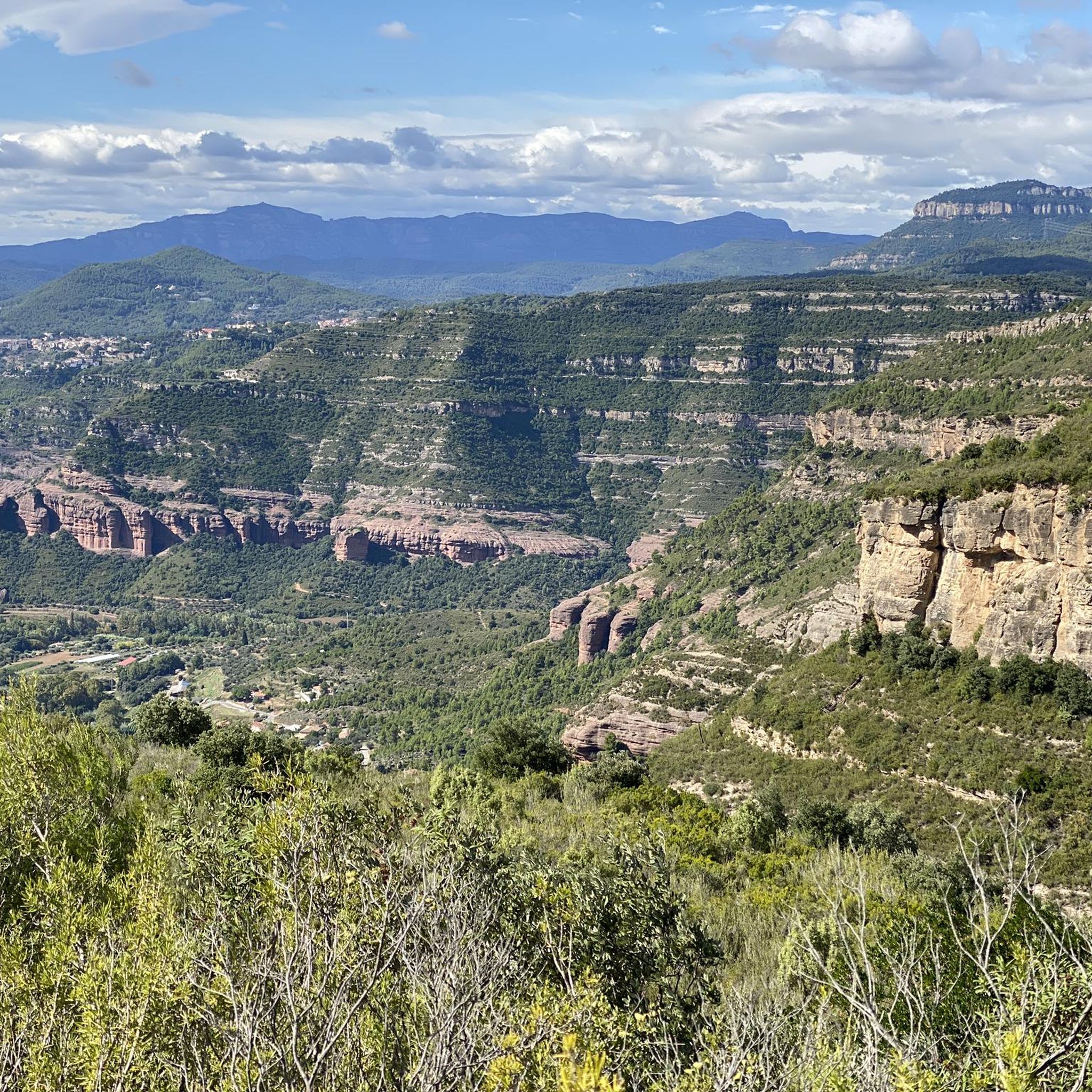
Best natural monuments around Sant Quirze Safaja are found within a region characterized by dense forests, diverse waterways, and dramatic rock formations. The area, part of the Moianès region in Catalonia, Spain, offers a variety of natural spaces. Visitors can explore unique geological formations, river valleys, and impressive cliffs. This environment provides opportunities for outdoor activities and immersion in Catalonia's natural landscape.
Best natural monuments around Sant Quirze Safaja
- The most popular natural monument is Sant Miquel del Fai Monastery…
Last updated: October 17, 2026
Vallforners Reservoir
Highlight • Lake
Translated by Google •
Tip by

Sant Miquel del Fai Road
Highlight • Cycleway
Tip by

Sign up now to discover places like this
Get recommendations on the best single tracks, peaks, & plenty of other exciting outdoor places.
Sant Miquel del Fai Monastery and Salt de l'Aigua Waterfall
Highlight • Religious Site
Translated by Google •
Tip by
La Trona (Bertí Cliffs)
Highlight • Climb
Translated by Google •
Tip by

Lake at Parc del Falgar i la Verneda
Highlight • Lake
Translated by Google •
Tip by
Sign up for free to discover even more natural monuments around Sant Quirze Safaja.
Already have an account?
Start today with a free account
Your next adventure awaits.

Tips from the Community

A real discovery! Superb views, decent asphalt and virtually no cars.
0
0


Good park, both in summer and winter
0
0

GOOD track, recommended for outdoor sports, and for all audiences 👍
0
0

Especially if it has rained, it is spectacular
0
0

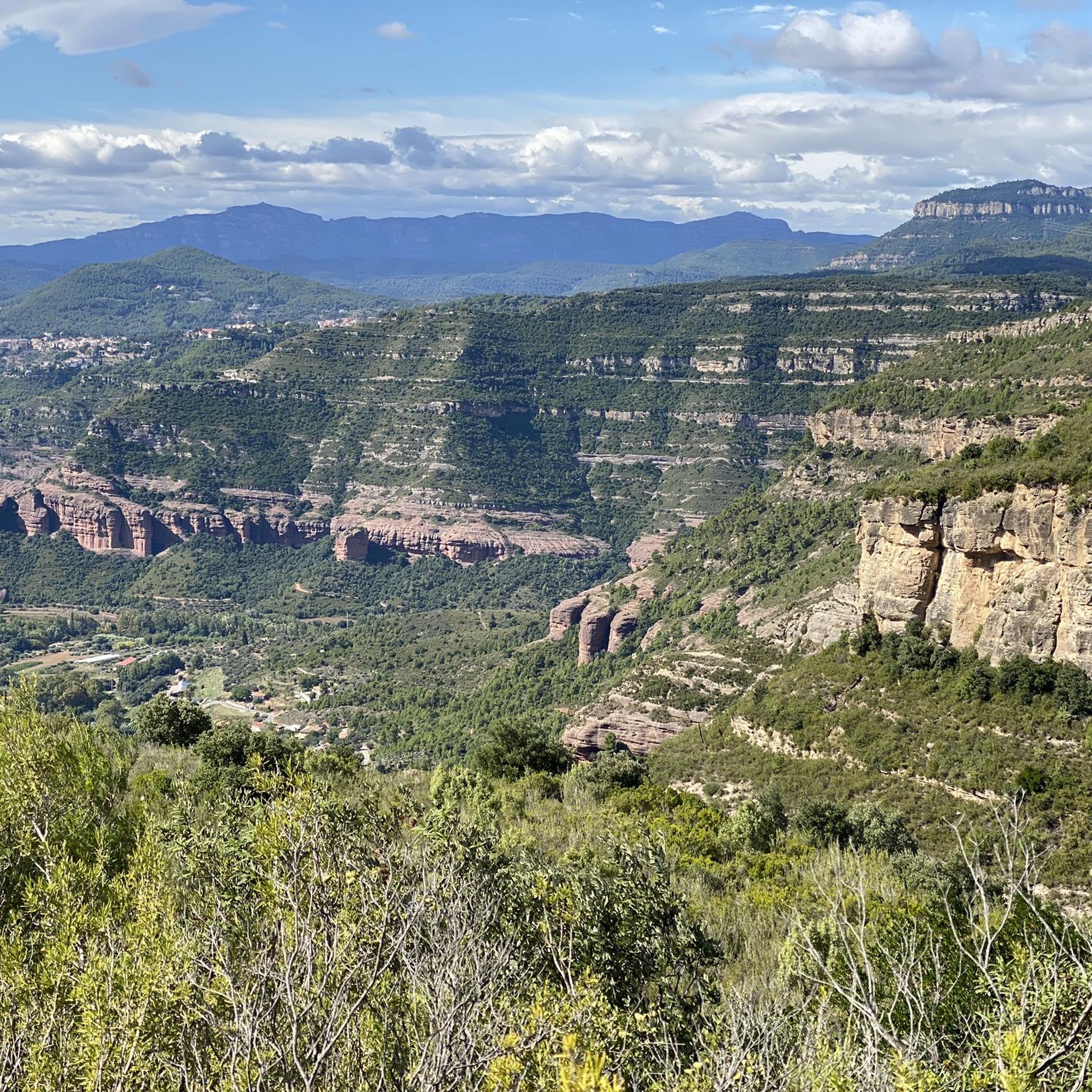
It is formed by a belt of mountains, hills and serrados from the so-called Pla de la Calma to Cuch, among which we can highlight Roca Centella, Mojó, Turó Monner, Puig del Sui (with 1322 m. altitude), Turó de Cuch (where the termini of Cánoves, Tagamanent, Montseny and San Pedro de Vilamajor face each other), and the Sierra de los Vallestrins, in the center of which stands the farmhouse of Vallforners, half fortress, half forest house, on the way of the Pla de la Calma, built by Señor de Tagamanent and restored by his son, Dalmau de Rocabertí, from the family of the counts of Peralada, in 1610.
21
0
The reservoir is 1.1 km long, with a capacity of 2.3 hm³, capable of irrigating up to 500 hectares of crops and supplying water to the extraordinary consumption of Cánoves and Cardedeu. Nearby is the Can Cuc chestnut tree, a monumental tree with a diameter of 14 m and a height of 15 m. Inside it is said that a charcoal burner once lived. The reservoir can store 2,300,000 m³ of water, which allows it to irrigate 500 ha. of crops, and even, extraordinary consumption of the populations of Cánoves and Cardedeu. For this reason, the municipalities of the two towns are part of the Irrigation Community.
22
1
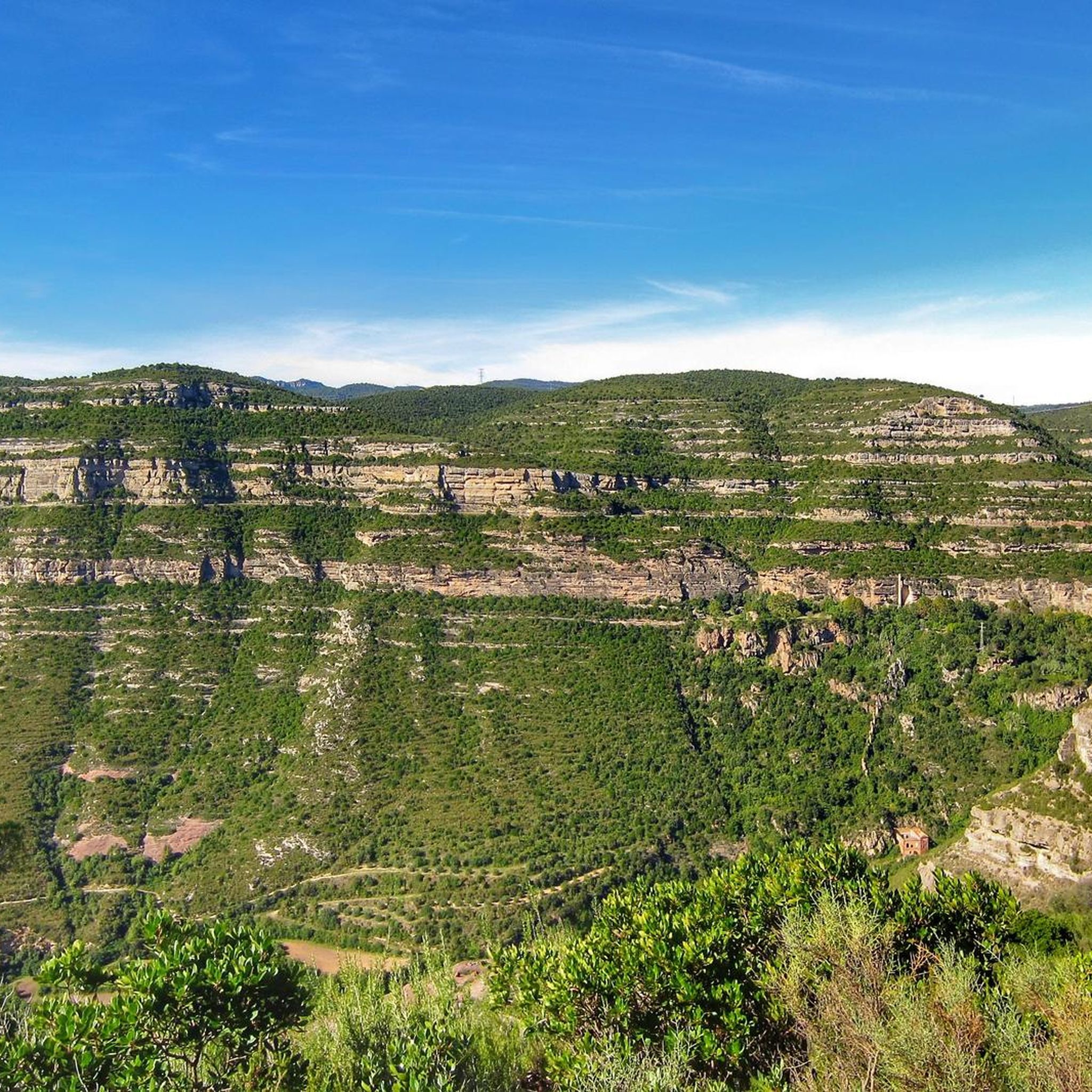
The Vallforners reservoir is a Spanish hydraulic infrastructure built in the Cánoves stream, within the municipality of Cánoves, in the Vallés Oriental region, in the province of Barcelona, Catalonia. It is located in the Montseny massif, between the Ombradors and Palestrins mountains. Downstream is the town of Cánoves. Upstream, the La Calma plain, in the Montseny natural park. The culminating point of the valley is the Puig de Sui, with 1322 m of altitude. The reservoir belongs to the municipality of Cánoves, in the Vallés Oriental region. It was built between 1985 and 1989 and its special feature is the fact that it was the first reservoir in Catalonia with a stone dam and compacted earth. It has a width of 10 m at the crest, with an impermeable clay core. The dam has been used to raise a small hill on which trees have been planted.
23
0
Frequently Asked Questions
What natural features can I expect to see around Sant Quirze Safaja?
The area around Sant Quirze Safaja is rich in diverse natural features. You'll find dense forests, numerous waterways including the Tenes River, and dramatic rock formations like the Cingles de Bertí. The landscape is characterized by narrow gorges, lush riparian forests, and various springs and pools.
Are there any impressive waterfalls or geological formations to visit?
Yes, the region is known for its spectacular water features and geology. The most prominent is the Sant Miquel del Fai Monastery and Waterfall, where the Tenes River cascades dramatically under a historic monastery. You can also explore stalactite caves there. The Cingles de Bertí offer impressive cliffs and unique geological formations.
What are some notable viewpoints in the area?
For breathtaking panoramic views, consider visiting La Trona (Bertí Cliffs). This large rocky outcrop provides extensive vistas of the surrounding valleys. The Sant Miquel del Fai Monastery and Waterfall also offers stunning views of the valley from its cliffside location.
Are there any lakes or reservoirs suitable for visiting?
Yes, you can visit the Vallforners Reservoir, a significant hydraulic infrastructure with a unique stone dam located in the Montseny massif. Another option is the lake at Parc del Falgar i la Verneda, an artificially created spot perfect for relaxing and bird watching.
What outdoor activities can I do near these natural monuments?
The region is ideal for various outdoor activities. You can enjoy hiking, running, mountain biking, and cycling. The Tenes River valley, for instance, offers numerous paths and trails for exploring its biodiversity. For more detailed routes, you can check out the guides for Running Trails around Sant Quirze Safaja, MTB Trails around Sant Quirze Safaja, and Cycling around Sant Quirze Safaja.
Are there family-friendly natural monuments around Sant Quirze Safaja?
Absolutely. The Lake at Parc del Falgar i la Verneda is highly recommended for families, featuring a complete park with wooden games, sand play areas, picnic spots, and bird watching opportunities. The Vallforners Reservoir is also considered family-friendly, offering a pleasant natural setting for walks.
What is the best time to visit the natural monuments around Sant Quirze Safaja?
The region's natural beauty can be enjoyed throughout the year. However, spring and autumn often offer the most pleasant temperatures for outdoor activities like hiking and cycling, with lush vegetation or vibrant fall colors. The tranquility and natural beauty make it perfect for escaping urban life at any time.
Are there any natural monuments with historical significance?
Yes, the Sant Miquel del Fai Monastery and Waterfall is a prime example. This Benedictine monastery, first mentioned in 997, is built directly into a cliff face, showcasing Gothic architecture integrated with the natural landscape. It offers a unique blend of history and natural wonder.
What makes the natural landscape of Sant Quirze Safaja unique?
Sant Quirze Safaja's landscape is unique due to its position in the southernmost part of the Moianès region, characterized by heavily forested terrain with pine, oak, and holm oak trees. The area is crisscrossed by streams and the Tenes River, creating a rich tapestry of water features, dramatic cliffs, and a sense of peace. It's often described as a 'little Switzerland' for its exuberant nature.
Can I observe wildlife near the natural monuments?
Yes, the Cingles de Bertí, which are part of the Sant Miquel del Fai Natural Space, are an important habitat for wildlife, including the protected Bonelli's eagle. Birdwatchers might find this area particularly interesting. The Lake at Parc del Falgar i la Verneda also offers opportunities for bird watching.
Are there options for easy walks or beginner-friendly trails?
The Tenes River valley provides numerous paths and trails suitable for relaxing walks amidst natural scenery. While some areas like La Trona involve challenging climbs, many parts of the municipality are crisscrossed by trails perfect for exploring the rich biodiversity at a leisurely pace. The Lake at Parc del Falgar i la Verneda also offers easy walking opportunities.
What kind of cycling routes are available around the natural monuments?
The area offers diverse cycling routes, including gravel paths and road cycling. For example, there's a challenging circular gravel route through the Bertí cliffs starting from Sant Miquel del Fai. You can find more options in the Cycling around Sant Quirze Safaja guide, which includes routes of varying difficulty.
Most popular routes around Sant Quirze Safaja
Most popular attractions around Sant Quirze Safaja

Get inspired with the komoot mobile app


Explore more
Extend your search for the best caves by checking out these guides of the top ones around Sant Quirze Safaja:
