Top 12 Natural Monuments around Vera De Moncayo
Best natural monuments around Vera De Moncayo are primarily located within the Moncayo Natural Park, a significant area known for its diverse landscapes and rich biodiversity. This park, home to the highest point in the Iberian Mountain Range, offers a range of natural features from dense forests to high-altitude peaks. The region around Vera De Moncayo provides access to these varied natural environments, making it a notable destination for outdoor exploration. Visitors can explore unique ecological zones, abundant wildlife, and…
Last updated: July 1, 2026
Moncayo Summit
Highlight • Summit
Translated by Google •
Tip by

Cueva de los Pilares
Highlight • Cave
Translated by Google •
Tip by
Sign up now to discover places like this
Get recommendations on the best single tracks, peaks, & plenty of other exciting outdoor places.
Sign up for free
Cabezo de la Mata
Highlight • Viewpoint
Translated by Google •
Tip by

San Gaudioso Spring and Hermitage
Highlight • Religious Site
Translated by Google •
Tip by
Cerro Morrón Summit
Highlight • Summit
Translated by Google •
Tip by
Sign up for free to discover even more natural monuments around Vera De Moncayo.
Sign up for free
Already have an account?
Start today with a free account
Your next adventure awaits.
Login or Signup


Tips from the Community

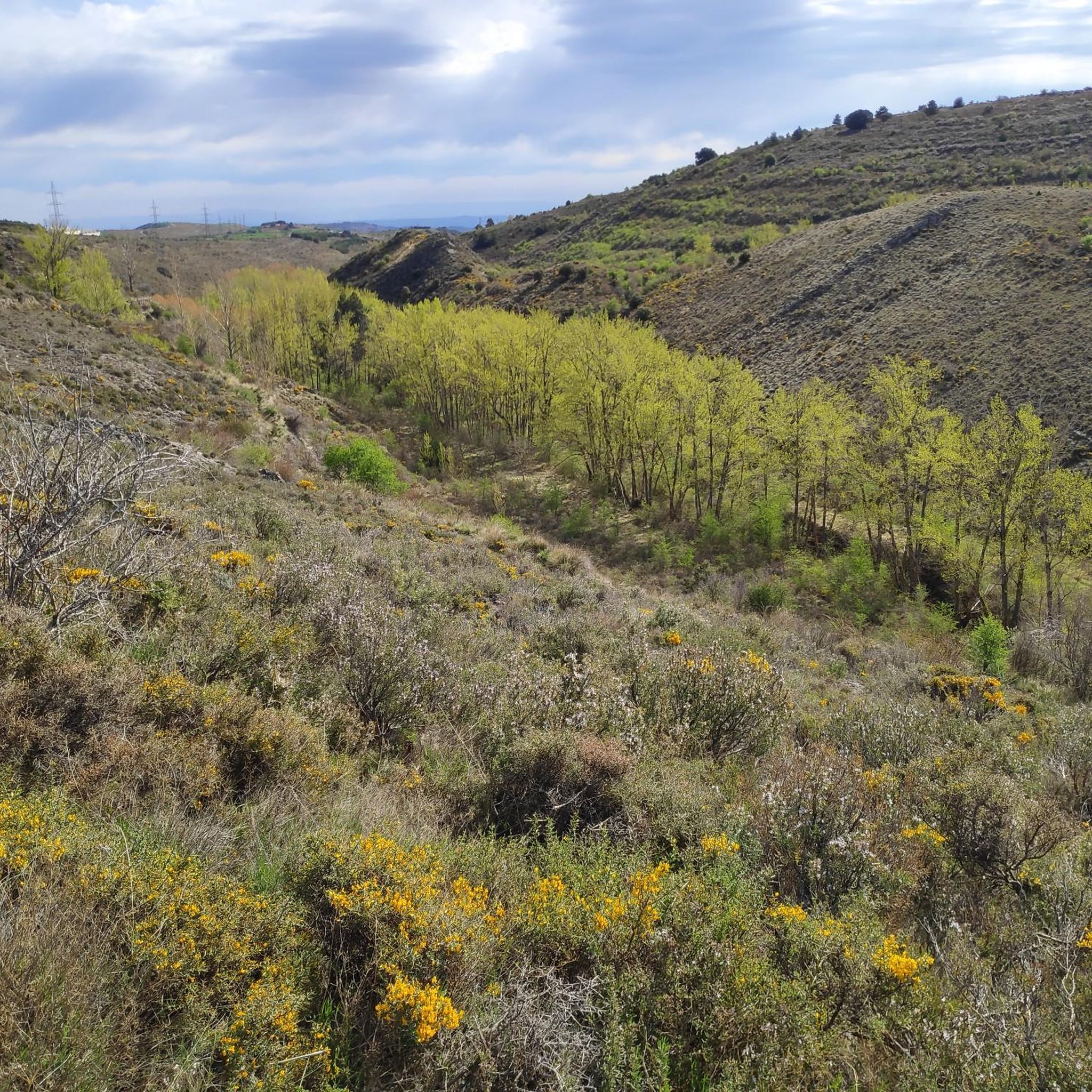
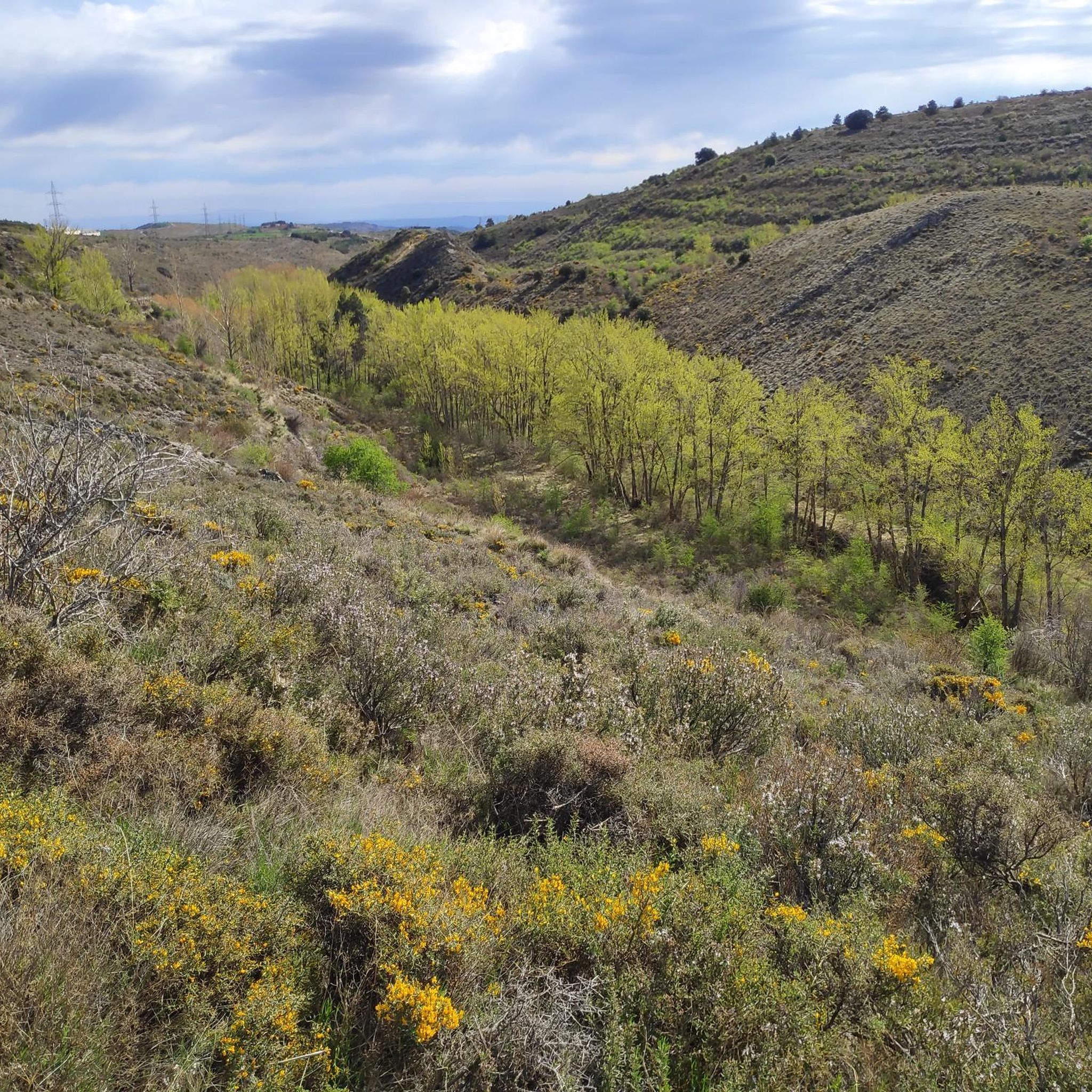
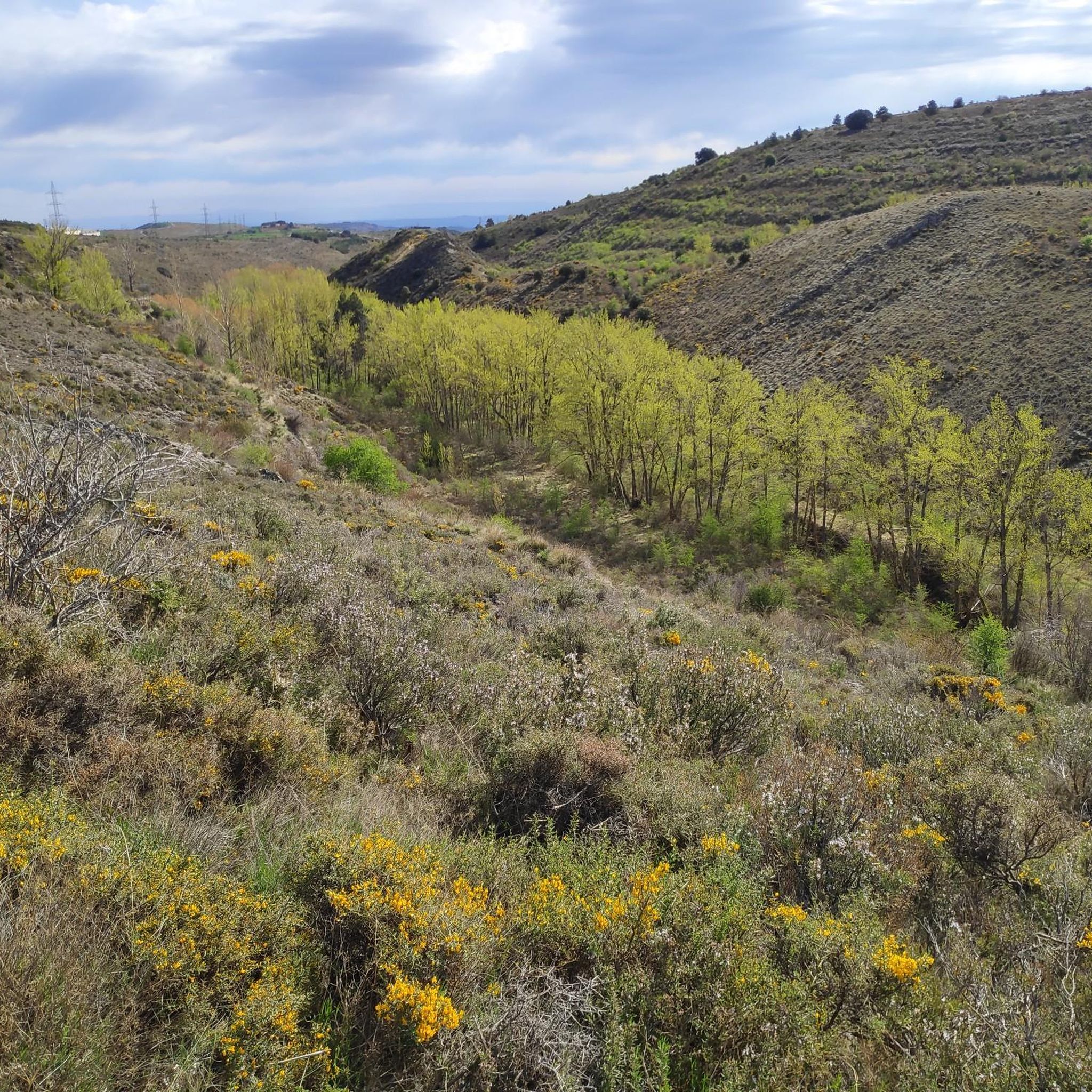
The Fountain and Hermitage of San Gaudioso are located in the Moncayo Natural Park, near Tarazona, in the Campo de Borja region, Aragon. This place is a popular point of interest for hikers and nature lovers. The hermitage is located in a stunning natural setting, surrounded by forests and mountains. The fountain, which bears the same name, is known for its fresh, crystal-clear water. It is an ideal place to rest and enjoy the tranquility of the landscape. Access to the Fountain and Hermitage of San Gaudioso can be made through several hiking routes that run through the natural park, offering spectacular views and the opportunity to observe the local flora and fauna.😊
5
0
Cabezo de la Mata is a peak located in the Sierra del Moncayo, in Aragon, Spain. With an altitude of 1,437 metres, it is one of the most accessible peaks in the area. One of the most popular routes to ascend Cabezo de la Mata begins at Fuente de los Frailes. This circular route offers spectacular views of the northeastern slope of the Sierra del Moncayo and the plain of the Ebro Valley. The route includes sections through beech and pine forests, and is suitable for all year round.
5
0
The summit of Moncayo, also known as Pico San Miguel, is the highest mountain in the Iberian system, with an altitude of 2315 metres. It is located between the provinces of Zaragoza (Aragon) and Soria (Castile and Leon) in Spain. To reach the summit, many hikers start from the Sanctuary of the Virgin of Moncayo, located at 1621 metres. From there, the route passes through the Cucharón cirque and the San Miguel basin before reaching the summit. The route offers spectacular views and is especially popular in spring and summer.
5
0

You need to be in shape, it is a climb that requires some climbing skill.
0
0

Moncayo never disappoints. From Cueva de Agreda the climb is longer and harder, but it is worth the sacrifice. The views from the summit, towards Aragon and towards Castilla, are impressive.
1
0

At the Collado de la Atalaya you have to head northeast along the slope of the mountain range following a level path marked with stone markers. The path crosses the Las Hoyas de los Portillos valley and climbs halfway through the pine forest towards the wall of the Muela del Cerro Morrón. In the pine forest you have to keep climbing towards the east and at the base of the walls connect with the path coming from the north face of the mountain. The landmarks are clear between the pine trees and the mole wall, they jump a couple of small slopes near other cavities and lead to the spectacular Cueva de los Pilares, a fantastic natural rock sanctuary with arches, vaults and giant columns. The climb to the summit of the mole leaves from the cave through the canal located to the west, it is a clear and obvious climb, it has stone markers and although it seems that there is no exit with good visibility, it is a simple section along some aerial ledges without too many complications, unless the rock is wet, it cannot even be classified as a climbing step, rather technical mountain hiking. The milestones enter the large inclined molar plain and take the direction of the summit through the center of the mountain.
0
1
At Cerro Morrón (1,730 m) there is a trig point and good views of the Moncayo massif. The visible summit is Lobera (2,226 m) and behind it the distant San Miguel peak (2,315 m), simply showing the silhouette of the summit. And below the pedestal of the great mountain covered by endless forests of pines, oaks and beech trees. Towards the north the enormous plain of the Ebro valley and around it the rest of the reliefs of the eastern Iberian region.
0
0

Impressive views that can be seen: the Pyrenees, the Ebro depression...
1
0
Frequently Asked Questions
What are the most prominent natural monuments to explore near Vera De Moncayo?
The region around Vera De Moncayo is dominated by the Moncayo Natural Park. Key natural monuments include the Moncayo Summit, the highest point of the Iberian System, offering splendid panoramic views. Another must-see is Cueva de los Pilares, a cave known for its spectacular rock formations, arches, and giant columns. Additionally, Cabezo de la Mata provides excellent views of the northeastern slope of the Sierra del Moncayo and the Ebro Valley plain.
What kind of landscapes can I expect to see in the Moncayo Natural Park?
Moncayo Natural Park features a diverse range of landscapes due to its varied altitude. You'll find Mediterranean holm oak and kermes oak forests at lower elevations, transitioning to Pyrenean oak and extensive beech forests, which are among the largest in Spain. Higher altitudes showcase pines, juniper, willow, gorse, heather, and alpine meadows. This distinct stratification of flora creates stunning scenery throughout the seasons.
Where can I find the best panoramic views of the region?
For breathtaking panoramic views, ascend to the Moncayo Summit (Pico San Miguel), which, at 2,314.3 meters, is the highest point in the Iberian System. On clear days, you can even see the Pyrenees. Other excellent viewpoints include Cabezo de la Mata, offering vistas of the Ebro Valley, and Cerro Morrón Summit, which provides impressive views of the Moncayo massif and the surrounding forests.
What outdoor activities are available near the natural monuments?
The area around Vera De Moncayo and its natural monuments is ideal for various outdoor activities. You can find numerous hiking trails catering to different skill levels. For cyclists, there are many road cycling routes, such as the 'Moncayo Climbs Loop via Tarazona and Veruela', and challenging MTB trails like 'Vistas a La Muela de Horcajuelo, Cerro Morrón y las Peñas de Herrera'. Running enthusiasts can explore trails like 'Valdeherrera Gorge – El Boticario Spring loop'. You can find more details on these activities in the Road Cycling Routes, Running Trails, and MTB Trails guides for the area.
When is the best time of year to visit the natural monuments around Vera De Moncayo?
The Moncayo Natural Park offers distinct beauty throughout the year. Spring and summer are popular for hiking to the Moncayo Summit, with pleasant temperatures and vibrant flora. Autumn is particularly stunning due to the changing colors of the extensive beech forests. While accessible year-round, be prepared for colder temperatures and potential snow at higher altitudes during winter, especially on the Moncayo Summit.
Are there family-friendly options for exploring the natural monuments?
Yes, Moncayo Natural Park offers trails suitable for various skill levels, including options that can be enjoyed by families. While specific 'family-friendly' categories aren't always explicit, many routes through the lower-altitude forests and around natural springs or alpine meadows are less strenuous. Always check the difficulty rating of a trail before embarking with children.
What wildlife can I expect to see in Moncayo Natural Park?
Moncayo Natural Park is rich in biodiversity. You might spot various mammals such as deer, wild boar, foxes, badgers, and rabbits. Birdwatchers can look out for numerous species, including partridges, robins, golden eagles, goshawks, and even the rare bearded vulture. The diverse ecosystems provide excellent opportunities for wildlife observation.
Can I bring my dog to the natural monuments in Moncayo Natural Park?
Moncayo Natural Park generally allows dogs, but it's crucial to keep them on a leash to protect the local wildlife and ensure the safety of other visitors. Always check for specific regulations or restricted areas, especially during nesting seasons or in sensitive ecological zones, to ensure compliance with park rules.
Are there any cultural or historical sites integrated with the natural beauty?
Yes, the region beautifully blends natural splendor with historical significance. The Santuario de la Virgen del Moncayo, a historic mountain sanctuary, is located on the slopes of Moncayo, offering a cultural landmark amidst the natural environment. Nearby, the 12th-century Cistercian Monastery of Veruela is also deeply connected to the area's history and natural surroundings, known for its architecture and literary associations.
What do visitors particularly enjoy about the natural monuments in this area?
Visitors frequently highlight the spectacular panoramic views from summits like Moncayo Summit and Cabezo de la Mata. The diverse landscapes, from dense oak and beech forests to high-altitude terrain, are also highly appreciated. The unique geological formations of Cueva de los Pilares are often cited as a fascinating experience. The overall appeal lies in the opportunity for immersive outdoor exploration and the tranquility of nature.
Are there any less-known natural spots worth discovering in the Moncayo Natural Park?
Beyond the main summits, the Moncayo Natural Park holds serene alpine meadows and remote natural springs that offer peaceful rest areas and picturesque settings. The Views of the Peñas de Herrera, with their castle-like rock formations, provide a unique visual experience that breaks the smooth crest of the mountain and are worth exploring for their distinctive appearance.
What is the difficulty level of hiking to the Moncayo Summit?
Hiking to the Moncayo Summit is considered challenging. The route typically starts from the Sanctuary of the Virgin of Moncayo and passes through the Cucharón cirque and the San Miguel basin. While rewarding with spectacular views, it involves significant elevation gain and high-altitude terrain, requiring appropriate gear and preparation, even in warmer months.
Most popular routes around Vera De Moncayo
Most popular attractions around Vera De Moncayo

Get inspired with the komoot mobile app


Explore more
Extend your search for the best caves by checking out these guides of the top ones around Vera De Moncayo:
