Top 5 Natural Monuments around Benamocarra
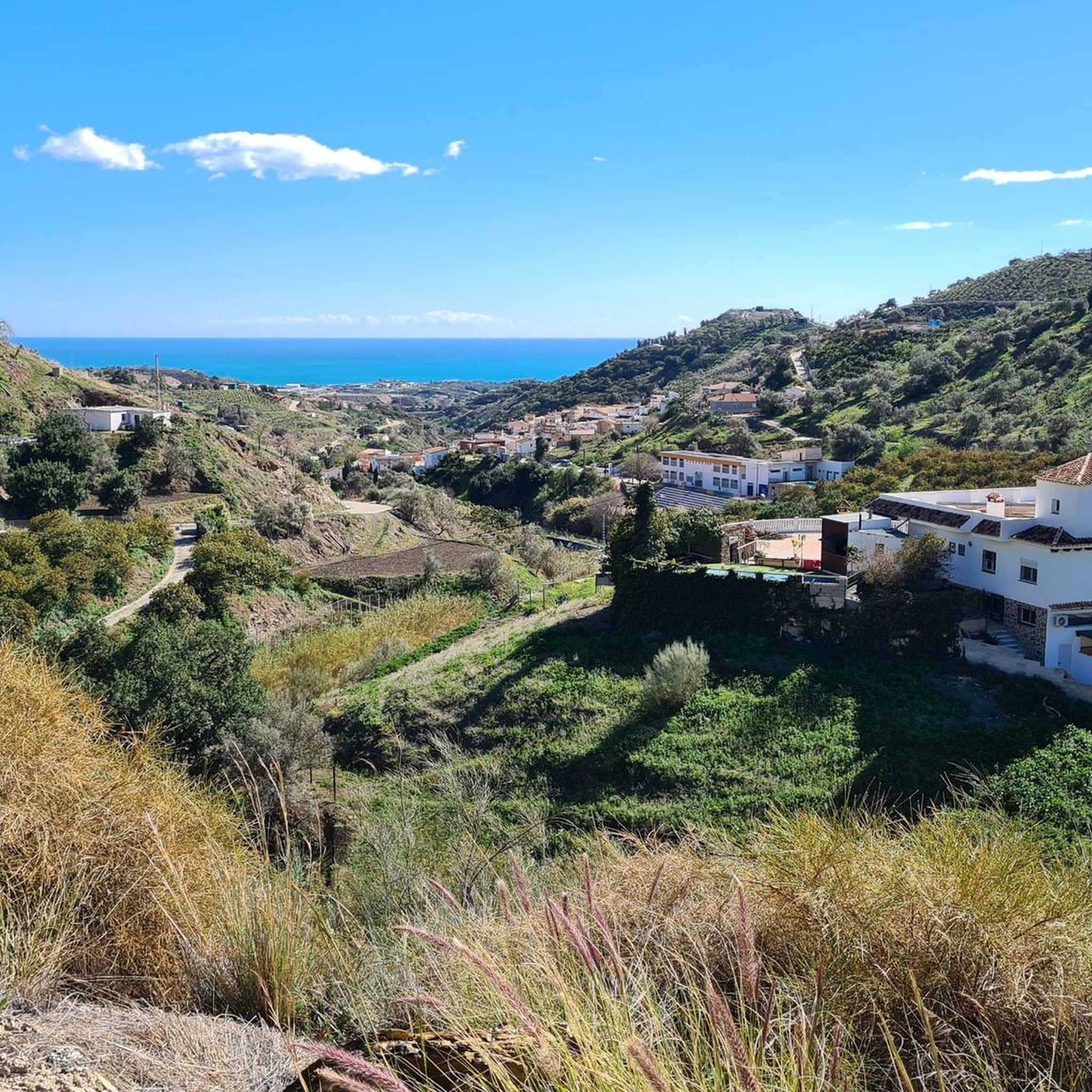
Best natural monuments around Benamocarra are found in an inland village in the Axarquía district of Málaga, Spain. The area is characterized by its natural surroundings, including agricultural landscapes of olive, almond, and subtropical groves. It offers expansive views over the Vélez river valley and surrounding hills, providing varied topography. The region is well-suited for hiking, allowing exploration of local flora and fauna.
Best natural monuments around Benamocarra
- The most popular natural monument is Cerro Tío Cañas, a viewpoint…
Last updated: July 1, 2026
Palo Borracho (Ceiba Chodatii) on Paseo de Larios
Highlight • Natural Monument
Translated by Google •
Tip by

Mouth of the Vélez River
Highlight • River
Translated by Google •
Tip by

Sign up now to discover places like this
Get recommendations on the best single tracks, peaks, & plenty of other exciting outdoor places.
Sign up for free
Rusty Fig (Ficus rubiginosa)
Highlight • Natural Monument
Translated by Google •
Tip by
Cerro Tío Cañas
Highlight • Viewpoint
Translated by Google •
Tip by

Drunken Tree (Ceiba Chodatii)
Highlight • Natural Monument
Translated by Google •
Tip by
Start today with a free account
Your next adventure awaits.
Login or Signup

Tips from the Community

The mouth of the Río Vélez is an excellent birdwatching area, especially during migration. The river's low water level encourages the formation of an estuary that provides a habitat for numerous bird species. In addition, its strategic location on the southern edge of Europe makes this area an important resting place for migratory birds. Species such as the Little Bittern, Moorhen and Reed Warbler live here. The vegetation, made up of reeds and white poplars, provides ideal conditions for birds.
4
0
In Torre del Mar, these striking trees grace the Paseo de Larios, one of the city's main promenades. The tree change from the original orange trees and plane trees to the Ceiba chodatii occurred in the 1920s, giving the area a unique tropical feel. Originally native to the tropical and subtropical forests of South America, the Ceiba chodatii is now widespread in many parts of the world, particularly in Mediterranean climates such as the Costa del Sol. The Ceiba chodatii, known in South America as Palo Borracho, is an impressive tree. Its name "Palo Borracho" translates to "Drunk Tree" because of its distinctive bottle-shaped trunk, reminiscent of a drunken man. The tree is characterized by a thick, plump trunk that stores water and is covered in prickly thorns.
3
0

The rusty fig (Ficus rubiginosa) is an evergreen tree and originally comes from Australia. The undersides of the leaves are covered with fine rust-colored hairs. The tree belongs to the mulberry family. Birds and other wild animals eat its fruit.
2
0
The white-flowered drunken bottle tree (Ceiba chodatii) is a medium-sized deciduous tree native to the tropical and subtropical forests of South America. It is notable for its succulent, swollen trunk covered with spines and its buttress roots. The name palo borracho ("drunken tree"), which is common in Paraguay and Chile, is derived from the distinctive growth form of the trunk. The Argentinian name palo botella ("bottle tree") also refers to the same characteristics. - The genus Ceiba is closely related to the baobabs (genus Adansonia) in Africa and Australia, which also have quite unusual trunk shapes.
3
0
The white-flowered drunken bottle tree (Ceiba chodatii) is a medium-sized deciduous tree native to the tropical and subtropical forests of South America. It is notable for its succulent, swollen trunk covered with spines and its buttress roots. The name palo borracho ("drunken tree"), which is common in Paraguay and Chile, is derived from the distinctive growth form of the trunk. The Argentinian name palo botella ("bottle tree") also refers to the same characteristics. The genus Ceiba is closely related to the baobabs (genus Adansonia) in Africa and Australia, which also have quite unusual trunk shapes.
2
0

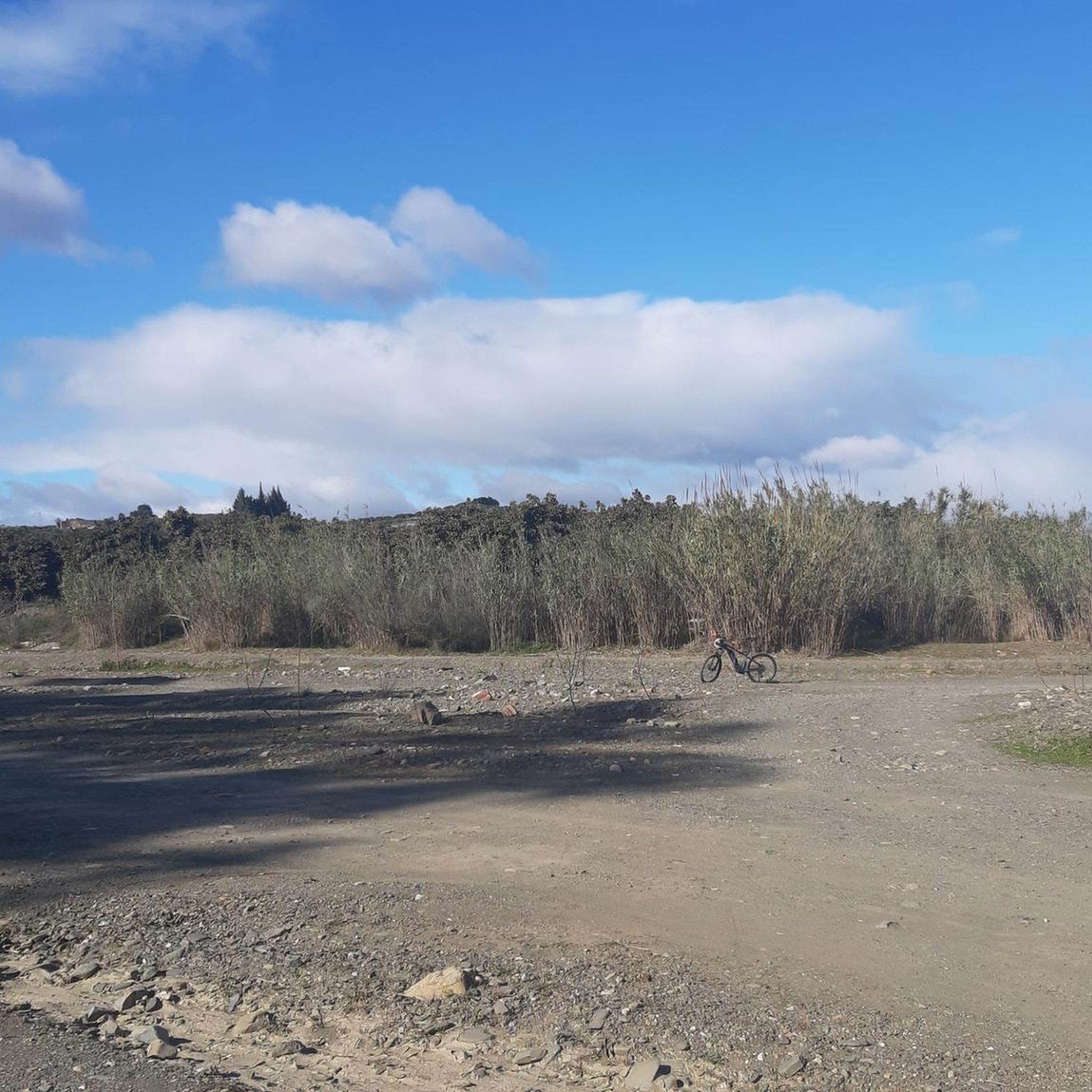
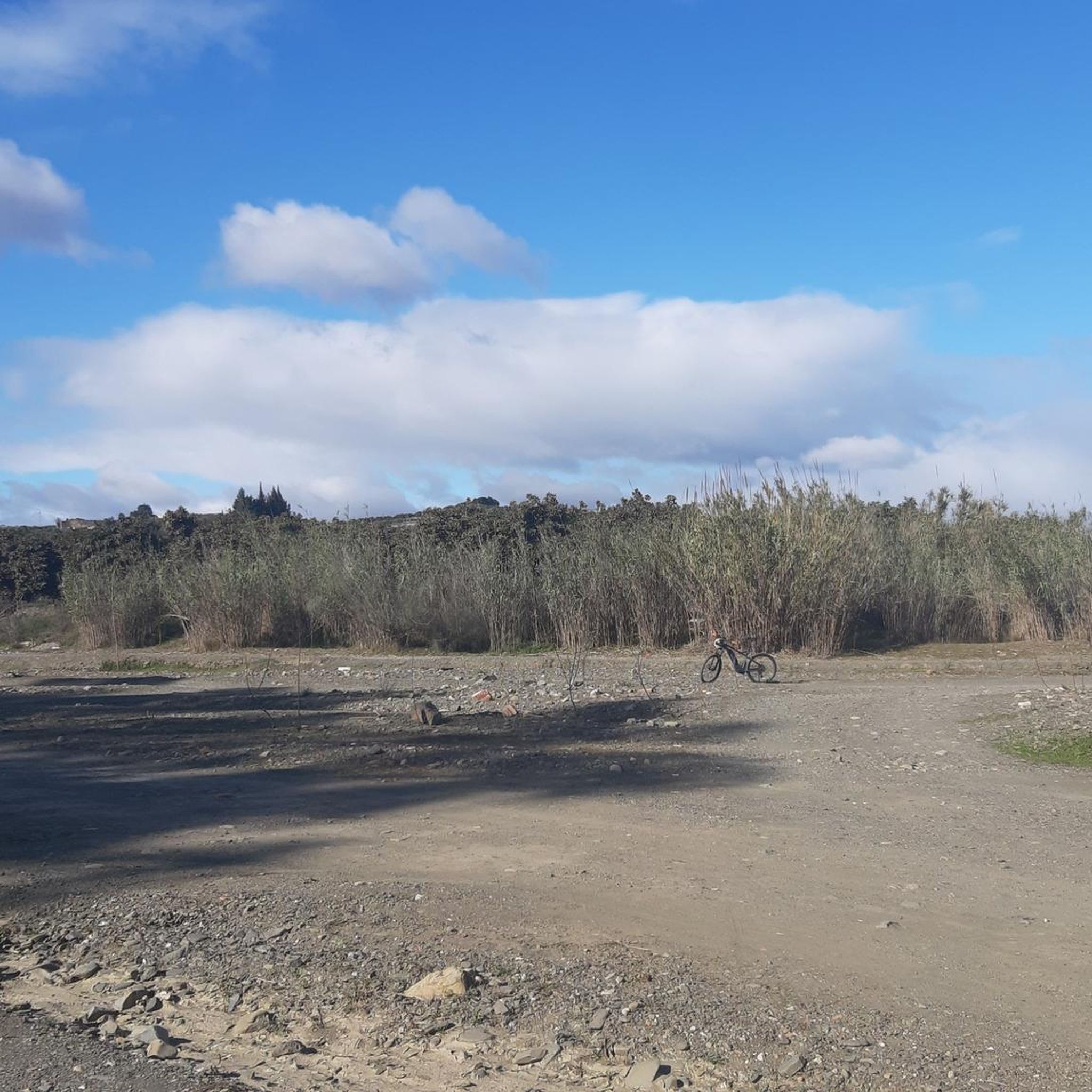
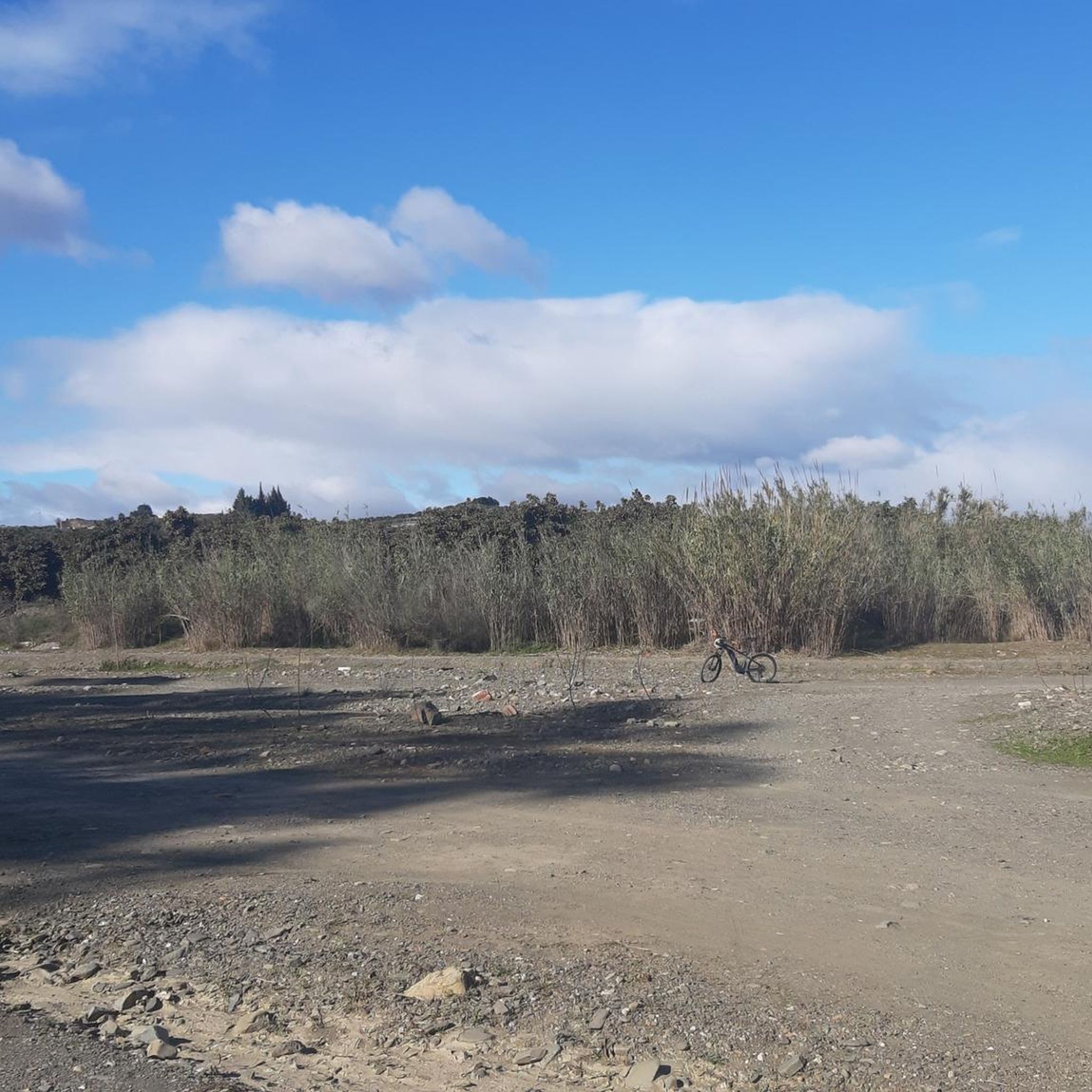
Cultivation area through which the cycle path leads.
2
0

There is a bird observatory. It is recommended not to make excessive noise and not access the interior areas of the River to avoid disturbing the birds that are nesting during the laying season.
4
0

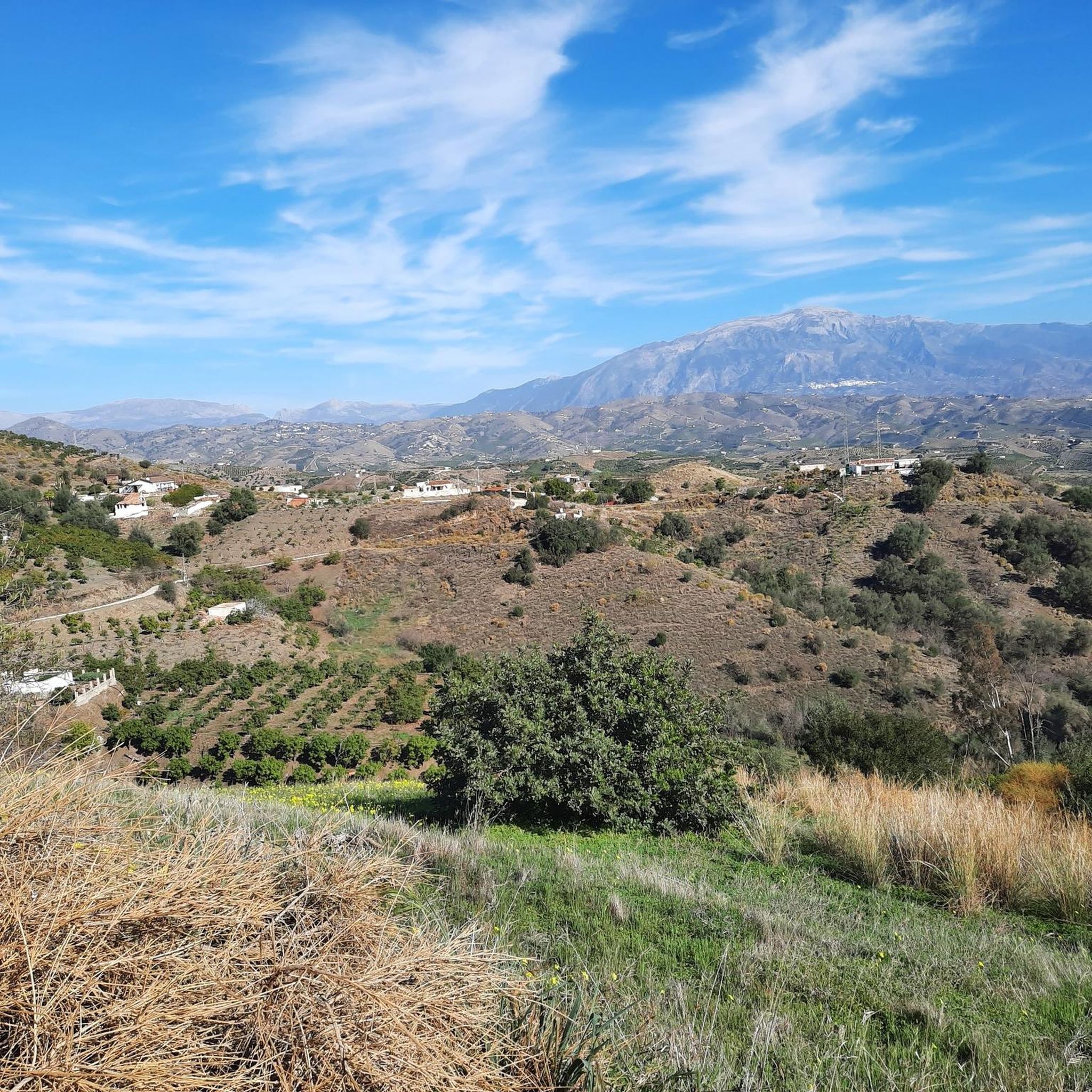
Cerro Tío Cañas, rewarded with the view. TIP: try to be up at sunset ... just great!
1
1
Frequently Asked Questions
What are some unique natural monuments to see around Benamocarra?
Benamocarra is home to several distinctive natural monuments. You can visit the Palo Borracho (Ceiba Chodatii) on Paseo de Larios, known for its unique bottle-shaped trunk. Another interesting tree is the Rusty Fig (Ficus rubiginosa), an evergreen tree with rust-colored hairs on its leaves.
Where can I find panoramic views of the landscape near Benamocarra?
For breathtaking panoramic views, head to Cerro Tío Cañas. It's a natural lookout that offers expansive vistas of the surrounding agricultural landscapes and the Vélez river valley, especially stunning at sunset.
Are there any natural monuments suitable for birdwatching?
Yes, the Mouth of the Vélez River is an excellent spot for birdwatching. It serves as a habitat for numerous bird species, particularly during migration, and features a bird observatory. Remember to keep noise to a minimum to avoid disturbing the wildlife.
What kind of natural landscapes can I expect to see around Benamocarra?
The area around Benamocarra is characterized by its rich agricultural landscapes. You'll find extensive olive and almond groves, vineyards, and subtropical crop plantations such as avocados, mangoes, oranges, and lemons. These cultivated lands create a vibrant and dynamic natural tapestry, especially beautiful during blossoming or harvest seasons.
Are there family-friendly natural monuments or activities in the area?
Absolutely. The Mouth of the Vélez River is considered family-friendly, offering a chance to observe birds in their natural habitat. The Rusty Fig (Ficus rubiginosa) and the Drunken Tree (Ceiba Chodatii) are also accessible and interesting for all ages.
What hiking opportunities are available near Benamocarra's natural monuments?
The region around Benamocarra is well-suited for hiking, with numerous trails that allow you to explore the diverse landscapes. You can find various routes that traverse the agricultural fields and offer scenic views. For more detailed hiking options, explore the Hiking around Benamocarra guide.
What is the significance of the Fuente de Los Caños?
While not a designated natural monument, the Fuente de Los Caños is a significant natural water source integrated into Benamocarra's history. This fountain is fed by a natural spring and was historically vital for the village, used for drinking, washing, and as a watering hole. Its ancient origins and continuous flow make it a quaint natural feature worth visiting.
Can I go cycling near the natural monuments in Benamocarra?
Yes, the area offers various cycling opportunities. The landscapes of the Axarquía, with their gentle slopes and undulating hills, are ideal for exploring by bike. You can find routes that pass through the cultivated areas and offer scenic views. Check out the Cycling around Benamocarra guide for more information on routes.
What do visitors enjoy most about the natural monuments around Benamocarra?
Visitors particularly appreciate the unique natural features like the distinctive trees, the opportunities for birdwatching at the river mouth, and the expansive panoramic views from spots like Cerro Tío Cañas. The blend of traditional village charm with the rich, cultivated Mediterranean landscape is also a major draw.
Are there any specific geological features to observe?
While Benamocarra is not known for monumental geological formations, its natural beauty lies in its topography. The village is situated on the Loma de la Quera, offering views over the Vélez river valley, with hills covered in olive and almond trees to the west and subtropical plantations to the east. This varied landscape of gentle slopes and undulating hills provides a unique natural setting.
What is the best time of year to visit the natural monuments in Benamocarra?
The best time to visit is generally during spring (March to May) when the almond trees are blossoming and the landscapes are lush, or in autumn (September to November) when the weather is pleasant for outdoor activities like hiking and cycling. Summers can be very hot, while winters are mild.
Are the natural monuments around Benamocarra accessible for beginners or those seeking easy walks?
Many of the natural features, particularly the cultivated landscapes and the Fuente de Los Caños, are easily accessible. For walks, there are numerous trails suitable for various fitness levels. The general terrain around Benamocarra consists of gentle slopes, making it welcoming for beginners and those looking for less strenuous outdoor experiences.
Most popular routes around Benamocarra
Most popular attractions around Benamocarra

Get inspired with the komoot mobile app


Explore more
Extend your search for the best caves by checking out these guides of the top ones around Benamocarra:
