Top 14 Natural Monuments around San Asensio
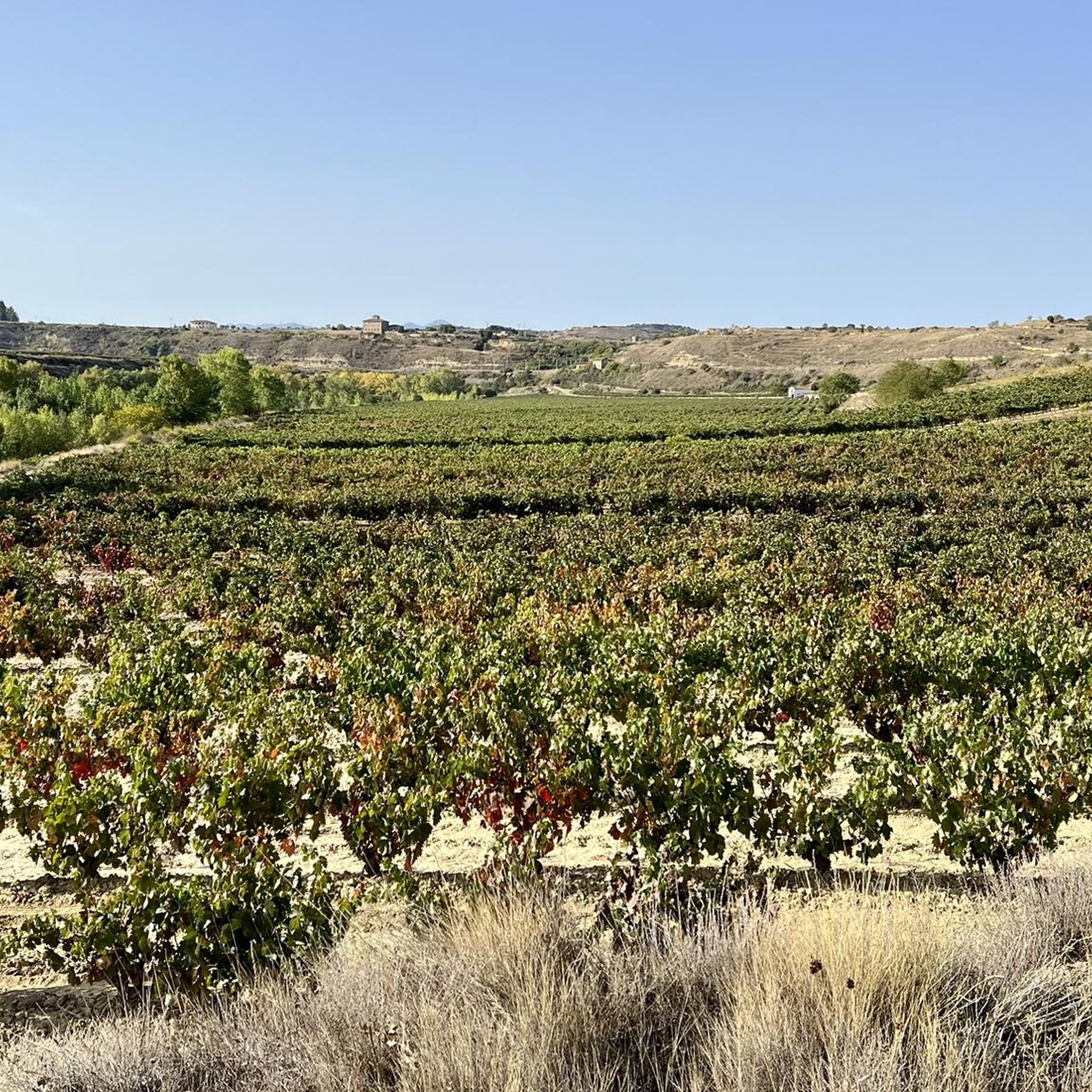
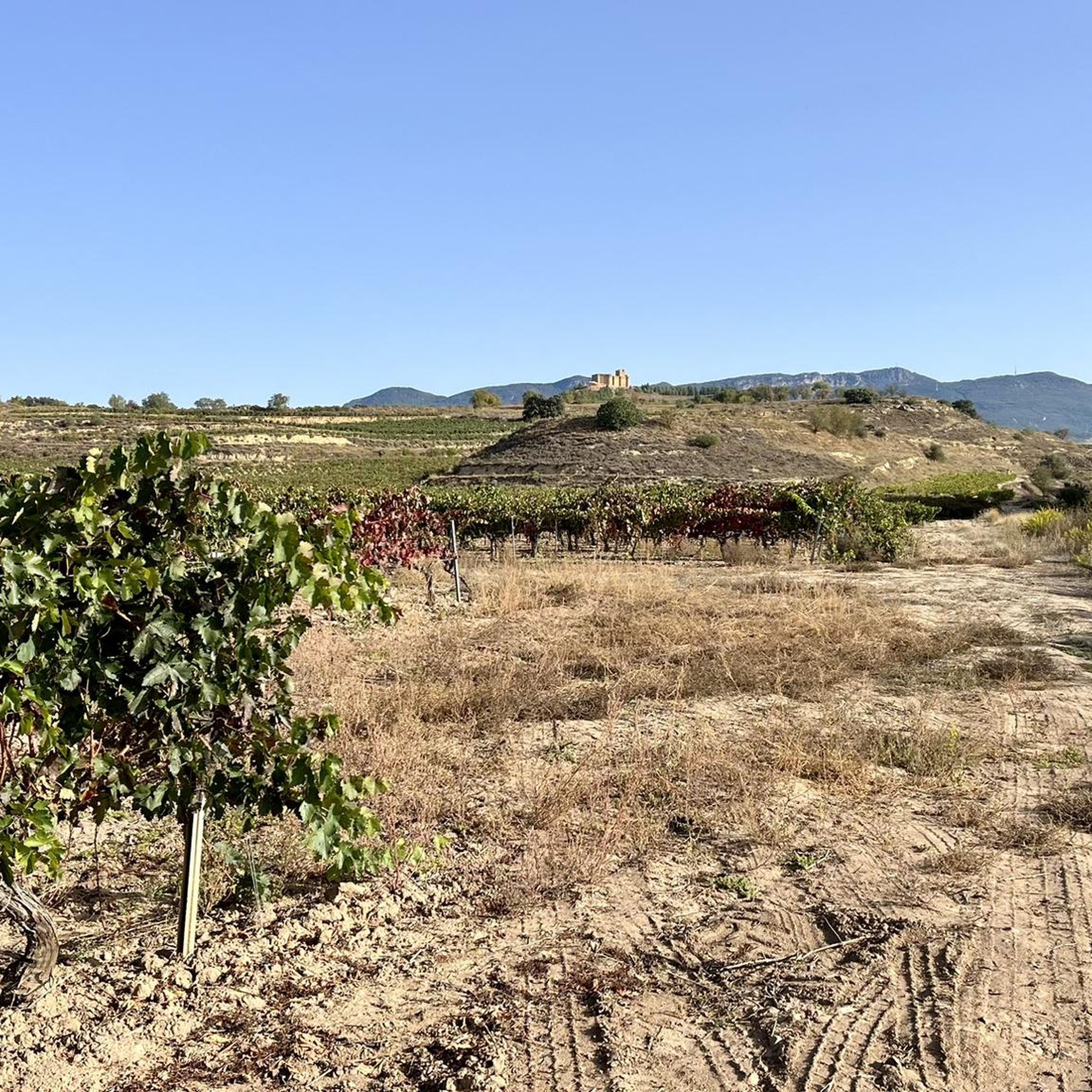
Best natural monuments around San Asensio are found within the picturesque landscapes of the La Rioja wine region. The area's natural appeal is shaped by viticulture and the Ebro and Najerilla Valleys, offering diverse natural features. Elevated points provide strategic views of the surrounding agricultural and historical significance. These natural monuments offer opportunities for hiking trails and exploration.
Best natural monuments around San Asensio
- The most popular natural monuments is Toloño (geodetic vertex), a summit that offers super cool…
Last updated: July 1, 2026
Toloño
Highlight • Summit
Translated by Google •
Tip by

Castle Rock
Highlight • Summit
Translated by Google •
Tip by

Sign up now to discover places like this
Get recommendations on the best single tracks, peaks, & plenty of other exciting outdoor places.
Sign up for free
Red Rocks of Nájera
Highlight • Natural Monument
Translated by Google •
Tip by

Cliffs of Lapuebla de Labarca
Highlight • Gorge
Translated by Google •
Tip by

Red cliffs of Nájera
Highlight • Natural Monument
Translated by Google •
Tip by

Sign up for free to discover even more natural monuments around San Asensio.
Sign up for free
Already have an account?
Start today with a free account
Your next adventure awaits.
Login or Signup
Tips from the Community


Navarrete is located on the slopes of a cliff with a particular red colour.
6
1

The route returns along the same path, passes the gate again and continues along the path with the green dots towards the geodesic vertex of Toloño (1,264 m), which is not the main summit, this is a cartographic landmark, the main summit is after a little hill planted in some airy and solitary cliffs. The views jump the meanders of the Ebro and reach the silhouettes of San Lorenzo, San Millán and the rest of the peaks of the Sierra de la Demanda. Moncayo appears further away, claiming some prominence in an unforgettable scene. At the foot of the Toloño, in the first valley hanging from the south face, appear the ruins of the Toloñoko Andra Mari, the ancient Monastery of Santa María del Toloño. And to the right the peaks that remain to complete the mountain journey.
0
0

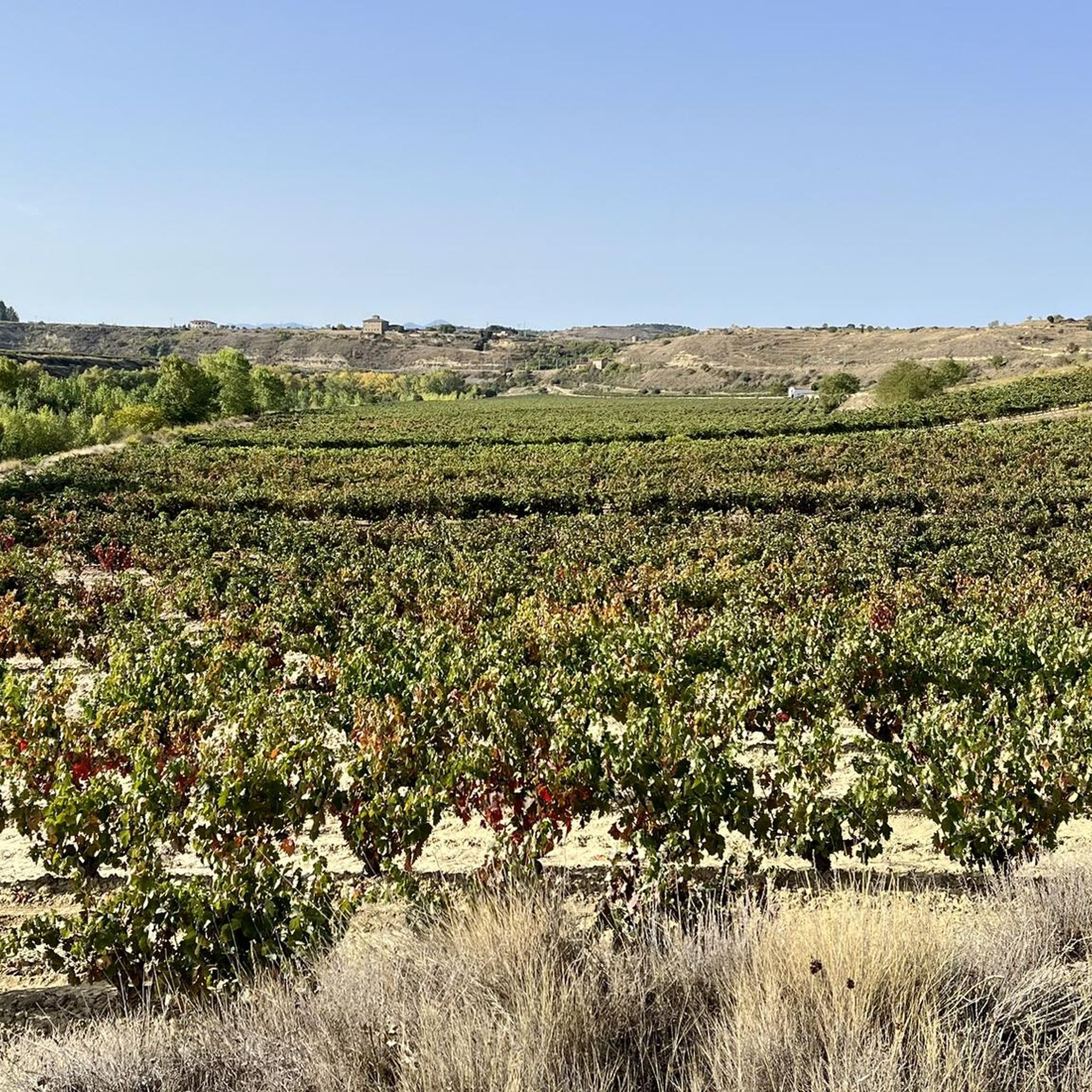
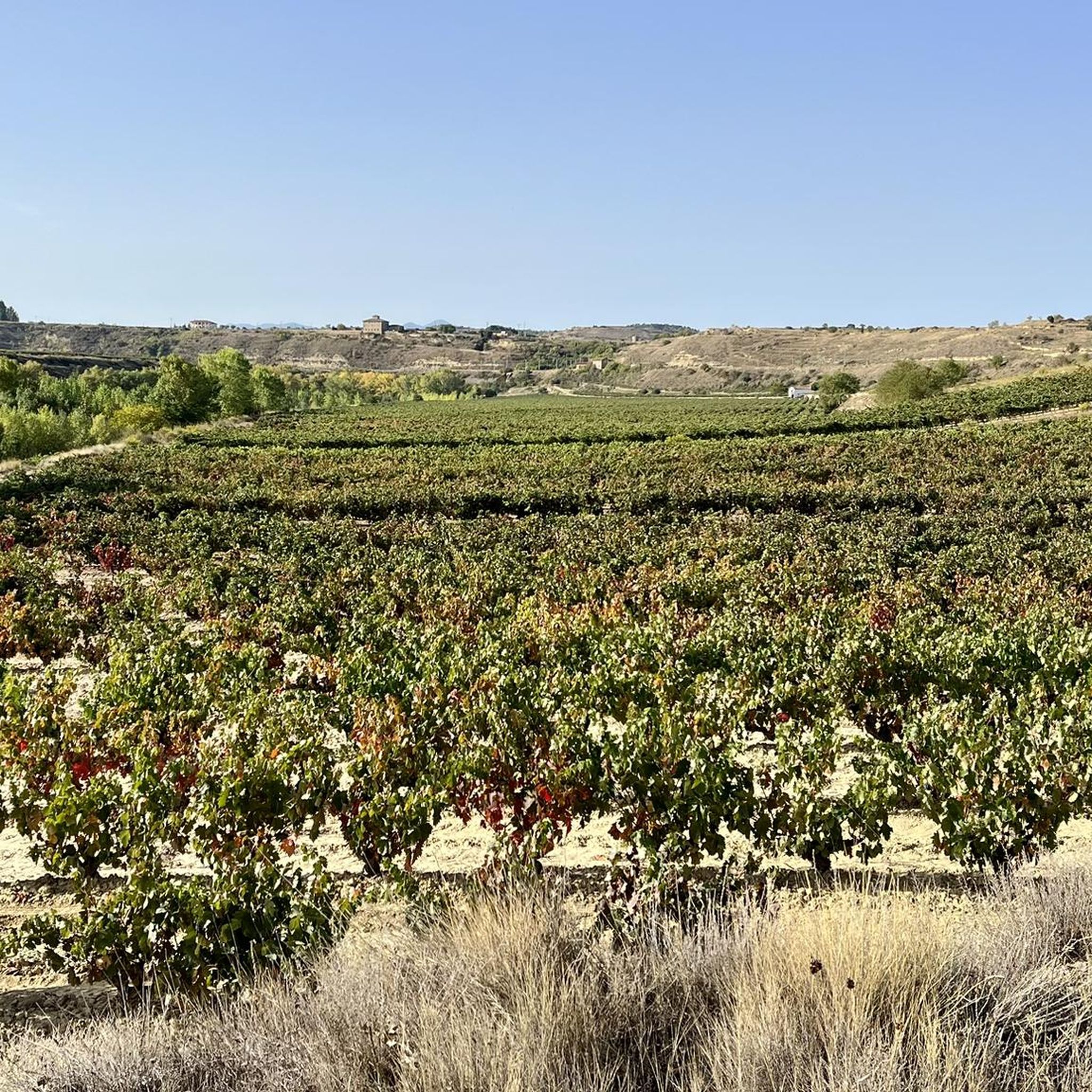
In the surroundings of Lapuebla de Labarca, the river has cut the land and created some beautiful cuts where all the substrates are exposed as stacked sheets.
1
0

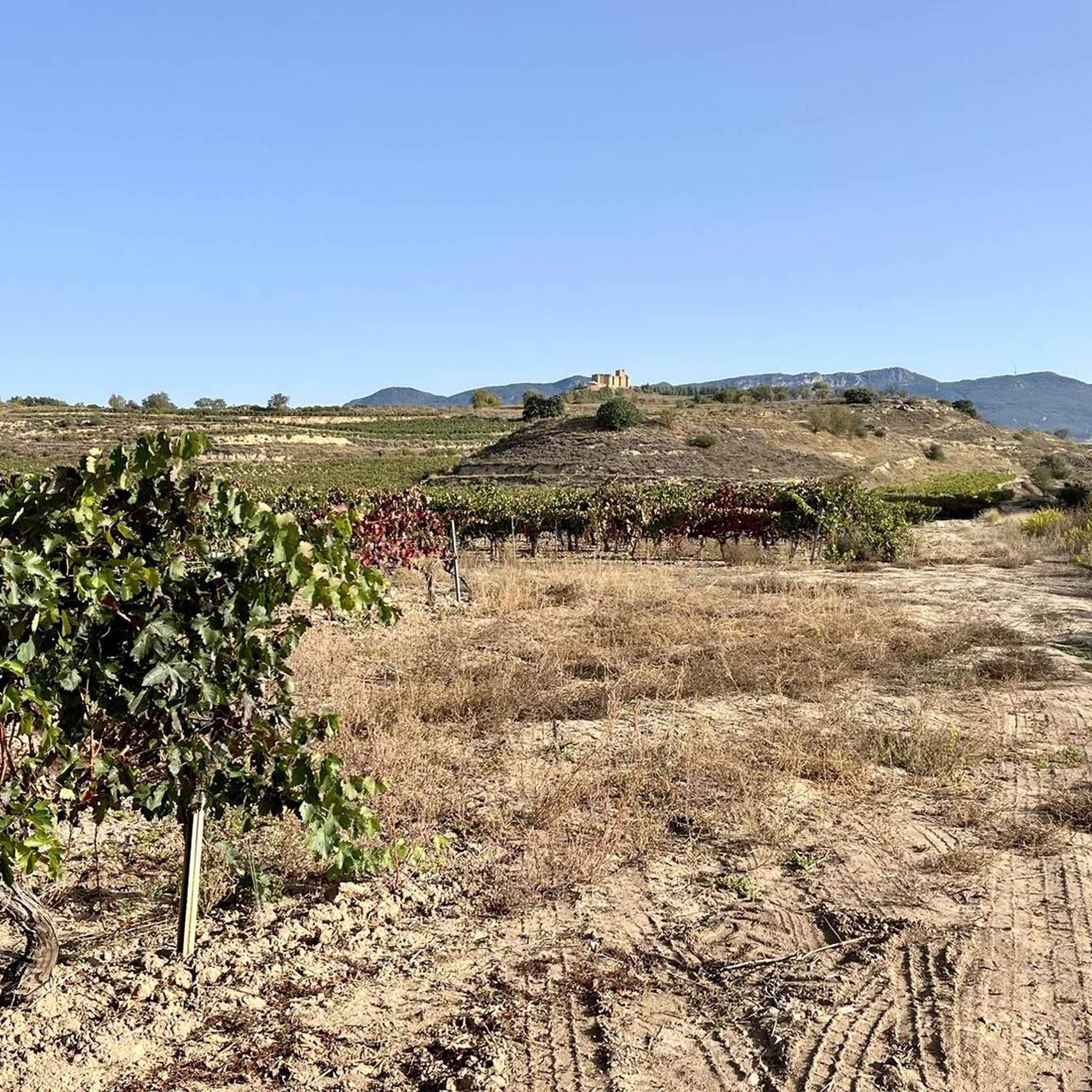
Summit with spectacular views but you have to earn them since to reach the highest part you have to make a small climb.
1
0
Summit with spectacular views that you have to win since to reach the highest part you have to climb a little.
0
0

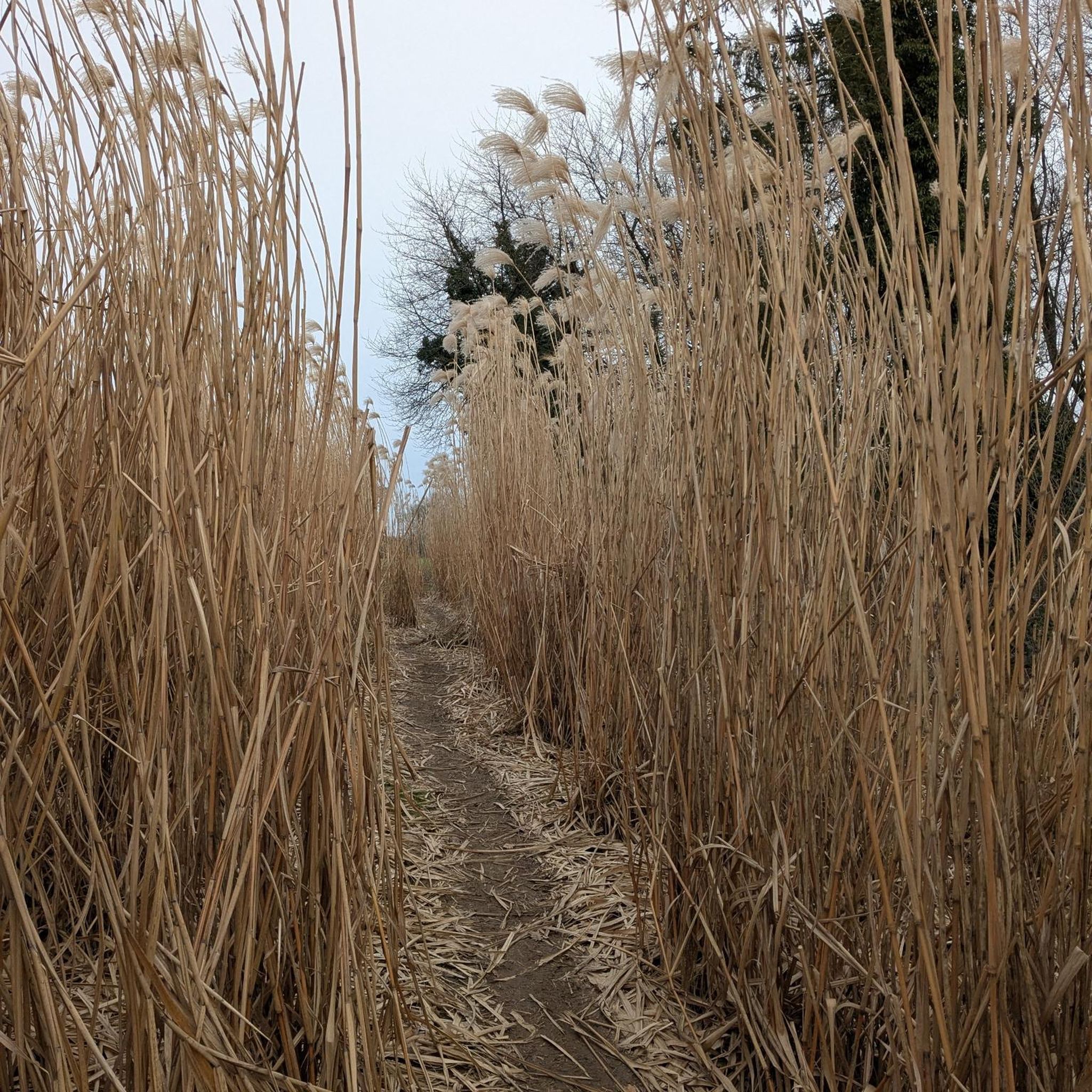
These rocks are found along the dirt road out of Najera. The advice is to go there at dawn. We witness a moving and unforgettable show. From here begins a long cycle path with a pure gravel road surface. ENGLISH ---->https://graveloo.com/it/cammino-di-santiago-in-gravel/ ITALIAN ---->https://graveloo.com/cycling-the-camino-by-gravel-bike/
2
0

Perhaps the most emblematic mountain in the area, and no wonder, it's a pleasure to be up there.
1
0
Frequently Asked Questions
What are some of the most impressive natural viewpoints around San Asensio?
The region offers several natural viewpoints with spectacular vistas. Toloño is an emblematic summit providing great views, including the meanders of the Ebro River and the silhouettes of San Lorenzo and San Millán. Nearby, the Toloño (geodetic vertex) also offers super cool views. For those willing to make a small climb, Castle Rock rewards with spectacular panoramic views. Additionally, the Cliffs of Lapuebla de Labarca offer beautiful cuts in the land where the river has exposed stacked substrates.
Are there any natural monuments with historical or legendary significance near San Asensio?
While not formally designated, the **Poyo de Roldán** is a notable hill near the Alto de San Antón, along the Camino Francés, steeped in legend. Local lore tells of Roland, Charlemagne's nephew, defeating a giant named Farragut from this spot. It offers beautiful views of the surrounding Rioja vineyards and adds a layer of mythical intrigue to the natural setting, making it a compelling spot for visitors interested in history and legend.
What kind of natural features can I expect to see in the San Asensio area?
The San Asensio area, nestled in the La Rioja wine region, is characterized by picturesque landscapes shaped by viticulture and the Ebro and Najerilla Valleys. You can expect to see diverse natural features including prominent summits like Toloño and Castle Rock, unique rock formations such as the Red Rocks of Nájera, and river-carved gorges like the Cliffs of Lapuebla de Labarca.
What is the best time of year to visit the natural monuments around San Asensio?
The region's natural beauty is closely tied to its vineyards. Visiting during late spring (May-June) offers lush green landscapes, while autumn (September-October) provides stunning colors as the leaves change. These seasons generally offer pleasant weather for hiking and exploring. For a unique visual experience at the Red Rocks of Nájera, dawn is specifically recommended for a moving and unforgettable show.
Are there opportunities for hiking near the natural monuments?
Yes, the area around San Asensio offers various hiking opportunities. You can find routes that lead to summits like Toloño and Toloño (geodetic vertex), which are very close to each other. The Hiking around San Asensio guide provides options like the 'Davalillo Castle loop' and 'Main Square – Hornillo – Vineyard Shelter loop'.
What are some challenging natural monuments for experienced hikers?
For experienced hikers seeking a challenge, Castle Rock is a great option. While it offers spectacular views, reaching the highest part requires a small climb, making it a rewarding experience for those looking for a bit more adventure. The main summit of Toloño also involves navigating some airy and solitary cliffs beyond the geodetic vertex.
Can I find routes for cycling or mountain biking near these natural monuments?
Absolutely. The region is well-suited for cycling. The Red Rocks of Nájera mark the beginning of a long cycle path with a pure gravel road surface. For more options, check out the Gravel biking around San Asensio guide and the MTB Trails around San Asensio guide, which feature routes like 'Mymerak gravel route from Haro' and 'Nájera – Pilgrims' Rest Area loop'.
Are there any natural monuments that offer a unique visual experience, like at sunrise or sunset?
Yes, the Red Rocks of Nájera are particularly recommended for a unique visual experience. Visitors are advised to go there at dawn to witness a moving and unforgettable show as the sun illuminates the distinctive rock formations.
What kind of terrain can I expect when exploring the natural monuments?
The terrain around San Asensio varies, reflecting the diverse natural features. You can expect vineyard-covered hills, river valleys, and more rugged mountainous areas. Summits like Toloño and Castle Rock involve rocky paths and some climbing. The Red Rocks of Nájera are found along dirt roads, and the Cliffs of Lapuebla de Labarca showcase exposed geological layers along river cuts.
What do visitors particularly enjoy about the natural monuments in this region?
Visitors consistently praise the spectacular and super cool views offered by the summits, particularly Toloño and its geodetic vertex. The sense of accomplishment after a climb to places like Castle Rock is also highly valued. The unique geological formations, such as the Red Rocks of Nájera, are appreciated for their visual impact, especially at dawn. The overall natural beauty of the vineyards and valleys also contributes to a memorable experience.
Are there family-friendly natural monuments or activities suitable for kids?
While specific 'family-friendly' designations are not provided for all natural monuments, many of the hiking routes in the area can be enjoyed by families. For example, the 'Davalillo Castle loop from Castillo de Davalillo (Ruinas)' is an easy hiking route that could be suitable for families. The general beauty of the vineyards and the less strenuous paths offer pleasant outdoor experiences for all ages.
Where can I see unique rock formations near San Asensio?
The Red Rocks of Nájera are a prominent example of unique rock formations in the vicinity. These striking red-hued rocks are found along the dirt road out of Nájera and offer a visually distinct landscape. Additionally, the Cliffs of Lapuebla de Labarca showcase fascinating geological cuts where the river has exposed various substrates as stacked sheets.
Are there any natural monuments along the Camino Francés?
Yes, the **Poyo de Roldán**, a hill with significant local legend, is situated along the Camino Francés (French Way) near the Alto de San Antón. While not a formal 'natural monument,' its natural setting and historical connection to the Camino de Santiago make it a point of interest for pilgrims and visitors exploring the route.
Most popular routes around San Asensio
Most popular attractions around San Asensio

Get inspired with the komoot mobile app


Explore more
Extend your search for the best caves by checking out these guides of the top ones around San Asensio:
