Top 12 Natural Monuments around Robres Del Castillo
Best natural monuments around Robres Del Castillo are found within a region known for its significant natural beauty and geological formations. This area of La Rioja, Spain, is part of the UNESCO Biosphere Reserve of the Leza, Jubera, Cidacos, and Alhama Valleys. The landscape features dramatic canyons, ancient riverbeds, and unique paleontological sites. It offers diverse natural attractions for exploration.
Best natural monuments around Robres Del Castillo
- The most popular natural monuments is Leza Canyon Viewpoint, a viewpoint that…
Last updated: July 1, 2026
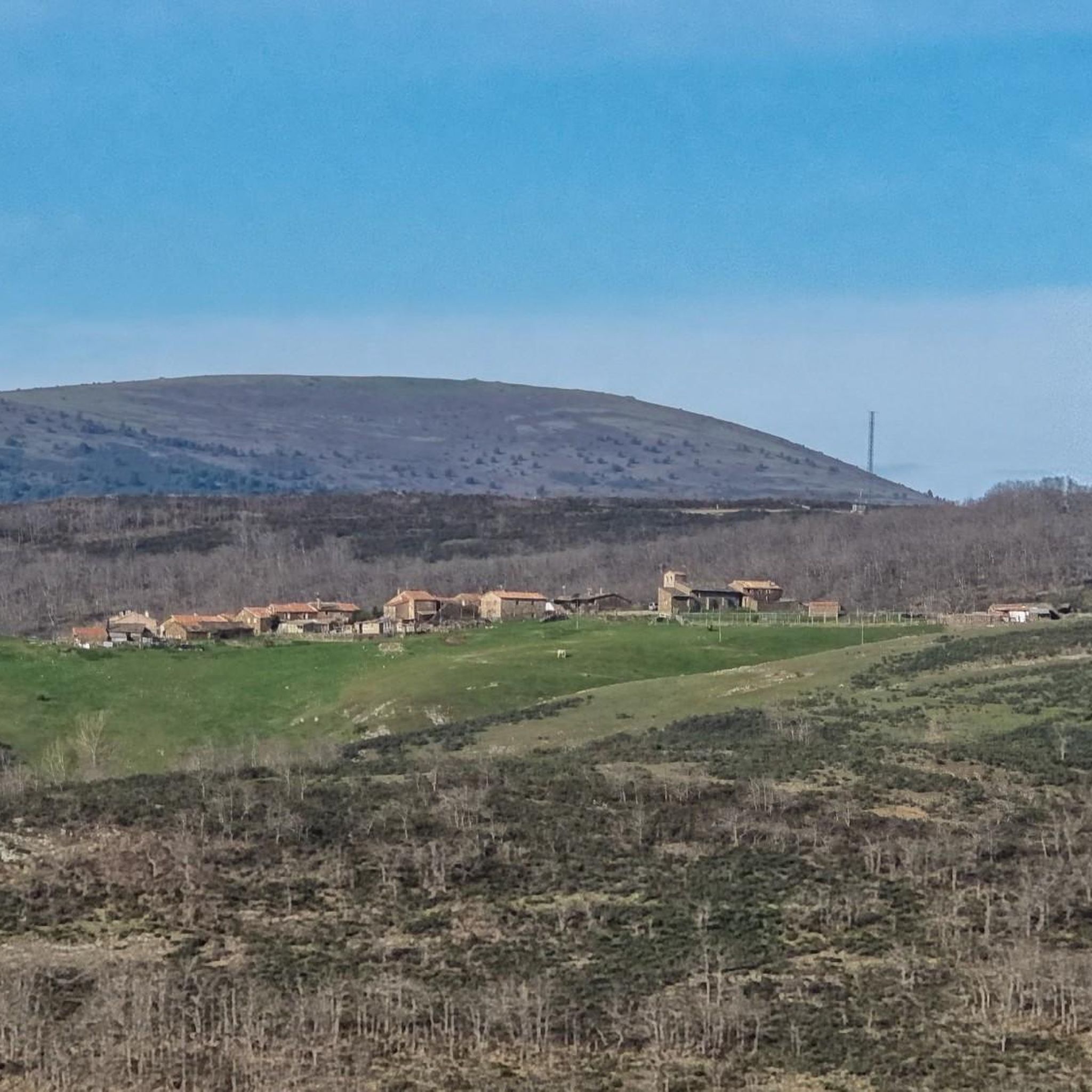
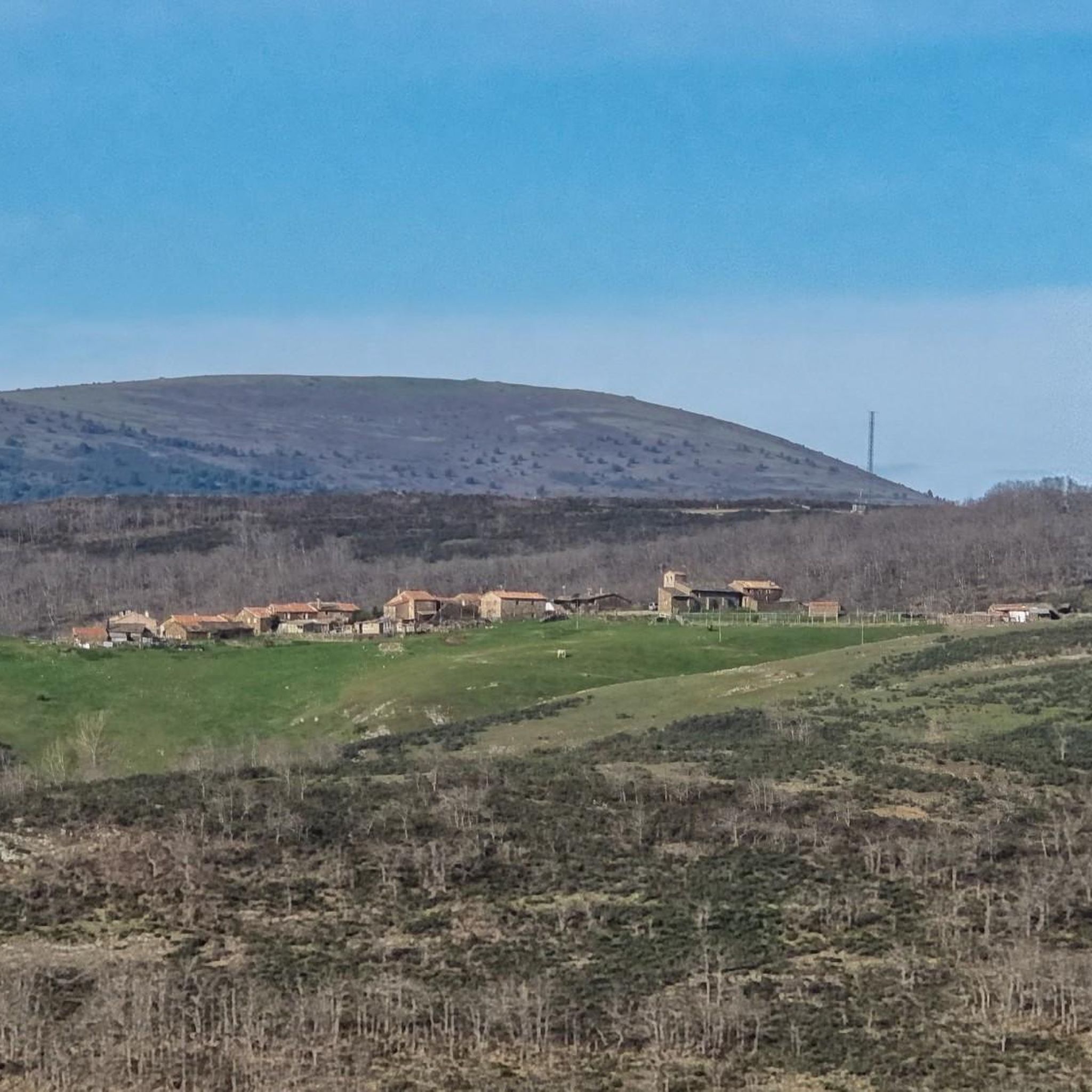
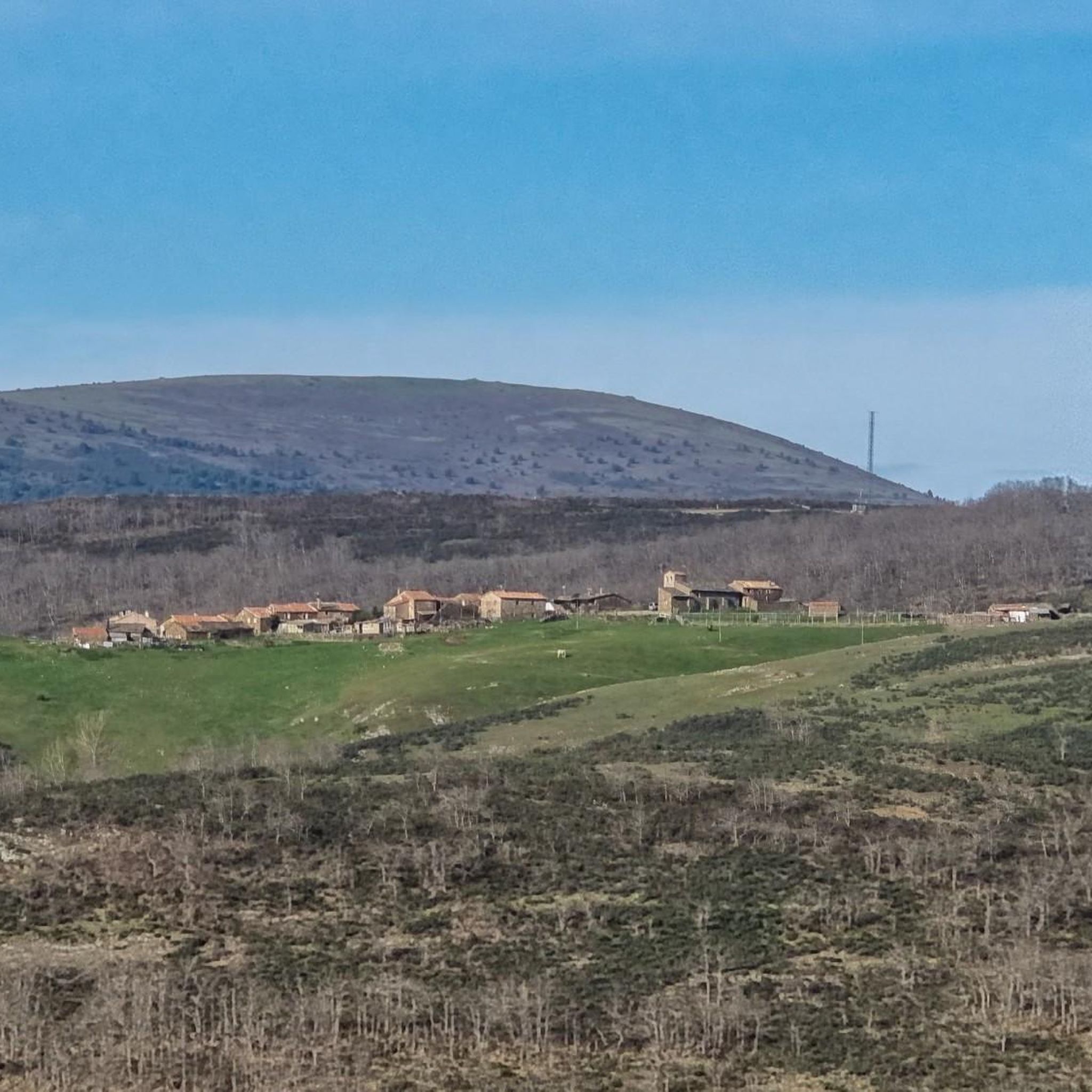
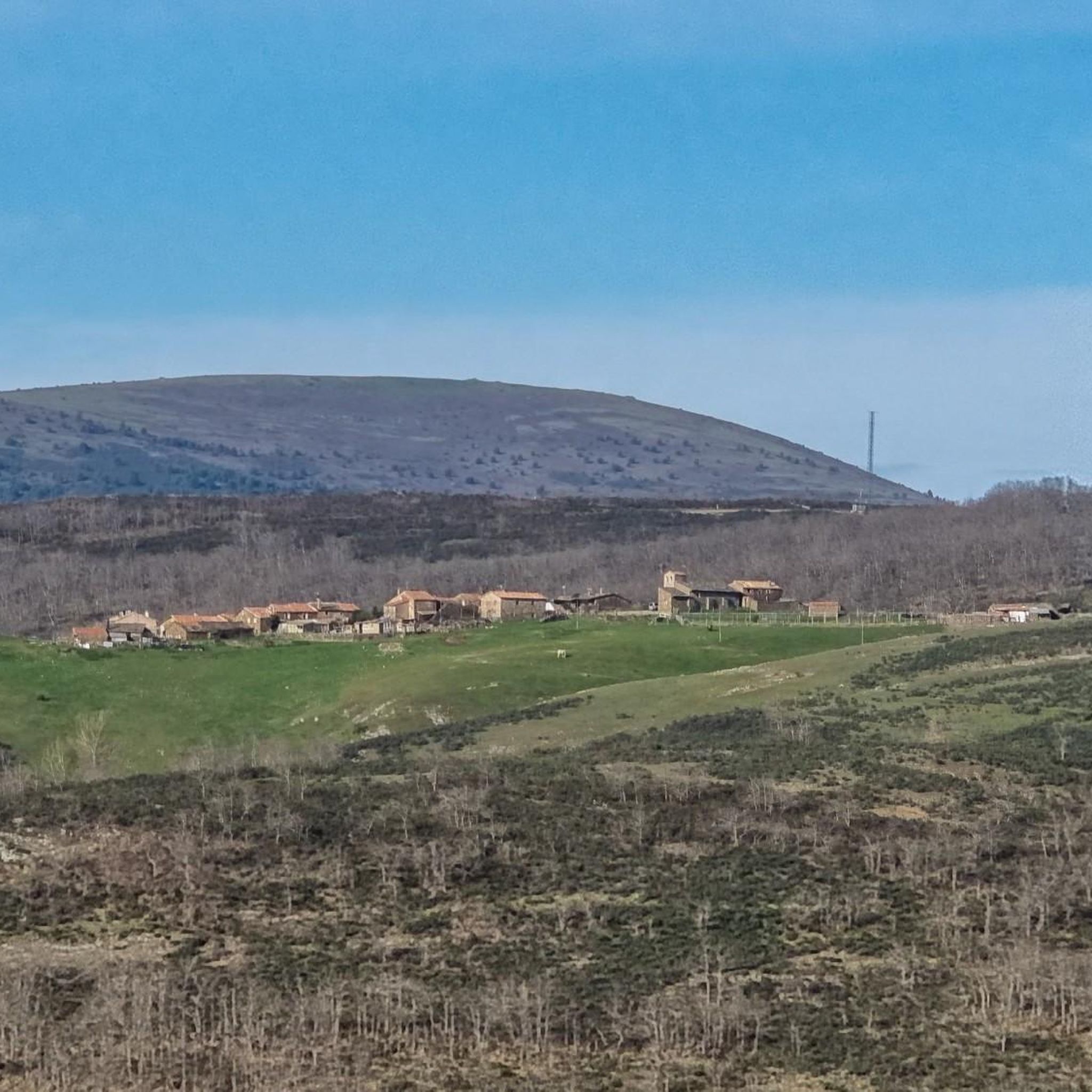
Leza Canyon Viewpoint
Highlight • Viewpoint
Translated by Google •
Tip by

El Barranco Perdido Paleo Adventure Park
Highlight • Natural Monument
Translated by Google •
Tip by

Sign up now to discover places like this
Get recommendations on the best single tracks, peaks, & plenty of other exciting outdoor places.
Sign up for free
Pladortes Ichnite Site
Highlight • Natural Monument
Translated by Google •
Tip by

Gollizo Pool (Jubera River)
Highlight • River
Translated by Google •
Tip by
La Redondilla Sinkhole
Highlight • Natural Monument
Translated by Google •
Tip by

Sign up for free to discover even more natural monuments around Robres Del Castillo.
Sign up for free
Already have an account?
Start today with a free account
Your next adventure awaits.
Login or Signup
Tips from the Community

It's a huge hole. I haven't seen a clear path down.
3
0

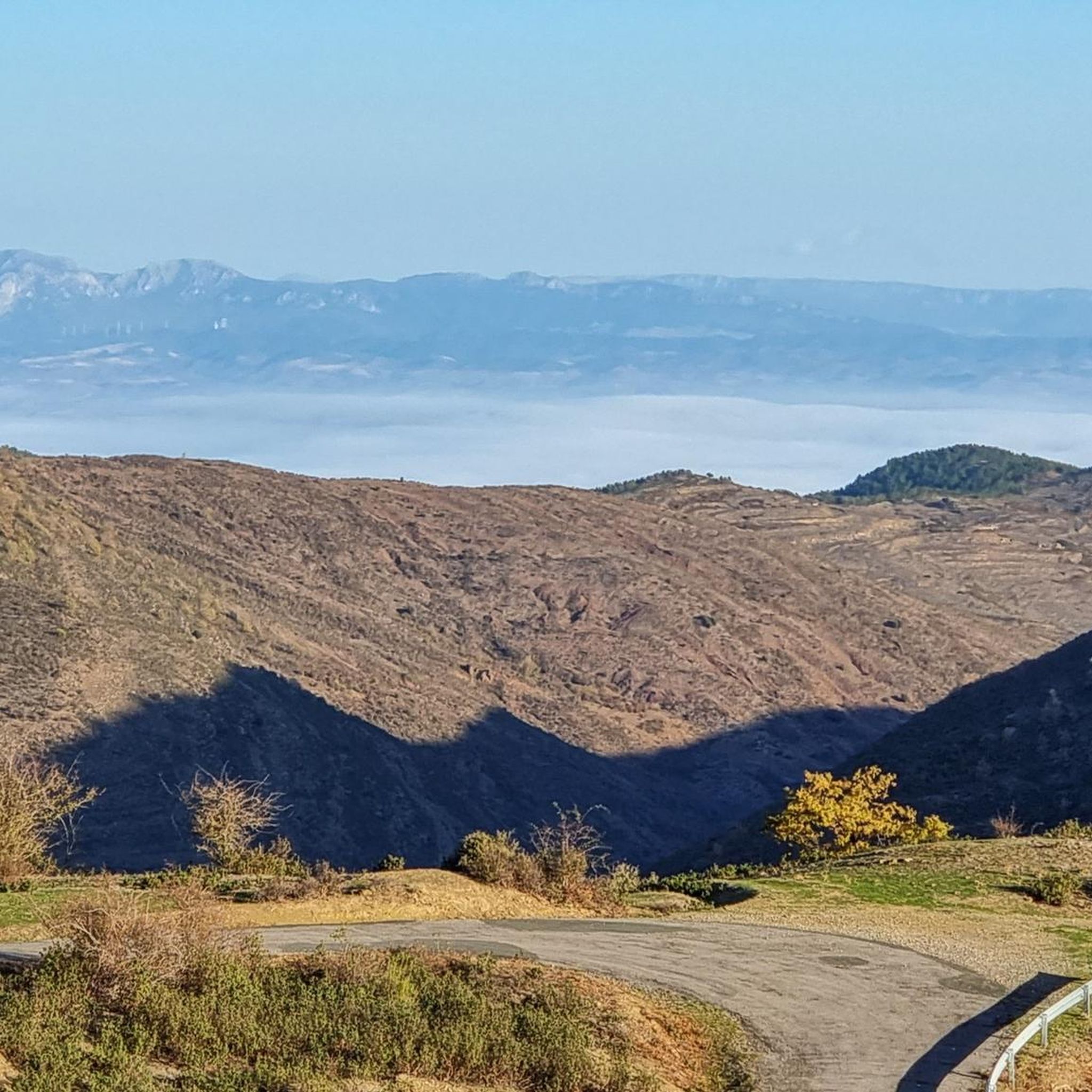
A breathtaking view of this fantastic area.
1
0

A sinkhole refers to a special type of geological depression characteristic of karst reliefs, often formed by the collapse of the ceiling of an underground cave. La Redondilla is one of the three sinkholes near the small Rioja town of Zenzano, spectacular for its size.
0
0

Enciso has been declared a Biosphere Reserve by UNESCO because 3,000 dinosaur footprints have been found here. This paleo-adventure park shows you interactively how these prehistoric animals lived millions of years ago. It also has swimming pools, geysers, adventure circuits, a climbing wall, a restaurant and two cafeterias.
0
0

Spectacular views of the Leza Canyon. The space is conditioned with a bench so that visitors can observe both the mountainous relief and the flora and fauna of the place from the viewpoint.
3
0
One of the two viewpoints of the canyon, beautiful views from both.
1
0

It is a section of the Jubera river, in which there is a small but very attractive waterfall in a pool suitable for swimming.
2
0
It is a site of ichnites while unknown, separated from human transit unless you look for it with a good walk on the path. You can perfectly appreciate the tracks with much more depth, more than normal.
0
0
Frequently Asked Questions
What kind of natural features can I expect to see around Robres del Castillo?
The region around Robres del Castillo, part of the UNESCO Biosphere Reserve of the Leza, Jubera, Cidacos, and Alhama Valleys, offers a diverse landscape. You can explore dramatic river canyons like the Cañón del Río Leza and Cañón del Río Jubera, unique geological formations such as the La Redondilla Sinkhole, ancient riverbeds, and significant paleontological sites featuring dinosaur footprints.
Where can I experience the dramatic canyons of the region?
The Cañón del Río Leza is a spectacular gorge with vertical drops of up to 500 meters, offering panoramic views from designated viewpoints, including the Leza Canyon Viewpoint. The Cañón del Río Jubera, with its impressive Peñas de Jubera cliffs, also provides a unique and less humanized landscape for exploration.
Where can I see the famous dinosaur footprints in the area?
The wider La Rioja region is renowned for its dinosaur footprints (icnitas). You can visit sites like the Pladortes Ichnite Site, which features well-preserved tracks. For an interactive experience, the El Barranco Perdido Paleo Adventure Park demonstrates how prehistoric animals lived and showcases over 3,000 dinosaur footprints found nearby.
Are there any forests with beautiful autumn colors to visit?
Yes, the region boasts stunning beech forests like the Hayedo de Santiago near Munilla and the Hayedo de Monte Real near Ajamil de Cameros. These forests are particularly beautiful in autumn, transforming into a vibrant palette of greens, yellows, browns, and reds, and offer excellent opportunities for hiking.
Are there family-friendly natural monuments or activities suitable for children?
Absolutely. The El Barranco Perdido Paleo Adventure Park is an excellent choice, offering interactive exhibits on dinosaurs, swimming pools, and adventure circuits. The Leza Canyon Viewpoint is also family-friendly, providing spectacular views from a safe, equipped space.
What outdoor activities can I do near these natural monuments?
The area around Robres del Castillo is ideal for various outdoor activities. You can find numerous hiking trails, mountain biking routes, and road cycling paths. For detailed routes and inspiration, explore the hiking guide, MTB trails guide, and road cycling routes guide for the region.
Are there any spots for wild swimming or enjoying natural water features?
Yes, you can find natural water features like the Gollizo Pool (Jubera River). This section of the Jubera River features a small but attractive waterfall and a pool suitable for swimming, offering a refreshing experience amidst nature.
What is the best time to visit the natural monuments around Robres del Castillo?
Spring and autumn are generally the best times to visit. Spring offers lush greenery and pleasant temperatures for hiking, while autumn provides spectacular foliage, especially in the beech forests. Summer can be warm, but the canyons and river spots offer cooler alternatives. Winter can be beautiful but some higher areas might be less accessible due to weather.
What kind of wildlife can I expect to see in the natural monuments area?
The canyons, particularly the Cañón del Río Jubera and Cañón del Río Leza, are designated Special Bird Protection Areas (ZEPA). This makes them prime locations for observing birds of prey, such as griffon vultures. The diverse ecosystems also support various other bird species and local fauna.
Are there any easy hiking routes to access the natural monuments?
Many natural monuments, like the Leza Canyon Viewpoint, are easily accessible. While some sites require a good walk, there are also easier trails available. For specific routes, consult the hiking guide for Robres del Castillo, which includes routes of varying difficulties.
What do visitors enjoy most about the natural monuments around Robres del Castillo?
Visitors frequently highlight the spectacular views, especially from the Leza Canyon Viewpoint, and the unique geological formations. The well-preserved dinosaur tracks at sites like Pladortes Ichnite Site offer a fascinating glimpse into prehistoric life, and the interactive experience at El Barranco Perdido Paleo Adventure Park is particularly popular with families.
Most popular attractions around Robres Del Castillo

Get inspired with the komoot mobile app


Explore more
Extend your search for the best caves by checking out these guides of the top ones around Robres Del Castillo:
