Top 20 Natural Monuments around Sant Feliu De Codines
Best natural monuments around Sant Feliu De Codines include a diverse landscape characterized by significant geological formations and protected natural spaces. The area features prominent cliffs, deep gorges, and unique rock formations shaped by water action. These natural landmarks offer opportunities for outdoor activities and provide expansive panoramic views over the surrounding regions. The local environment is rich in natural beauty, making it a notable destination for exploring the natural landscape.
Best natural monuments around Sant Feliu De Codines
- The…
Last updated: July 1, 2026
Sant Miquel del Fai Road
Highlight • Cycleway
Tip by

Sant Miquel del Fai Monastery and Waterfall
Highlight • Historical Site
Translated by Google •
Tip by

Sign up now to discover places like this
Get recommendations on the best single tracks, peaks, & plenty of other exciting outdoor places.
Sign up for free
La Trona (Bertí Cliffs)
Highlight • Climb
Translated by Google •
Tip by

Vallcàrquera Stream
Highlight • River
Translated by Google •
Tip by

Caldes de Montbui
Highlight • Natural Monument
Translated by Google •
Tip by

Sign up for free to discover even more natural monuments around Sant Feliu De Codines.
Sign up for free
Already have an account?
Start today with a free account
Your next adventure awaits.
Login or Signup
Popular around Sant Feliu De Codines

Other adventures around Sant Feliu De Codines

Tips from the Community

A real discovery! Superb views, decent asphalt and virtually no cars.
0
0


Especially if it has rained, it is spectacular
0
0

Beautiful path that follows the course of the stream, it even has a small waterfall.
1
0

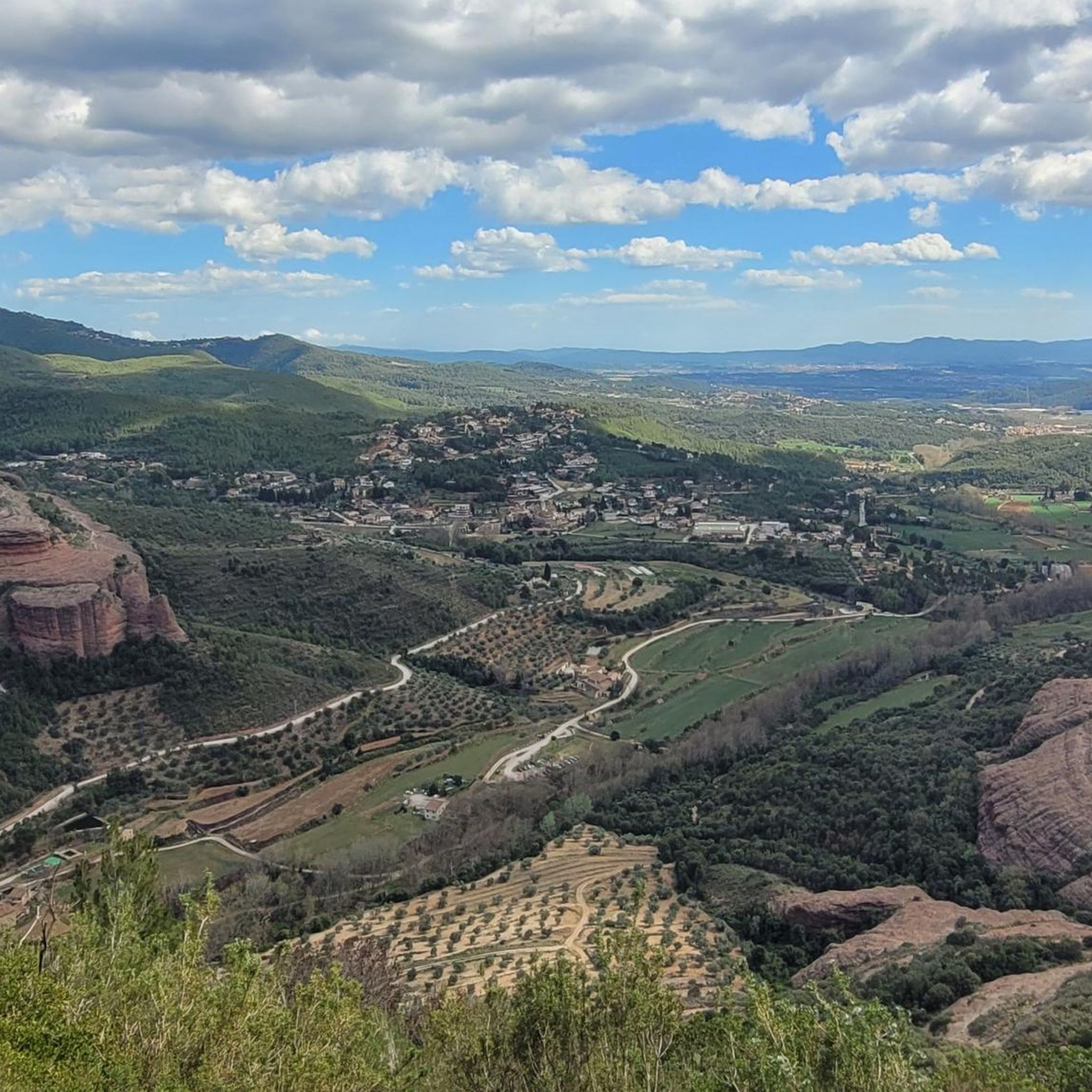
An incredible road with almost no cars. On one side you have cliffs and on the other stunning views. At the end of the road you will come to a monastery. Pay attention in the curves because, despite the fact that there are not many cars, when one passes there is not much space left on the road.
0
1

Located in the Montsenyen half of the municipality, included in the Montseny Natural Park, it covers a large part of the Vallcàrquera valley, drained by the stream that bears the same name, at the foot of the Tagamanent hill. It runs along the southernmost slope of the Vall de Vallcàrquera to cross the tramuntana side at the Pont de la Font del Molí, and descend more or less steeply to Can Bosc to end up flowing into the Gorge in the section known as the creek The Vallcàrquera valley is a territory with a humid Mediterranean character where the vegetation is basically coastal and mountain oak. Despite this, the accentuated relief and the geological diversity of the municipality, together with the several permanent watercourses, have made Figaró one of the municipalities with a diversity of the most remarkable plant communities in the Vallès.
2
0

Old Benedictine sanctuary located in the municipality of San Feliu de Codinas, in the Catalan region of Vallés Oriental. The church was built in a cave, with its own stone serving as a roof. It is the largest troglodyte church in the country. It has a Romanesque portal formed by a semi-circular arch.
1
0
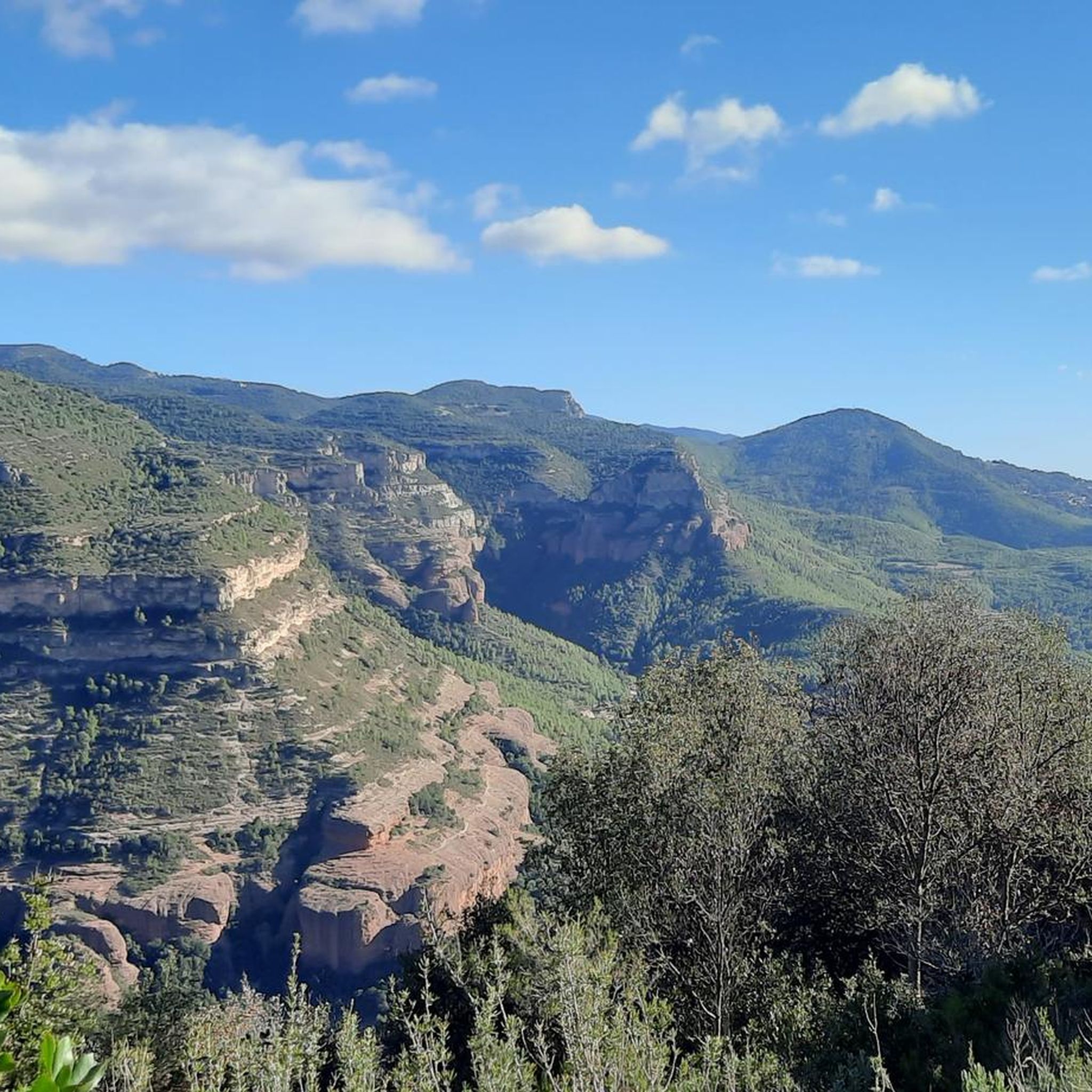
La Trona is a large rocky outcrop that juts out from the sunny straight walls of the Cingles de Bertí, dominating the Sot del Bac valley, despite belonging to Sant Martí de Centelles. This fact has caused that in its obaga part there is a small area with a very specific microclimate. In addition, it is a good example of an off-road climbing school. The rock isn't exactly Yosemite granite or Verdon limestone, but it's pretty good quality compared to the vast majority of Osona's walls. It dominates the hidden natural link between the Vallès and Osona, looking towards the Vallès despite belonging to Osona, in the middle of the cliff that follows the gorge formed by the river of the same name. The name probably comes from its curious shape, since it could well be the high chair of some giant. From its summit you can see the southern part of the Congost valley, closed by the Puiggraciós and the town of La Garriga; to the east you can enjoy the entire western sector of the Monseny massif, dominated by the Turó del Tagamanent with the Pla de la Calma and the Carenes d'en Bosc in the background; and towards the north, if the elements cooperate, you can see the Pyrenees. To the west is the entire eastern sector of the Cingles de Bertí up to its buttress of Puiggraciós.
2
0
Frequently Asked Questions
What are the most prominent natural features to explore around Sant Feliu de Codines?
The region is defined by its dramatic geological formations. Key features include the impressive Cingles de Bertí and Perer cliffs, which offer breathtaking panoramic views. You can also explore rich forested areas with diverse tree species and several waterways like the Vallcàrquera Stream, known for its tranquil environment and a beautiful waterfall.
Are there any natural monuments with historical significance near Sant Feliu de Codines?
Yes, the area boasts the unique combination of natural beauty and history at the Sant Miquel del Fai Monastery and Waterfall. This site features a Benedictine monastery built into a cliff, offering stunning views of a waterfall and access to stalactite caves. The Sant Miquel del Fai Road itself is also considered a natural monument, winding through gorges and offering scenic vistas.
What kind of views can I expect from the natural monuments in the area?
Sant Feliu de Codines is often called a 'balcony landscape' due to its elevated position. From various viewpoints, especially along the Cingles de Bertí, you can enjoy expansive vistas of the Montseny massif, Sant Llorenç del Munt, and the entire Vallès plain. A notable viewpoint is La Trona (Bertí Cliffs), which provides views towards the Congost valley, the western sector of the Montseny massif, and even the Pyrenees on clear days.
Are there family-friendly natural monuments or trails suitable for children?
Yes, the Vallcàrquera Stream offers a pleasant excursion called Ruta del Arbres de Vallcàrquera. The first part of this route has minimal elevation gain and is relatively short, making it ideal for families with very young children. Additionally, the Lion Fountain in Caldes de Montbui is wheelchair accessible and family-friendly, located in a central square with amenities.
What outdoor activities can I do near these natural monuments?
The region is excellent for various outdoor activities. You can enjoy cycling, running, and road cycling. For example, there are several cycling routes like the 'Sant Miquel del Fai loop' or 'View of Cingles de Bertí' starting from Sant Feliu de Codines. Running enthusiasts can explore trails such as the 'Hermitage of Remei – Romanesque Bridge of Caldes loop'. You can find more details on these activities in the cycling, running, and road cycling guides for the area.
What is the best time of year to visit the natural monuments around Sant Feliu de Codines?
The best time to visit is generally during spring (April-May) and autumn (September-October) when the weather is mild and pleasant for outdoor activities like hiking and cycling. Spring brings lush greenery and blooming flora, while autumn offers beautiful fall colors. Summers can be hot, and winters, while generally mild, might have cooler temperatures, especially at higher elevations.
Are there any natural parks accessible from Sant Feliu de Codines?
Yes, Sant Feliu de Codines offers convenient access to two significant natural parks. The Montseny Natural Park, a UNESCO Biosphere Reserve, is easily accessible for day trips and provides extensive trails and wildlife observation opportunities. The Sant Llorenç del Munt i l'Obac Natural Park is also within the broader region, known for its dramatic canyons and unique rock formations.
Can I find any unique geological formations or features?
Absolutely. The region is characterized by its distinctive geological makeup. The most prominent are the Cingles de Bertí and Perer, which are dramatic rocky cliffs. These cliffs, along with deep stream and torrent beds, create varied landscapes and support unique sub-Mediterranean vegetation. The area around Sant Miquel del Fai also features impressive gorges and stalactite caves.
Are there any natural monuments that are wheelchair accessible?
The Lion Fountain in Caldes de Montbui is noted as wheelchair accessible. It's located in a central square and offers a unique experience with its hot spring waters, making it a suitable option for visitors with mobility considerations.
What do visitors enjoy most about the natural monuments in Sant Feliu de Codines?
Visitors frequently highlight the stunning panoramic views, especially from locations like La Trona and the Cingles de Bertí. The tranquility of the forested areas and the unique combination of natural beauty with historical sites, such as the Sant Miquel del Fai Monastery and Waterfall, are also highly appreciated. The opportunity to hike behind waterfalls and explore caves adds to the memorable experience.
Are there any permits required for hiking in the natural areas around Sant Feliu de Codines?
Generally, no specific permits are required for hiking on public trails in the immediate vicinity of Sant Feliu de Codines or within the Cingles de Bertí. However, if you plan to visit specific natural parks like Montseny Natural Park, it's always advisable to check their official websites for any updated regulations or specific access requirements, especially for certain protected zones or during peak seasons.
Most popular routes around Sant Feliu De Codines
Most popular attractions around Sant Feliu De Codines

Get inspired with the komoot mobile app


Explore more
Extend your search for the best caves by checking out these guides of the top ones around Sant Feliu De Codines:
