Top 5 Natural Monuments around Baños De Molgas
Best natural monuments around Baños De Molgas offer a blend of historical heritage and natural beauty in Galicia. The region features the trout-rich Arnoia River, ancient forests, and unique geological formations. These areas provide opportunities for outdoor activities and immersion in the Galician landscape. Baños De Molgas is a destination for exploring natural heritage.
Best natural monuments around Baños De Molgas
- The most popular natural monuments is Thermal Waters of Baños de Molgas, a natural monument that features a…
Last updated: October 17, 2026
Monastery of San Pedro de Rocas
Highlight • Religious Site
Translated by Google •
Tip by

Thermal Waters of Baños de Molgas
Highlight • Natural Monument
Translated by Google •
Tip by

Sign up now to discover places like this
Get recommendations on the best single tracks, peaks, & plenty of other exciting outdoor places.
Fonte de San Bito
Highlight • Historical Site
Translated by Google •
Tip by

Fonte do Santo
Highlight • Natural Monument
Translated by Google •
Tip by

View of Cachamuiña Reservoir from Mirador del Monte da Chaira
Highlight • Viewpoint
Translated by Google •
Tip by
Start today with a free account
Your next adventure awaits.
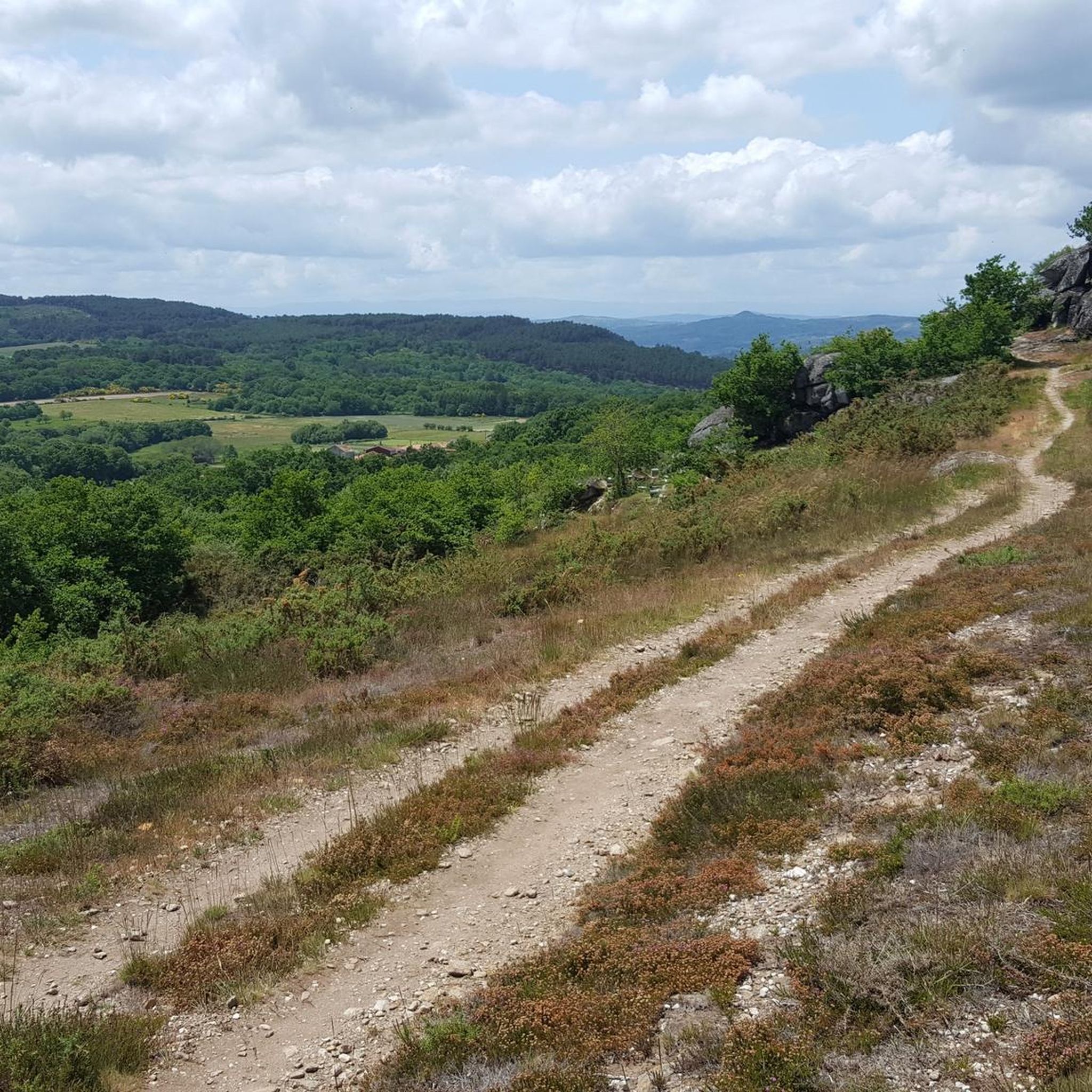

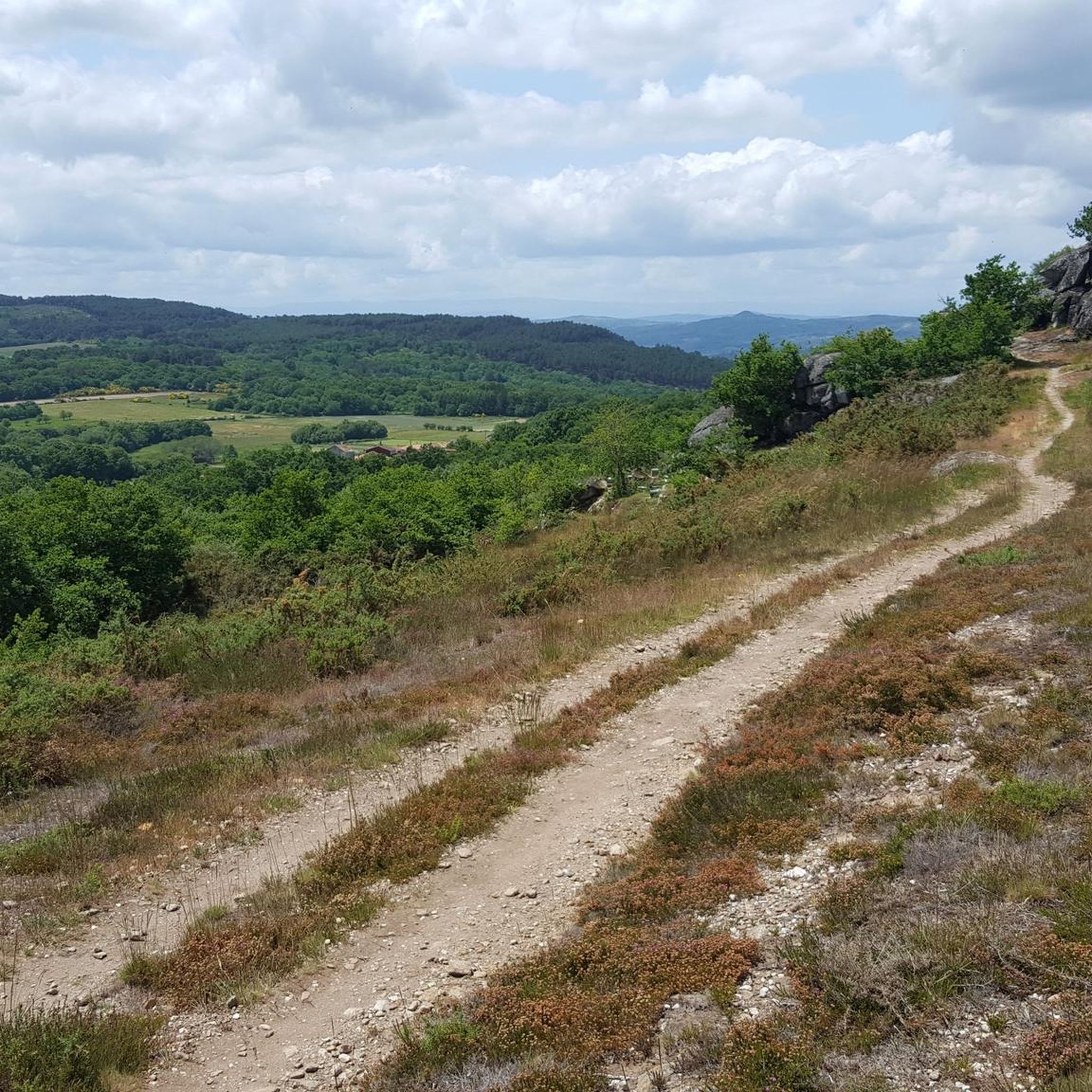

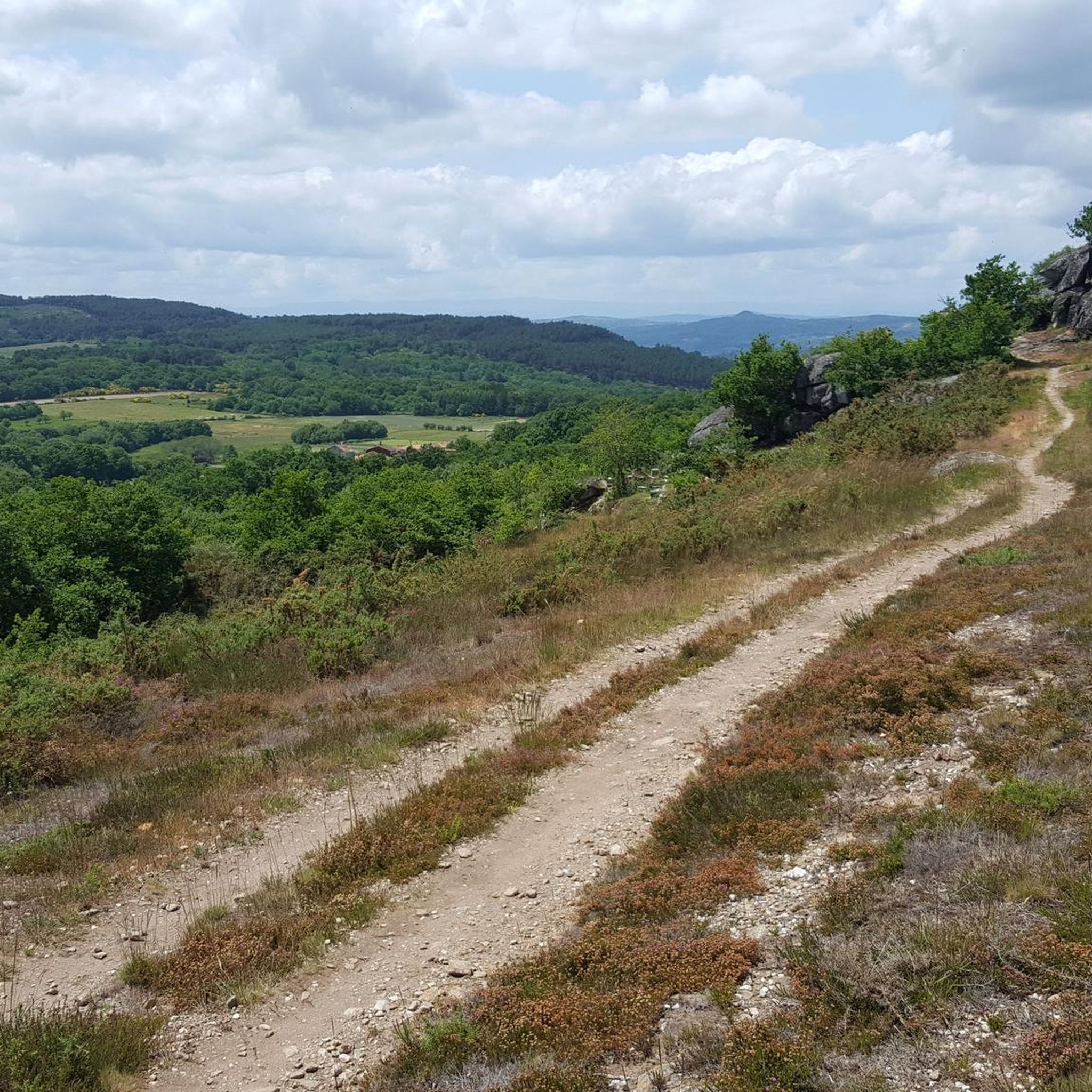
Tips from the Community

The Monastery of San Pedro de Rocas is one of the oldest and most unique monasteries in Galicia, located in the municipality of Esgos, in the province of Ourense. This monastery stands out for being partially excavated in the rock, which gives it a unique and mysterious character. The foundation of the monastery dates back to the 6th century, although most of the structures visible today date from the 9th and 10th centuries. The monastery church is composed of three naves excavated in the rock, with a series of anthropomorphic tombs also carved in the stone. Outside, you can see a bell tower that was added in the 15th century. San Pedro de Rocas is known not only for its architecture, but also for its natural environment, surrounded by forests and mountains, making it a place of great beauty and tranquility. The monastery has been declared a Historic-Artistic Monument and is an important tourist and pilgrimage destination.
1
0
The Monastery of San Pedro de Rocas is one of the oldest and most unique monasteries in Galicia, located in the municipality of Esgos, in the province of Ourense. This monastery stands out for being partially excavated in the rock, which gives it a unique and mysterious character. The foundation of the monastery dates back to the 6th century, although most of the structures visible today date from the 9th and 10th centuries. The monastery church is composed of three naves excavated in the rock, with a series of anthropomorphic tombs also carved in the stone. Outside, you can see a bell tower that was added in the 15th century. San Pedro de Rocas is known not only for its architecture, but also for its natural environment, surrounded by forests and mountains, making it a place of great beauty and tranquility. The monastery has been declared a Historic-Artistic Monument and is an important tourist and pilgrimage destination.
6
2

Small but charming town, Las Burgas area with the medieval bridge and the spa and a spectacular river park, the Ansuiña
2
0
Natural fountain in a rock and of great dimensions on the road from Palcodeiro to O San Salvador.
6
0

According to legend, it is a miraculous spring. Some say that the water springs directly from the rock without any spring.
2
0
Mirador del Monte da Chaira, located about 400 meters away, offers a beautiful view of the Cachamuiña reservoir.
3
0
Excavated in the natural rock of the mountains near the town of Esgos in Ourense is the abandoned monastery of San Pedro de Rocas. This ancient cult building is considered one of the oldest in Galicia and the only one that still retains part of its original structure.
5
0

A historic market town on the Arnoia River on the route of the famous Camino de Santiago. Good location for a coffee break with bars and restaurants.
1
0
Frequently Asked Questions
What unique natural features can I explore around Baños de Molgas?
The region offers a variety of unique natural features. You can visit the Thermal Waters of Baños de Molgas, known for its spa and river park. The area also features ancient forests, the trout-rich Arnoia River, and mystical stone formations like the 'pene-dos' at San Xillao. Don't miss the unique geological setting of the Monastery of San Pedro de Rocas, partially excavated into the rock.
Are there any historical or cultural natural monuments in the area?
Yes, the region beautifully blends natural and historical elements. The Monastery of San Pedro de Rocas is a prime example, being an ancient religious building carved into the natural rock. Additionally, the area around Baños de Molgas is dotted with fascinating petroglyphs, prehistoric symbols carved into stone, offering a glimpse into the region's distant past.
What kind of hiking trails are available near Baños de Molgas' natural monuments?
You'll find a range of hiking trails suitable for various skill levels. For example, the Natural Path of the Ribeira Sacra (Esgos section) offers a visually stunning experience, especially in autumn. There's also a Circular Path from Xunqueira de Ambia through O Rexo, featuring an artist-painted forest. You can explore more options, including routes of varying difficulty, on the Hiking around Baños De Molgas guide.
Are there family-friendly natural attractions in Baños de Molgas?
Absolutely. The Thermal Waters of Baños de Molgas, with its river park, is a great spot for families. The recreational area of Ansuiña, located along the Arnoia River, also offers picnic areas, a children's park, and a fluvial pool. The View of Cachamuiña Reservoir from Mirador del Monte da Chaira is another family-friendly viewpoint.
Where can I find scenic viewpoints of the natural landscape?
For breathtaking views, head to the Mirador del Monte da Chaira, which offers a beautiful panorama of the Cachamuiña Reservoir. The Ribeira Sacra area, a short distance away, is also renowned for its stunning vistas over the Miño and Sil rivers, often enjoyed through catamaran excursions.
What is the best time of year to visit the natural monuments in Baños de Molgas?
Autumn is particularly enchanting, especially along the Natural Path of the Ribeira Sacra (Esgos section), where chestnut and birch leaves create a vibrant, tunnel-like effect. However, the region's natural beauty, including the lush forests and riverine environments, can be enjoyed throughout the warmer months for outdoor activities.
Are there any natural monuments with local legends or unique stories?
Yes, the Fonte do Santo is a natural fountain in a large rock, with local legends attributing miraculous properties to its waters. Additionally, the ancient oak tree known as 'A Carballa dos Milagres' near the Santuario dos Milagres do Medo is revered and forms part of the area's historical and spiritual landscape.
Can I find routes for mountain biking or running near these natural sites?
Certainly. The area around Baños de Molgas offers various routes for mountain biking and running. You can find detailed trails and their difficulties on the MTB Trails around Baños De Molgas and Running Trails around Baños De Molgas guides, respectively.
What kind of wildlife can I expect to see in the natural areas?
The Arnoia River is known for being trout-rich, and its banks are surrounded by dense native vegetation, providing habitats for various bird species. The tranquil environment of San Xillao is often accompanied by the sounds of birds, making it a good spot for birdwatching. The forests also host diverse flora, including colorful mushrooms in autumn.
Are there any ancient trees or significant flora to observe?
Yes, 'A Carballa dos Milagres,' a centenary oak tree (Quercus robur) located behind the church at the Santuario dos Milagres do Medo, is a significant natural landmark. The Natural Path of the Ribeira Sacra also features surprising flora, including chestnut trees, birch leaves, and various mushrooms, especially vibrant in autumn.
What do visitors enjoy most about the natural monuments in Baños de Molgas?
Visitors appreciate the blend of natural beauty and historical significance. The tranquility of places like San Xillao, the unique rock-carved architecture of the Monastery of San Pedro de Rocas, and the serene river landscapes of the Arnoia are frequently highlighted. The area offers a sense of disconnection and reflection in nature, combined with rich cultural heritage.
Most popular routes around Baños De Molgas
Most popular attractions around Baños De Molgas

Get inspired with the komoot mobile app


Explore more
Extend your search for the best caves by checking out these guides of the top ones around Baños De Molgas:
