Top 6 Natural Monuments around Villarrín De Campos
Natural monuments around Villarrín De Campos are primarily centered on the Reserva Natural de la Laguna de Villafáfila, a significant natural heritage site. This region, located in the Tierra de Campos, is known for its saline lagoons and salt flats, which are wetlands of international importance. These features support a diverse array of bird species, particularly migratory flamingos and waders. The area also holds historical value, with evidence of human settlement and salt exploitation dating back to ancient times.
Best…
Last updated: July 1, 2026
Otero de Sariegos Bird Observatory
Highlight • Viewpoint
Translated by Google •
Tip by

Salina Grande Lagoon
Highlight • Lake
Translated by Google •
Tip by
Sign up now to discover places like this
Get recommendations on the best single tracks, peaks, & plenty of other exciting outdoor places.
Sign up for free
Villafáfila Lagoons Nature Reserve
Highlight • Lake
Translated by Google •
Tip by

Laguna de San Pedro
Highlight • Lake
Translated by Google •
Tip by

Revellinos Pond
Highlight • Lake
Translated by Google •
Tip by

Start today with a free account
Your next adventure awaits.
Login or Signup
Popular around Villarrín De Campos
Tips from the Community

An unexpected mirror in the middle of the road. The lagoon appears tranquil, almost motionless, as if the landscape had decided to pause for a long time. Water, sky, and silence playfully merging. It's not a place to arrive in a hurry: it's one of those places that steals a few minutes without asking permission and returns them to you in the form of calm.
0
0

It is the largest lagoon in the Lagunas de Villafáfila Nature Reserve.
1
0

Laguna Salina Grande is located in the Villafáfila Nature Reserve, in the province of Zamora. This lagoon is the largest in the reserve and is an ideal place for birdwatching, especially during winter and spring. In winter, thousands of geese and ducks congregate there, while in spring, a wide variety of waders can be observed. One of the most interesting routes to explore the area is the circular trail that passes by Laguna Salina Grande, the Otero de Sariegos bird observatory, and the Roman bridge in Villafáfila. This route offers an excellent opportunity to enjoy the reserve's wildlife and landscape.
5
0
Otero de Sariegos is an uninhabited village located in the municipality of Villafáfila, in the province of Zamora, Castile and León. This place is known for its natural lagoon, which attracts numerous tourists and birdwatchers due to the diversity of species found there. Historically, Otero de Sariegos has been linked to salt production since prehistoric times. The name "Sariegos" is believed to come from "saliegos," referring to salt producers. During the Middle Ages, salt exploitation reached its peak, and the area was filled with small villages dedicated to this activity. Although currently uninhabited, the site remains of interest for its historical and natural value.
5
0

This entire area is a wildlife sanctuary and a great place for bird watching. It's a great place to visit after the rainy season to see more birds, but when wet the trails can be tricky for a mountain bike.
1
0

Natural park and special protection area for migratory birds. The land is transformed into a massive wildlife habitat during the rainy season when the lakes are flooded.
1
0
The Lagunas de Villafáfila Nature Reserve is a protected wildlife reserve and an important stopover for migratory birds. Unfortunately, due to climate change, some years the lagoons dry up completely due to low rainfall.
1
1

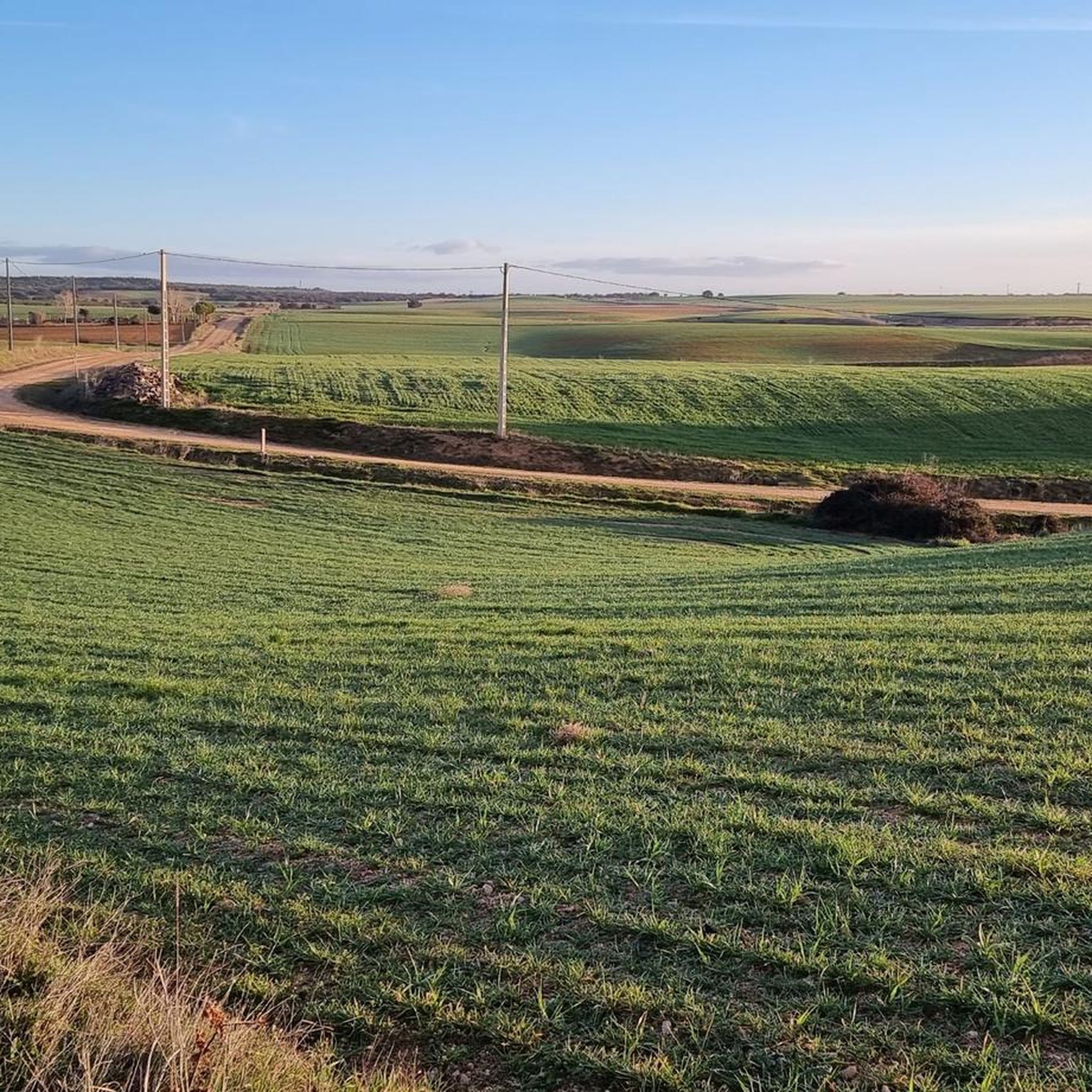
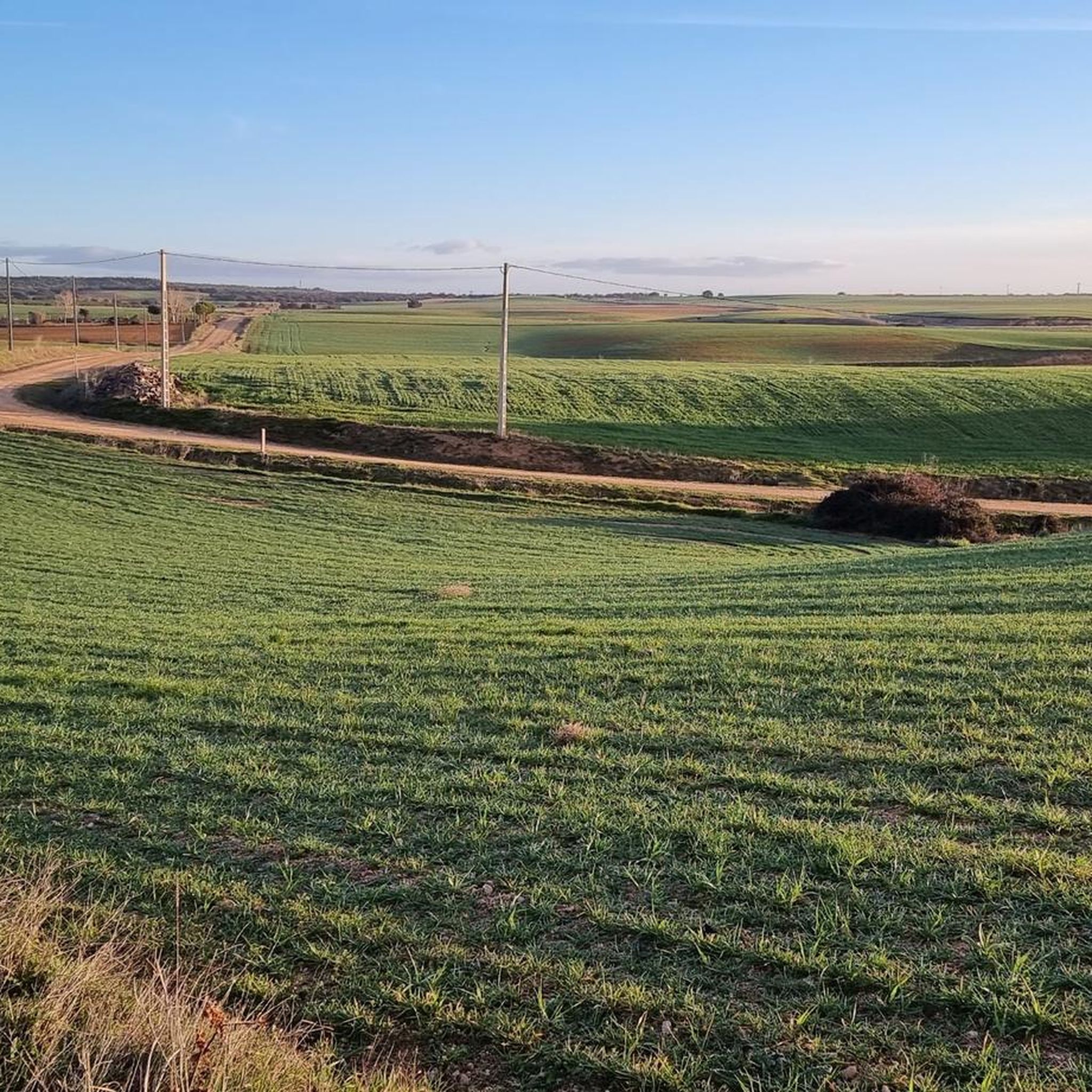
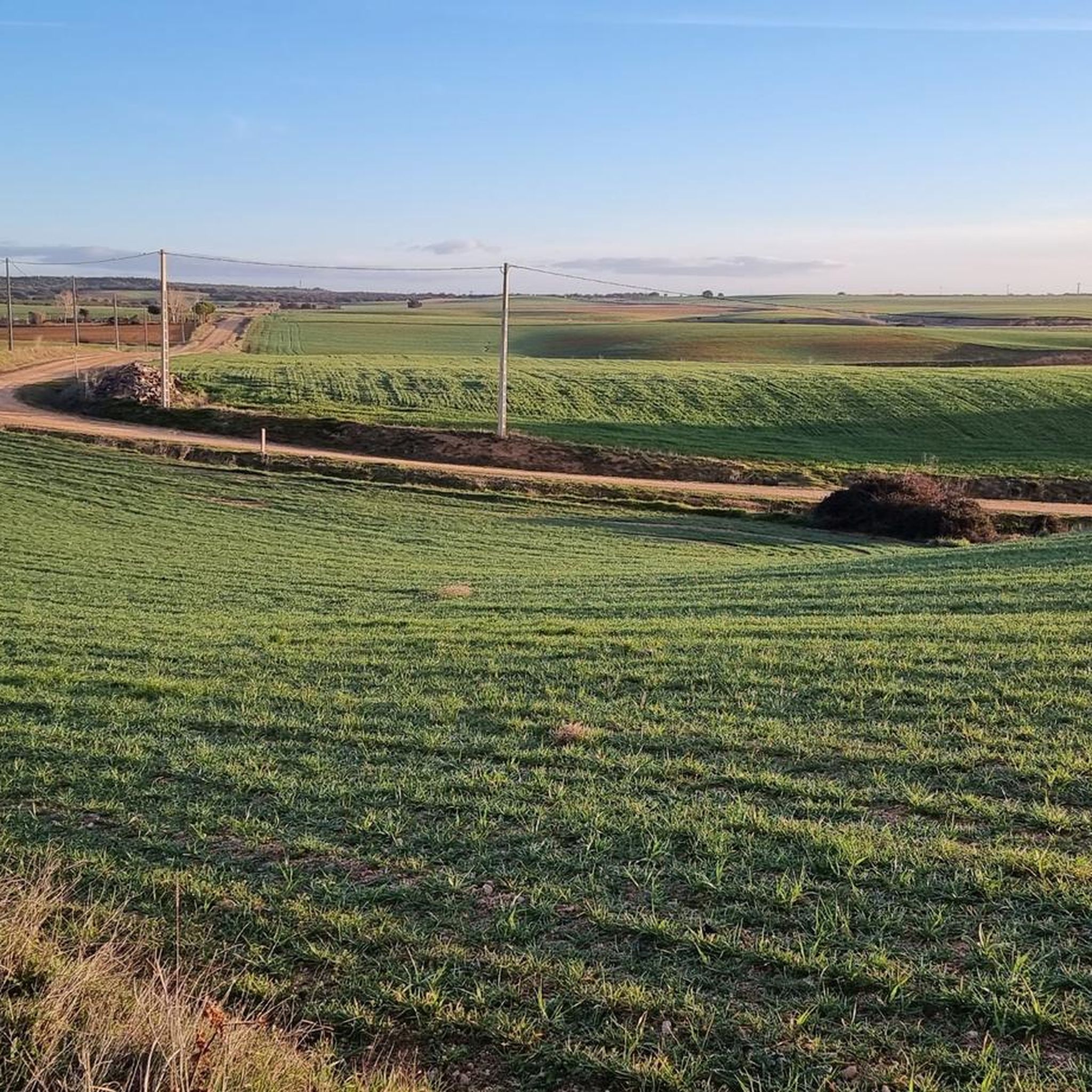
Beautiful views of the Salina Grande Lagoon as we walk along a picturesque path that surrounds the Lagunas de Villafáfila Nature Reserve. Without a doubt, a luxury for lovers of mountain biking, gravel or hiking. If we feel like it and we have time, it is always worth going to the Casa del Parque de Villafáfila (€2 adults) next to the road. lagunasdevillafafila.es/centro-de-interpretacion-de-las-lagunas/la-casa-del-parque
2
1
Frequently Asked Questions
What are the primary natural attractions around Villarrín De Campos?
The main natural attractions are centered around the Reserva Natural de la Laguna de Villafáfila (Villafáfila Lake Natural Reserve). This area is renowned for its saline lagoons and salt flats, which are wetlands of international importance. Key sites include the Salina Grande Lagoon, the largest in the reserve, and the Villafáfila Lagoons Nature Reserve itself, a crucial stopover for migratory birds.
What kind of wildlife can I expect to see at the natural monuments?
The natural monuments, particularly the Villafáfila Lagoons, are a haven for diverse bird species. You can expect to see migratory flamingos, various waders, and thousands of geese and ducks, especially during winter and spring. The Laguna de San Pedro is also highlighted as a wildlife sanctuary, great for bird watching.
When is the best time to visit the natural monuments for birdwatching?
The best time for birdwatching is typically during winter for geese and ducks, and in spring for a wide variety of waders. The Villafáfila Lagoons Nature Reserve transforms into a massive wildlife habitat during the rainy season when the lakes are flooded, making it an excellent time to observe birds.
Are there specific bird observatories I should visit?
Yes, the Otero de Sariegos Bird Observatory is a notable spot. Built in 1990, it offers excellent views of birds over the Salina Grande Lagoon. The Mirador sobre la Laguna de San Pedro also provides a great location for detailed bird observation.
Are there family-friendly activities at the natural monuments?
Many of the natural monuments are considered family-friendly. The Otero de Sariegos Bird Observatory, Salina Grande Lagoon, Villafáfila Lagoons Nature Reserve, and Revellinos Pond are all suitable for families looking to enjoy nature and birdwatching.
Can I go hiking or cycling near the natural monuments?
Absolutely! The region offers various outdoor activities. You can find numerous hiking, mountain biking, and road cycling routes. For example, there's a circular trail that passes by Laguna Salina Grande, the Otero de Sariegos bird observatory, and the Roman bridge in Villafáfila. You can explore more options on the Hiking around Villarrín De Campos, MTB Trails around Villarrín De Campos, and Road Cycling Routes around Villarrín De Campos guide pages.
What is the historical significance of the natural monuments in Villarrín De Campos?
The natural monuments, particularly the salt flats and saline lagoons, have deep historical roots. The richness of the salt flats has been exploited since ancient times, contributing to the region's unique ecosystem and its historical significance. The area has been settled by various cultures, including the Vaccaei and Romans, who capitalized on the natural wealth of the salt. Otero de Sariegos, for instance, has a history linked to salt production since prehistoric times.
Are the natural monuments accessible by public transport?
While the region is primarily accessed by car, specific public transport options to Villarrín de Campos and the immediate vicinity of the Villafáfila Lagoons Nature Reserve may be limited. It's advisable to check local transport schedules or consider driving for more flexible access to the various viewpoints and trails.
Where can I find parking when visiting the natural monuments?
Parking facilities are generally available near the main access points and observatories within the Villafáfila Lagoons Nature Reserve. For instance, when visiting the Otero de Sariegos Bird Observatory, you'll find places to park. Look for designated parking areas at visitor centers or near popular viewpoints.
Are dogs allowed on the trails or in the natural monuments area?
The policy regarding dogs in the Villafáfila Lagoons Nature Reserve can vary. While some trails might be dog-friendly, it's crucial to keep dogs on a leash to protect the sensitive wildlife, especially during nesting seasons. Always check local signage or official reserve guidelines for specific regulations on pet access.
How long should I plan to spend exploring the natural monuments?
To fully appreciate the birdlife and unique landscapes, plan to spend at least half a day, or even a full day, exploring the Villafáfila Lagoons Nature Reserve. This allows time for birdwatching at different observatories, walking some of the trails, and visiting the Casa del Parque de Villafáfila for more information.
What should I wear when visiting the natural monuments?
Given the outdoor nature of the attractions, comfortable walking shoes are essential. Layers of clothing are recommended as weather can change, and a hat and sunscreen are advisable during sunny periods. If visiting during the rainy season, waterproof gear might be necessary, as trails can become tricky when wet.
Most popular routes around Villarrín De Campos
Most popular attractions around Villarrín De Campos

Get inspired with the komoot mobile app


Explore more
Extend your search for the best caves by checking out these guides of the top ones around Villarrín De Campos:
