Top 4 Natural Monuments around Lloret De Vistalegre
Best natural monuments around Lloret De Vistalegre are found in the heart of Mallorca, offering a blend of natural features and historical elements. The region is characterized by its rural landscape, providing opportunities for exploration. Visitors can discover diverse natural attractions, from ancient caves to historical wells. The area's natural monuments provide insight into both the island's geology and its past human inhabitants.
Best natural monuments around Lloret De Vistalegre
- The most popular natural monuments is Cova de Lourdes,…
Last updated: July 1, 2026
Cova de Lourdes
Highlight • Cave
When in 1920 the village priest set up a statue of the Virgin Mary …
Showing Translation
Tip by

Font de Randa
Highlight • Natural Monument
Translated by Google •
Tip by

Sign up now to discover places like this
Get recommendations on the best single tracks, peaks, & plenty of other exciting outdoor places.
Sign up for free
Talaiot Es Racons
Highlight • Historical Site
Translated by Google •
Tip by

Fonteta de la Mare de Déu
Highlight • Natural Monument
Translated by Google •
Tip by

Roca de la Verge Maria
Highlight • Natural Monument
Translated by Google •
Tip by

Start today with a free account
Your next adventure awaits.
Login or Signup

Tips from the Community

Originally, the grotto was called Cova des Coloms because of the wild pigeons that lived here. When in 1920 the village priest set up a statue of the Virgin Mary here, modeled after the famous Lourdes Grotto, more and more people came to this place to ask the holy virgin for healing. This does not seem to have been without effect, as those who were healed left thank-you notes in the rock niches and laid flowers in front of the statue. In 1942, Saint Bernadette, who already knew Mary from before, also moved in here.
4
0

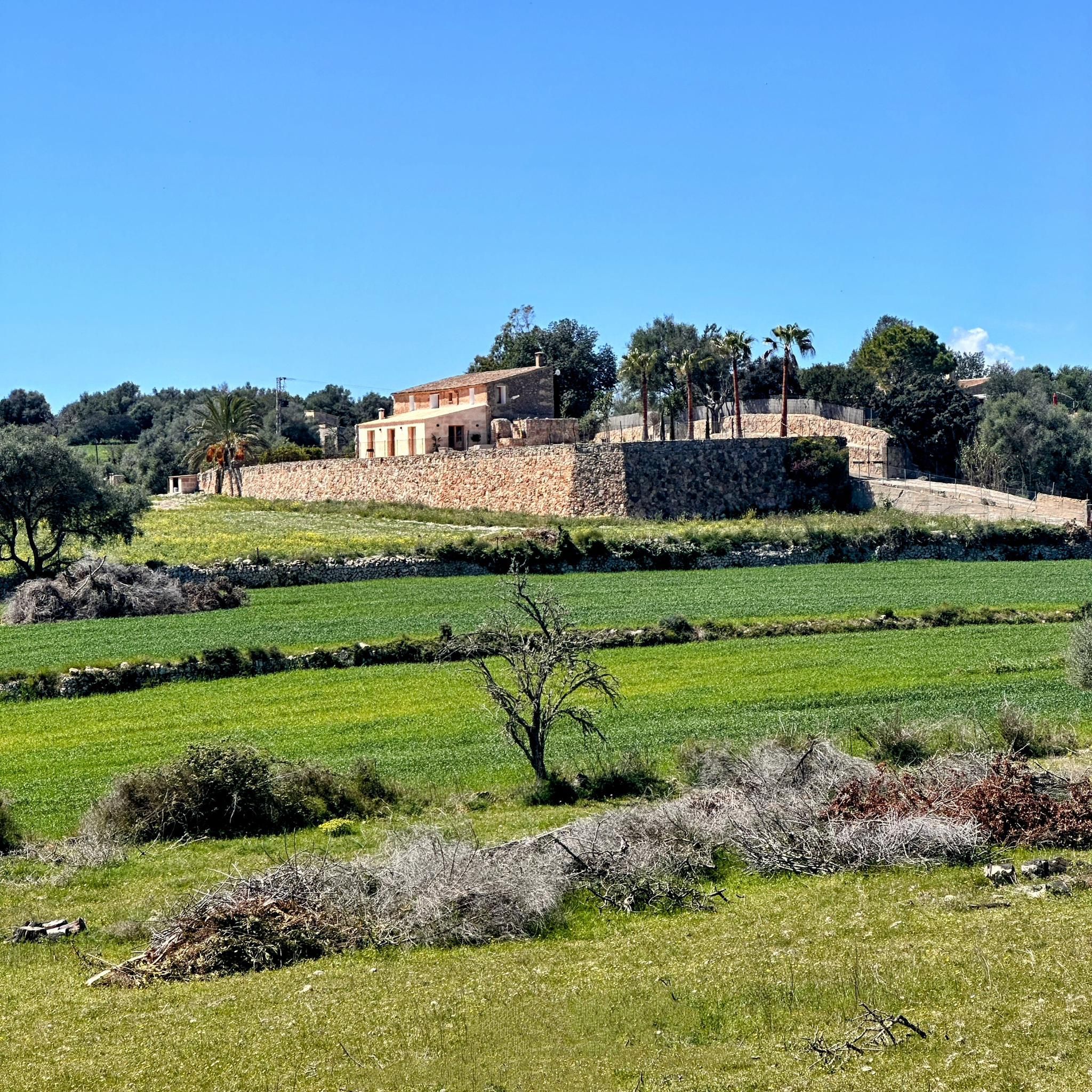
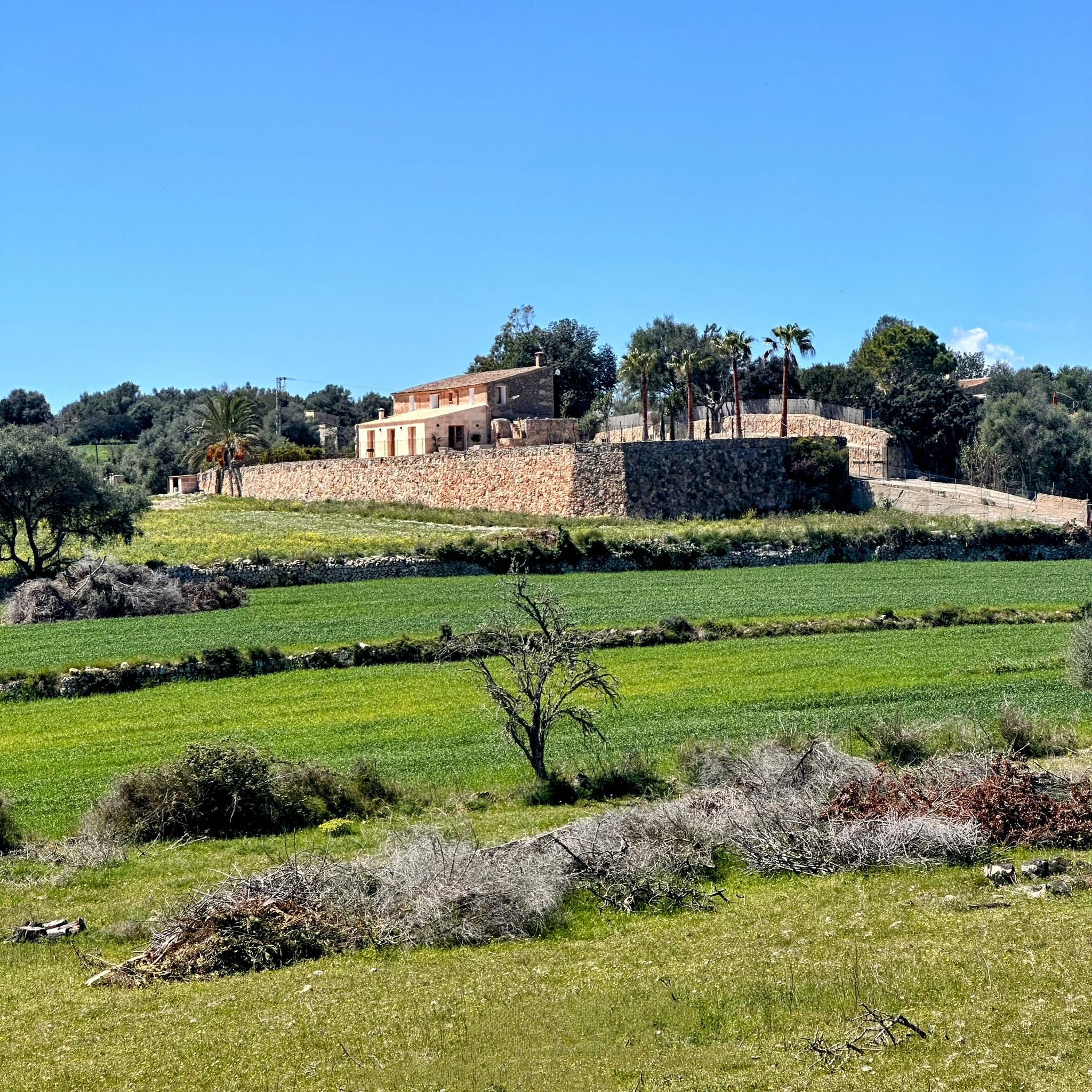
The Maiden's Fountain ("Fonteta de la Mare de Déu"), located a short distance away from the path, was used by the hermits of Bonany to irrigate their vegetable gardens. Inside there is a replica of the statue "Mare de Déu" (a work by Guillem Galmés).
1
0


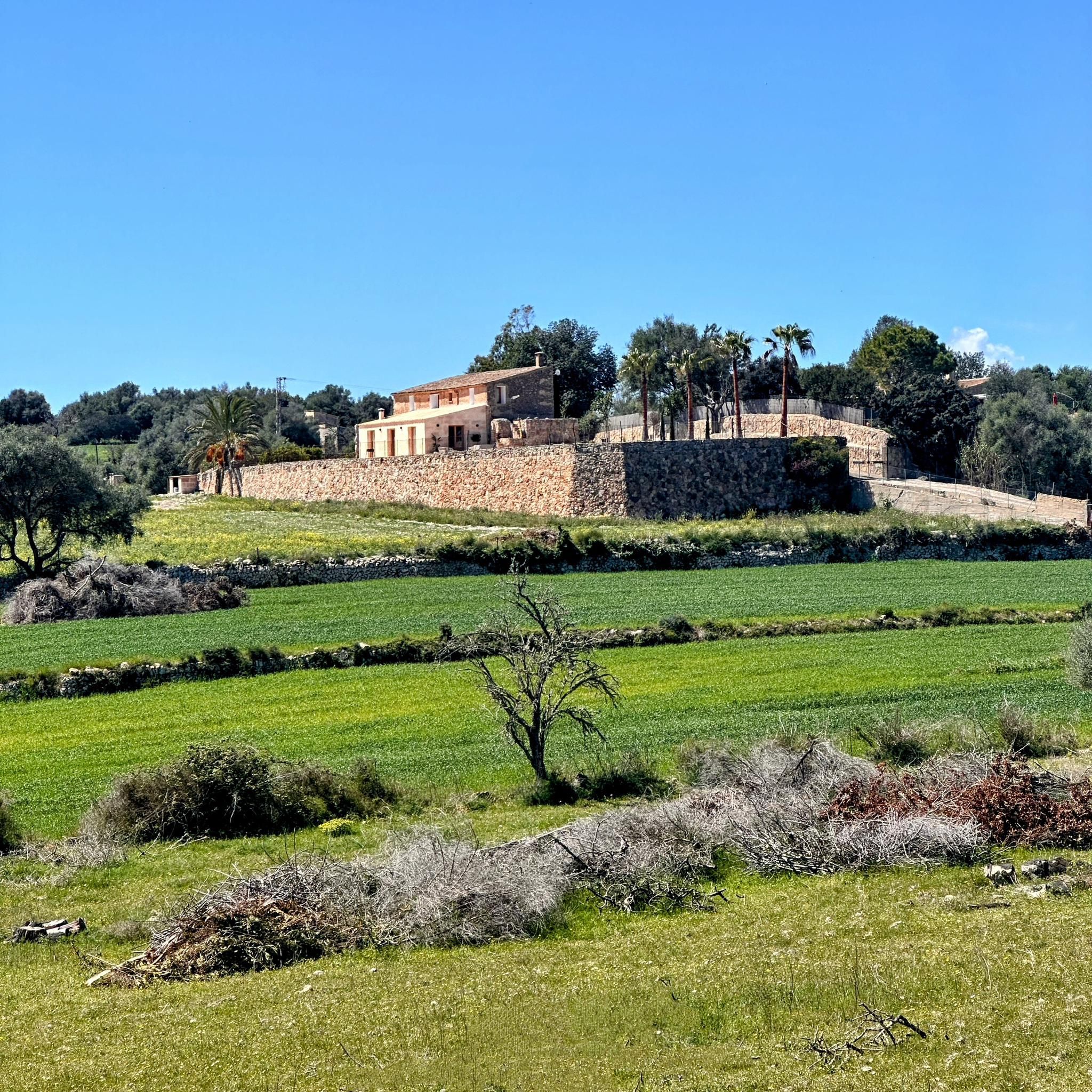
The Talayotic culture was a prehistoric culture between the 13th and 2nd centuries BC. on the Balearic Islands. It is known for the numerous remains of the eponymous tower structures, the talayots, especially on Mallorca and Menorca. The cultural epoch on the islands was named Talayotic after her. The Talayotic culture is a megalithic culture between the end of the Bronze Age and the beginning of the Iron Age, characterized by towers and other buildings made of large stones.
2
0


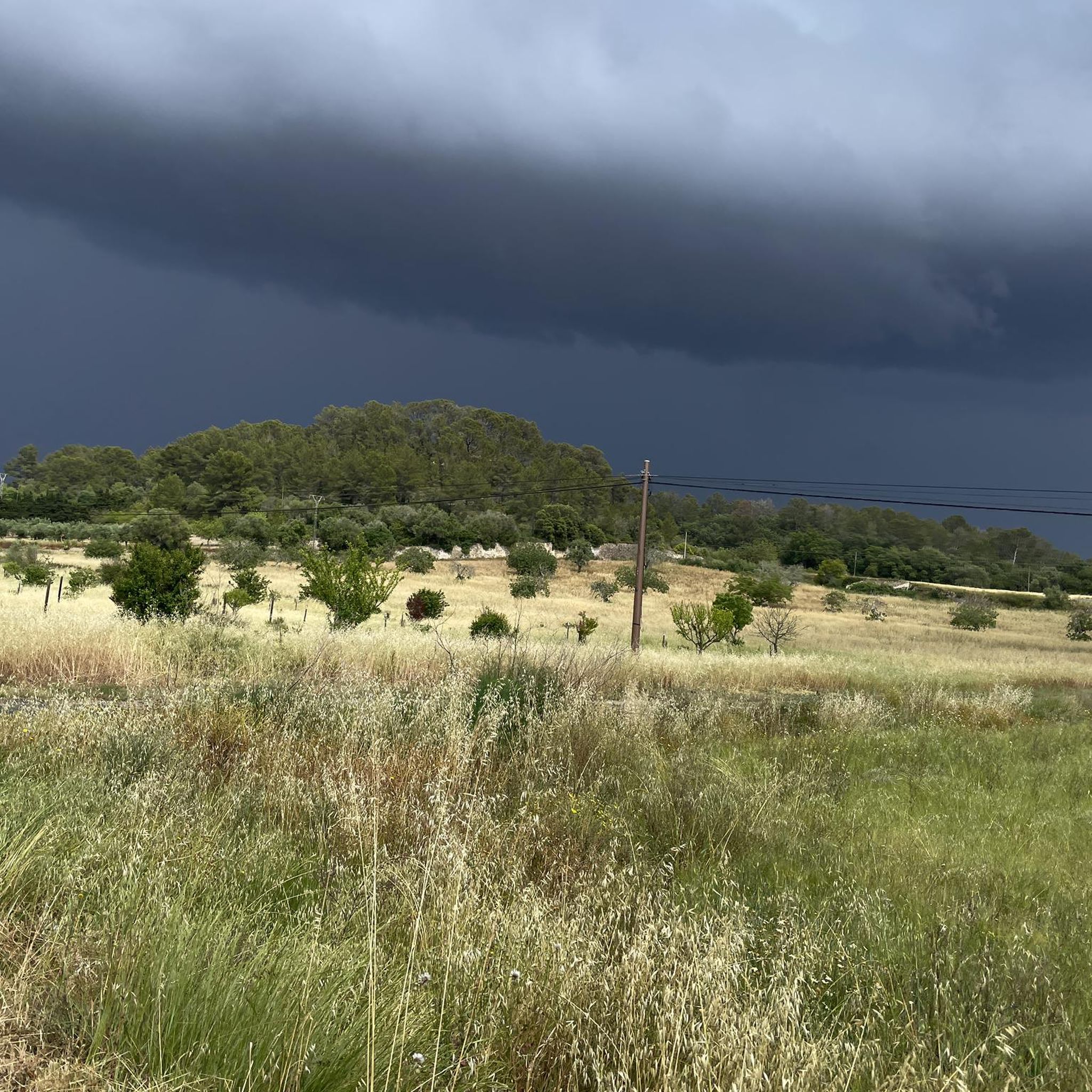
Huge rock, not far from the path. Only when you go there and explore it a little do you notice the full extent of the chunk.
3
0

Good panoramic view over the island from the monastery Cura and coffee break possible
1
0

Frequently Asked Questions
What natural features can I explore around Lloret de Vistalegre?
The region offers a variety of natural features. You can discover ancient caves like Cova de Lourdes, which also holds religious significance. There are also natural springs such as Font de Randa and Fonteta de la Mare de Déu, the latter historically used by hermits. Additionally, the area features impressive rock formations like Roca de la Verge Maria.
Are there historical or archaeological sites among the natural monuments?
Yes, several natural monuments in the area have significant historical and archaeological elements. Talaiot Es Racons is a prime example, representing the ancient Talayotic culture with its megalithic tower structures. Furthermore, within Sa Comuna de Lloret, you can find some of Mallorca's earliest human-inhabited caves, like Cova d'en Dainat, dating back to 1,700 BC. The old public well, Es Pou, also offers a glimpse into historical infrastructure from Moorish times.
What kind of wildlife can I expect to see in the natural areas?
Sa Comuna de Lloret, a significant nature park just outside the village, is dedicated to preserving Balearic wildlife. As you explore its pine trees, shrubberies, and wild flowers, you might encounter diverse species such as hares, rabbits, hedgehogs, and various bird species in their natural habitat.
Are there easy walking trails or family-friendly natural monuments?
Absolutely. Sa Comuna de Lloret features two well-marked routes with gentle gradients, making them easy to follow for walks and mountain biking. The park also includes a recreational area with picnic tables, making it an ideal spot for families. While specific highlights like Cova de Lourdes and Font de Randa are generally accessible for walks, Sa Comuna offers a more dedicated family-friendly environment with its easy trails and picnic facilities.
What outdoor activities can I do near these natural monuments?
Beyond exploring the natural monuments themselves, the region around Lloret de Vistalegre offers various outdoor activities. You can find numerous routes for gravel biking, mountain biking, and running. For example, there are running loops through Comuna de Lloret. You can find more details and routes in the Gravel biking around Lloret De Vistalegre, MTB Trails around Lloret De Vistalegre, and Running Trails around Lloret De Vistalegre guides.
What is the best time to visit the natural monuments in Lloret de Vistalegre?
Mallorca generally enjoys a Mediterranean climate. Spring (April-May) and autumn (September-October) are often considered the best times to visit, offering pleasant temperatures for exploring the natural monuments and engaging in outdoor activities without the intense heat of summer. Winter can also be mild, making it suitable for walks, though some facilities might have reduced hours.
Are there any unique geographical landmarks in the area?
Yes, within Sa Comuna de Lloret, there is a unique stone monolith that marks the geographical center of Mallorca. This distinctive point of interest adds another layer to the natural and historical exploration of the park.
What do visitors enjoy most about the natural monuments around Lloret de Vistalegre?
Visitors appreciate the blend of natural beauty and historical intrigue. The serene environment of places like Sa Comuna de Lloret offers a peaceful escape for nature observation and gentle walks. The ancient caves and historical sites, such as Talaiot Es Racons, provide a fascinating journey into Mallorca's past. The spiritual significance of sites like Cova de Lourdes also draws many, with some leaving thank-you notes and flowers.
Can I find picnic areas near the natural monuments?
Yes, Sa Comuna de Lloret, a large nature park, features a dedicated recreational area equipped with picnic tables. This makes it a convenient spot to relax and enjoy a meal amidst nature after exploring the trails and historical elements within the park.
Are there any natural monuments with religious significance?
Yes, Cova de Lourdes is a notable example. Originally known for its wild pigeons, it gained religious importance after a statue of the Virgin Mary was placed there in 1920, attracting visitors seeking healing. Similarly, Fonteta de la Mare de Déu, or the Maiden's Fountain, also has religious connections, featuring a replica of the 'Mare de Déu' statue.
How long should I plan for a visit to the natural monuments?
The duration of your visit can vary depending on which natural monument you choose to explore. For instance, a visit to Sa Comuna de Lloret, with its easy trails and historical elements, could easily take a few hours or half a day if you plan to walk both routes and enjoy the picnic area. Shorter visits to individual sites like Cova de Lourdes or Talaiot Es Racons might take an hour or two, allowing you to combine multiple spots in a day.
Most popular routes around Lloret De Vistalegre
Most popular attractions around Lloret De Vistalegre

Get inspired with the komoot mobile app


Explore more
Extend your search for the best caves by checking out these guides of the top ones around Lloret De Vistalegre:
