Top 11 Natural Monuments around Montesquiu
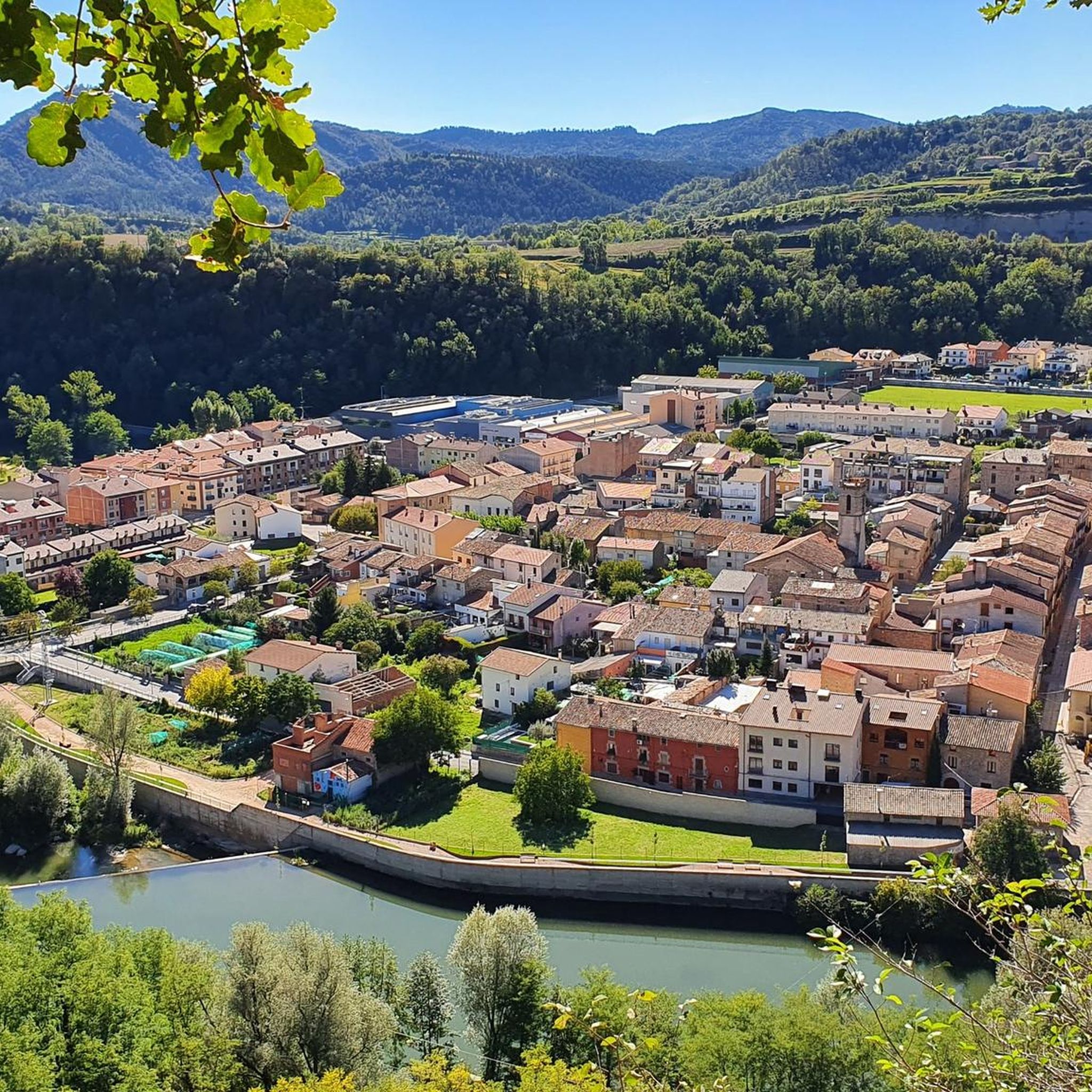
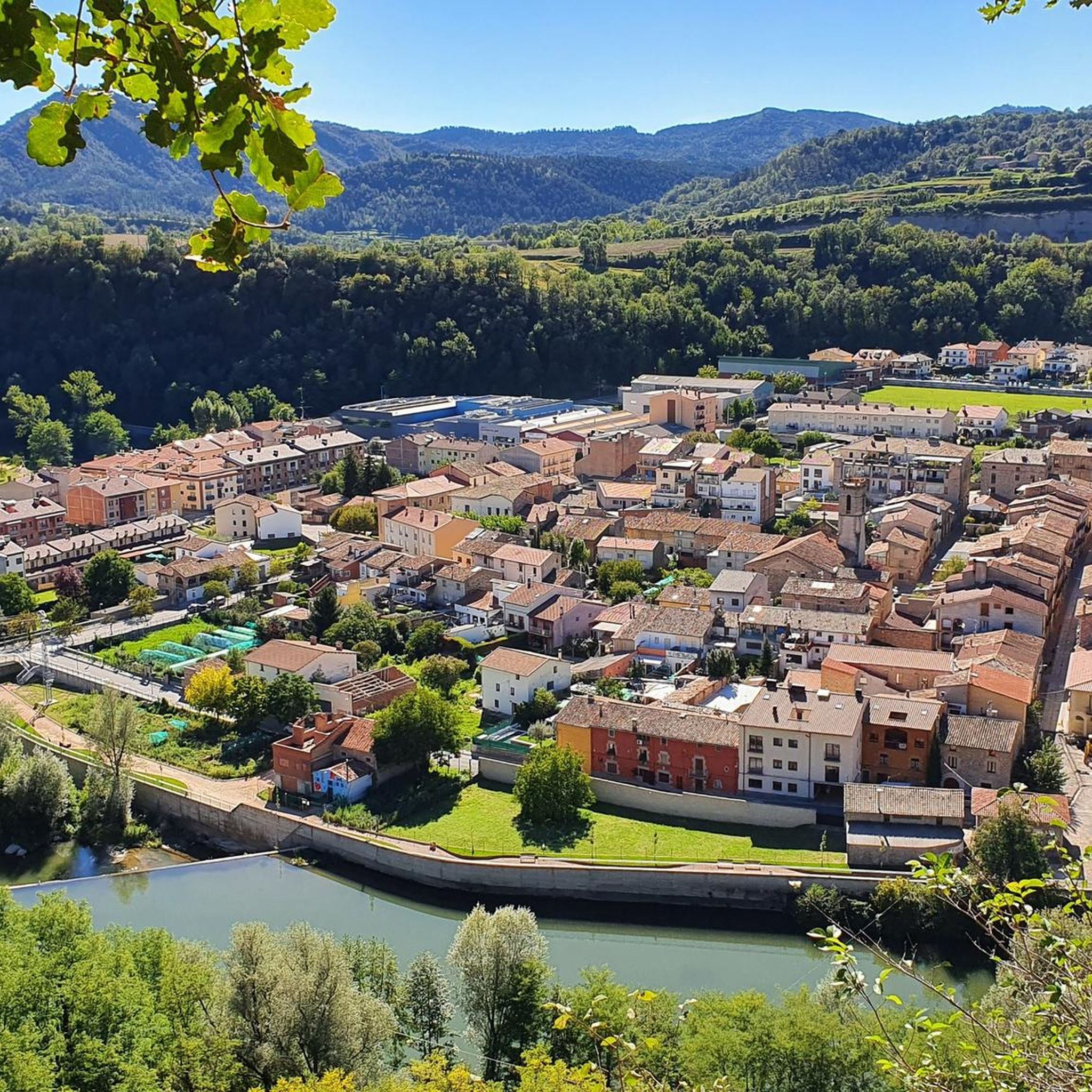
Best natural monuments around Montesquiu are concentrated within the Parc del Castell de Montesquiu, a protected natural area in the Osona region of Catalonia, Spain. This park spans over 540 hectares, featuring a landscape shaped by the Ter River, diverse forests, and mountain ranges. Elevations within the park range between 580 and 850 meters. The area offers a mosaic of forests, meadows, and riverine environments, providing a tranquil setting for exploration.
Best natural monuments around Montesquiu
- The most popular natural…
Last updated: July 1, 2026
Els Bufadors de Beví
Highlight • Natural Monument
Translated by Google •
Tip by

The Lady's Oak
Highlight • Natural Monument
Translated by Google •
Tip by

Sign up now to discover places like this
Get recommendations on the best single tracks, peaks, & plenty of other exciting outdoor places.
Sign up for free
Vidrà Mill Waterfall
Highlight • Waterfall
Translated by Google •
Tip by

Saint Mark Fountain at Bellmunt
Highlight • Natural Monument
Translated by Google •
Tip by

Mir Waterfall
Highlight • Waterfall
Translated by Google •
Tip by

Sign up for free to discover even more natural monuments around Montesquiu.
Sign up for free
Already have an account?
Start today with a free account
Your next adventure awaits.
Login or Signup

Other adventures around Montesquiu

Tips from the Community

360° long-range views From this terrace of the Bellmunt Sanctuary Restaurant, views of the Pyrenees, the Montseny Massif and much more.
0
0

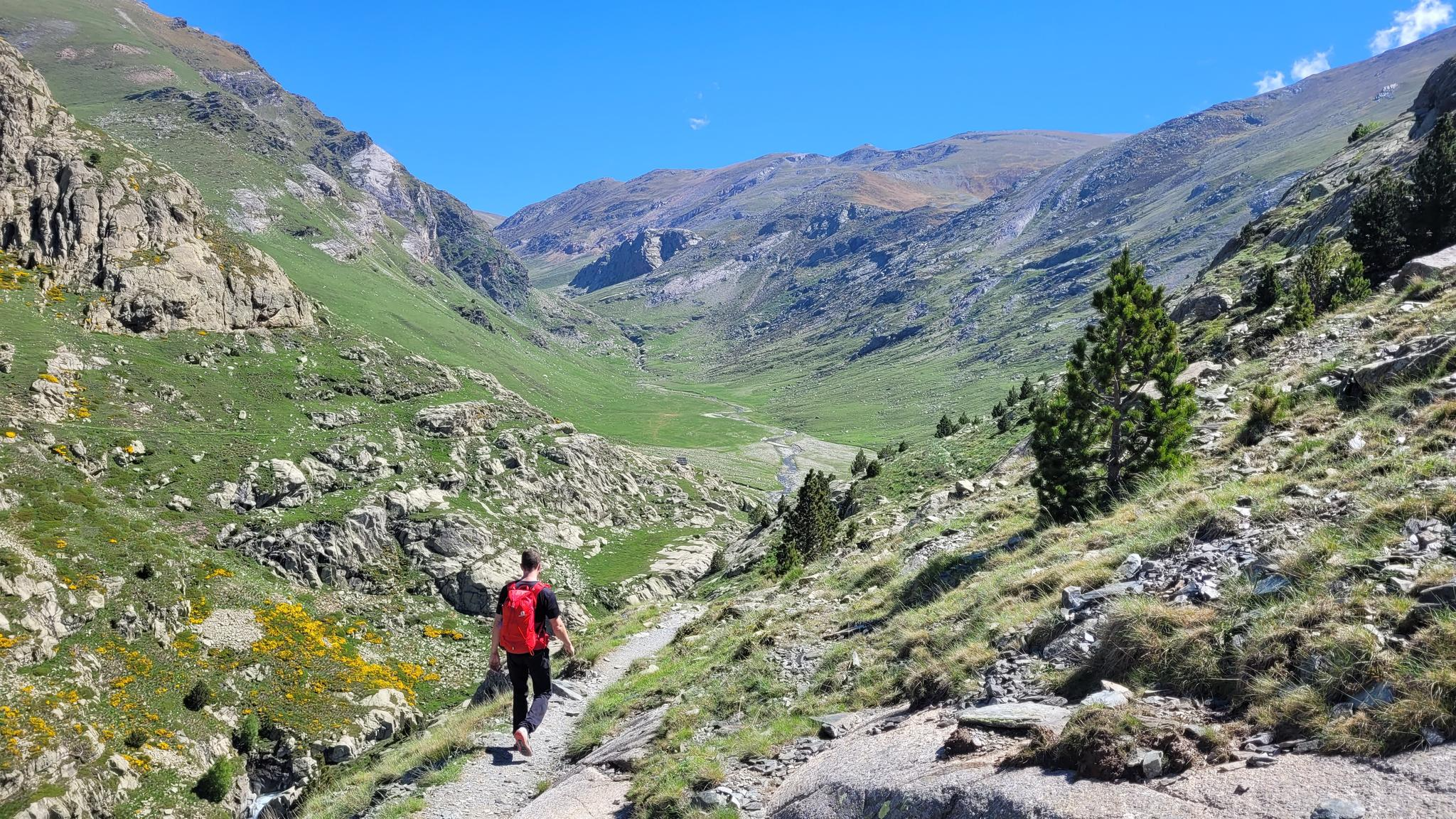
The Mir waterfall has an impressive drop of 35 meters, which makes it one of the highest in Catalonia. The amount of water that falls down the vertical stone wall depends on the season and the rainfall. It is located in the Bellmunt mountain range, near Santa Maria de Besora.
3
0

The blowers are holes or slits through which a current of air comes out. It is worth the walk through the wonderful place where the holes are located, since its location in the lower part of the Sierra dels Bufadors creates a special microclimate, with large boulders covered in moss and a very particular flora. It is not a very large area, elongated and more or less narrow. We have to look at the holes in the floor. If we approach it we will notice that the air coming out is cold. Sometimes you can hear it whistling inside, hence the name blowers. As we progress we will find more holes. Some of them have been reviewed by speleological experts. Here the ground is unstable and it is not advisable to enter the blowers. It is a place of great beauty that has a magical air.
3
0
The Font de Sant Marc de Bellmunt has a work bench on one of the sides, in the center is the tap of the fountain, and above it, a chapel with the image of the Saint.
1
1
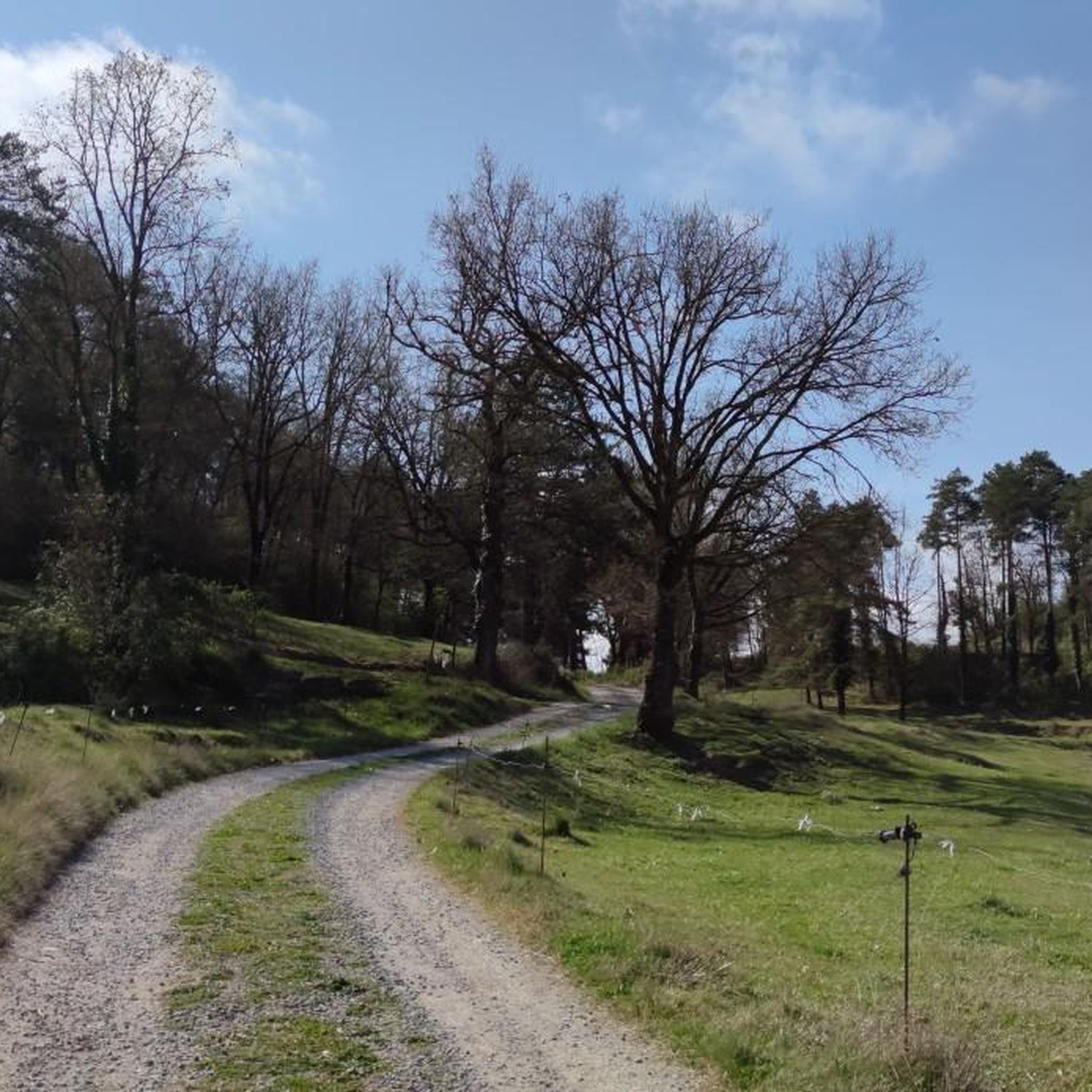
It is located at the base of a rocky slope. The environment is very tidy and under the canopy there are well-arranged benches. Some of the branches are supported by tutors. In front of the tree, a field of dryland cereals opens up. In the background is the imposing fortified manor house of Vilar. There is a certain diversity of meadow grasses, wild garlic, fennel, vidalba, ivy, gavarra, bramble, sajolida, broomstick, juniper, robinia and large-leaved ash. Beyond the fauna of this type of habitat (such as larks, crickets and quails), you can see the bald eagle in summer and, very close by, an exceptional population of black woodpeckers. . Tradition has it that Madame Lotgarda de Perdals, from whom she took her name, had a great deal of love for the oak and spent long hours in its shade reading or crocheting. It is a tree listed as a monument since August 30, 1988 due to its size and age (it is believed to be over 500 years old). Descriptive data: - Perimeter of the trunk at 1.30 m: 4.13 m. - Perimeter of the base of the trunk: 7.66 m. - Height: 21.56 m. - Width of the crown: 33.21 m. - Altitude above sea level: 855 m.
0
1

The Oak of the Lady or Oak of Vilar (Quercus pubescens) is a tree found in Sant Boi de Lluçanès (the Lluçanès, although administratively attached to Osona) and one of the oaks with the largest crown in all of Catalonia. https://ca.wikipedia.org/wiki/Roure_de_la_Senyora
1
0


The excursion to the Molí de Vidrà jump is a circular and signposted route that will take you to one of the highest jumps on the Ges river. The itinerary leaves from the center of Vidrà itself and follows the PR C47 also called Camí Vora el Ges.
2
2
Frequently Asked Questions
What is the primary natural area to explore around Montesquiu?
The main natural area is the Parc del Castell de Montesquiu. This protected natural park spans over 540 hectares, featuring a diverse landscape shaped by the Ter River, dense forests, and mountain ranges. It offers a tranquil setting with a mosaic of forests, meadows, and riverine environments.
Are there any notable waterfalls to visit near Montesquiu?
Yes, Montesquiu is known for its impressive waterfalls. You can visit the Vidrà Mill Waterfall, one of the highest jumps on the Ges river, accessible via a circular and signposted route from Vidrà. Another must-see is the Mir Waterfall, which boasts an impressive 35-meter drop in the Bellmunt mountain range.
What unique geological formations can I find in the region?
A unique geological formation is Els Bufadors de Beví. This natural monument features holes or slits in rocks from which a current of air emerges, creating a special microclimate with moss-covered boulders and distinct flora. It's a place of great beauty with a magical air.
Are there any ancient or monumental trees in the Montesquiu area?
Yes, you can visit The Lady's Oak (Roure de la Senyora), located in Sant Boi de Lluçanès. This impressive pubescent oak is believed to be over 500 years old and has one of the largest crowns in all of Catalonia. The area around it is tidy, with benches for visitors.
What kind of wildlife can be observed in the Parc del Castell de Montesquiu?
The Parc del Castell de Montesquiu is home to varied fauna. You might spot otters, martens, wild cats, badgers, and foxes, as well as roe deer, wild boars, and squirrels. Birds of prey, such as the booted eagle, are also present in the park.
Are there family-friendly natural monuments or activities around Montesquiu?
The Parc del Castell de Montesquiu itself is very family-friendly, offering numerous hiking paths suitable for various ages. The Lady's Oak is also considered family-friendly, with benches under its canopy for resting. The park's tranquil scenery and diverse environments make it an enjoyable destination for families.
What outdoor activities can I do near these natural monuments?
The region around Montesquiu offers a variety of outdoor activities. You can explore numerous hiking paths within the Parc del Castell de Montesquiu. For cycling enthusiasts, there are many routes for cycling, gravel biking, and mountain biking, with routes like the 'Montesquiu Castle – Sant Agustí Pass loop' or 'Riera de Sorreigs Reservoir – The Lady's Oak loop'.
Are there viewpoints offering panoramic vistas of the area?
Yes, the Parc del Castell de Montesquiu features several viewpoints. The Montesquiu Viewpoint and La Rovira Viewpoint offer panoramic vistas of the Montesquiu village, the Ter River, and the surrounding forests. Additionally, the Saint Mark Fountain at Bellmunt, located near the Bellmunt sanctuary, provides 360° long-range views of the Pyrenees and the Montseny Massif.
What is the best time of year to visit the natural monuments around Montesquiu?
The natural monuments around Montesquiu can be enjoyed throughout the year. Autumn is particularly spectacular for places like Els Bufadors de Beví due to the vibrant colors of the foliage. The water volume of waterfalls like Mir Waterfall varies with seasons and rainfall, making spring a good time to see them at their fullest. Generally, spring and autumn offer pleasant temperatures for hiking and exploring.
What historical elements are integrated within the natural park?
The Parc del Castell de Montesquiu seamlessly blends natural beauty with historical charm. The most notable historical monument is the Montesquiu Castle itself, which serves as a focal point and often hosts cultural events. The castle's gardens, including a forest area and a model of the solar system, are also worth exploring. Other historical structures like the chapel of Sant Moí and ancient farmhouses contribute to the park's unique character.
Is the Parc del Castell de Montesquiu generally crowded?
No, the Parc del Castell de Montesquiu is rarely crowded. This allows visitors to enjoy a more intimate experience with nature and the tranquil scenery. While the park is free to visit, some activities like guided castle tours may have a fee.
Most popular routes around Montesquiu
Most popular attractions around Montesquiu

Get inspired with the komoot mobile app


Explore more
Extend your search for the best caves by checking out these guides of the top ones around Montesquiu:
