Top 13 Natural Monuments around Calasparra
Natural monuments around Calasparra offer a diverse landscape in the Murcia region of Spain. The area is characterized by river canyons, reservoirs, and mountain ranges, shaped by the Segura and Quípar rivers. These natural settings provide opportunities to explore geological formations and rich biodiversity. The region features both protected natural areas and significant cultural landscapes.
Best natural monuments around Calasparra
- The most popular natural monument is Sanctuary of the Virgin of Hope, a religious building and natural monument declared of geological interest. It is built over a cave on the Segura river and houses two images of the Virgen de la Esperanza.
- Another must-see spot is Confluence of the Moratalla River and the Segura River, a river junction. This spot allows observation of the distinct water colors of the two rivers.
- Visitors also love Alfonso XIII Reservoir Dam and Quípar River Canyon, a canyon and reservoir formed by the Quípar River. It offers views of the reservoir and canyon, and is considered an important wetland for aquatic birds.
- Calasparra is known for its river canyons, reservoirs, and caves. Visitors can explore diverse geological formations and riverine landscapes.
- The natural monuments around Calasparra are appreciated by the komoot community, with 67 photos and 32 upvotes across 6 highlights.
Last updated: July 1, 2026
Sanctuary of the Virgin of Hope
Highlight • Religious Site
Translated by Google •
Tip by

Alfonso XIII Reservoir Dam and Quípar River Canyon
Highlight • Canyon
Translated by Google •
Tip by

Sign up now to discover places like this
Get recommendations on the best single tracks, peaks, & plenty of other exciting outdoor places.
Sign up for free
Confluence of the Moratalla River and the Segura River
Highlight • River
Translated by Google •
Tip by

Argos Reservoir
Highlight • Lake
Translated by Google •
Tip by

Alfonso XIII Dam
Highlight • Lake
Translated by Google •
Tip by

Sign up for free to discover even more natural monuments around Calasparra.
Sign up for free
Already have an account?
Start today with a free account
Your next adventure awaits.
Login or Signup
Popular around Calasparra
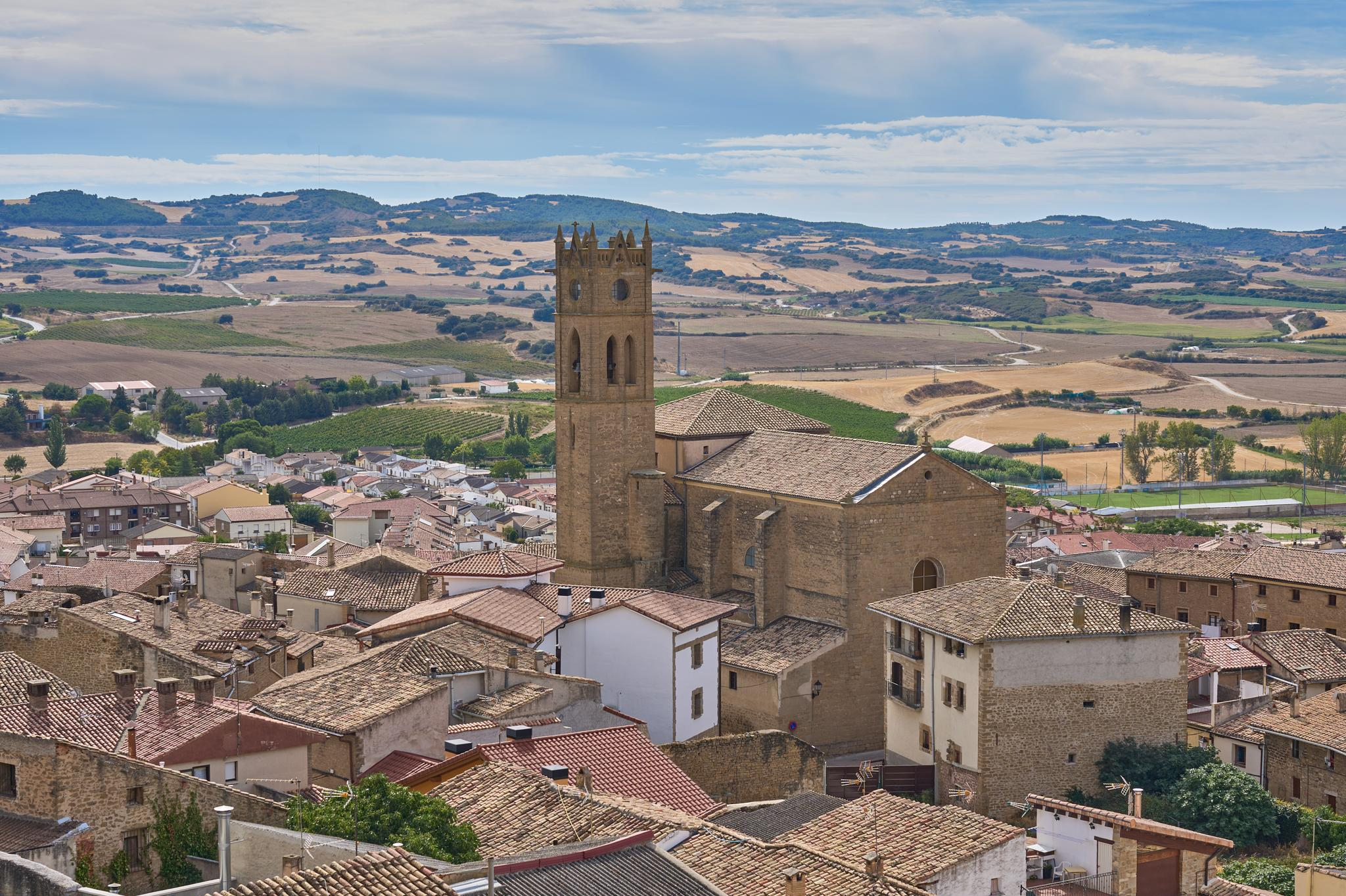
Path of the Templars — Path of the True Cross (GR 250)
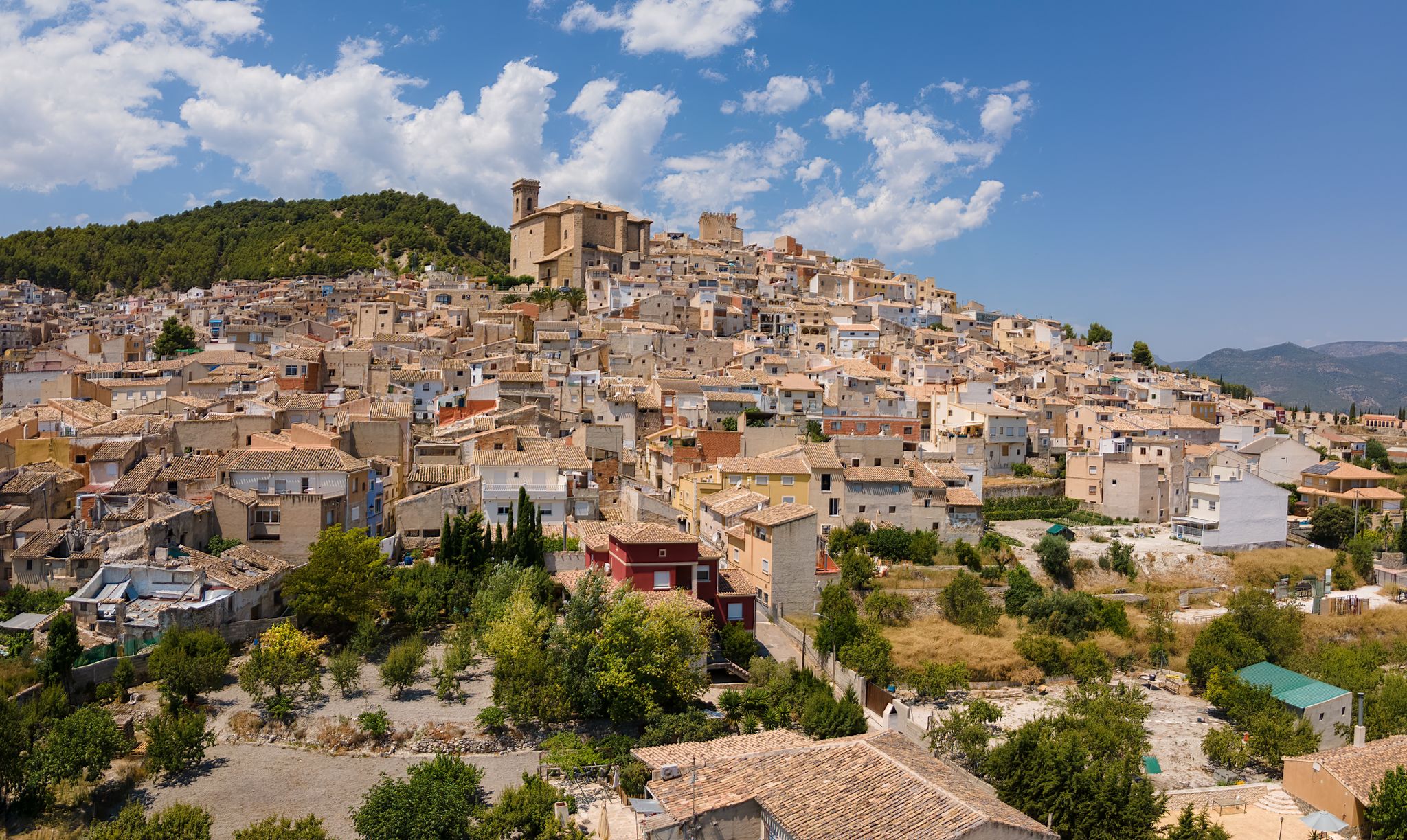
Castles, plains and charming villages – Murcia on foot (GR 7)
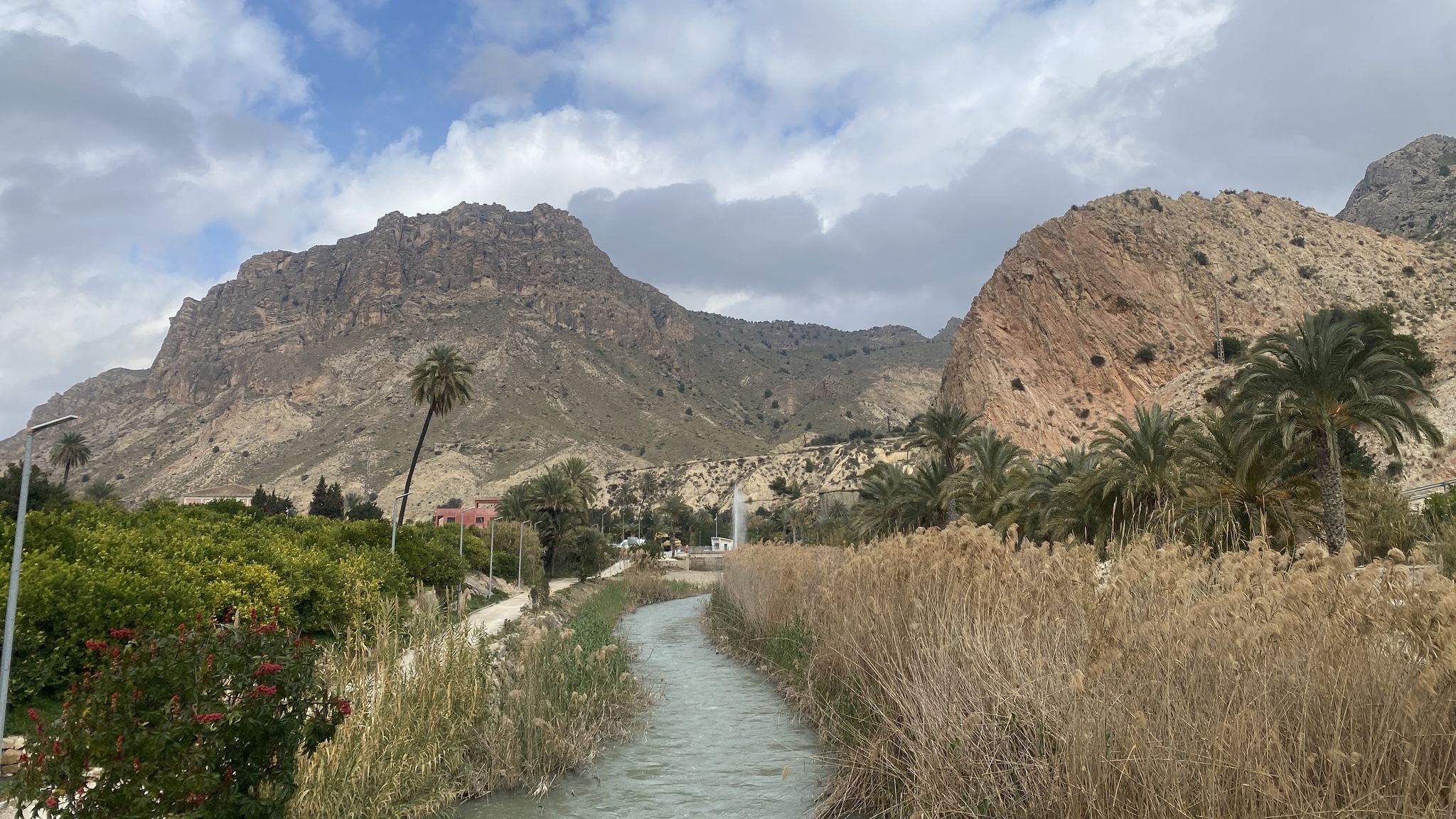
An adventure through Murcia in Spain – Segura River (GR 127)
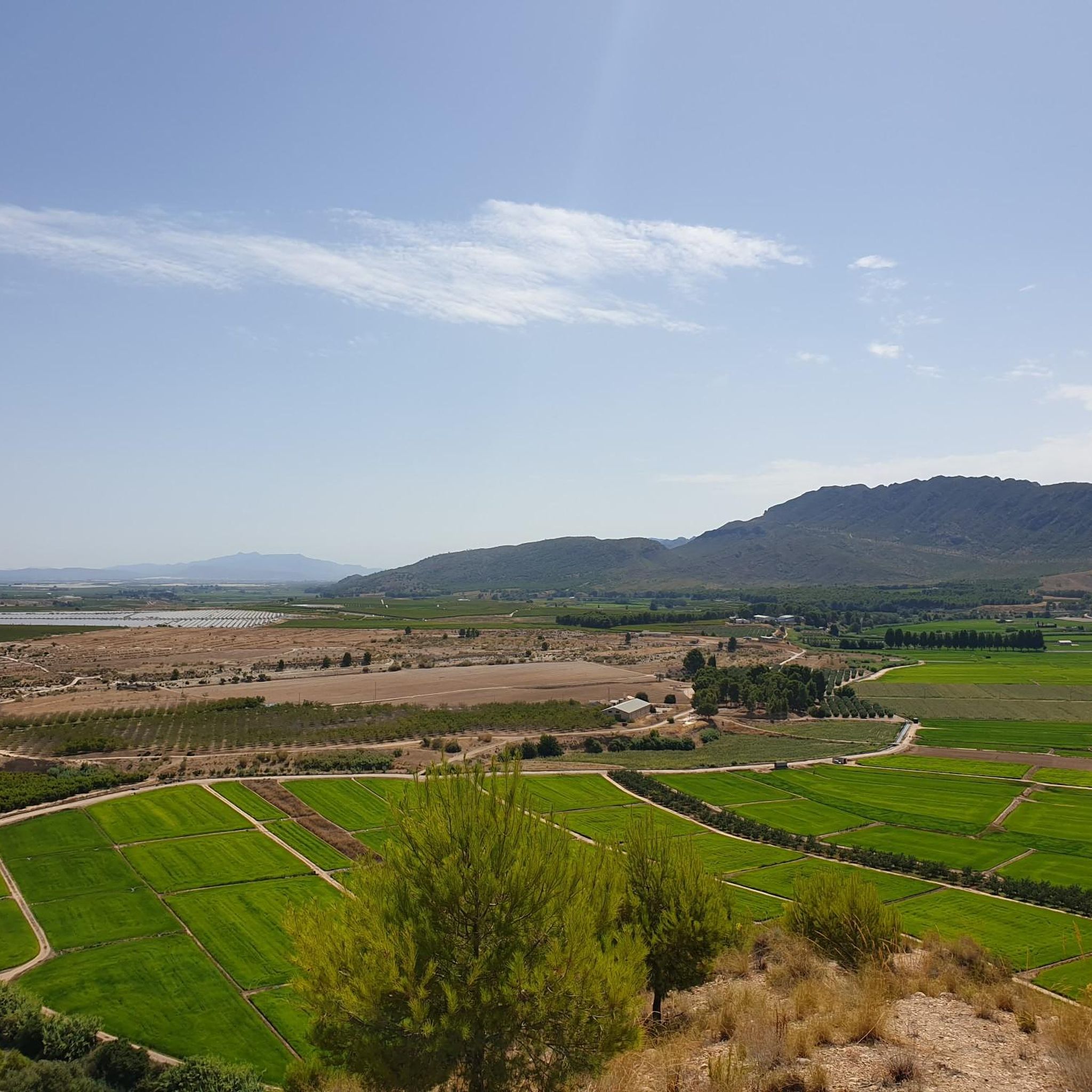
Road Cycling Routes around Calasparra
Hiking around Calasparra
Running Trails around Calasparra
MTB Trails around Calasparra
Cycling around Calasparra
Other adventures around Calasparra


Tips from the Community


If you select this highlight for a bike route, Komoot will take you down a road with no access allowed, However, there is a track to the right that gives a good view of the reservoir. For the bike route there is another Highlight that takes you down a proper signposted road to the Dam. Both are extremely quiet and worth a look.
0
0

Where do you cross over to Morocco?
0
0

Beautiful reservoir. A wonderful place for relaxation
3
0

The reservoir Alfonso XIII or reservoir of Quípar covers an area of 216 hectares and is located 300 m. above sea level. It dams the water from the river Quípar that crosses the area in SW-NE direction. It can be considered one of the most important continental wetlands of the Region of Murcia, being home to a large number of aquatic birds. It was built in 1917 with the aim of avoiding the catastrophic consequences that the swellings of the river Quípar had for the Vega Alta of the Segura. It was inaugurated in the year 1918 by King Alfonso XIII. Sunset can give great scenery, see my photos.
0
0
The Santuario de La Virgen de La Esperanza is more than worth a visit. A beautiful rock-hewn church with blackened ceilings from the torches used to light it. The area is also very beautiful with the River Segura flowing in front of the Santuario. We live 4 km's from this church.
1
0

The Sanctuary is located in a place 6 km by road from the town. The hermitage houses two images of the Virgen de la Esperanza, patron saint of Calasparra, who are worshiped together. The primitive hermitage (XVII) was in one of the caves on the Segura river, a natural shelter for shepherds, to which new rooms and buildings have been added with the expansion of the cult. The creation of terraces up to the river has been succeeded in modern times by the creation of service areas: parking lots, restaurant, hotel, etc.
9
1
Frequently Asked Questions
What are some of the most popular natural monuments to visit in the Calasparra area?
Visitors frequently enjoy the Sanctuary of the Virgin of Hope, which is a religious building nestled within a cave on the Segura River. Another popular spot is the Confluence of the Moratalla River and the Segura River, where you can observe the distinct colors of the two rivers merging. The Alfonso XIII Reservoir Dam and Quípar River Canyon also offers impressive views and is considered an important wetland.
Are there natural monuments around Calasparra suitable for families?
Yes, several natural monuments are family-friendly. The Sanctuary of the Virgin of Hope, the Confluence of the Moratalla River and the Segura River, the Argos Reservoir, and the Alfonso XIII Dam are all noted as suitable for families.
What kind of geological formations can I expect to see in Calasparra's natural monuments?
Calasparra is rich in diverse geological formations. You can explore river canyons like the Cañón de Almadenes, which features vertical walls over 100 meters high carved by the Segura and Quípar rivers. The Alfonso XIII Reservoir Dam and Quípar River Canyon also showcases significant canyon formations. Additionally, the Cueva del Puerto is a fascinating hypogenic cave system with unique domes, chimneys, and speleothems formed over millions of years.
What outdoor activities can I do near the natural monuments in Calasparra?
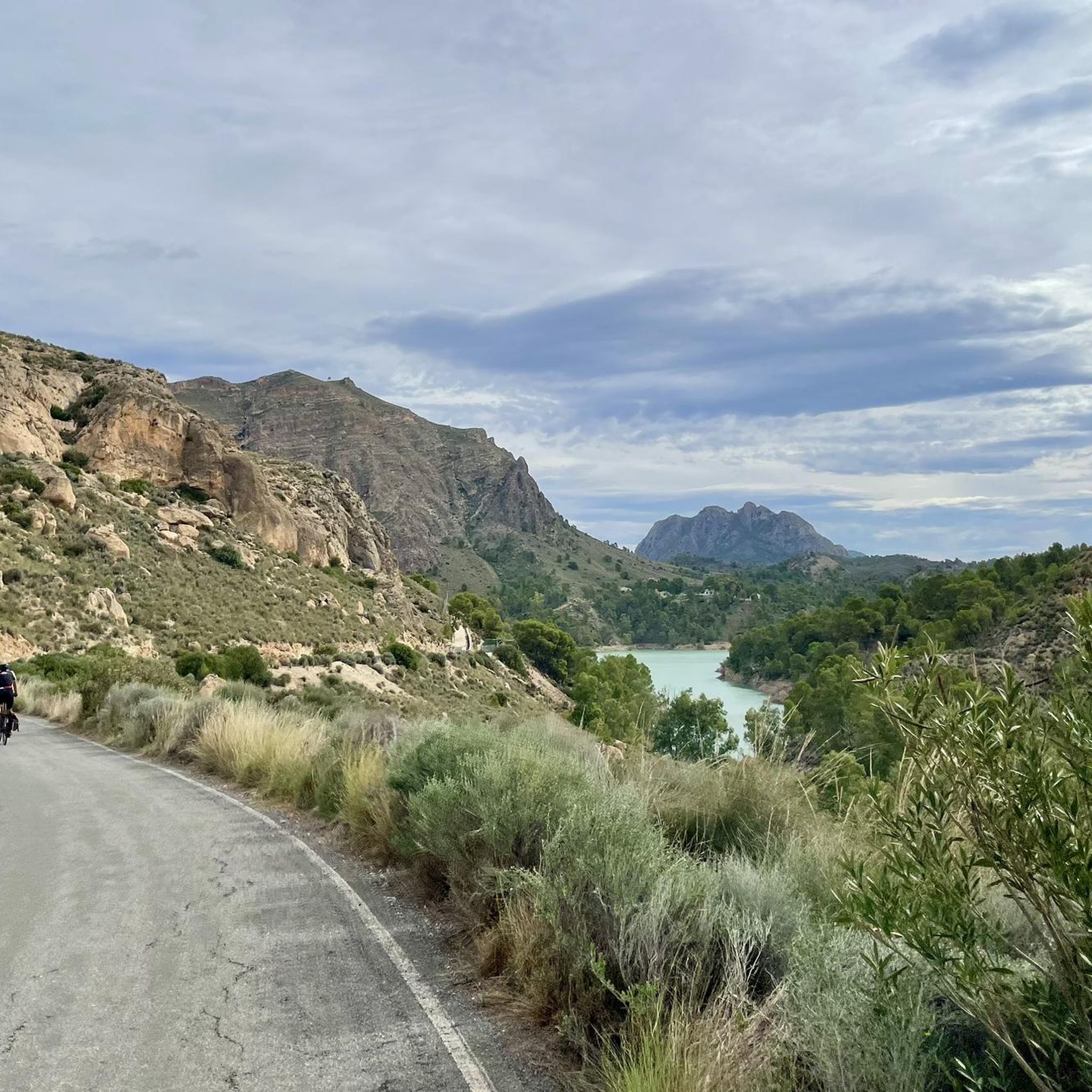
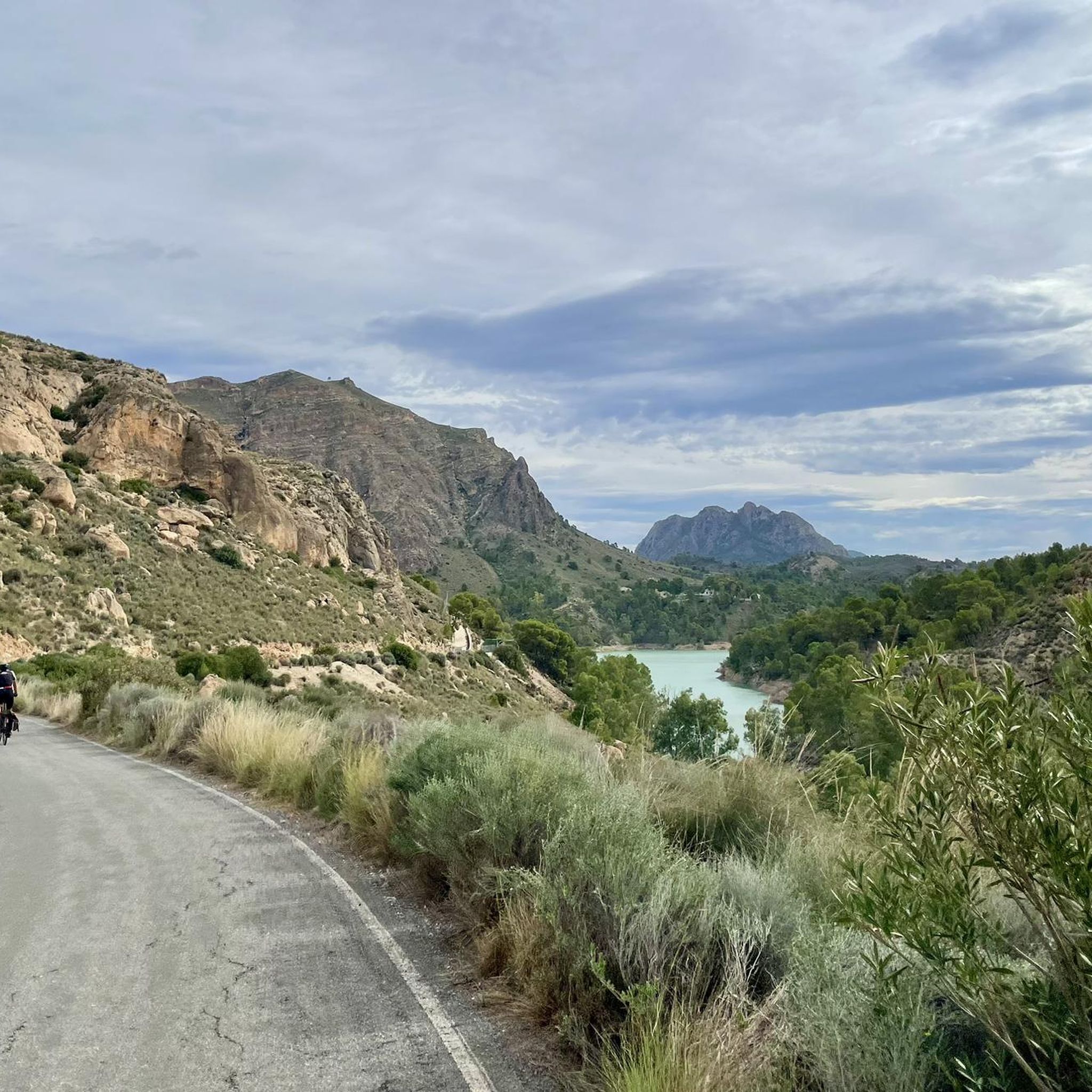
The region offers a variety of outdoor activities. You can enjoy trekking, canyoning, and river descents by boat or kayak in the Cañón de Almadenes. For cycling enthusiasts, there are numerous routes available, including road cycling, touring, and mountain biking. You can find detailed routes like 'Bullas, Cehegin and Embalse del Argos — circular from Calasparra' for road cycling, 'Embalse de Argos y Santuario de Nuestra Señora de la Esperanza — return from Calasparra' for touring, and 'Virgin de la Esperanza, Finca Cañaverosa, Arrozales – Ruta Circular – Yesares de Hellín' for MTB. Explore more options on the Road Cycling Routes around Calasparra, Cycling around Calasparra, and MTB Trails around Calasparra guide pages.
Are there any historical or cultural sites integrated with the natural monuments?
Yes, the Sanctuary of the Virgin of Hope is a significant example, built over a cave that was historically a shepherd's shelter. It's a popular pilgrimage site. Within the Cañón de Almadenes, you can also find the "Abrigos del Pozo" (Cueva de los Monigotes), which contain prehistoric rock art paintings declared a World Heritage Site.
What kind of wildlife can be spotted in the natural areas around Calasparra?
The natural areas, particularly the Cañón de Almadenes, are home to diverse wildlife. You might spot birds such as the eagle owl and short-toed eagle. Otters are also present in the Segura River, indicating good water quality. The Alfonso XIII Reservoir is considered an important wetland for aquatic birds.
Where can I find panoramic views of the natural landscape?
The Sierra del Molino offers excellent viewpoints of the upper Segura valley and the Almadenes and Quípar canyons. From the dam of the Alfonso XIII Reservoir, you can also enjoy impressive views of the reservoir and the canyon. There's also a viewpoint in the Cañón de Almadenes providing stunning panoramic vistas.
What is the Cueva del Puerto and why is it unique?
The Cueva del Puerto is a captivating underground cave system near Calasparra, known as a global example of a hypogenic cavity. It features unique geological formations like domes, chimneys, and ceiling channels, formed by warm, deep waters dissolving limestone. It also boasts a unique Luminiscent Minerals Room, the only one of its kind inside a cave in Europe.
Are there any reservoirs or lakes to visit near Calasparra?
Yes, the Alfonso XIII Reservoir, also known as the Quípar Reservoir, is a significant wetland. The Argos Reservoir, located on the Argos river, is another beautiful spot. Both offer scenic views and are important for local biodiversity.
What are the best times to visit the natural monuments in Calasparra?
The temperature inside the Cueva del Puerto remains a consistent 19°C year-round, making it a good option regardless of the season. For outdoor activities like hiking and cycling, spring and autumn generally offer the most pleasant weather, avoiding the intense heat of summer and potential chill of winter. Sunset can also provide great scenery at locations like the Alfonso XIII Reservoir.
Is it possible to see the famous Calasparra rice fields from any natural monument?
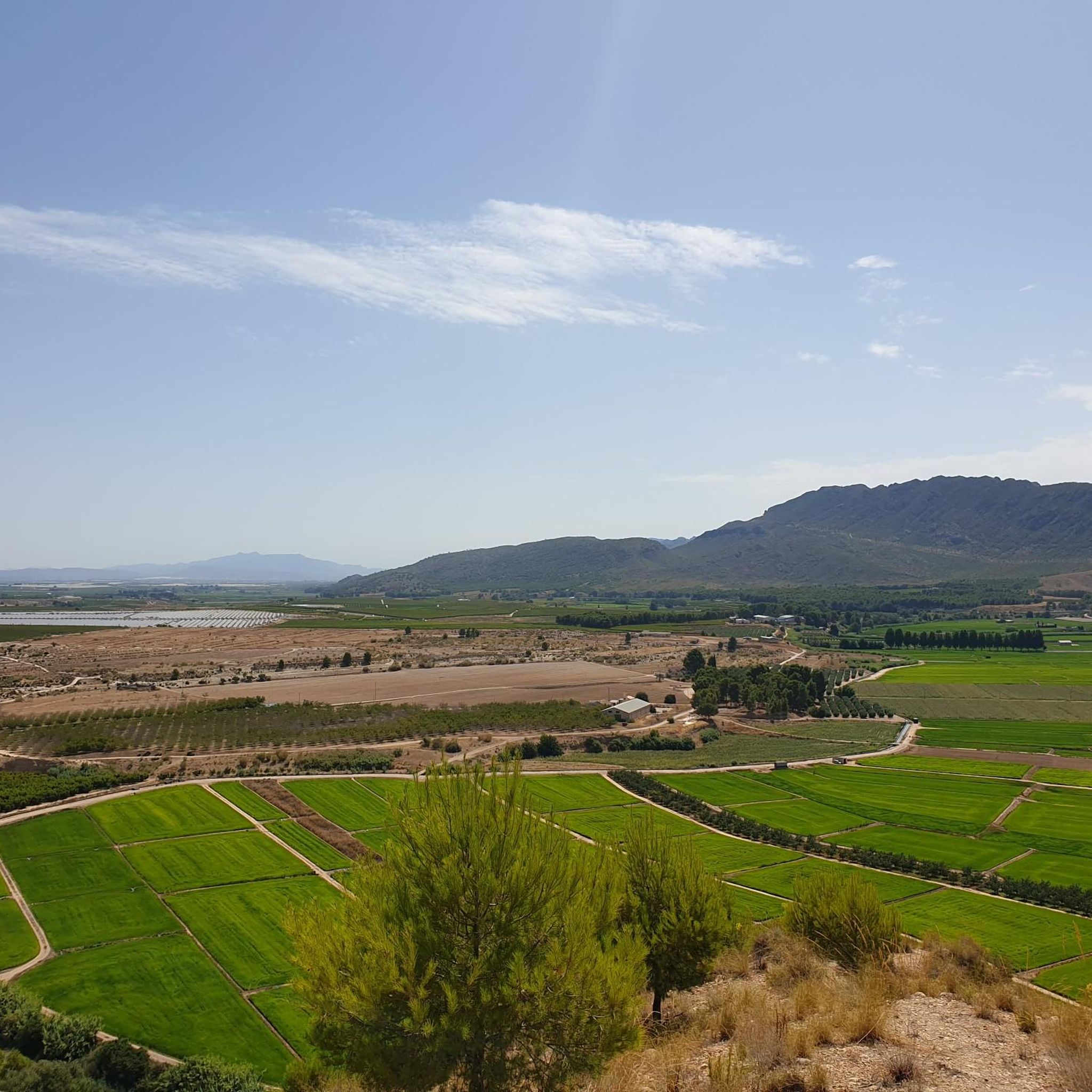
While not a natural monument itself, the renowned rice fields of Calasparra, a significant cultural landscape, are best viewed from observation decks like Las Lomas, offering a perspective on how nature and human interaction have shaped the area.
What is the difficulty level of hiking trails in the natural areas around Calasparra?
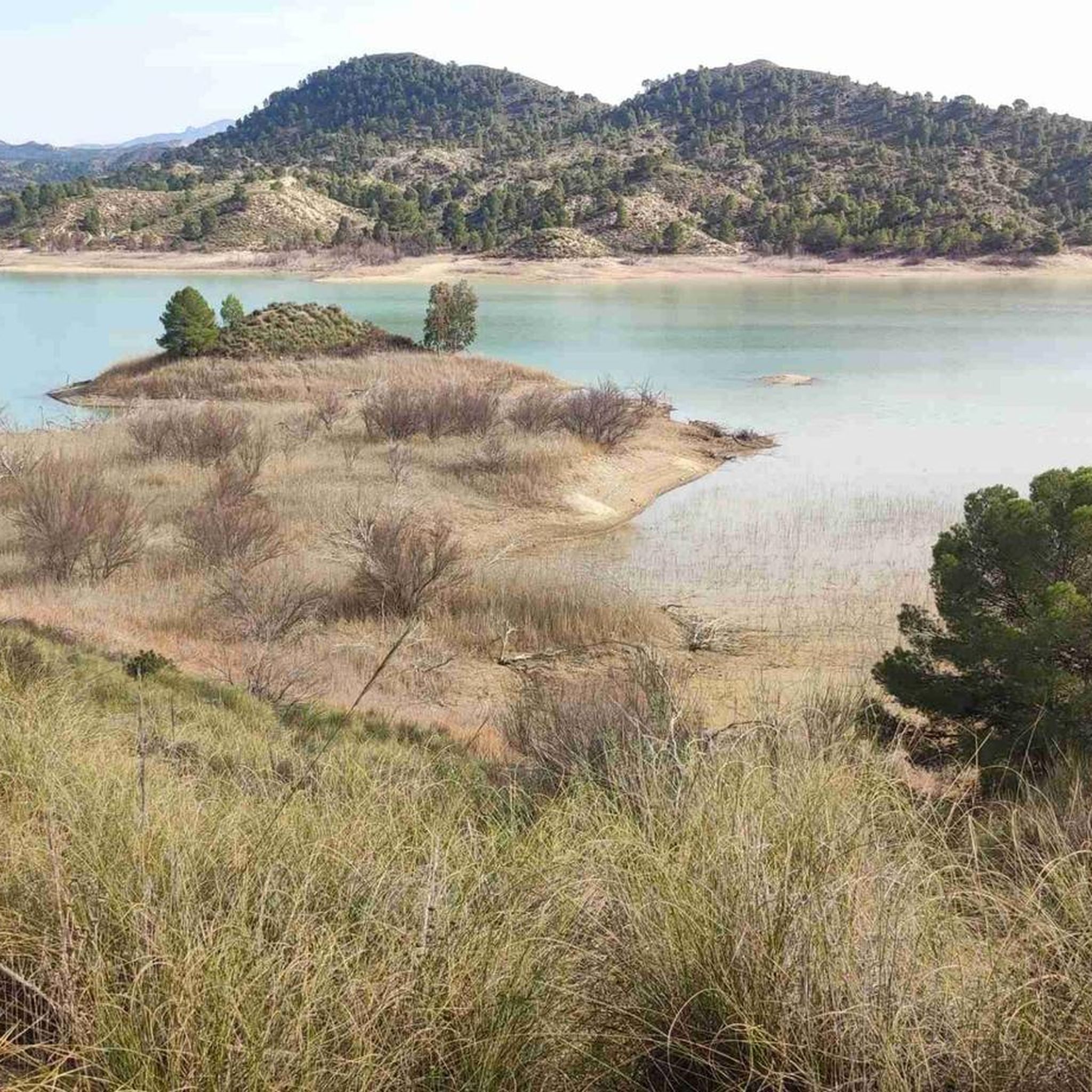
Hiking difficulties vary. The Sierra del Molino, for instance, offers mountainous terrain with some challenging routes suitable for experienced hikers. However, many areas, including those around the reservoirs and the Sanctuary, offer more accessible paths. For specific routes, you can check the difficulty grades on the MTB Trails around Calasparra guide page, which also lists some hiking-suitable trails.
Most popular attractions around Calasparra

Get inspired with the komoot mobile app


Explore more
Extend your search for the best caves by checking out these guides of the top ones around Calasparra:
