Top 20 Natural Monuments around Vilaplana
Best natural monuments around Vilaplana are found in the scenic comarca of Baix Camp in Catalonia, Spain. The region is characterized by its diverse geological formations, including dramatic cliffs, deep crevices, and prominent mountain peaks. This area offers a variety of natural landscapes for exploration, from ancient cave systems to expansive panoramic viewpoints. The natural monuments here provide insights into the region's geology and offer opportunities for outdoor activities.
Best natural monuments around Vilaplana
- The most popular natural monuments is…
Last updated: July 1, 2026
Cave of the Cranes
Highlight • Cave
Translated by Google •
Tip by

Els Avencs de la Febró
Highlight • Cave
Access via a short climbing passage, headlamp required
Translated by Google •
Tip by

Sign up now to discover places like this
Get recommendations on the best single tracks, peaks, & plenty of other exciting outdoor places.
Sign up for free
Puig d'en Cama (717 m)
Highlight • Summit
Translated by Google •
Tip by

The Throne of Siurana
Highlight • Natural Monument
Translated by Google •
Tip by

Tossal de la Baltasana summit
Highlight • Summit
Translated by Google •
Tip by
Sign up for free to discover even more natural monuments around Vilaplana.
Sign up for free
Already have an account?
Start today with a free account
Your next adventure awaits.
Login or Signup

Tips from the Community

The cave can only be reached from the lower footpath. You have to hike back the same way.
0
0

To enter Avencs, you will find a pile of stones where you have to go down. Easier access to enter 🌿
0
0

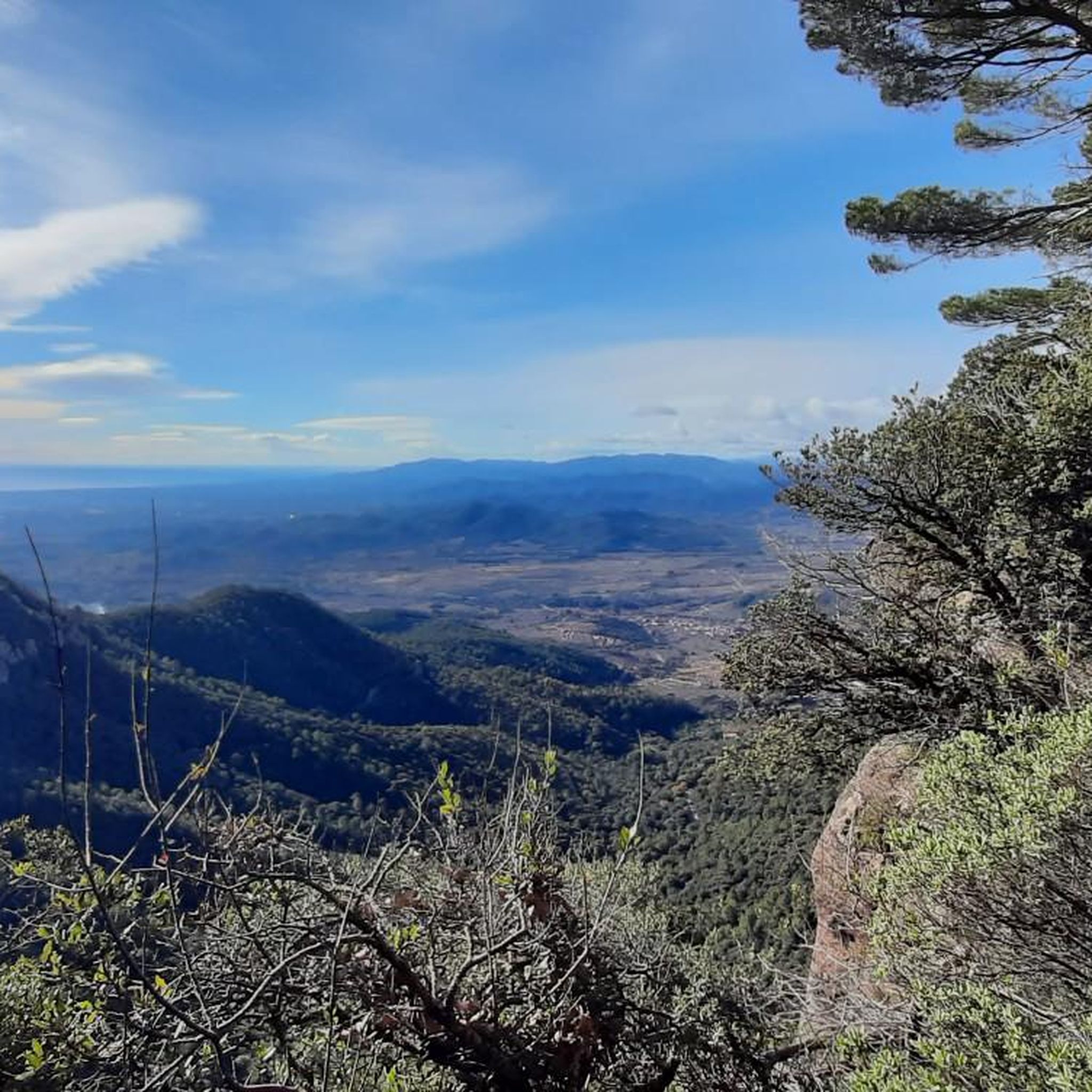
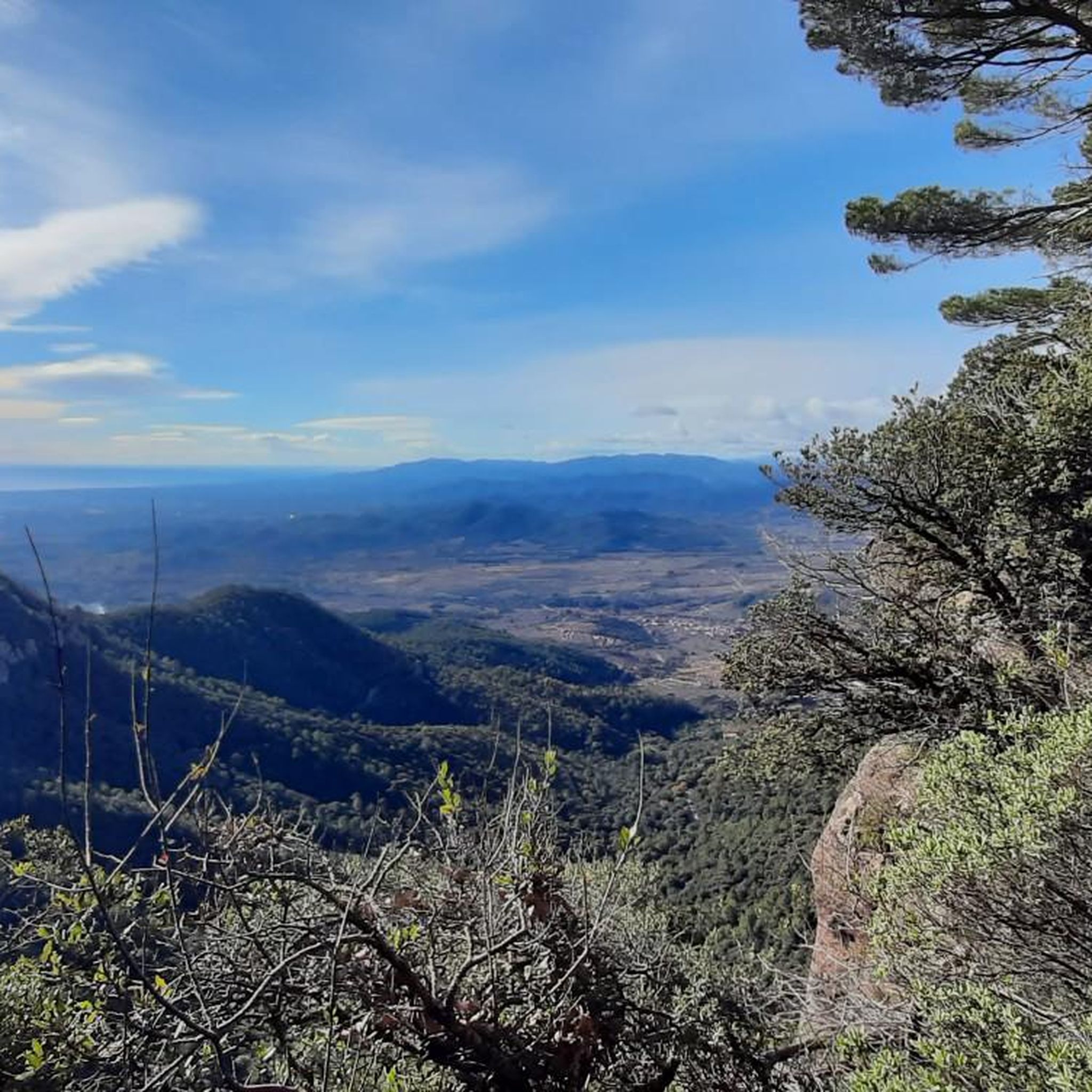
El Puig d'en Cama is a hill located in the Selva del Camp area, the entire summit is above Almoster, Baix Camp region, approximately north of Reus, Castellvell del Camp and Almoster, west of the Selva del Camp and east of Aleixar. It is part of the first stirrups of the Prades mountains. It is 717 meters high. At the top we can find a geodesic vertex (reference 263134001). This peak is included in the Challenge of 100 peaks of the Federation of Excursionist Organizations of Catalonia. Until recently there was a watchtower, now gone.
0
0

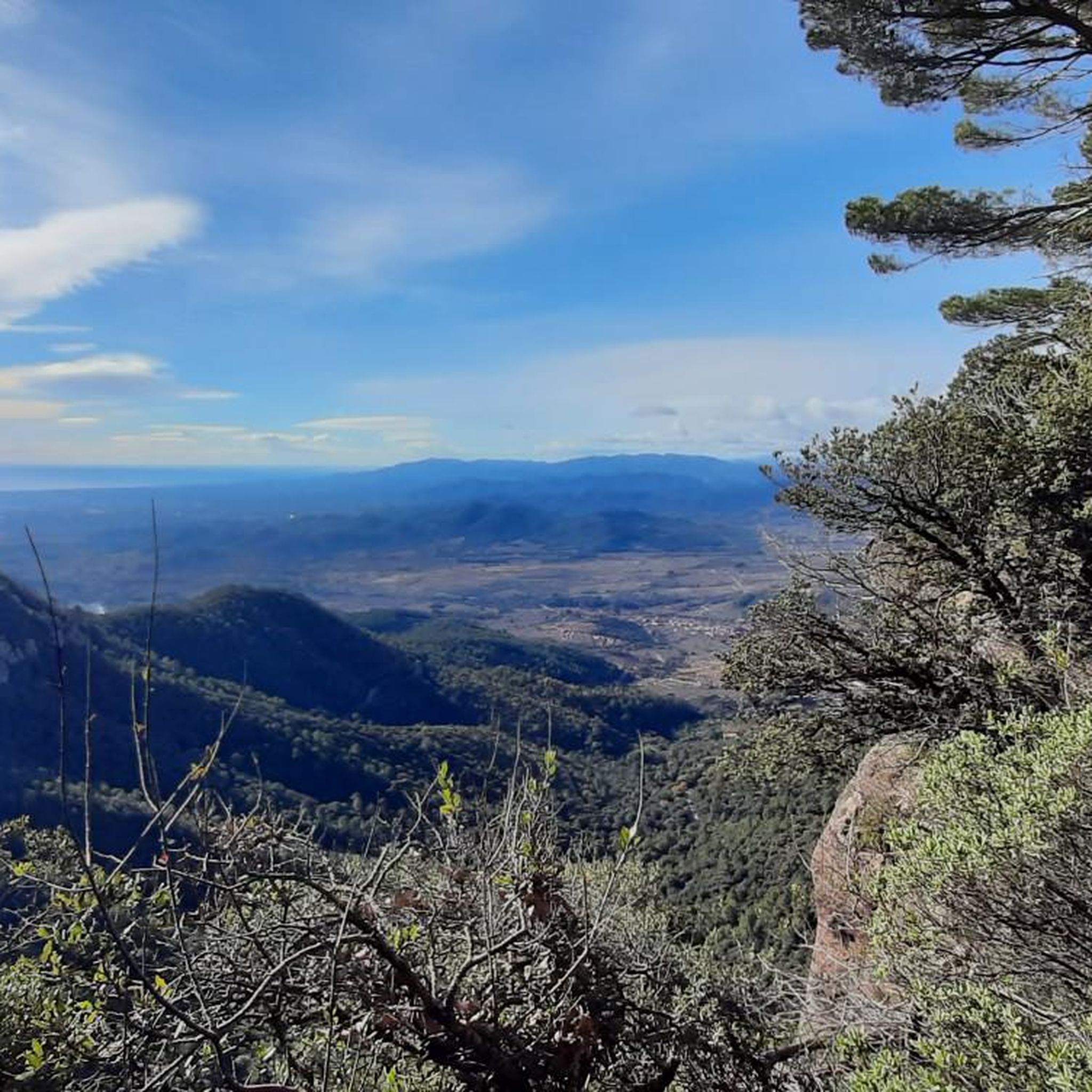
Ideal place to see the Pyrenees with clear skies, amazing.
1
0
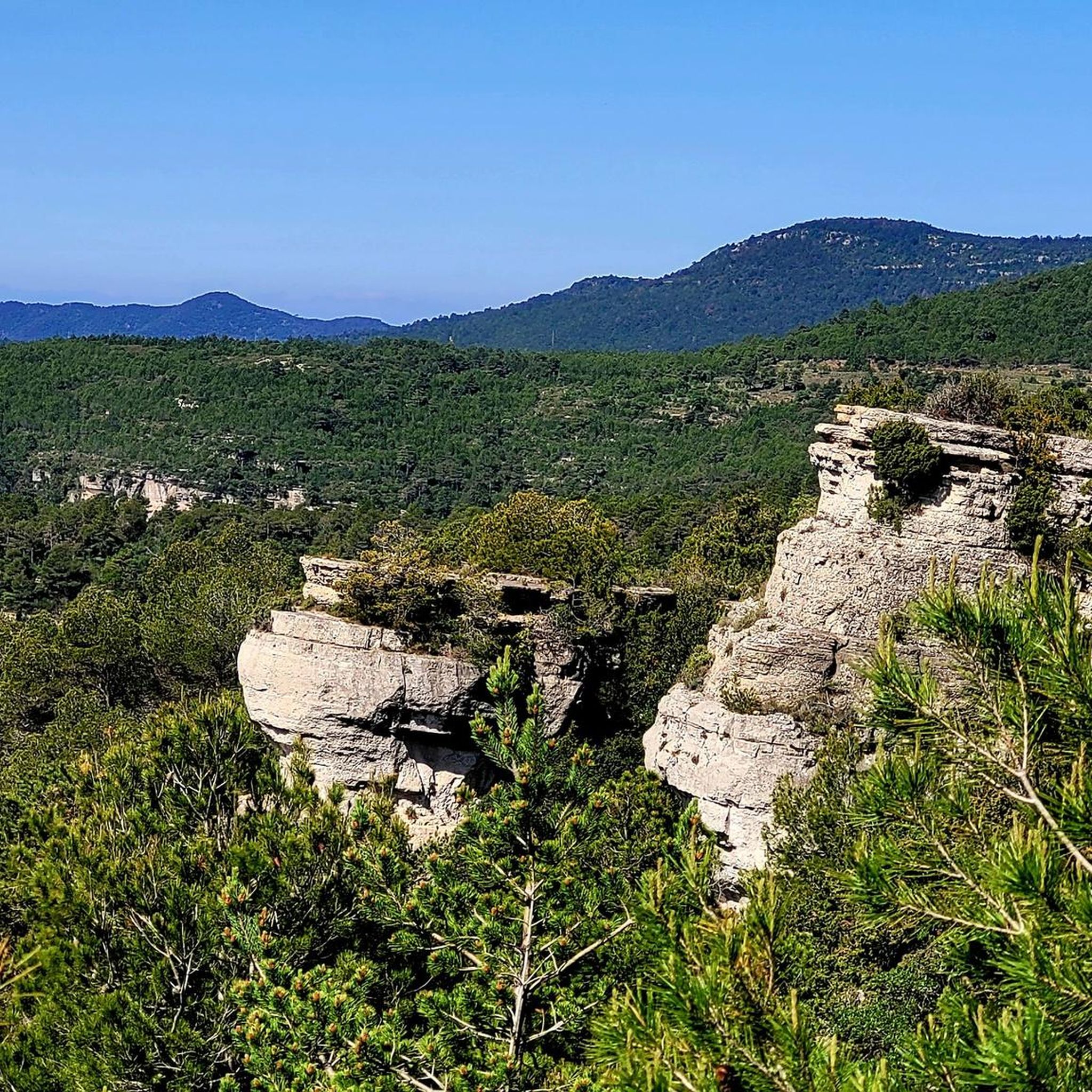
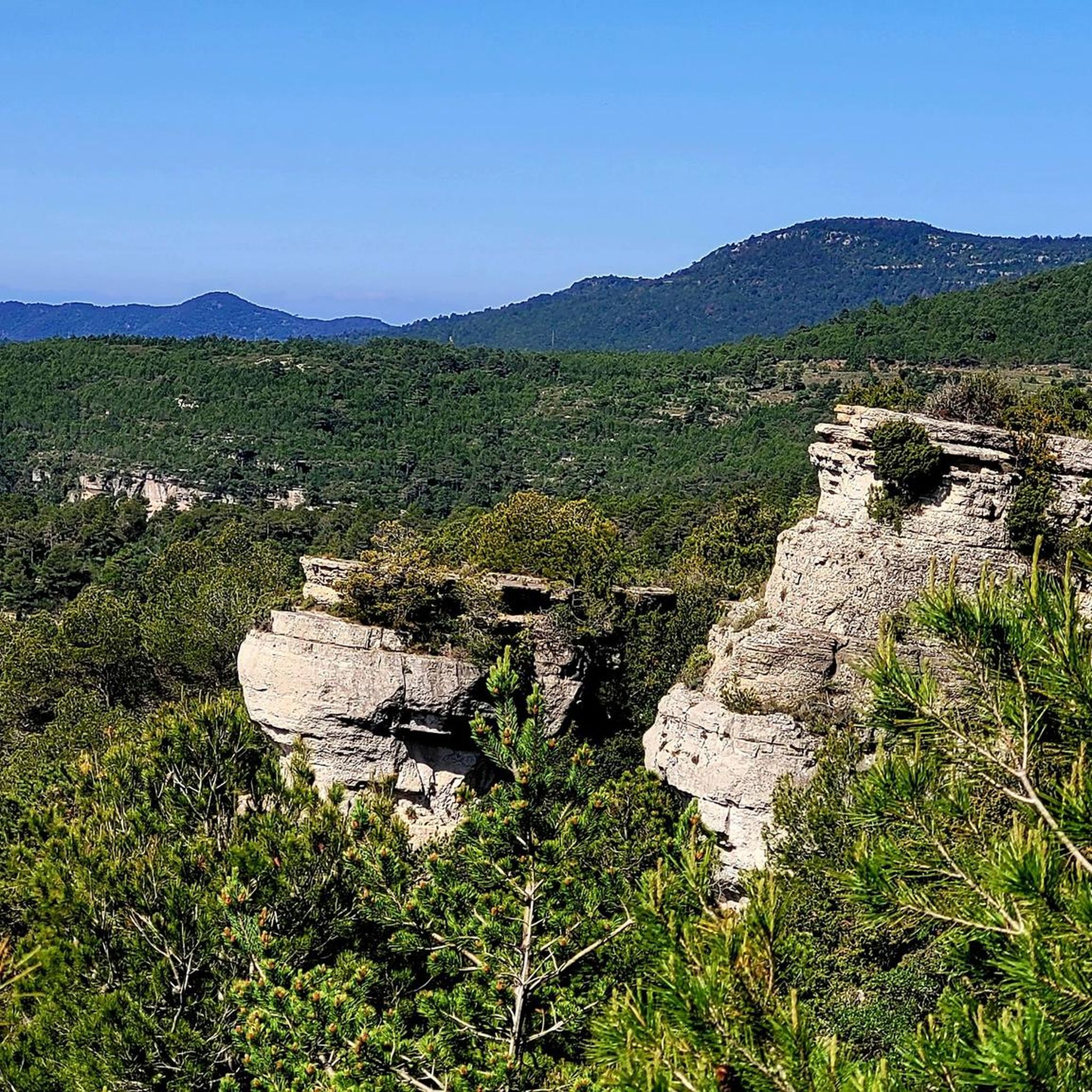
Natural crevice called Avencs de la Febro, you need good shoes with heels and, if possible, a headlamp or flashlight. They are cracks 30 meters deep, 300 meters long and 8 meters wide that are just a step away from La Mussara. However, they are hidden by vegetation. Because yes, there are many stories of friends and acquaintances who have had to turn around because they have not been able to find their entrance. That's the fun! Hahaha Els Avencs de La Febró have offered shelter to all types of people. For example, they served as a hiding place for the smuggler Josep Ferrer i Grau and General Prim. Yes, I am talking about Juan Prim i Prats, who, apart from being originally from Reus, would come to occupy the position of President of the Government of Spain in 1869.
2
0

Nice views but I did it with my gravel bike and the road is not suitable for this type of bike, I had to walk 2 km with the bike on my back. Even in MTB trail or enduro it is complicated, so it is better to walk
0
1

It may be a steep climb to get here, but the 360-degree views are spectacular and well worth it. The trails that lead here are well marked and are part of a larger network of trails.
1
0
Avencs de la Febró is a popular hiking destination. It's a beautiful narrow canyon that the trail goes through. Definitely worth a visit, but watch your step if you're running. Maybe, slow down and take a photo or two.
2
0
Frequently Asked Questions
What are some of the most popular natural monuments around Vilaplana?
Visitors frequently enjoy exploring The Throne of Siurana, a unique rock formation offering spectacular views over the river and reservoir. Another highly rated spot is Els Avencs de la Febró, a fascinating cave system with deep cracks and galleries. The Tossal de la Baltasana summit is also popular for its extensive panoramic views.
What kind of geological formations can I explore in the Vilaplana area?
The region boasts diverse geological features. You can explore the impressive cracks and galleries of Els Avencs de la Febró, formed by a geological fault. The dramatic limestone cliffs of Siurana, including The Throne of Siurana, are also prominent, offering unique rock formations and breathtaking vistas.
Are there opportunities for rock climbing near Vilaplana's natural monuments?
Yes, the dramatic limestone cliffs of Siurana, near Vilaplana, are internationally recognized as a world-class destination for rock climbing. The area attracts climbers of all levels with over 1,700 routes, known for technical, vertical walls and sharp holds.
What outdoor activities can I do near these natural monuments?
The natural monuments around Vilaplana offer excellent opportunities for various outdoor activities. You can find numerous hiking trails, including those leading to Els Avencs de la Febró. The region is also popular for cycling, with many routes for touring bicycles, mountain biking, and road cycling, often passing through scenic natural areas.
Are there any family-friendly natural monuments to visit?
While some natural monuments involve challenging terrain, many offer accessible paths for families. The path to The Throne of Siurana, for instance, is described as not having great technical difficulties, making it suitable for families, though those with a fear of heights should be aware of the precipice. Exploring the general area of Siurana village and its views can also be a pleasant family outing.
What historical or cultural insights can I find among the natural monuments?
The region is rich in history. Siurana village, perched on its cliffs, was the last stronghold of the Reconquest in Catalonia, with local legends like that of Queen Abdelazia. Within the Serra de la Mussara, the Abric de la Serra de la Mussara houses ancient cave paintings, mostly from the Bronze Age, depicting animals and human figures, offering a glimpse into prehistoric life. The abandoned village of La Mussara also adds a layer of mystery and history to the landscape.
What are the best natural monuments for panoramic views?
For breathtaking panoramic views, the Tossal de la Baltasana summit is an excellent choice, offering extensive vistas of the Montsant mountain range and other peaks. The Throne of Siurana also provides fantastic views over the Siurana river and reservoir. Additionally, the Serra de la Mussara offers sweeping views over Tarragona and the Costa Daurada, with visibility extending to the Ebro Delta and even the Balearic Islands on clear days.
What should I know before visiting Els Avencs de la Febró?
Els Avencs de la Febró is a fascinating natural crevice, approximately 250 meters long and up to 30 meters deep. Exploring it requires a headlamp due to low light conditions within the caves and involves navigating short climbing passages. It's an adventurous experience, offering a unique sensory journey with cooler temperatures and moss-covered walls.
Are there any natural monuments that involve water features?
Yes, the Cave of the Cranes is a spectacular spot featuring a fifty-meter waterfall during the rainy season and a small lake that forms under the cave, perfect for cooling off. Below Siurana village, the clean and calm waters of the Siurana reservoir also provide opportunities for various water sports.
What do visitors enjoy most about the natural monuments in Vilaplana?
Visitors frequently highlight the spectacular views from summits like Tossal de la Baltasana and the unique geological formations such as Els Avencs de la Febró. The adventurous exploration, the beauty of the landscapes, and the opportunities for hiking and photography are also highly appreciated. Many find the blend of natural grandeur with historical context, like in Siurana, particularly captivating.
What is the best time of year to visit the natural monuments around Vilaplana?
The region's natural monuments can be enjoyed year-round, but spring and autumn generally offer the most pleasant weather for hiking and exploration, with milder temperatures and vibrant natural colors. During the rainy season, the waterfall at the Cave of the Cranes is particularly impressive. Summer is ideal for water activities at the Siurana reservoir, though temperatures can be higher for strenuous hikes.
Are there any natural monuments that are particularly challenging to access?
Some natural monuments offer more challenging access. For instance, exploring Els Avencs de la Febró requires navigating short climbing passages and using a headlamp due to its deep, dark crevices. The Cave of the Cranes can also be reached via a ravine with steps and stone blocks, which is recommended for those with nimble legs, especially in the dry season.
Most popular routes around Vilaplana
Most popular attractions around Vilaplana

Get inspired with the komoot mobile app


Explore more
Extend your search for the best caves by checking out these guides of the top ones around Vilaplana:
