Top 10 Natural Monuments around Xert
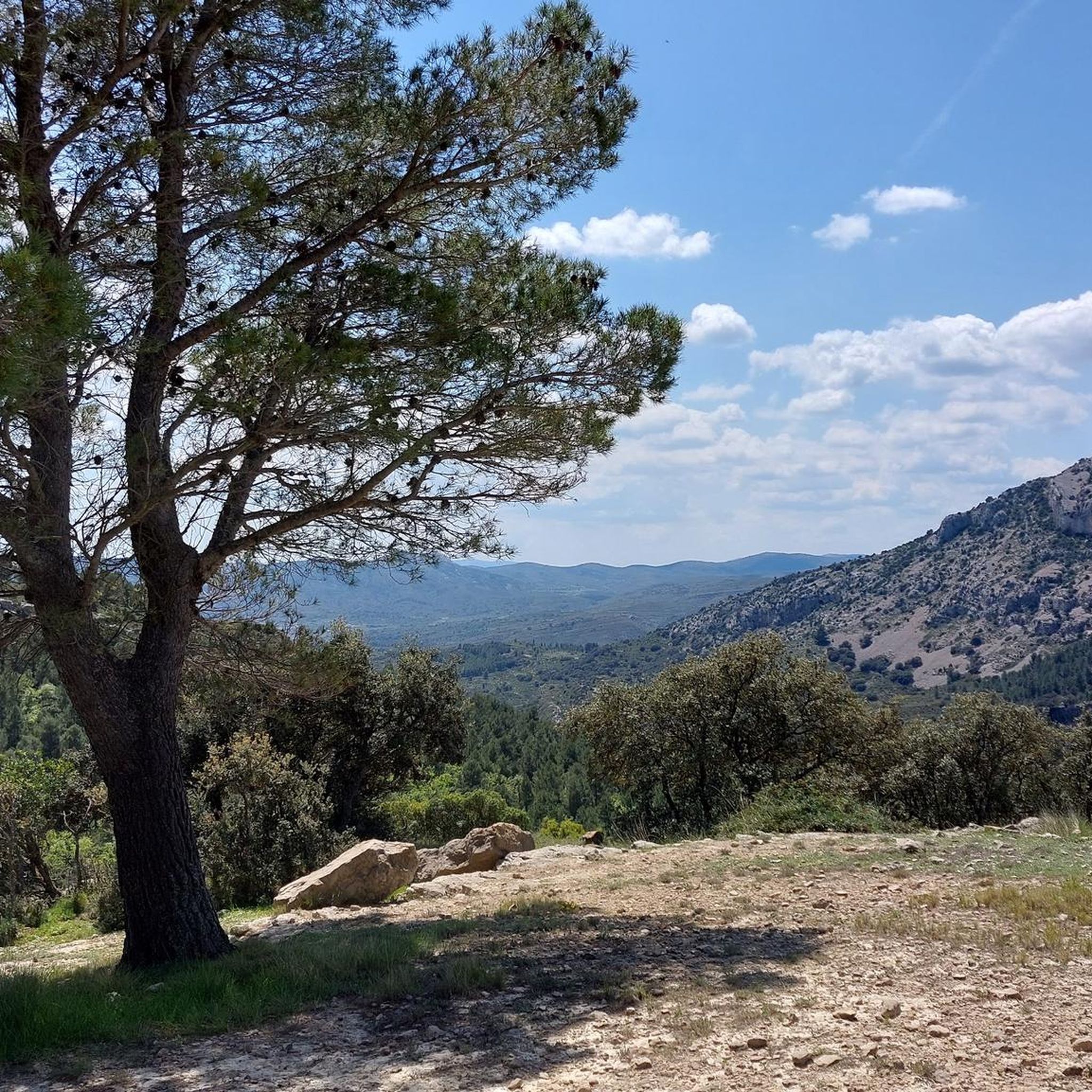
Best natural monuments around Xert are characterized by distinctive geological formations and a rich natural landscape. The region features the Moles de Xert, a mountain range known for its unique shapes and rocky outcrops. These natural monuments offer opportunities for outdoor activities and exploration of the area's geomorphology. The landscape provides a blend of natural beauty and historical interest.
Best natural monuments around Xert
- The most popular natural monument is La Mola de Xert, a natural monument with intermediate…
Last updated: July 1, 2026
Chapel and Fountain of Sant Vicent
Highlight • Religious Site
Translated by Google •
Tip by

Millennial Olive Tree of the Four Legs (Canet lo Roig)
Highlight • Natural Monument
Some of the olive trees were studied …
Translated by Google •
Tip by

Sign up now to discover places like this
Get recommendations on the best single tracks, peaks, & plenty of other exciting outdoor places.
Sign up for free
La Mola de Xert
Highlight • Natural Monument
Translated by Google •
Tip by
Serolla Stone Well
Highlight • Structure
Translated by Google •
Tip by

Els Estrets Gorge
Highlight • Gorge
Translated by Google •
Tip by

Sign up for free to discover even more natural monuments around Xert.
Sign up for free
Already have an account?
Start today with a free account
Your next adventure awaits.
Login or Signup

Tips from the Community

Well-preserved area of old wash houses.
0
0

Your visit was interesting, it is worth stopping to take a photo
1
0

The chapel dedicated to Sant Vicent Ferrer was built in memory of the blessing of the saint, who on his way through Traiguera in 1413 asked that the fountain that is right next to it never lack water. The chapel was built in the 17th century, includes an altar and a small image of the saint, and was restored in the 19th century.
1
0

Canet lo Roig has the largest number of ancient olive trees within the entire Valencian Community (1131 specimens). Some of them date their planting to the year 569 AD. Among so many specimens, the impressive "4 legs" stands out, which has a rich history, particularly related to the war serving as a refuge.
5
0

In Traiguera you can find this old fountain on the Via Augusta.
0
0
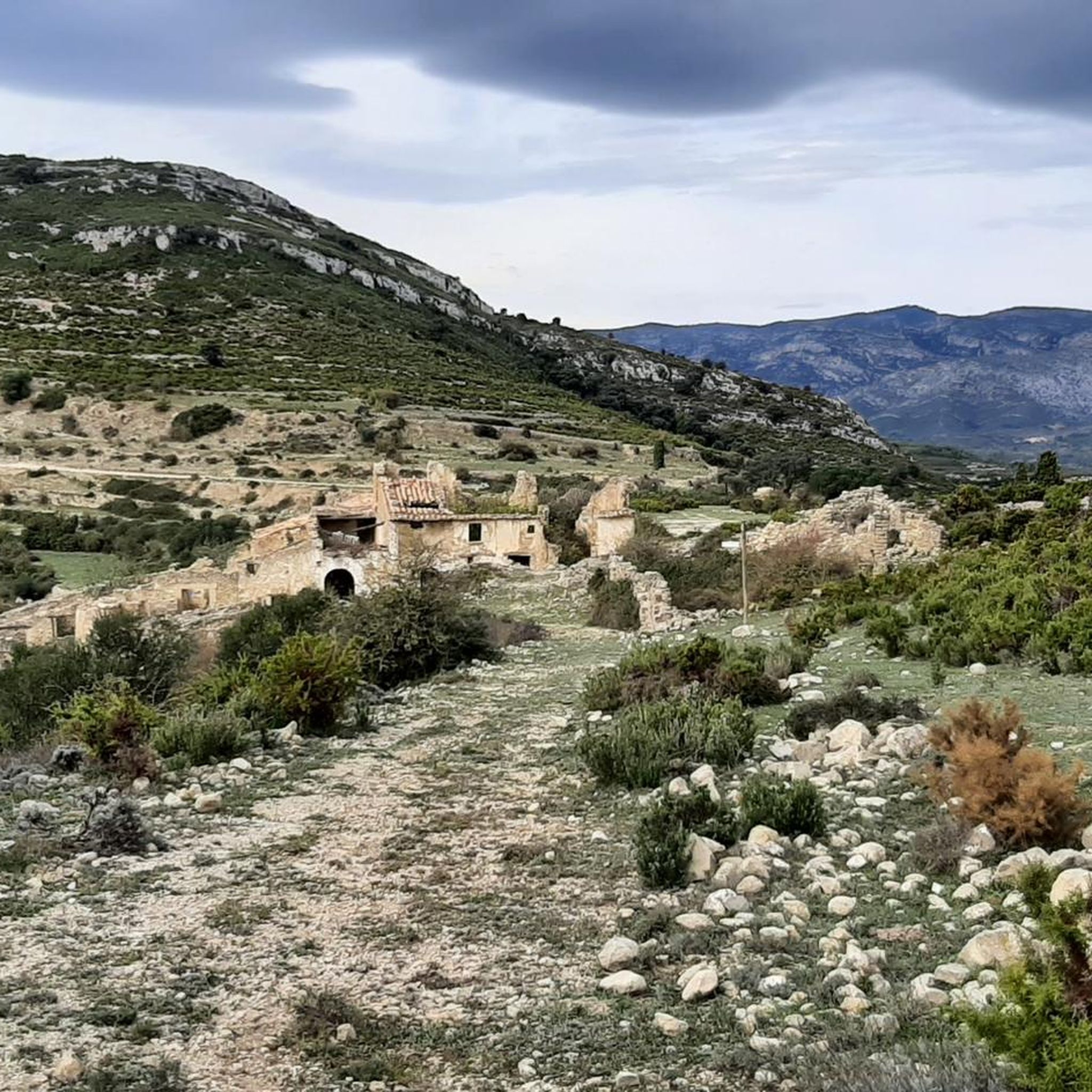
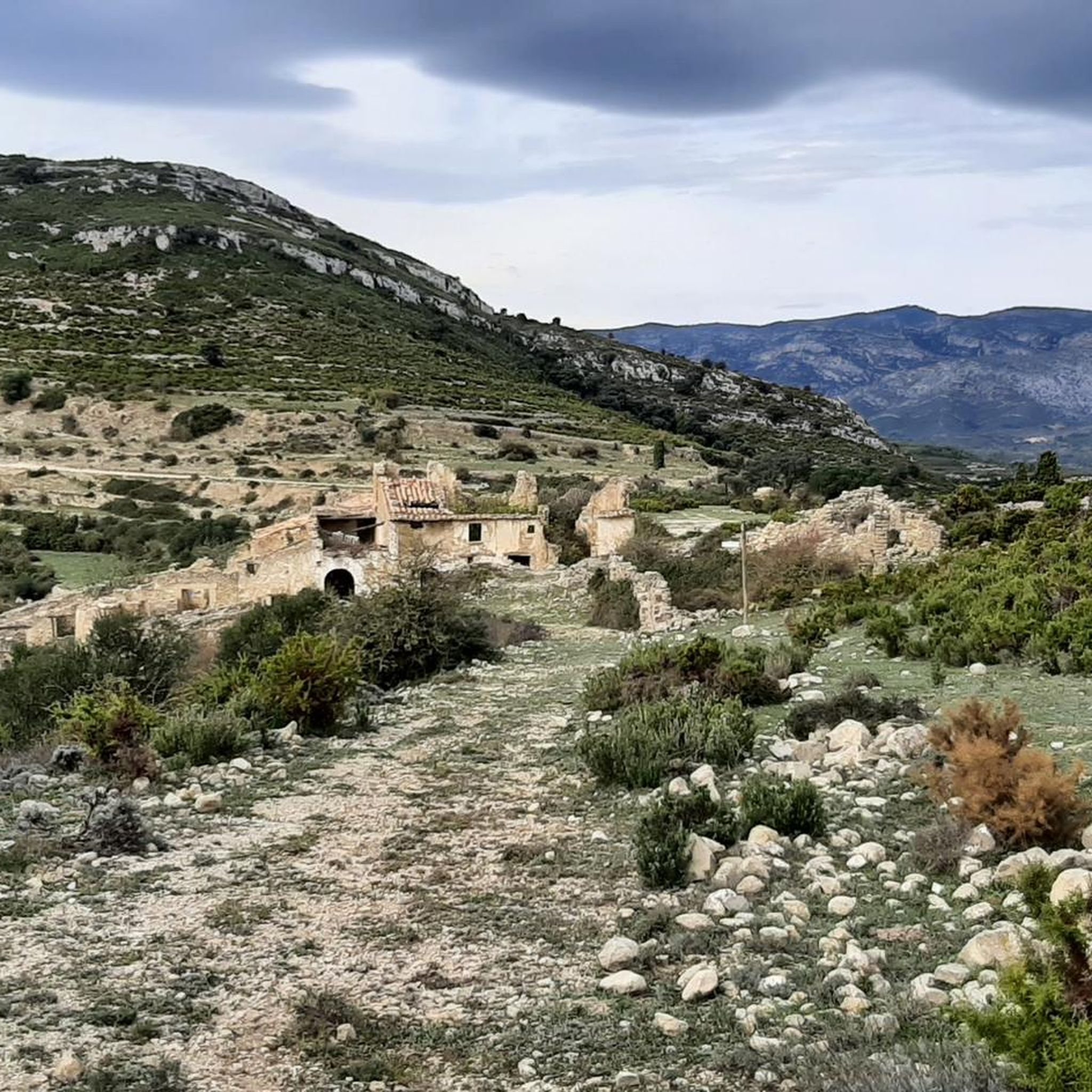
La Mola de Xert is a unique and very interesting place. Its rocks rise abruptly forming vertical walls of great height. The path that surrounds it has some technical difficulty but it can be done calmly with a firm step.
1
1
It is a thousand-year-old specimen within the Canet lo Roig estate that has the largest number of the entire Valencian Community (1131 specimens). Some of the olive trees were studied by the Polytechnic University of Madrid, which determined their date of planting in the year 569 AD. Among so many ancient olive trees, there is one that stands out and it is the one nicknamed "4 legs" that has even won an award for its shape and beauty and that is also related to war stories serving as a refuge. Definitely a place to visit with the whole family!
2
1

Cute old holy source of water. Blessed with abundance by a saint centuries ago; and it never dried out since. Locals say it's drinkable, so you can ignore the sign saying otherwise ;)
0
0
Frequently Asked Questions
What unique natural features can I explore around Xert?
The region around Xert is renowned for its distinctive geological formations, particularly the Moles de Xert. These mountain ranges feature unique shapes, with rocky outcrops that often resemble castles. You can explore dramatic vertical walls, deep ravines, and characteristic 'muela' formations, which are striking due to the continuous erosion of limestone and softer materials. Additionally, the area offers ancient fountains and millennial olive trees.
Are there family-friendly natural monuments in the Xert area?
Yes, several natural monuments around Xert are suitable for families. The Chapel and Fountain of Sant Vicent is a historical site with a 17th-century chapel and a fountain, offering a pleasant visit. Another great option is Font de l'Aubelló, an ancient fountain and an emblematic, quiet spot. The Millennial Olive Tree of the Four Legs near Canet lo Roig is also a fantastic family destination, showcasing ancient olive trees, some dating back to 569 AD.
What kind of hiking trails can I find near Xert's natural monuments?
The natural monuments around Xert offer a variety of hiking experiences. For example, the area around La Mola de Xert features paths with some technical difficulty but are manageable with a firm step, leading to impressive vertical rock formations. You can find more detailed hiking routes, including easy, moderate, and difficult options, on the Hiking around Xert guide.
Are there any historical or cultural sites among the natural monuments?
Absolutely. The Chapel and Fountain of Sant Vicent is a significant historical site, with a 17th-century chapel linked to Sant Vicent Ferrer. Additionally, the Millennial Olive Tree of the Four Legs is not only a natural wonder but also holds historical context, with some trees dating back to 569 AD and even serving as refuge during wars. The Mola Murada, part of the Moles de Xert, also features an ancient Iberian archaeological site.
What is the best time of year to visit the natural monuments in Xert?
The natural monuments in Xert can be visited year-round. The Moles de Xert are frequently covered in snow during winter, offering a unique scenic beauty. For activities like hiking, spring and autumn provide pleasant temperatures. If you're interested in the natural thermal basin of Fontcalda (near Xerta), its waters maintain a temperature of 22 degrees Celsius, making it suitable for swimming throughout the year.
What outdoor activities are available near Xert's natural monuments besides hiking?
Beyond hiking, the Xert area provides opportunities for various outdoor activities. You can explore gravel biking routes, with options ranging from moderate to difficult, as detailed in the Gravel biking around Xert guide. There are also running trails, including routes around the Mola de Xert, which you can find in the Running Trails around Xert guide. For those interested in caving, Cueva de Xert and Cueva Avenc de Comanegra are accessible options.
Are there any natural monuments with viewpoints offering panoramic views?
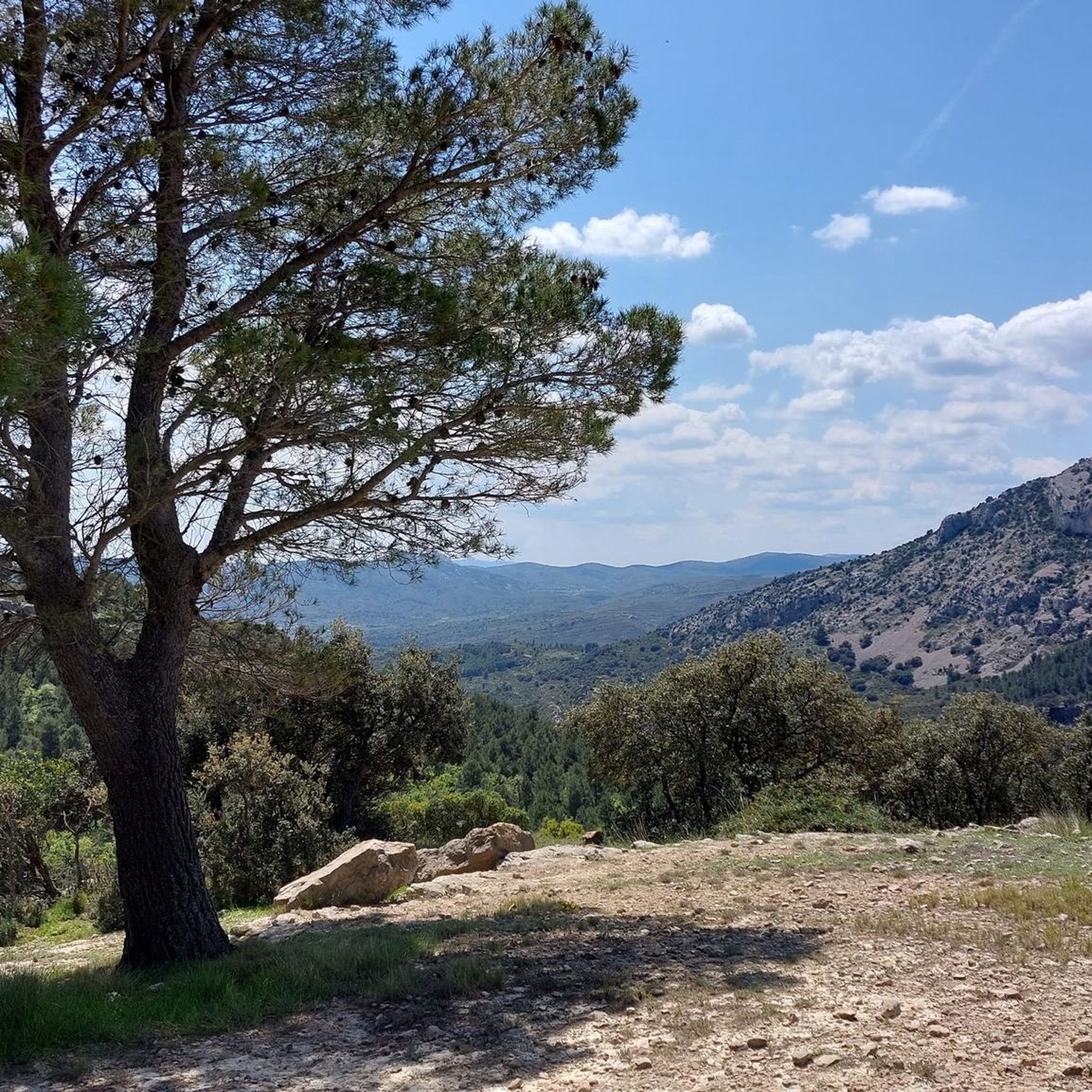
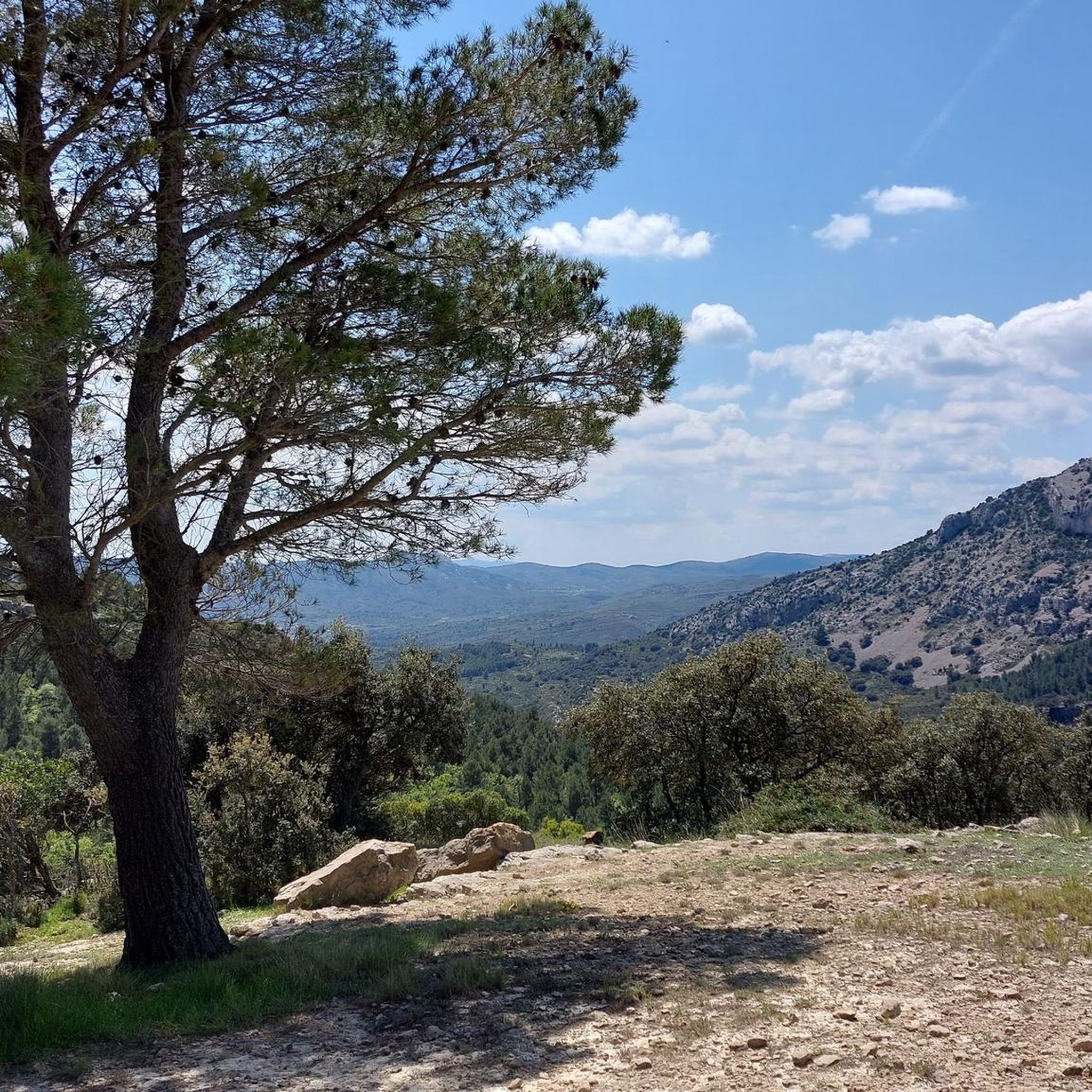
Yes, La Mola de Xert is a prominent natural monument known for its viewpoint. Its rocks rise abruptly, forming vertical walls, and reaching its summit offers expansive views of the surrounding landscape and the unique geological formations of the Moles de Xert.
What should I wear when visiting the natural monuments in Xert?
When visiting the natural monuments in Xert, especially if you plan to hike, it's advisable to wear comfortable clothing suitable for outdoor activities and sturdy footwear with good grip. The paths around formations like La Mola de Xert can have some technical difficulty, so a firm step is recommended. Layers are always a good idea, as weather conditions can change, particularly at higher elevations or during different seasons.
Can I find amenities like cafes or accommodation in Xert town?
While the natural monuments themselves are often in more remote settings, the town of Xert offers amenities for visitors. You can find cafes, pubs, and accommodation options in Xert, providing convenient places to relax and refuel after exploring the natural surroundings.
What makes the Moles de Xert particularly unique?
The Moles de Xert are unique due to their distinctive geomorphology. The range is characterized by original shapes and regular rocky outcrops that often resemble castles or fortifications. This striking appearance is a result of the varied erosion of hard materials like limestone and softer ones such as marl and clay, creating the characteristic 'muelas' (molars or grindstones) that define the landscape.
Is there a natural thermal spring or basin in the vicinity?
Yes, near Xerta (a town close to Xert), you can find Fontcalda, a natural thermal basin nestled within a picturesque gorge. Its waters maintain a pleasant temperature of 22 degrees Celsius, making it an inviting spot for relaxation and swimming throughout the year.
Most popular attractions around Xert

Get inspired with the komoot mobile app


Explore more
Extend your search for the best caves by checking out these guides of the top ones around Xert:
