Top 5 Mountain Passes around Liérganes
Best mountain passes around Liérganes offer access to a diverse natural landscape in Cantabria, characterized by its karstic geology and the Miera River valley. The town is notably framed by the Picos de Busampiro, also known as "Las Tetas de Liérganes," which stand at approximately 399 and 400 meters above sea level. These iconic limestone outcrops provide panoramic views of the Pasiegos valleys and the Bay of Santander. Exploring the elevated terrain around Liérganes complements the town's rich historical and…
Last updated: July 1, 2026
Alto del Caracol
Highlight • Mountain Pass
Translated by Google •
Tip by

Puerto de Alisas
Highlight • Mountain Pass
Translated by Google •
Tip by

Sign up now to discover places like this
Get recommendations on the best single tracks, peaks, & plenty of other exciting outdoor places.
Sign up for free
Climb to the Portillo de Lunada pass from San Roque de Riomiera
Highlight (Segment) • Mountain Pass
Spectacular scenery, little traffic, and a fairly easy gradient distribution.
Translated by Google •
Tip by

Alto de la Estranguada
Highlight • Mountain Pass
Translated by Google •
Tip by

Ascent to Collado de la Espina / Los Machucos from Bustablado
Highlight (Segment) • Mountain Pass
Translated by Google •
Tip by
Start today with a free account
Your next adventure awaits.
Login or Signup
Tips from the Community

Climb with spectacular views
0
0

This is one of the most beautiful climbs in the region. It's 17.5 kilometers long, accumulating almost a thousand meters of elevation gain at an average of 5.7%. Spectacular scenery, little traffic, and a fairly easy gradient distribution.
0
0
This climb is one of the most beautiful in the region. The surface is slightly uneven, the average gradient is 8.7%, and there are slopes exceeding 28%, so take it easy and enjoy the spectacular views the ascent affords.
0
0

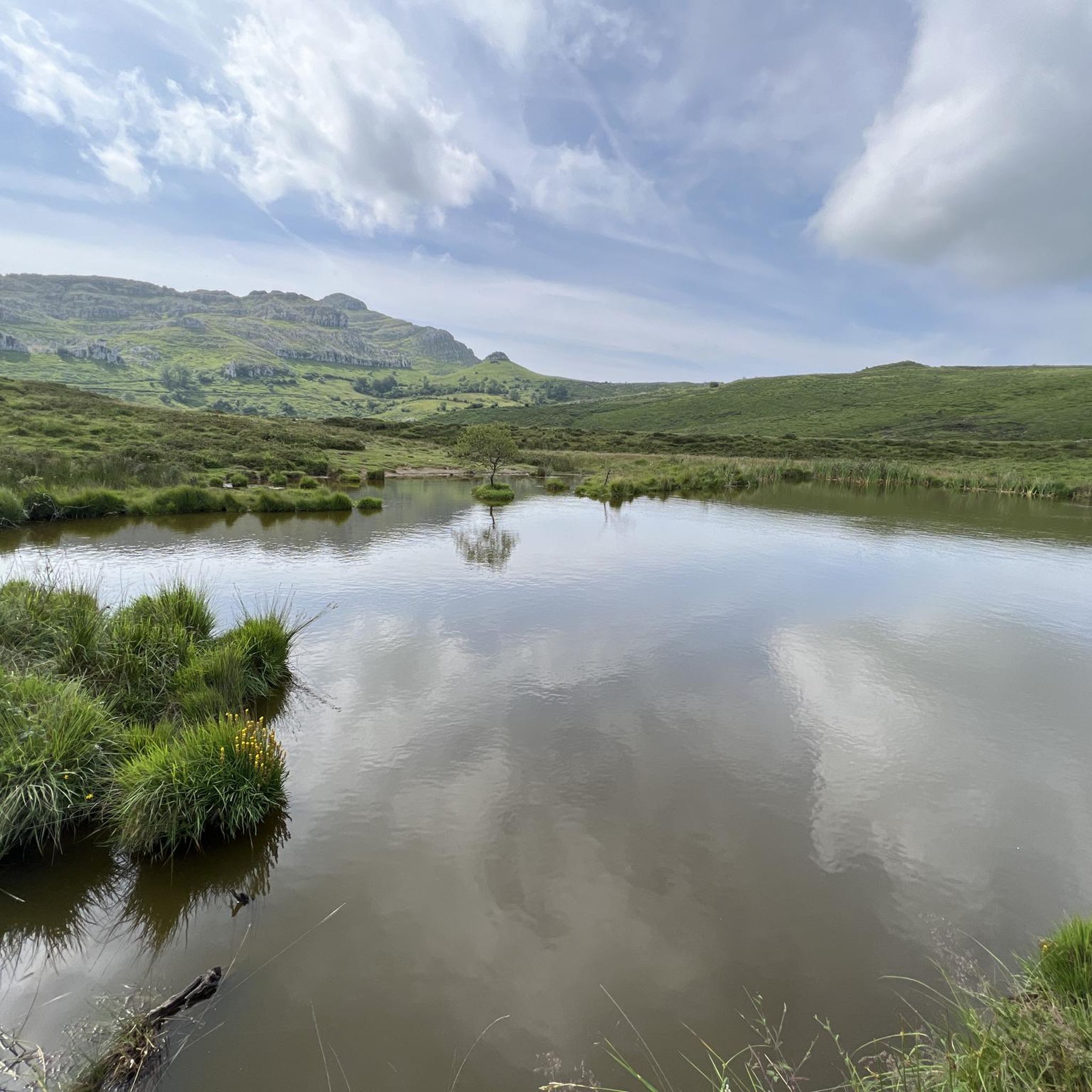
The height of La Estranguada is located at 687 m. above sea level and is located in a livestock area within the Pasiegos valleys. Quite a few cyclists usually climb it but it must be a high complex due to its important ramps and in our case an interesting starting point if we want to go to Los Pozos de Noja without walking many kilometers and withstanding a lot of unevenness, from here we head to Idillo and then to Los Pozos by a beautiful path or we can continue the track and shorten the path much more. What they do promise are some great views
1
0

Mythical port in Cantabria with views that will surprise you. It is very enjoyable by bike, the road is in good condition and everything is well signposted. You go through very pretty towns.
1
0

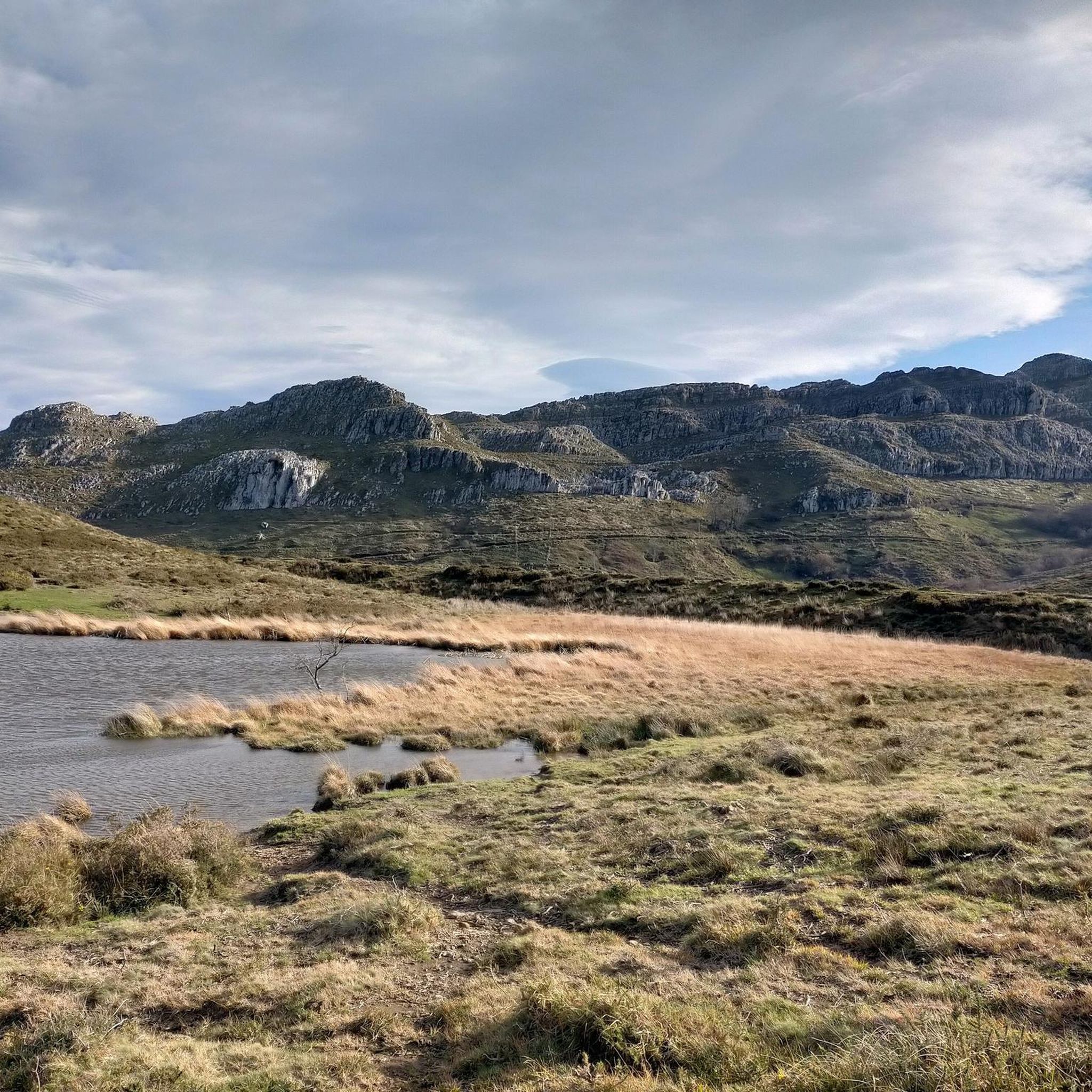
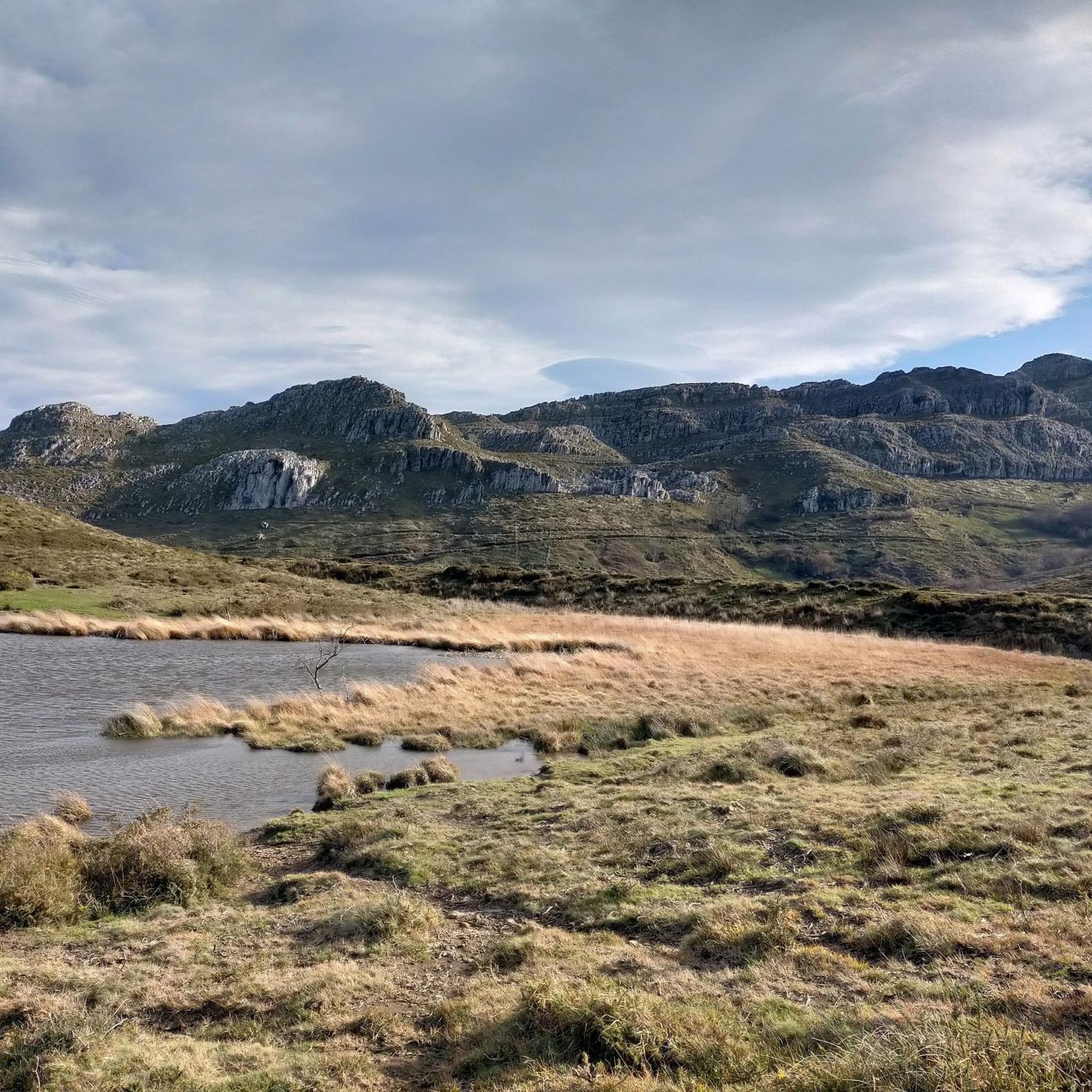
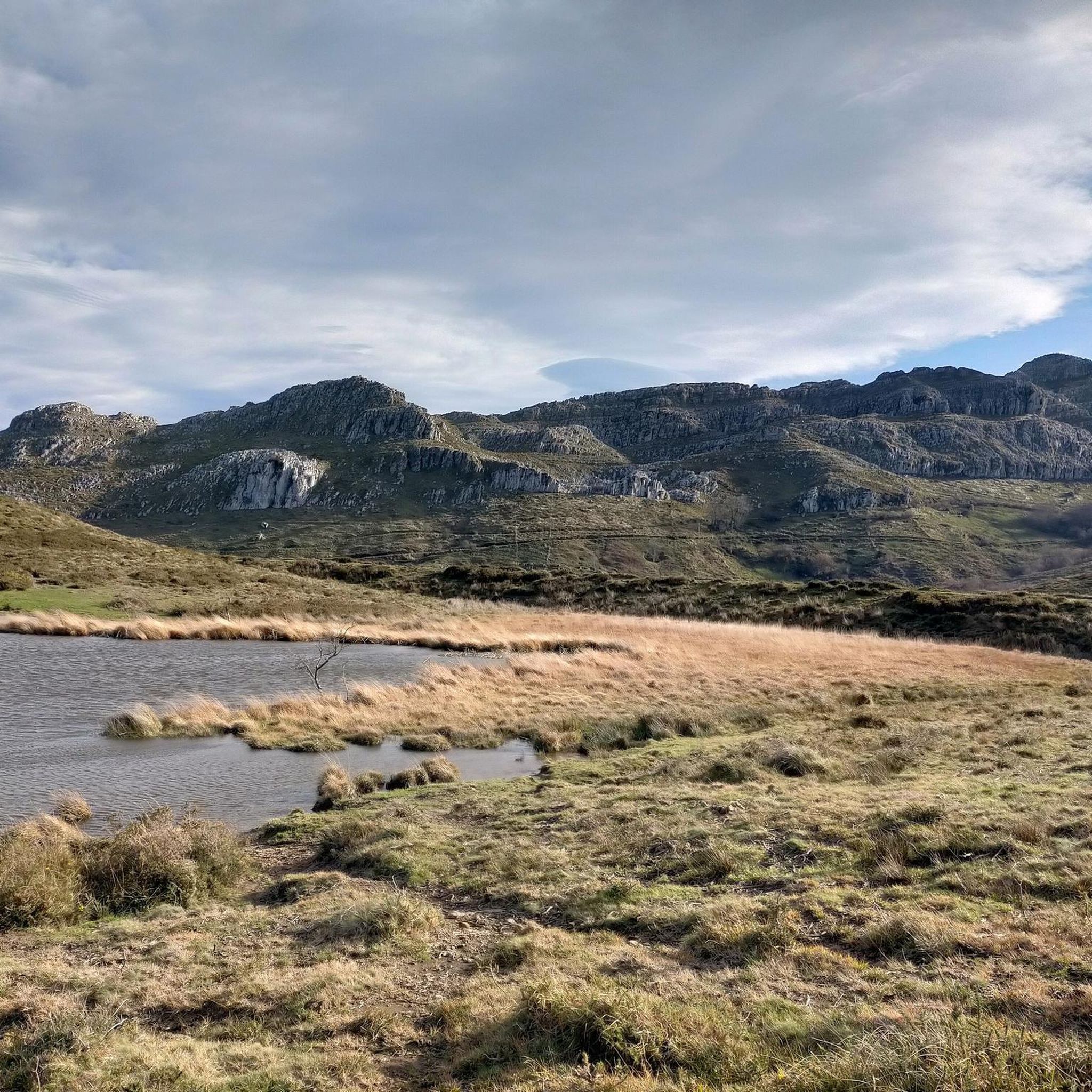
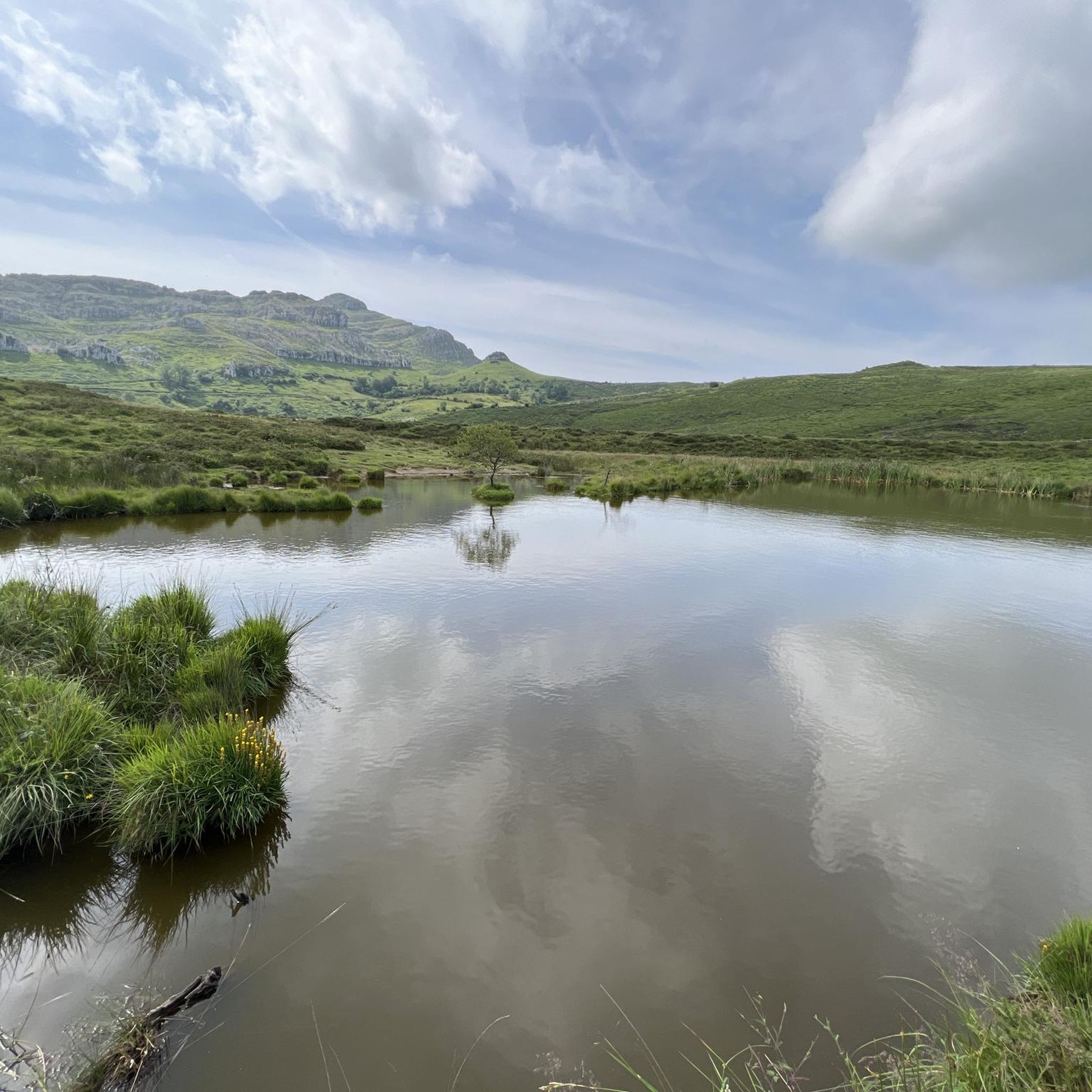
Mountain pass that connects the Miera and El Pisueña valleys, more specifically the towns of San Roque de Riomiera and Selaya. The two slopes of the port have spectacular views of the two valleys and their mountains, highlighting the Porracolina, the climb to Puerto de Lunada, the Picones de Sopeña and of course the great king of this entire area, the Castro Valnera.
1
0
Frequently Asked Questions
What are some notable mountain passes or elevated features near Liérganes?
While Liérganes is known for its picturesque setting, the most prominent elevated features are the Picos de Busampiro, popularly known as "Las Tetas de Liérganes." These distinctive peaks offer rewarding hikes and panoramic views. Other significant mountain passes in the wider area include Puerto de Alisas, Alto del Caracol, and the challenging Climb to the Portillo de Lunada pass from San Roque de Riomiera.
What kind of views can I expect from the mountain passes around Liérganes?
From elevated points like the Picos de Busampiro, you can enjoy panoramic vistas of the surrounding Pasiegos valleys, the charming town of Liérganes, and on clear days, even the Bay of Santander and Peña Cabarga. Passes such as Alto del Caracol offer spectacular views of the Miera and El Pisueña valleys, including peaks like Porracolina and Castro Valnera.
Are there hiking opportunities around the mountain passes near Liérganes?
Yes, the area offers numerous hiking opportunities. A well-known circular hiking route, typically around 8 kilometers, allows visitors to ascend "Las Tetas de Liérganes." For more extensive options, you can explore the hiking trails around Liérganes, which include routes like the Peña Cabarga Circular Trail and paths leading to Pozos de Noja.
What are the "Las Tetas de Liérganes" and how can I visit them?
"Las Tetas de Liérganes" is the popular nickname for the Picos de Busampiro (Marimón and Cotillamón), two symmetrical peaks that are an emblematic symbol of the area. They are striking limestone outcrops offering great views. You can visit them via a well-known circular hiking route, often starting from the train station car park in Liérganes. The trails pass through meadows and offer a rewarding experience for various fitness levels.
Are there any challenging climbs for experienced cyclists or hikers in the region?
Absolutely. For cyclists, the Climb to the Portillo de Lunada pass from San Roque de Riomiera is a challenging route, 17.5 kilometers long with nearly 1000 meters of elevation gain and spectacular scenery. Another demanding ascent is the Ascent to Collado de la Espina / Los Machucos from Bustablado, known for its steep ramps, some exceeding 28%.
Are there family-friendly routes or easy walks in the Liérganes mountain areas?
While some routes have steep sections, many trails around Liérganes, especially those leading to the Picos de Busampiro, can be adapted for varying fitness levels. The area's natural beauty and historical context make it enjoyable for families. For specific easy options, you can check the hiking guide for Liérganes, which lists routes like the 'Remains of the Mining Bridge – Pozo Menor de Valcaba loop' as easy.
What is the best time of year to visit the mountain passes around Liérganes?
The best time to visit is generally during spring, summer, and early autumn (April to October) when the weather is milder and trails are most accessible. Spring brings lush greenery and wildflowers, while autumn offers pleasant temperatures and beautiful foliage. Winter can be cold, and some higher routes might be affected by snow or ice, making them more challenging.
Can I find parking near the trailheads for these mountain routes?
Yes, for popular routes like the one to "Las Tetas de Liérganes," parking is often available, for example, near the train station car park in Liérganes. For other routes, parking availability can vary, but many trailheads in the region are accessible by car. It's always advisable to check specific route details for parking information.
What other outdoor activities can I do near the mountain passes in Liérganes?
Beyond hiking, the region around Liérganes offers a variety of outdoor activities. You can explore MTB trails, with options ranging from easy to difficult, such as the 'Pas Greenway' loop or challenging routes around Puerto de Alisas. There are also numerous running trails, including scenic loops around Pico Llen and Macizo de Peña Cabarga.
What natural features are characteristic of the mountain areas around Liérganes?
The mountain areas around Liérganes are characterized by a captivating natural landscape, particularly its karstic geology. The Picos de Busampiro, for instance, are striking limestone outcrops. The region is also bordered by the Miera River and features small forests of oak, chestnut, and ash trees, contributing to its rich biodiversity and scenic beauty.
Are there any mountain passes suitable for cycling near Liérganes?
Yes, several mountain passes are popular with cyclists. Puerto de Alisas is a mythical pass in Cantabria, highly enjoyable by bike with a good road and clear signage. The Alto del Caracol also offers a great cycling experience connecting the Miera and El Pisueña valleys.
What historical context can I find when exploring the mountain areas of Liérganes?
The town of Liérganes itself, situated at the foot of these elevations, has a rich history, with its old town declared a historic-artistic site featuring classicist architecture from the 17th and 18th centuries. Hiking to the nearby peaks offers a natural complement to exploring this cultural heritage. The broader Pasiegos Valleys region, to which Liérganes belongs, is known for its traditional 'pasiego' way of life, historically connected by various mountain passes used for transhumance.
Most popular attractions around Liérganes

Get inspired with the komoot mobile app


Explore more
See even more epic mountain passes by checking out these guides around Liérganes:
