Top 14 Natural Monuments around Salinas De Oro
Natural monuments around Salinas De Oro are characterized by unique saline geology and diverse landscapes in Navarra, Spain. The region features a blend of natural beauty and historical significance, primarily shaped by its salt-rich environment. Visitors can explore geological formations, traditional practices, and varied terrain. The area offers opportunities to experience sub-Mediterranean flora and expansive views.
Best natural monuments around Salinas De Oro
- The most popular natural monuments is Artazul Waterfall, a waterfall that cascades over rocks. This 40-meter waterfall is a notable natural spectacle, offering a serene experience for nature enthusiasts.
- Another must-see spot is Source of the Ubagua River, a river site indicating its origin. Visitors can find a signposted location within the Ubagua River Canyon.
- Visitors also love Saleras de Arteta, a historical site linked to natural salt springs. These salt pans have been exploited for a long time, with origins from springs in contact with underground salt deposits.
- Salinas De Oro is known for its unique saline waterfalls, traditional saltworks, and diverse mountain landscapes. The region offers a variety of natural monuments to see and explore, from geological marvels to historical sites.
- The natural monuments around Salinas De Oro are appreciated by the komoot community, with more than 10 upvotes and over 10 photos shared.
Last updated: October 17, 2026
Artazul Waterfall
Highlight • Waterfall
Path to the cascade can be flooded. If you want to go higher from the cascade, the terrain may be muddy and slippery!
Tip by

Saleras de Arteta
Highlight • Structure
Translated by Google •
Tip by

Sign up now to discover places like this
Get recommendations on the best single tracks, peaks, & plenty of other exciting outdoor places.
Source of the Ubagua River
Highlight • River
Translated by Google •
Tip by
Section with views of the Andía mountain range
Highlight (Segment) • Viewpoint
Translated by Google •
Tip by

Ubagua Canyon
Highlight (Segment) • Canyon
Translated by Google •
Tip by
Sign up for free to discover even more natural monuments around Salinas De Oro.
Already have an account?
Start today with a free account
Your next adventure awaits.

Tips from the Community

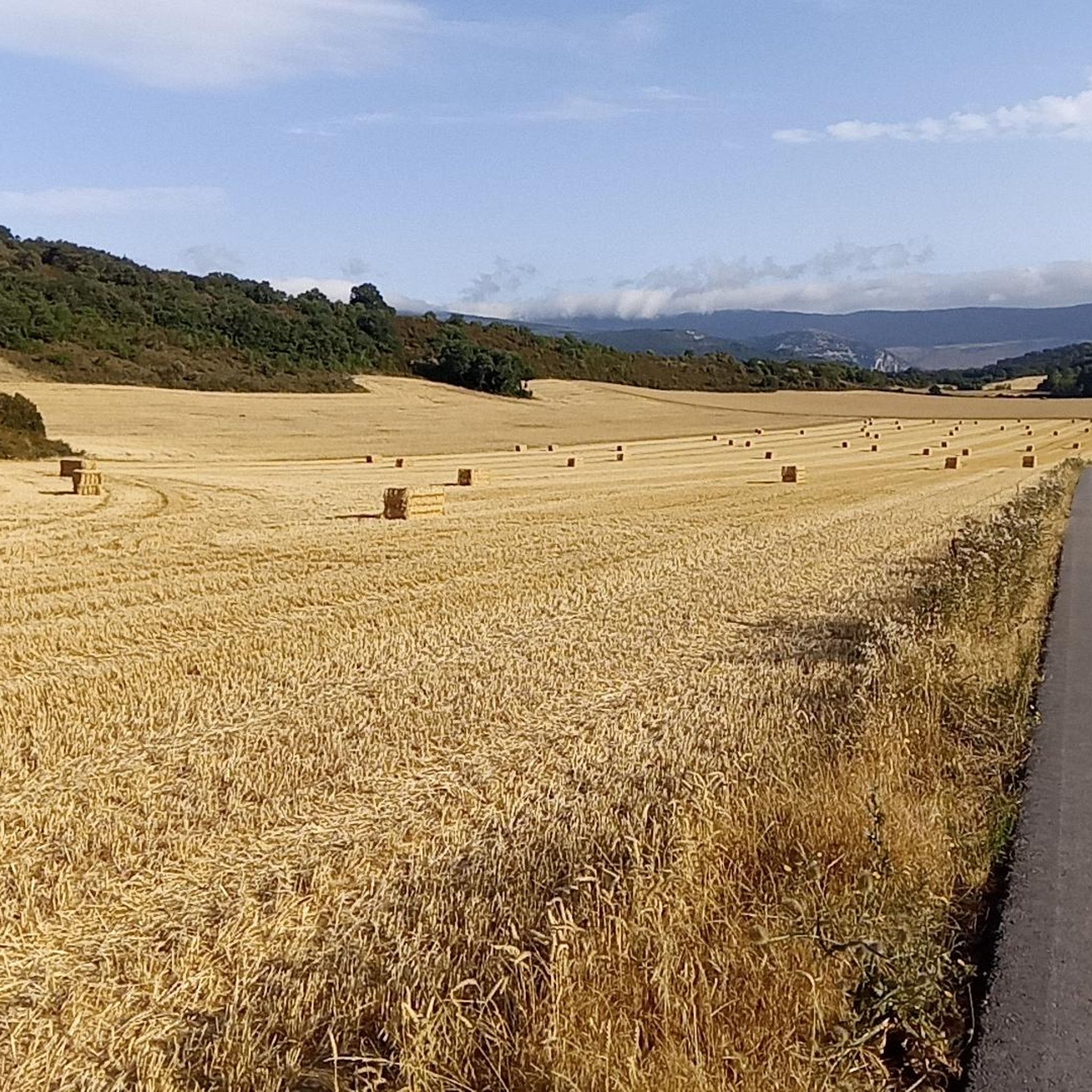
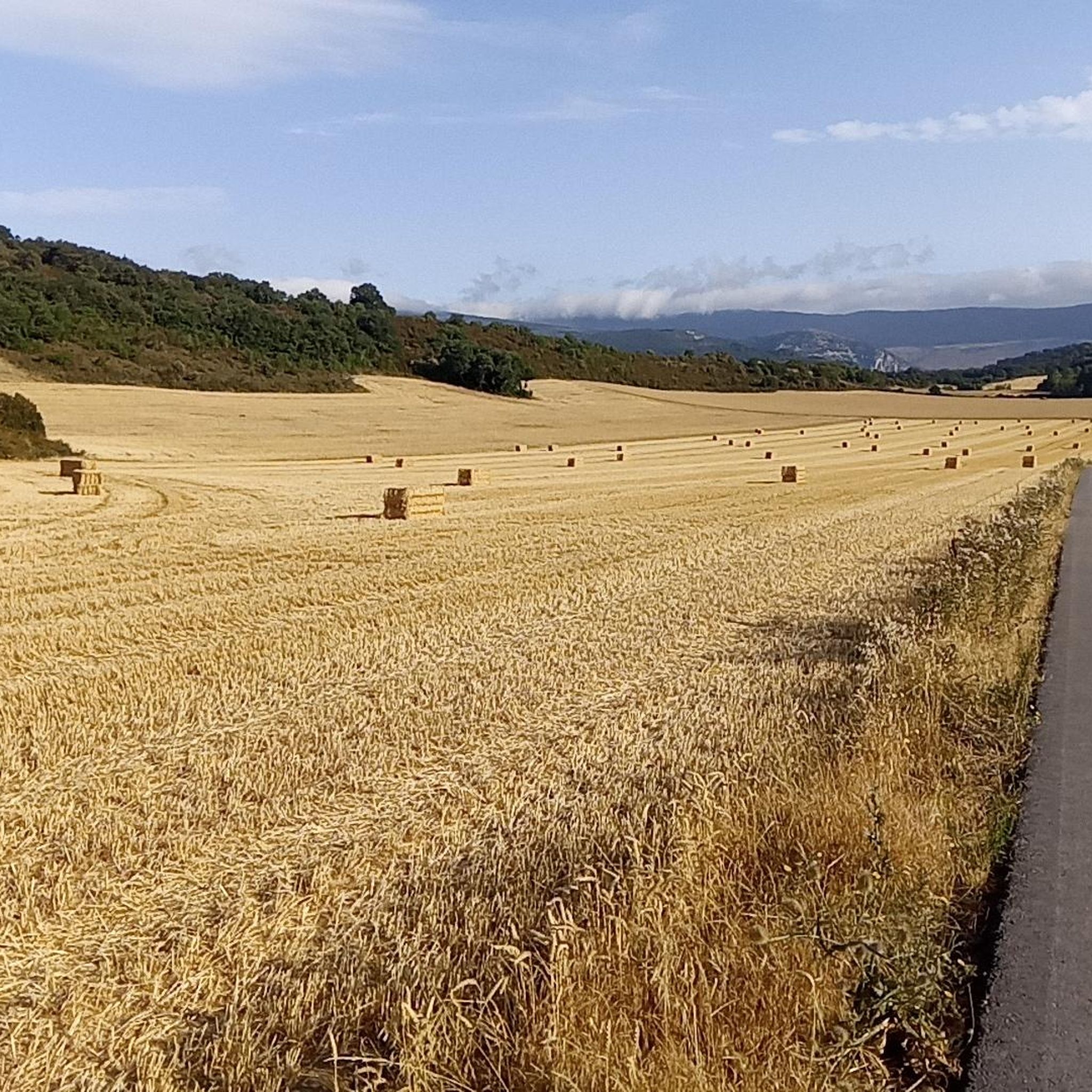
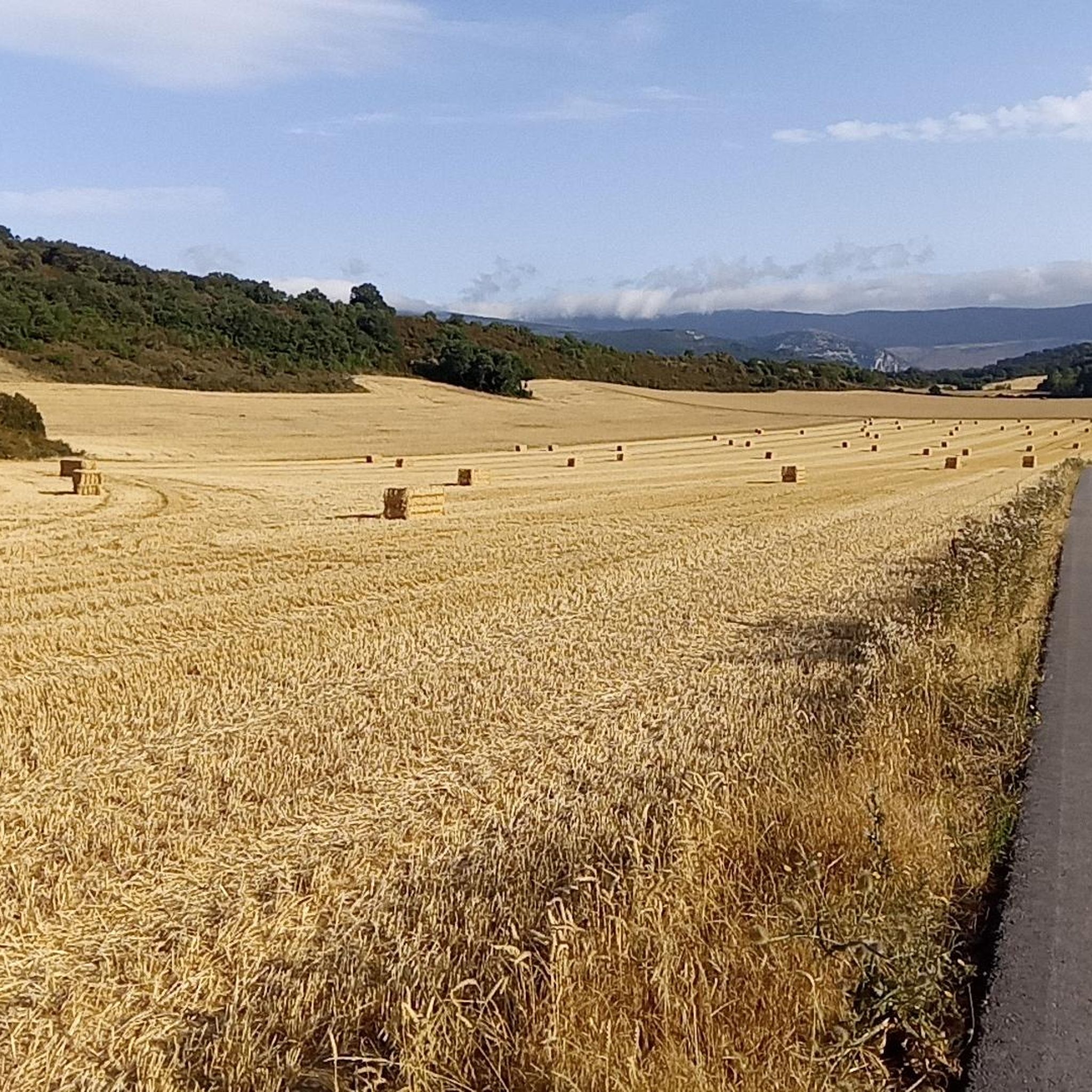
The climb from Arbizu shows different perspectives of the sierra, climbing the hard ascent by bike is worth stopping from time to time to enjoy it.
0
0

Small in size, but of great beauty.
4
0
A paradisiacal place and a stone's throw from the parking lot. Of course, when the ground is wet, access will be very difficult.
5
1

A waterfall of about 40m, an unmissable place for any nature lover. You will also enjoy a beautiful and picturesque path to get here, the environment is simply wonderful.
4
0
Signposted site on the itinerary of the Ubagua River Canyon indicating its source.
2
0
The salt pans have been exploited for a long time, and have even given their names to several of the surrounding towns. Its origins come from springs in contact with underground salt deposits.
4
0
A conditioned path runs through the entire canyon, it is worth seeing, although it would be more beautiful if the entire course carried water.
2
0
Above the spring, the canyon no longer carried water today.
2
1
Frequently Asked Questions
What unique natural features can I explore in Salinas de Oro?
Salinas de Oro is renowned for its distinctive saline geology. You can discover the rare Saltwater Waterfalls, where the Río Salado cascades with exceptionally high salinity, creating a unique natural spectacle. Additionally, explore the diverse landscapes of Monte Esparaz and the Sarbil Mountain Range, offering panoramic views of the Guesálaz Valley and the Alloz Reservoir.
Are there any historical natural monuments in Salinas de Oro?
Yes, the Traditional Saltworks (Salineras) are a significant historical and natural monument. These salt pans, such as Saleras de Arteta, have been used to extract salt from natural springs since at least 1492, possibly even Roman times. They showcase an ancient, eco-friendly salt production process that was once vital to the region.
What do visitors enjoy most about the natural monuments in Salinas de Oro?
Visitors particularly appreciate the serene beauty of places like Artazul Waterfall, described as a 'paradisiacal place' and an 'unmissable spot for any nature lover.' The picturesque paths leading to these sites and the wonderful natural environment are frequently highlighted. The historical significance of the salt pans also captivates many.
Are there family-friendly natural monuments or activities in the area?
The route to the Saltwater Waterfalls is an easy 2.5-kilometer hike with minimal elevation gain, making it suitable for most visitors, including families. The Traditional Saltworks also offer an educational experience for all ages, allowing families to learn about ancient salt production methods. Saleras de Arteta is specifically categorized as family-friendly.
What kind of hiking trails can I find near Salinas de Oro's natural monuments?
You'll find a variety of trails. The path to the Saltwater Waterfalls is an easy hike. For more moderate difficulty, consider hiking to Monte Esparaz, which traverses singular oak and gall oak forests and offers expansive views. The Ubagua Canyon also features a conditioned path for exploration. For more detailed hiking options, you can explore the Natural Monuments around Salinas De Oro guide.
What outdoor activities are available near these natural monuments?
Beyond exploring the natural monuments themselves, the region offers excellent opportunities for cycling and gravel biking. You can find numerous routes for gravel biking, general cycling, and road cycling around Salinas de Oro, ranging from moderate to difficult, allowing you to experience the diverse landscapes.
Is there a natural monument that offers panoramic views?
Yes, Monte Esparaz, standing at 1,019 meters, provides expansive panoramic views of the Guesálaz Valley, the Alloz Reservoir, Valdizarbe, and Tierra Estella. Another excellent viewpoint is View from Alto del Perdón, which offers exceptional vistas towards Pamplona and the Pyrenees to the north, and the Valdizarbe Valley to the south.
What is the best time to visit Salinas de Oro for natural monuments?
The region experiences a sub-Mediterranean climate. Spring and autumn generally offer pleasant temperatures for hiking and exploring. During these seasons, the vegetation is vibrant, and the weather is typically mild, making it ideal for outdoor activities and enjoying the natural beauty of the waterfalls and mountain ranges.
Are there any natural monuments related to rivers or water sources?
Absolutely. Besides the unique Saltwater Waterfalls, you can visit the Source of the Ubagua River, a signposted location within the Ubagua River Canyon indicating its origin. The Ubagua Canyon itself is a significant natural monument with a conditioned path running through it.
What should I know about the Artazul Waterfall?
The Artazul Waterfall is a beautiful 40-meter cascade and a popular natural spectacle. While the path to it is generally picturesque, be aware that it can be muddy and slippery, especially after rain. If you plan to go higher from the cascade, the terrain may also be challenging when wet.
Are there any hidden gems among the natural monuments in Salinas de Oro?
While not entirely 'hidden,' the Saltwater Waterfalls are a rare and captivating natural spectacle that offers a serene experience, often uncrowded. The traditional saltworks also provide a glimpse into a unique historical practice that many visitors find fascinating and less commonly known than other natural attractions.
What kind of wildlife can I expect to see around the natural monuments?
The diverse sub-Mediterranean climate and flora, including oak and gall oak forests, support various local wildlife. While specific sightings are not guaranteed, you might encounter birds, small mammals, and insects typical of the Navarran countryside, especially in the more secluded areas like Monte Esparaz and the Ubagua Canyon.
Most popular routes around Salinas De Oro
Most popular attractions around Salinas De Oro

Get inspired with the komoot mobile app


Explore more
Extend your search for the best caves by checking out these guides of the top ones around Salinas De Oro:
