Top 5 Mountain Passes around Roncal/Erronkari
Best mountain passes around Roncal/Erronkari are located in the Pyrenees of Navarre, Spain. This region is characterized by its mountainous terrain, offering diverse landscapes from forests to high-altitude peaks. The area provides opportunities for exploring natural features and experiencing challenging routes. It serves as a border region with France, contributing to its unique geography.
Best mountain passes around Roncal/Erronkari
- The most popular mountain passes is Collado de Argibiela, a mountain pass that connects the Zuriza valley with the Roncal…
Last updated: July 1, 2026
Laza Pass (1,129 m)
Highlight • Mountain Pass
Translated by Google •
Tip by

Collado de Argibiela
Highlight • Mountain Pass
Translated by Google •
Tip by

Sign up now to discover places like this
Get recommendations on the best single tracks, peaks, & plenty of other exciting outdoor places.
Sign up for free
Puerto de Matamachos
Highlight • Mountain Pass
Translated by Google •
Tip by

Ascent to Col de la Pierre Saint-Martin from Isaba
Highlight (Segment) • Mountain Pass
Translated by Google •
Tip by

Start today with a free account
Your next adventure awaits.
Login or Signup
Tips from the Community

Up to kilometer 12, the climb is gentle. From there, it becomes more difficult, and you'll face some slopes with a 10% gradient. The total climb is 26 kilometers, and the total ascent is 1,048 meters. During the climb, you'll find good road surfaces and beautiful scenery.
0
0

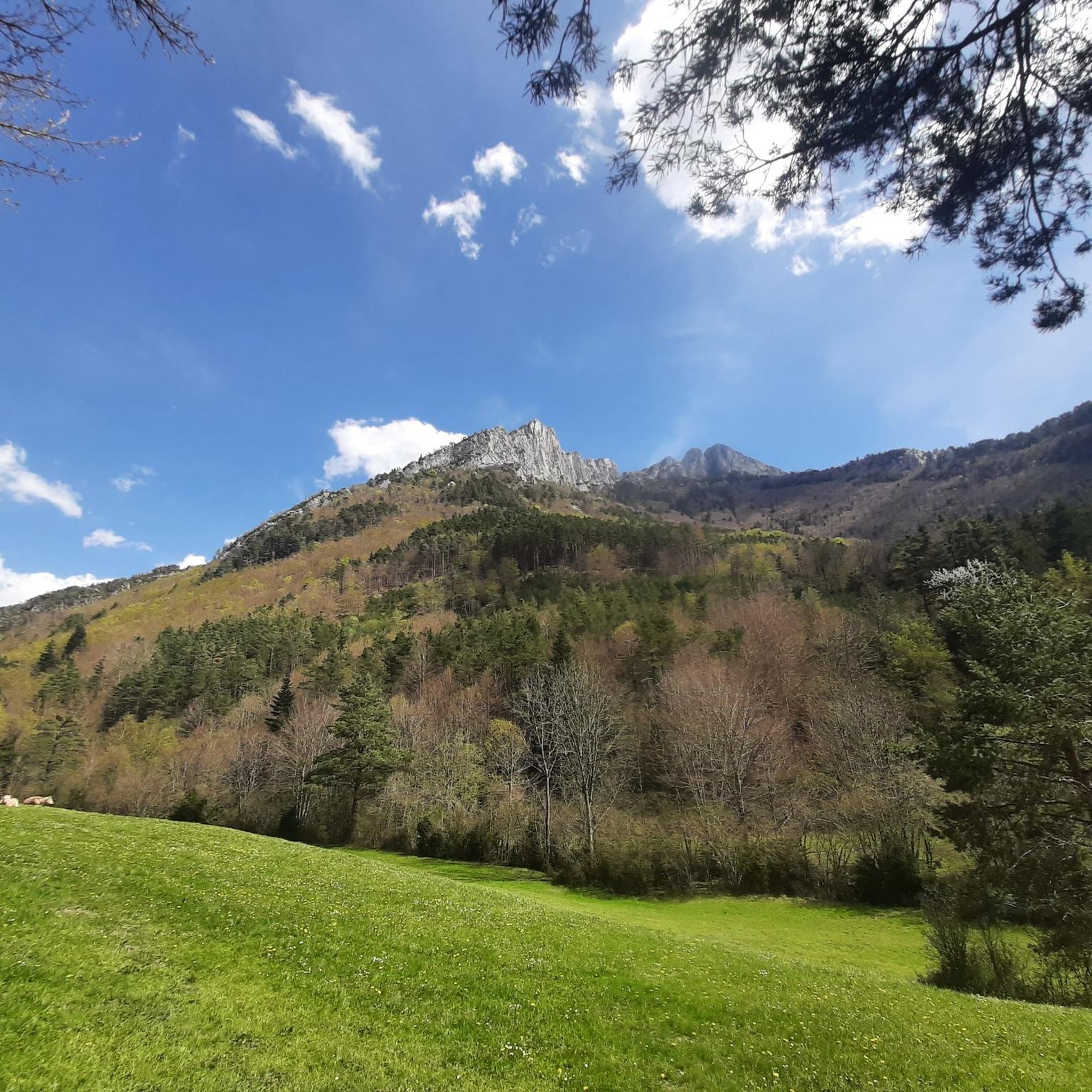
It is a beautiful mountain pass that links the Roncal Valley (Navarra) with the Ansó Valley (Aragon). It is a mountain pass that I am very fond of for several reasons: (i) the road is very winding, with many curves and hairpin bends, especially on the Navarre side (ii) it is a mountain pass with no steep slopes on either side (iii) there is hardly any car or motorcycle traffic. It is very peaceful and you can fully concentrate on the climb, on your pace, on your sensations. The asphalt on the Aragonese side is in very poor condition, although that also makes it attractive because you can imagine what the roads were like that professionals used in the 90s and before. It can be linked to other ports and is a beautiful gateway to the Pyrenees.
0
0
The Puerto de Laza is a small and beautiful hill that joins the valleys of Roncal (starting from Isaba) and Salazar (starting from Ochagavía) in the Navarrese Pyrenees. Both sides are very similar: a very easy start on a winding road, in perfect condition but without a hard shoulder, passing through small towns and going up the course of the respective rivers Anduña (Salazar valley) and Urbi (Roncal valley); a final stretch of 2 - 3 kms that is harder without being too much so, although there are some slopes above 10%. The Salazar valley side becomes harder when leaving behind the detour to the Larrau port. From here to the port there are 3 km with an average gradient of 7%. On the other hand, the Roncal valley side becomes harder when overcoming a bridge over the river that has been with us since we left Isaba behind. From here it is barely 2 km with an average gradient of 7%. From a landscape perspective, it is a port that I love because you can enjoy the exuberance of the vegetation of the Pyrenees, crossing narrow valleys and only with panoramic views when you reach the top, where there is a viewing point that is worth looking out at. A port that I always recommend for enjoying cycle tourism. I leave you the profile of both sides produced by the website www.cyclingcols.com --> http://www.cyclingcols.com/col/Laza
0
1
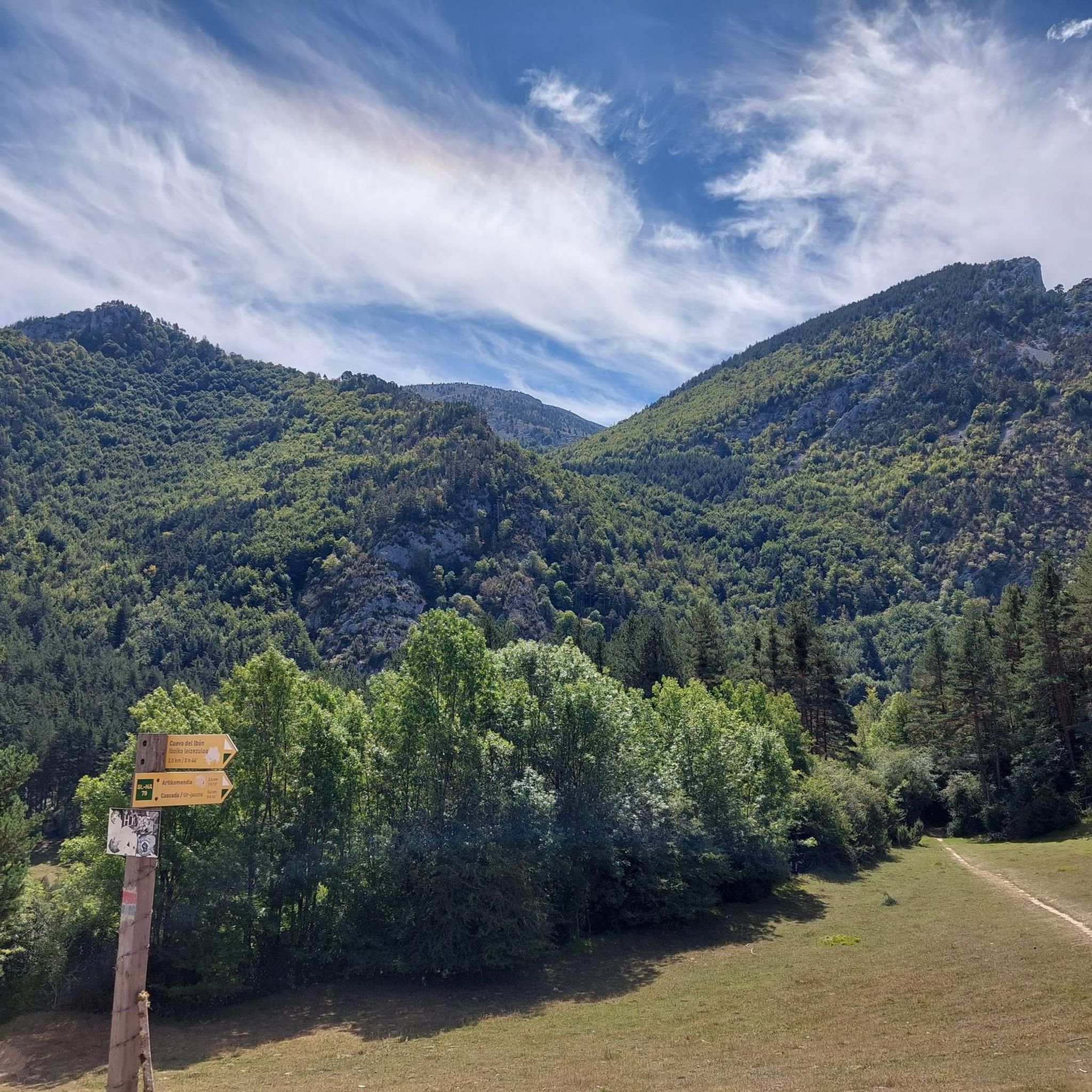
A beautiful port that unites the communities of Navarra and Aragón, specifically the towns of Ansó and Isaba. Specifically, it connects the Zuriza valley with the Roncal valley. It is a very affordable port and highly recommended because it allows you to travel through spectacular landscapes, on both sides. The Navarrese slope is shorter but more difficult than the Aragonese slope, which is very steep, except for the final kilometer which is 7 - 8%. What has been said, I reaffirm that it is a beautiful port that must be enjoyed.
0
0

This pass, both from the Ansó slope and the Isaba slope, presents the cyclist with a long climb (13 and 12 kilometres, respectively). On both slopes, the hardest part is at the end, highlighting the final kilometer of the ascent from Ansó, with an 8% unevenness. It is a quiet road with magnificent views of both the valleys and the nearby peaks.
1
0

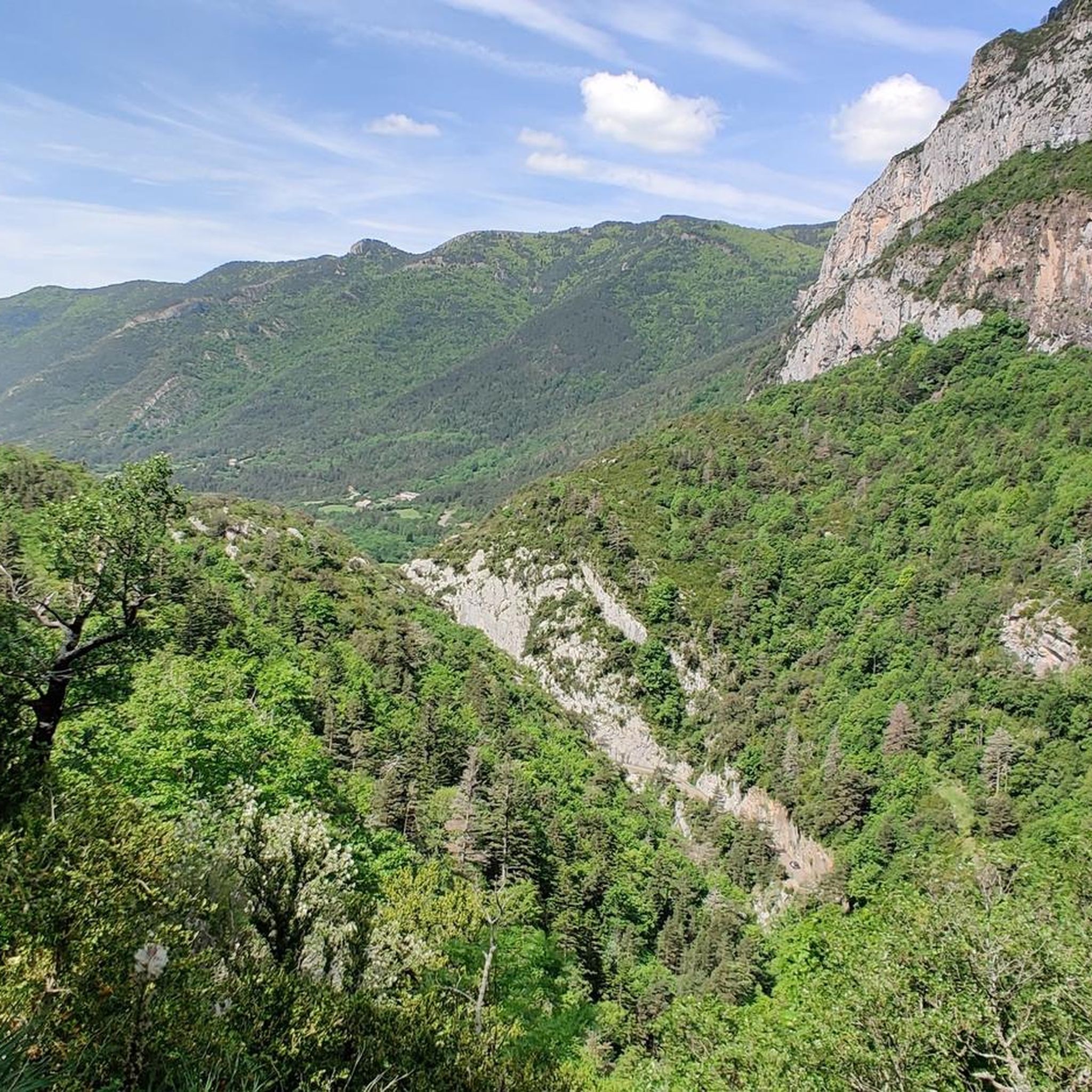
The Col de Laza is located in Spain not far from the French border and the port of Larrau. Shorter than its neighbour, its ascent takes place in the middle of a beautiful forest which opens onto lovely views of the surrounding mountains.
1
0

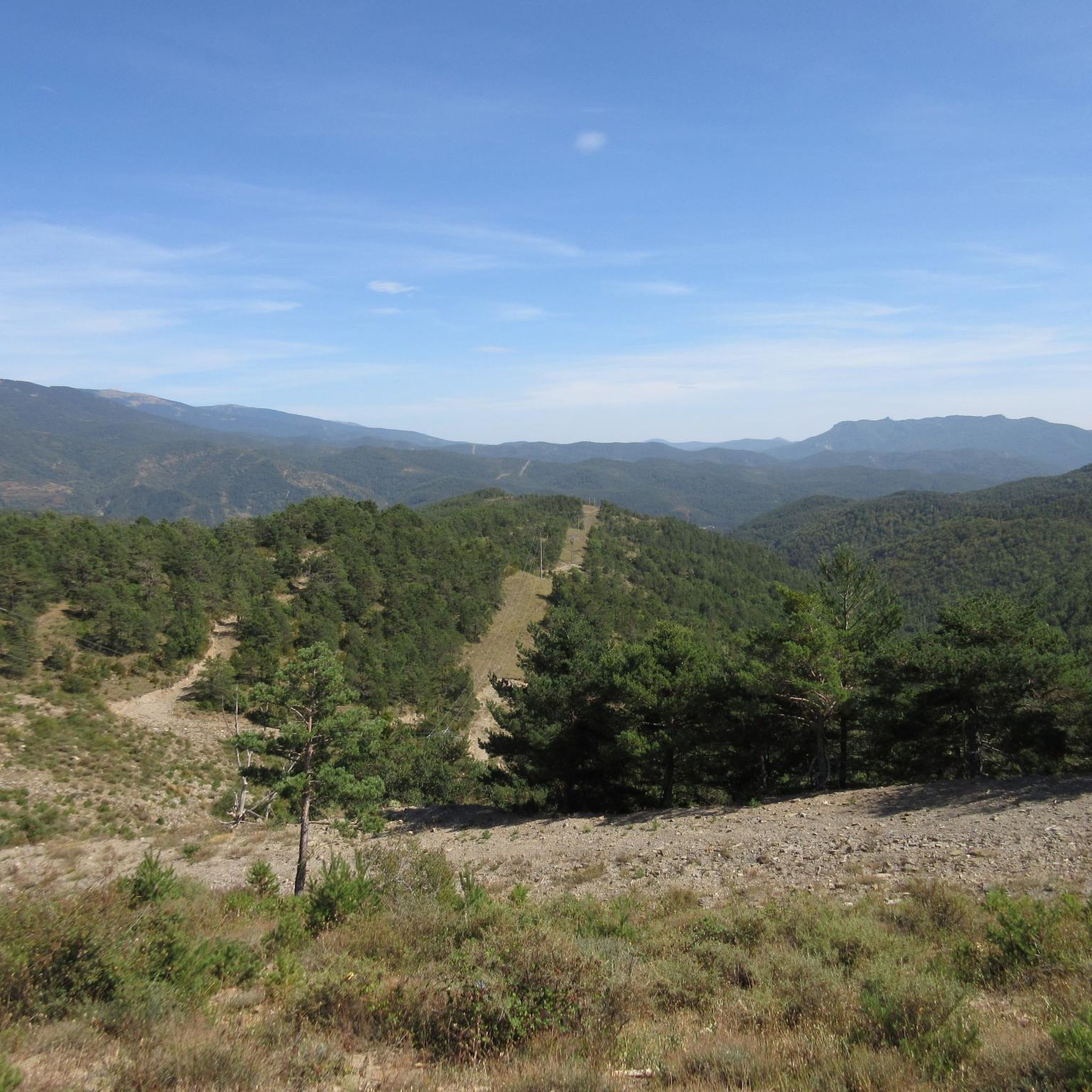
From here there are several routes along forest tracks with beautiful forests and good views of the Pyrenees. Especially pretty in the fall!
1
0

Small port compared to its neighboring brothers. But it can do a lot of harm when you go for the Larra-Larrau bicycle tour
1
0
Frequently Asked Questions
Which mountain passes are most popular in Roncal/Erronkari?
Among the most appreciated mountain passes in the Roncal/Erronkari region are Collado de Argibiela, known for its long climbs and magnificent views, and Laza Pass (1,129 m), which offers beautiful forest ascents and views of the surrounding mountains. Visitors also enjoy Puerto de Matamachos for its peaceful, winding roads and minimal traffic.
What kind of natural landscapes can I expect to see around these mountain passes?
The mountain passes in Roncal/Erronkari offer diverse and breathtaking natural landscapes. You'll encounter dense pine and beech forests, especially around Puerto de Belagua and Laza Pass, which are particularly stunning in autumn. Higher up, passes like Puerto de Larrau and Puerto de la Piedra de San Martín provide impressive views above the tree-line, revealing the rugged beauty of the Pyrenees and significant karstic formations.
Are there good cycling routes over these mountain passes?
Yes, the Roncal/Erronkari region is excellent for cycling, with many passes known for their challenging climbs and scenic routes. Puerto de Larrau is famous among cyclists for its demanding gradients, while Puerto de la Piedra de San Martín offers an aesthetically pleasing and varied ascent, including a unique 'curva helicoidal'. You can find numerous road cycling routes, including loops over passes like Larrau and Piedra San Martín, in the Road Cycling Routes around Roncal/Erronkari guide.
Can I find hiking trails around the Roncal/Erronkari mountain passes?
Absolutely. The areas around the mountain passes are rich with hiking opportunities. For instance, the Rincón de Belagua area near Puerto de Belagua is ideal for nature enthusiasts and birdwatching, providing access to the Larra massif. You can explore various trails, including moderate options like the Belabartsaitsa Trail, by checking the Hiking around Roncal/Erronkari guide.
What makes Puerto de Larrau a notable mountain pass?
Puerto de Larrau is a significant international high mountain pass on the France-Spain border, known for being one of the toughest climbs in the Pyrenees with gradients exceeding 10%. It has been featured in the Tour de France and offers impressive views above the tree-line. The area is celebrated for its isolation, tranquility, and peacefulness, providing a challenging and rewarding experience for cyclists and scenic drivers.
What is special about Puerto de la Piedra de San Martín?
Puerto de la Piedra de San Martín, also known as Collado de Ernaz, is notable for its altitude (1,765 meters), panoramic views, and a unique 'curva helicoidal' (helical curve) in the road. Beyond its natural beauty and challenging climbs, it holds historical significance as the site of the annual 'Tributo de las Tres Vacas' ceremony, a tradition since 1375. The pass is also part of the Larra massif, known for its karstic formations.
When is the best time of year to visit the mountain passes in Roncal/Erronkari?
The best time to visit depends on your activity. Many passes, like Puerto de Larrau, are generally open from May to November. For nature enthusiasts, the autumn months are particularly appealing, especially around Puerto de Belagua, when the forests display stunning golden tones. For challenging cycling, the warmer months from late spring to early autumn are ideal.
How challenging are the mountain passes in Roncal/Erronkari for cyclists?
The passes offer a range of challenges. Puerto de Larrau is considered one of the toughest, with sections exceeding 10% gradient. Ascent to Col de la Pierre Saint-Martin from Isaba also features sustained gradients of 8-9% and some 10% sections. However, passes like Puerto de Matamachos are described as having no steep slopes, making them more peaceful for a focused climb. Collado de Argibiela has long climbs with the hardest parts at the end, reaching 8%.
Are there any historical or cultural aspects to the mountain passes in this region?
Yes, Puerto de la Piedra de San Martín is particularly rich in cultural heritage. Near its summit, the ancient 'Tributo de las Tres Vacas' (Tribute of the Three Cows) ceremony has been held annually on July 13th since 1375, marking a unique historical tradition between local communities. This pass offers a blend of natural wonder, sporting challenge, and cultural significance.
What should I know about road conditions on these passes?
Generally, you'll find good road surfaces on many ascents, such as the Ascent to Col de la Pierre Saint-Martin from Isaba. However, some passes, like the Aragonese side of Puerto de Matamachos, are noted for having asphalt in poor condition, which some cyclists find adds to its unique character, reminiscent of older professional routes.
What kind of views can I expect from the mountain passes?
The mountain passes in Roncal/Erronkari offer spectacular panoramic views. From Collado de Argibiela, you can enjoy magnificent vistas of both valleys and nearby peaks. Puerto de Larrau provides impressive views above the tree-line, while Puerto de la Piedra de San Martín offers significant panoramic views over the valley, especially from viewpoints after crossing the Belagua river. Collado de Estriviellas also promises spectacular views from its summit.
Are there opportunities for birdwatching near the mountain passes?
Yes, the region offers excellent opportunities for birdwatching, particularly in the Rincón de Belagua area, just before the steep ascent to Puerto de Belagua. This area is known for its forests and diverse birdlife, making it a great spot for nature enthusiasts.
Most popular routes around Roncal/Erronkari
Most popular attractions around Roncal/Erronkari

Get inspired with the komoot mobile app


Explore more
See even more epic mountain passes by checking out these guides around Roncal/Erronkari:
