Top 20 Natural Monuments around Añana
Best natural monuments around Añana showcase a landscape where natural processes intertwine with cultural history. This region in the Basque Country features unique geological formations and ancient human ingenuity. The Salt Valley of Salinas de Añana is a prominent example, known for its millennia-old salt production. Other significant natural areas, such as Valderejo Natural Park, contribute to the diverse natural beauty of the Añana region.
Best natural monuments around Añana
- The most popular natural monuments is Salinas de Añana,…
Last updated: July 1, 2026
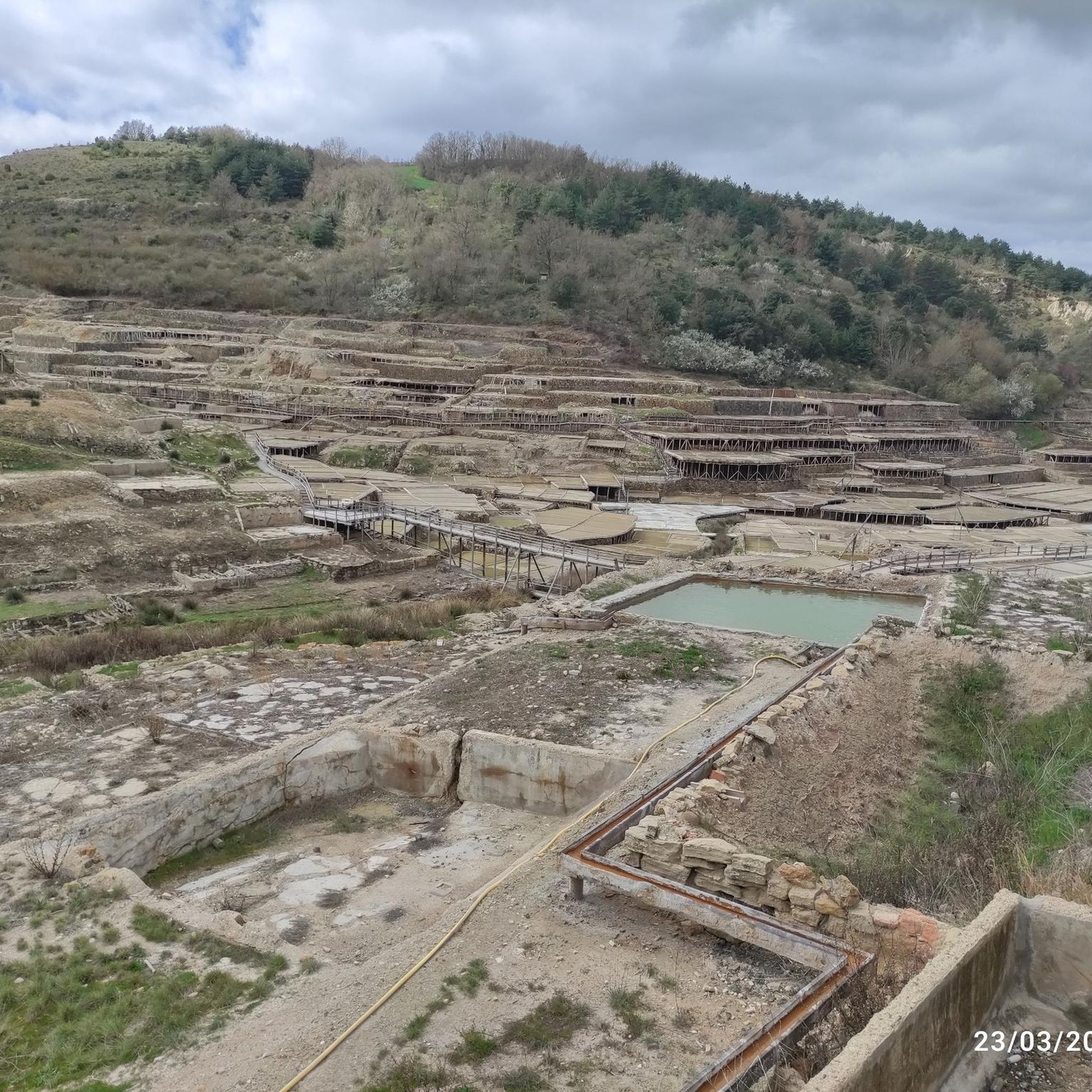
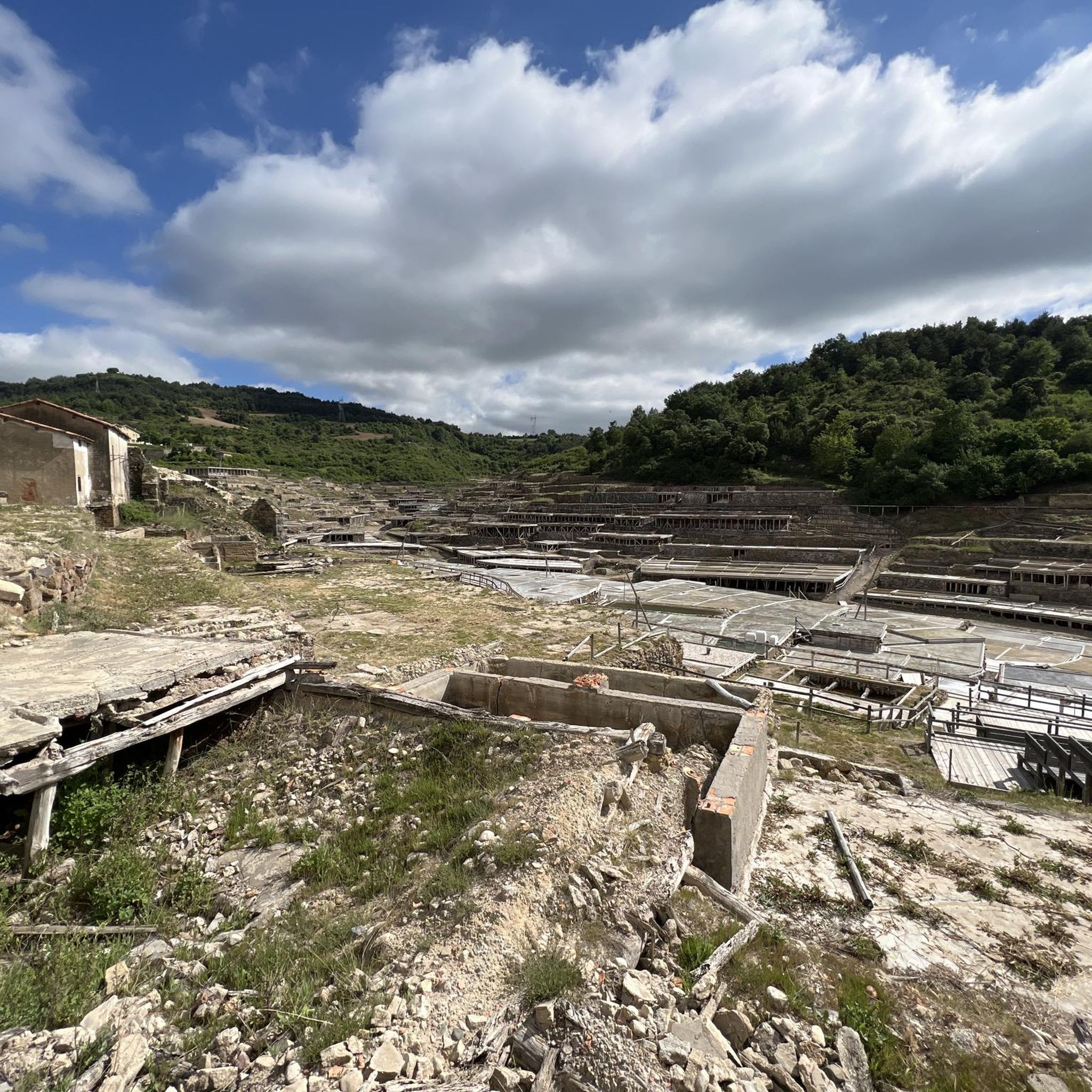
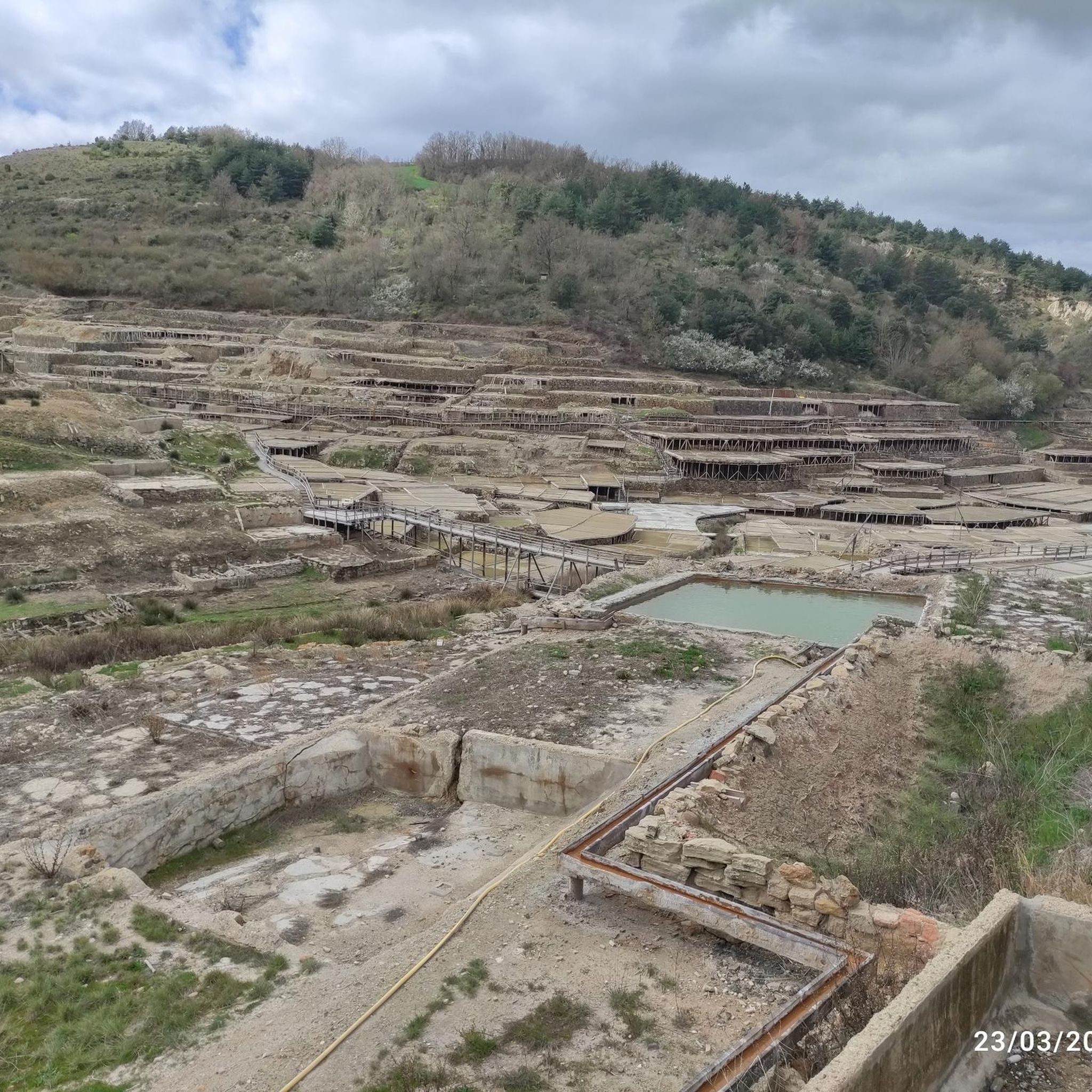
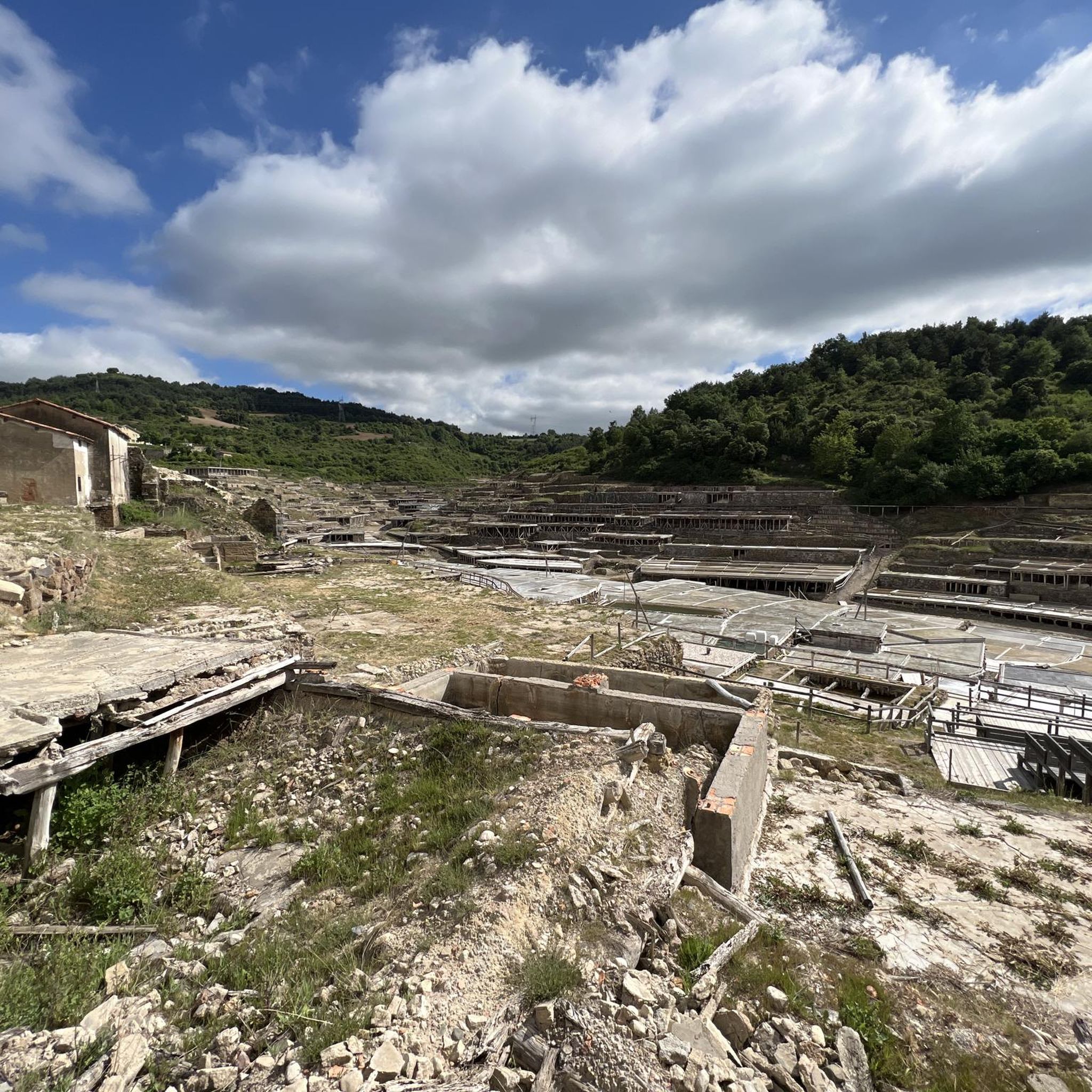
Salinas de Añana
Highlight • Monument
Translated by Google •
Tip by

Montemayor
Highlight • Summit
Translated by Google •
Tip by
Sign up now to discover places like this
Get recommendations on the best single tracks, peaks, & plenty of other exciting outdoor places.
Sign up for free
San Martín de Valparaíso
Highlight • Historical Site
Translated by Google •
Tip by
Caicedo Yuso (Lake Arreo)
Highlight • Lake
Translated by Google •
Tip by

Pikatxo
Highlight • Summit
Translated by Google •
Tip by
Sign up for free to discover even more natural monuments around Añana.
Sign up for free
Already have an account?
Start today with a free account
Your next adventure awaits.
Login or Signup
Tips from the Community

It's a pleasure to walk along this hill with these views.
2
0

Spectacular surroundings. Difficult road. Light traffic.
1
0
In addition to the red mailbox, it has a small stone windbreak.
3
0
Fun trail along the salt flats. BE CAREFUL ⚠️ WHEN GETTING ON THE ROAD
1
0
In this case crowned by a herd of cows that did not look kindly on me when I reached the top. Unbeatable views.
3
0

Lake Arreo or Lake Caicedo Yuso is the most important natural lake in the Basque Country. It is located in the south of the province of Álava and a few kilometers from the Ebro river and a few from the province of Burgos.
1
0

The Salt Flats of Araba.
0
0
Salinas de Añana, for a few years in the process of recovery and exhibition. You can walk through them on a guided tour.
1
0
Frequently Asked Questions
What are some unique natural monuments to visit in Añana?
The Añana region offers a blend of natural beauty and historical significance. A must-see is the Salinas de Añana, an ancient salt factory with a striking terraced landscape. For panoramic views, consider visiting Montemayor or Cotorrillo, both emblematic peaks offering great vistas.
Are there any historical natural monuments in the Añana region?
Yes, the region is rich in historical natural monuments. The Salt Valley of Salinas de Añana is a National Historical Monument, showcasing over 6,500 years of continuous salt production. Another significant site is San Martín de Valparaíso, a rock shelter featuring tombs excavated in stone, set within a beautiful meadow.
What kind of natural features can I expect to see in Añana?
Añana's natural monuments feature diverse landscapes. You can explore the unique hypersaline springs and terraced salt flats of the Salt Valley, or visit Caicedo Yuso (Lake Arreo), the only permanent natural lake in the Basque Country. The region also boasts summits like Montemayor and Cotorrillo, offering expansive views.
Are there family-friendly natural monuments in Añana?
Absolutely. The Salinas de Añana is a great family-friendly option. Visitors can take guided tours to learn about ancient salt production, walk through the salt flats, and even dip their hands and feet in the hypersaline waters for an interactive experience.
What outdoor activities can I do near these natural monuments?
The Añana region offers a variety of outdoor activities. You can find numerous routes for running, cycling, and mountain biking. For running, explore trails like the 'Peña Grajera – Castros de Lalastra loop'. Cyclists can enjoy routes such as the 'Salinas de Añana and Lake Arreo Loop'. Mountain bikers have options like the 'Centro BTT Valderejo Añana Ruta 3'. You can find more details on these activities in the Running Trails around Añana, Cycling around Añana, and MTB Trails around Añana guides.
Are there hiking trails near the natural monuments in Añana?
Yes, the region is excellent for hiking. Valderejo Natural Park, a significant natural area in Añana, features diverse landscapes and popular routes like the Senda del Desfiladero del Río Purón. You can also find various running trails that are suitable for hiking, such as the 'Encina Juradera de Angosto loop' or the 'San Vitores – Oteros loop'. For more hiking and running options, refer to the Running Trails around Añana guide.
What makes the Salt Valley of Salinas de Añana so special?
The Salt Valley of Salinas de Añana is exceptional due to its unique geological formation (a salt diapir feeding hypersaline springs), its 6,500-year history of continuous salt production, and its striking terraced landscape of thousands of evaporation platforms. It's also home to a unique ecosystem adapted to high salinity and is a candidate for World Heritage status.
Can I observe wildlife or unique ecosystems in Añana's natural monuments?
Yes, the region's natural monuments support unique ecosystems. The Salt Valley has specialized flora and fauna (halophytes and holobiontes) adapted to its high salinity, including microscopic *Artemias*. Valderejo Natural Park is a haven for birdwatchers, particularly for observing griffon vultures. Lake Arreo is a protected biotop with unique aquatic flora and fauna.
What is the best time to visit the natural monuments in Añana?
The best time to visit depends on your interests. For the most striking visual spectacle of the white salt platforms at Salinas de Añana, the period between June and September is ideal. During other times, the salt flats take on a grayish-ochre hue. Generally, spring and autumn offer pleasant temperatures for outdoor activities like hiking and cycling in the natural parks.
Are there any natural parks or larger protected areas in Añana?
Yes, beyond individual natural monuments, Añana is home to the **Valderejo Natural Park**. This was the first natural park in Álava and is known for its diverse landscapes, including canyons, forests, and cliffs, making it a significant protected area for nature enthusiasts and birdwatchers.
Where can I find scenic views among the natural monuments?
For breathtaking scenic views, head to Montemayor or Cotorrillo, both summits in the Sierra de Arkamu offering expansive panoramas. The terraced landscape of the Salt Valley of Salinas de Añana also provides a unique and striking visual spectacle, especially when the salt platforms are white.
What should I wear when visiting the natural monuments in Añana?
For visits to natural monuments in Añana, it's advisable to wear comfortable walking shoes, especially if you plan to explore trails or the salt flats. Layered clothing is recommended as temperatures can vary, and a hat and sunscreen are useful during sunnier months. If visiting the Salt Valley, consider clothing that can get wet if you participate in the interactive experiences.
What is the geological significance of the Salt Valley of Salinas de Añana?
The Salt Valley is geologically significant because it sits atop a salt diapir. This phenomenon involves a mass of salt pushing upwards through rock layers, creating the hypersaline springs that feed the ancient saltworks. These springs originate from an ancient sea over 200 million years old, making the site a living geological marvel.
Most popular attractions around Añana

Get inspired with the komoot mobile app


Explore more
Extend your search for the best caves by checking out these guides of the top ones around Añana:
