Top 5 Natural Monuments around Granja De Moreruela
Best natural monuments around Granja De Moreruela are characterized by the serene landscapes of the Tierra de Campos region and the presence of the Esla River. This area offers natural features and attractions, including wetlands and archaeological sites. The municipality provides opportunities for nature observation and exploring its natural environment, making it suitable for popular walks Granja de Moreruela.
Best natural monuments around Granja De Moreruela
- The most popular natural monuments is Otero de Sariegos Bird Observatory, a viewpoint…
Last updated: July 1, 2026
Otero de Sariegos Bird Observatory
Highlight • Viewpoint
Translated by Google •
Tip by

Salina Grande Lagoon
Highlight • Lake
Translated by Google •
Tip by
Sign up now to discover places like this
Get recommendations on the best single tracks, peaks, & plenty of other exciting outdoor places.
Sign up for free
Villafáfila Lagoons Nature Reserve
Highlight • Lake
Translated by Google •
Tip by

Laguna de San Pedro
Highlight • Lake
Translated by Google •
Tip by

Start today with a free account
Your next adventure awaits.
Login or Signup
Popular around Granja De Moreruela
Tips from the Community

An unexpected mirror in the middle of the road. The lagoon appears tranquil, almost motionless, as if the landscape had decided to pause for a long time. Water, sky, and silence playfully merging. It's not a place to arrive in a hurry: it's one of those places that steals a few minutes without asking permission and returns them to you in the form of calm.
0
0

It is the largest lagoon in the Lagunas de Villafáfila Nature Reserve.
1
0

Laguna Salina Grande is located in the Villafáfila Nature Reserve, in the province of Zamora. This lagoon is the largest in the reserve and is an ideal place for birdwatching, especially during winter and spring. In winter, thousands of geese and ducks congregate there, while in spring, a wide variety of waders can be observed. One of the most interesting routes to explore the area is the circular trail that passes by Laguna Salina Grande, the Otero de Sariegos bird observatory, and the Roman bridge in Villafáfila. This route offers an excellent opportunity to enjoy the reserve's wildlife and landscape.
5
0
Otero de Sariegos is an uninhabited village located in the municipality of Villafáfila, in the province of Zamora, Castile and León. This place is known for its natural lagoon, which attracts numerous tourists and birdwatchers due to the diversity of species found there. Historically, Otero de Sariegos has been linked to salt production since prehistoric times. The name "Sariegos" is believed to come from "saliegos," referring to salt producers. During the Middle Ages, salt exploitation reached its peak, and the area was filled with small villages dedicated to this activity. Although currently uninhabited, the site remains of interest for its historical and natural value.
5
0

This entire area is a wildlife sanctuary and a great place for bird watching. It's a great place to visit after the rainy season to see more birds, but when wet the trails can be tricky for a mountain bike.
1
0

Natural park and special protection area for migratory birds. The land is transformed into a massive wildlife habitat during the rainy season when the lakes are flooded.
1
0
The Lagunas de Villafáfila Nature Reserve is a protected wildlife reserve and an important stopover for migratory birds. Unfortunately, due to climate change, some years the lagoons dry up completely due to low rainfall.
1
1

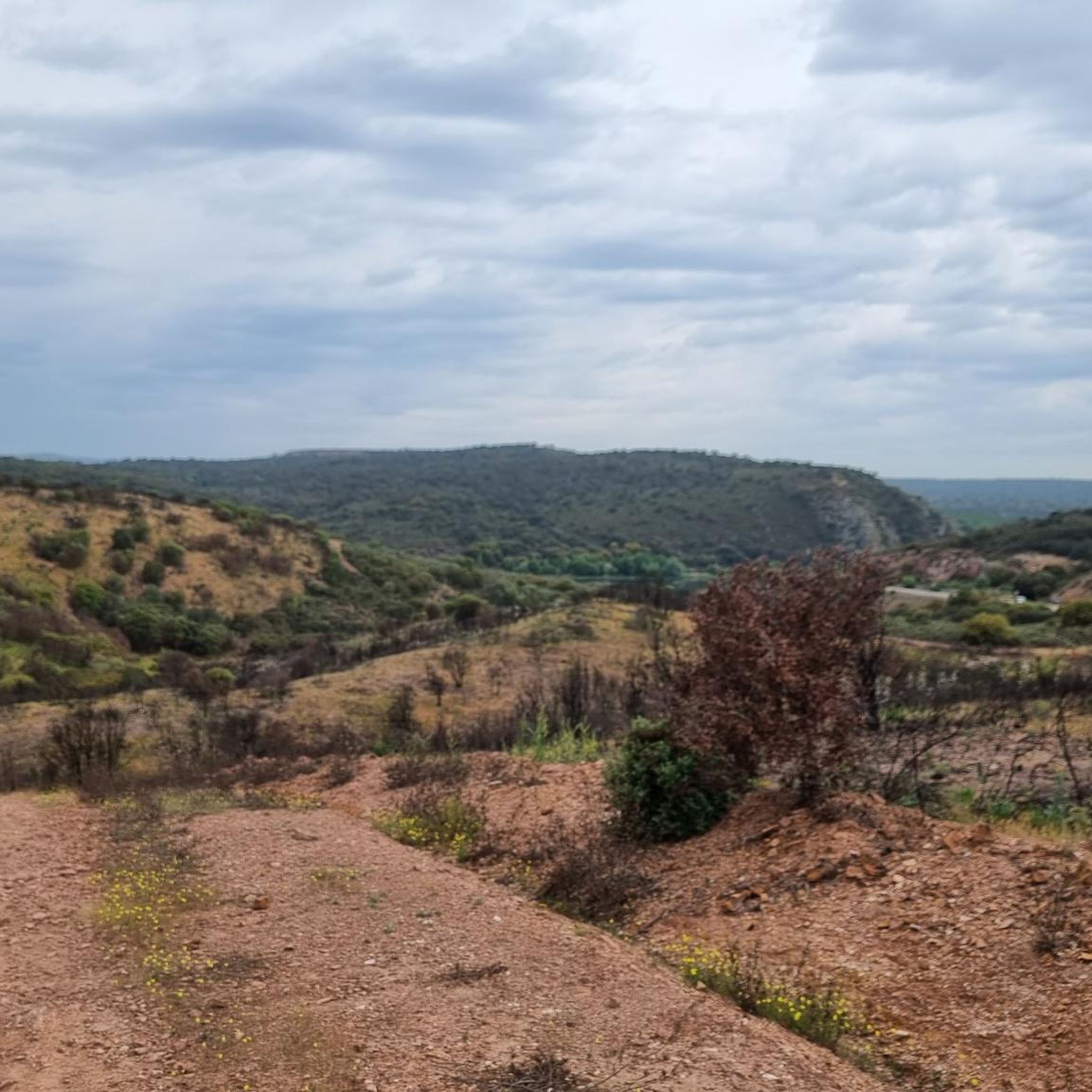
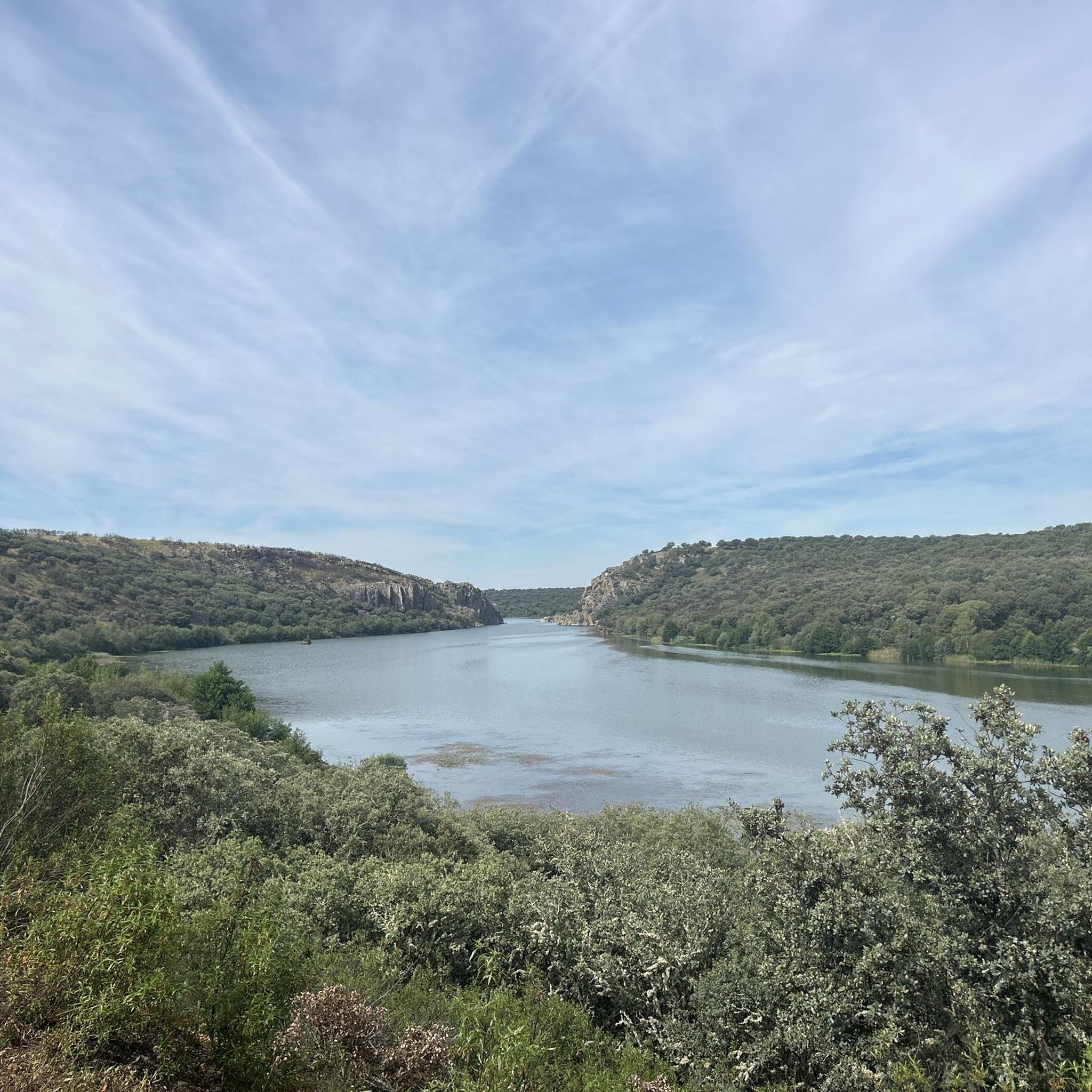
Beautiful views of the Salina Grande Lagoon as we walk along a picturesque path that surrounds the Lagunas de Villafáfila Nature Reserve. Without a doubt, a luxury for lovers of mountain biking, gravel or hiking. If we feel like it and we have time, it is always worth going to the Casa del Parque de Villafáfila (€2 adults) next to the road. lagunasdevillafafila.es/centro-de-interpretacion-de-las-lagunas/la-casa-del-parque
2
1
Frequently Asked Questions
What natural features can I explore around Granja de Moreruela?
The region around Granja de Moreruela is characterized by the serene landscapes of the Tierra de Campos and the presence of the Esla River. You can explore significant wetlands like the Villafáfila Lagoons Nature Reserve, which are crucial for migratory birds. The Esla River itself offers scenic beauty and opportunities for refreshing dips or fishing, particularly around Puente Quintos.
What are the best spots for birdwatching in the area?
The area is a paradise for birdwatching enthusiasts. Key locations include the Otero de Sariegos Bird Observatory, which overlooks a natural lagoon, and the Salina Grande Lagoon, the largest lagoon in the Villafáfila Nature Reserve. These spots are ideal, especially during winter and spring, when thousands of geese, ducks, and various waders congregate.
Are there any historical or archaeological sites within the natural landscapes?
Yes, the region offers a blend of natural beauty and cultural heritage. The Otero de Sariegos Bird Observatory is located in an uninhabited village with historical ties to salt production. Additionally, the Abrigo del Portalón, a rock shelter on the Esla River, features significant prehistoric schematic art, offering a unique glimpse into ancient history within a natural setting.
Are the natural monuments around Granja de Moreruela suitable for families?
Many natural monuments in the area are family-friendly. The Otero de Sariegos Bird Observatory, Salina Grande Lagoon, and Villafáfila Lagoons Nature Reserve are all categorized as family-friendly, offering accessible opportunities for nature observation and gentle walks.
What is the best time of year to visit for nature observation?
The best time to visit for nature observation, especially birdwatching, is during winter and spring. This is when migratory birds, including thousands of geese and ducks, congregate at the lagoons like Salina Grande Lagoon. The land also transforms into a massive wildlife habitat during the rainy season when the lakes are flooded.
What outdoor activities can I do near Granja de Moreruela's natural monuments?
The area provides excellent opportunities for various outdoor activities. You can enjoy hiking, mountain biking, and road cycling. For detailed routes and guides, explore the Hiking around Granja De Moreruela, MTB Trails around Granja De Moreruela, and Road Cycling Routes around Granja De Moreruela guides.
Are there specific hiking routes recommended near the lagoons?
Yes, there are several recommended hiking routes. A popular option is the circular trail that passes by Laguna Salina Grande, the Otero de Sariegos bird observatory, and the Roman bridge in Villafáfila. You can find more hiking options in the Hiking around Granja De Moreruela guide, including an easy route along the Río Esla from Puente Quintos.
Can I bring my dog to the natural areas and trails?
While specific regulations for dogs vary, many natural areas and trails in Spain are generally dog-friendly, especially if dogs are kept on a leash. It's always advisable to check local signage at specific reserves or natural monuments like the Villafáfila Lagoons Nature Reserve for any restrictions to ensure a pleasant visit for everyone.
What geological features can be observed in the region?
The primary geological features are the extensive wetlands and lagoons, such as Salina Grande Lagoon and Laguna de San Pedro, which are characteristic of the Tierra de Campos region. These shallow, often saline, bodies of water are formed by the local hydrology and create unique ecosystems, particularly for birdlife.
What do visitors enjoy most about the natural monuments around Granja de Moreruela?
Visitors particularly enjoy the tranquility and the rich wildlife observation opportunities. The serene landscapes, especially around the lagoons, offer a peaceful escape. The chance to see diverse bird species, including thousands of geese and ducks during migration, is a major draw. The picturesque views, like those of the Laguna Salina Grande, are also highly appreciated.
Are there any hidden natural gems worth discovering?
Beyond the well-known lagoons, the quiet stretches along the Esla River offer a more intimate natural experience. Exploring the riverbanks can reveal remnants of old mills and provide opportunities to observe local flora and fauna away from more frequented spots. The Laguna de San Pedro is also described as an 'unexpected mirror' in the landscape, offering a moment of calm and reflection.
Most popular routes around Granja De Moreruela
Most popular attractions around Granja De Moreruela

Get inspired with the komoot mobile app


Explore more
Extend your search for the best caves by checking out these guides of the top ones around Granja De Moreruela:
