Top 8 Natural Monuments around Càlig
Best natural monuments around Càlig are found in a charming municipality nestled between the sea and mountains in the Baix Maestrat region of Castellón, Spain. The area offers a variety of notable natural attractions with unique features and scenic beauty. These sites are significant natural landmarks suitable for exploration. Càlig's landscape provides diverse opportunities for outdoor activities like hiking, cycling, and speleology.
Best natural monuments around Càlig
- The most popular natural monuments is Alto de la Bota Summit, a…
Last updated: October 4, 2026
Chapel and Fountain of Sant Vicent
Highlight • Religious Site
Translated by Google •
Tip by

Mallada de la Rabossa
Highlight • Trail
Translated by Google •
Tip by

Sign up now to discover places like this
Get recommendations on the best single tracks, peaks, & plenty of other exciting outdoor places.
Alto de la Bota Summit
Highlight • Summit
Translated by Google •
Tip by

Serolla Stone Well
Highlight • Structure
Translated by Google •
Tip by

POU CORROQUI
Highlight • Natural Monument
Translated by Google •
Tip by
Sign up for free to discover even more natural monuments around Càlig.
Already have an account?
Start today with a free account
Your next adventure awaits.

Tips from the Community

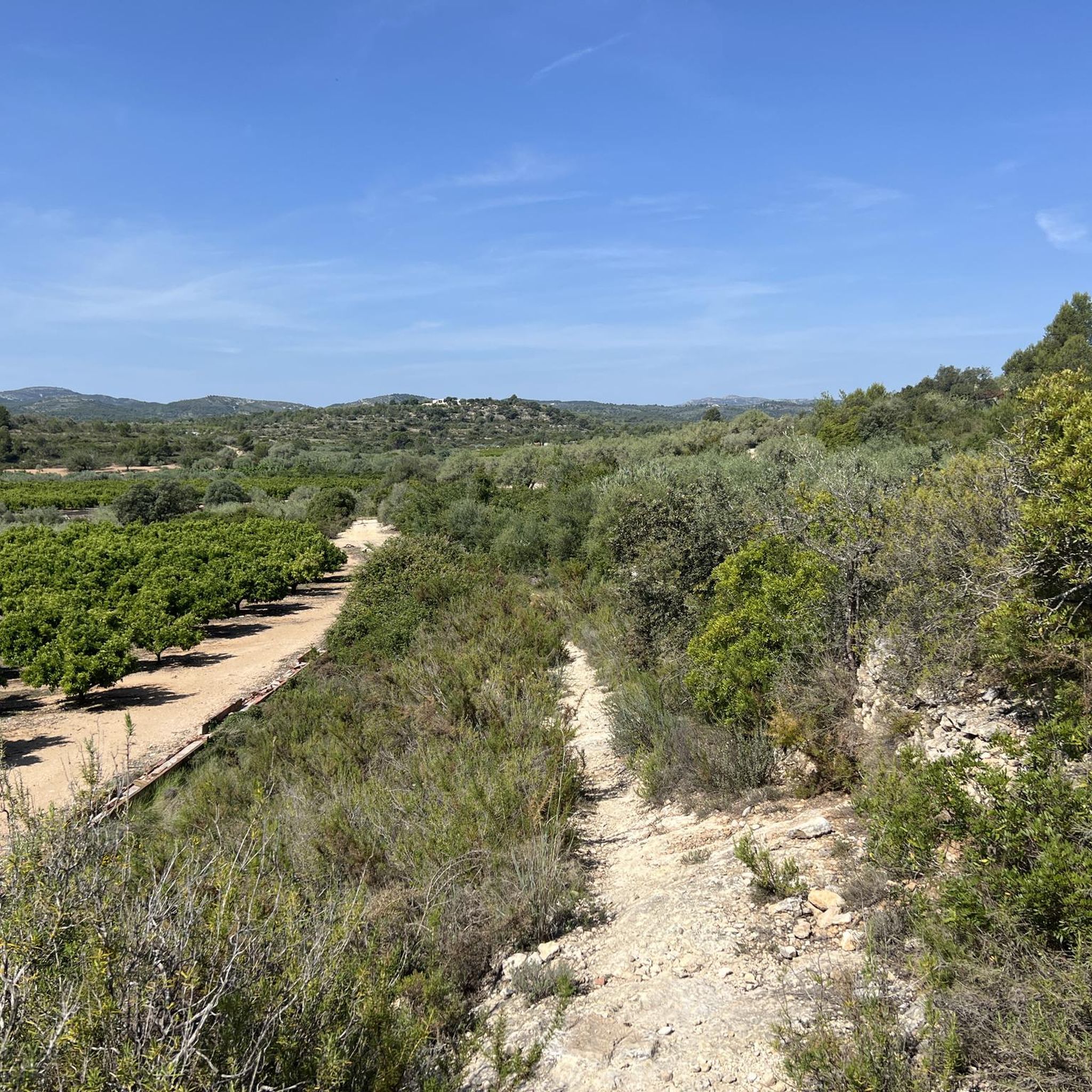
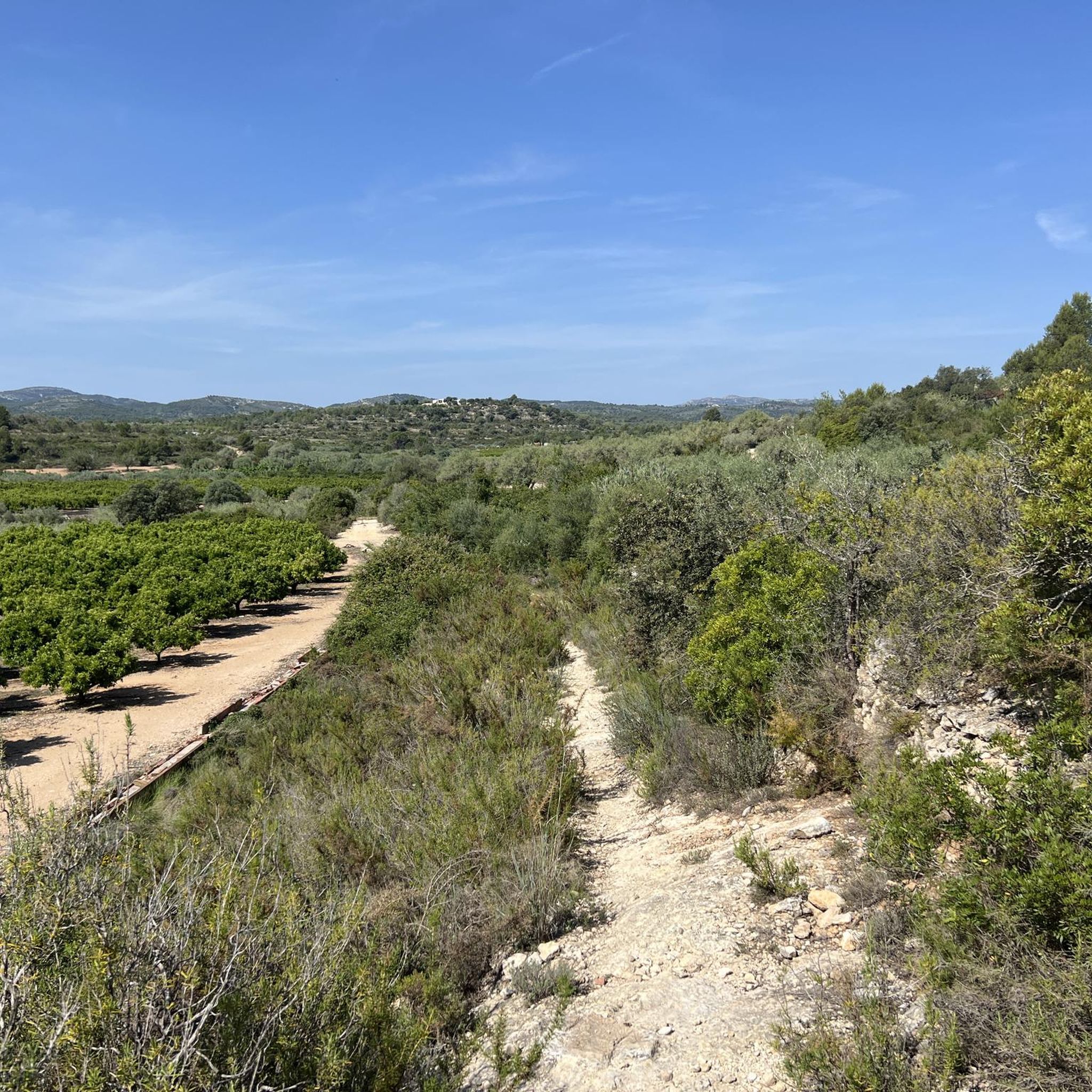
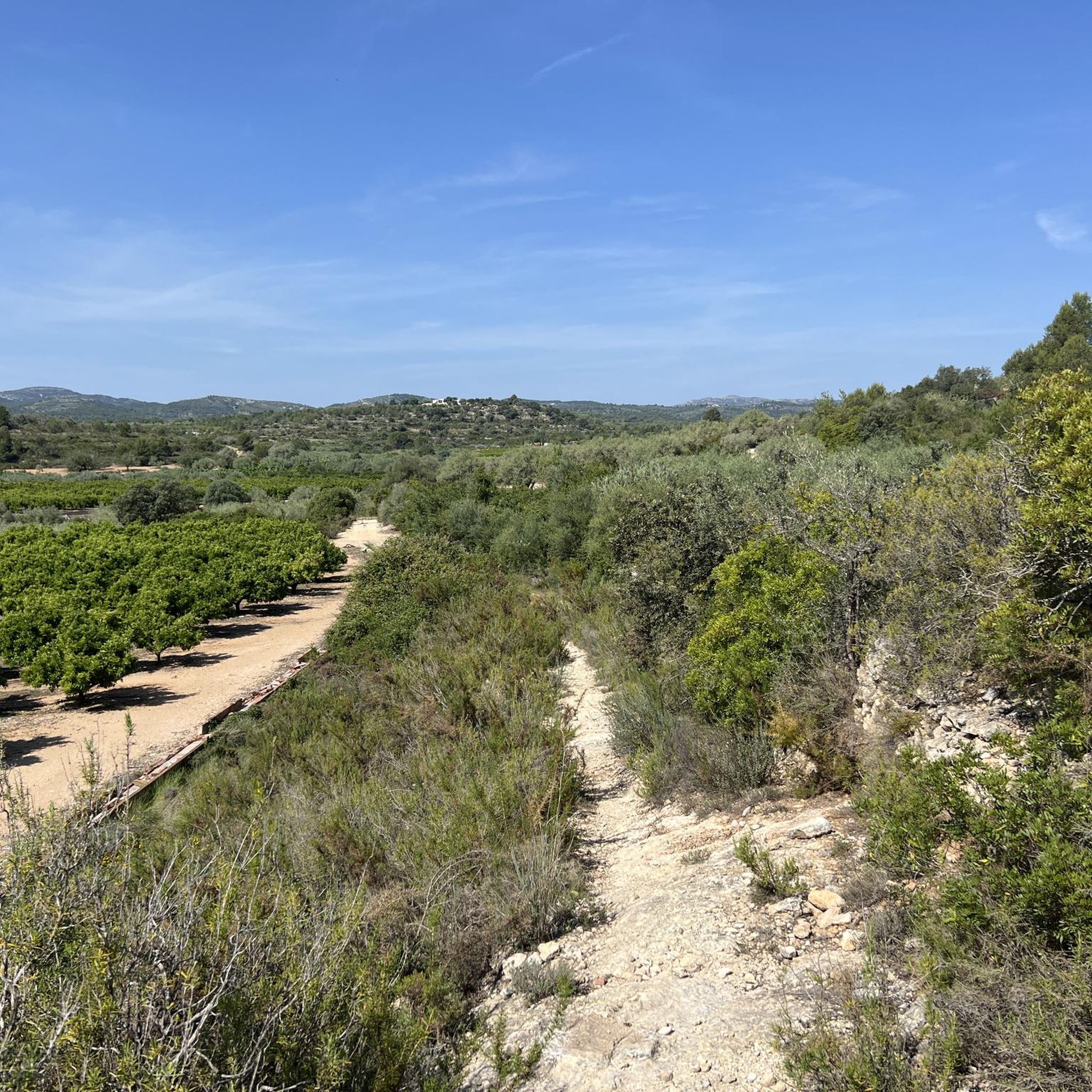
Pou Corroqui is an old, small well (in Catalan, 'pou' means well) located along popular mountain bike routes on Komoot in the region of Sant Mateu, Càlig, and El Bajo Maestrazgo in Spain. The well is situated directly next to the path in a gorge and serves as a recognizable local landmark for hikers and cyclists. Because it is a historic and unattended well, visitors are specifically advised to bring enough drinking water themselves, especially if you are out with dogs. If you wish, I can: Look up more details about the hiking and cycling routes along this well. Map out the exact location or region (El Bajo Maestrazgo) further for you. Help with translating specific Spanish or Catalan route descriptions. Just let me know what exactly you are looking for! Komoot The best MTB routes in El Bajo Maestrazgo - Komoot Aug 3, 2026 — Apr 2, 2025, POU CORROQUI. An old, small well, located in the same gorge, next to the path.
0
0

Well-preserved area of old wash houses.
0
0

An old, small well located within the same ravine, next to the path.
0
0
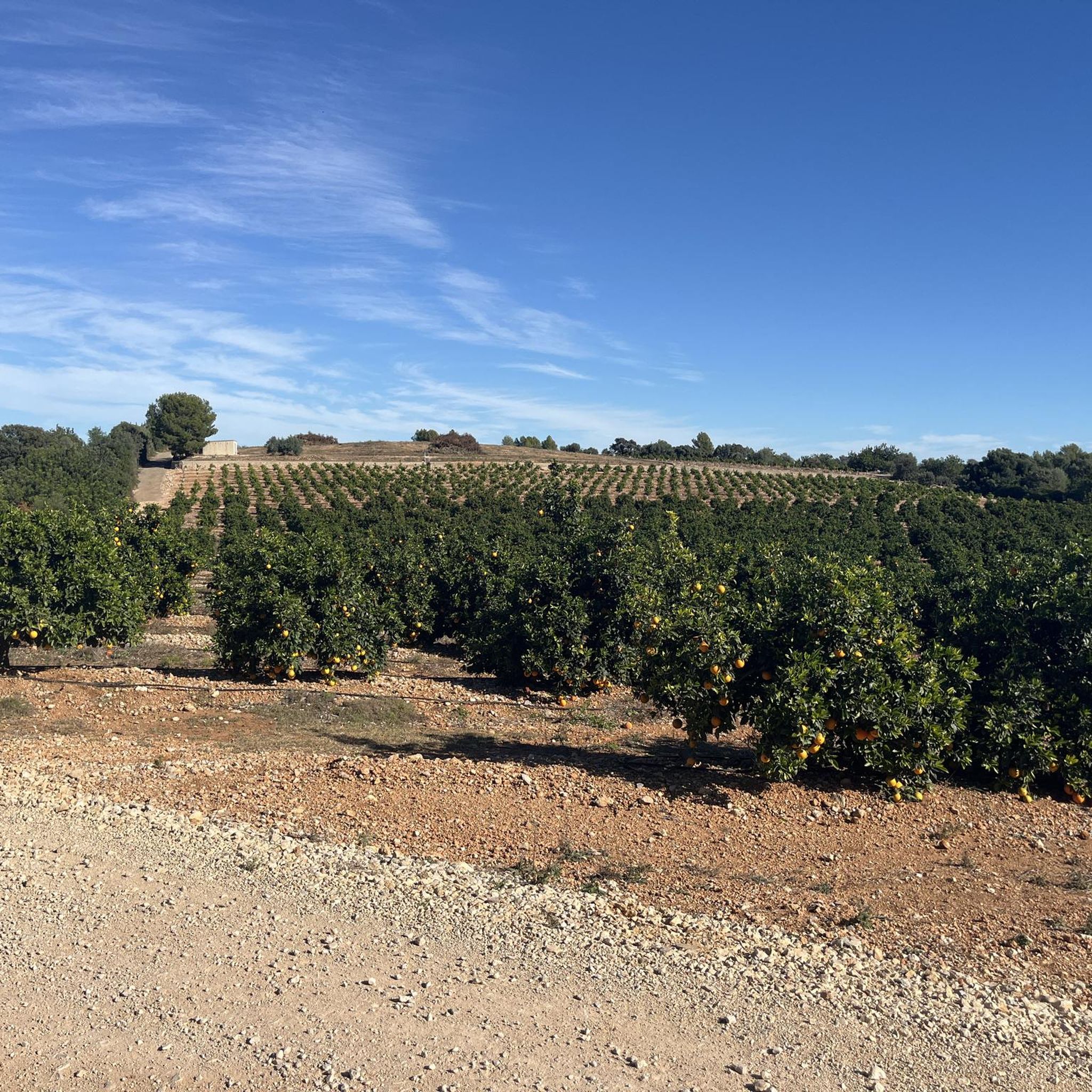
A hill that is before reaching the Polpís forest deposit and by path we can go towards the Coll de la Palma or go down to Mas del Senyor. Excellent views.
0
0
Your visit was interesting, it is worth stopping to take a photo
1
0

The chapel dedicated to Sant Vicent Ferrer was built in memory of the blessing of the saint, who on his way through Traiguera in 1413 asked that the fountain that is right next to it never lack water. The chapel was built in the 17th century, includes an altar and a small image of the saint, and was restored in the 19th century.
1
0

In Traiguera you can find this old fountain on the Via Augusta.
0
0

One of the highest points within the Serra d'Irta Natural Park with simply amazing views. From here you can enjoy beautiful panoramic views of the coast and the park, one of the few undeveloped coastal places in the Valencian Community.
1
0
Frequently Asked Questions
What are some of the most popular natural monuments to visit around Càlig?
Visitors frequently enjoy the Alto de la Bota Summit for its amazing panoramic views of the coast and the Serra d'Irta Natural Park. Another beloved spot is the Chapel and Fountain of Sant Vicent, a historical site with a unique legend about its ever-flowing water. The Mallada de la Rabossa is also popular as a viewpoint and a connection point for various scenic routes.
Are there any natural monuments around Càlig that are family-friendly?
Yes, several natural monuments are suitable for families. The Chapel and Fountain of Sant Vicent offers an interesting historical and natural stop. Additionally, the Millenary Olive Tree of La Llacuna is an impressive sight for all ages, showcasing an ancient tree over 1000 years old.
What kind of historical natural monuments can I explore in the Càlig area?
Càlig is rich in historical natural monuments. You can visit the Chapel and Fountain of Sant Vicent, a 17th-century religious building with a fascinating local legend. The Serolla Stone Well is another historical site, offering a glimpse into the region's past. Furthermore, the Millenary Olive Tree of La Llacuna represents centuries of agricultural heritage.
What outdoor activities can I do near the natural monuments in Càlig?
The Càlig area provides diverse opportunities for outdoor activities. You can enjoy hiking on trails like the 'View of the Mediterranean Sea loop' or the 'Camí del Canyo – Aqueduct Ruins loop'. For cycling enthusiasts, there are options for gravel biking and mountain biking. You can find more details on routes in our guides for Hiking around Càlig, Gravel biking around Càlig, and MTB Trails around Càlig.
Are there any natural monuments with significant botanical value in Càlig?
Yes, the Barranc d'Aiguaoliva is recognized for its significant botanical value. This ravine is home to diverse flora, including Valencian oak, violets, and white heather, making it an excellent spot for those interested in local plant life and serene natural walks.
Where can I find panoramic views of the surrounding landscape in Càlig?
For breathtaking panoramic views, head to the Alto de la Bota Summit, one of the highest points in the Serra d'Irta Natural Park. On clear days, you might even see the Columbretes Islands. The Mallada de la Rabossa also offers excellent views of the surrounding landscape.
What is the 'Route of the Millenary Olive Trees' and where is it located?
The 'Ruta de los Olivos Milenarios' (Route of the Millenary Olive Trees) is a short distance from Càlig. This route allows visitors to witness ancient olive trees, some of which are over 2000 years old. It's an ideal destination for lovers of history, photography, and nature, offering a glimpse into the region's agricultural heritage.
Are there any waterfalls or unique rock formations to see in Càlig?
Yes, the Roques d'en Xiller area is distinguished by its beautiful waterfalls, which are particularly impressive during periods of significant water flow. The water has sculpted the rocks into curious and appealing shapes over time, making it a picturesque spot for nature enthusiasts.
What is the best time of year to visit the natural monuments around Càlig?
The region's Mediterranean climate generally makes spring and autumn ideal for visiting, with milder temperatures perfect for hiking and exploring. Summers can be hot, while winters are generally mild, though some natural features like waterfalls might be more impressive after rainfall.
Are there any accessible routes or greenways for walking and cycling in Càlig?
Yes, the Vía Verde, or 'Greenway,' is an old railway line that has been adapted for walking and cycling. It provides an excellent and accessible way to explore the area's natural surroundings at a leisurely pace, connecting visitors with the Mediterranean nature.
What kind of geological formations can be found in the Càlig area?
The Càlig area offers opportunities for speleology with various caves and chasms. These include Avenc de Epifànio, de la Rambla, de la Tossa, and coll de les Forques, appealing to adventurers interested in exploring subterranean natural formations.
What do visitors enjoy most about the natural monuments in Càlig?
Visitors particularly appreciate the stunning panoramic views from summits like Alto de la Bota Summit, the historical charm and unique legend of the Chapel and Fountain of Sant Vicent, and the impressive ancient olive trees. The diverse landscapes, from mountains to ravines, also offer a rich environment for hiking and nature photography.
Most popular attractions around Càlig

Get inspired with the komoot mobile app


Explore more
Extend your search for the best caves by checking out these guides of the top ones around Càlig:
