Top 6 Natural Monuments around Monterrubio De La Demanda
Best natural monuments around Monterrubio De La Demanda are situated within the Sierra de la Demanda Natural Area, a well-preserved ecological region on the Iberian Peninsula. This mountainous landscape features diverse forests of beech, oak, and Scots pine, and is a refuge for various wildlife. Monterrubio de la Demanda itself is located over 1,000 meters above sea level, providing views of the surrounding mountains and valleys. The area's terrain ranges from craggy rock formations at higher elevations to gentler slopes in the foothills.
Best natural monuments around Monterrubio De La Demanda
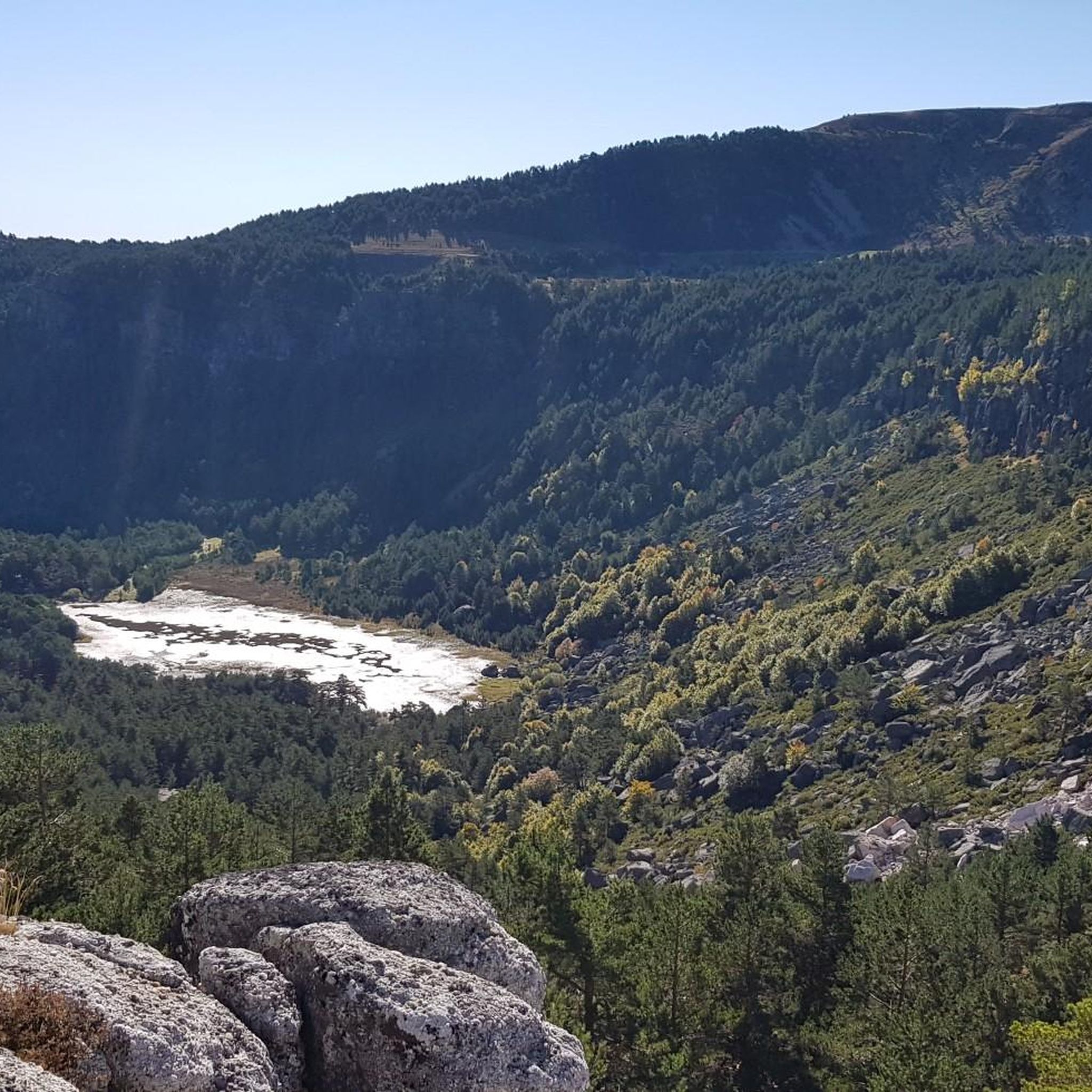
- The most popular natural monuments is Pico de la Laguna (2004m), a summit that offers views of the lakes and the valley. It provides views of the Negra and La Larga lagoons.
- Another must-see spot is Puerto del Manquillo, a mountain pass. This 1,400-meter-high pass is known for its 11-kilometer climb through pine forests, offering a cycling experience on roads with minimal traffic.
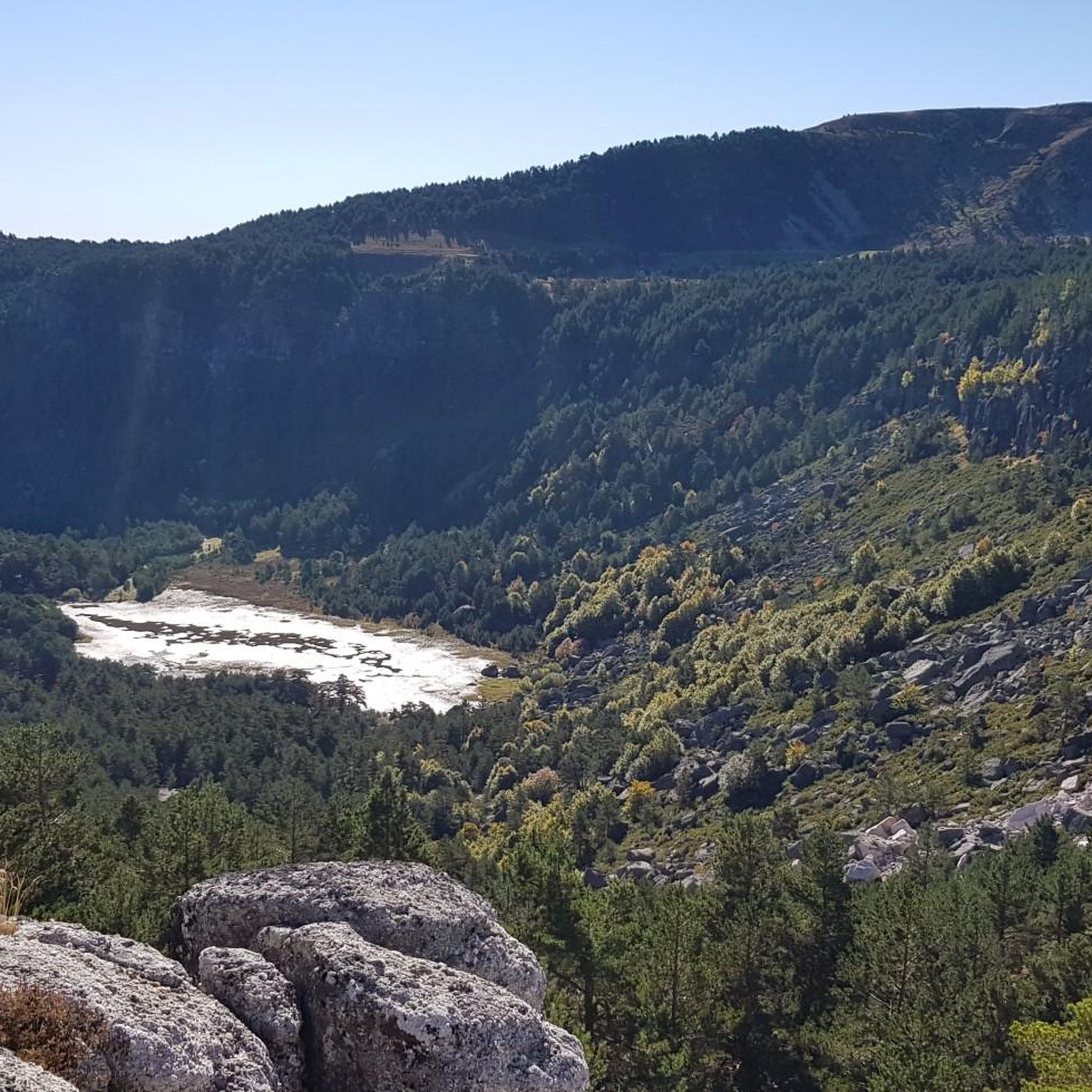
- Visitors also love La Cascada Lagoon, a lake that is part of the glacial lagoons of Neila. An information panel near the lagoon provides details on local flora and fauna.
- Monterrubio De La Demanda is known for its mountain passes, glacial lakes, and diverse forests. The region offers a variety of natural monuments to see and explore, from high-altitude summits to ancient woodlands.
- The natural monuments around Monterrubio De La Demanda are appreciated by the komoot community, with 19 upvotes and 8 photos shared by visitors.
Last updated: October 17, 2026
Puerto del Manquillo
Highlight • Mountain Pass
Translated by Google •
Tip by

La Cascada Lagoon
Highlight • Lake
Translated by Google •
Tip by

Sign up now to discover places like this
Get recommendations on the best single tracks, peaks, & plenty of other exciting outdoor places.
Pico de la Laguna (2004m)
Highlight • Summit
Tip by

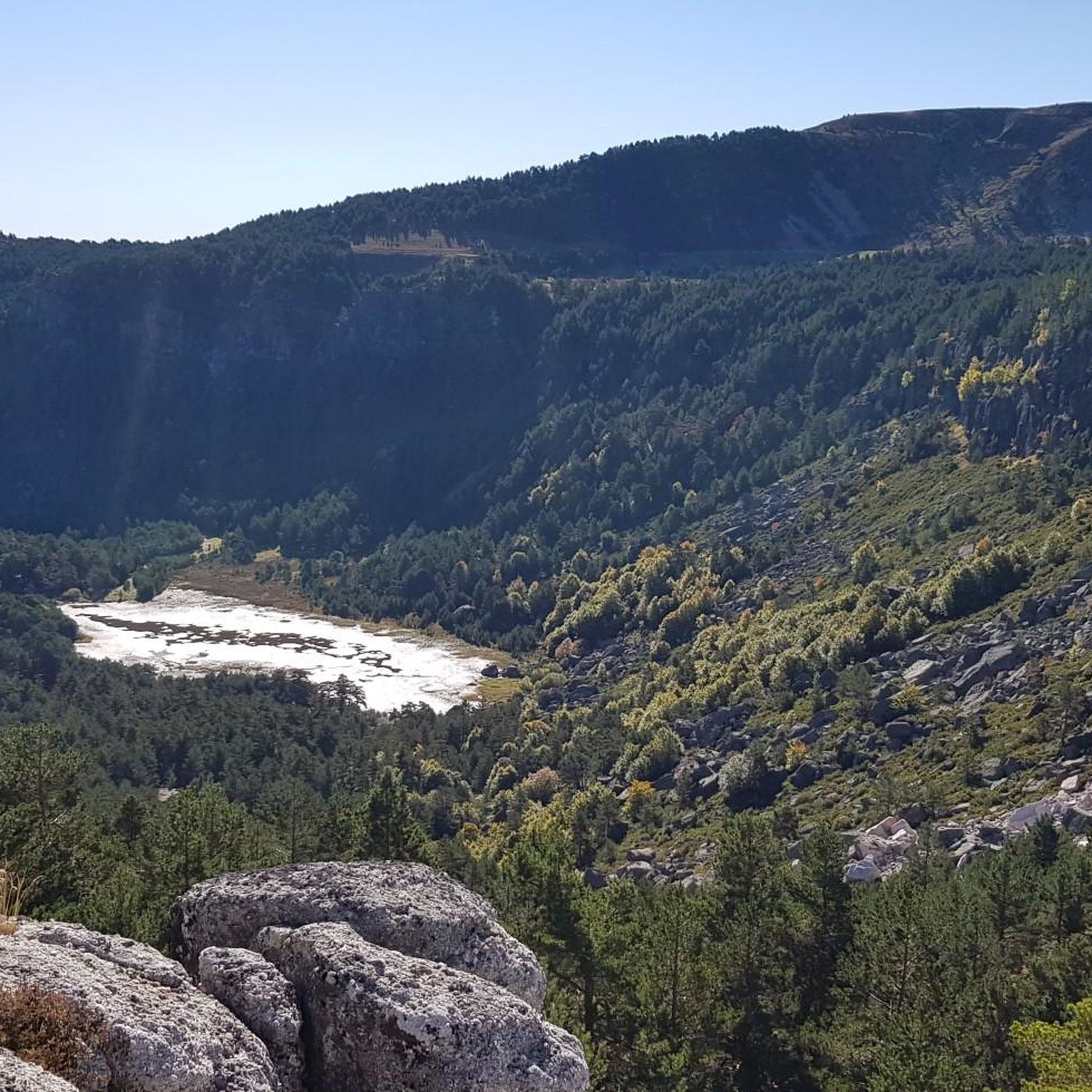
Cruz de la Demanda Pass
Highlight • Mountain Pass
Mythical port of the Sierra de la Demanda with privileged views over the valley and the mountain ranges.
Translated by Google •
Tip by

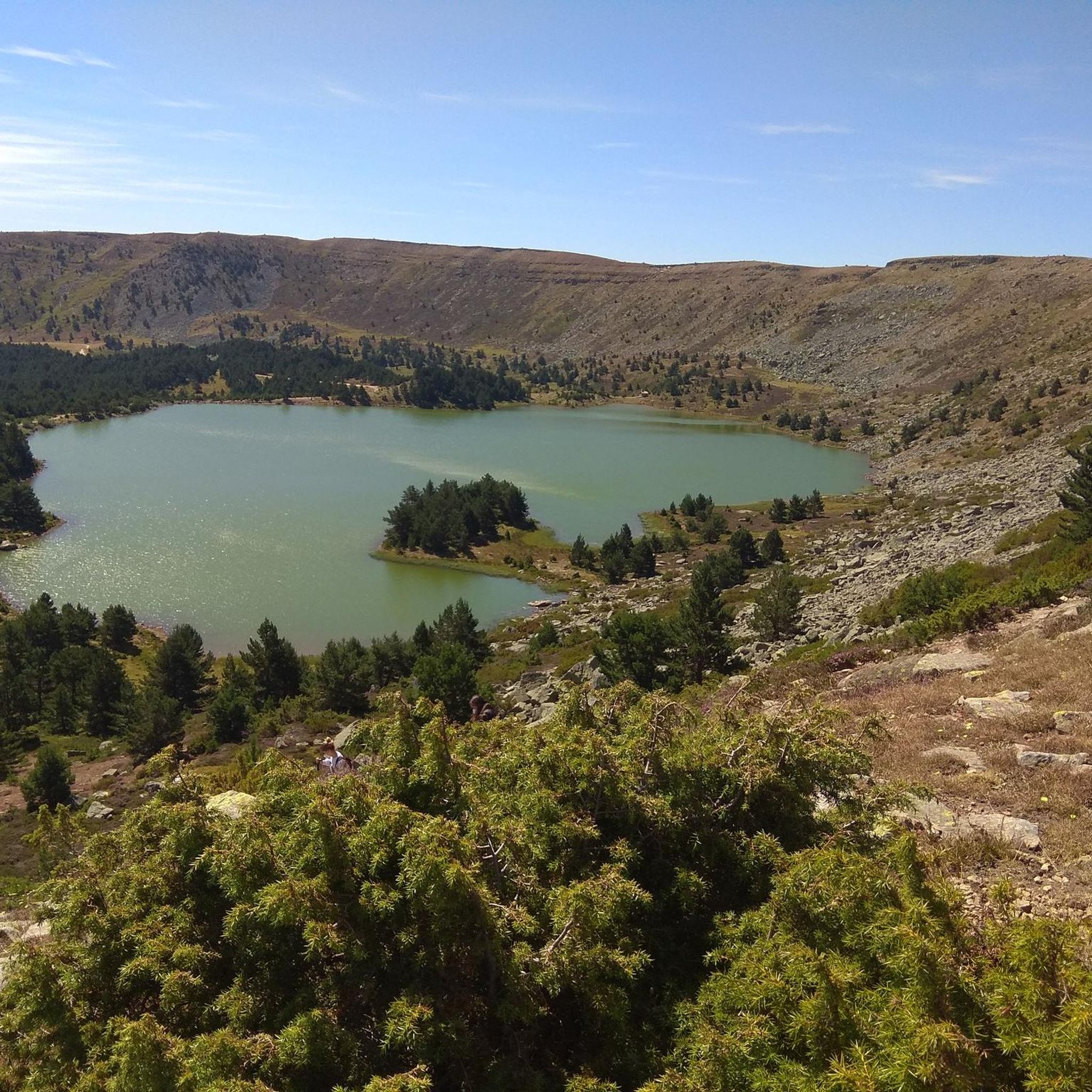
Pozo Negro Lagoon
Highlight • Lake
The route to the lake, from the Tres Aguas refuge, takes more than three hours, passing through beech forests and high mountain areas. Therefore, it is advisable to wear good footwear, and bring plenty of food and water.
Translated by Google •
Tip by

Sign up for free to discover even more natural monuments around Monterrubio De La Demanda.
Already have an account?
Start today with a free account
Your next adventure awaits.
Tips from the Community

El Puerto del Manquillo is located between the towns of Pineda de la Sierra and Riocavado de la Sierra. The pass is an excellent starting point for excursions and visiting the main peaks of the sierra. The route of the Vía Verde de la Sierra Demanda also passes through the port.
0
0

hot very hot this pass
0
0
beautiful climb via the greenway or the road
1
0

Pozo Negro is a glacial lake located at an altitude of 1,760 meters in the Sierra de la Demanda, within the Fresneda area of the Sierra Tirón. It is an isolated and difficult-to-access spot, making it a very attractive spot for hikers seeking unspoiled nature. Its cold, dark waters, protected by Otero Peak, are the source of the Tirón River and are home to unique species such as the endemic palmate newt. The route to the lake, from the Tres Aguas refuge, takes more than three hours, passing through beech forests and high mountain areas. Therefore, it is advisable to wear good footwear, and bring plenty of food and water.
2
0


There is always the solution to difficult points: doing them by road.
0
0
With the mountain route you can go up from Fresneda, reach the Pozo Negro (durillo), and from there to the Cruz de la Demanda, returning to Fresneda by road and passing through the top of La Pradilla.
0
0

The railway crossed this port through a tunnel. When making the greenway, the original route was not recovered, so the arrival and departure of the port are two very steep slopes. Most panniers make them by pushing the bike.
2
0
Frequently Asked Questions
What kind of natural features can I expect to see around Monterrubio de la Demanda?
The region is part of the expansive Espacio Natural de la Sierra de la Demanda, characterized by its mountainous landscape, diverse forests of beech, oak, and Scots pine, and significant patches of holly. You'll find remnants of ancient glaciers in the form of stunning lagoons, high mountain passes, and a rich variety of wildlife.
Are there any notable viewpoints to enjoy the scenery?
Yes, several natural monuments offer spectacular views. Pico de la Laguna (2004m) provides excellent views of the Negra and La Larga lagoons and the surrounding valley. The Cruz de la Demanda Pass, at 1,855 meters, offers privileged views over the valley and mountain ranges. Additionally, Puerto del Manquillo is a mountain pass known for its scenic climb through pine forests.
What outdoor activities can I do near these natural monuments?
The Sierra de la Demanda Natural Area is ideal for outdoor activities. You can explore numerous hiking and cycling routes. For cycling, consider routes like the 'Sierra de la Demanda Greenway Loop' or the 'Metal footbridge – Puerto del Manquillo loop'. Hikers might enjoy the 'Verde Sierra de la Demanda — circular by the Espacio Natural de la Sierra de la Demanda' or the 'Cruz de la Demanda Pass – Pozo Negro Lagoon loop'. Find more options on the hiking guide and cycling guide for Monterrubio de la Demanda.
Are there family-friendly natural monuments or trails?
Yes, some areas are suitable for families. La Cascada Lagoon, part of the glacial lagoons of Neila, is generally considered family-friendly and has an information panel detailing local flora and fauna. The Vía Verde de la Sierra de la Demanda, an old railway line converted into a greenway, offers an accessible and scenic path suitable for walks and cycling with children.
What is the best season to visit the natural monuments?
The region offers beauty throughout the year. Spring and autumn are ideal for hiking and cycling due to milder temperatures and vibrant foliage. In spring, you'll see wildflowers, while autumn brings stunning colors to the beech and oak forests. Summer is pleasant at higher altitudes, and winter offers a unique, snow-covered landscape, especially around the glacial lagoons, though some areas might be less accessible.
Can I see any unique wildlife in the Sierra de la Demanda?
The Espacio Natural de la Sierra de la Demanda is a refuge for abundant fauna. You might spot wolves, roe deer, red deer, wildcats, badgers, and otters. The small Pyrenean desman also inhabits the area, and numerous birds of prey can be seen overhead. The Pozo Negro Lagoon is home to unique species such as the endemic palmate newt.
Are there any ancient forests or unique trees to visit?
Absolutely. The dehesas (wooded pastures) of Monterrubio de la Demanda and Huerta de Arriba are considered some of the most valuable forest complexes in Castile and León. The dehesa of Monterrubio is known for its beautiful and ancient beech trees, while Huerta de Arriba features enormous holly and rebollo and Scots pine oak trees. Some trees, like the oak of Laguna de la Cantera, have impressive sizes due to their age and historical protection.
What are the glacial lagoons like, and how can I visit them?
The Glacial Lagoons of Neila are stunning remnants of the region's glacial past, often surrounded by cliffs and pine forests. La Cascada Lagoon is one such example, offering picturesque views. The Pozo Negro Lagoon is another, known for its cold, dark waters and isolated beauty, though it requires a challenging hike of over three hours from the Tres Aguas refuge.
Are there any less crowded natural sites for a more secluded experience?
For those seeking unspoiled nature and fewer crowds, the Pozo Negro Lagoon is an excellent choice. It is described as an isolated and difficult-to-access spot, making it very attractive for hikers willing to undertake a challenging route to reach it.
What should I wear or bring when visiting the natural monuments?
Given the mountainous terrain and varied activities, it's advisable to wear good footwear suitable for hiking, especially if you plan to explore trails or higher altitudes. Layers of clothing are recommended as weather conditions can change. Always bring plenty of water and food, particularly for longer or more remote excursions like the one to Pozo Negro Lagoon.
Are there any historical or geological sites related to the natural landscape?
Yes, the region has a rich history of human interaction with its natural resources. The area between Pineda de la Sierra, Monterrubio de la Demanda, and Vallejimeno holds ancient mining landscapes. These sites contain remnants of small-scale iron, silver, and copper mining operations, some dating back to Roman times, offering a unique perspective on the region's geological and industrial past.
Most popular attractions around Monterrubio De La Demanda

Get inspired with the komoot mobile app


Explore more
Extend your search for the best caves by checking out these guides of the top ones around Monterrubio De La Demanda:
