Top 20 Natural Monuments around Castellcir
Best natural monuments around Castellcir are found within a municipality known for its rich natural landscapes in the Moianès region of Barcelona. This area features green hills, lush forests, and numerous waterways, including the headwaters of the Tenes River. The landscape offers a blend of geological interest and scenic beauty, providing diverse opportunities for outdoor activities. Its natural features range from dramatic rocky formations to picturesque waterfalls and historical sites integrated with nature.
Best natural monuments around Castellcir
- The most…
Last updated: July 1, 2026
Sant Miquel del Fai Road
Highlight • Cycleway
Tip by

Sant Miquel del Fai Monastery and Waterfall
Highlight • Historical Site
Translated by Google •
Tip by

Sign up now to discover places like this
Get recommendations on the best single tracks, peaks, & plenty of other exciting outdoor places.
Sign up for free
La Trona (Bertí Cliffs)
Highlight • Climb
Translated by Google •
Tip by

Vallcàrquera Stream
Highlight • River
Translated by Google •
Tip by

Santa Coloma Sasserra
Highlight • Settlement
Translated by Google •
Tip by
Sign up for free to discover even more natural monuments around Castellcir.
Sign up for free
Already have an account?
Start today with a free account
Your next adventure awaits.
Login or Signup

Tips from the Community

A real discovery! Superb views, decent asphalt and virtually no cars.
0
0


The roads are very good, there are some puddles.
0
0

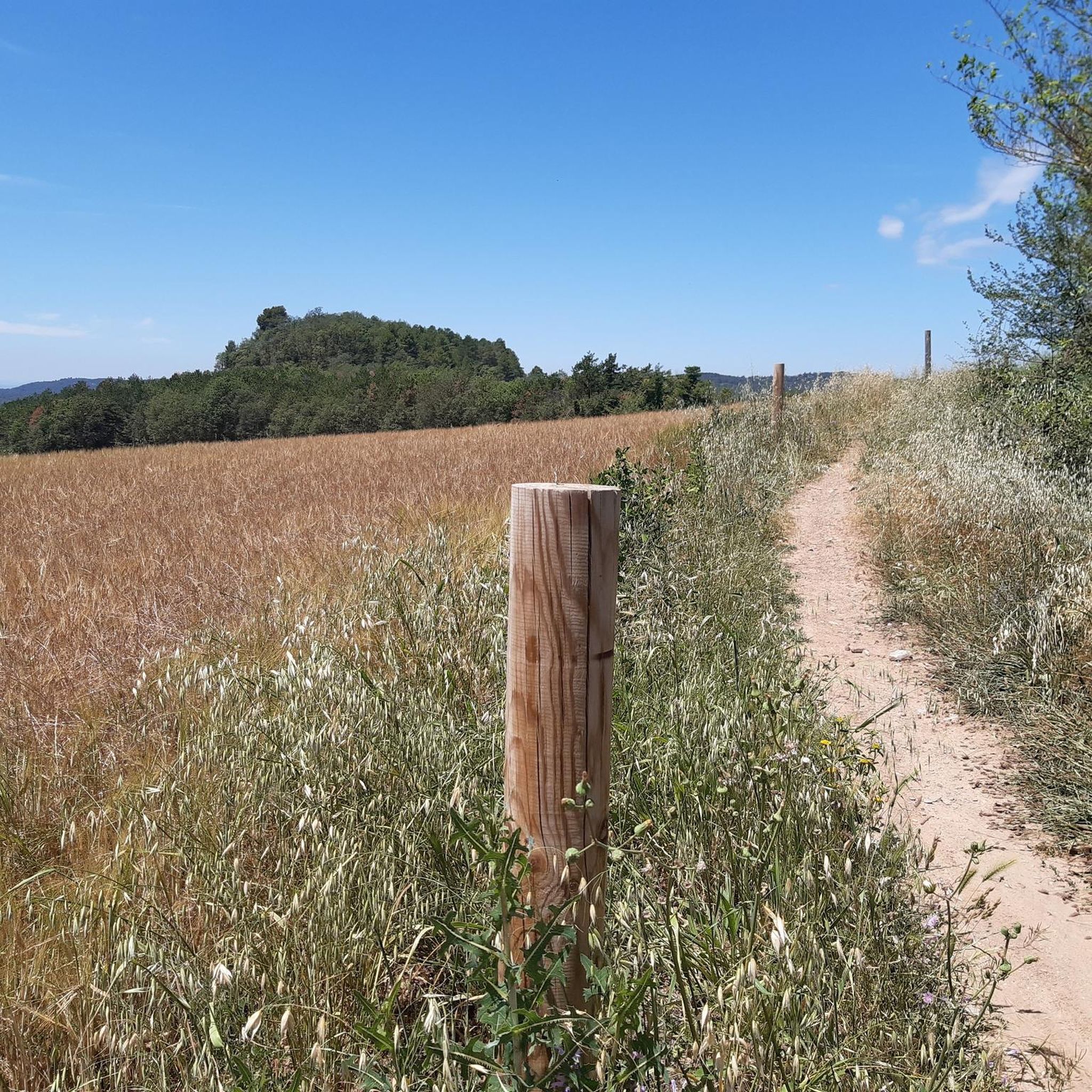
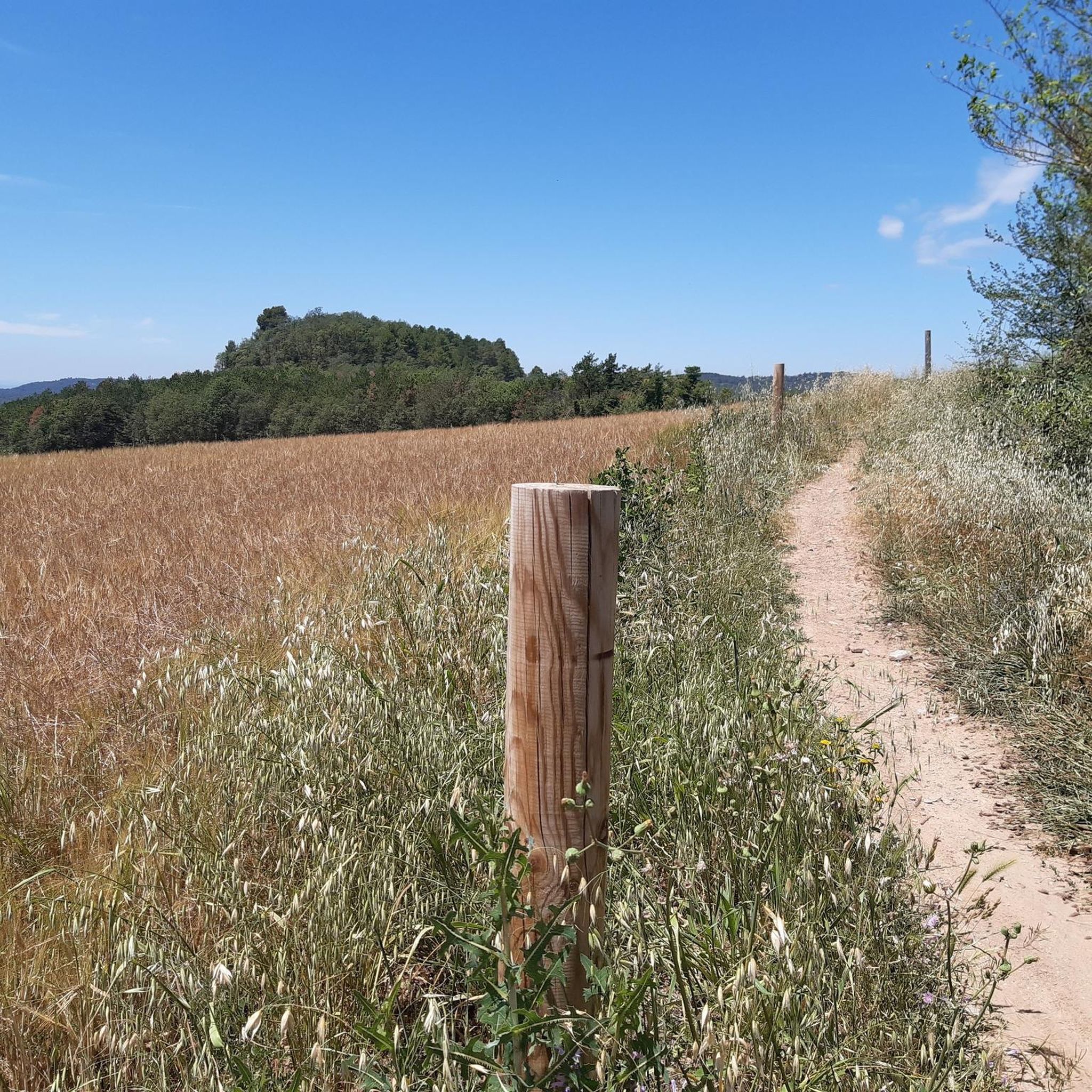
I recommend a stop at this place, it has everything you need to regain strength and enjoy the surroundings. “A legend has it that Saint Anthony, in the 13th century, traveled riding on a white horse with swan wings from the Italian city of Padua to Coimbra, in Portugal,” he begins. “And the only rest on the entire journey was taken next to the large oak tree that presides over the small rural center of Santa Coloma Sasserra, in the municipality of Castellcir (Moianès),” he details. “The saint did not choose a bad place, without a doubt, since the tree, the nearby Romanesque hermitage and the farmhouse of the same name, still in operation, constitute an idyllic spot and are worth a visit”
5
0
Especially if it has rained, it is spectacular
0
0

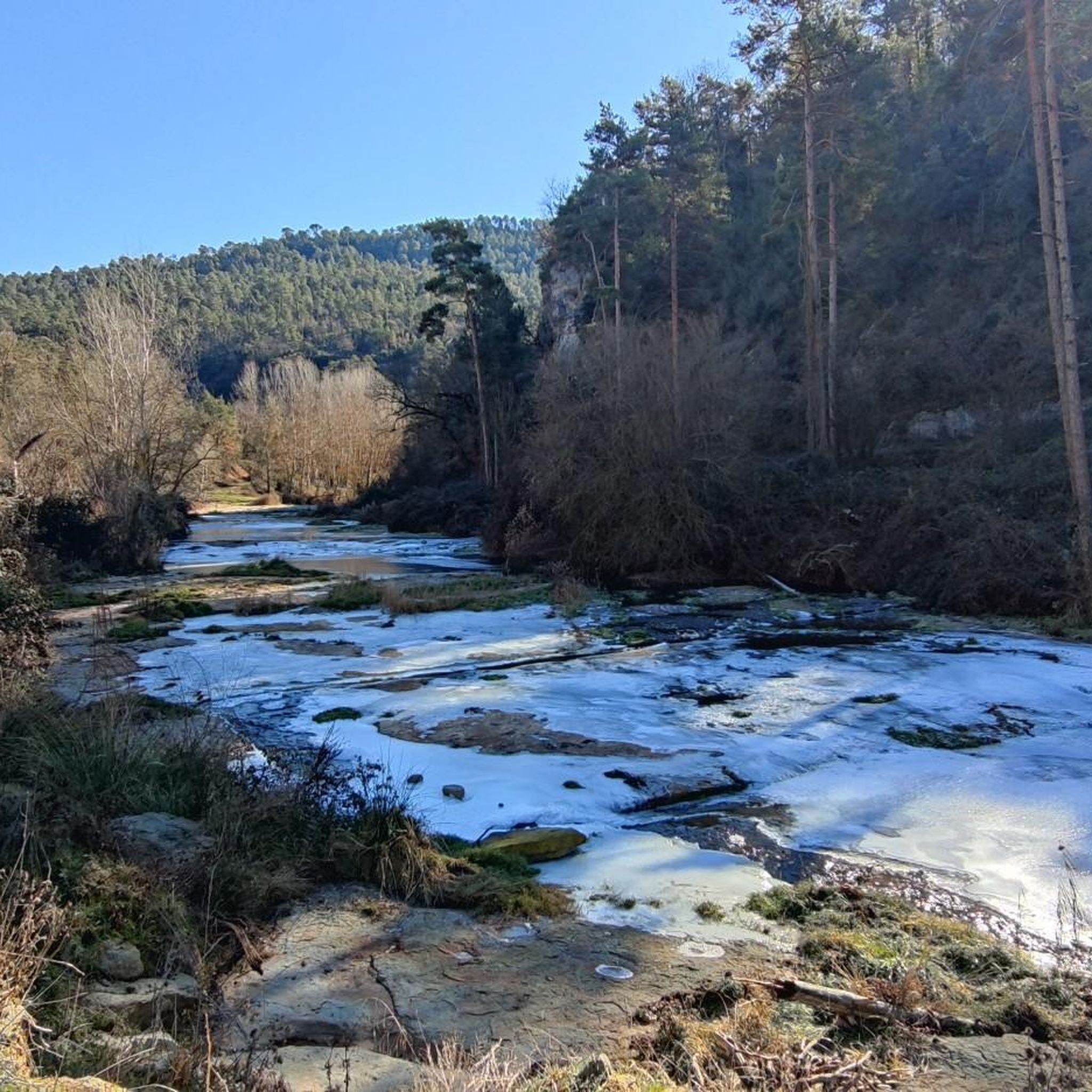
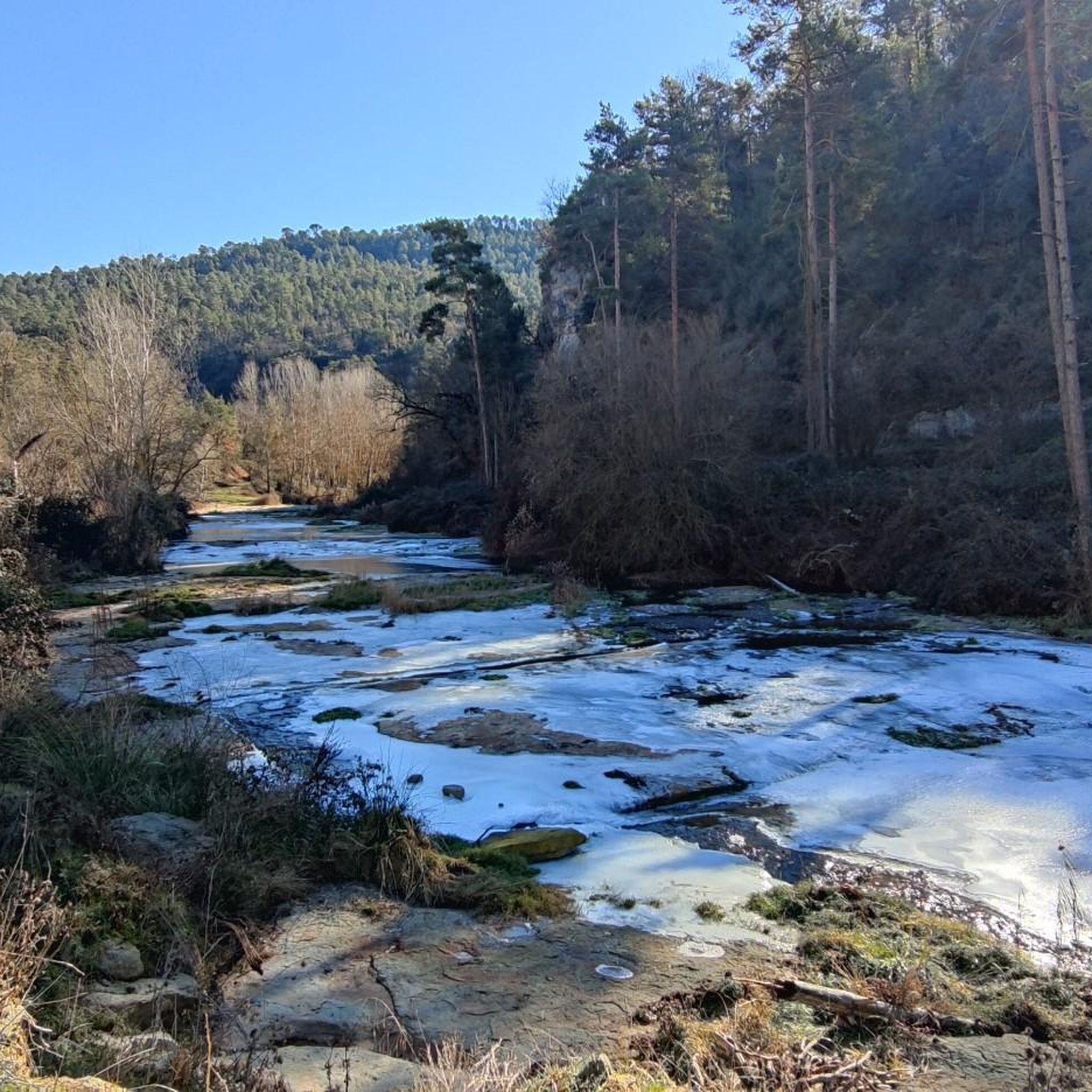
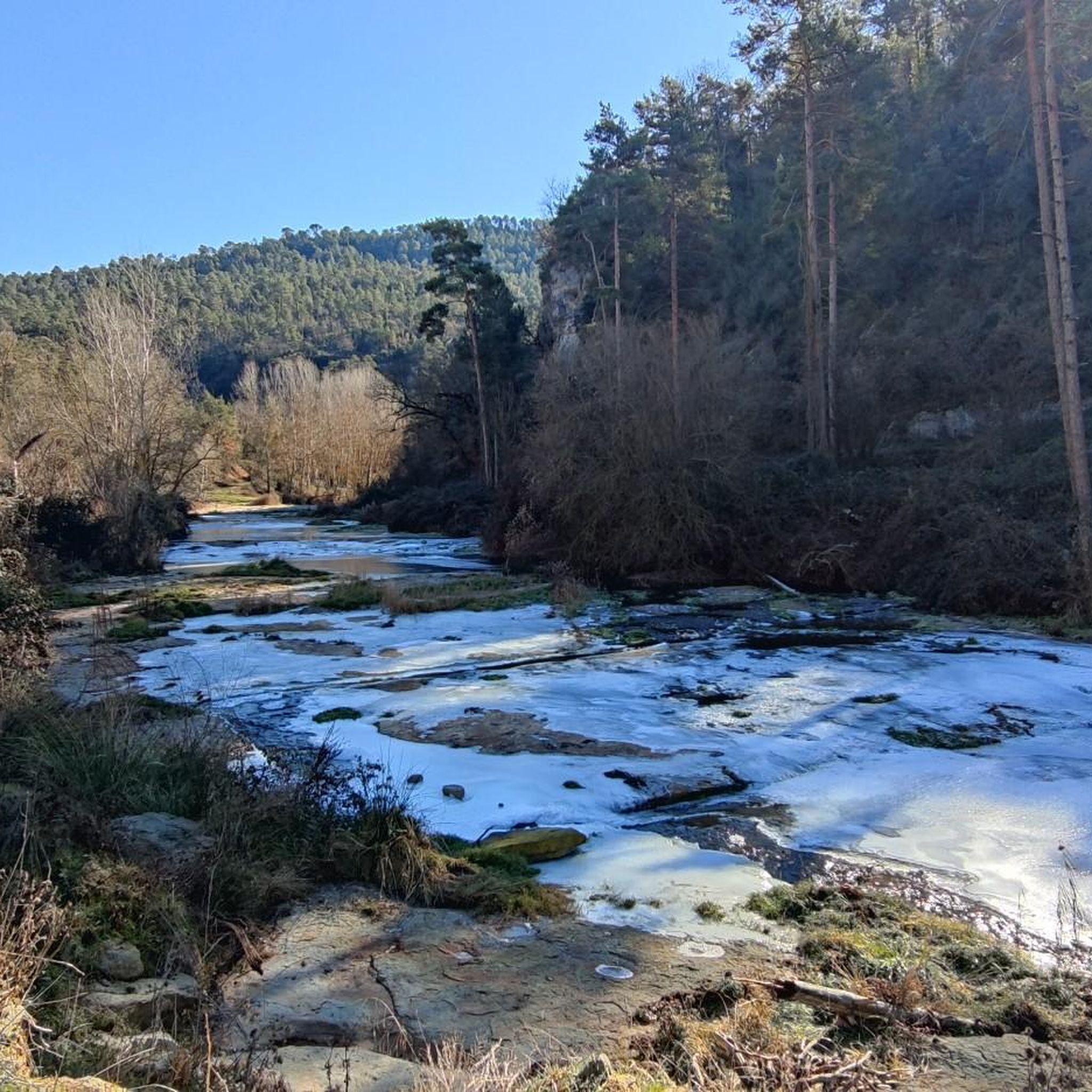
Beautiful path that follows the course of the stream, it even has a small waterfall.
1
0

An incredible road with almost no cars. On one side you have cliffs and on the other stunning views. At the end of the road you will come to a monastery. Pay attention in the curves because, despite the fact that there are not many cars, when one passes there is not much space left on the road.
0
1

Located in the Montsenyen half of the municipality, included in the Montseny Natural Park, it covers a large part of the Vallcàrquera valley, drained by the stream that bears the same name, at the foot of the Tagamanent hill. It runs along the southernmost slope of the Vall de Vallcàrquera to cross the tramuntana side at the Pont de la Font del Molí, and descend more or less steeply to Can Bosc to end up flowing into the Gorge in the section known as the creek The Vallcàrquera valley is a territory with a humid Mediterranean character where the vegetation is basically coastal and mountain oak. Despite this, the accentuated relief and the geological diversity of the municipality, together with the several permanent watercourses, have made Figaró one of the municipalities with a diversity of the most remarkable plant communities in the Vallès.
2
0
Frequently Asked Questions
What unique natural features can I explore around Castellcir?
Castellcir offers a diverse natural landscape. You can discover dramatic rocky formations like the cliff supporting La Trona (Bertí Cliffs), which provides panoramic views. The area also features picturesque waterfalls such as Salt de la Tosca, where a stream descends into a natural pool, and the impressive waterfall at Sant Miquel del Fai Monastery and Waterfall, which includes stalactite caves. The region is also characterized by green hills, lush forests, and numerous waterways, including the headwaters of the Tenes River.
Are there family-friendly natural monuments or activities in Castellcir?
Yes, the Vallcàrquera Stream offers a pleasant excursion, particularly suitable for families with very young children due to its gentle terrain and short sections. It features a beautiful waterfall and several fountains. The general landscape of Castellcir, with its forests and streams, also provides many opportunities for easy walks and enjoying nature with family.
What kind of geological formations can be observed in the natural monuments near Castellcir?
The region showcases interesting geological features. The Castell de La Popa, for instance, is perched on a rocky cliff shaped by thousands of years of erosion, revealing flat strata of hard limestone. At Salt de la Tosca, you can see formations dating back to the Eocene epoch, approximately 45 million years ago, comprising layers of greyish sandstone, limestone, and marl. The Sant Miquel del Fai Monastery and Waterfall also features impressive stalactite caves.
What historical or cultural sites are integrated with the natural landscape in Castellcir?
Several sites blend history with nature. The Castell de La Popa is a medieval castle dramatically set atop an isolated rocky cliff, showcasing how architecture adapted to natural geomorphology. The Molí de Brotons, adjacent to Salt de la Tosca, is an old mill ingeniously excavated into the rock next to a waterfall. Additionally, the Sant Miquel del Fai Monastery and Waterfall is a historical site located on a mountain, suspended over a cliff, offering a unique combination of architecture and natural beauty.
What outdoor activities can I do near these natural monuments?
The area around Castellcir is excellent for various outdoor activities. You can find numerous routes for cycling, road cycling, and running. For example, there are moderate to difficult cycling routes like the 'Granera Castle – Sant Llorenç Savall loop' and running trails such as the 'Roc Gros Viewpoint loop'. You can explore more options on the dedicated guides for Cycling around Castellcir, Road Cycling Routes around Castellcir, and Running Trails around Castellcir.
Are there specific hiking trails near the natural monuments in Castellcir?
Yes, the natural monuments are often part of or accessible via hiking trails. The area around Salt de la Tosca and Molí de Brotons is a rewarding destination for hikers. The route to the Sant Miquel del Fai Monastery and Waterfall is also a spectacular walk. For more structured hiking options, you can check the running guides which often include hiking-suitable paths, such as the 'Moià Old Town loop' from Moià.
What is the best time to visit the natural monuments around Castellcir?
The region's diverse landscapes, from forests to waterways, are enjoyable across seasons. Spring and autumn generally offer pleasant temperatures for outdoor activities like hiking and cycling. During these times, waterfalls like Salt de la Tosca and the one at Sant Miquel del Fai are often at their most impressive due to rainfall. Summer can be warm, but the shaded forests and streams provide cooler spots.
What nearby natural parks or larger natural areas can I access from Castellcir?
While Castellcir itself is rich in natural beauty, the Montseny Natural Park is just a few kilometers north and easily accessible. This UNESCO Biosphere Reserve is known as the 'green lung of Catalonia' due to its exceptional biodiversity and diverse ecosystems. It offers numerous signposted hiking routes and breathtaking panoramic views from peaks like Turó de l'Home, making it an ideal spot for further exploration.
What do visitors enjoy most about the natural monuments in Castellcir?
Visitors particularly appreciate the dramatic scenery and the unique combination of natural beauty with historical elements. The Sant Miquel del Fai Road is loved for its tall cliffs, fantastic views, and the unique cycling experience it offers. The monastery of Sant Miquel del Fai is praised for its magical appearance, suspended over a cliff, and the opportunity to explore stalactite caves and walk behind a waterfall.
Are there any natural monuments that offer challenging climbs or viewpoints?
Yes, La Trona (Bertí Cliffs) is a popular climbing point due to its verticality and offers panoramic views of the surrounding valleys and the Montseny massif from its summit. The Sant Miquel del Fai Road also provides stunning viewpoints with steep falls into fantastic vistas.
Can I find any hidden gems or less-known natural spots in the Castellcir area?
Beyond the well-known sites, the broader municipality of Castellcir itself is a hidden gem, characterized by a serene and rural environment with diverse woodland and agricultural lands. Exploring the numerous torrents and crest lines can lead to tranquil spots. The Hermitage of Mare de Déu de la Tosca, near Salt de la Tosca, also adds a cultural layer to a beautiful natural setting, offering a peaceful experience away from more crowded areas. For more information on the hermitage, you can visit Wikipedia.
Most popular routes around Castellcir
Most popular attractions around Castellcir

Get inspired with the komoot mobile app


Explore more
Extend your search for the best caves by checking out these guides of the top ones around Castellcir:
